Boeing got a double dose of good news Tuesday as the global trade landscape shifted sharply in the company's favor.
The big picture: A critical manufacturer for U.S. exports, Boeing has been dealing with a series of challenges in recent years, including a quality crisis, legal problems, labor issues and, most recently, trade walls.
The Cartoon Network's future looks increasingly uncertain amid "sweeping cuts," limited streaming prospects and plunging ad sales, according to a new report.
State of play: Warner Bros. Discovery has been disinvesting in the network, Bloomberg Businessweek reported today.
It closed the Cartoon Network Studios' home in Burbank, California.
And "the viability of the Cartoon Network brand in streaming doesn't look much more promising," Bloomberg reported, noting that Max "has largely failed to emerge as a go-to destination for young viewers."
By the numbers: Annual ad revenue for Cartoon Network and Adult Swim, its spinoff animation brand for grown-ups, fell by 83% from 2014 to 2024, according to S&P Global Market Intelligence data.
💭 Nathan's thought bubble: I have an idea for them: Get the rights to "Pinky and the Brain" and order a reboot!
The S&P 500 is up 10% over the past month, while the Dow Jones Industrial Average is up only 5%. The main reason why: UnitedHealth Group.
Why it matters: This time last month, UnitedHealth was the highest-priced stock in the Dow, singlehandedly accounting for 9.2% of the index. The fall in the share price since then represents a drop of 1,938 Dow points, making it that much harder for the average as a whole to show solid gains.
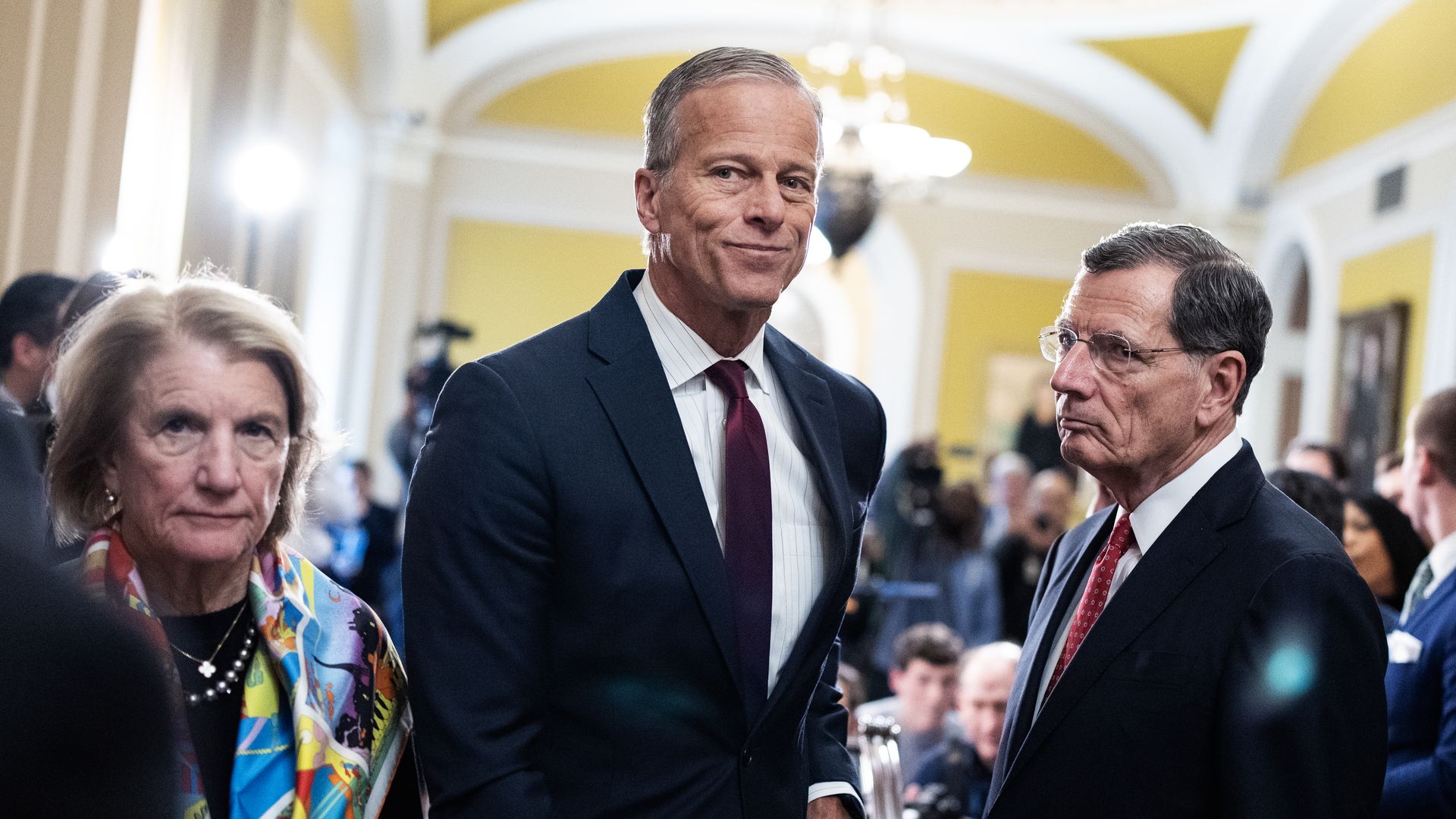
Senate GOP Whip John Barrasso urged his colleagues in a closed door lunch on Tuesday to ignore the GAO and Senate rule keeper to undo a California energy policy, Axios has learned.
Why it matters: Majority Leader John Thune (R-S.D.) did not announce any final decision. But Barrasso (R-Wyo.) told reporters after the meeting that the Senate will vote on the controversial measure next week.
Congressional Republicans have two pieces of stablecoin legislation crafted, STABLE and GENIUS, acronyms assumed to be devised — though no one would ever confirm this — as a nod to their party leader's famous construction.
Why it matters: President Donald Trump's commercial extracurriculars are making him look somewhat less politically savvy right now.
The big picture: The Senate would probably have debated and voted on GENIUS, the first bill to move, if not for the actual stablecoin proposed by a company whose profits largely flow back to the Trump family.
Trump family-linked World Liberty Financial is making a plan to give holders of its WLFI governance token free money in the form of its stablecoin, USD1, by airdropping it to wallets that already hold its token.
Why it matters: It's the first form of profit potential that we've seen for buyers of the token.
Context: World Liberty raised $550 million selling WLFI, but the token isn't tradable — so far.
Celsius founder Alex Mashinskyhas been sentenced to 12 years for committing commodities and securities fraud at Celsius, one of the centralized crypto lenders.
Why it matters: There's a list of key miscreants in the 2022 crash of the cryptocurrency market, and Mashinsky is on there, alongside Sam Bankman-Fried and Do Kwon.
Mashinsky pled guilty to the charges.
What they're saying: "Alexander Mashinsky targeted retail investors with promises that he would keep their 'digital assets' safer than a bank, when in fact he used those assets to place risky bets and to line his own pockets," U.S. Attorney Jay Clayton said in a statement.
Even if you squint, there is little sign of the trade war to be found in Tuesday morning's April inflation data.
Rather, it's the latest evidence that price pressures were still diminishing before the full onset of new tariffs.
Why it matters: The brunt of higher import taxes looks likely to arrive this summer, even with de-escalation in the last several days, and even as the underlying trajectory for inflation looks the best it has in four years.
Student loan delinquency rates surged to a five-year high in the early months of 2025, the New York Fed said on Tuesday.
Why it matters: The data is among the earliest to show how Americans have fallen behind on student loan repayments since pandemic-era relief expired and delinquencies started to appear on credit reports.
General Motors aims to deploy the industry's first lithium manganese-rich (LMR) batteries on its next-generation electric trucks and SUVs, tapping an alternative chemistry that it claims will provide more energy at a lower cost.
Why it matters: The biggest barriers that prevent truck customers from buying an EV are their limited driving range and high prices, GM says.
To understand the degree to which President Trump's deescalation on tariffs has buoyed the U.S. economic outlook, the best place to look is probably the foreign exchange market.
Why it matters: The decline in the dollar, in the wake of last month's tariff announcement, represented the consensus in the market that the new levies would tip the U.S. into a recession.
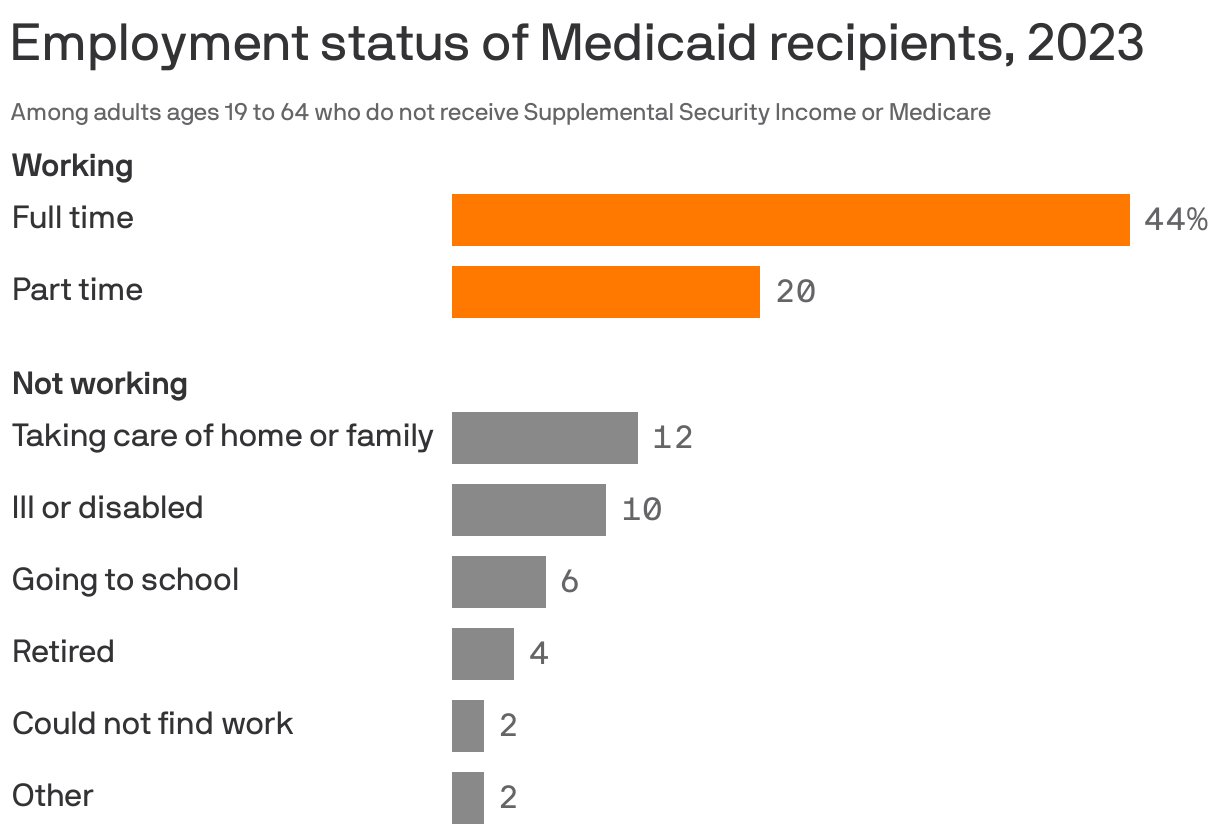
Work requirements for Medicaid will reduce the number of eligible Americans covered under the health insurance program, according to experts and evidence from states that imposed them.
Why it matters: Work requirements are part of a budget bill from House Republicans that would impose big cuts to the health insurance program for the poor that covers 21% of Americans.
Small business optimism declined for the fourth straight month in April, with the fewest Main Street firms since 2020 planning investments to expand business.
Why it matters: The findings predate the trade war de-escalation with China, but the ongoing sentiment slump is the freshest warning about the economic risks associated with sky-high tariffs and broader uncertainty.
The share of international job seekers looking to work in the U.S. has declined sharply this year, per a report from Indeed out Tuesday.
Why it matters: The labor market is slowing down, and stricter immigration policy — beginning with the Biden administration and accelerating under President Trump — is further cooling demand for American jobs.
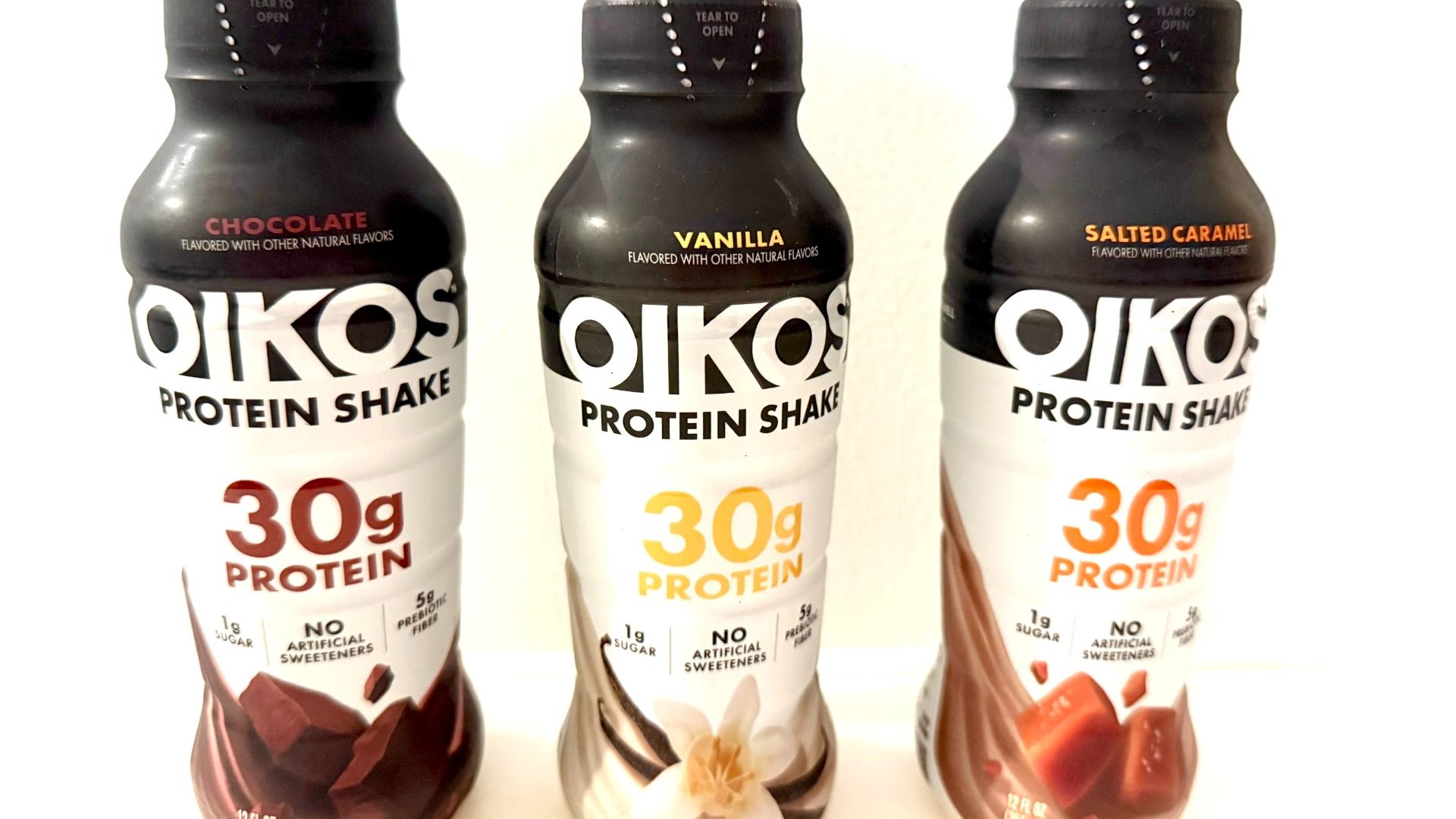
High-protein yogurt brand Oikos is expanding beyond the dairy aisle with protein shakes geared to GLP-1 users, Danone North America shared exclusively with Axios.
President Trump's bombshell executive order aimed at lowering U.S. drug prices is a step toward a worst-case scenario for the pharmaceutical industry. Some critics say the industry could have done more to avoid it, even though Trump's policies are causing turmoil in almost every sector of the economy.
Why it matters: Trump's announcement could be the start of enormous global disruption for the pharmaceutical industry — or it's the least-bad version of what was on the table, depending on who you ask.
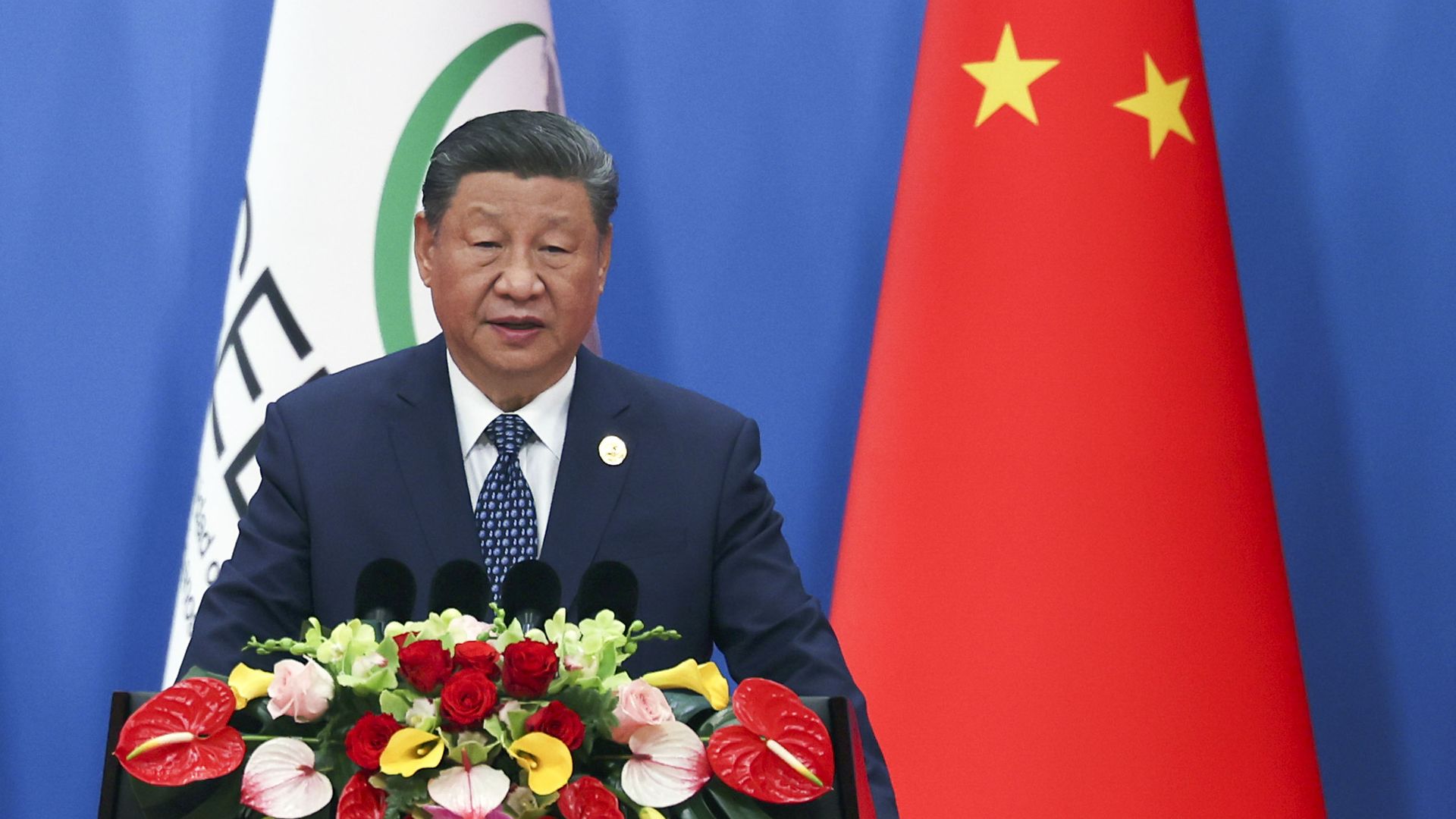
China's leader Xi Jinping took an apparent swipe Tuesday at President Trump's tariff policies.
Why it matters: Xi's first remarks since China and the U.S. agreed to cut tariffs on each other for 90 days were far removed from those in the U.S.-China joint statement that spoke of recognizing the importance of a "mutually beneficial economic and trade relationship."
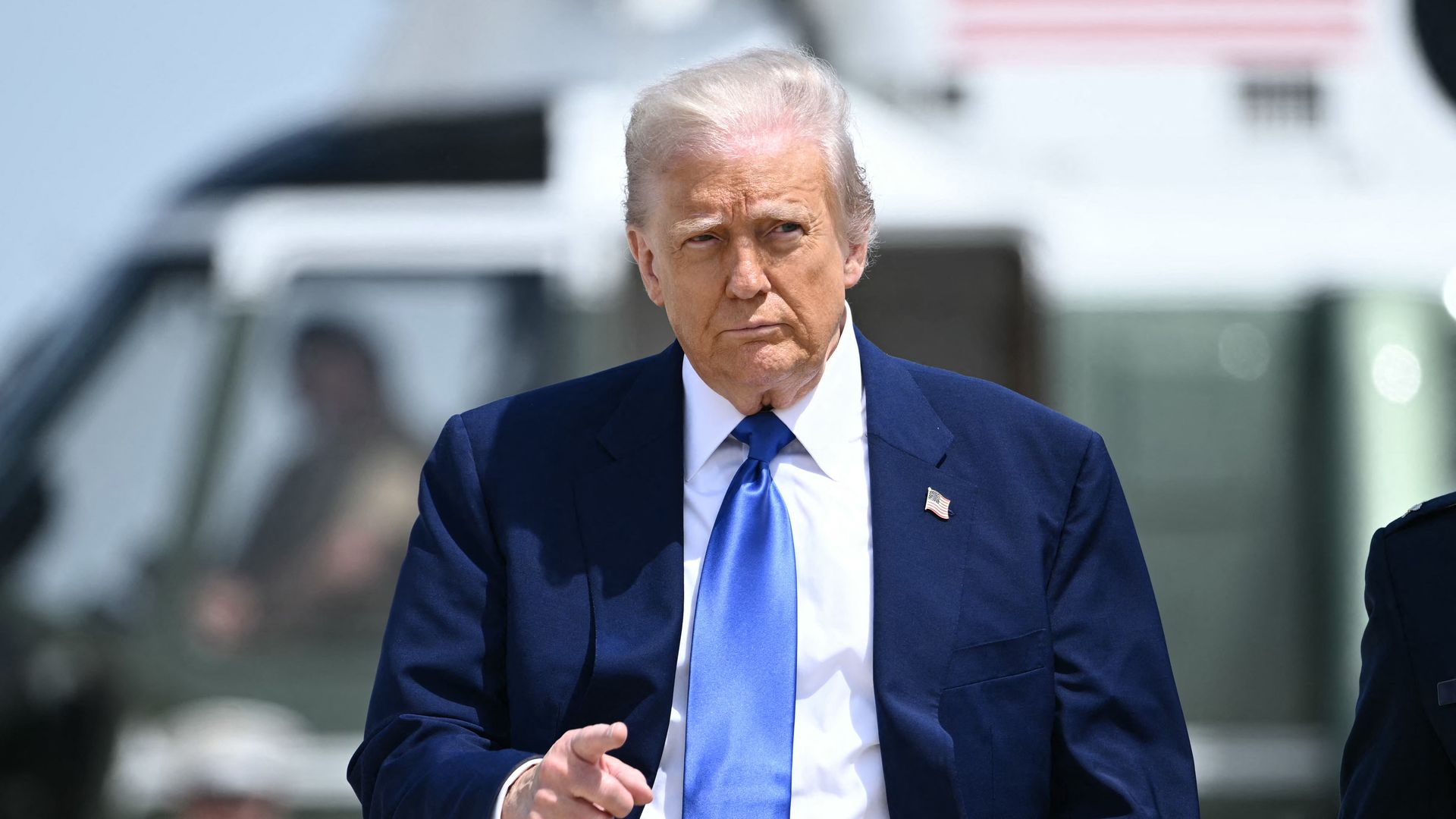
While President Trump maintains it'd be "stupid" to turn down a $400 million jet from Qatar to serve as Air Force One, some Republicans have joined Democrats in expressing concern at such a move.
The big picture: White House press secretary Karoline Leavitt said in an emailed statement Monday night that "any gift given by a foreign government is always accepted in full compliance with all applicable laws" and the administration "is committed to full transparency."
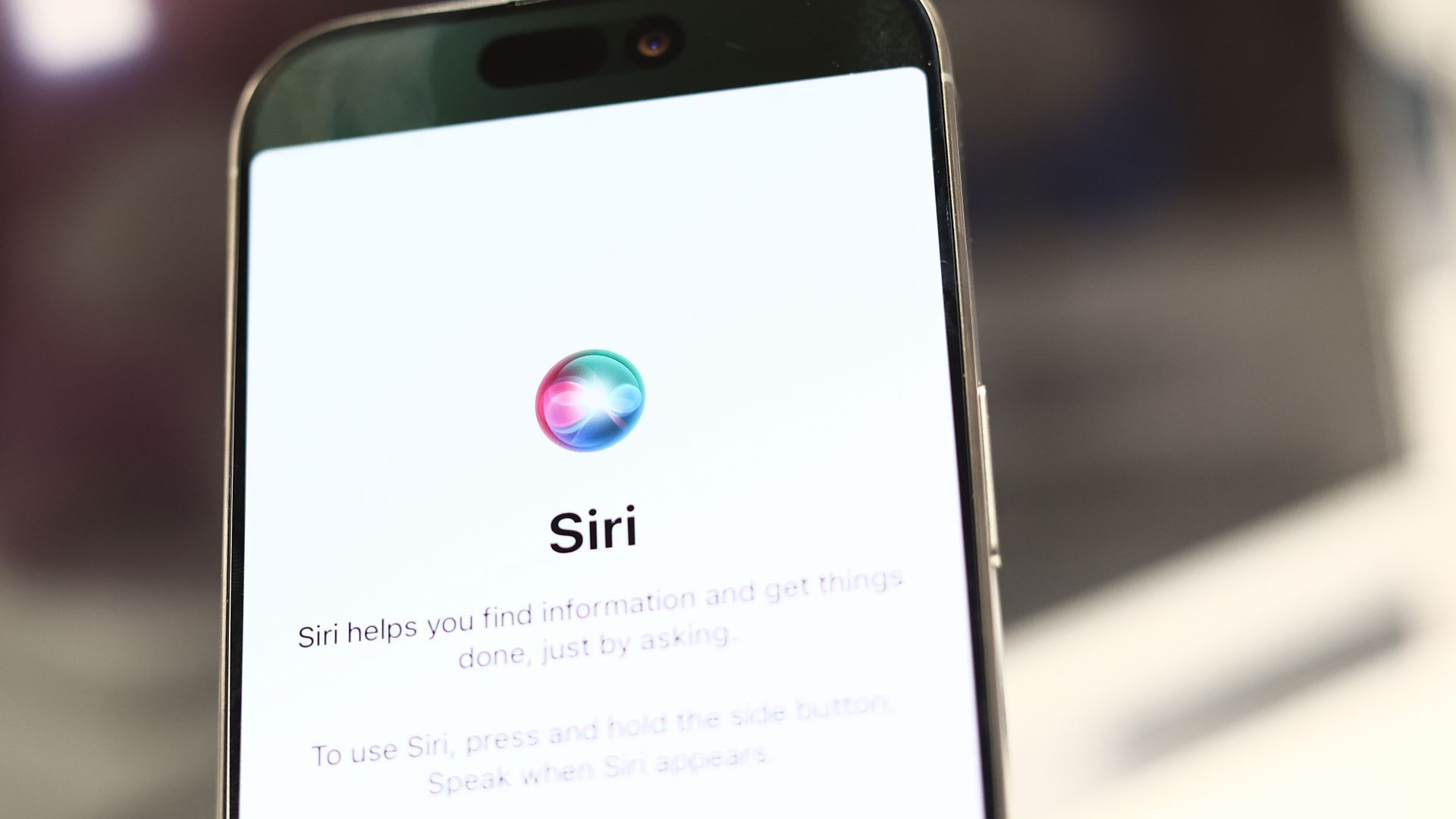
Some owners of Apple devices are eligible to file a claim for a piece of a $95 million class-action lawsuit settlement over allegations that voice-activated Siri assistant violated users' privacy by recording conversations.
Why it matters: Time is running out to file a claim for the settlement against the tech giant.