Yum Brands — the parent company of Taco Bell, KFC and Pizza Hut — is teaming up with technology giant Nvidia in a move that could accelerate the adoption of AI ordering in drive-thrus.
The Securities and Exchange Commission is starting over Friday, hosting its first of a series of roundtables exploring the future regulation of crypto assets.
Why it matters: The agency has spent the first two months under the new administration making it clear that it intends to regulate by writing rules, rather than taking firms to court.
The big picture: Since Inauguration Day, which coincided with the departure of former SEC chair Gary Gensler, the securities regulator has backed off a lot of cases against crypto companies.
If you put all these cases built up during the Biden administration together, it illustrates a strategy of going after key elements of the industry.
It's like if you wanted to prevent movies from being made: You'd bring a case against a big talent agency, a few studios, a couple of theater chains and a distributor.
The heart of the crypto industry is trading, and the SEC went after more exchanges than any other category.
Zoom in: Probably the most impactful move came in February when it dropped its case against Coinbase, in which the SEC alleged the exchange had failed to register. The court agreed to the withdrawal this month.
This month it also dropped a case (in principle) against Kraken, another major exchange, over much the same issue.
At the end of February, it closed an investigation into Uniswap Labs, which developed the leading decentralized exchange, Uniswap. (The business of Uniswap Labs is quite different than that of exchange operators.)
Then it turned to cases that went after other key infrastructure, including:
OpenSea, the best-known NFT marketplace, which announced that the SEC had withdrawn an investigation into the firm. Presumably, it had been preparing to argue that NFTs are securities, which might make OpenSea another unregistered exchange.
Zoom out: The retreat is starting to have ripple effects. Vermont also dropped its case against Coinbase over staking services.
What we're watching: Coin issuer Ripple's case with the SEC has been one of the most important, delivering an early win on trading on the secondary markets. The case had never been fully resolved, though one report came out that it was close.
Another exchange, Crypto.com, last year said it was suing the agency after receiving a Wells Notice. But a spokesperson tells Axios that the suit was withdrawn in December. No update on the investigation, however.
State of play: In general, these cases have been over the bureaucratic issue of which activities require which kind of registration. Important, but not directly harmful.
But two cases included more serious allegations of market manipulation. Both of these cases are stayed, not dropped.
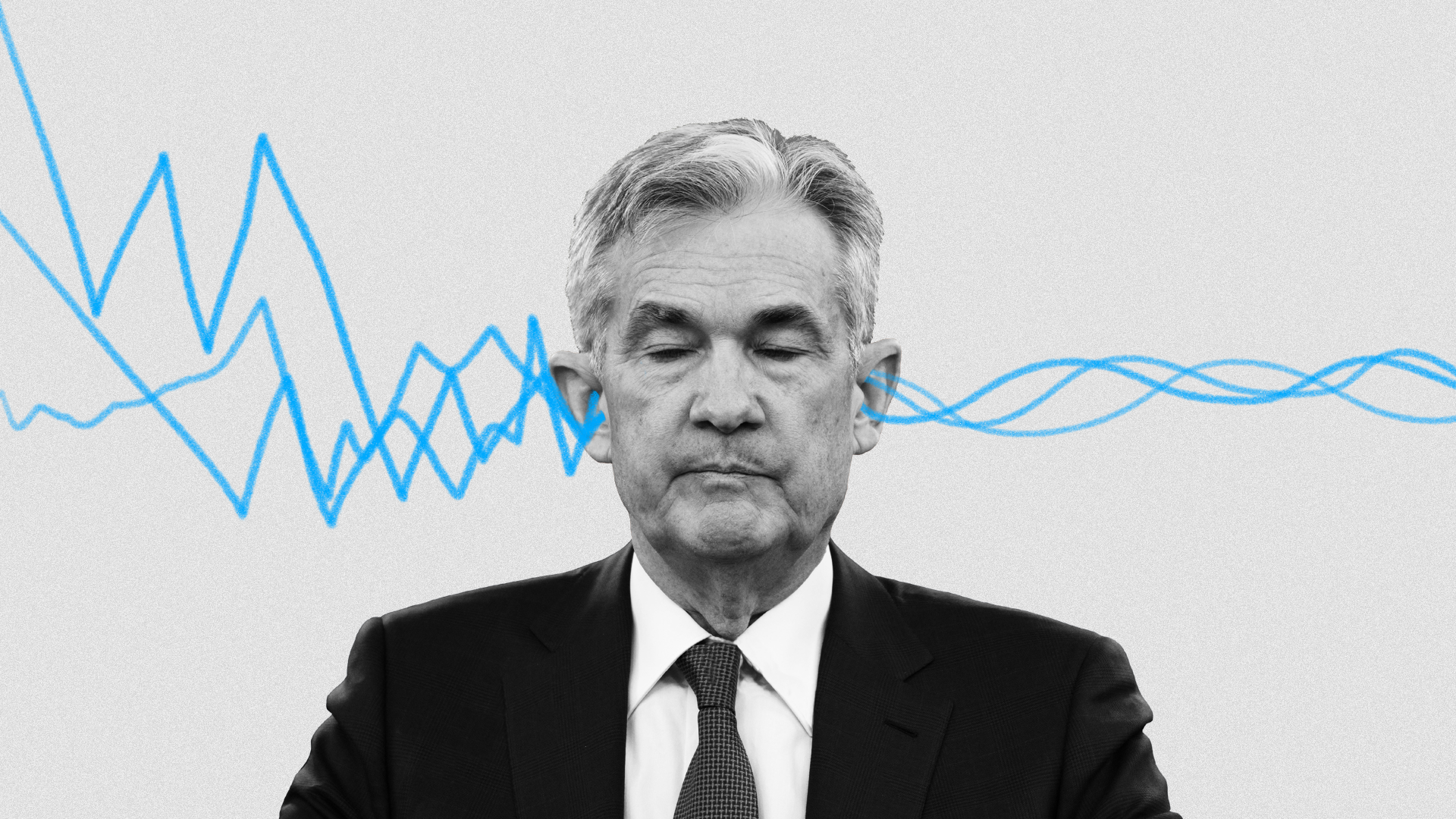
Earlier this month, Federal Reserve chair Jerome Powell made a sneakily profound comment, important for understanding how the central bank will approach policy in its meeting this week and beyond.
The big picture: "However fat you think the tails are, they're fatter than you think," Powell said, referring to the outer edges of a probability distribution.
Translation: The odds of some seemingly unlikely, extreme scenario occurring are higher than most people comprehend.
Chinese electric vehicle maker BYD on Monday announced new charging technology that it claims could "fill up" cars in just five minutes, comparable to gas station visits.
Why it matters: This could be a sort of DeepSeek moment for electric vehicles, in terms of a Chinese company lowering adoption barriers by developing much more efficient tech.
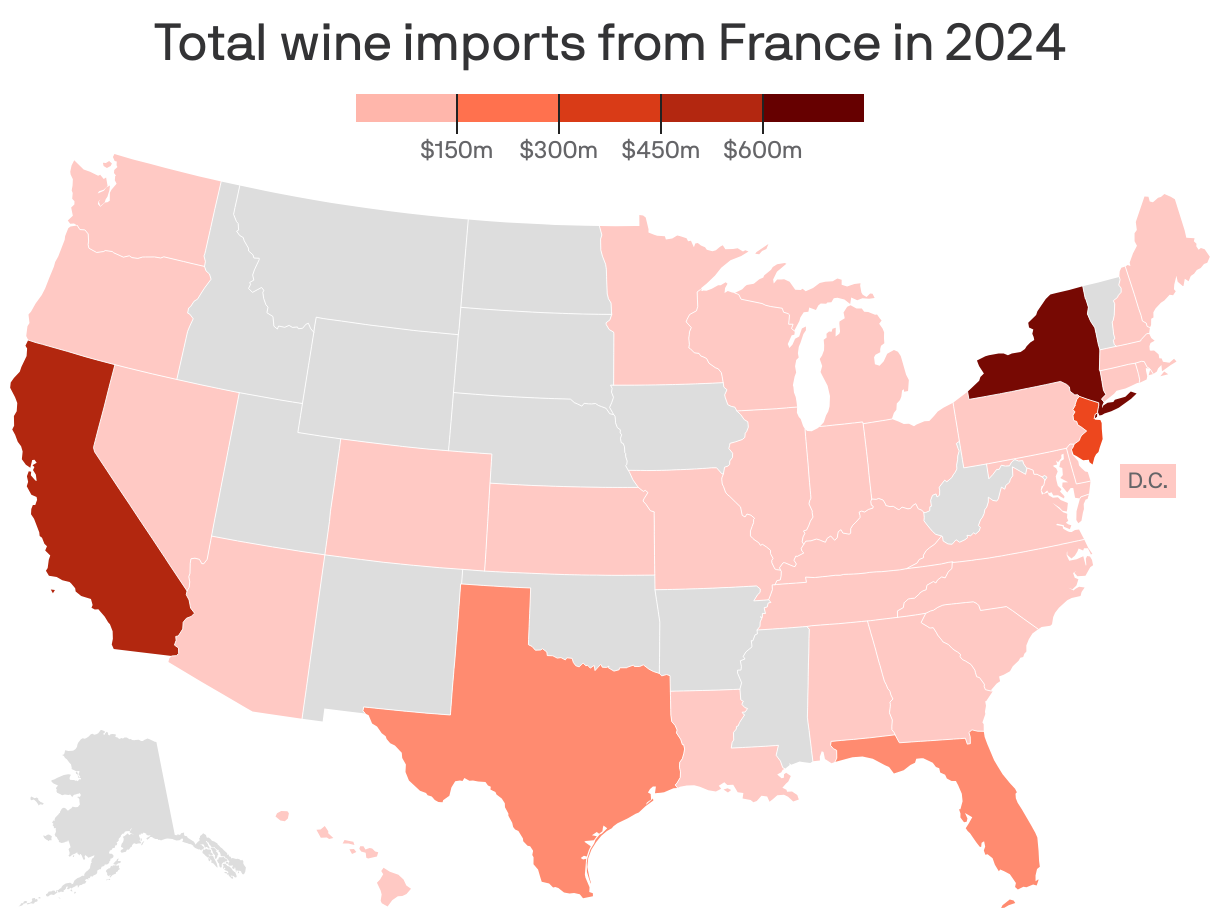
Data: American Association of Wine Economists. Map: Axios Visuals
U.S. wine importers spent $6.8 billion to bring wine into the country in 2024, 80% of which went to producers in the European Union, per the American Association of Wine Economists.
Why it matters: If tariffs were to bring that number to near zero, there would be devastating consequences down the chain, not only for the importers, but also for distributors, retailers, and anywhere that sells meaningful quantities of imported wine.
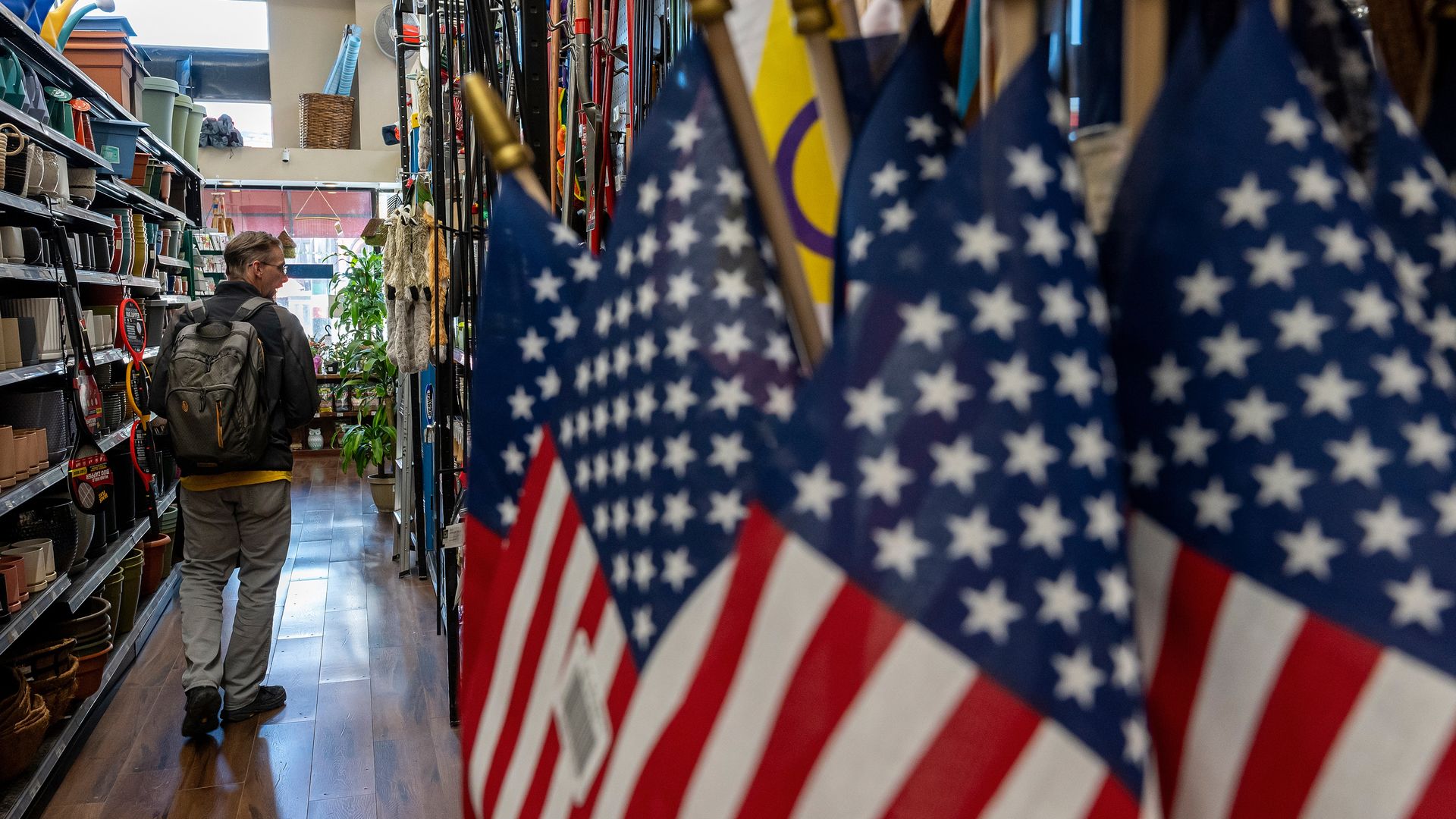
The real price of clothes has been on a steady downward trend for 25 years. Across-the-board tariffs could be the one force powerful enough to reverse it.
Why it matters: "Access to cheap goods is not the essence of the American dream," per Treasury Secretary Scott Bessent.
The United States Postal Service is asking DOGE for help in cutting costs and reforming the agency, according to a letter Postmaster General Louis DeJoy sent to Congress Monday.
Why it matters: DeJoy said he plans to cut 10,000 workers and billions of dollars from the budget.
An internal memo from the Social Security Administration proposes changes to its phone service that could derail the benefits application process for many Americans.
Why it matters: The Trump administration has repeatedly said it doesn't plan changes to Social Security, other than to address fraud and waste — but these proposals risk "crippling" a system already plagued by delays, and facing staffing cuts, former agency officials tell Axios.
President Trump announced Monday that he was nominating Republic Airways CEO Bryan Bedford to be the next administrator of the Federal Aviation Administration.
Dating app Bumble is adding a new feature that allows users to verify the identity of their potential partner.
Why it matters: Safety concerns can be a significant deterrent for would-be dating app users.
Between the lines: Bumble's new option allows users to "filter for ID-verified profiles and also request that their matches complete the verification process," Bloomberg reports.
The company "is also letting people share details about their dates and upcoming meetings with trusted contacts, similar to rival Tinder's 'Share My Date' offering."
Zoom out: Bumble is hoping to reignite its user base as it deals with slumping sales.
Fourth-quarter revenue fell 4.4%, compared with a year earlier.
The corrosive effect of a duty loophole on American retailers was thrust back into the spotlight Monday with the announced liquidation of a major fashion chain.
The big picture: Packages valued at less than $800 have a exemption from added duties, which has enabled foreign online retailers like Temu and Shein to sell super cheap goods to American consumers.
President Trump said he will nominate Federal Reserve governor Michelle Bowman to be the top financial regulator at the central bank, giving a promotion to a community banking expert he first appointed in his last term.
Why it matters: Bowman, who dissented from much of a Biden-era regulatory push, will have a broad portfolio overseeing financial stability if confirmed by the Senate to be vice-chair for supervision.
China continues to raise the bar on electric vehicles, with BYD unveiling a new EV platform that can be recharged about as fast as it takes refuel a gasoline car.
Why it matters: Making EV charging as painless as visiting a gas station is one less hurdle for consumers, and could help spur widespread EV adoption.
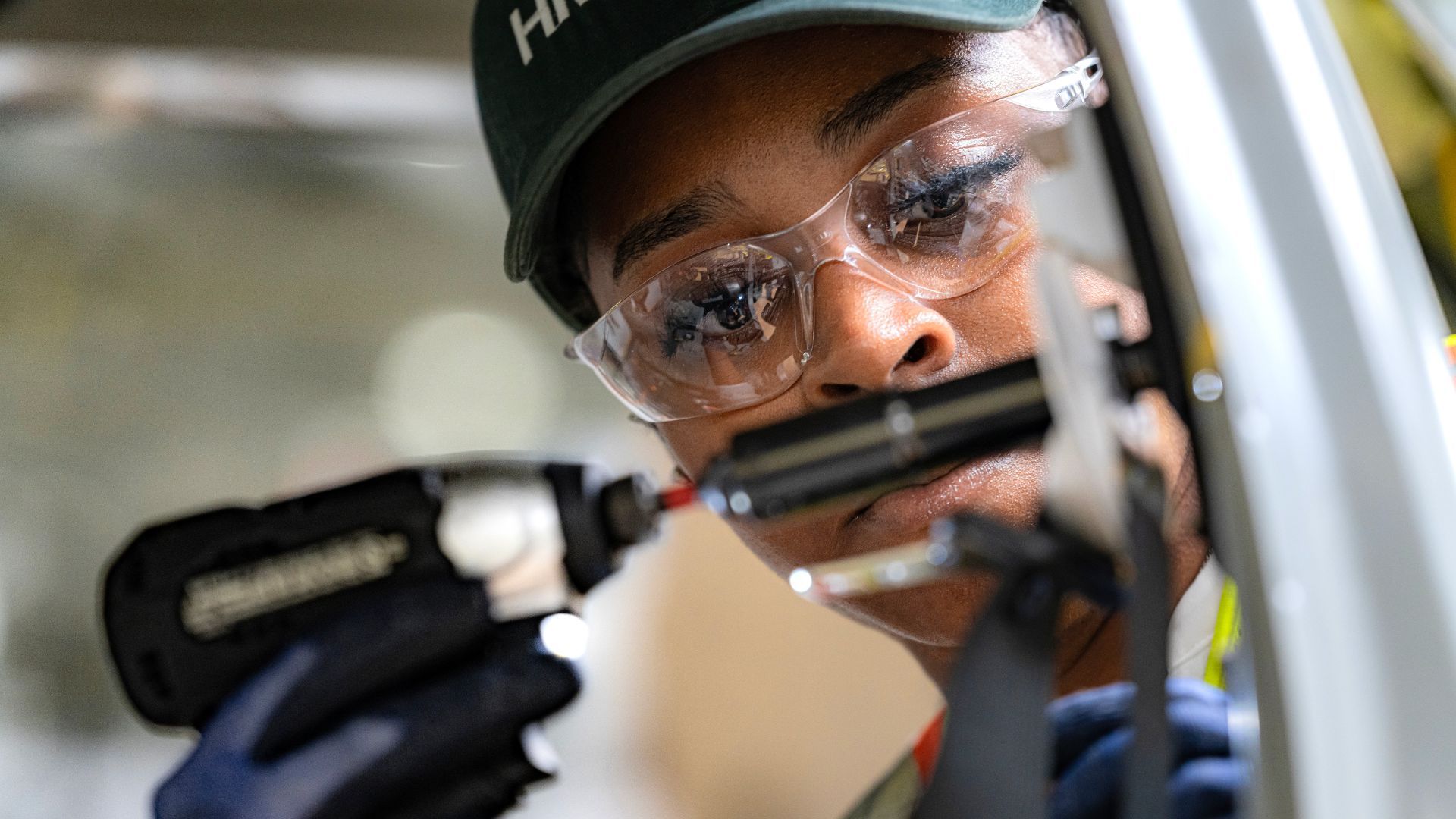
While companies race to expand U.S. manufacturing, one automaker has been supporting America for more than 40 years — creating jobs, driving innovation and strengthening communities.
It's the sixth inning of a baseball game. The pitcher, by the measures that matter most — how many hits and runs he's allowed — is having a good night. But the manager sees something subtle and pulls him out of the game anyway.
The big picture: This is, more or less, the state of the U.S. economy at the onset of spring. All is well with headline measures like GDP growth and the unemployment rate. It's the peripheral indicators that hint at trouble ahead.
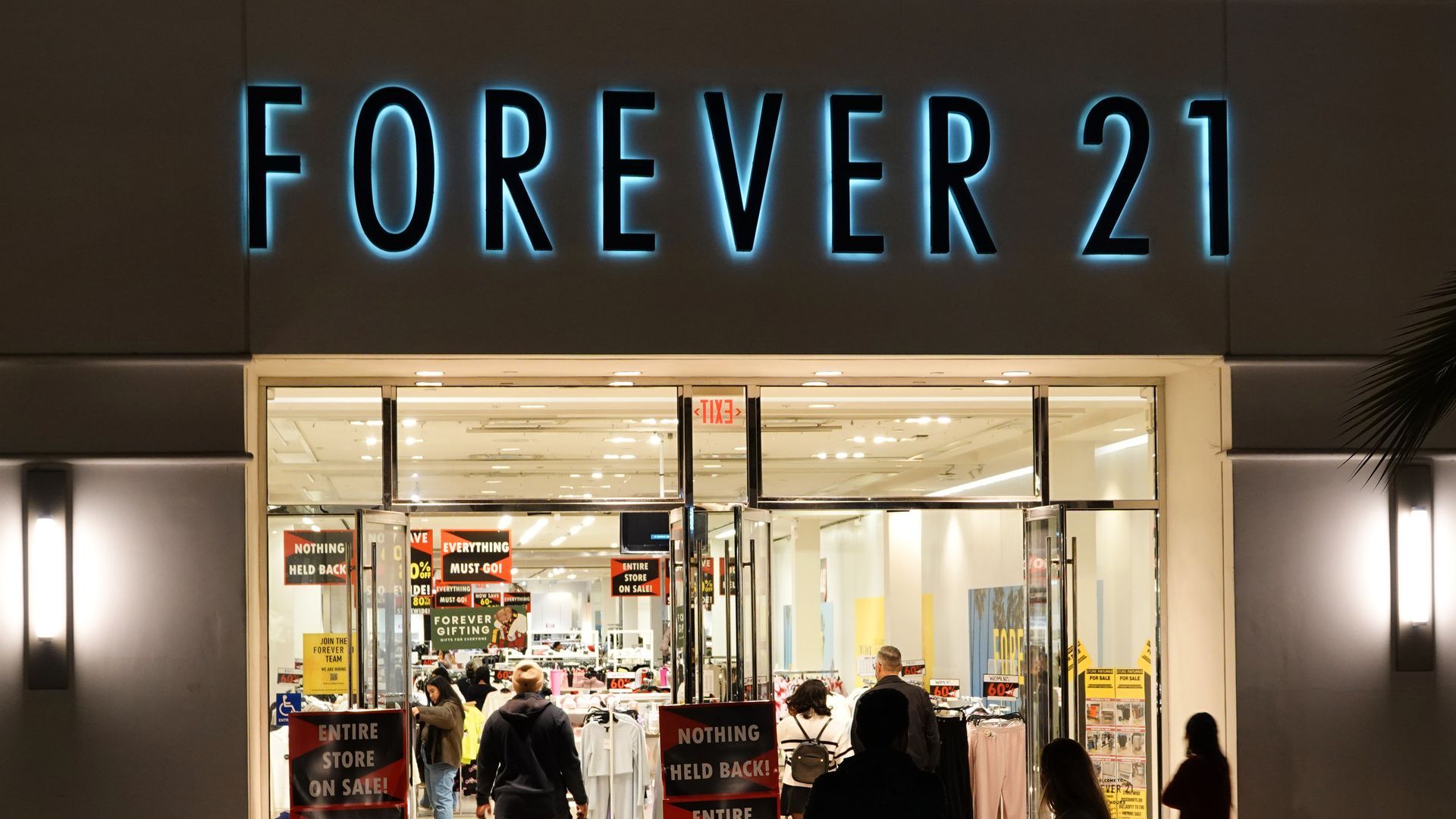
Forever 21 stores in the U.S. are poised to go out of business after the company that owns them filed for Chapter 11 bankruptcy protection.
Why it matters: The retailer — which has about 354 stores and more than 9,200 employees — was a pioneer in fast fashion, becoming a once-ubiquitous presence in American malls and a destination for teenage shoppers.
President Trump's trade war would put a brake on global economic growth and stoke inflation, according to new forecasts by the Organization for Economic Co-operation and Development.
Why it matters: The OECD sees a stagflationary economic scenario for the U.S. and its North American allies, with significant GDP downgrades across the continent and new price pressures as a result of tariffs and policy uncertainty.
Why it matters: Overall spending recovered less than expected from a slow start to 2025. But the details of the report are more encouraging, offering some relief about the health of the economy.
Even those who have long argued that it should be easier to fire federal workers are wary of the way the White House is going about job cuts.
Why it matters: The administration's fire first, ask questions later approach is embroiled in a legal battle that likely winds up at the Supreme Court.
Treasury Secretary Scott Bessent broke with orthodoxy Sunday when he said corrections in stocks were "healthy" and an antidote to "euphoric" market action.
The big picture: Over the long run, he's not necessarily wrong.

























/2025/03/17/1742222416565.gif?w=3840)