SEC closes investigation into OpenSea, furthering new stance on crypto industry

Add Axios as your preferred source to
see more of our stories on Google.
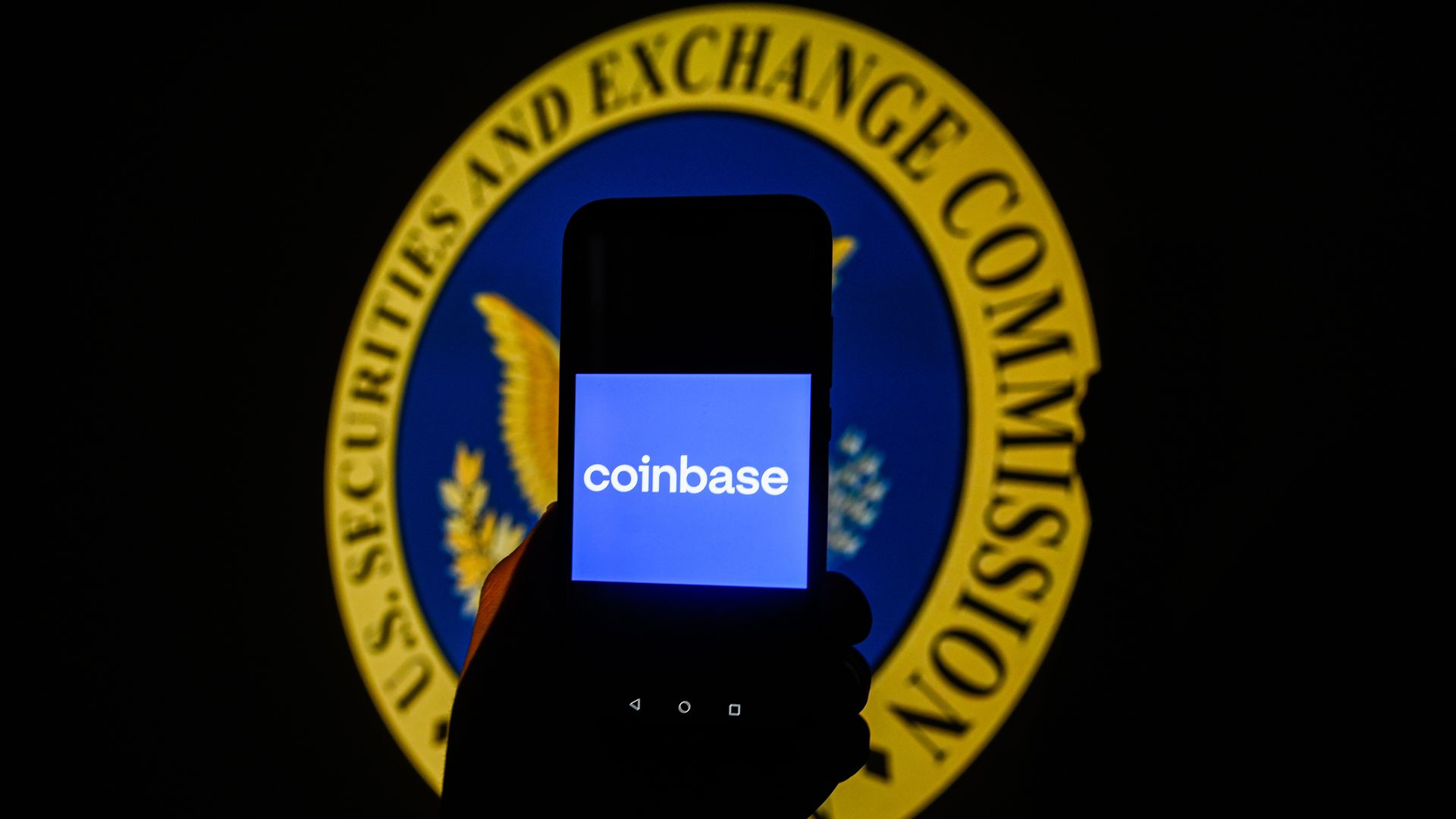
Photo Illustration: Omar Marques/SOPA Images/LightRocket via Getty Images
The Securities and Exchange Commission told OpenSea on Friday that it was dropping the case it had been building against the NFT marketplace, the second sign in 24 hours that the agency is backing off its campaign against the digital-asset industry.
Why it matters: The SEC is ushering in a new U.S. regulatory scheme for digital assets.
State of play: Coinbase said Thursday that SEC staff agreed to drop the agency's nearly two-year old lawsuit against the crypto exchange.
- And earlier this month the SEC stayed a separate securities-based case against another exchange, Binance, saying the work of the agencies new crypto task force "may impact and facilitate" a potential resolution.
The big picture: The heart of all three suits — like several others filed against blockchain companies by the Biden-era SEC — was the idea that most crypto assets, be they tokens or NFTs, qualify as securities.
- That interpretation would subject those assets to the strict disclosure requirements and trading limitations applied to such assets — things the crypto industry argues are unnecessary or even impossible to provide.
- "This outcome allows creators to continue shaping the future of digital ownership and innovation," OpenSea co-founder Devin Finzer said in a statement Friday.
Context: For the last several years, the SEC under former chair Gary Gensler refused to create new tailored rules for crypto, while testifying to Congress that none were necessary.
- When Coinbase petitioned the agency to write rules, it declined. So the exchange filed a lawsuit of its own. A court found that the agency declined so egregiously that its reason for refusal was "arbitrary and capricious."
- Other lawsuits the SEC filed included a software development firm, in which it sought to bring decentralized finance (DeFi) tools under the securities umbrella. It sued a crypto market maker, and issued a variety of warning notices, so-called Wells Notices, including against the maker of the most popular decentralized exchange.
To be clear, the SEC isn't alleging fraud against these firms. These suits are all about arcane legal questions of how authorities should look at one transaction versus another.
What we're watching: A question you'll often hear asked about crypto policy under the more crypto-friendly Trump administration is: "Will this mean that there will be less regulation of the industry?"
- The question assumes there has been regulation at all, but that's debatable. And that's largely where Congress now is stepping in.
- Legislation is taking shape to create specific regulatory rules around two areas — stablecoins and a broader market structure scheme.
The bottom line: The SEC seems to be reprioritizing its focus on the crypto industry. Thursday, the agency unveiled its new crypto unit, which is focused on fraud and malicious actors.
