Wednesday's economy stories

What they're saying
"All I know is, I'm good for my $80 billion."— Microsoft CEO Satya Nadella, to CNBC in Davos, on the company's AI investment target after Musk questioned Microsoft partner OpenAI's commitment to Stargate.
The tide is changing
Procter & Gamble kept prices steady in its most recent quarter for the first time in several years.
Why it matters: The consumer conglomerate — whose brands include Tide detergent, Crest toothpaste, Gillette razors and Bounty paper towels — had raised prices repeatedly during the inflation crisis.
The big picture: The fact that P&G has eased up on price hikes is another sign that consumer goods inflation is coming under control.
Wednesday catch-up
🪙 More than 7% of crypto users traded Trump's meme coin within two days of its release Friday, according to cryptocurrency tax platform CoinLedger. Official Trump is trading more than 45% below its high on Sunday, which still creates billions in paper wealth for the president. (Axios)
💊 Johnson & Johnson reported higher-than-expected earnings. Sales of the company's cancer drugs jumped, but its second-biggest drug is now facing generic competition. (Bloomberg)
🤝 ByteDance board member Bill Ford said a deal will get done to ensure that TikTok remains available in the U.S. The General Atlantic CEO told Axios at an event in Davos that a deal is "in everybody's interest." (Axios)
High stakes gambling
Come fly with me, let's fly, let's fly away ... and do some betting?
State of play: A Connecticut legislator has proposed a bill that "aims to legalize and regulate in-flight sports betting on flights originating or terminating in the state," trade publication Legal Sports Betting reports.
- The proposal comes after DraftKings and Delta Air Lines earlier this month announced a partnership without providing many details about what it entails.
Yes, but: U.S. Sen. Richard Blumenthal (D-Conn.) has already expressed concern about the DraftKings-Delta deal, writing a letter demanding details about their collaboration and calling on them to press pause.

Elon Musk's feuds cool off — with one big exception
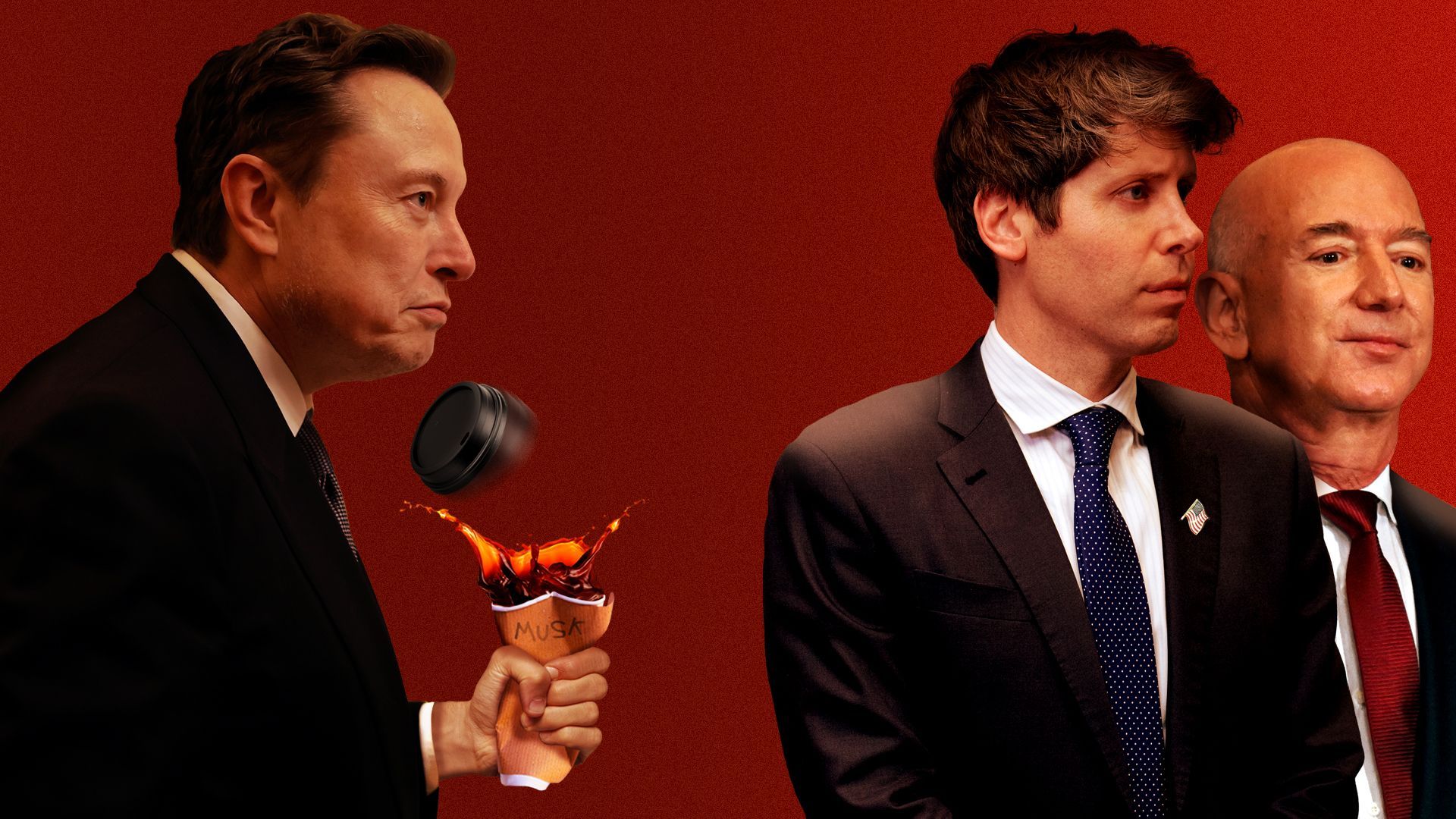
Elon Musk's status as the "First Buddy" to Donald Trump is complicating his ongoing rivalries with some of the biggest names in business.
Why it matters: Musk has been at war with OpenAI's Sam Altman, once vowed to fight Mark Zuckerberg and has periodically dissed Jeff Bezos.

It's not a "foregone conclusion" that AI will outsmart humans, expert says
DAVOS, SWITZERLAND – Implementing AI in a way that augments — not replaces — humanity's touch is top of mind for companies around the world.
Why it matters: Many workers are nervous about the impact that AI may have on their jobs.
Axios' Ina Fried and Courtenay Brown moderated conversations with Max Tegmark, president of the Future of Life Institute that focuses on mitigating technology risks, and Calm CEO David Ko in Davos. The Jan. 20 conversations were sponsored by Workday.
What they're saying: "I actually do not think it's a foregone conclusion that we will build AGI [artificial general intelligence] machines that can outsmart us all. Not because we can't … but rather we might just not want to," Tegmark said.
- "So why are obsessing about trying to build some kind of digital god that's going to replace us, if we instead can build all these super powerful AI tools that augment us and empower us?" Tegmark asked.
Ko said that implementing AI at Calm, a mental health-focused app offering meditations to users, has "been a process."
- "When you work at a company that really focuses on employee wellness and their own mental wellbeing and we start to talk about AI, that does give a lot of folks anxiety," Ko said.
- "We've had to really talk about how we want to use AI going forward in more of a human-centric manner," Ko continued.
One of Calm's earlier integrations of AI was an AI-powered sleep story that received negative feedback from app users saying "it wasn't very calming" due to the knowledge that it was AI-centered.
- "So that's been the push-pull that we've had to kind of work through," Ko said.
- Now, the company has found success and positive feedback from app users in using AI-generated voices from actors or other well-known individuals for storytelling.
Sponsored content:
In a View From the Top sponsored segment, Workday general manager of HiredScore Athena Karp said that AI's ability to learn makes it unprecedented.
- "We've never had technology that could learn from examples. We've always had technology that … you give it instructions and then it follows the instructions and then you do the work on top of it," Karp said.
- New AI technologies "can learn how you do it and what you do, and then depending on the work, assist you," Karp said.

Salesforce chief predicts today's CEOs will be the last with all-human workforces
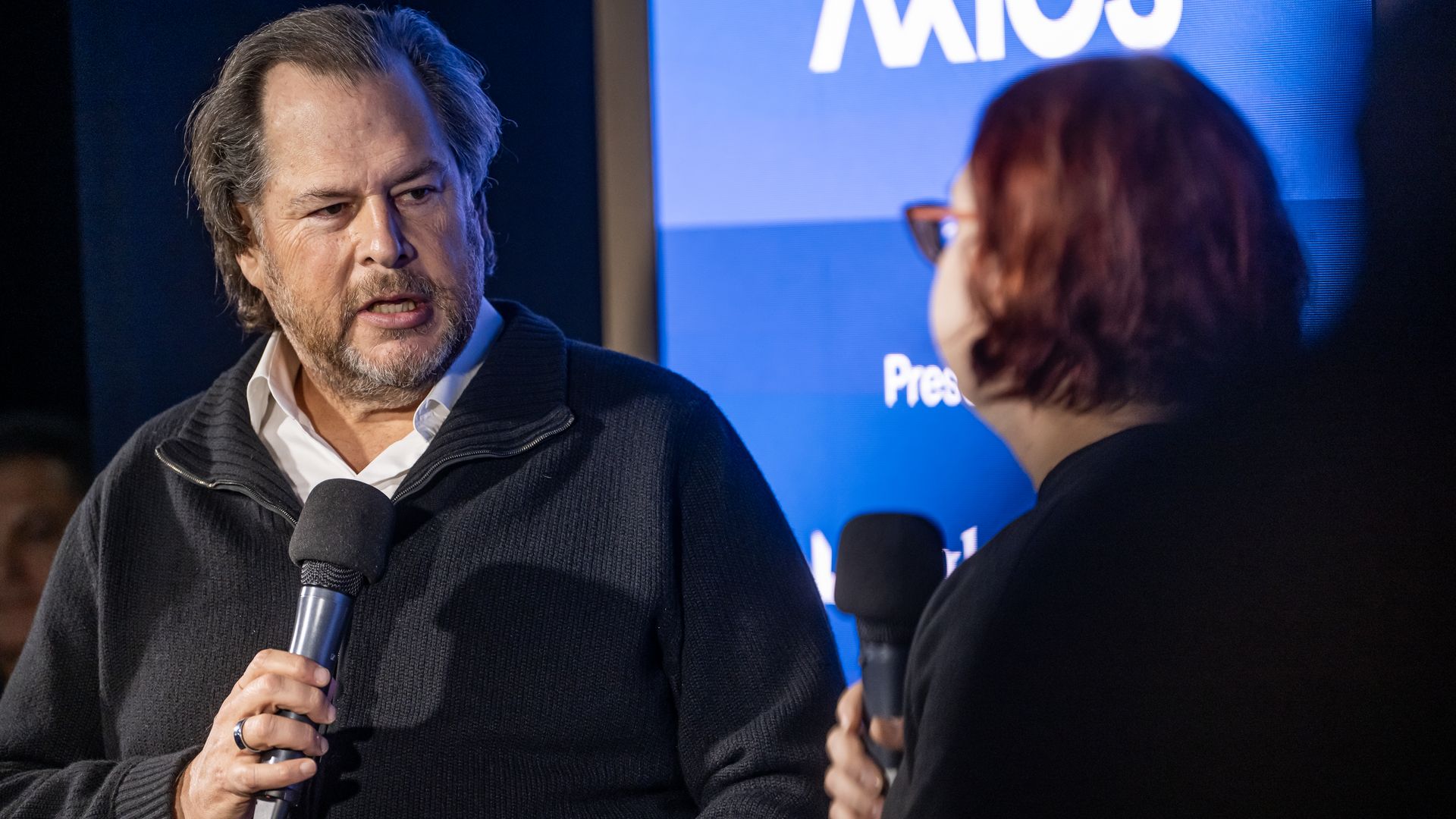
Today's CEOs are likely the last who will "manage a workforce of only human beings," Salesforce CEO Marc Benioff told Axios' Ina Fried in Davos Wednesday.
Why it matters: The rise of generative AI "agents," which Benioff described Wednesday as "digital labor," is among the next wave of advancements for the tech.

Dow Jones CEO: At tough moment for press, hysteria doesn't help
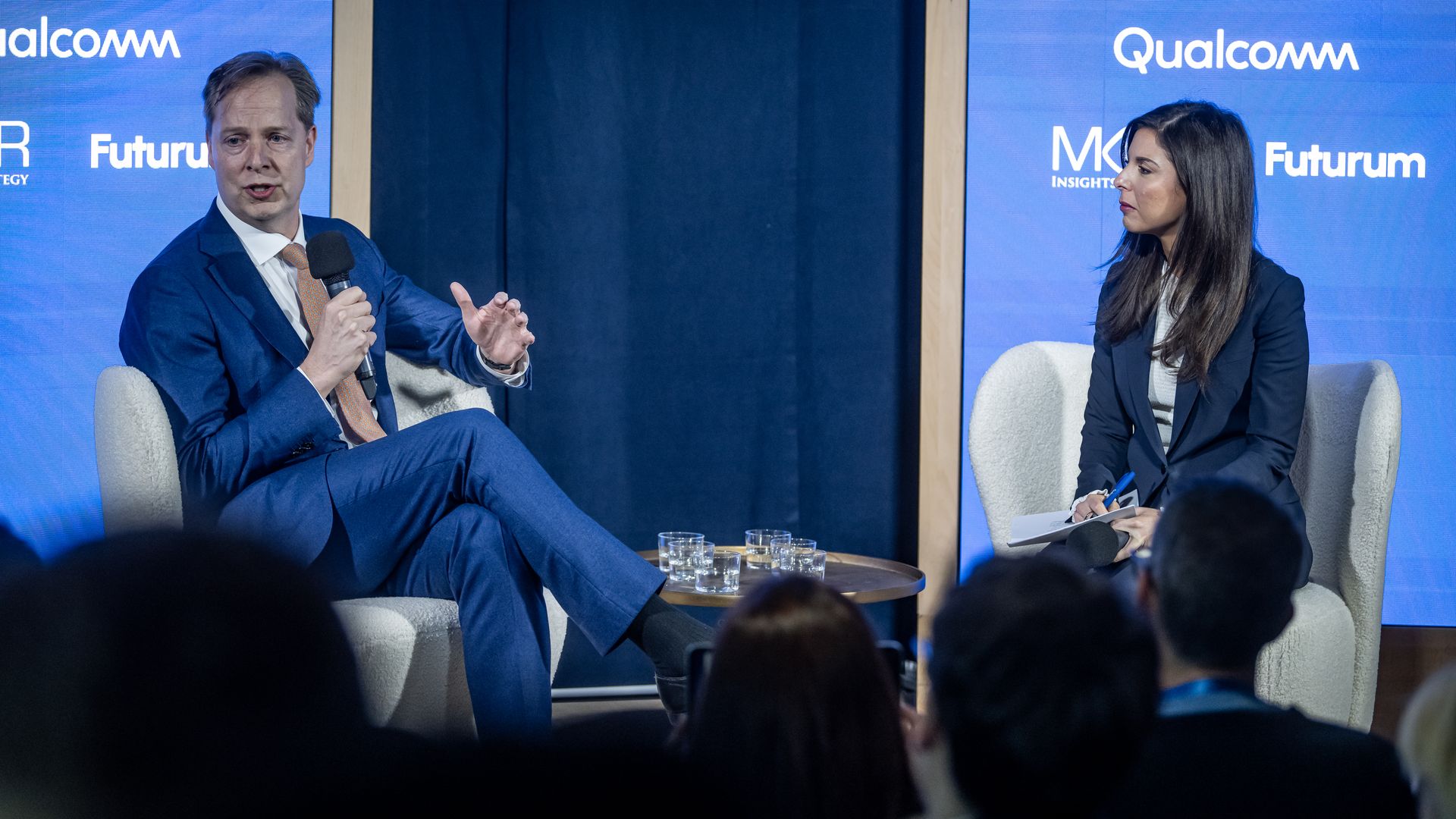
News publisher Dow Jones is working to avoid hysterics and invest in trusted journalism amid rising concerns about U.S. press freedom, CEO Almar Latour told Axios' Sara Fischer during an event on Wednesday in Davos, Switzerland.
Why it matters: The Wall Street Journal's parent company is quite familiar with press freedom issues after reporter Evan Gershkovich spent 16 months behind bars in Russia, and as it campaigns for other imprisoned journalists.

Gary Cohn: Trump only sees one side of tariff impact
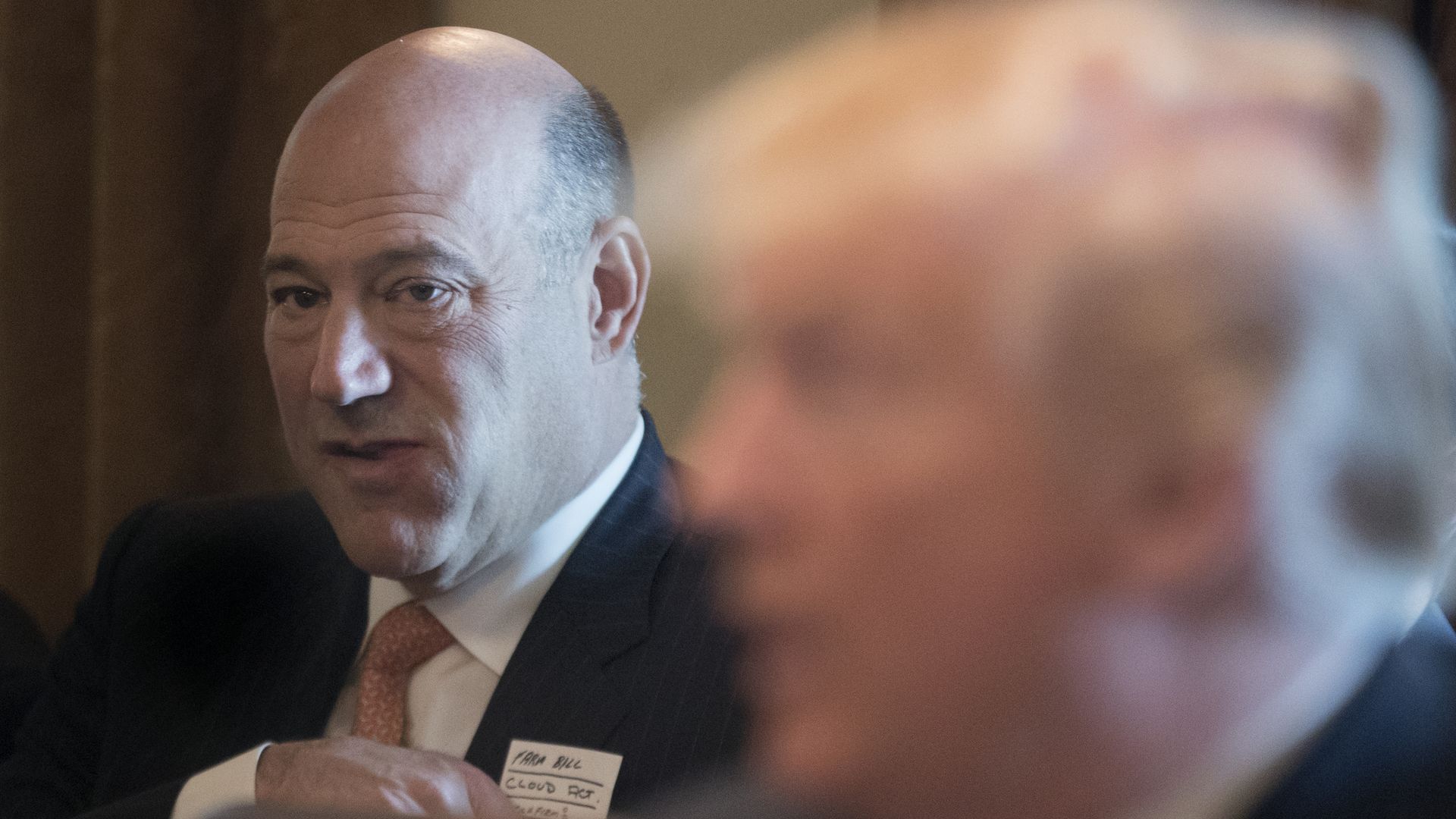
President Trump understands fundamentally how tariffs work, but doesn't believe the argument they'll cause higher prices for U.S. consumers, his former chief economic advisor Gary Cohn tells Axios' Dan Primack in Davos.
Why it matters: Trump has threatened tariffs, as recently as this week, against key U.S. trade partners including China, Canada and Russia.

Musk bashes Trump-backed Stargate deal: "They don't actually have the money"
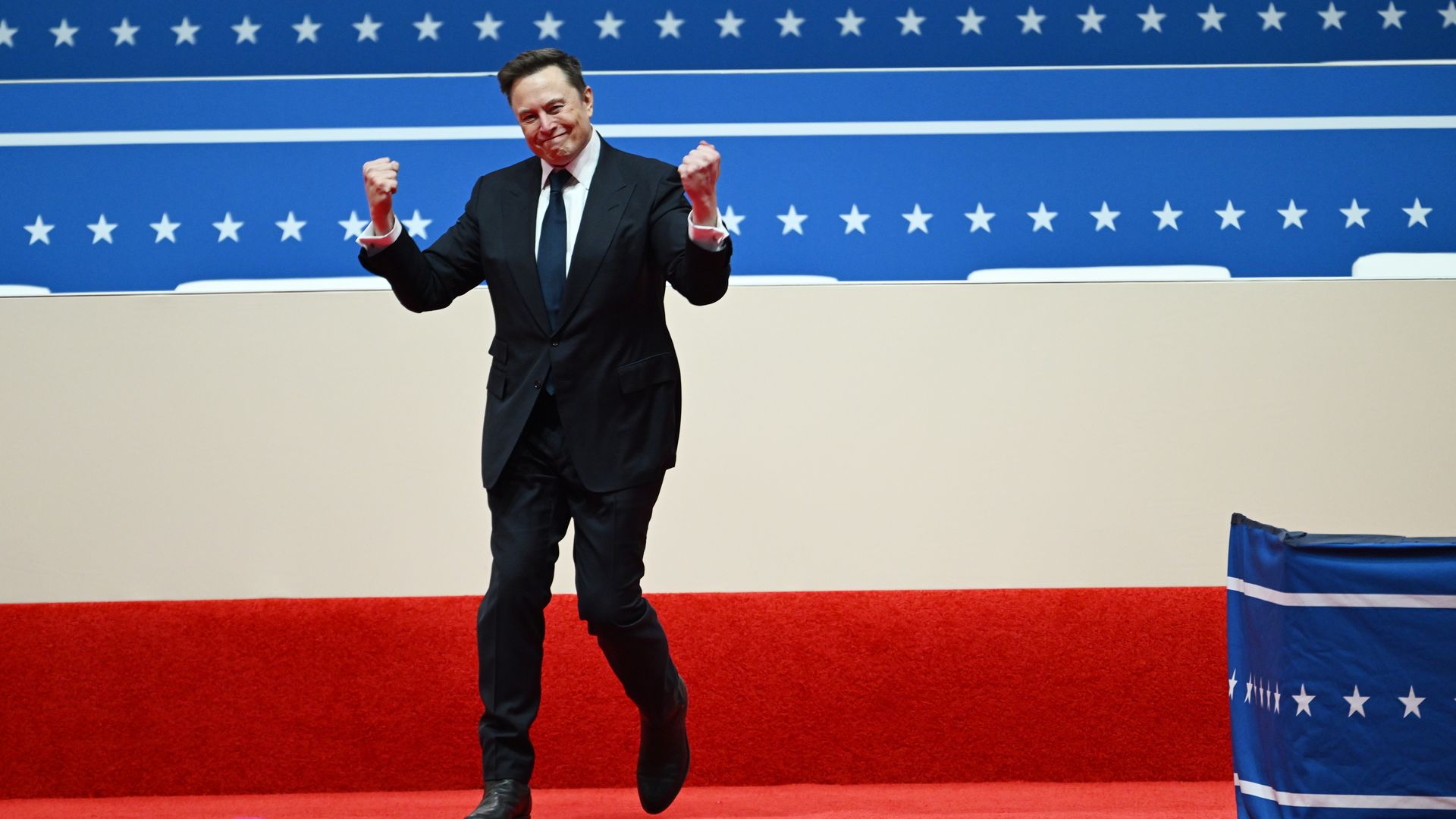
Hours after President Trump announced a major artificial intelligence investment, it faced skepticism from one of his closest allies: DOGE head Elon Musk.
Why it matters: Musk publicly undermining the $500 billion project, led by OpenAI and other tech titans, could draw Trump's ire.

More than 7% of crypto users traded Trump's token

When Donald Trump's companies released a celebrity meme coin just ahead of the presidential inauguration, it set a new standard for instant hype in a cryptocurrency launch, based on fresh research from a blockchain tax startup.
Why it matters: The meme coin boom of 2024 was just given a nitro boost for the new year by the most powerful man in the world.
Business optimism fueling market for private jets, CEO says

Small and midsized companies are feeling good about the coming business environment, and that could be a tailwind for a seller of private jets, Textron CEO Scott Donnelly said.
Why it matters: It's an anecdotal, but more tangible, confirmation of recent data indicating that the election fueled a surge in CEO confidence.

Trump threatens tariffs if Russia doesn't end Ukraine war
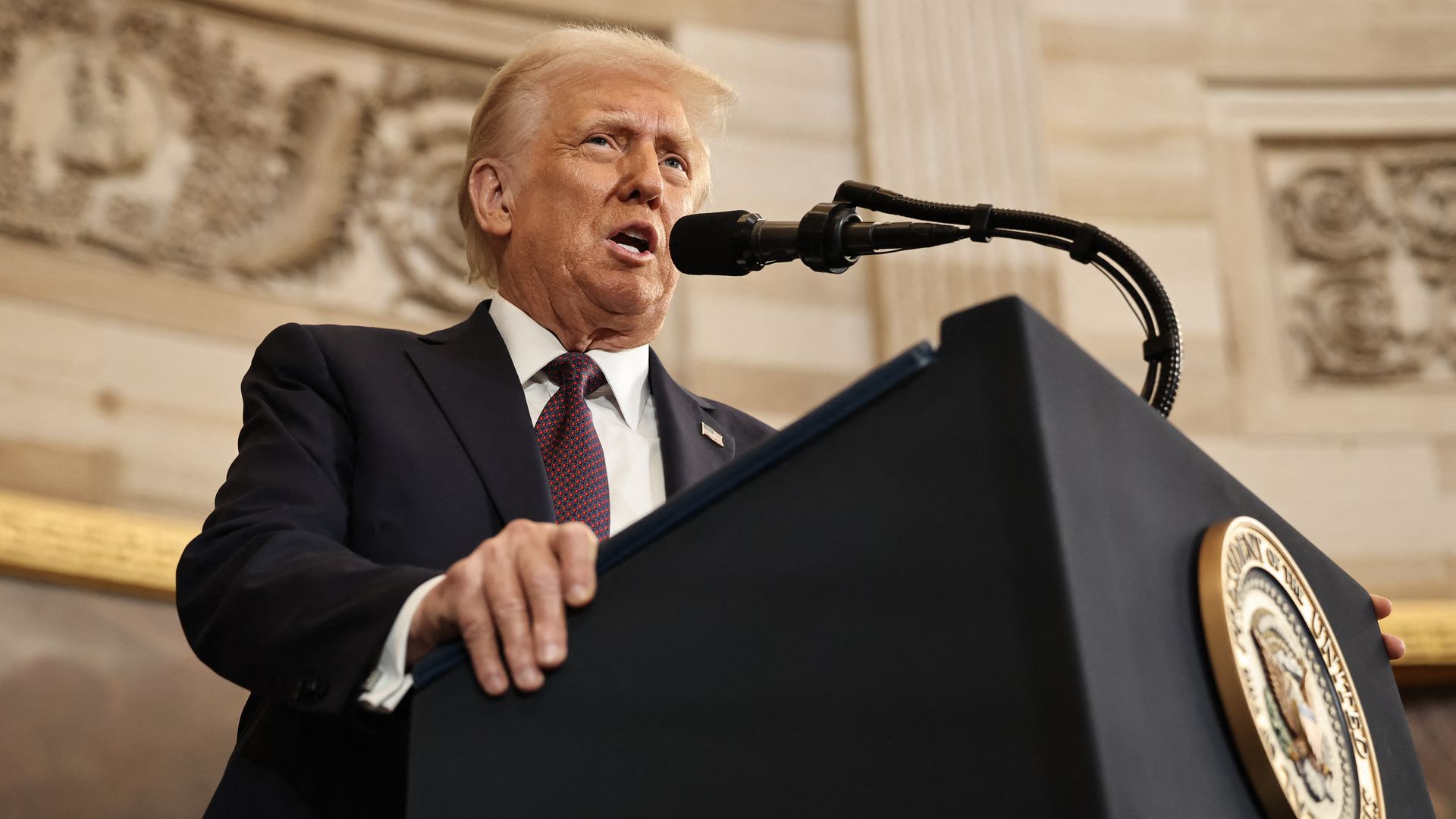
President Trump threatened on Wednesday to levy fresh tariffs on Russia if the Kremlin does not quickly agree to a deal to end its war in Ukraine.
Why it matters: Trump made ending Russia's invasion of Ukraine a key campaign pledge, but its not clear that his new threat will put significant pressure on Russia to change its negotiating posture.
Pinterest shares support for cellphone-free schools
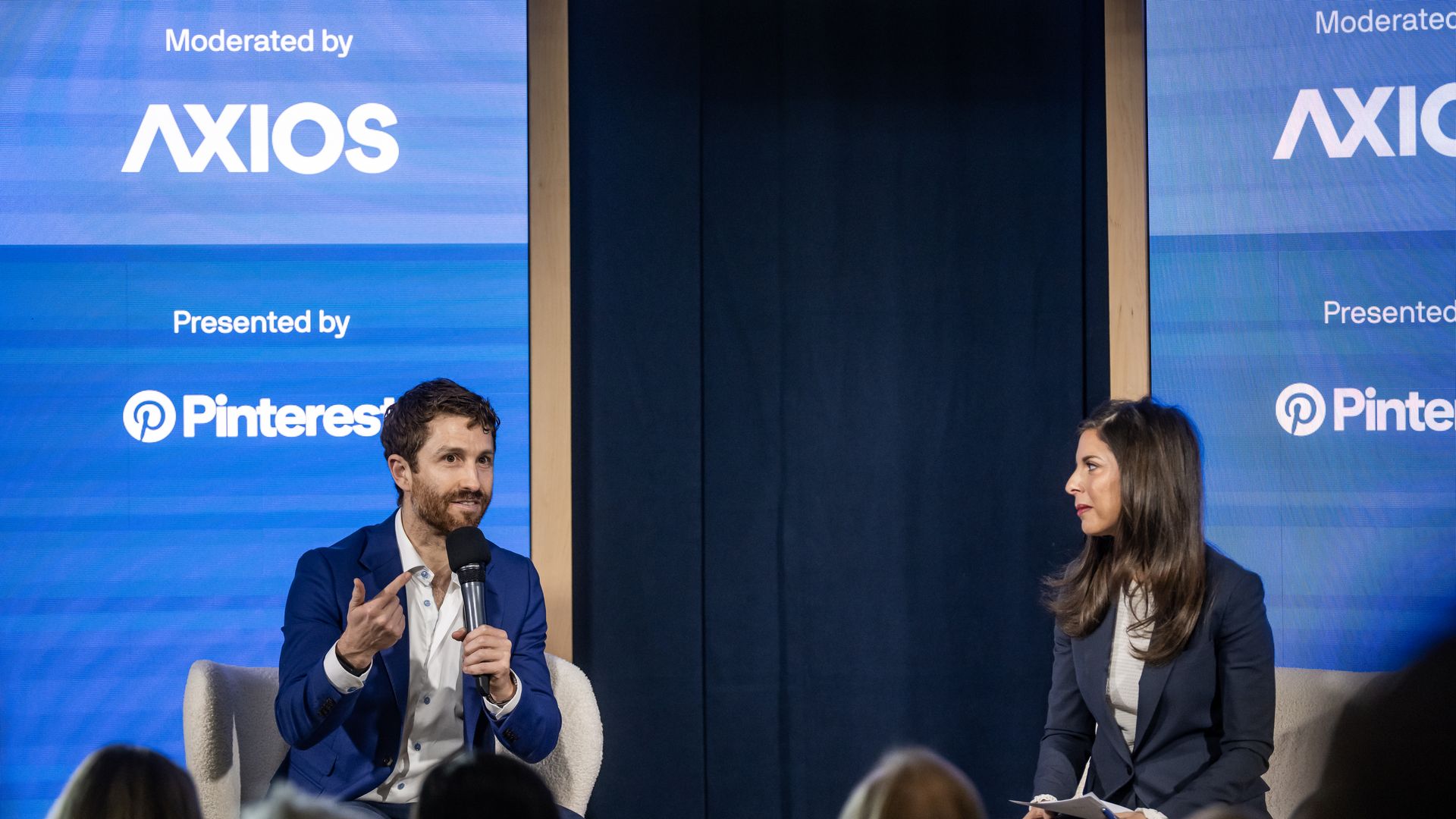
Pinterest's move to support cellphone-free schools is a "bold step," but the social media industry still needs a shift in incentives, tech ethicist Tristan Harris told Axios during an event on Wednesday in Davos, Switzerland.
Why it matters: A former design ethicist at Google, Harris founded a nonprofit, the Center for Humane Technology, to call attention to harms caused by social media and AI and identify and advocate for solutions.

The paradox of Trump's economic inheritance

President Trump is inheriting an economy that is simultaneously robust and fragile. It's evident in his economic advisers' increasingly vivid warnings of fiscal unsustainability.
Why it matters: The unemployment rate is low, GDP growth is strong and inflation is falling. But those results have been achieved amid high fiscal deficits, the likes of which have only been seen in times of war, pandemic or economic crisis.
Public-private partnerships "vital" to advancing decarbonization
DAVOS, SWITZERLAND – While governments address climate-related policy goals, the private sector must move to achieve emissions reduction, several leaders said.
Why it matters: Companies and governments are making some progress toward ambitious goals to reduce emissions by 2050 — but the latest UN climate report shows the world is falling short.
Axios' Alison Snyder moderated conversations with Johnson Controls VP and chief sustainability and external relations officer Katie McGinty and World Economic Forum head of climate Pedro Gomez. The Jan. 20 conversations were sponsored by United States Steel Corporation.
What they're saying: "I think when we all think about climate and climate action, we go immediately to solar, wind, electric vehicles," McGinty said.
- However, there's a need to decarbonize buildings, she said. "Buildings represent actually 40% of global greenhouse gas emissions."
- McGinty called improving efficiency, electrification and digitalization the "trifecta" to decarbonizing buildings, noting that "the real revolution coming to buildings is in data and digital."
What we're watching: How public-private partnerships advance decarbonization goals in the Trump administration.
- "This is a team sport, so it's not only about the private sector. It's not only about the governments. iI's not only about us as end consumers, we all need to be playing together," Gomez said.
- "I just want to validate that public-private partnership is absolutely vital," McGinty added.
Sponsored content:
In a View From the Top sponsored discussion, United States Steel Corporation head of sustainability Erika Chan said that ESG is "very much a business imperative."
- "It's very much a part of our strategy, because we think about the market opportunity in a greener economy, we think about clean tech, solar, we think about electric vehicles, we think about also a more resilient supply chain and infrastructure, so all of that kind of comes together," Chan said.

AI plus upskilling could help solve labor shortages, leaders say
DAVOS, Switzerland – More companies are looking to AI to help curb labor shortages in multiple industries, leaders said in Davos.
Why it matters: The manufacturing industry, for example, is "suffering from a shortage of labor," said Siemens AG managing board member, chief technology officer, and chief strategy officer Peter Koerte.
- AI can bring "good employment, good productivity, good growth," he said.
- One example for increasing productivity is shortening the time it takes to troubleshoot issues, Koerte added.
Axios' Courtenay Brown and Alison Snyder moderated conversations with Koerte and Rio Tinto chief executive Jakob Stausholm in Davos. The Jan. 20 conversations were sponsored by Gecko Robotics.
Yes, but: Implementing AI within a workforce also means current employees need upskilling, Stausholm said.
- "You want to create an environment where you unlock the full curiosity of people. You don't want people to just act like robots. … You can actually unlock a lot of creativity in an organization," Stausholm said.
- But, "everything that can be automated should be automated," he said.
Driving the news: Stausholm, a Danish citizen, also addressed a question over Greenland's highly coveted minerals and whether Rio Tinto was interested, saying, "be my guest for some of my competitors who want to go to Greenland."
- Stausholm pointed out that mining in Greenland often isn't economically efficient because of the lack of infrastructure between cities. "Everything has to be airborne. The logistic cost up there is enormous."
Sponsored content:
In a View From the Top sponsored segment, Gecko Robotics co-founder and CEO Jake Loosararian highlighted the benefit of using AI in the industrial and manufacturing industries, but also stressed the need for more data to improve these technologies.
- "A lot of the infrastructure with artificial intelligence just simply does not exist. And so one thing that's super important for all of us to understand is that artificial intelligence is worthless, and actually worse can drive horrible results that can impact both safety and an environment if you aren't feeding it good data," Loosararian said.
Companies can leverage AI for better internal communications and training
DAVOS, Switzerland – Corporate affairs leaders are using AI to better understand and communicate not only with the world, but also their own employees.
Why it matters: Studies show AI can boost employee productivity. But, it can also provide an important feedback loop for businesses, said Coca-Cola Company EVP and global chief communications, sustainability & strategic partnerships officer Bea Perez.
Axios' Eleanor Hawkins moderated conversations with Perez, Lattice CEO Sarah Franklin, and Lattice chief communications officer Cheryl Sanclemente in Davos. The Jan. 20 discussions were sponsored by Salesforce.
The latest: The Coca-Cola Company has its own chatGPT for its employees to search internal documents, like company policies, which also allows the company to better understand what employees need.
- "Say you're a new employee to the company, you want to know what the entertainment and travel policy [is.] How much can you spend on a lunch? Well, you'd have to sift through lots of paper on a website in the past. Now you just go to Coca-Cola chatGPT, you ask the question, [and it] gives you the information," Perez said.
- She added that about 70% of their employees use their chatGPT or have used it in the last 90 days.
Reality check: Perez also emphasized the need to still have humans double-checking the work AI does.
- "We have found that we still have to make sure that you have real people looking at it and fact-checking" to make sure it didn't hallucinate.
Separately, Franklin said Lattice – an HR software company that uses AI – believes the technology can help propel people's success in the workplace.
- AI can help employees become more efficient in their jobs and understand what's expected of them, while assisting managers in making decisions, she said
- AI is "really helping power the people so that people are the most successful part," Franklin added.
Sponsored content:
In a View From the Top sponsored segment, Salesforce EVP and chief communications officer Carolyn Guss said 2025 will be the "year of AI impact," and pointed to the different ways Salesforce is using AI in its corporate affairs and communications strategies, including their new AI agent.
- Salesforce's comms team uses their own customer relationship management (CRM) tool to log their media interactions.
- "So we've built an agent — we're calling it 'PR Force'— and the agent is going to go through all our Slacks and our emails, [and] our meeting transcripts. … If I want to find out what was our last interaction with Eleanor and what were the vibes? I can just go in and find that and nobody in my team had to do the work of creating that for me," Guss added.

ByteDance director says TikTok deal will get done
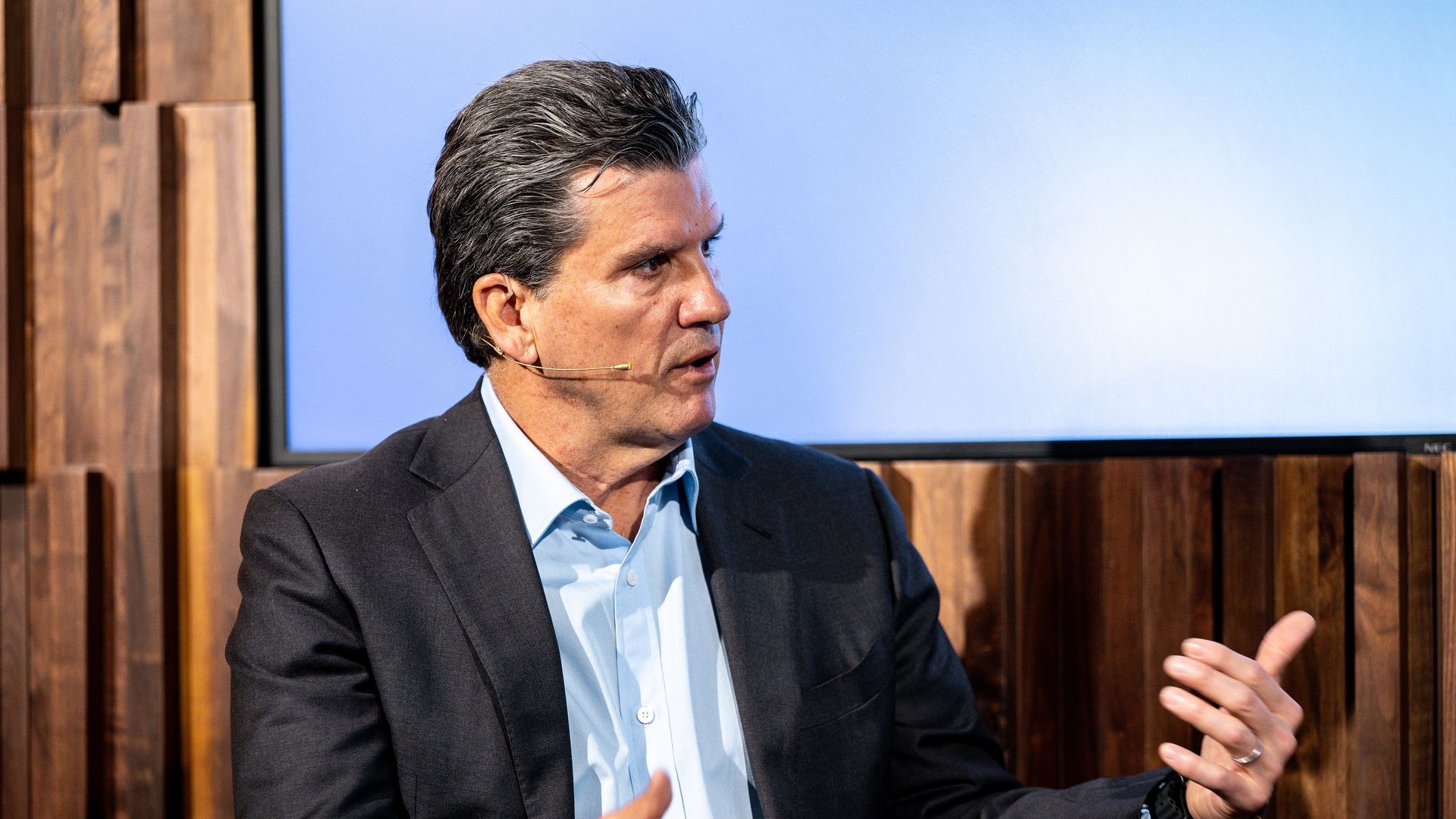
A deal will get done to ensure that TikTok remains available in the U.S., General Atlantic CEO Bill Ford told Axios during an event on Wednesday in Davos, Switzerland.
Why it matters: General Atlantic is a major investor in TikTok's Chinese parent company, ByteDance. Ford is on ByteDance's board of directors.
Cisco CEO Chuck Robbins defends DEI at his company
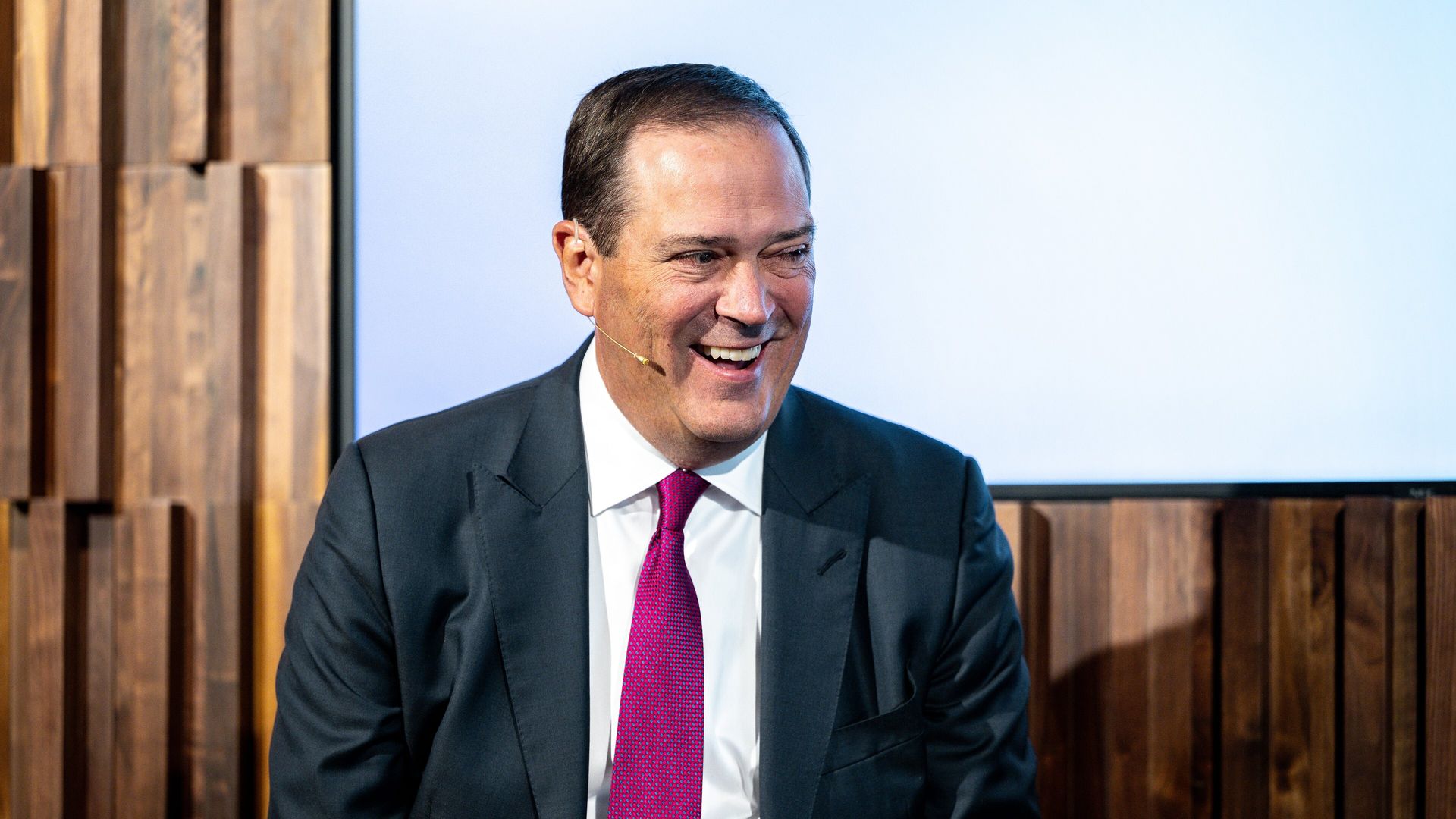
Cisco CEO Chuck Robbins defended DEI initiatives at the company during an Axios interview on Wednesday in Davos, Switzerland.
Why it matters: Robbins also serves as chair of the Business Roundtable, one of America's most powerful corporate trade organizations.

GOP lawmakers coy on Medicaid cuts for tax extension
Republicans from swing states and districts are ducking questions about their openness to cutting Medicaid in order to help pay for an extension of President Trump's tax cuts.
Why it matters: Republican leadership can lose only a handful of votes, making cuts to the safety net program a high-stakes loyalty test that could deliver an early legislative win but result in millions of people losing their health coverage.

U.S. exit from the WHO may hamstring global health
President Trump's decision to start withdrawing the U.S. from the World Health Organization puts global health programs in a serious financial squeeze just as disease threats are multiplying.
Why it matters: Trump's reluctance to pay the freight for the global health partnership could come back to bite him if surveillance efforts break down and a regional outbreak turns into another pandemic.

The states with the highest median pay
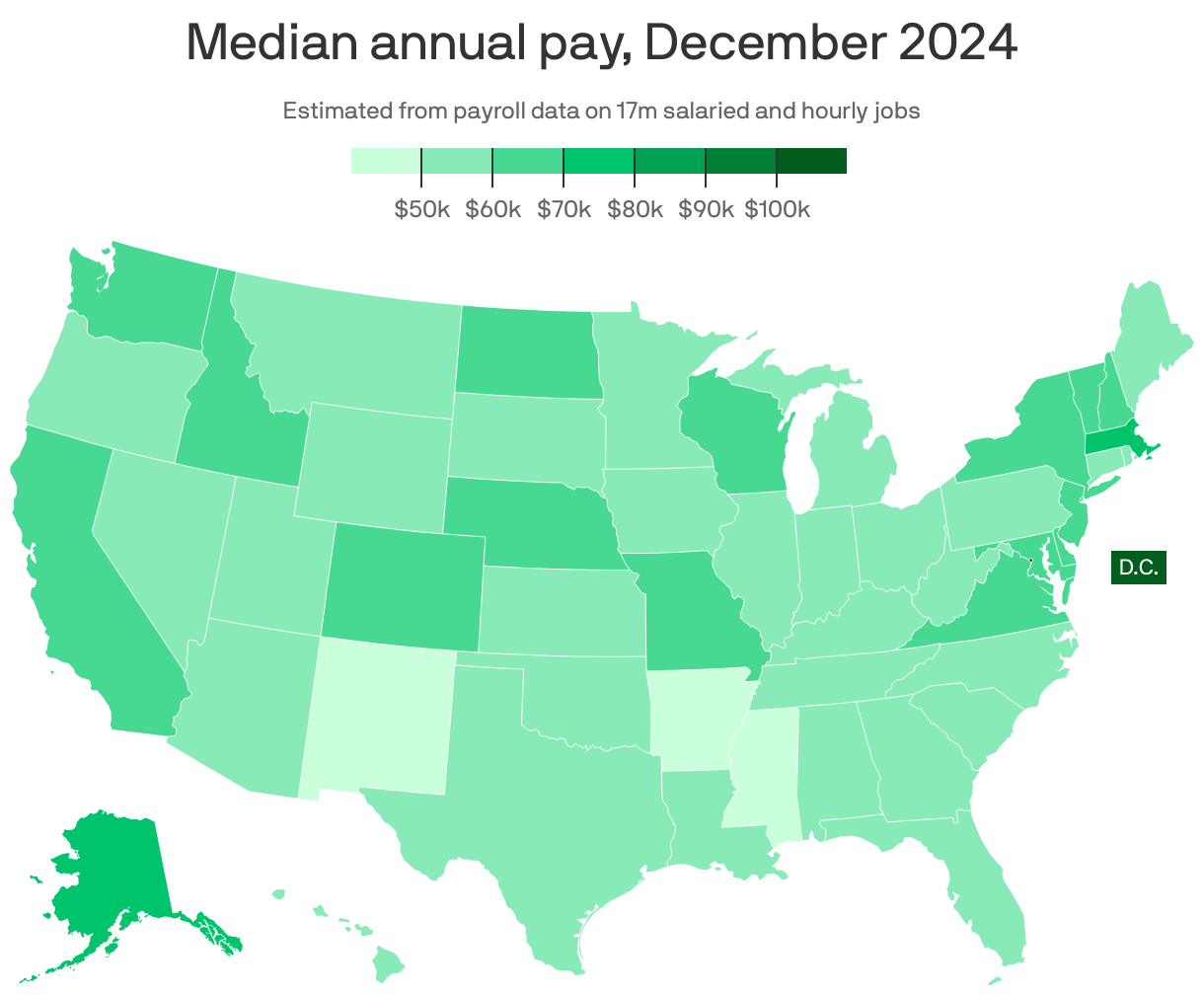
Looking for a fat paycheck? Consider jobs in Washington, D.C., Massachusetts or Alaska.
Driving the news: That trio is home to the country's highest median annual pay as of December 2024, per payroll firm ADP.