GOP lawmakers coy on Medicaid cuts for tax extension

Add Axios as your preferred source to
see more of our stories on Google.
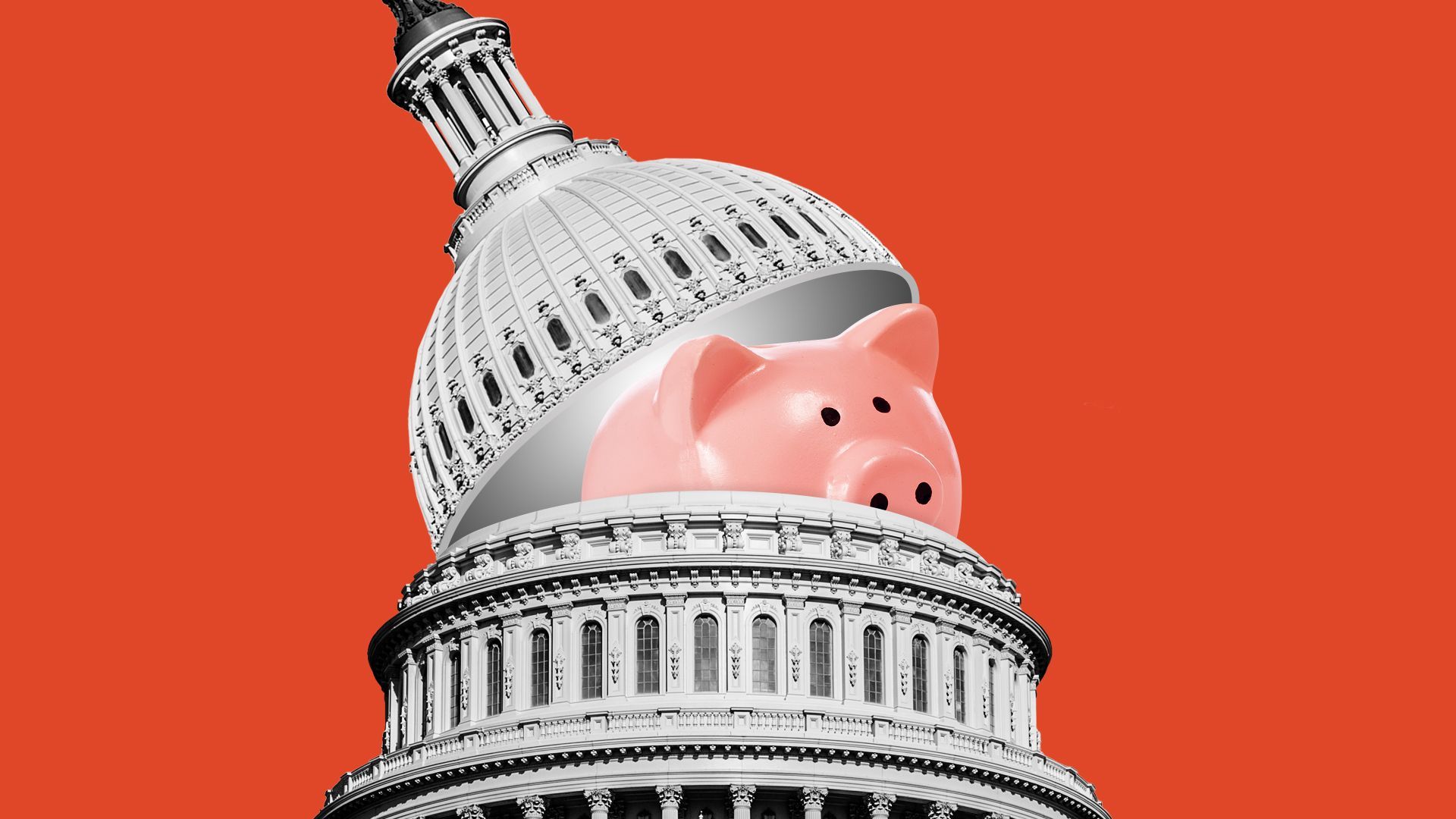
Illustration: Natalie Peeples/Axios
Republicans from swing states and districts are ducking questions about their openness to cutting Medicaid in order to help pay for an extension of President Trump's tax cuts.
Why it matters: Republican leadership can lose only a handful of votes, making cuts to the safety net program a high-stakes loyalty test that could deliver an early legislative win but result in millions of people losing their health coverage.
- "We're far away from going through all the payfors," said Rep. Mike Lawler (R-N.Y.), who hails from a suburban district north of New York City and could run for governor. "I'm not negotiating in the press on this."
The big picture: House Republicans have discussed far-reaching changes to the Medicaid program, including new caps on how much is spent per person — an idea that was part of the GOP's ill-fated 2017 plan to repeal the Affordable Care Act.
- Another proposal under consideration would reduce how much the federal government pays for the Medicaid expansion under the ACA, which would automatically trigger the loss of coverage for millions of residents in some states.
Driving the news: The Medicaid debate is part of the prep work for what's shaping up to be a massive legislative package of immigration, energy, tax and regulatory changes that will move this spring and cost in excess of $4 trillion.
- Conservatives are pushing for significant spending offsets. And it will all have to work under an expedited process known as reconciliation that would allow the GOP to pass the package with a simple majorities in the House and Senate and bypass a Democratic filibuster.
What they're saying: "I know there's talks about some Medicaid reform; I'd like to see the details, what that actually looks like," said Rep. Nick LaLota, another Republican from a suburban New York swing district.
- "I have to look at it," Sen. Thom Tillis (R-N.C.), one of Senate Democrats' top targets in 2026, told Axios, noting that he had heard of some discussion of "block granting."
- "I'm very familiar with North Carolina's waivers and Medicaid program, so as long as I feel like it doesn't come into conflict with the legislative priorities for Medicaid in the state, I'd be open to it," he added.
- Pressed on whether there is a concern about people losing coverage, Tillis responded: "Well, that's the question. I have to be convinced that it comports with our strategy in North Carolina."
The other side: The Democratic group Protect Our Care launched an eight-figure ad campaign Tuesday targeting 17 vulnerable Republicans, warning of the impact of Medicaid cuts and health care being "ripped away."
Between the lines: It is not yet certain whether Republicans will seek to include Medicaid cuts in a reconciliation package, but a revenue loss of as much as $4 trillion from tax cuts gives them plenty of reasons to look for payfors.
- Some key House lawmakers have argued that the mounting national debt is justification to reduce Medicaid spending.
- Sen. Lisa Murkowski (R-Alaska), a key moderate vote who is not up for reelection, expressed the most concern about cuts.
- "I come from a state where Medicaid expansion has been really, really very key, so if it's going to be part of reconciliation, [it's something] I would be looking very critically at," she said.
Sen. Shelley Moore Capito (R-W. Va.), was among the most vocal Republicans who expressed concerns about Medicaid cuts being too steep during the 2017 repeal effort.
- "There's big drivers [of debt], Medicaid's one of them," Capito told Axios last week. "I would have to see specifically what they would be cutting."
A version of this story was published first on Axios Pro. Unlock more news like this by talking to our sales team.
