Constellation Energy is closing in on an acquisition of private-equity-owned Calpine, Bloomberg reported, citing people familiar with the matter.
Zoom in: The deal could reportedly value Calpine at about $30 billion including debt, making it one of the biggest ever in the sector — and it could be announced in the coming weeks.
The big picture: As you might have heard, AI has sent the world scrambling for more power generation. And that's boosted values for companies that generate it, Axios' Pete Gannon writes.
Constellation's shares, despite falling 4.6% today on the news, have gained over 108% over the past 12 months.
Federal Reserve officials are worried that President-elect Trump's trade and immigration policies will stoke inflation, according to minutes from their latest policy meeting released on Wednesday.
Why it matters:Higher tariffs and mass deportations could make America's bumpy battle against inflation more difficult. In that scenario, the Fed could keep interest rates higher for longer — and put the central bank on a collision course with Trump.
The multitrillion-dollar bond market is sending a message to President-elect Trump and the new Congress: There is no fiscal free lunch to be had.
Why it matters: A surge in longer-term borrowing costs over the last couple of months may reflect deepening concern about high fiscal deficits among global investors who buy U.S. government debt.
Private equity keeps pushing deeper into sports, with all major North American leagues now allowing at least some form of institutional ownership.
State of play: Axos spoke with Ian Charles, co-founder and managing partner of Arctos Partners, which has deals with such clubs as the Buffalo Bills, the Golden State Warriors, and the Boston Red Sox.
AI hyperscaler Anthropic is in advanced talks to raise $2 billion led by Lightspeed Venture Partners at a $60 billion post-money valuation, as first reported by the WSJ.
Why it matters: This would make Anthropic the world's seventh most valuable startup, despite ongoing losses and less than $1 billion of annualized revenue.
The debut of Chinese military hardware on the heels of Christmas — or, more poignantly, Mao Zedong's birthday — shows Beijing can pump out futuristic-looking tech and still catch outsiders off guard.
Why it matters: It takes only a few grainy photos, a batch of aggressively zoomed-in cellphone videos and some state-media pomp to ignite Cold War fever.
The U.S. Postal Service is closing all post office locations and suspending regular mail delivery Thursday for former President Jimmy Carter's national day of mourning.
The big picture:Financial markets, including the New York Stock Exchange and Nasdaq, will be closed Jan. 9.
A triad of crypto's big lobbying groups is kicking up a fuss with the IRS over its updated rules for reporting by brokers.
Why it matters: The IRS has released new guidance that pushes into the realm of decentralized finance as it seeks information on taxpayers.
The latest: The Blockchain Association, the DeFi Education Fund and the Texas Blockchain Council have sued over the new rules under the Administrative Procedure Act.
What they're saying: "The rule fails to recognize the decentralized nature of this technology, where many actors simply do not have access to the information the IRS is now demanding," Texas Blockchain Council president Lee Bratcher said in a statement.
The FDIC had some hard follow-up questions for an unidentified American bank... over $1,300 worth of digital asset holdings.
Why it matters: The interaction suggests there was no level of cryptocurrency product offered by a bank in recent years that wouldn't draw a lot of sharp questions from bank regulators.
What's happening: Coinbase got a raft of 25 FDIC letters to banks released with somewhat less redaction (there's still a lot), and it published them Friday as a court filing.
In April 2022, the agency asked its bank supervisees to let it know about all crypto-related activities.
Zoom in: In one letter, labeled Document 22, it seems like all one bank did was make trades in various crypto assets, from tokens to NFTs.
Ohio is positioning itself as a top destination for business growth, offering a diverse and resilient economy, business-friendly tax policies and a workforce as humble as it is driven.
The state's competitive advantages include a 0% state tax on corporate income and a manufacturing workforce that ranks third in the U.S.
Additionally, Ohio's strategic location — a day's drive from 60% of the U.S. and Canadian populations — makes it a prime location for logistics and distribution hubs.
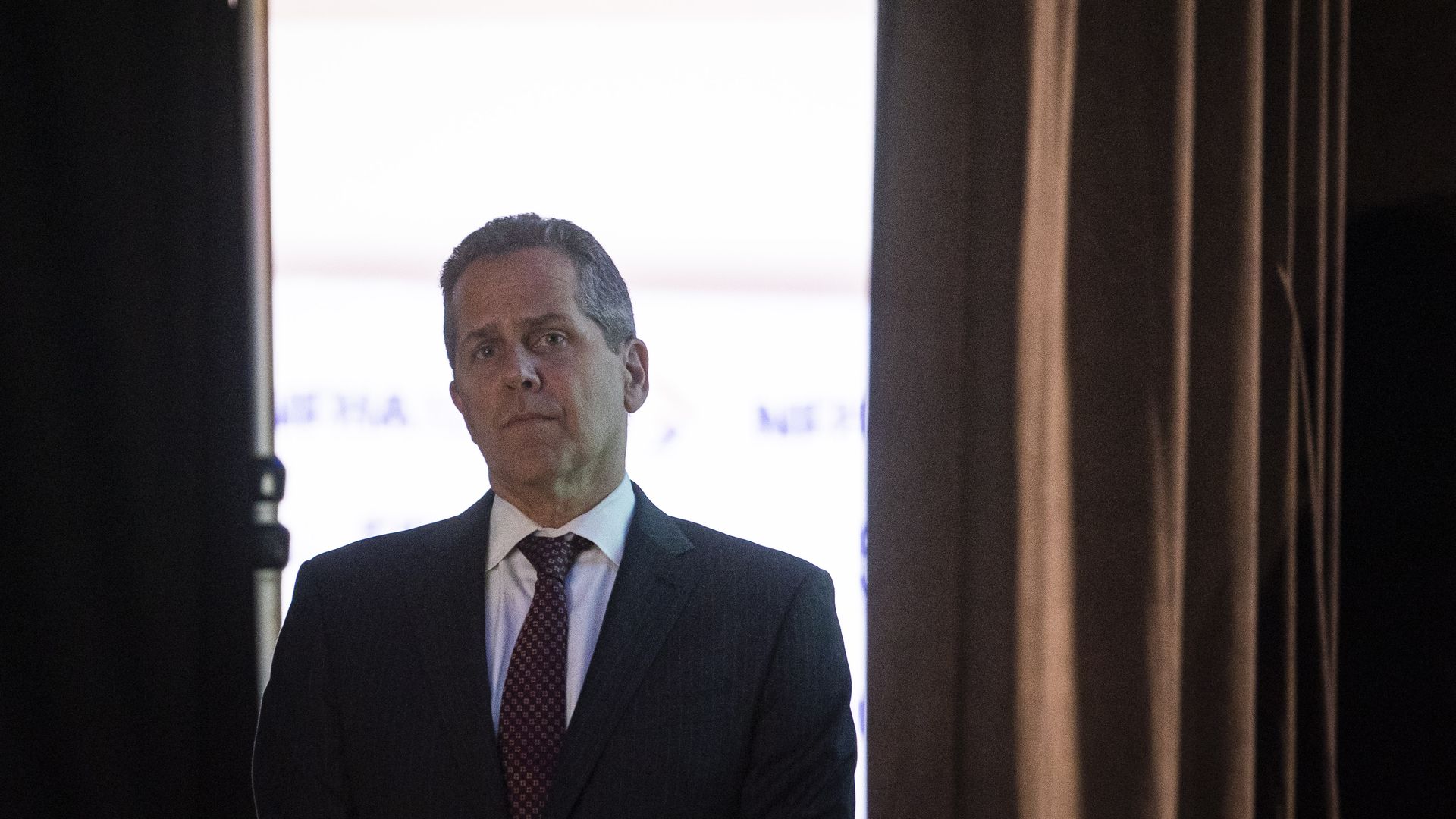
Monday's decisionby the Federal Reserve's top bank regulator to step down from his job — but not from the Fed entirely — is simultaneously less and more than meets the eye.
Why it matters: Michael Barr's self-demotion clears the way for President-elect Trump to appoint a vice chair for supervision. It is no radical departure from past precedent: Fed governors have, in the past, stepped aside on the principle that a new president should get to appoint their own chief financial regulator.
Technical roles — specifically those focused on artificial intelligence —are the fastest growing jobs in the U.S. according to LinkedIn's Jobs on the Rise list, out Tuesday.
Why it matters: 60% of the jobs are new to the list this year, and roughly half of these professions didn't exist 25 years ago.
Doctors are increasingly asking their patients about their needs for food and housing during medical appointments, but the frequency of such screening remains low, a new study shows.
The big picture: Asking about so-called social determinants of health doesn't necessarily mean patients in need are being referred to social service organizations that can help, but it's an important first step.