As the Los Angeles fires continue to burn, Axios spoke with Bill Clerico, former fintech CEO who in 2022 Convective Capital to invest in wildfire tech startups.
What follows is an edited transcrtipt of the conversation:
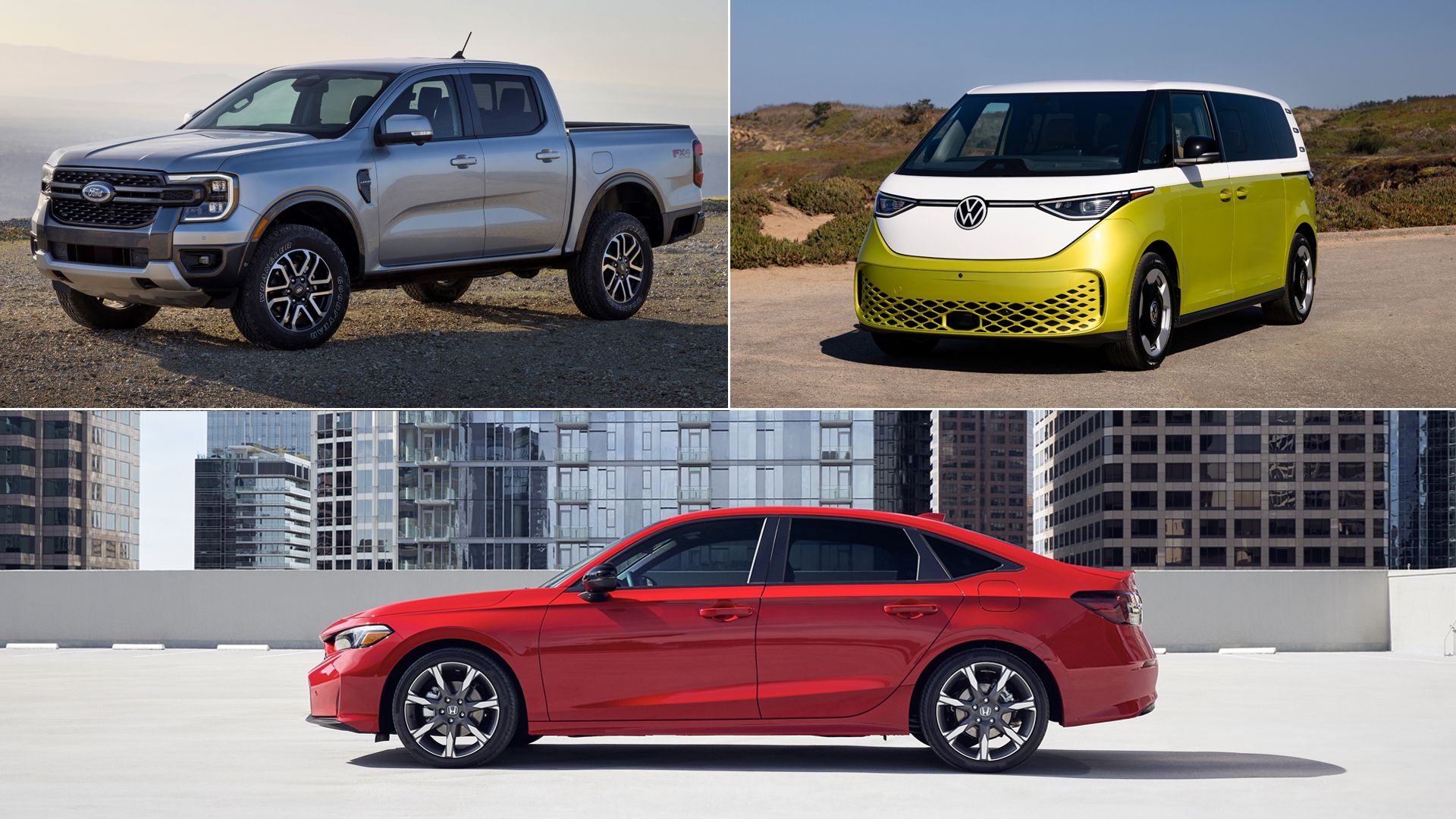
The Honda Civic hybrid, Ford Ranger and Volkswagen ID. Buzz are the winners of the 2025 North American Car, Truck & Utility of the Year awards.
Why it matters: The selection of a hybrid sedan, a gasoline pickup truck and an electric minivan as the industry's best vehicles offers proof that consumers have a multitude of choices when it comes to car buying.
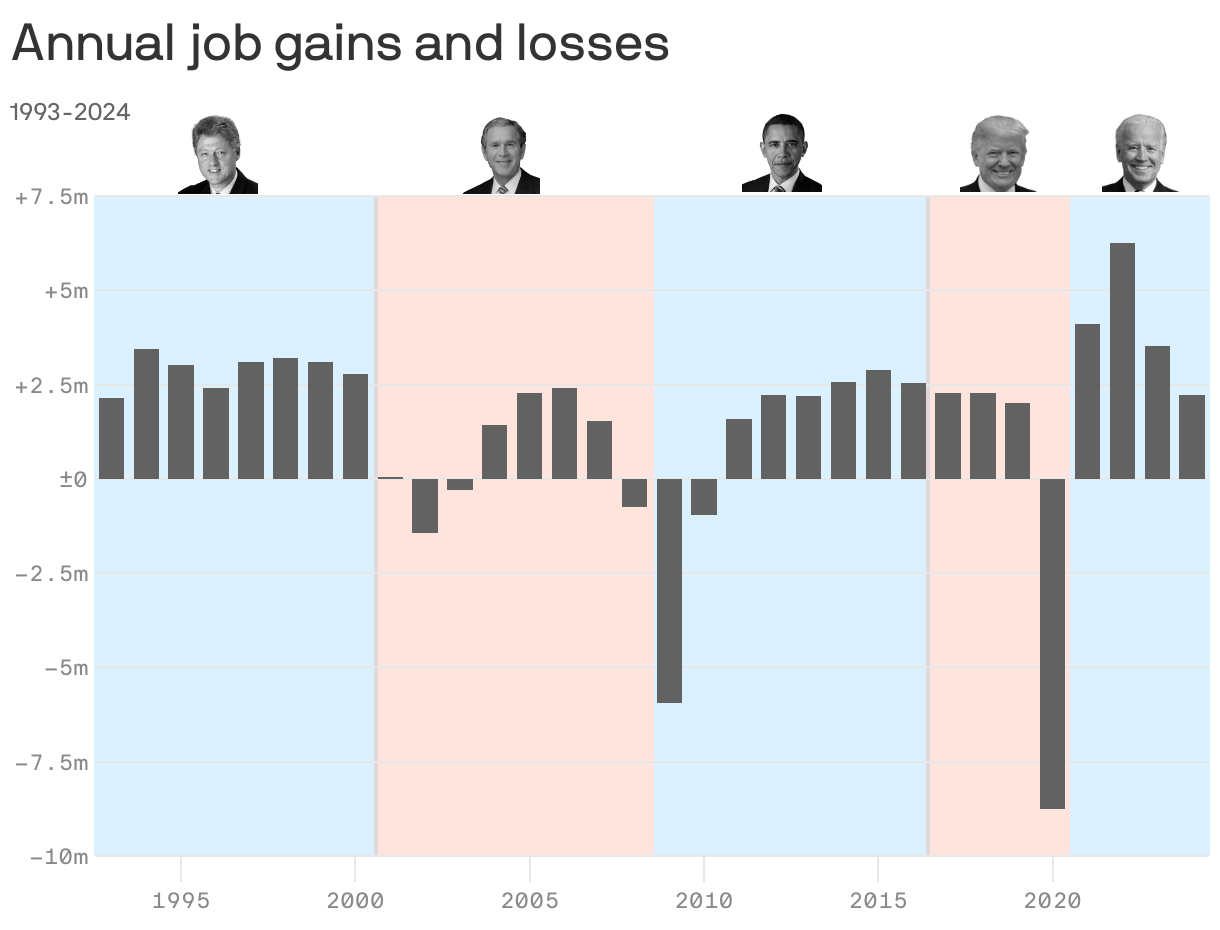
The U.S. economy added 256,000 jobs in the final month of 2024, while the unemployment rate ticked down to 4.1%, the Labor Department said on Friday.
Why it matters: Hiring unexpectedly roared in December, capping a year of resilient labor market conditions that defied naysayers and kept the economy humming.
Office vacancies hit a new high last year, with 20.4% of office space in the country's top 50 metro areas empty, per Moody's latest tally.
Why it matters: Though the return to office push picked up momentum last year, plenty of workers are in hybrid or remote setups, and employers don't quite need as much office space as before 2020.
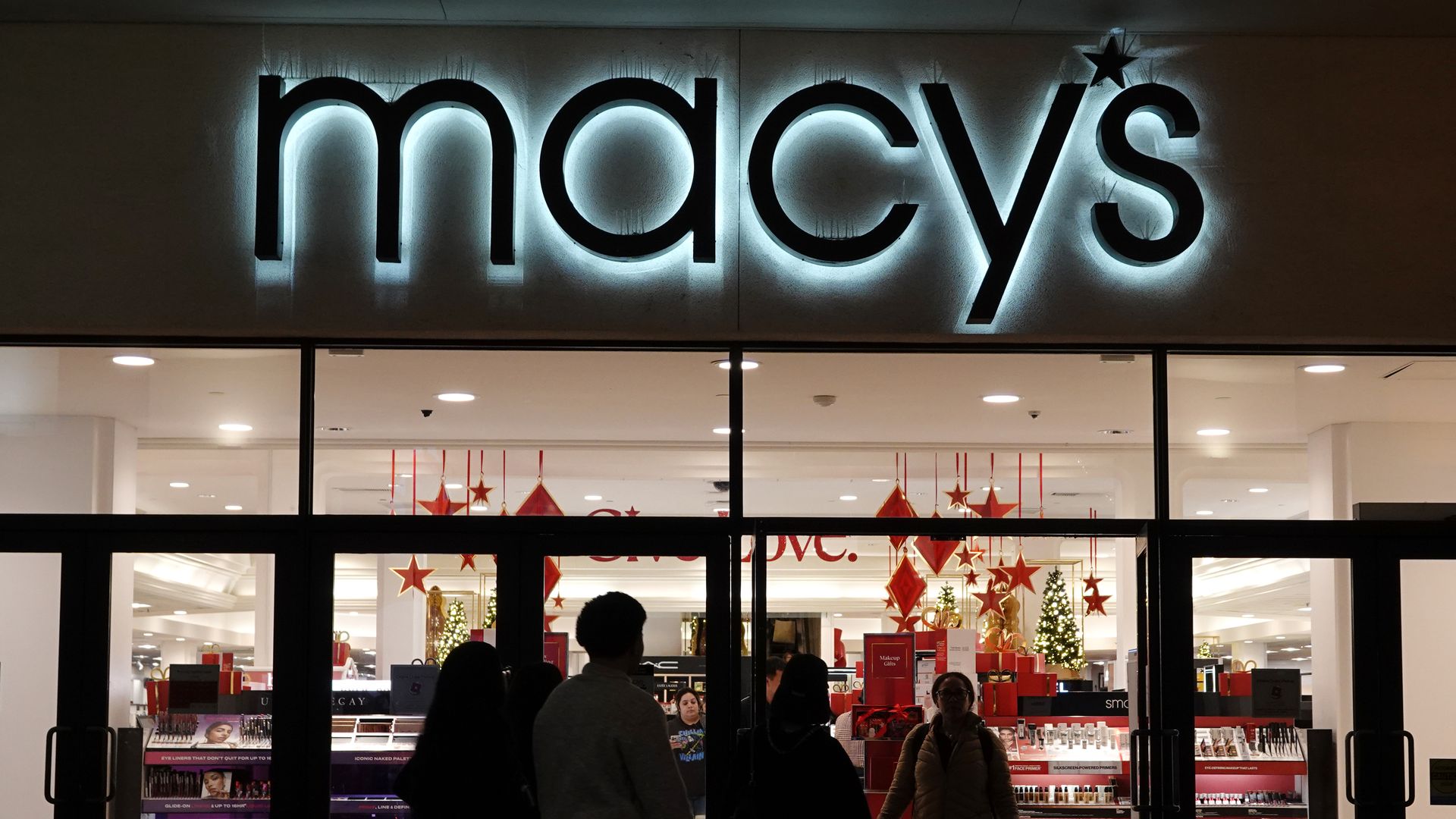
Macy's is closing 66 stores as part of its "A Bold New Chapter" plan, with liquidation sales set to start in January, the retailer confirmed to Axios Thursday.
Why it matters: The struggling department store chain is getting smaller as it continues to deal with declining sales.
The U.S. saw 28 weather and climate disasterscosting at least $1 billion in 2023 — the highest on record, Axios' Erica Pandey reports. Damages totaled $93 billion.
2024 disaster data is not yet out, though it's expected to follow the trend.
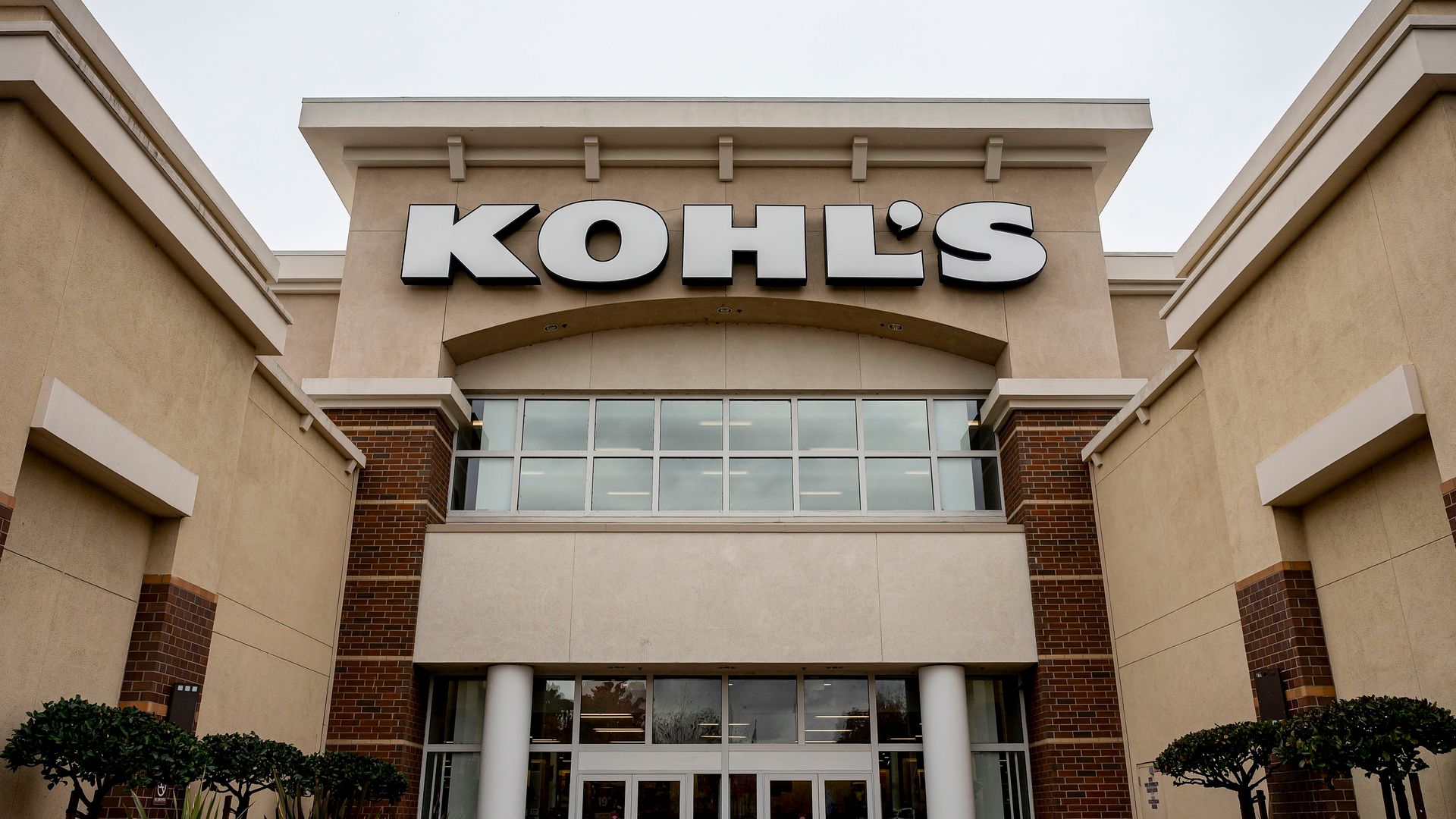
Kohl's said Thursday it will close 27 underperforming stores by April 2025.
Why it matters: The department store chain is hoping to avoid the fate of some of its rivals, such as Sears and JCPenney, both of which ended up in bankruptcy, Axios' Nathan Bomey reported last year.
The attitudes of financial advisers toward the crypto asset class are changing fast.
The big picture: More than half of FAs in a recent survey say the presidential election has made them more likely to invest in crypto. This time last year, in a survey from the same folks, hardly any advisers believed bitcoin ETFs would even be approved this year.
Private equity's medical adventure has taken another detour to the ER, with the Senate Budget Committee releasing a bipartisan report that slams the industry's stewardship of hospital chains.
Why it matters: This caps off a year in which federal politicians zeroed in on private equity ownership of health-care providers, including the Steward Health debacle, and pushes Congress one step closer to new regulations.
Constellation Energy confirmed a deal Friday to acquire power producer Calpine, a Houston operator of gas-fired power plants. The deal was announced with a value of $26.6 billion.
Why it matters This would force a major messaging shift for Constellation, a nuclear power giant that touts how most of its energy is "emissions free."
President-elect Trump says interest rates are far too high, but his own economic agenda might play a key role in keeping them elevated for longer.
Why it matters: Fed chair Jerome Powell has been hesitant to directly comment on the incoming administration's policies, but it's clear some of his colleagues on the Fed's policy-setting committee see huge tariffs and restrictive immigration policy as inflationary.
Americans who live in states dealing with fires, high winds and flooding could see insurance rates increase — or lose coverage entirely — as disasters intensify.
Why it matters: The affected areas span from coast to coast and include tens of millions of people living in two of the most populous states — California and Florida.
Here's what's new on Netflix, Peacock, Prime Video, Disney+ and Max.
What we're watching: A drama about the American West, a new season of "The Traitors" and a documentary about one of America's most controversial talk shows.
The devastating wildfires raging through Los Angeles are re-opening the debate about how to model and manage risk for the insurance industry, as climate change makes such destruction more inevitable.
Why it matters: California's insurance market is in the middle of major reforms to deal with the cost of fire, but they may not be fast enough given the billions of dollars at stake.