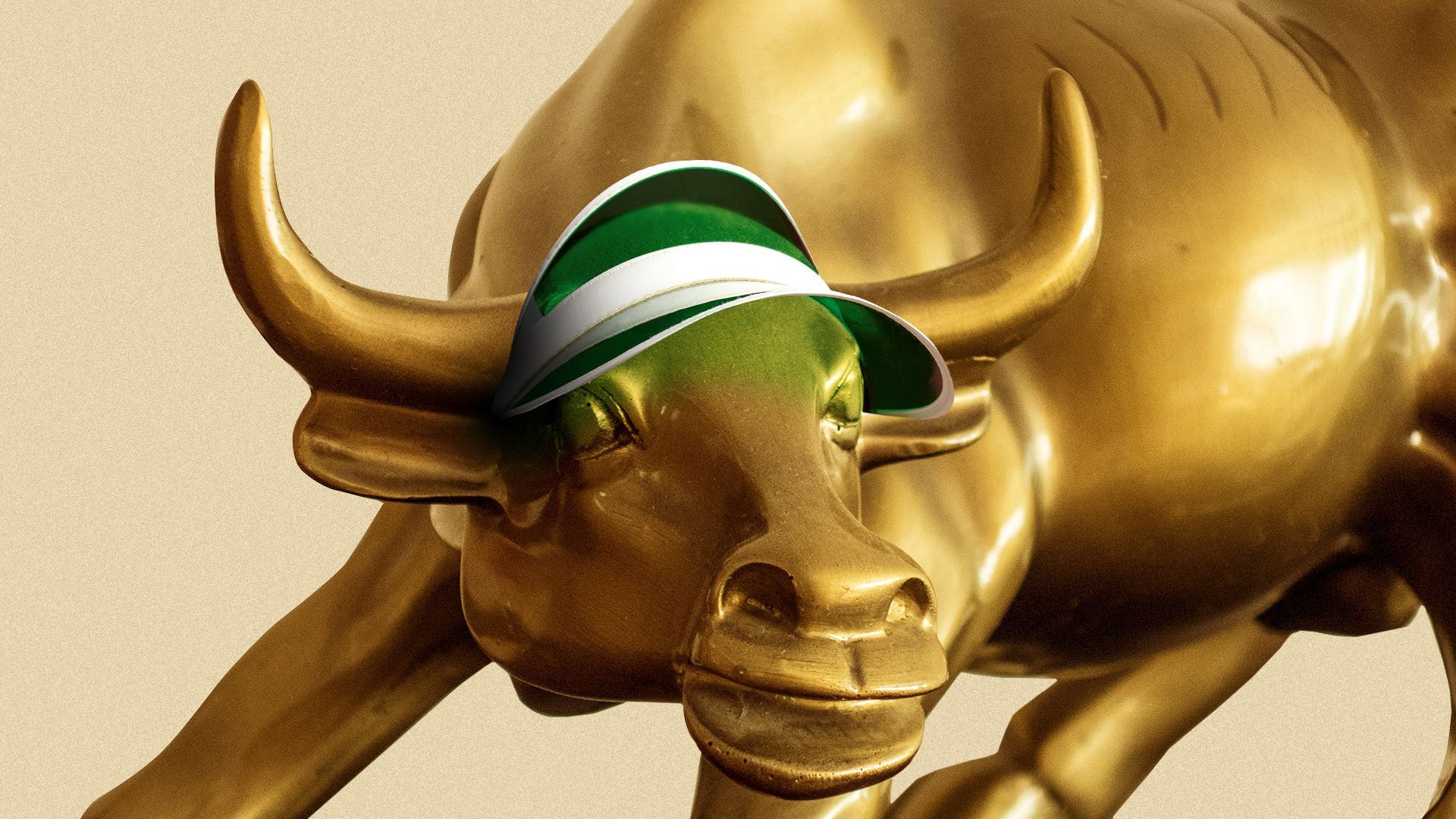
Why it matters: Investors, buoyed now by improved certainty in D.C., doubled down on many of their favorite Trump trades — areas and players of the economy they think will benefit from a second term.
Editor's note: This story was originally published on Sept. 27 and was republished after President-elect Trump's victory.
To President-elect Trump, tariffs are "the greatest thing ever invented."
Why it matters: Trump has touted tariffs as a miraculous cure to just about every domestic and international strain, from war to child care to high grocery prices. But Trump also consistently claims tariffs are paid by countries exporting to the U.S., which isn't actually how they work.
Editor's note: This story was originally published on July 20 and was republished after President-elect Trump's victory.
Democrats have warned of the damage that Project 2025 could do to the federal government and access to reproductive care when President-elect Trump gets sworn in.
Why it matters: The Heritage Foundation-backed plan would do far more than that. Its 900-page wishlist could reshape daily life for millions of Americans if some of its less publicized recommendations are adopted.
The popularity of prediction markets (for gambling on politics) is a new phenomenon in the United States, and who pays out when is not at all consistent.
Why it matters: Prediction markets are suddenly at the center of political chatter, but how bettors actually collect is somewhat untested and has implications for the growth of these markets.
At no point before Election Day did the prediction markets give Donald Trump a greater than 43% chance of winning the popular vote. Indeed, in mid-August the chances of that happening were less than 20%.
In this case, although the race has yet to officially be called, the low-probability outcome (Trump becoming the first Republican to win the popular vote in 20 years) likely ended up happening.
Trump Media & Technology Group, the parent company of Truth Social, on Tuesday reported just $1 million in third quarter revenue and a $19 million net loss.
The big picture: Trump's presidential campaign didn't boost ad sales, as revenue was actually down a bit from the same period in 2023.
Novogratz, the Harris supporter, concedes that Trump would be better for crypto investors from the beginning, but also asserts that the sector will, in fact, be fine under either administration.
Intriguingly, he predicts — seemingly based on his private contact with her people — Harris pushing legislation in the lame duck if she wins, just to get it off her agenda.
The United States' largest crypto exchange has released parts of nearly two dozen "pause letters" sent from the FDIC to regulated financial firms, characterizing the letters as further evidence of an administration-wide effort to quell the industry.
Why it matters: The Biden administration has never made an explicit point of objection to the crypto industry, but enough evidence has piled up to suggest the government's been using its powers to stymie one specific new industry without making a clear argument to the public.
Stablecoins and regulatory structure have been the big focus for the crypto industry's legislative efforts, and three scenarios have emerged that provide the best chance for either one of them to pass before January.
Why it matters: The lame duck session of Congress — the period between the election and the swearing in of newly elected members — might not be lame at all for the blockchain industry.
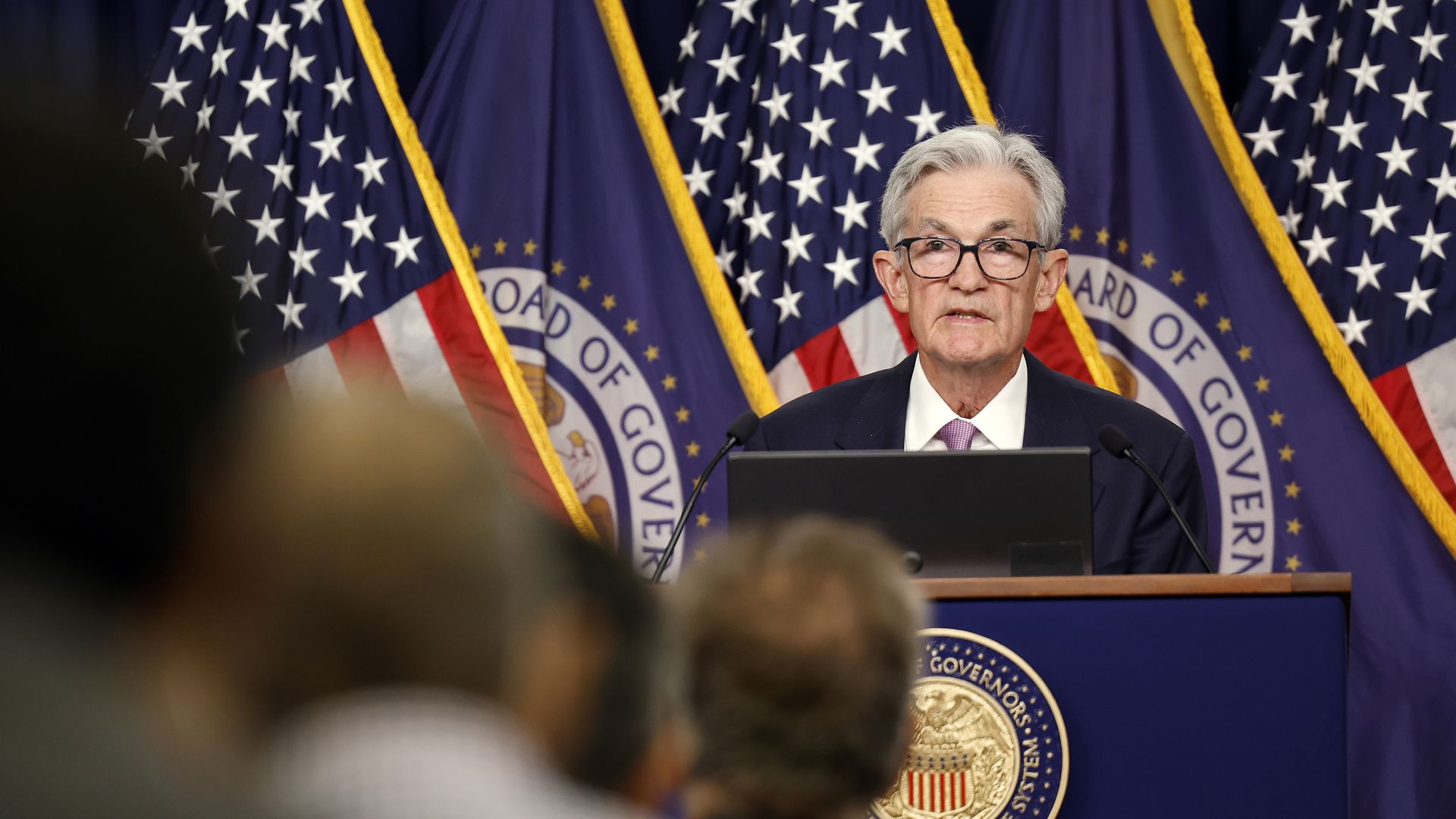
The Fed decided six weeks ago that it's time to loosen the screws on the economy. The bond market, and election year rhetoric, aren't cooperating.
Why it matters: For now, financial markets have settled on a new reality that America's political backdrop may keep interest rates higher than Fed officials anticipated when they commenced their rate-cutting campaign in September.
Why it matters: By seeking a hand in every layer of its supply chain, GM aims to minimize the substantial risks — financial, technical and geopolitical — associated with the switch away from gasoline.
Former President Trump's chances of recapturing the White House fell sharply over the weekend across prediction markets like Polymarket and Kalshi. Then they climbed back up.
Why it matters: Volatility like this underlines why using betting markets to gauge the status of the presidential race is tricky. And yet, prediction and betting markets have emerged this year as a powerful force in shaping public opinion — and campaign messaging — about the horse race.
Why it matters: The economic policy fallout from this election — huge tariffs? higher tax rates? — appears more high stakes for corporate America than in the recent past, at least if the elevated election talk is any guide.
Why it matters: It's technically illegal to offer freebies in exchange for votes and businesses typically get around this by offering the deals to all.
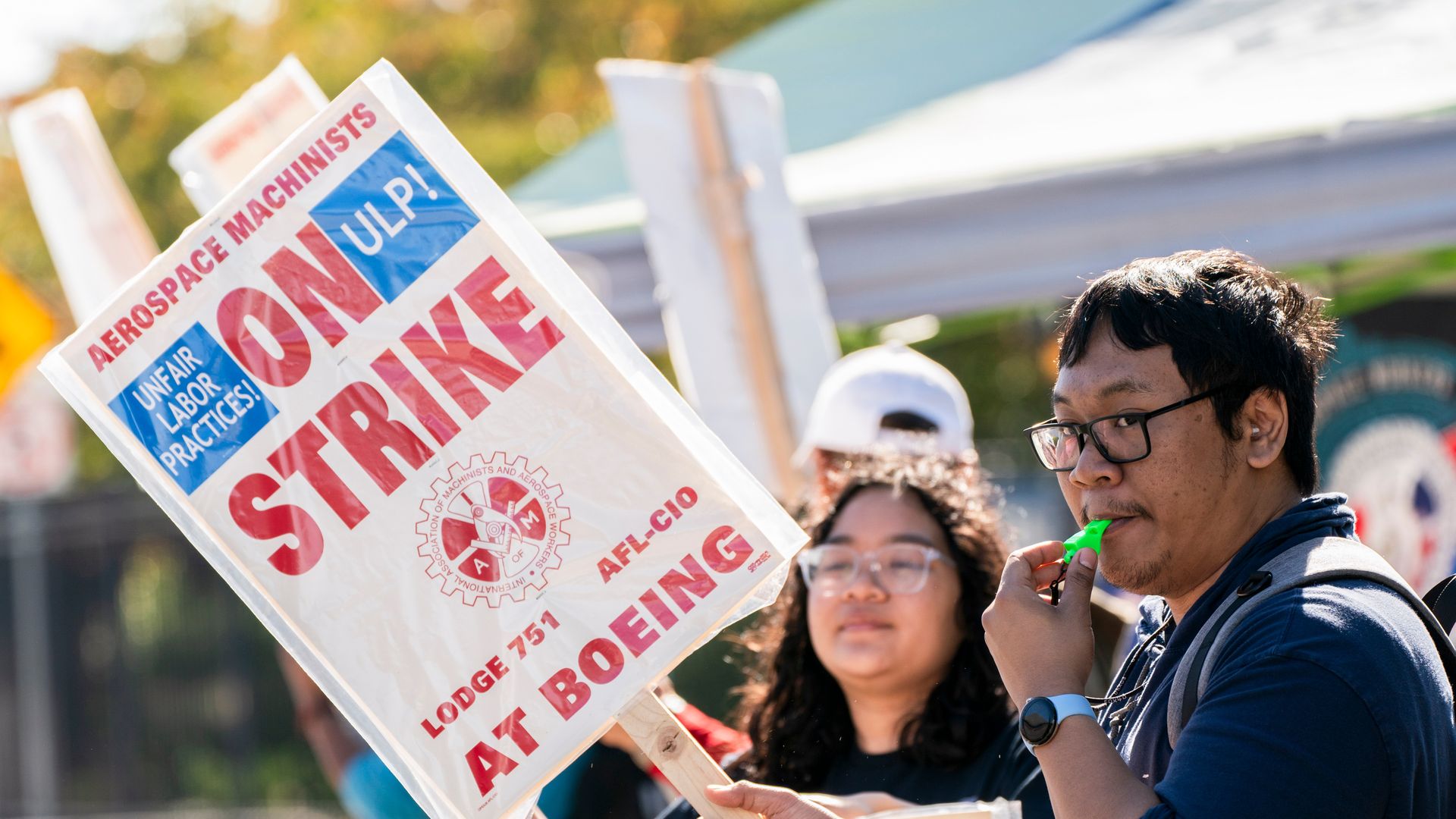
Boeing's strike that began in mid-September "has ended" after 59% of workers voted on Monday night to ratify a new contract, the union announced at midnight.
Election polling locations are open Tuesday and so are most businesses since the day is not a federal holiday.
Why it matters: No federal law mandates that employers give employees time off to vote and fewer than half of U.S. states require employers to provide paid time off to vote.









/2024/11/04/1730756013572.gif?w=3840)