Nestlé's shares in the U.S. jumped today after the sudden exit of the company's CEO.
Why it matters: The Swiss food giant — whose wide-ranging products include Kit Kat candy bars and Pellegrino water — suffered a series of missteps as it ventured into various health care products.
Driving the news: CEO Mark Schneider is being replaced with Laurent Freixe, who has been with the company for nearly three decades.
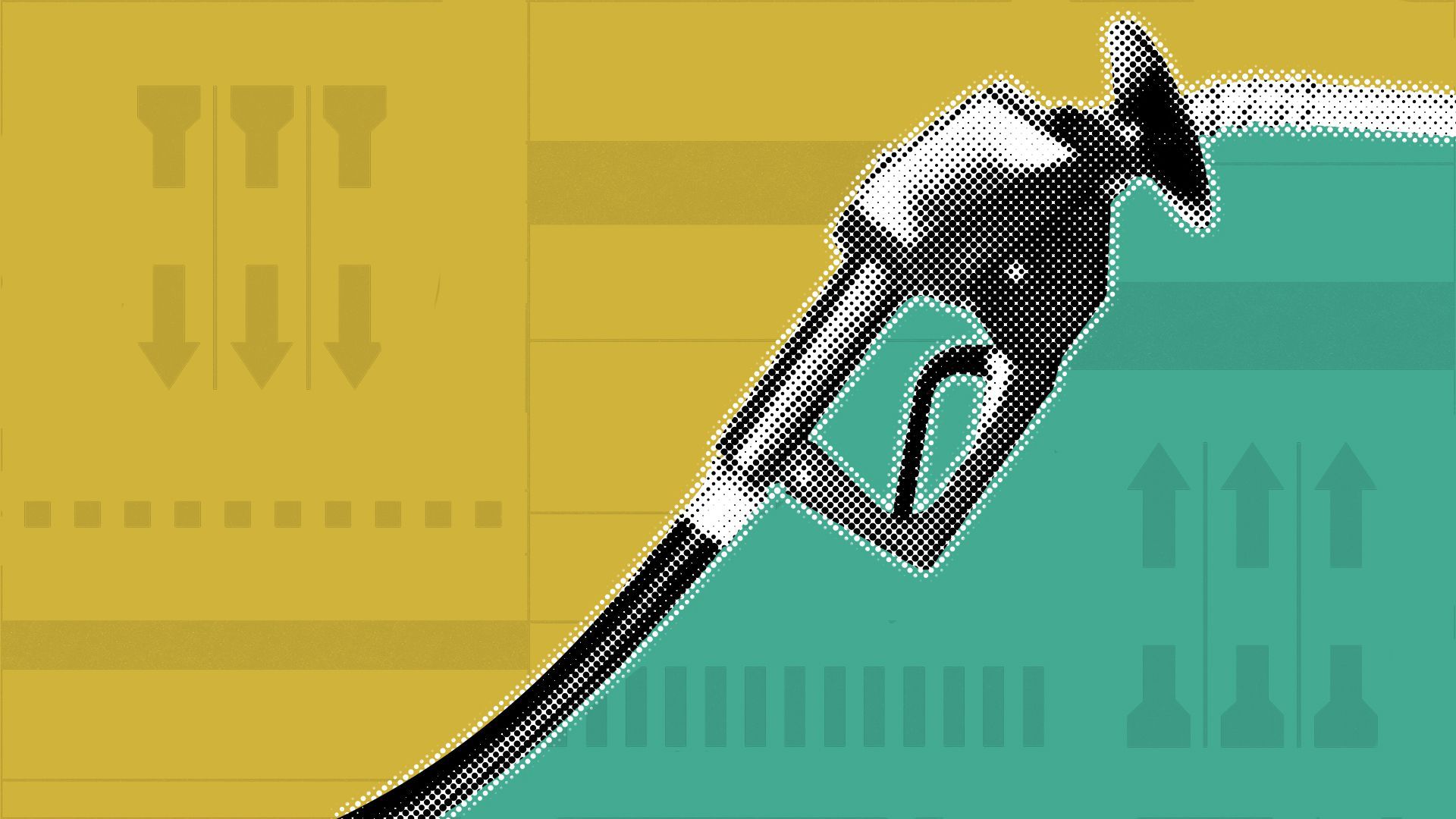
A major refining industry group has launched a $3 million swing state ad buy claiming that Kamala Harris would seek to end sales of gasoline-powered cars.
Why it matters: The American Fuel & Petrochemical Manufacturers' broadcast TV ads — shared exclusively with Axios — are the latest sign that EVs are part of the 2024 elections.
The Department of Justice on Friday filed an antitrust lawsuit against RealPage, a property management software company, for an alleged "unlawful scheme" to reduce competition in the apartment rental market and secure a monopoly for itself.
Why it matters: RealPage uses a trove of data to help some of the country's biggest landlords set apartment rental prices. According to the suit, it's helping them to artificially inflate prices for renters all across the county.
Two years ago at the annual symposium in Jackson Hole, Fed chief Jerome Powell offered a blunt, succinct declaration that the Fed was ready to tolerate economic pain in order to fight inflation. He wasn't quite as blunt, nor as succinct, in remarks Friday, but the message was similarly hard to miss.
The big picture: The Fed is ready to cut rates — aggressively, if necessary — to prevent further worsening in the job market. The era of elevated interest rates is near its end, and the predominant economic risk is no longer inflation.
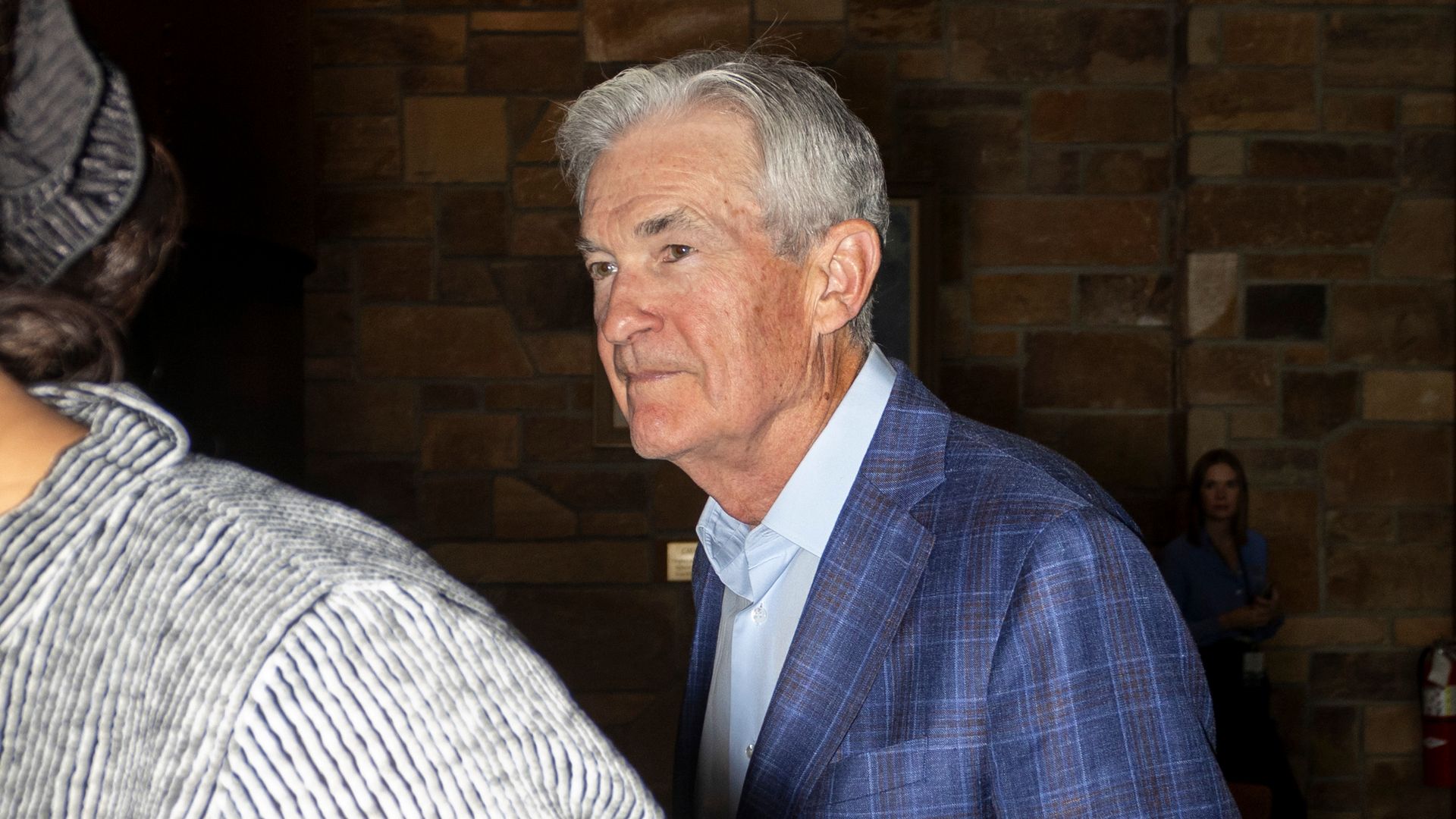
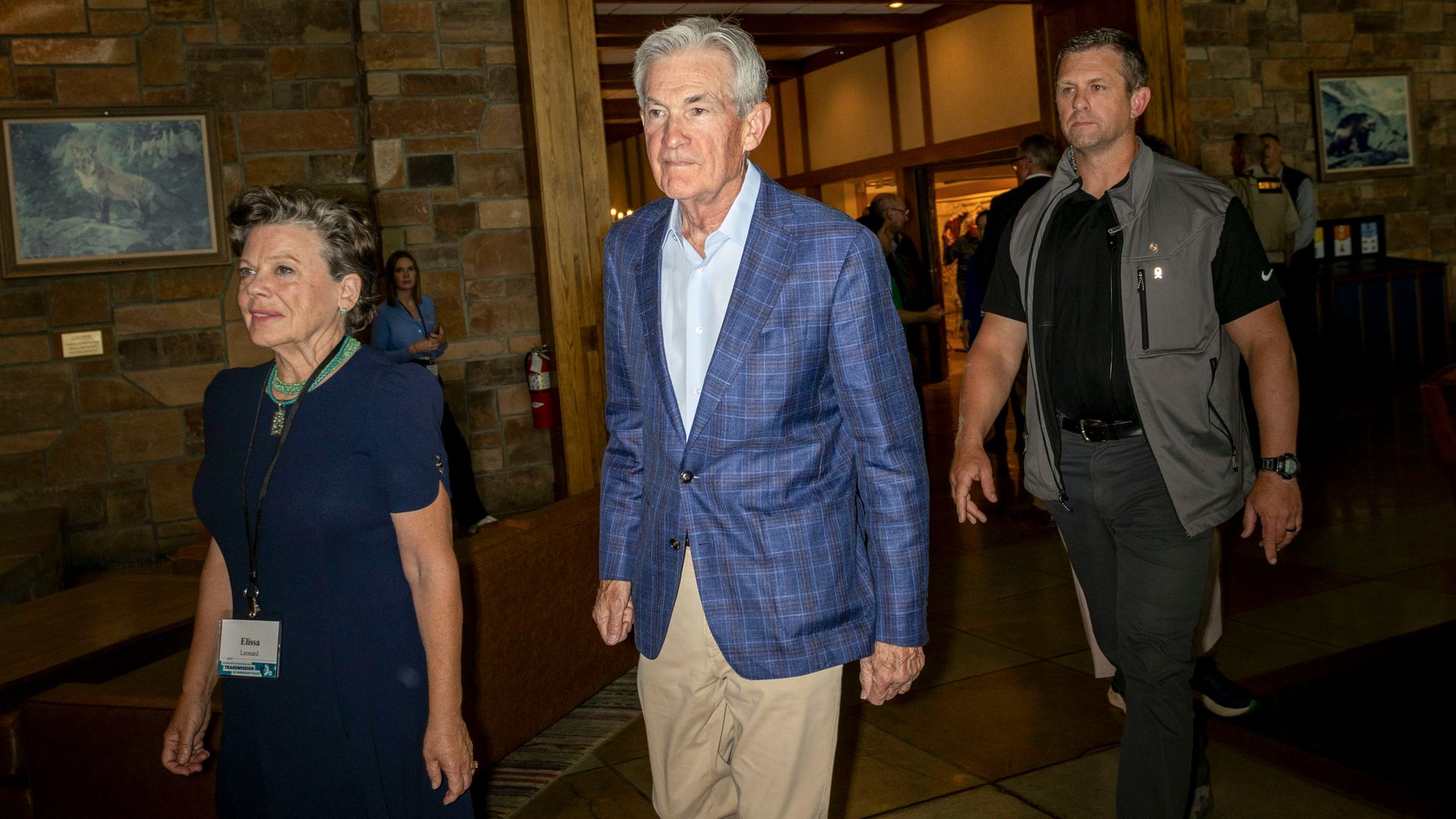
Federal Reserve chair Jerome Powell said Friday that the central bank is poised to cut interest rates, adding that policymakers do not want to see the job market cool any further.
Why it matters: In a much-anticipated speech in Jackson Hole, Wyoming, Powell said the Fed's fight to reduce inflation has largely succeeded and it now is attuned to risks of a faltering job market — setting up a rate cut in mid-September.
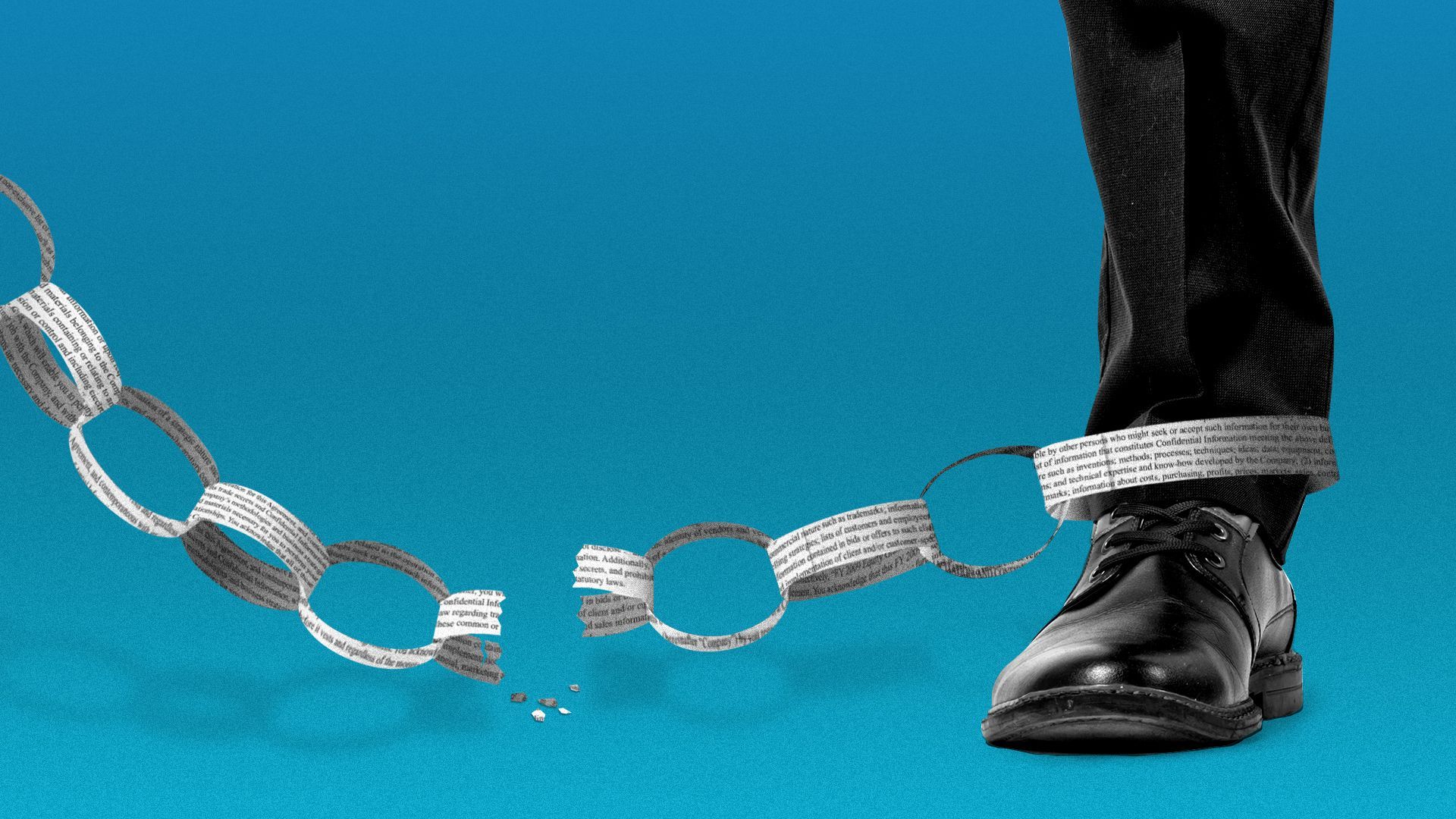
Earlier this week a federal judge in Texas stopped the FTC's banon noncompete agreements from taking effect nationwide.
Why it matters: It's increasingly unlikely that a national ban on noncompetes will ever happen. That doesn't mean employers can run wild, however, locking down workers in contracts that bar them from taking jobs with rival firms.
Canada's two largest railroads formally locked out more than 9,000 workers at midnight on Thursday — grinding freight rail in the country to a halt — as labor talks with the Teamsters reached an impasse.
The latest: On Thursday evening, Canada's labor minister ordered employees back to work and both sides into binding arbitration — bringing the work stoppage to end.
Cava today hiked its same-store sales growth projection for this fiscal year from 4.5%–6.5% to 8.5%–9.5%.
The Mediterranean restaurant chain also reported revenue of $231.4 million in the period that ended July 14, up 35% from a year earlier and beating S&P Capital IQ's expectation of $219.5 million.
The company's shares, which have risen by more than 167% since its IPO last summer, are popping over 6%after the bell.
Here's what's new on Peacock, Netflix, Fuse, Hulu and Apple TV+.
What we're watching: A documentary about the death of Laci Peterson, a new season of "Like a Girl" and a new documentary covering the life of Tennessee Titans legend Steve McNair.
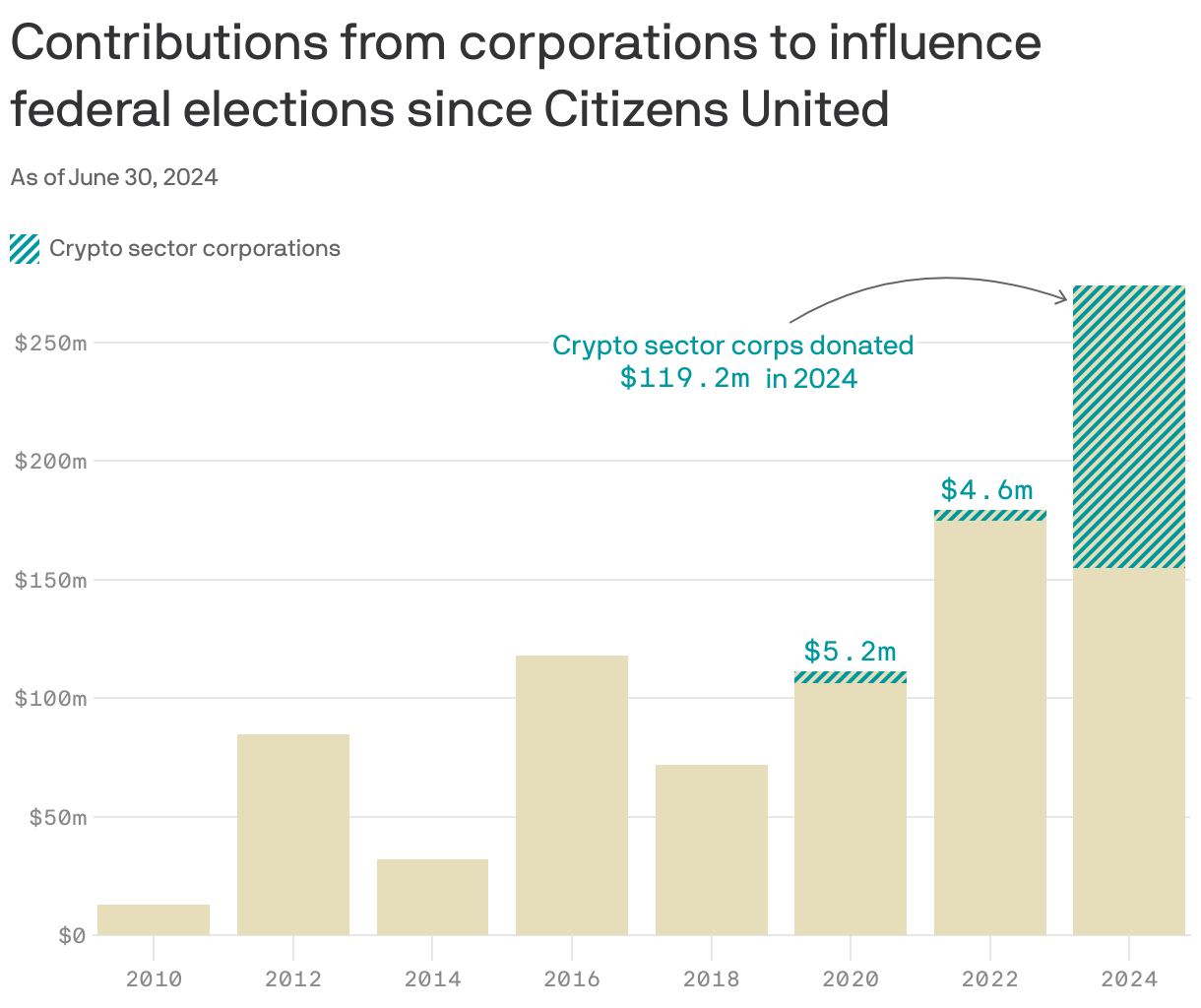
Data: Reproduced from Public Citizen based on OpenSecrets.org. Chart: Axios Visuals
Crypto companies are unabashedly rewriting the playbook for how American corporations influence elections, according to a new report from Public Citizen, a consumer advocacy group.
What they're saying: "No industry has ever before so wholeheartedly embraced raising as much directly from corporations and openly using that political war chest ... to discipline lawmakers toward adopting an industry's preferred policies," the report's author, Rick Claypool, writes.
Bitcoin has been walking sideways interminably lately, but two pieces of political/policy news perked up the original cryptocurrency yesterday, and they happened at basically the same time.
"She's going to support policies that ensure that emerging technologies and that sort of industry can continue to grow. Obviously, they've expressed that one of the things that they need are stable rules, rules of the road."
— Brian Nelson, advisor to the campaign of Vice President Kamala Harris, in comments about the blockchain industry at a press round table in Chicago
Flashback: We discussed Nelson on Tuesday. He was at the Treasury under President Biden and goes way back with Harris.
💭 Our thought bubble: It's not much to hang your hat on.
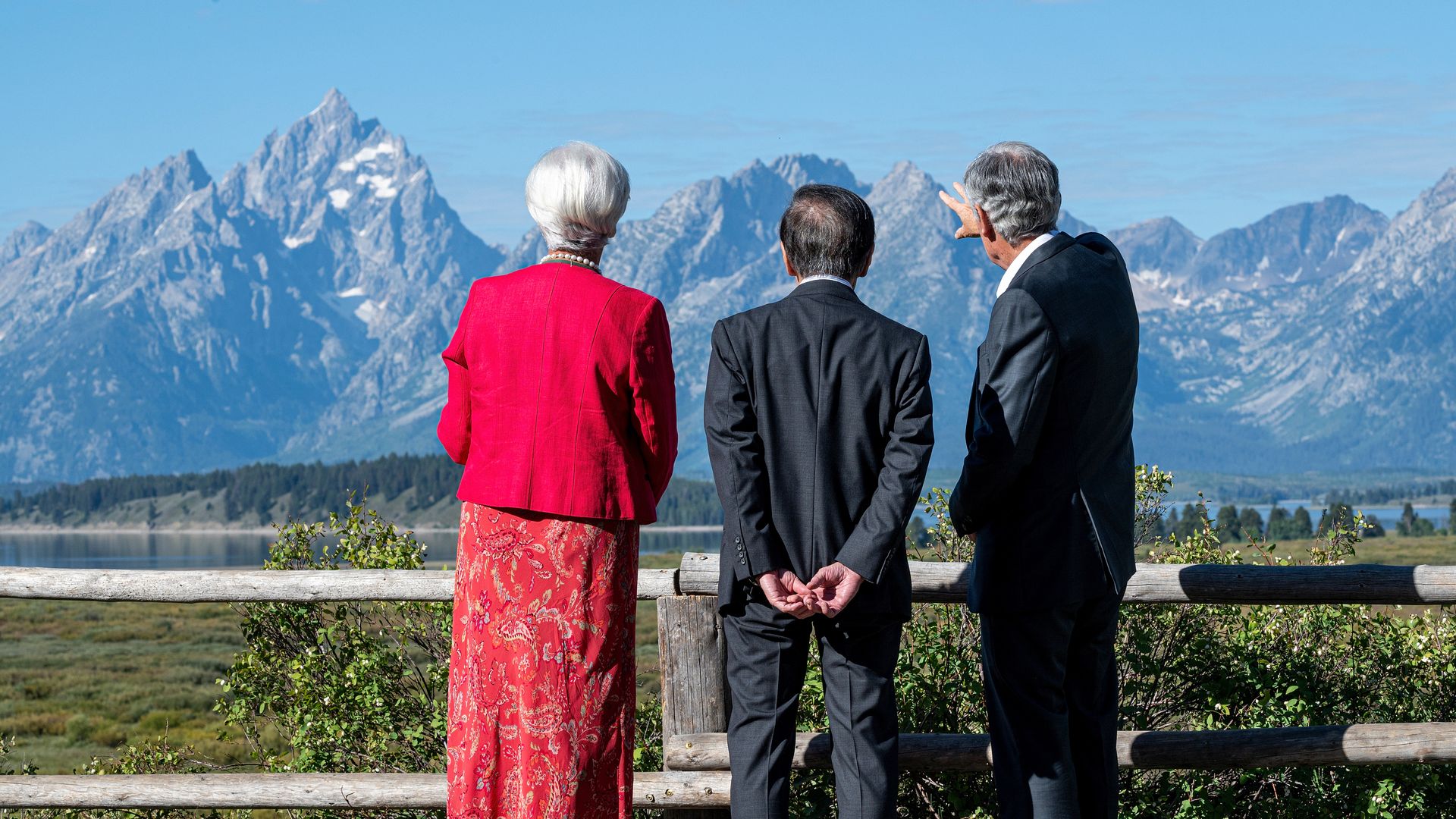
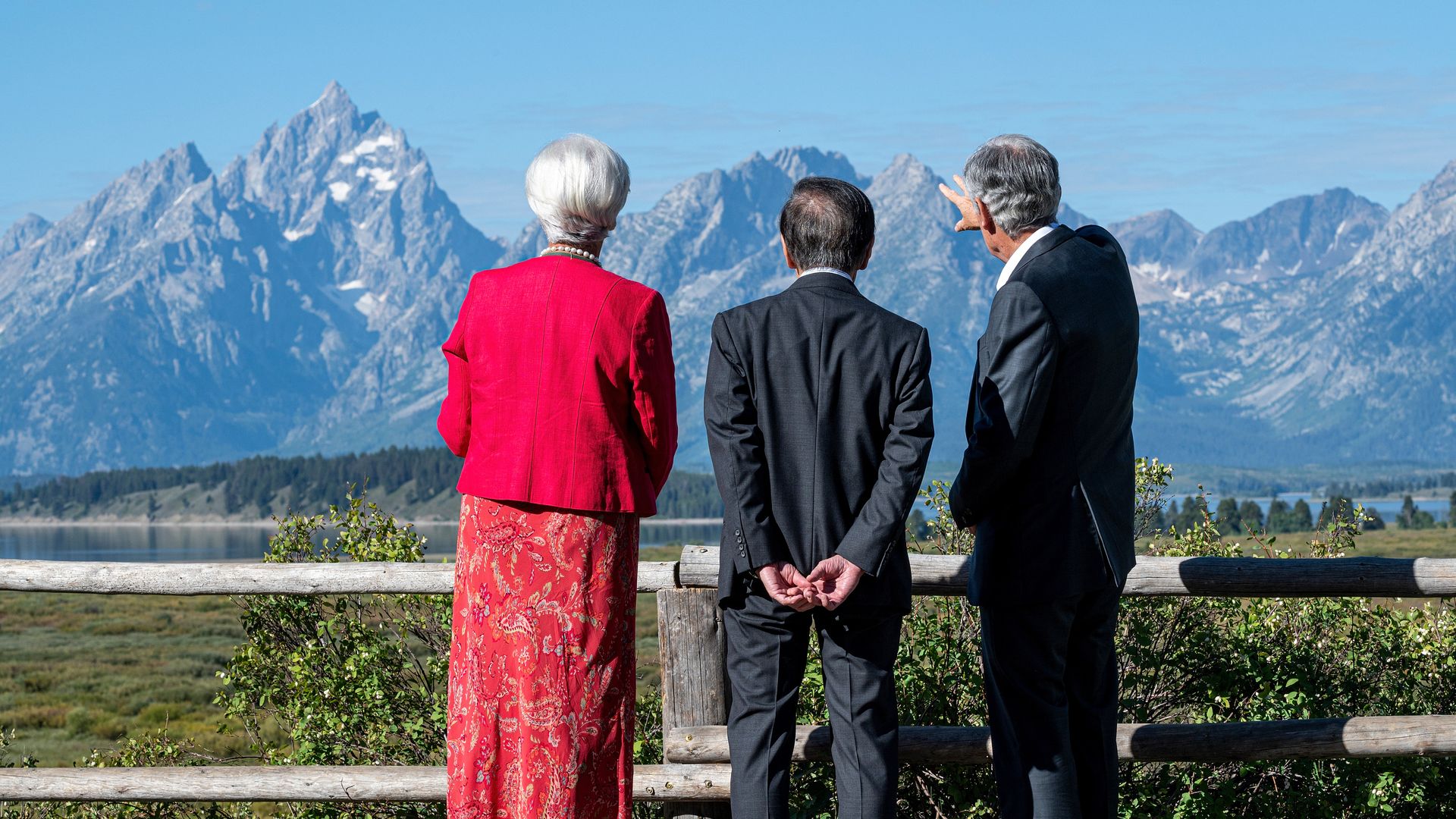
As central bankers from around the world gather in the Grand Tetons, they plan to discuss a massively important yet surprisingly unsettled question: How do the policies they make really affect the economy?
The big picture: Central banks shoulder the main burden of stimulating the economy during a recession and fighting inflation when conditions become overheated. But the ways that their interest rate policies achieve those goals are less clear than you might think.
Financial markets headlines right now are dominated by talk of Jackson Hole.
Why it matters: Jackson Hole is shorthand for an annual gathering of central bankers in Wyoming that inevitably makes big-time economic news. To set the scene, here are the basics you need to know about the event and what makes it worthy of so much attention.
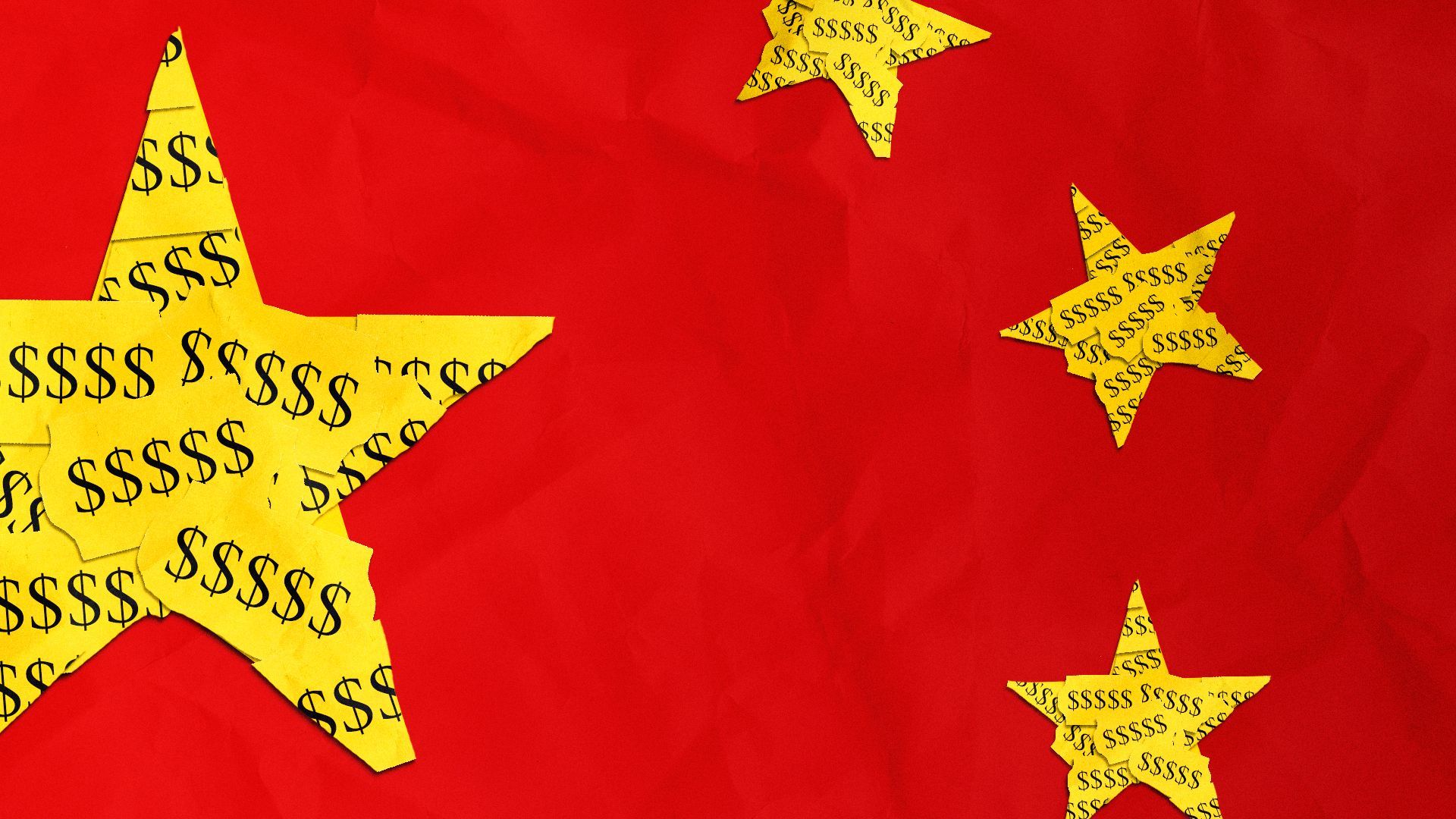
China's sputtering economy has become glaringly evident in financial markets in recent months: A historic bond market rally has been underway, driving the longer-term interest rates down. Beijing officials have forcefully tried to stamp it out.
Why it matters: The lackluster economic backdrop makes China's safest assets, government bonds, more appealing. The result is record-low borrowing costs that could give the economy a boost — except China's government has stepped in to push rates in the opposite direction, fearful of financial risks generated by low rates.