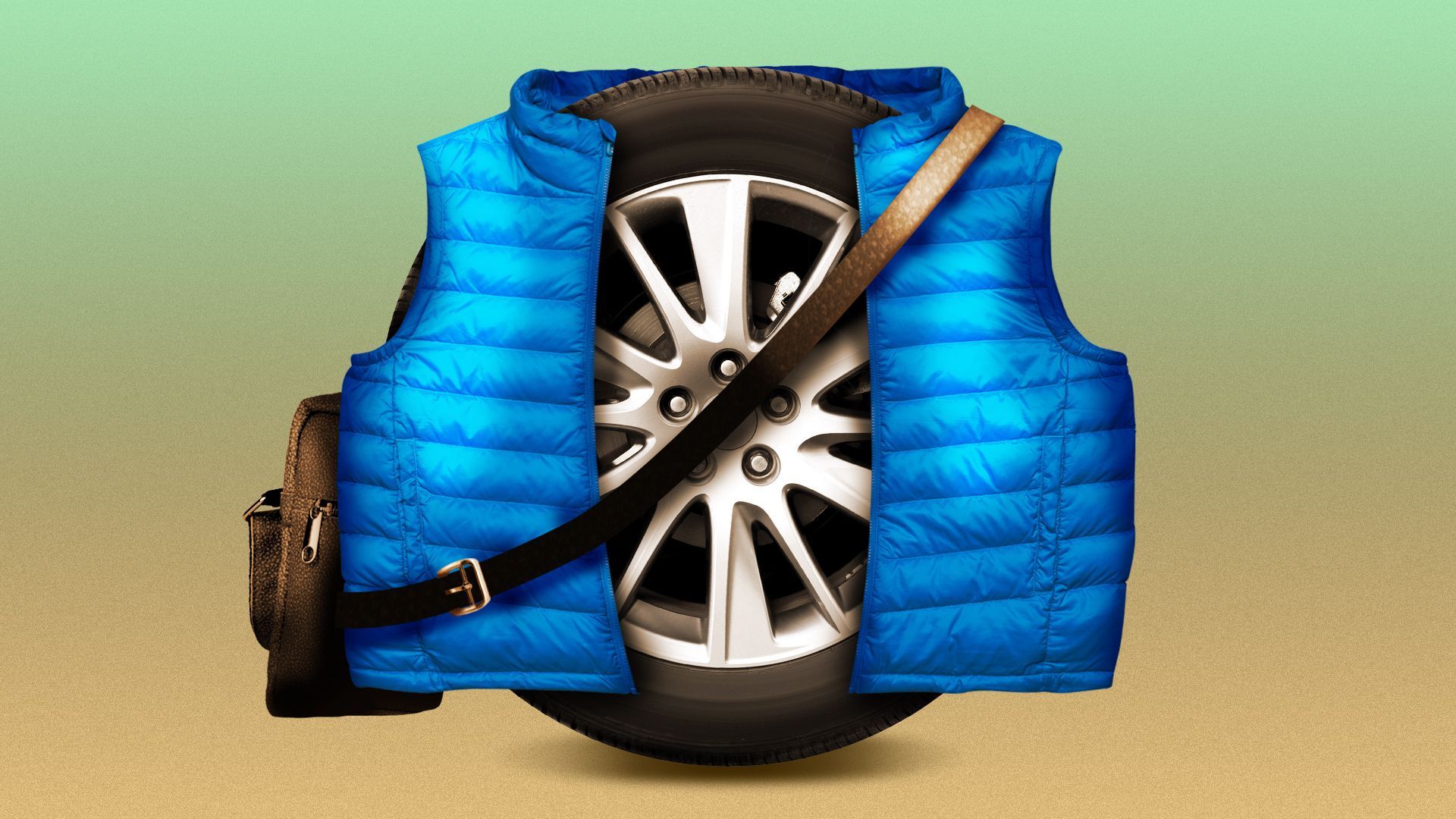
General Motors was once the most potent symbol of American industry. Silicon Valley now holds that title — and GM, just like other legacy automakers, wants back in.
Why it matters: Tech bros from California are increasingly holding sway over the car guys from Detroit as the auto industry tries to find the way to an electric, autonomous, software-driven future.
Nestlé's shares in the U.S. jumped today after the sudden exit of the company's CEO.
Why it matters: The Swiss food giant — whose wide-ranging products include Kit Kat candy bars and Pellegrino water — suffered a series of missteps as it ventured into various health care products.
Driving the news: CEO Mark Schneider is being replaced with Laurent Freixe, who has been with the company for nearly three decades.
A major refining industry group has launched a $3 million swing state ad buy claiming that Kamala Harris would seek to end sales of gasoline-powered cars.
Why it matters: The American Fuel & Petrochemical Manufacturers' broadcast TV ads — shared exclusively with Axios — are the latest sign that EVs are part of the 2024 elections.
The Department of Justice on Friday filed an antitrust lawsuit against RealPage, a property management software company, for an alleged "unlawful scheme" to reduce competition in the apartment rental market and secure a monopoly for itself.
Why it matters: RealPage uses a trove of data to help some of the country's biggest landlords set apartment rental prices. According to the suit, it's helping them to artificially inflate prices for renters all across the county.
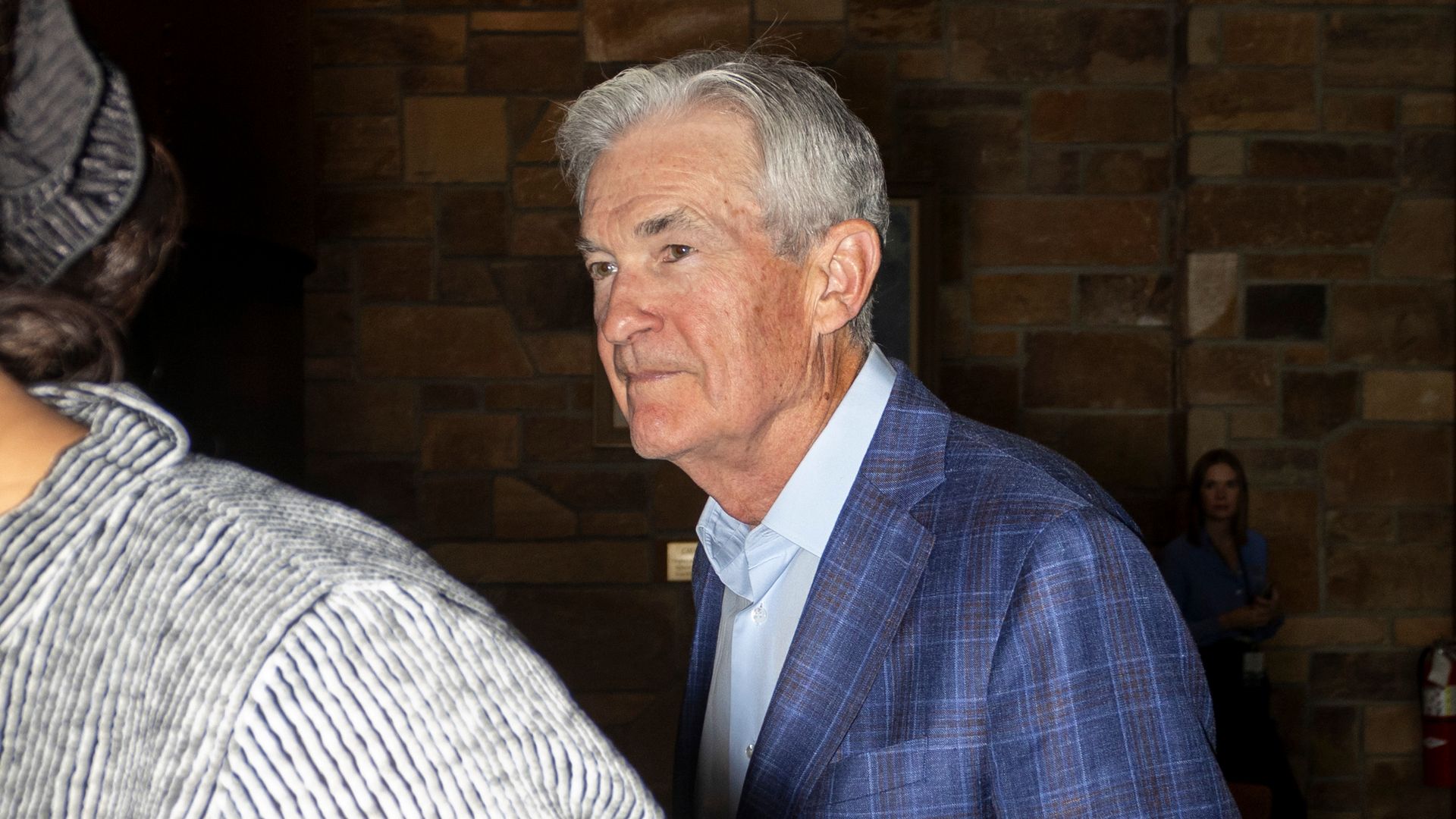
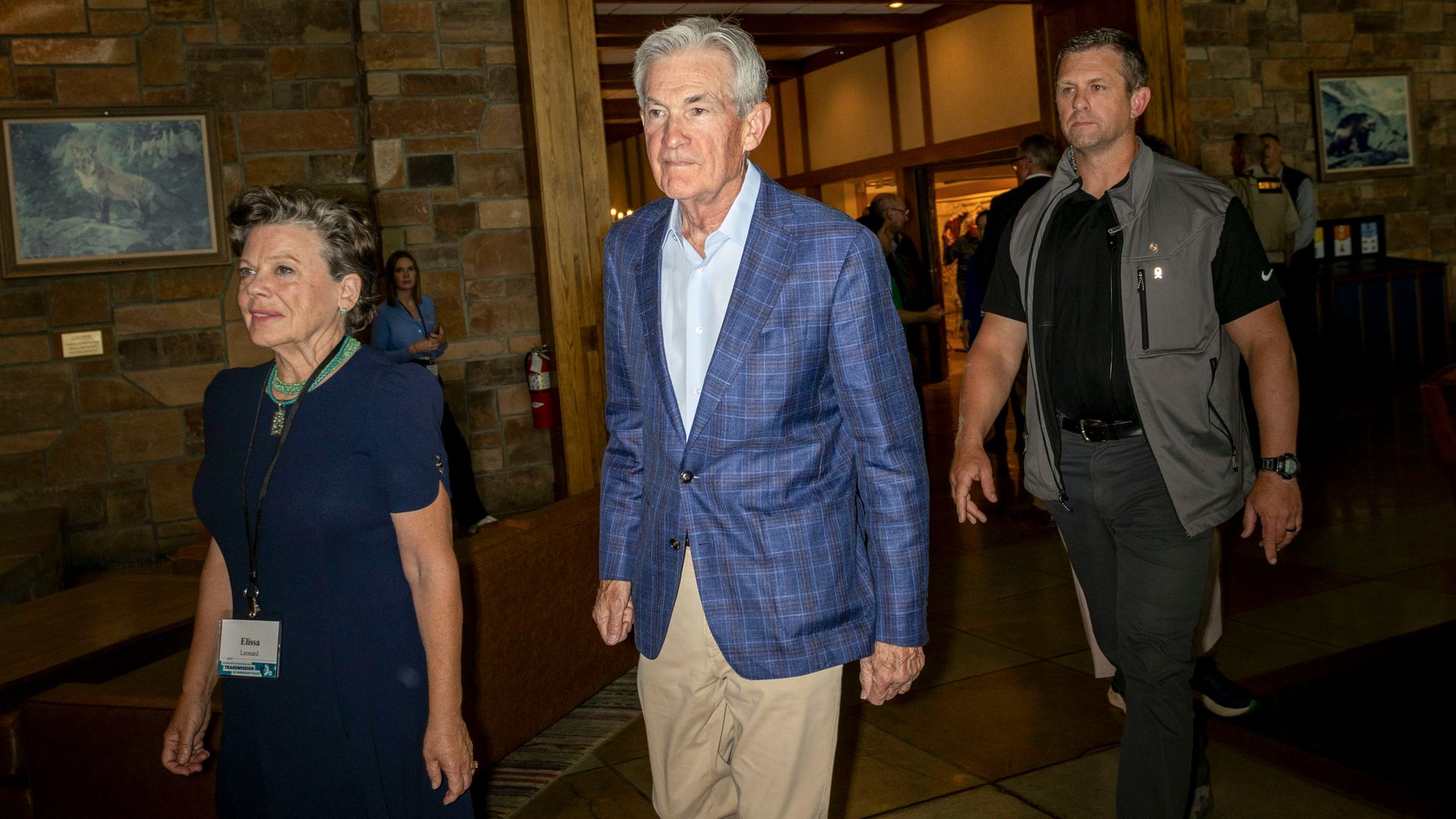
Two years ago at the annual symposium in Jackson Hole, Fed chief Jerome Powell offered a blunt, succinct declaration that the Fed was ready to tolerate economic pain in order to fight inflation. He wasn't quite as blunt, nor as succinct, in remarks Friday, but the message was similarly hard to miss.
The big picture: The Fed is ready to cut rates — aggressively, if necessary — to prevent further worsening in the job market. The era of elevated interest rates is near its end, and the predominant economic risk is no longer inflation.
Federal Reserve chair Jerome Powell said Friday that the central bank is poised to cut interest rates, adding that policymakers do not want to see the job market cool any further.
Why it matters: In a much-anticipated speech in Jackson Hole, Wyoming, Powell said the Fed's fight to reduce inflation has largely succeeded and it now is attuned to risks of a faltering job market — setting up a rate cut in mid-September.
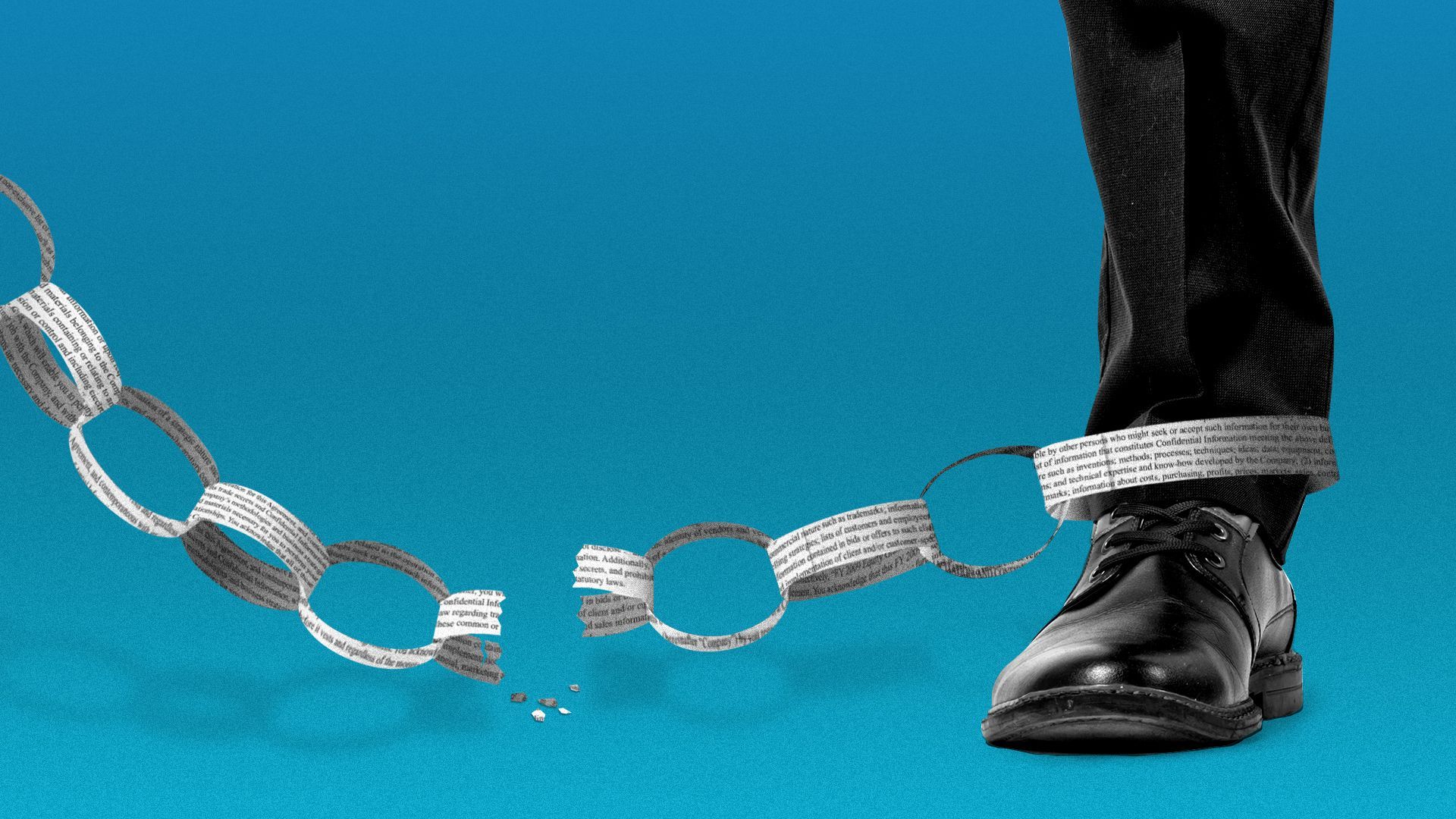
Earlier this week a federal judge in Texas stopped the FTC's banon noncompete agreements from taking effect nationwide.
Why it matters: It's increasingly unlikely that a national ban on noncompetes will ever happen. That doesn't mean employers can run wild, however, locking down workers in contracts that bar them from taking jobs with rival firms.