The courtroom saga of BitMEX, a pioneering cryptocurrency exchange, continues on, as the Department of Justice announced on Wednesday that the firm pled guilty to one count of Bank Secrecy Act violations.
Why it matters: Companies in the blockchain space skirted laws requiring them to check the identities and backgrounds of their users in the early days when it seemed like no one was paying attention.
Two publicly traded bitcoin mining operators, Riot Platforms and Bitfarms, have been locked in a battle for the better part of the year, and it appears to be escalating.
Why it matters: Bitcoin miners are strategizing post-halving — some are shifting focus to hosting AI data centers, expanding with the help of strategic investments, and others are looking to get bigger by merger or acquisition.
Why it matters: The eight issuers in line to launch those ETFs in the coming days are expected to vie for assets under management by offering the best price.
(That's often why issuers hold fees close to their chest and show them right before launch, which appears to be the case with the ether folks.)
The big picture: At large, U.S. fund fee declines are decelerating, according to research firm Morningstar's annual study, in part, because there's not much left to cut.
"Fees of prominent index mutual funds and ETFs are approaching a floor, with many already charging less than 0.05%," the report said.
Former FTX lieutenantsNishad Singh and Gary Wang got their sentencing dates yesterday.
Why it matters: Singh and Wang were star witnesses in the criminal trial of their friend and former boss Sam Bankman-Fried and testified against him after signingcooperation agreements with U.S. prosecutors.
Caroline Ellison also pleaded guilty and testified, but her sentencing date has not been set.
Flashback: Singh pleaded guilty to one count of wire fraud, three counts of conspiracy to commit fraud, one count of conspiracy to commit money laundering, and one count of conspiracy to defraud the U.S. by violating campaign finance laws.
The Biden administration will give the most full-throated defense yet of its tariffs on Chinese imports in a speech Wednesday afternoon by a top Treasury Department official.
Why it matters: Biden-era tariffs were intended to head off what officials see as a threat to the global economy: China producing more clean-energy goods than the world can absorb, distorting global prices.
Starbucks is ramping up the discounts Wednesday with a rare freebie giveaway — reusable straws — that could lead to longer lines at your local shop.
Why it matters: The coffee giant has been promoting affordability in recent weeks with a new value menu and more deals as consumers trade down to eat at home.
The U.S. is dominating private-sector investment in AI, according to a new report from S&P Global.
Why it matters: AI fever is fueling a boom in the stock market and is viewed as a linchpin to future economic growth.
Zoom in: The U.S. private sector invested more than three times as much in AI than any other country did from 2013 through 2023, according to the new report.
The U.S. created 5,509 AI companies during that time, nearly four times second-place China's 1,446.
Yes, but: "Private sector investment in AI is not the entire story," S&P wrote.
"We expect governments will also play a crucial role in AI's development," especially in China, where much of its "spending on AI is likely to be directly government funded."
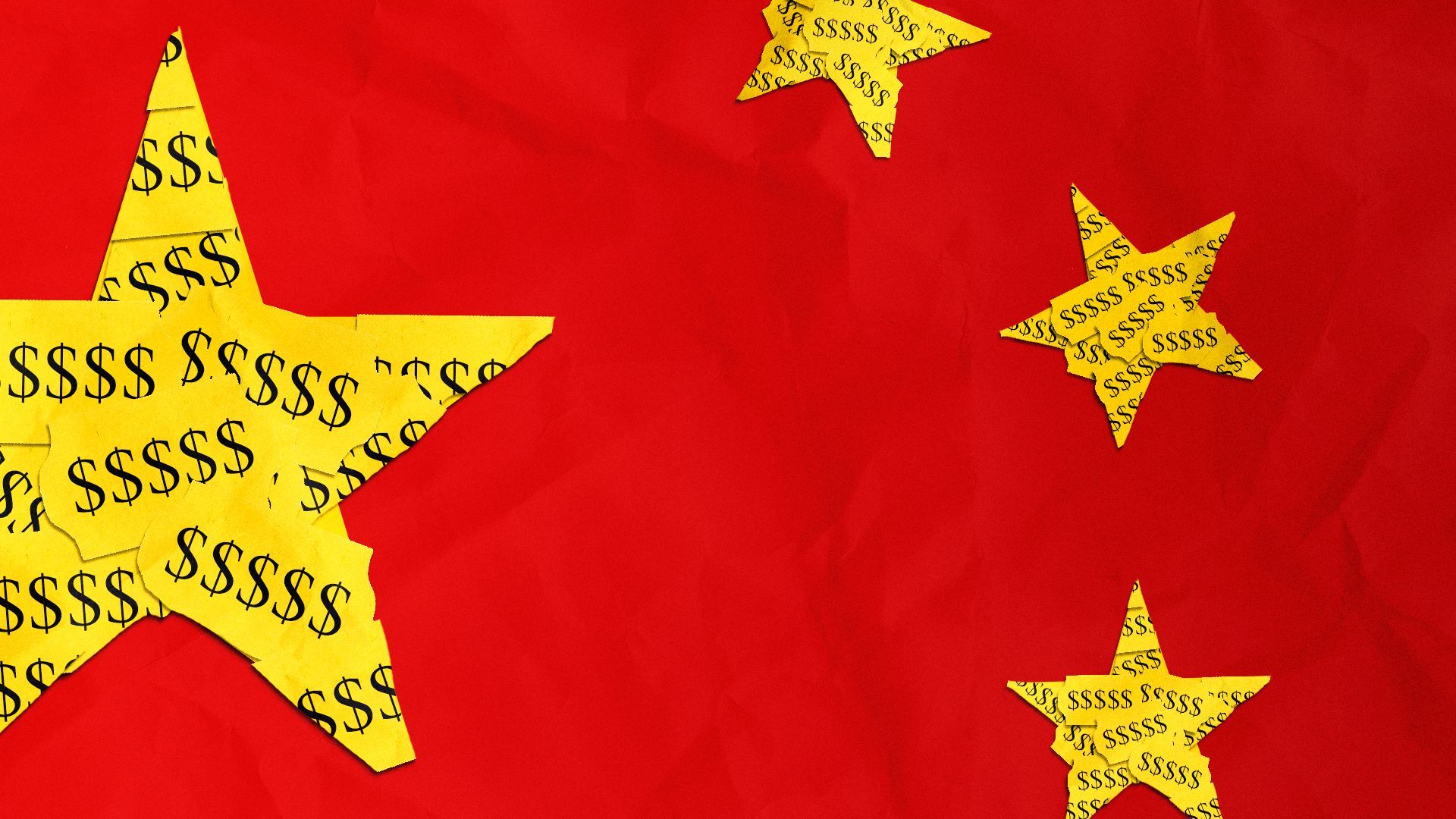
In the 2000s, a so-called China shock swept through the U.S. economy, lowering consumer prices while causing massive losses of manufacturing jobs. Former President Trump's proposed tariff regime would be, in effect, an audacious attempt to reverse it.
The big picture: Trade experts believe that the price of imported manufactured goods would rise significantly if Trump returns to the White House and enacts the aggressive program he has described on the campaign trail. They are not persuaded that a manufacturing renaissance would follow.
This sounds like a fun, swift ride for all the tortured poets out there. Taylor Swift fans will get to belt out her tunes during a special sing-along on Brightline train rides to her three October concerts in Miami.
Grayscale Investmentsset a date of July 18 for the initial creation and distribution of the mini version of its ether ETF.
Why it matters: The shop behind the once-largest bitcoin fund known as GBTC has filed to launch mini versions of its spot bitcoin ETF and spot ether ETF.
The flip side of job losses caused by the China shock was that it really did result in cheaper manufactured goods — pulling inflation down and real incomes up.
From December 2001, when China joined the World Trade Organization, to December 2016, just before Trump took office, consumer prices fell for such goods as apparel (down 10.3%), furniture (14.7%), appliances (20.1%) and toys (60%).
That process played out over 15 years, involved hundreds of billions in investment and involved a painful reallocation of workers away from U.S. factories into other industries. It would be hard to unscramble that egg.
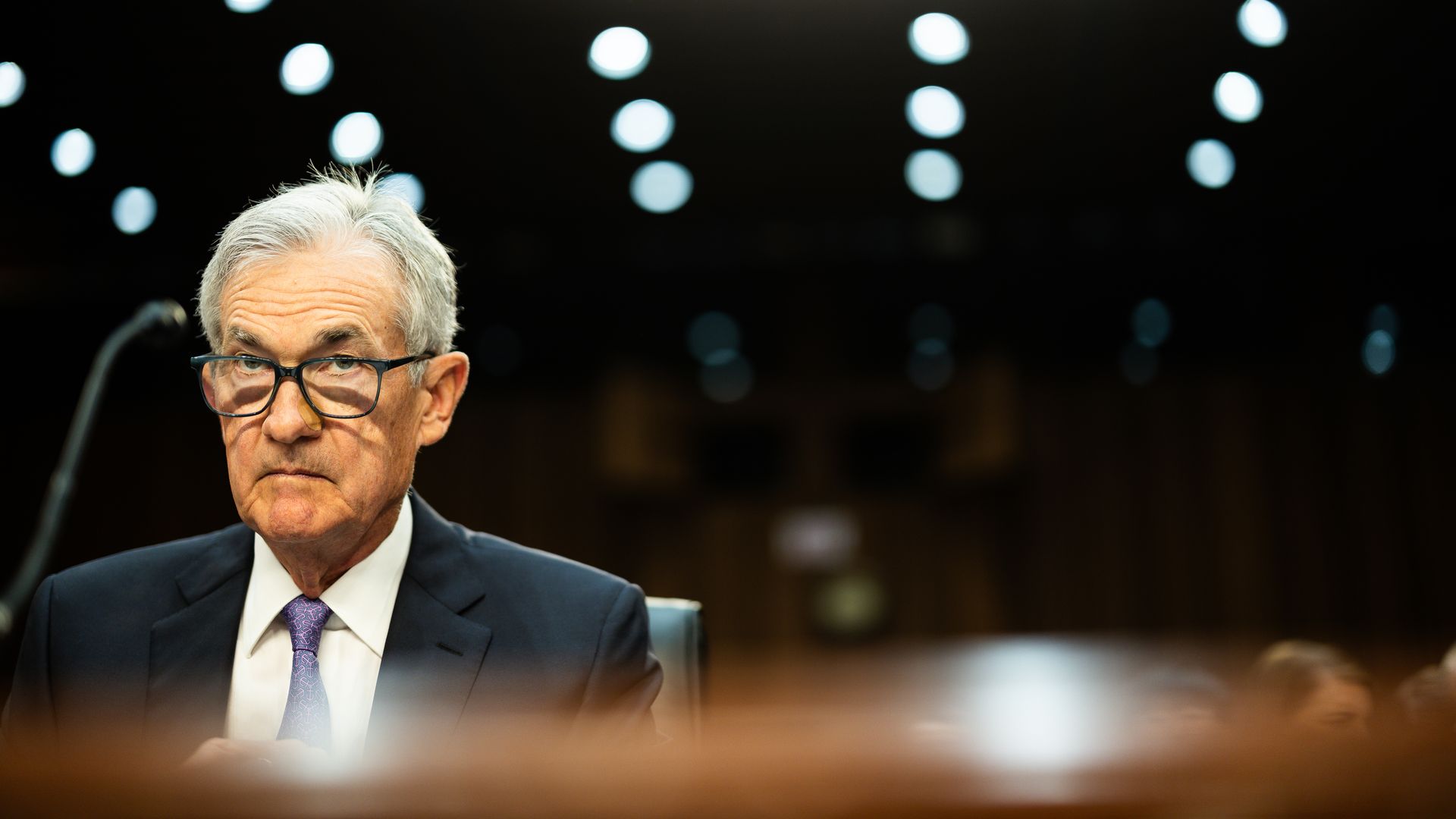
Federal Reserve chair Jerome Powell told lawmakers on Tuesday that a weakening labor market is just as much a risk to the economy as high inflation.
Why it matters: In recent months, Fed officials have said they want to see more economic data that confirms inflation is receding before lowering interest rates. But Powell acknowledges that waiting too long to do so could unnecessarily harm the economy and job market.