The U.S. is dominating private-sector investment in AI, according to a new report from S&P Global.
Why it matters: AI fever is fueling a boom in the stock market and is viewed as a linchpin to future economic growth.
Zoom in: The U.S. private sector invested more than three times as much in AI than any other country did from 2013 through 2023, according to the new report.
The U.S. created 5,509 AI companies during that time, nearly four times second-place China's 1,446.
Yes, but: "Private sector investment in AI is not the entire story," S&P wrote.
"We expect governments will also play a crucial role in AI's development," especially in China, where much of its "spending on AI is likely to be directly government funded."
In the 2000s, a so-called China shock swept through the U.S. economy, lowering consumer prices while causing massive losses of manufacturing jobs. Former President Trump's proposed tariff regime would be, in effect, an audacious attempt to reverse it.
The big picture: Trade experts believe that the price of imported manufactured goods would rise significantly if Trump returns to the White House and enacts the aggressive program he has described on the campaign trail. They are not persuaded that a manufacturing renaissance would follow.
This sounds like a fun, swift ride for all the tortured poets out there. Taylor Swift fans will get to belt out her tunes during a special sing-along on Brightline train rides to her three October concerts in Miami.
Grayscale Investmentsset a date of July 18 for the initial creation and distribution of the mini version of its ether ETF.
Why it matters: The shop behind the once-largest bitcoin fund known as GBTC has filed to launch mini versions of its spot bitcoin ETF and spot ether ETF.
The flip side of job losses caused by the China shock was that it really did result in cheaper manufactured goods — pulling inflation down and real incomes up.
From December 2001, when China joined the World Trade Organization, to December 2016, just before Trump took office, consumer prices fell for such goods as apparel (down 10.3%), furniture (14.7%), appliances (20.1%) and toys (60%).
That process played out over 15 years, involved hundreds of billions in investment and involved a painful reallocation of workers away from U.S. factories into other industries. It would be hard to unscramble that egg.
Federal Reserve chair Jerome Powell told lawmakers on Tuesday that a weakening labor market is just as much a risk to the economy as high inflation.
Why it matters: In recent months, Fed officials have said they want to see more economic data that confirms inflation is receding before lowering interest rates. But Powell acknowledges that waiting too long to do so could unnecessarily harm the economy and job market.
Google's latest environmental reportpresents AI's dual reality — the hope it can aid the global warming fight and the impact of its thirst for energy.
Why it matters: This is the second tech giant, following Microsoft, to reveal AI's emissions challenges.
Driving the news: The company's report says it's ended the mass purchase of cheap carbon offsets, stopped claiming its operations are carbon neutral, and now aims to reach net-zero carbon emissions by 2030.
State of play: Google's corporate emissions rose another 13% last year and are up 48% compared to their 2019 baseline.
Last year's growth reflects the "challenge of reducing emissions while compute intensity increases and we grow our technical infrastructure investment to support this AI transition," the report states.
Why it matters: Working-age populations around the world are growing at a slower rate than in years past, if not declining in some nations — risking forever labor shortages that may limit growth.
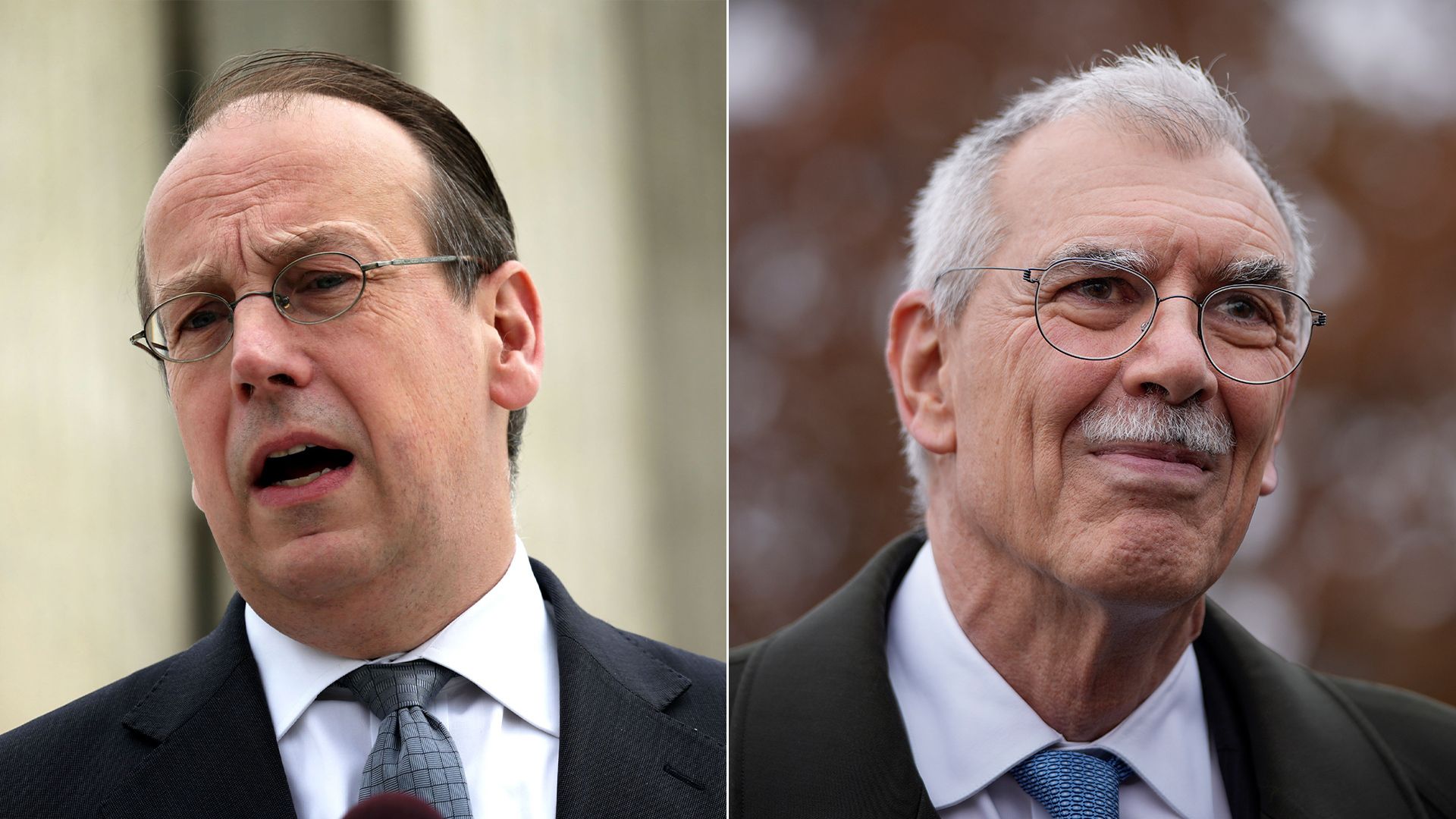
An unexpected duo is aligned behind Custodia Bank's appeal to be allowed into the Federal Reserve Board's fold and get access to its payment and settlement systems.
Why it matters: Custodia is a state-chartered bank that wants to do business in crypto but has been hamstrung after a regional Fed bank denied it access to a master account in 2023.
The mattress industry is slumping, but federal regulators say that's not enough to justify the biggest manufacturer buying the biggest retailer.
Why it matters: The FTC last week voted unanimously to attempt to prevent Tempur Sealy from acquiring Mattress Firm for $4 billion — a "vertical" deal that has been in limbo since it was announced in May 2023.
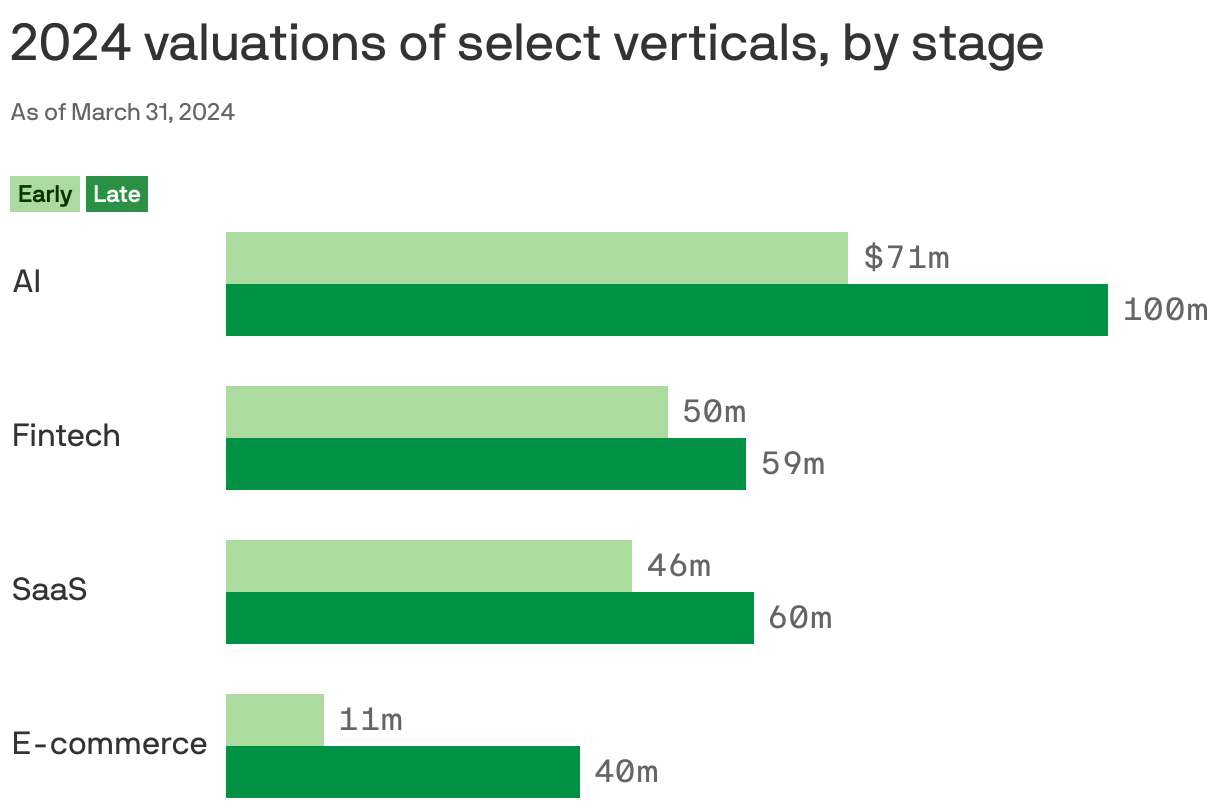
Artificial intelligence is keeping the venture capital ecosystem afloat. It accounted for more than 40% of new private U.S. "unicorns" in the first half this year, and over 60% of the increase in total venture-backed valuation, per PitchBook.
The big picture: There were 13 new U.S. AI unicorns — private companies that reached valuations of over $1 billion — between Jan. 1 and June 25 of this year.