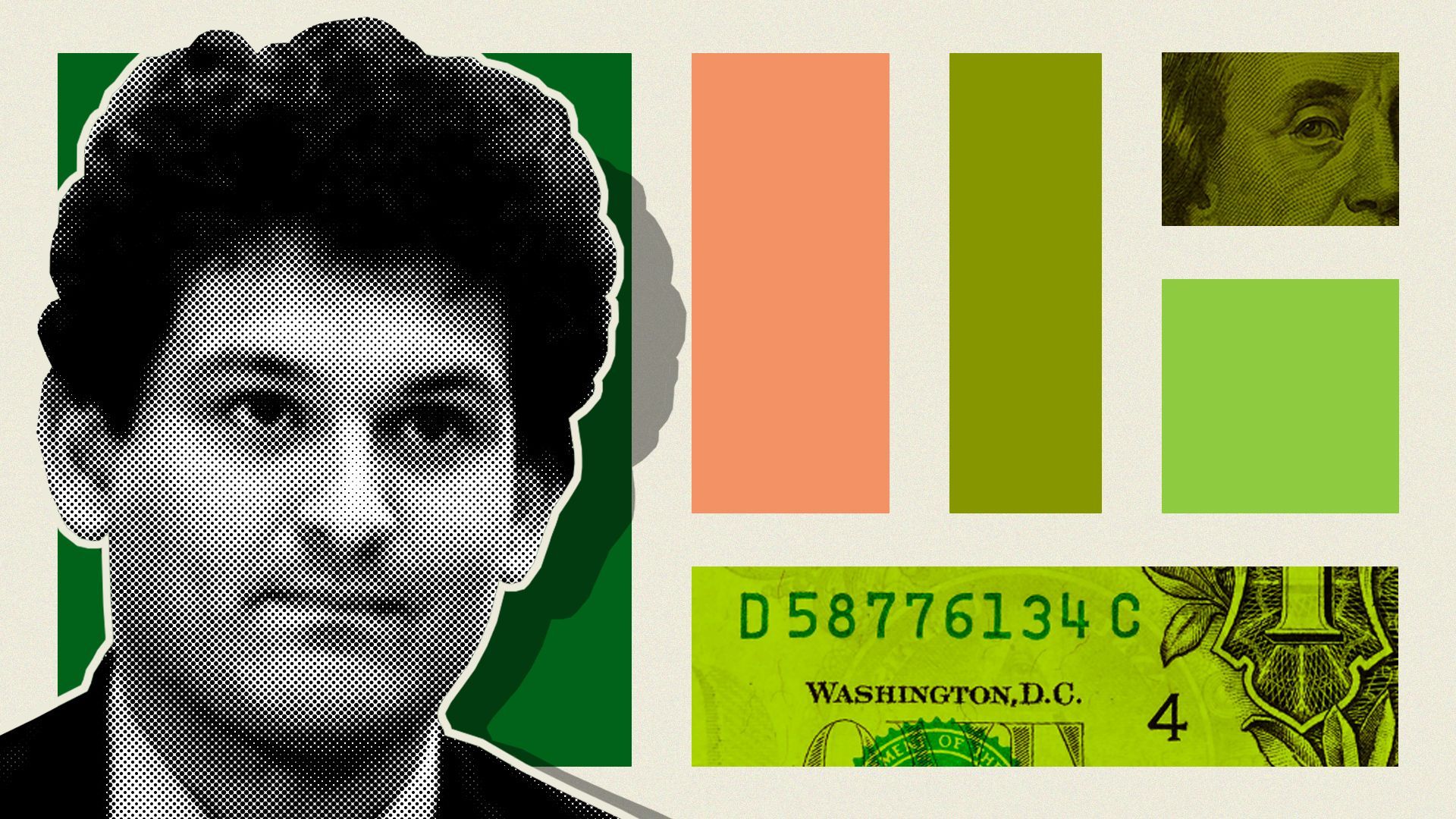
All eyes will be on the eagerly awaited trial of former FTX CEO Sam Bankman-Fried, indicted on a litany of fraud charges, which kicks off in New York City on Tuesday.
Why it matters: If convicted, Bankman-Fried could become the biggest venture backed-fraudster, surpassing former Theranos CEO Elizabeth Holmes.
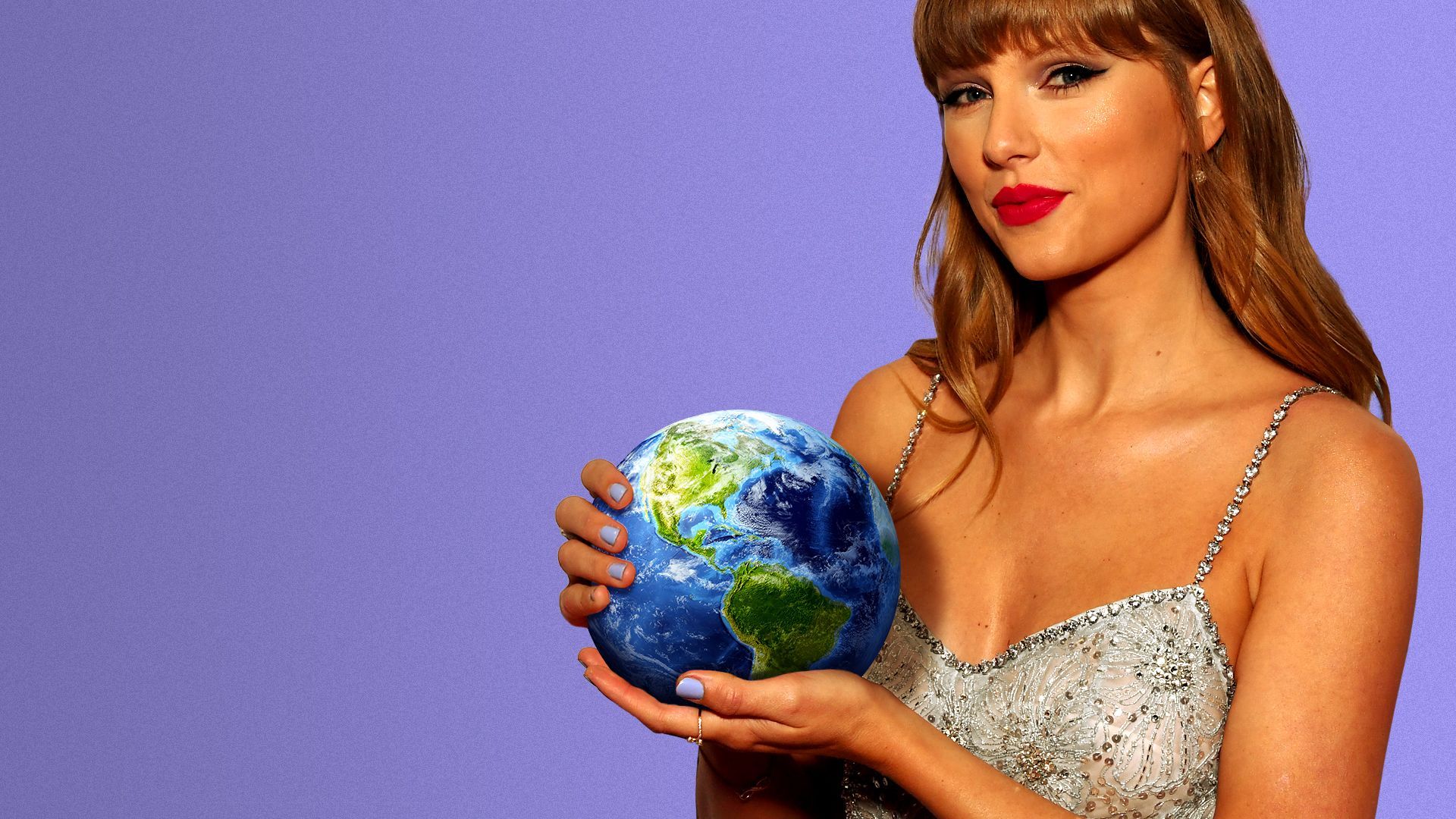
Taylor Swift isn't just a pop icon anymore; she's the next great American dynasty, singlehandedly steering some of the country's most vaunted brands and institutions.
A court case on this term's Supreme Court docket could end up granting 400 of America's largest corporations some $271 billion in tax relief, per new calculations from the Institute on Taxation and Economic Policy.
Why it matters: The argument being made by the plaintiffs, an American family with minority shares in an Indian farming firm, is that taxing multiple years of accrued income is unconstitutional.
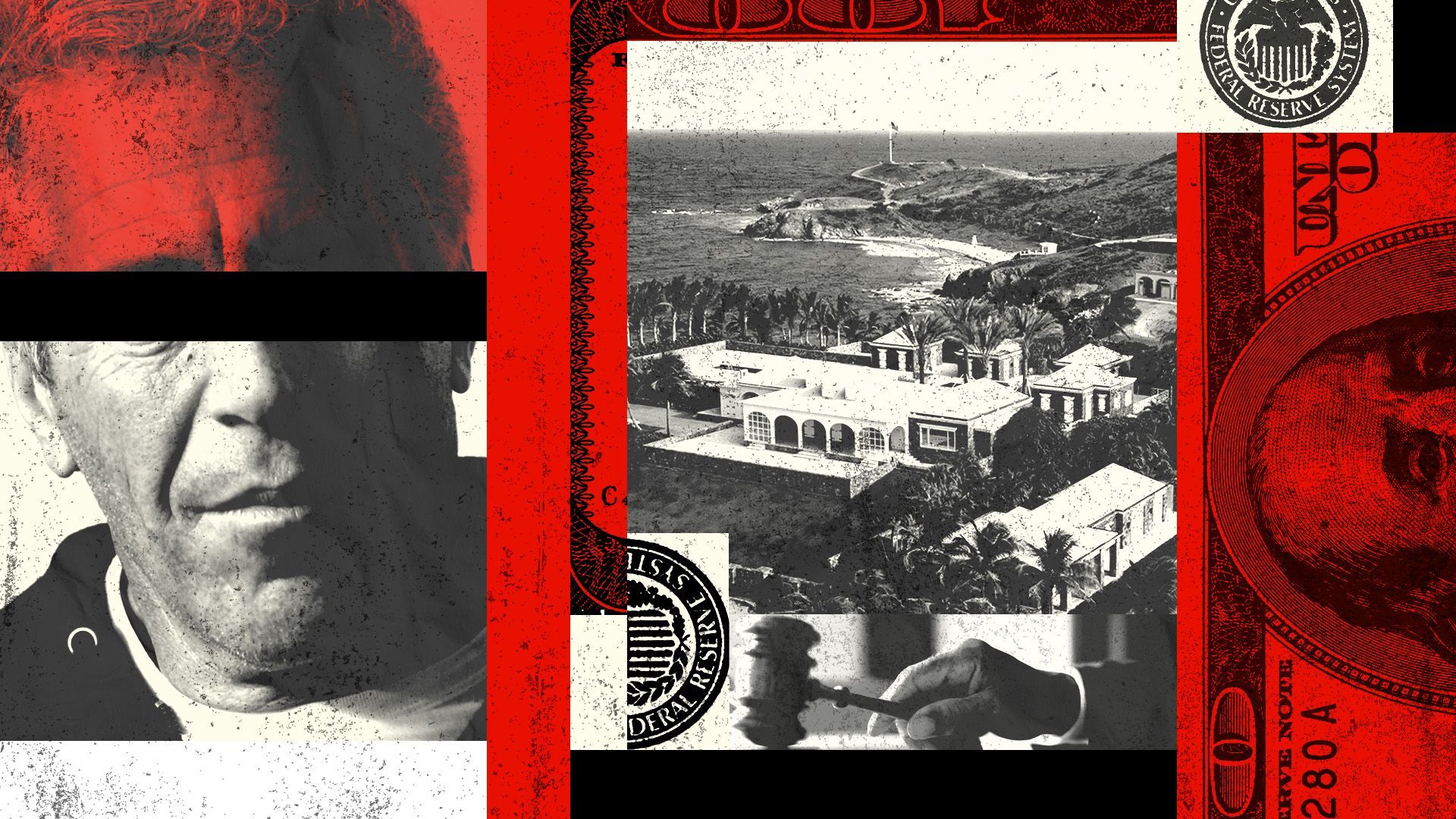
When one of the biggest banks in the world announces a legal settlement with a government agency, normally both sides can at least agree on what is being announced. That wasn't the case earlier this week in the matter of Government of the U.S. Virgin Islands v. JPMorgan Chase Bank.
Why it matters: According to the bank, it simply settled a civil lawsuit out of court — something it does on a regular basis — and did not admit any liability.
New Federal Reserve rules meant to make big banks safer — the set of plans known as Basel Endgame — would make it even harder for low- and middle-income Americans, a group that includes a disproportionate number of Black Americans, to get a mortgage.
Why it matters: The Federal Reserve is being torn between two imperatives — strengthening the banking system and preserving the ability of under-served borrowers to get onto the bottom rung of the housing ladder.