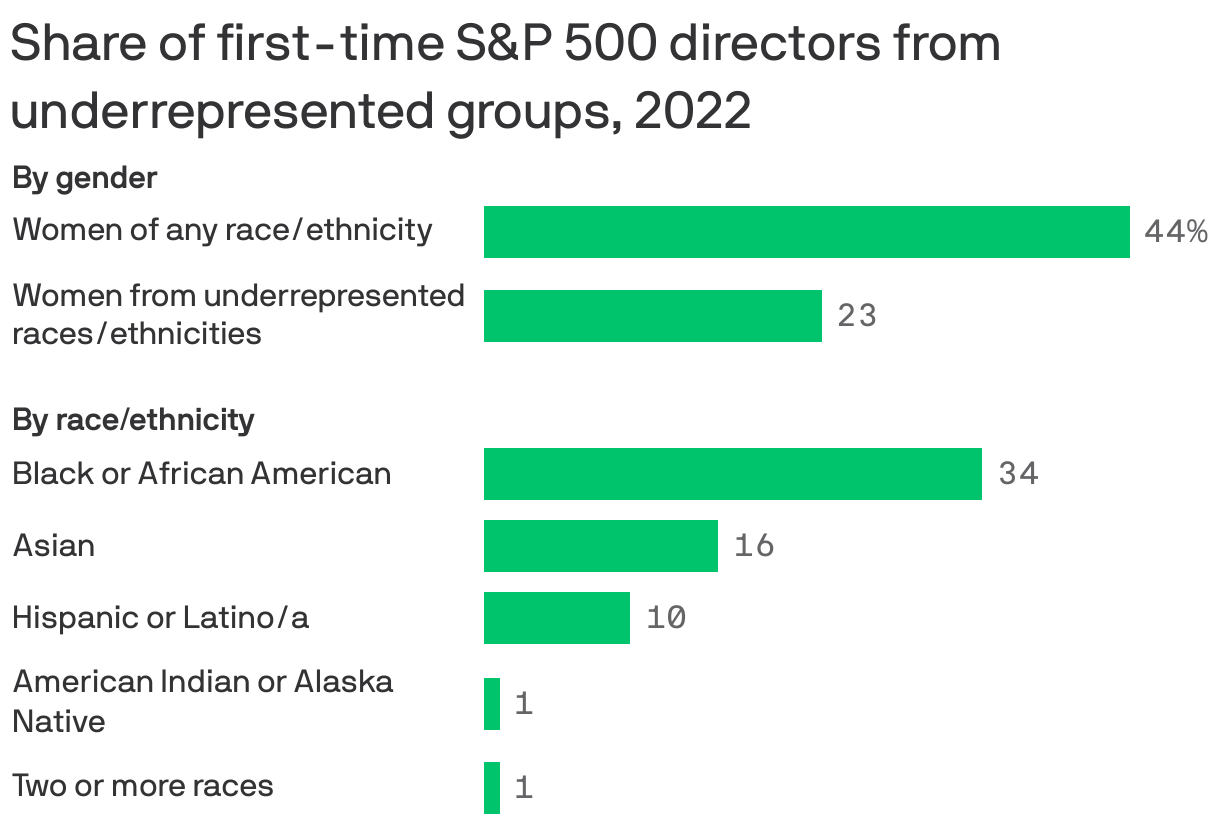
Nearly a third of all board directors among S&P 500 companies are women.
Driving the news: Women now represent 32% of all S&P 500 directors — the most ever. That's up from 30% last year, and an 86% increase over the past decade, when the makeup of women on boards was just 17%, a new study from Spencer Stuart, a leadership consulting firm, finds.
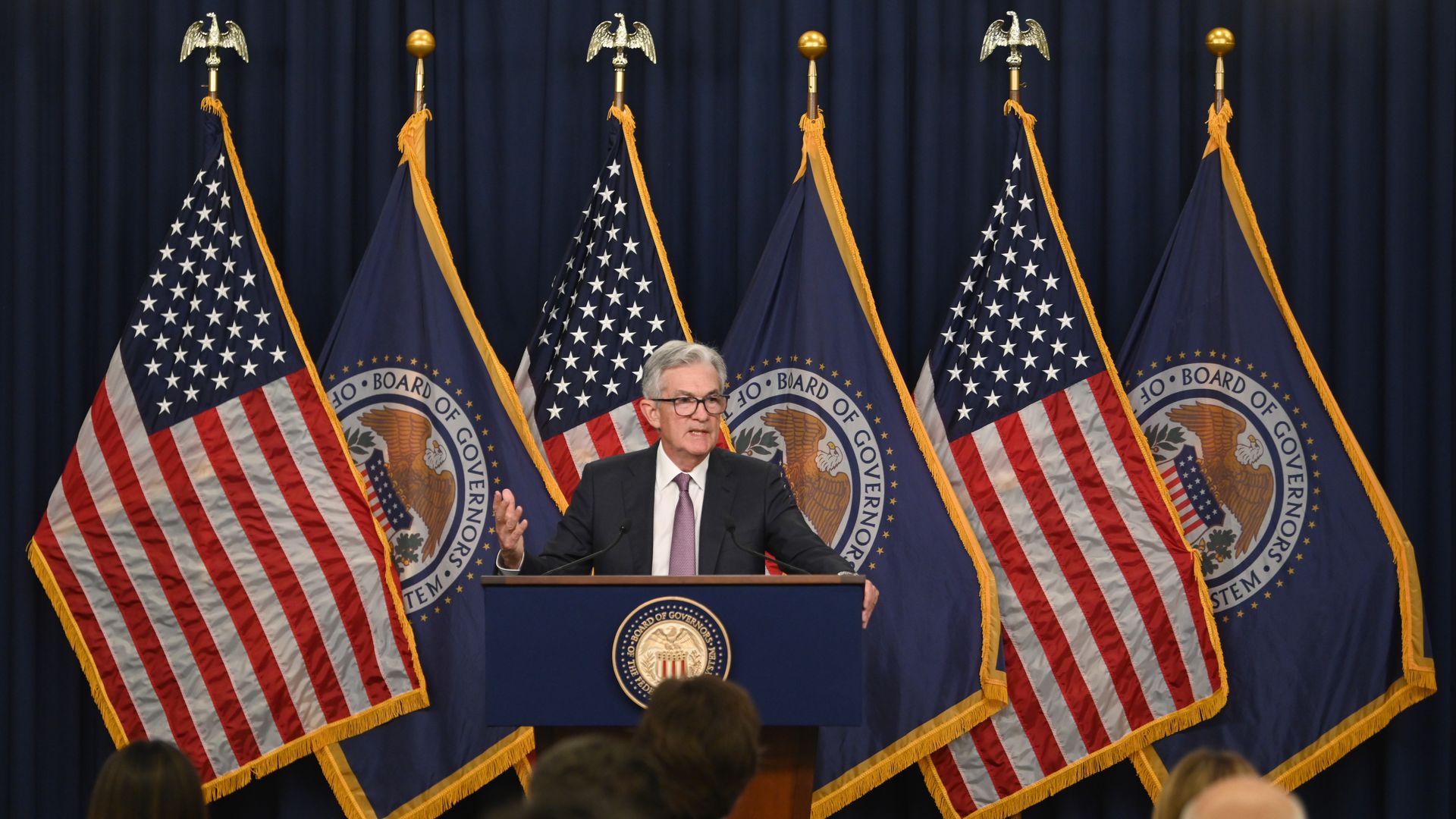
The Federal Reserve continued its campaign to aggressively push up interest rates Wednesday, with a fourth-straight 0.75 percentage point rate rise, while also giving some sense of what might lead it to slow down its rate rising campaign in the future.
Driving the news: The central bank's policymaking committee raised the bank lending rate it targets to a range of 3.75% to 4%, its highest level in 15 years. As recently as March that rate was near zero.
Dan Snyder is seeking a buyer for the Washington Commanders after a 23-year ownership that's been best known for losing football and off-field controversies. But private equity funds won't be among the bidders.
What to know: NFL rules prevent private equity funds and other forms of institutional capital from owning franchises, even if they only hold minority stakes. That's different from many other pro sports leagues, including the NBA, MLB, NHL and Premier League.
Payments shops' deep embrace of crypto is a sign of things to come that the average person might never notice.
Why it matters: Mainstream crypto adoption is often talked about in terms of the masses transacting in bitcoin for everyday purchases. But what if crypto makes its way into backend payment processing that everyone uses, but doesn't spend much time thinking about?
BuildWithin, a Washington, D.C.-based developer of apprenticeship management software, tells Axios that it's raised $2.4 million in pre-seed funding led by Dundee Venture Capital.
Why it matters: The startup is co-founded by Michelle Rhee, one of the most polarizing figures in American education. It's her first for-profit company, and says she hopes to apply some of her K-12 learnings to workforce training — at a time when there are still millions of unfilled tech jobs.
Private equity firm Cerberus Capital Management may need to wait on its grocery windfall.
Driving the news: Washington state's attorney general yesterday filed a lawsuit seeking to block supermarket chain Albertsons from paying a $4 billion cash dividend to shareholders like Cerberus on Nov. 7.
Prime Video has signed a deal with Overtime Elite (OTE) for the exclusive global streaming rights to 20 live games per season for the next three years.
The big picture: OTE is a six-team basketball league featuring some of the best players in the world ages 16 to 20. Players receive six-figure salaries and an education as they prepare for college and professional hoops.
Although nearly 4,000 companies have made pledges to reduce their emissions, many lack the skilled workers needed to meet those goals, Microsoft president Brad Smith tells Axios.
Why it matters: In order to reduce carbon emissions, companies need employees with a range of new skills, including a deep understanding of how supply chains work as well as the ability to properly account for how much carbon a company is emitting.
The Biden administration on Wednesday morning announced a $223 million investment meant to expand meat and poultry processing capacity in the U.S., part of an effort to tame sky-high food inflation.
Why it matters: Meat and poultry prices are soaring at the moment, but the White House efforts are long-term — the funds go toward loans and grants for smaller meat processing companies and farmers that can compete against "Big Meat." The payoff will take awhile.
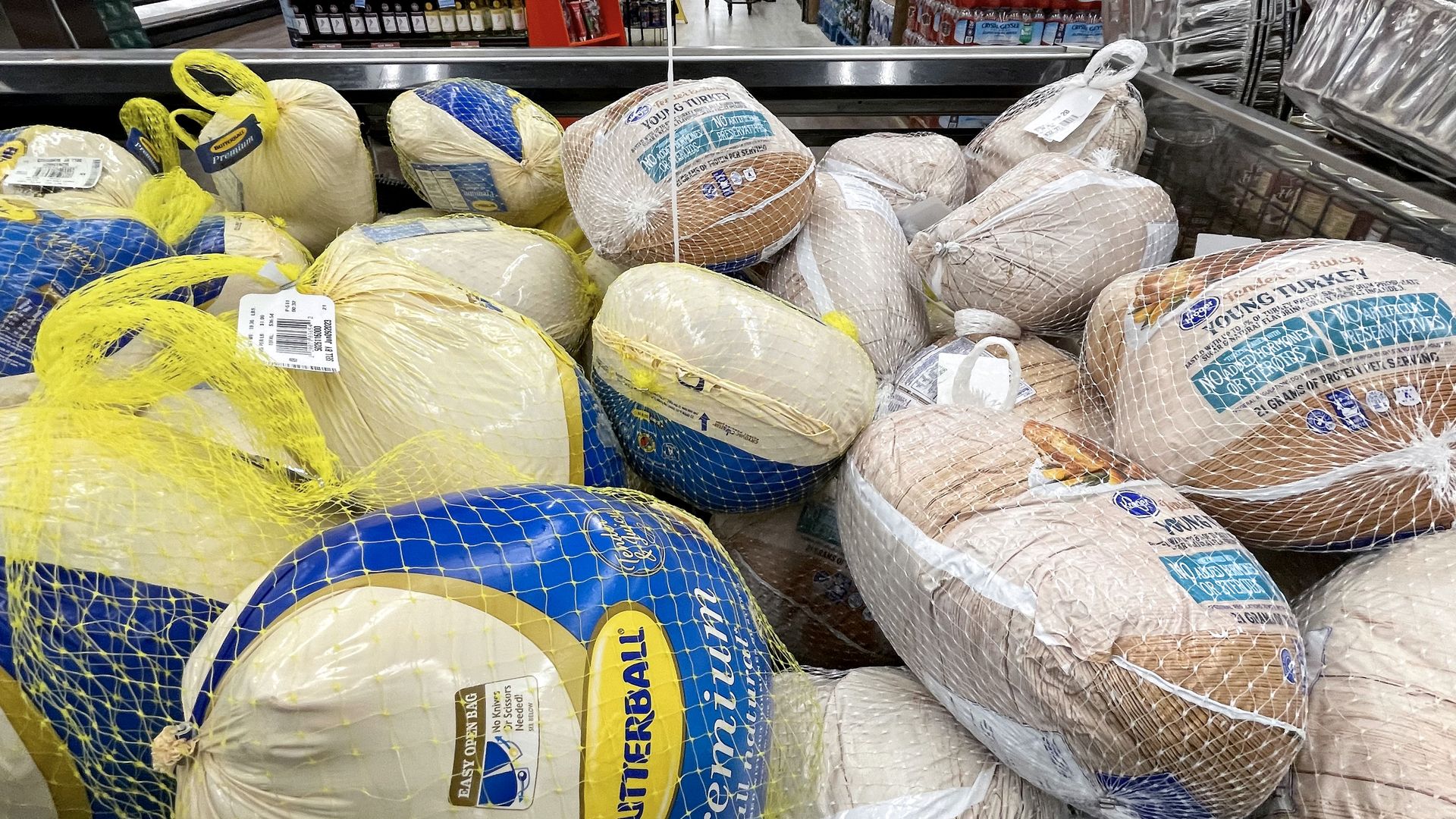
The U.S. government is warning of a big shortage of big birds this Thanksgiving.
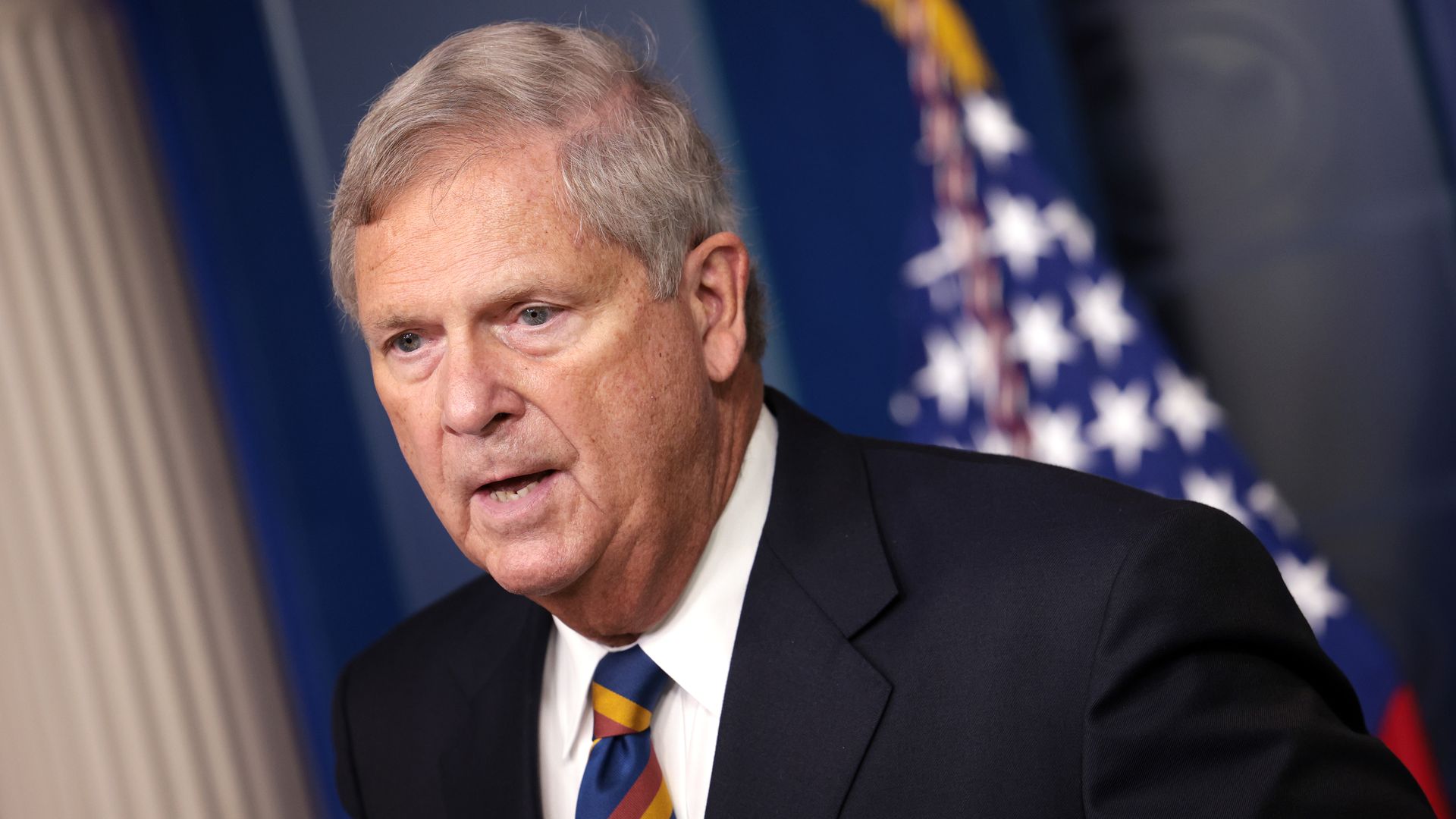
Why it matters: Because of this year's avian flu outbreaks, finding 20-pound turkeys in some regions of the country could be challenging, U.S. Secretary of Agriculture Tom Vilsack said in a call with reporterson Tuesday.
America's national crude oil reserve is the federal government's main weapon in the current energy wars. Some say it's time to rethink how it's used.
Why it matters: Questions about the Strategic Petroleum Reservereflect how the global economy isshifting away from the market-led system that flourished after the Cold War, to one with more government involvement in industries key to security — like oil and computer chips.












/2022/11/01/1667345236907.gif?w=3840)