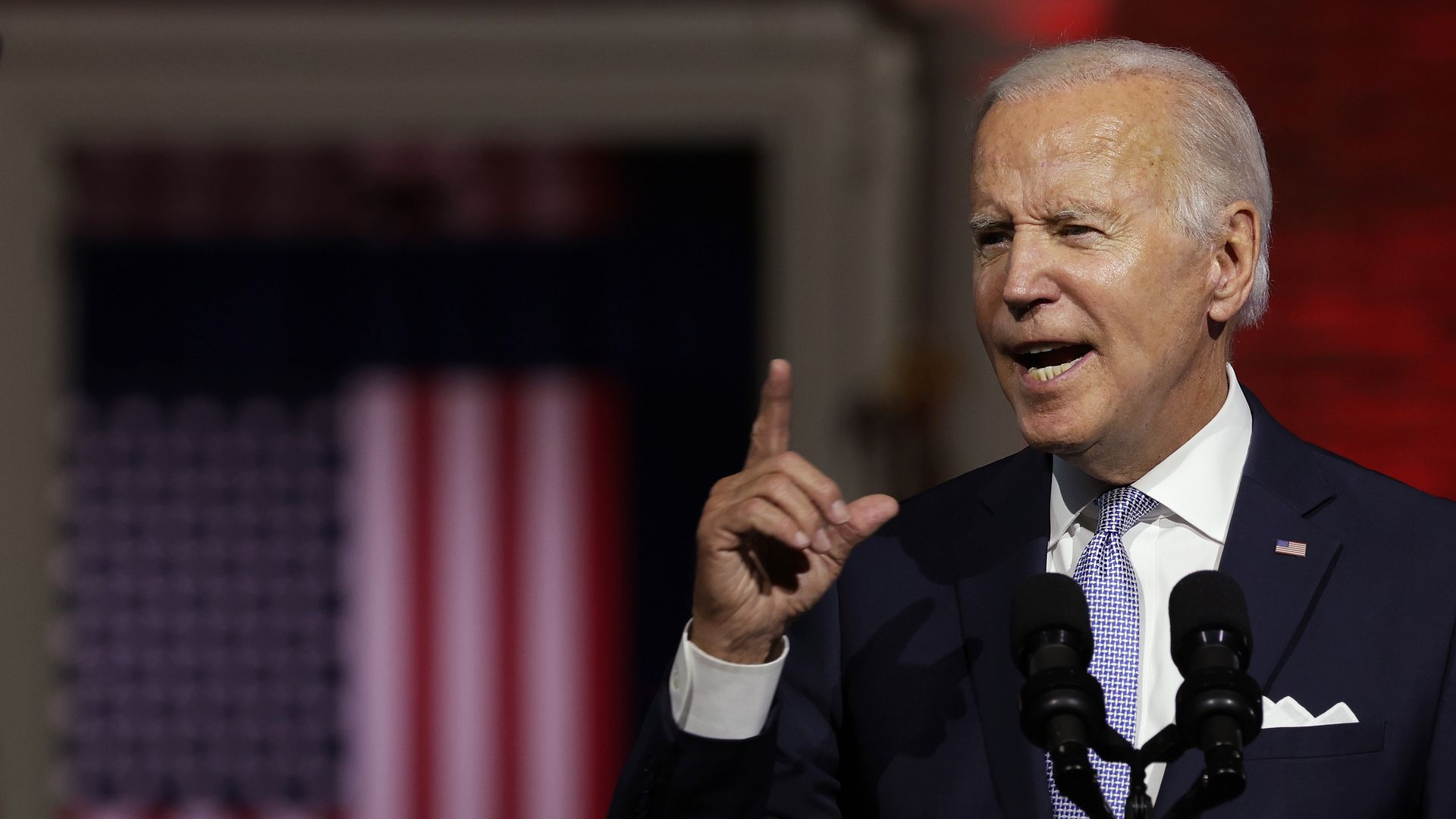
A federal appeals court temporarily blocked President Biden's student debt relief program on Friday, barring federal debt cancellation as six Republican states' bid to halt the program plays out in court.
Driving the news: The decision comes a day after a lower court tossed out the states' lawsuit, which argues that the Biden administration overstepped its authority with its plan to cancel up to $20,000 per person for more than 40 million people.
Some of the biggest airlines in the U.S. are opposing the Department of Transportation's plans to show travelers which carriers will voluntarily compensate passengers for delays, Reuters reports.
Why it matters: The DOT is looking to secure more assistance for travelers facing tremendous delays and cancellations, but not all airlines aren't on board.
As the economy adapts to a new era powered by remote work, some jobs — especially certain low-paying support positions — are at risk of not coming back at all, even in light of low unemployment.
Why it matters: We're still grappling with the ramifications from the seismic economic changes brought by the pandemic.
Meanwhile, large swaths of the workforce are still working remotely, which has negative implications for jobs reliant on office worker traffic.
Driving the news: Facebook parent Meta is reducing contract positions at several transportation firms that shuttled workers to its offices, CNBC reported Friday.
WeDriveU is cutting nearly 100 people — including drivers, dispatchers and managers — while Hallcon Corporation is laying off 43.
Threat level: Jobs that relied upon people coming to the office regularly are at the most risk.
Hotels have cut the frequency of housekeeping, reducing their need for cleaning services; while office cafeterias need fewer staffers to handle the lunch rush.
What they're saying: The trend is especially acute at offices in sectors that have bet big on remote work, Lightcast senior economist Rucha Vankudre tells Axios.
"It's jobs like surveillance officer, mailroom worker, office technician, office manager, administrative assistant — all of the jobs that make these large tech and finance offices work are really where we think remote work is going to work against us," Vankudre says.
Zoom in: Many of these positions do not require a college degree, meaning their elimination tends to hit low-income folks the hardest.
The number of employed civilians 25-and-up, with only a high school diploma, fell by 3.5% from pre-pandemic September 2019 to September 2022, according to the Bureau of Labor Statistics.
At the same time, the number of 25-and-up employed civilians with a college degree rose by 7.9%.
The bottom line: Remote work is rattling support staff that previously relied heavily on people commuting to the workplace.
All eyes are on “Black Adam,” the DC Comics-inspired vehicle starring Dwayne “The Rock” Johnson as the titular antihero, which officially opens in theaterstoday.
Why it matters: The stakes couldn’t be higher for Warner/Discovery, which has alienated legions of DC fans by canceling and postponing several high-profile projects. Observers are watching to see if Johnson's star power can revive the fortunes of Warner/Discovery's embattled DC franchises.
The Internal Revenue Service is raising contribution limits for tax-deferred retirement plans by a record 9.8% for 2023 because of inflation.
Driving the news: Starting next year, Americans can contribute up to $22,500 into 401(k), 403(b) and most 457 plans — $2,000 more than the current $20,500 contribution limit, the IRS announced Friday.
New numbers from the Treasury on Friday give the Biden administration something to brag about, for now: The federal budget shortfall was chopped in half in the last fiscal year (which ended last month), falling to $1.38 trillion.
Driving the news: Federal outlays were $6.3 trillion, down more than 8% from the previous year. That drop largely reflects the end of COVID-related government programs, like topped-up unemployment benefits.
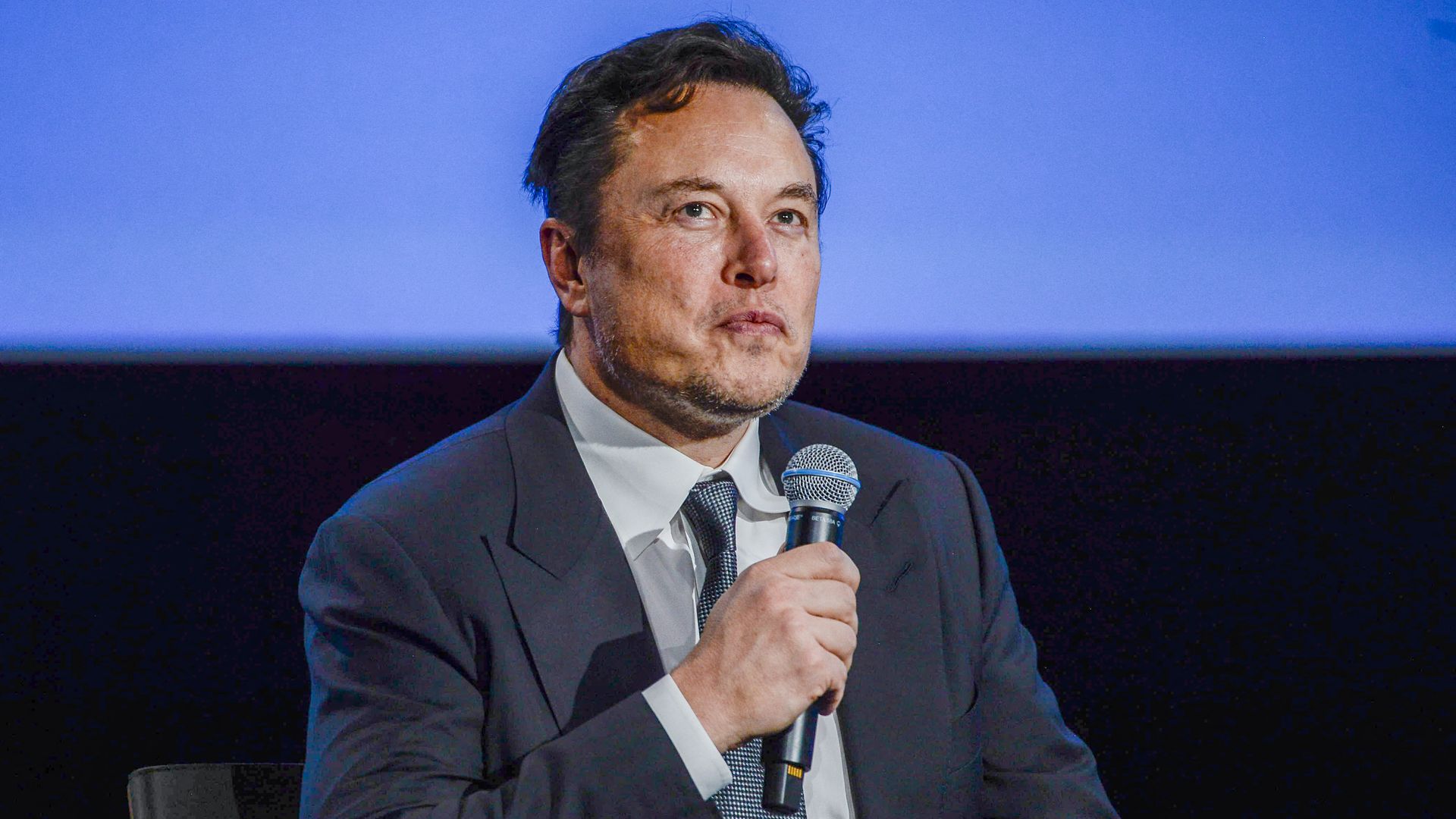
Elon Musk's $44 billion Twitter takeover is expected to close one week from today, with both sides privately expressing confidence. But of course, it can't be quite that straightforward.
State of play: Twitter shares this morning opened at $50 per share, which is more than $4 below the price Musk agreed to pay. That means either the confidence is misplaced, or there is some very easy money to be made right now.
Why it matters: Midterm elections in the U.S. could put Republicans in control of the House of Representatives. This raises the specter of a replay of the debt-ceiling brinkmanship that broke out roughly a decade ago.
I just completed my favorite assignment of the year: three days of driving the newest crop of cars and trucks on the market to pick the industry's best.
Why it matters: I'm one of 50 automotive journalists on the jury for the annual North American Car and Truck of the Year awards.
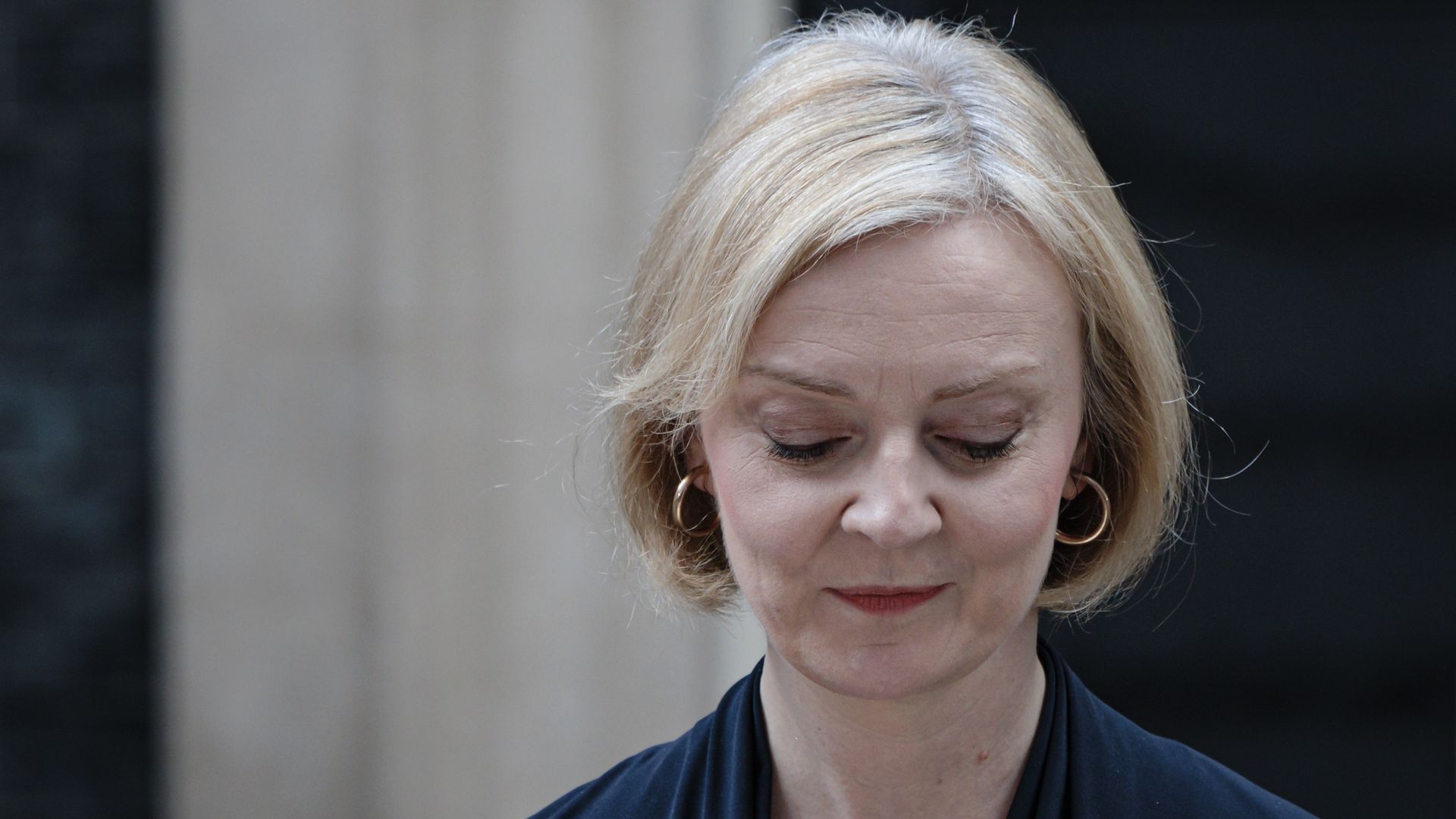
The ignominiously fast downfall of U.K. Prime Minister Liz Truss is a warning sign for the U.S. and policymakers around the world: Deficits matter again.
Why it matters: Investors who are selling bonds in order to register their disapproval of policy choices are calling the shots on Wall Street and in the global halls of government. And as inflation and debt both soar, the market is much less forgiving of grandiose taxation and spending plans.
Want to do some ax-throwing over burgers, play pickleball before a chicken dinner, or pair mini-golf with hors d'oeuvres and a craft cocktail? You're in luck: Restaurants that let you play and eat at the same time are expanding like crazy.
Why it matters: After a three-year pandemic hiatus, "eatertainment" is on the rise again.
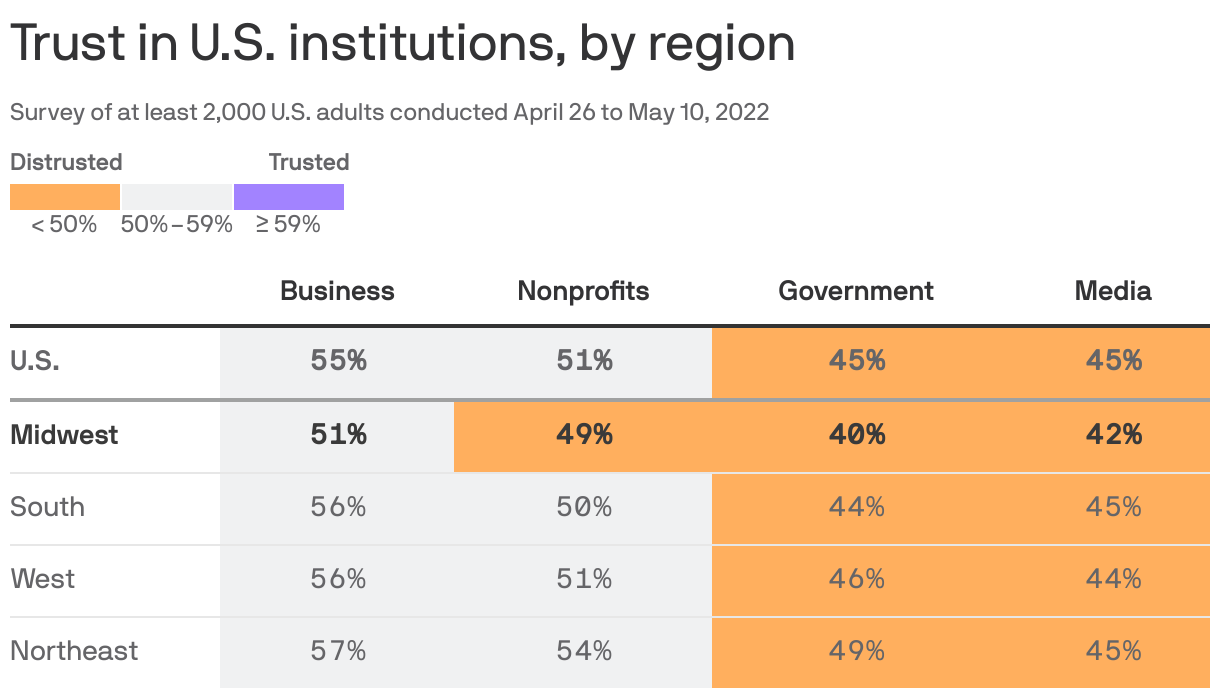
People in the Midwest are more distrustful of major American institutions than any other part of the country, according to new data from the Edelman Trust Barometer.
The big picture: Midwesterners’ skepticism spares no one. Compared with the Northeast, South and West, the Midwest has the lowest levels of trust in every institution — the government, the media, business and nonprofits.
This article originally appeared in Axios Finish Line, our nightly newsletter on life, leadership and wellness. Sign up here.
During a bull market, most of us feel like financial geniuses, Jim writes.
And most of us feel wiser with our money when we have more of it.
Why it matters: The true test of a good business, or responsible personal budgeting, is what happens when you're smacked with a wobbly — or worse — economy.
Grocery delivery app Instacart has decided to push its highly anticipated IPO into 2023, believing the current stock market is too volatile, as first reported by The New York Times and confirmed by Axios.
The big picture: Only 65 companies have gone public on U.S. exchanges this year, which represents an 80.7% decline from last year, per Renaissance Capital.
There’s a quiet whisper among Wall Street independents, and even some Democratic donors in the financial services industry: if House Republicans win, they better win big.
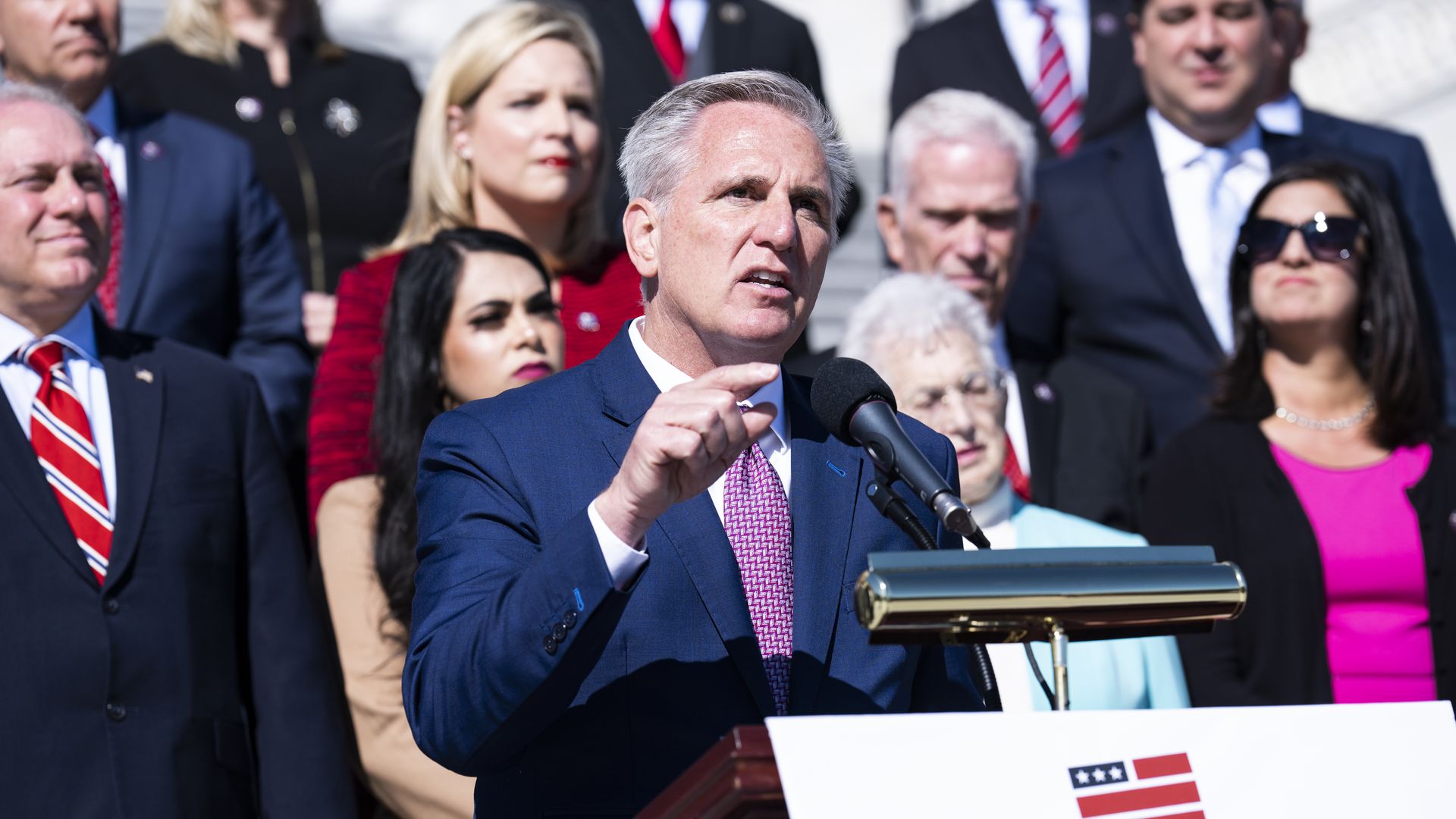
Why it matters: Investors are growing increasingly worried about what a narrow majority for House GOP Leader Kevin McCarthy (R-Calif.) would mean for the first big fight of divided government: raising the debt ceiling.