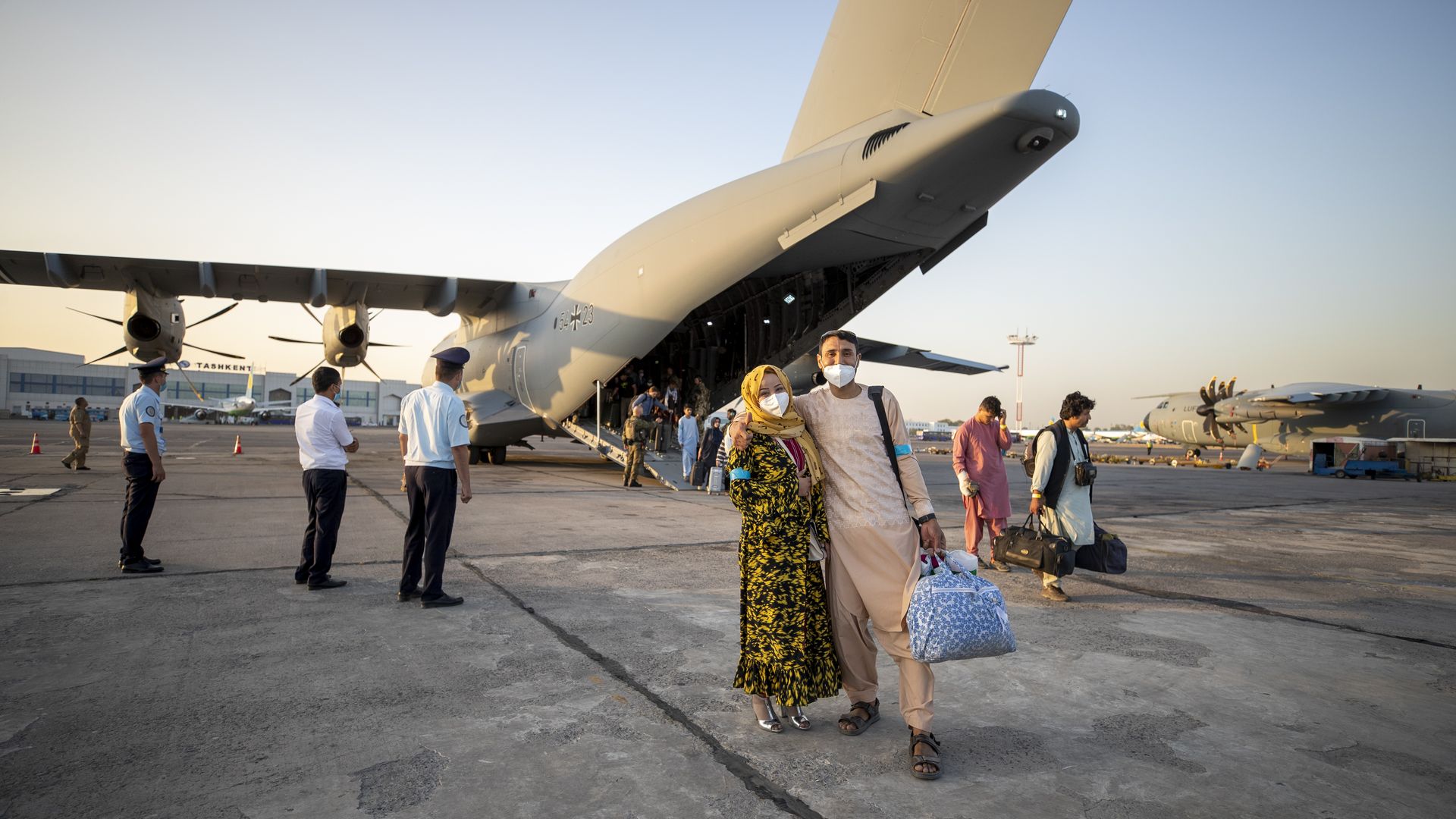
Two aid groupshave set out to provide free flights for every evacuee from Afghanistan to travel to their safe homes.
Why it matters:Welcome.US and Miles4Migrants launched what they call the “Billion Mile Challenge” on Tuesday; the goal is to provide roughly 70,000 domestic flights from U.S. military bases through donated miles, credit card points and cash. Refugees typically must fund their own travel, according to Mile4Migrants co-founder Andy Freedman.
More companies are bowing to unprecedented calls to conduct "racial audits." Now there's a new playbook — backed by the likes of former American Express CEO Ken Chenault and the NAACP Legal Defense Fund's Sherrilyn Ifill — for how they should do it.
Why it matters: Shareholders are newly demanding that businesses evaluate if and how they perpetuate racism. But how those inventories are done is left up to the companies, stoking fears such reviews will be watered down.
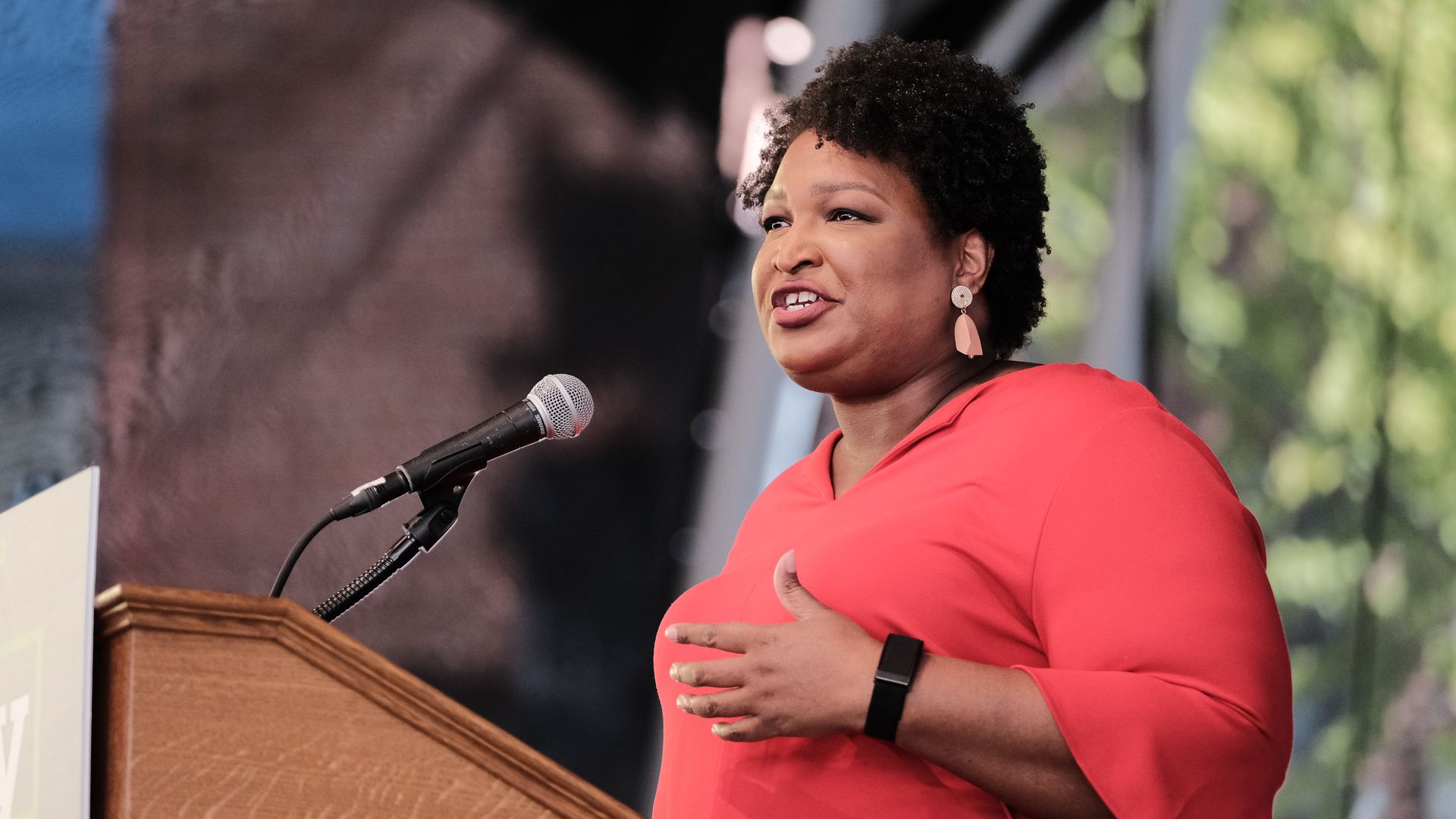
The political organization led by voting rights activist Stacey Abrams is donating $1.34 million to the nonprofit RIP Medical Debt as part of an effort to wipe out medical debt.
Why it matters: The money will go towards settling over $210 million in debt owed by 108,000 people in Georgia, Arizona, Louisiana, Mississippi and Alabama, Abrams' organization, Fair Fight, said. It's also an extension of the group's push to promote full Medicaid expansion across the U.S.
Health insurance company UnitedHealthcare is suing TeamHealth, a company that staffs hospital emergency rooms, alleging TeamHealth billed for more expensive ER services that didn't match the care doctors actually provided.
Why it matters: This is another alleged instance of "upcoding," which has existed in health care for many years and leads to everyone paying higher medical premiums.
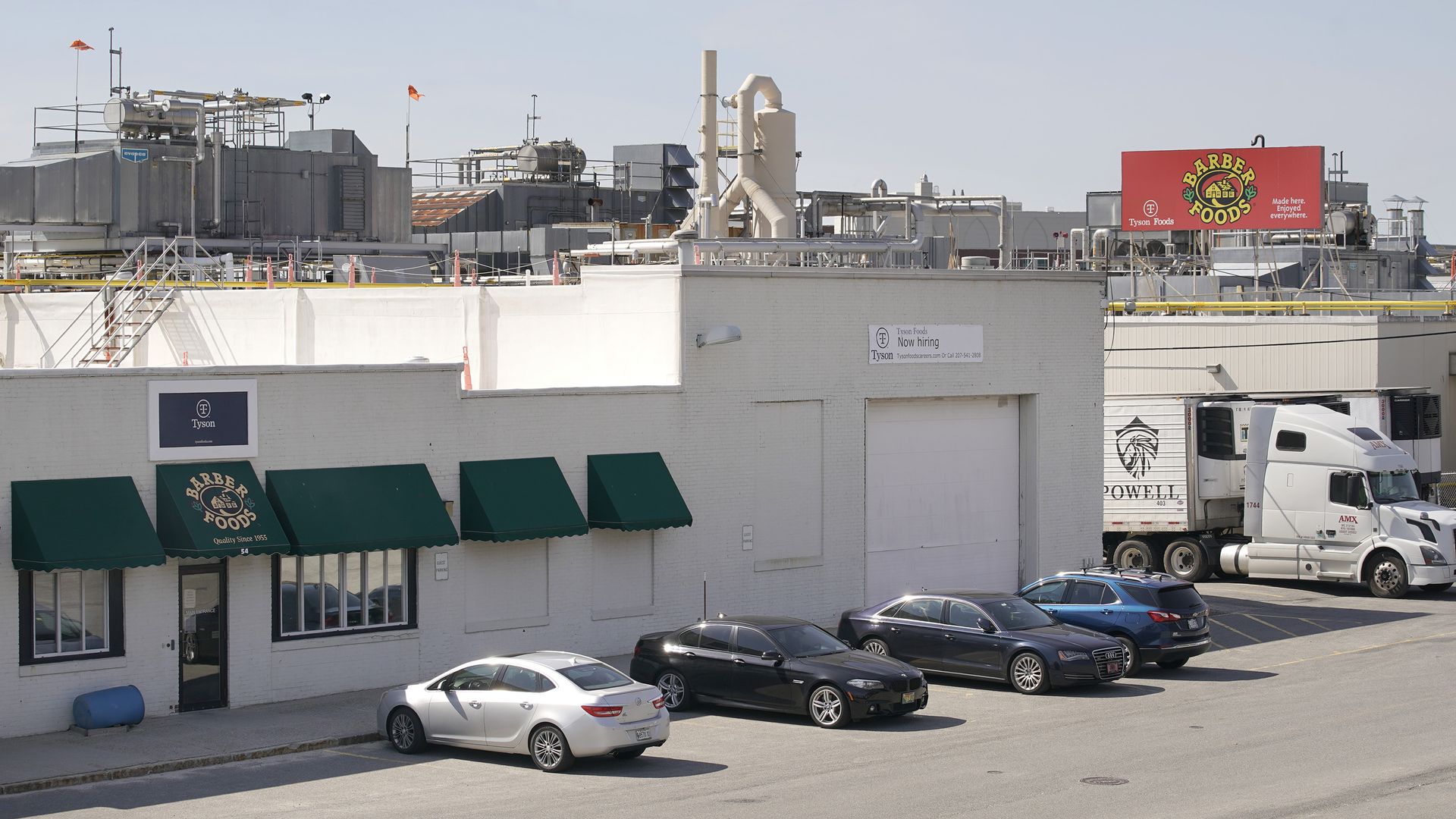
Cases and deaths from COVID-19 among workers at the five largest U.S. meatpacking companies were nearly three times higher than previously thought, according to a memo from the House panel probing the response to the pandemic.
Driving the news: At least 59,000 workers contracted COVID-19 and 269 workers died at Tyson Foods, JBS USA, Cargill, National Beef and Smithfield Foods — which together make up more than 80% of the beef market and 60% of the pork market in the U.S. — according to counts through January of this year.
Rent the Runway, a New York-based clothing rental service, raised $357 million in an upsized IPO. The company priced 17 million shares at $21, versus plans to sell 15 million shares at $18–$21, for a fully diluted value of around $1.5 billion.
Why it matters: Because it's the latest evidence that nothing matters. This is a consumer company that reported over $150 million in losses in each of the past two years, despite being founded in 2009 and raising nearly $700 million in venture capital.
Climate tech startups raised nearly $13 billion in the third quarter across over 200 deals, making 2021 a record VC year already with months to go, per new PitchBook analysis.
Driving the news: Electric transportation received the most investment. Third-quarter deals include the U.S. electric vehicle company Rivian's $2.5 billion fundraise and Chinese battery firm Svolt's $1.6 billion haul.
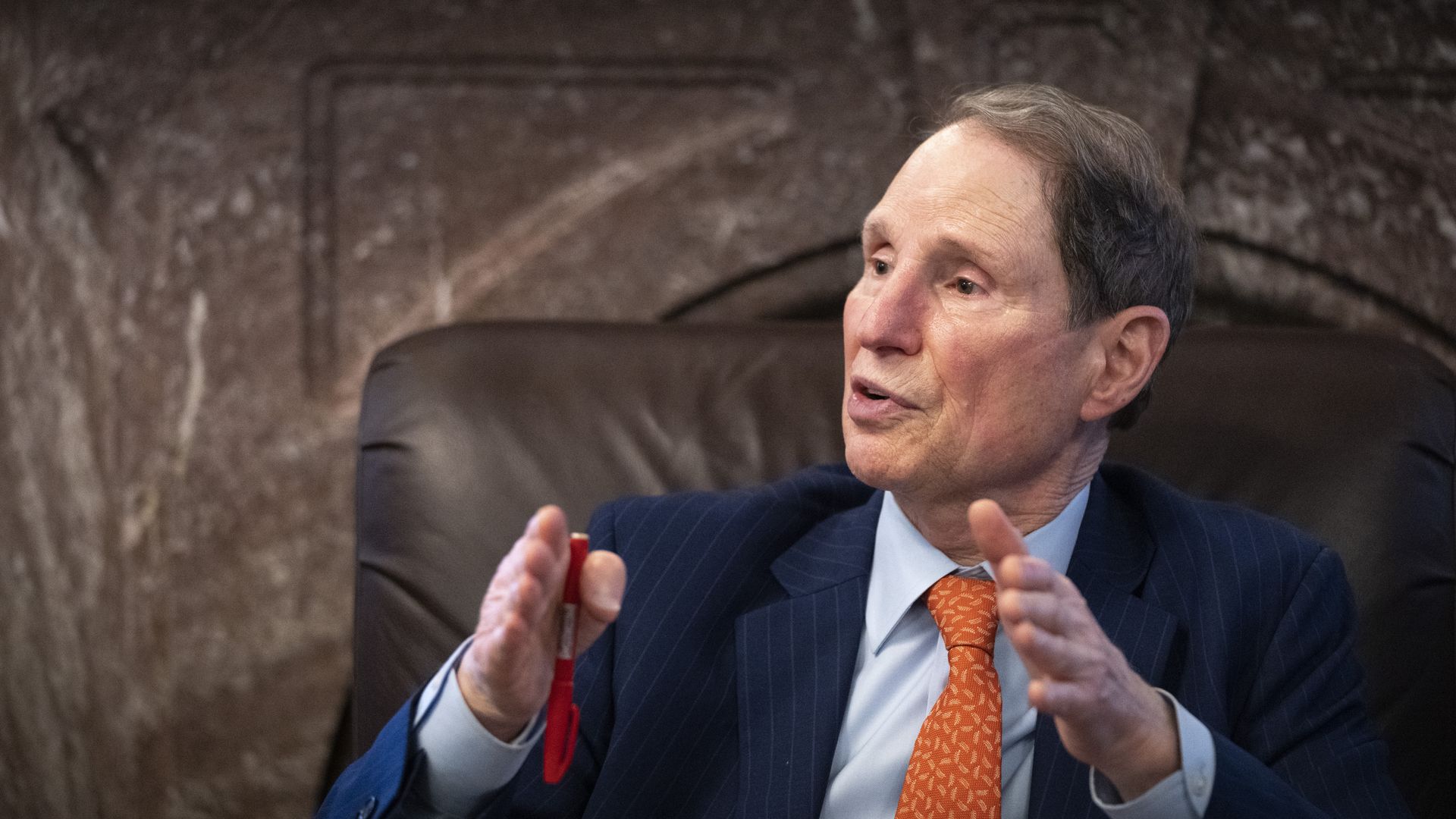
Senate Democrats on Wednesday released a billionaires' tax proposal, designed to help support President Biden's social spending and climate change legislation.
Why it matters: Sen. Ron Wyden (D-Ore.), chairman of the Senate Finance Committee, said the Billionaires Income Tax would raise "hundreds of billions of dollars" and would affect approximately 700 taxpayers who have more than $1 billion in assets or incomes of over $100 million a year.
The blank check company that’s planning to merge with a Donald Trump-led media business filed new documents about the proposed deal late Tuesday. Much like the previous releases from Digital World Acquisition Corp (DWAC), this one offered little information about what it’s actually acquiring.
Driving the news: The latest documents outline some terms of the acquisition — but just who's running Trump Media and Technology Group (TMTG) and what exactly that company does remains a mystery, beyond very high-level details.
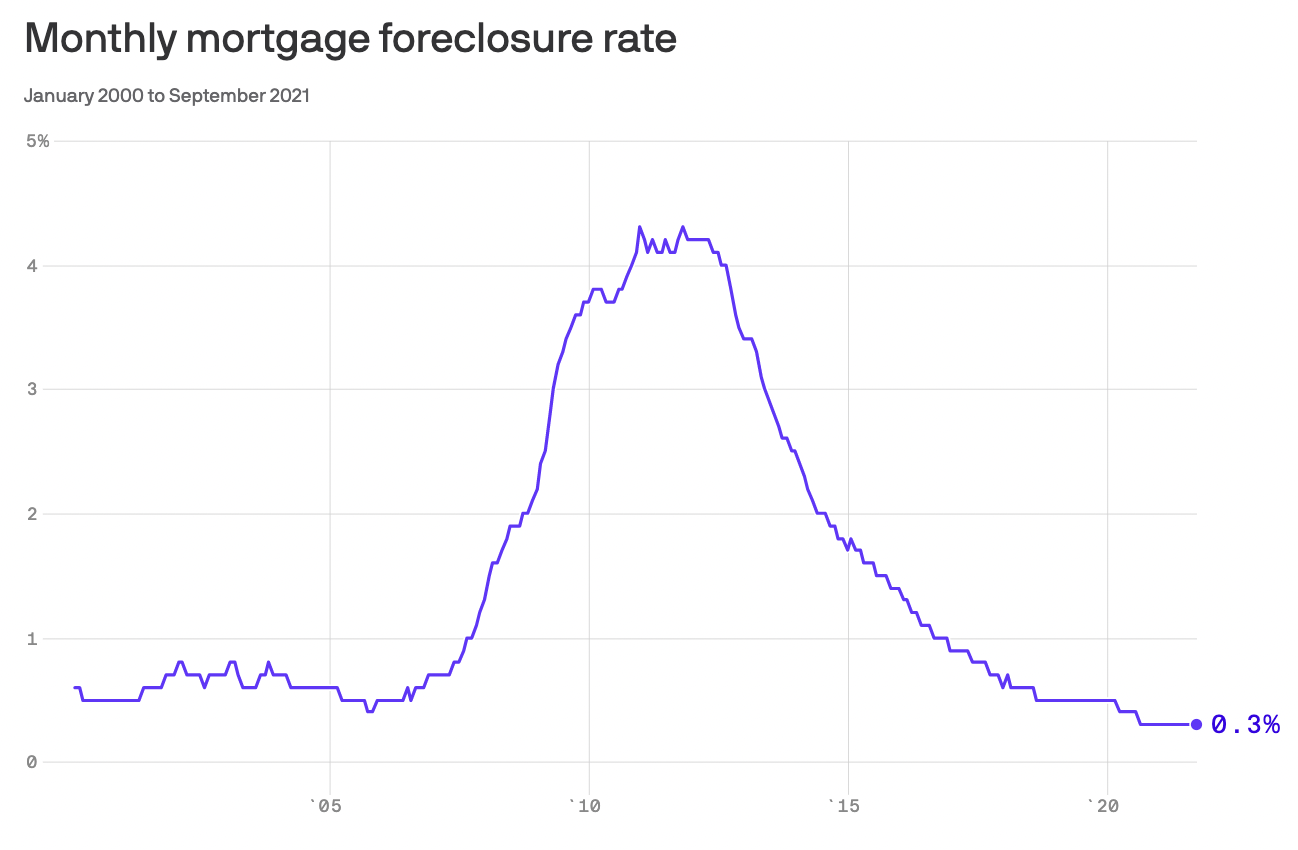
Two months after the federal foreclosure moratorium ended, foreclosure activity in the U.S. is at a record low.
What's happening: CARES Act protections, like forbearance and loss mitigation processes, give borrowers more time and options to avoid losing their homes.
With more rules and regs around anti-money laundering (AML) procedures come more private-sector jobs to help companies comply.
By the numbers: The volume of U.S. job postings for AML officers has doubled since early 2016 — when the Panama Papers were released, data provided to Axios by Indeed show.
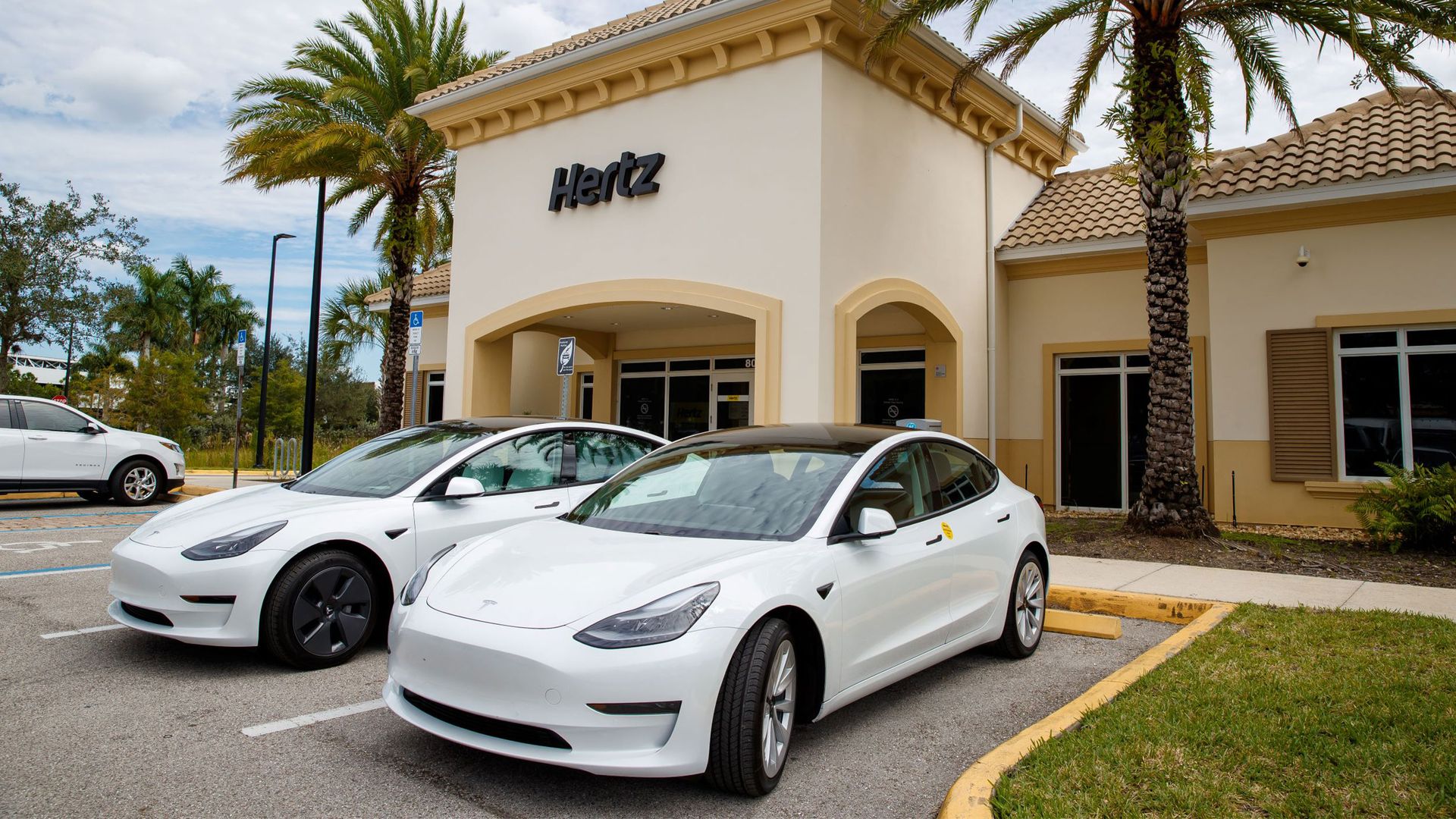
Half of the 100,000 Teslas that Hertz is adding to its rental fleet will be reserved for Uber drivers, many of whom can't afford to buy an electric car of their own.
Why it matters: Uber in 2020 pledged to convert its entire ride-hailing fleet in the U.S., Canada and Europe to electric by 2030. But doing so means convincing gig drivers to invest in a new — and likely more expensive — vehicle.
The deal with Hertz is a more affordable option for drivers, Uber says.
Arts and antiquities dealers in the U.S. will soon be stripped of much of the privacy and anonymity that has both defined the market — and enabled corruption.
Why it matters: Congress passed a bill that will go into effect in December, requiring these dealers to confirm the identities of buyers and sellers — not just that of intermediaries. The intent is to stifle the ability to use art purchases to launder ill-gotten money or evade taxes.
Centene will evaluate proposals from pharmacy benefits companies next year to manage the health insurer's drug spending, signaling a failure of the company's own approach to managing drug spending internally.
Why it matters: Centene spends $30 billion annually on prescription drugs, CFO Drew Asher told investors Tuesday, which will make this one of the largest and most highly sought-after drug contracts in the industry.
Centene's bid process will start next year, and a new PBM will take over by 2024, executives said on a conference call, adding that the move will result in "the greatest economic benefit."
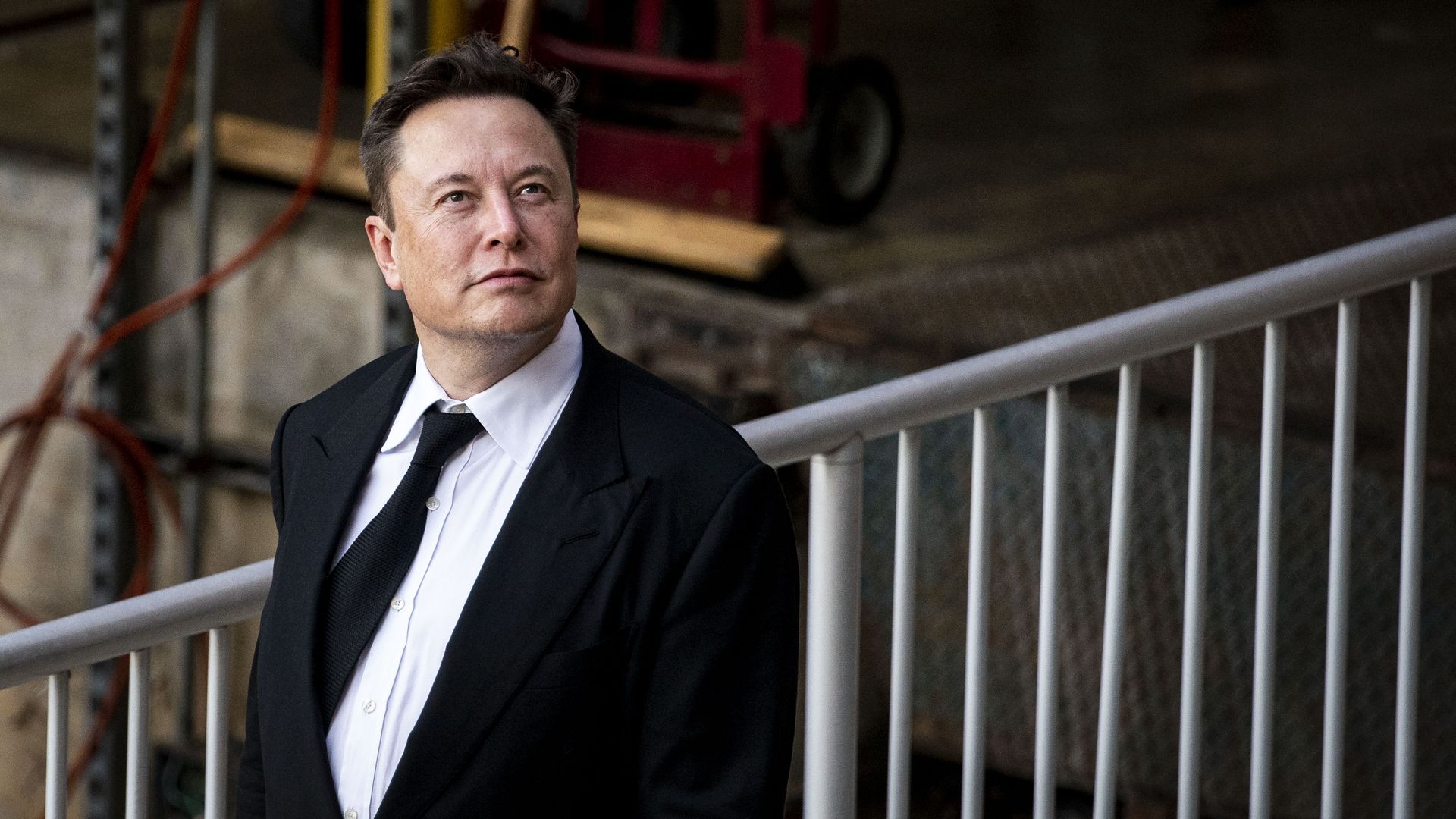
Elon Musk, Jeff Bezos and other billionaires should donate 0.36% of their net worth to help save 42 million people from starvation, the UN's World Food Program (WFP) director said in an interview with CNN on Tuesday.
Why it matters: "We have a one-time crisis, a perfect storm of conflict, climate change and COVID" and America's super-rich need to "step up" with a one-time donation to help solve that, WFP chief David Beasley told CNN's "Connect the World."