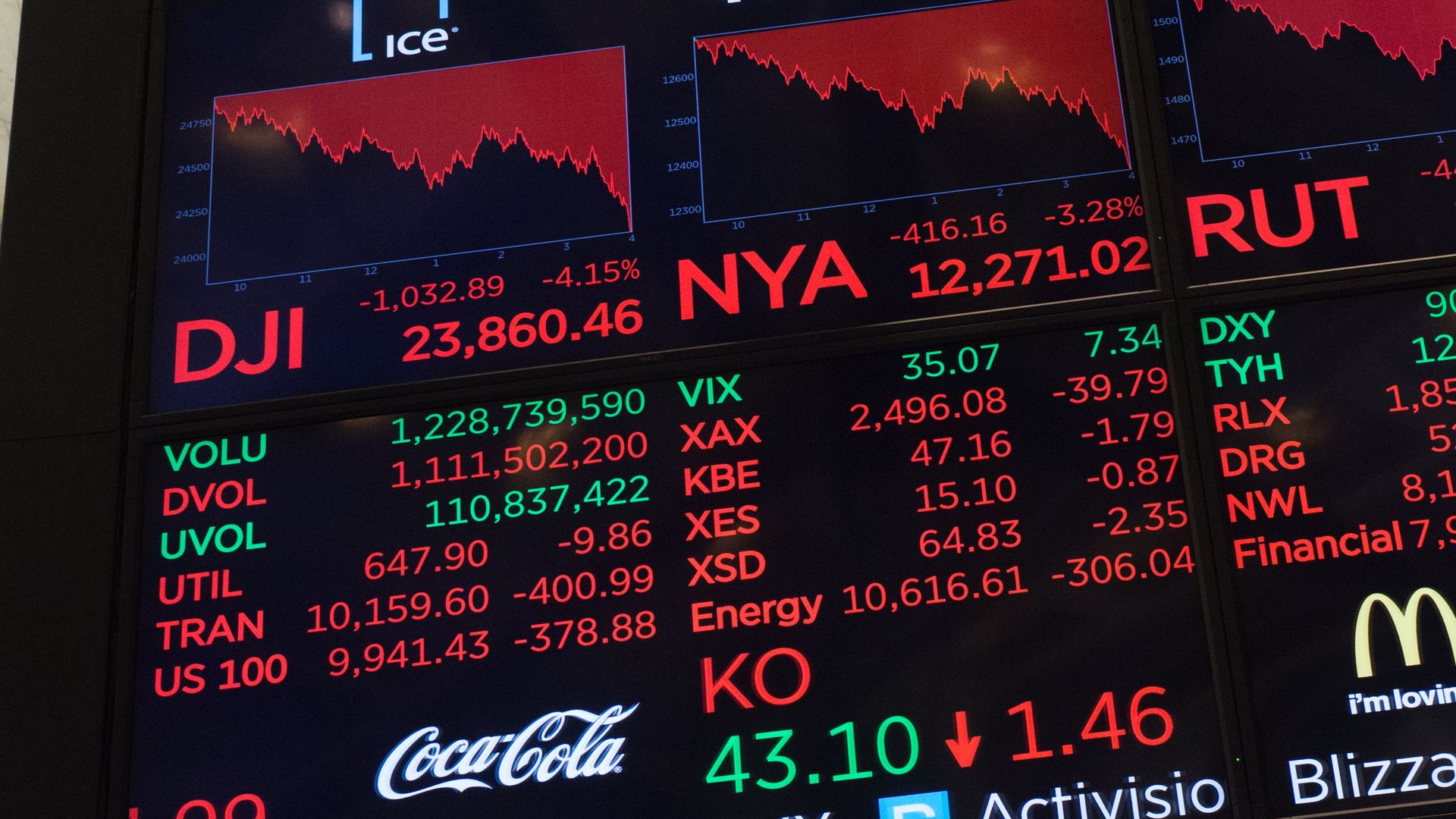
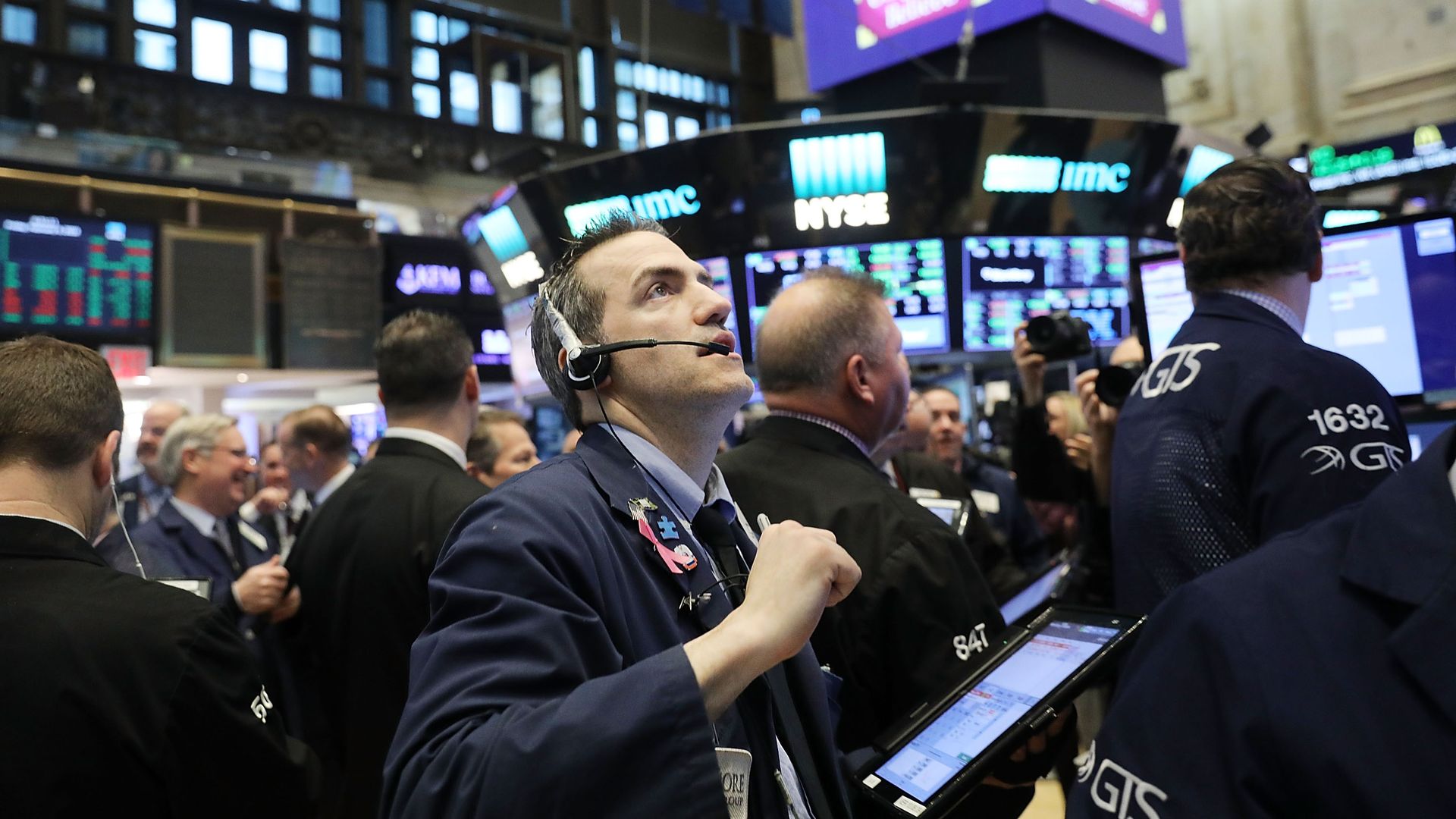
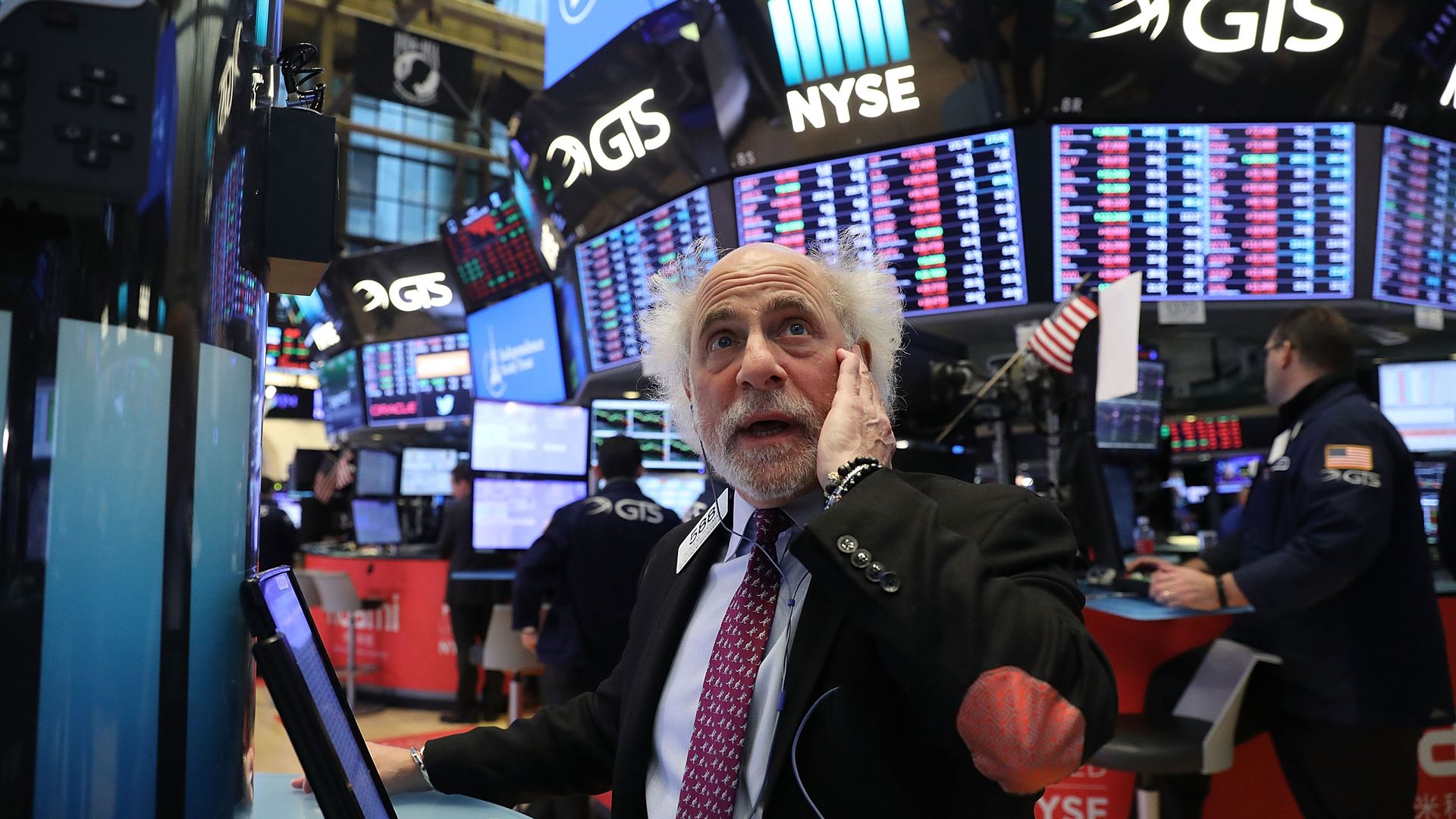
The Dow finished up 39 points Tuesday, recovering from an early loss of as much as 180 points. The Bureau of Labor Statistics will release its Consumer Price Index report tomorrow, which could give investors clarity into how much of a threat inflation really is, per CNBC.
The backdrop: February has proven to be one of the most volatile months for the stock market in years, pummeled by investor fears about inflation and higher interest rates. As Barron's pointed out over the weekend, "trading is expected to be choppier, and investors more nervous than they have been for two years." [Go deeper: Global markets could have "a much bigger shakeout coming"].
Why it matters: Consumption habits are being shaped by web platforms with expert engineering that are designed to maintain consumer attention and eyeballs. Less sophisticated consumer experiences, like slow websites or crappy apps, are being abandoned or intentionally avoided by consumers.
A new Interactive Advertising Bureau study finds that companies like Warby Parker, Blue Apron and Casper are not just fads, but are growing in response to an “enduring shift" in the way the consumer economy operates towards personalized, custom brands.
Why it matters: Americans are shifting consumption habits to brands centered on direct-to-consumer relationships. These distributors have nimble supply chains and are flexible enough to serve consumer needs in real-time.
Business executives across the globe—typically a chorus of free traders—favor barriers that would protect and foster technological advances in their own country, according to a new survey.
Quick take: The result, in a GE survey of 2,090 executives in 20 major economies, diverges from seven decades of broad business support for liberalized trade, which mainstream economists believe has powered rising prosperity and shrinking poverty.
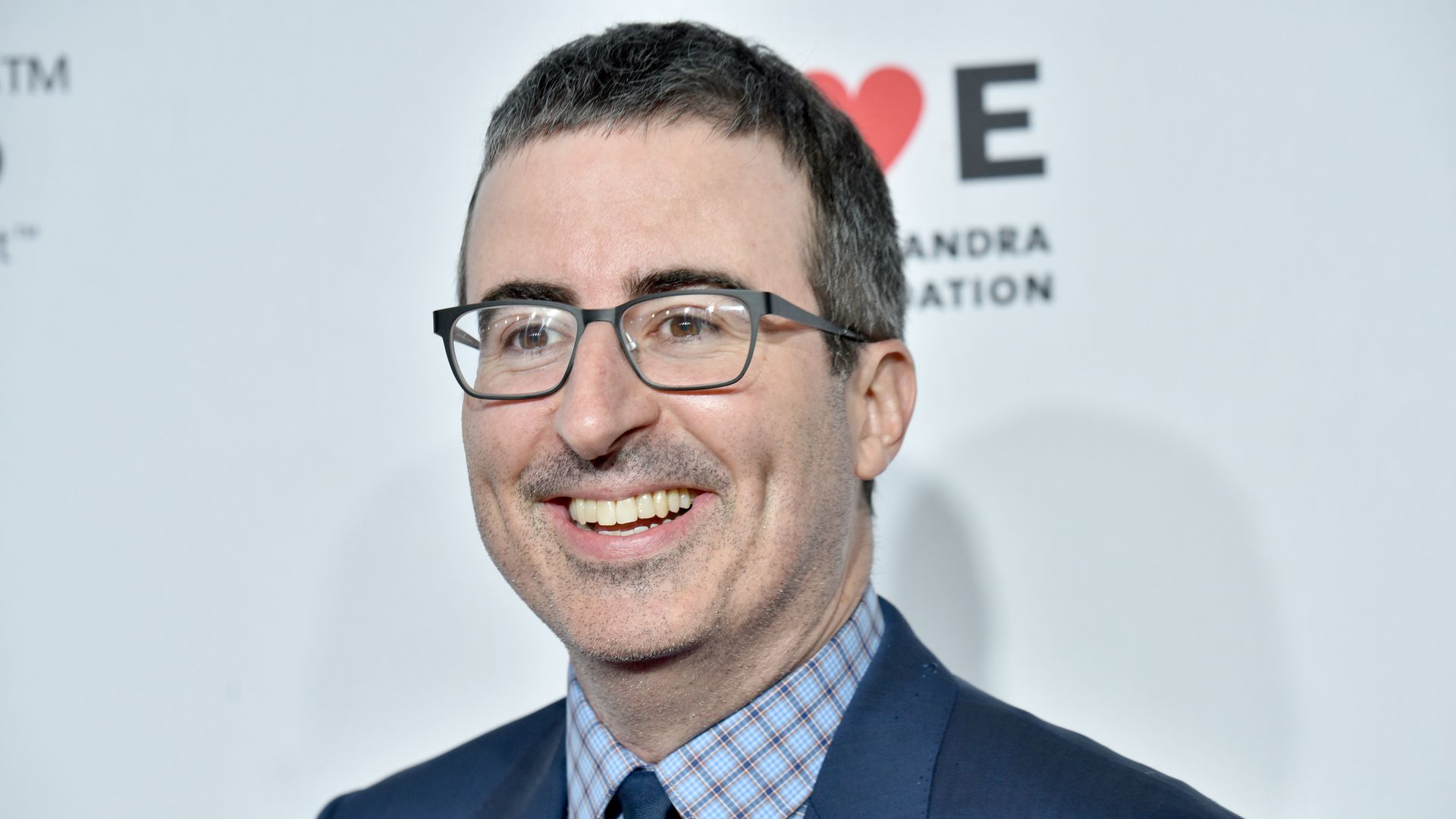
John Oliver is getting ready to launch his fifth season of “Last Week Tonight” on HBO, a show that combines comedy with well-researched takes on the biggest news stories.
Why he matters: His show’s deep-dive segments on topics like corporate consolidation, net neutrality, the Sinclair-Tribune merger, the decline of local newspapers, vaccines and the Flint water crisis have triggered large public responses and even a few remarks from policymakers — although he says he's pretty sure President Trump doesn't watch the show. He answered reporters' questions in New York on Monday.
Snapchat is launching Snap Maps on the web to make its public and often hyper-localized content available outside of the Snapchat app. The public stories that you can view on the website (map.snapchat.com) can also be embedded directly into news organizations’ websites.
Why it matters: Consumers tend to trust news from local sources over national news sources, according to Pew Research Center and Morning Consult/Politico. Platforms like Snapchat are taking advantage this by using their unique ability to quickly crowdsource news, strengthening their positions in the news ecosystem.
Time Warner is laying off around 50 CNN digital staffers later this week, according to Vanity Fair’s Joe Pompeo, who reports that the move will affect employees who work on the CNN Money, video, product, tech and social publishing teams.
What’s happening:Axios reported last month that CNN will end some of its digital initiatives this year as part of an effort to stay stay nimble. Pompeo reports that the network is ending several high-profile digital initiatives, including CNN’s virtual reality productions and efforts with Snapchat.
“In order to innovate, grow and experiment, we've added more than 200 jobs in the past 18 months. Not every new project has paid off so we will stop some activities in order to reallocate those resources and enable future experimentation," Matt Dornic, a CNN representative, told Pompeo.
The stock market is picking up after a rocky week, with the Dow up 410 points at market close Monday.
The backdrop: February has proven to be one of the most volatile months for the stock market in years, pummeled by investor fears about inflation and higher interest rates. As Barron's pointed out over the weekend, "trading is expected to be choppier, and investors more nervous than they have been for two years." [Go deeper: Global markets could have "a much bigger shakeout coming"].
The IPO markets have entered their annual dead zone, as companies finalize 2017 financials and avoid launching road shows into Presidents Day/school vacation week. And it's probably fortunate for those with weak stomachs, given the recent market volatility.
The real question, therefore, is what happens in March.
Companies that have been critically short of skilled workers must themselves move to establish training programs to fill the jobs, says Jay Timmons, head of the National Association of Manufacturers.
Quick take: With unemployment at a decades-long low of 4.1% and drifting lower, American manufacturers currently have some 364,000 vacancies, and will need to fill some 3.5 million jobs by 2025, Timmons tells Axios. But 2 million of them may go unfilled because of the country's chronic skills shortage.
"The world’s biggest hedge fund ... warned that global markets are entering a new era of volatility as the world adjusts to higher interest rates after a decade of ultra-loose monetary policy," the Financial Times reports on the front page.
Why it matters: After Wall Street's worst week in six years, the FT pointed over the weekend to "The end of an era of tranquility" and the beginning of "The age of instability."