A cryptocurrency crackdown has gone beyond token issuers and crypto exchanges, with the long arm of the law now collaring celebrities who also help spread the (digital) word.
Driving the news: The Securities and Exchange Commission on Wednesday charged eight celebrities, including actor Lindsay Lohan, professional boxer Jake Paul, porn star Kendra Lust, and rapper Akon, for "illegally touting" Tronix (TRX) and BitTorrent (BTT). They are accused of failing to disclose compensation details.
Why it matters: Amidst broader regulatory enforcement efforts, the SEC now appears to be going after how the message gets spread, by going after the folks being hired to do so.
The charges were brought simultaneously, with one against Tron founder Justin Sun and three of his companies for market manipulation, plus selling unregistered securities offerings.
Details: Some of the celebrities charged agreed to pay a collective total of more than $400,000 to settle the charges, without admitting or denying the SEC's findings.
Many accepted crypto or cash to tweet about TRX and tagging Sun's handle @justinsuntron.
Flashback: Kim Kardashian was charged over a similar infraction last year.
Our thought bubble: Longtime Sun watchers know that, while the founder might not be happy to be sued, he'll probably be pleased to be listed in the press release alongside celebs.
If the SEC wanted to rain on his parade, it should have separated them out.
Editor’s note: This story has been corrected to reflect that only some of the charged celebrities agreed to pay $400,000.
Coinbase, the largest cryptocurrency exchange in the U.S., is in the crosshairs of a top financial regulator, again.
Driving the news: The company said Wednesday evening that it received a Wells notice from the Securities and Exchange Commission (SEC) — a formal communique alerting a recipient of possible enforcement action.
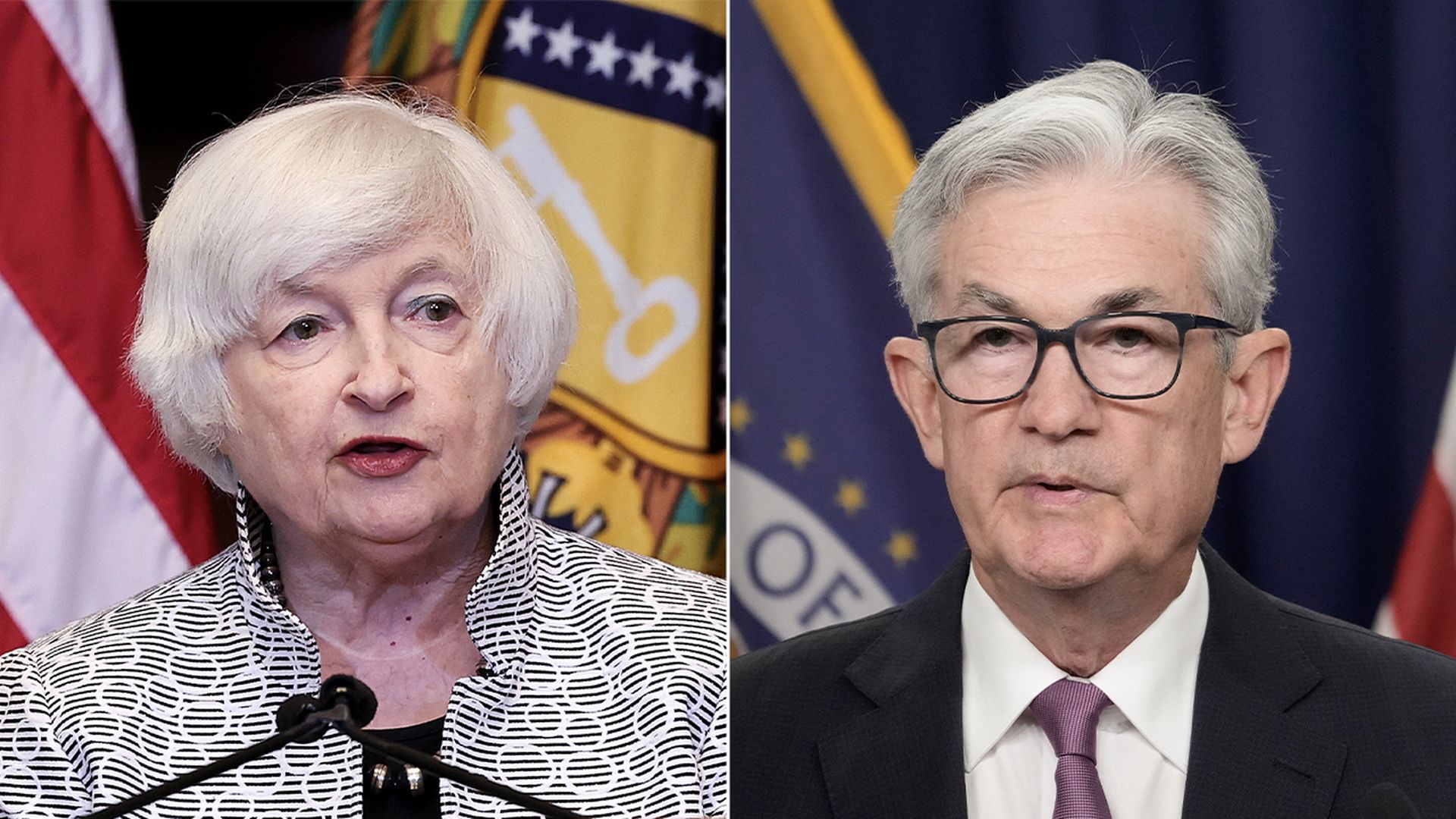
America's top financial regulators on Wednesday gave dissimilar answers on whether the government will guarantee bank deposits in excess of the FDIC's current $250,000 limit.
Why it matters: Deposit insurance has become a hot topic since the collapse of Silicon Valley Bank, when many corporate customers feared they'd be unable to make payroll or other critical business expenses.
The Federal Reserve raised its target interest rate by a quarter-percentage point Wednesday while acknowledging that problems in the banking system triggered by its previous rate increases are likely to weigh on the economy.
Why it matters: The Fed is continuing its campaign to bring down inflation through monetary tightening, even as cracks appear in the financial system.
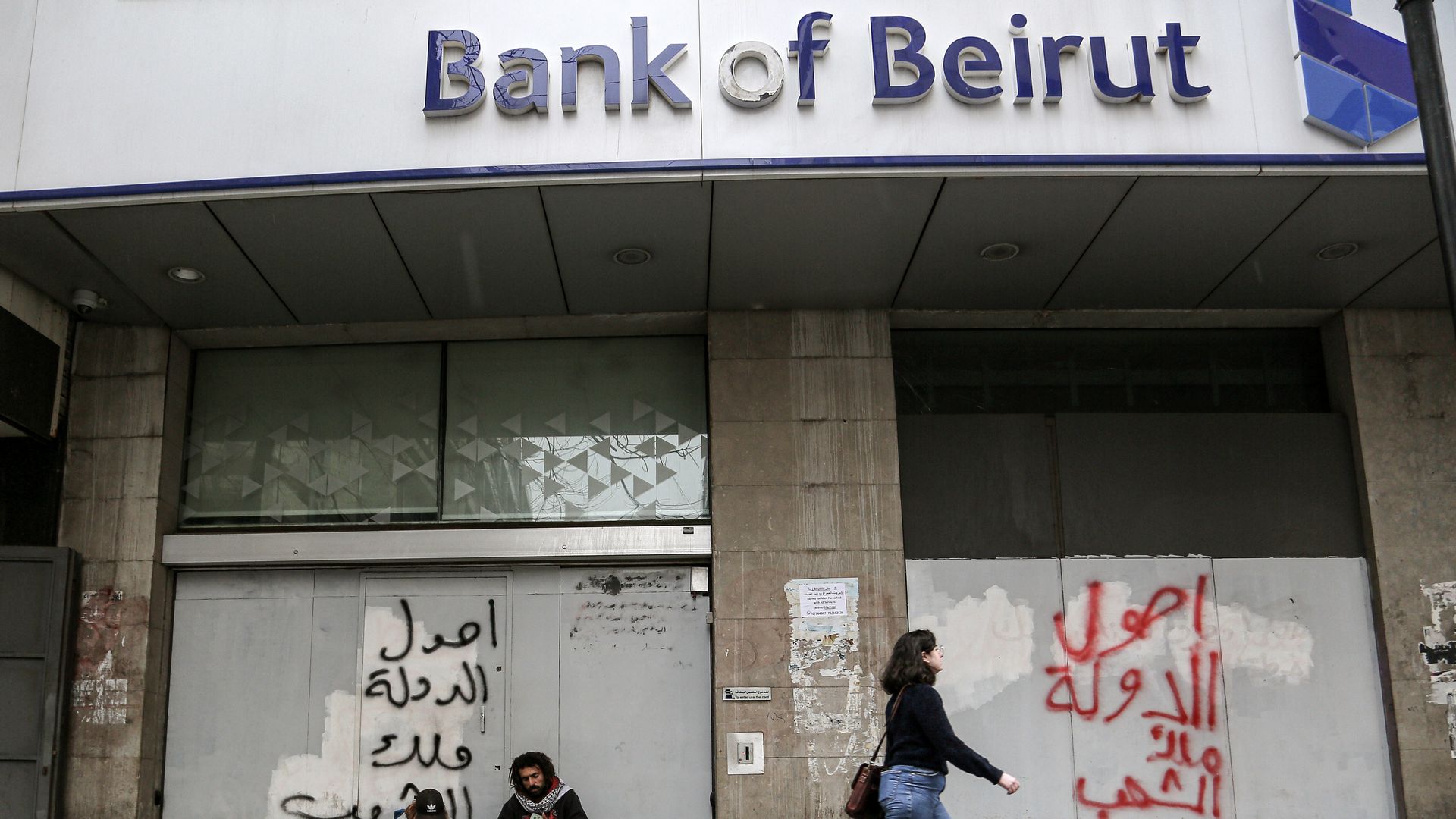
BEIRUT — The Lebanese pound, or lira, sank to a new low this week, worsening conditions for people already struggling to cope with Lebanon's unprecedented economic crisis.
Why it matters: The economic meltdown has plunged the vast majority of the population into poverty. For those who are still paid in pounds, their salaries are only worth a fraction of their value before the crisis hit in 2019, leaving many unable to afford basic necessities.
Digital World Acquisition Corp., the blank check company seeking to buy Truth Social parent company TMTG, on Wednesday disclosed that it has fired chairman and CEO Patrick Orlando.
Why it matters: This reflects the difficulties faced by President Trump's social media company since its October 2021 agreement to be acquired by DWAC, including a series of government investigations that have kept the deal in limbo.
After a lag, the work-from-home revolution is finally starting to show up in the data for office building rental rates.
State of play: Major markets like San Francisco and Manhattan — where long commute times seem to be driving the durability of the WFH lifestyle — have been hit the hardest.
Homebuyers aren't putting as much money down as they were at the height of the housing frenzy.
What's happening: The typical U.S. homebuyer made a down payment of $42,000 in January, the lowest number in almost two years, per a report out from Redfin Wednesday morning, provided exclusively to Axios.
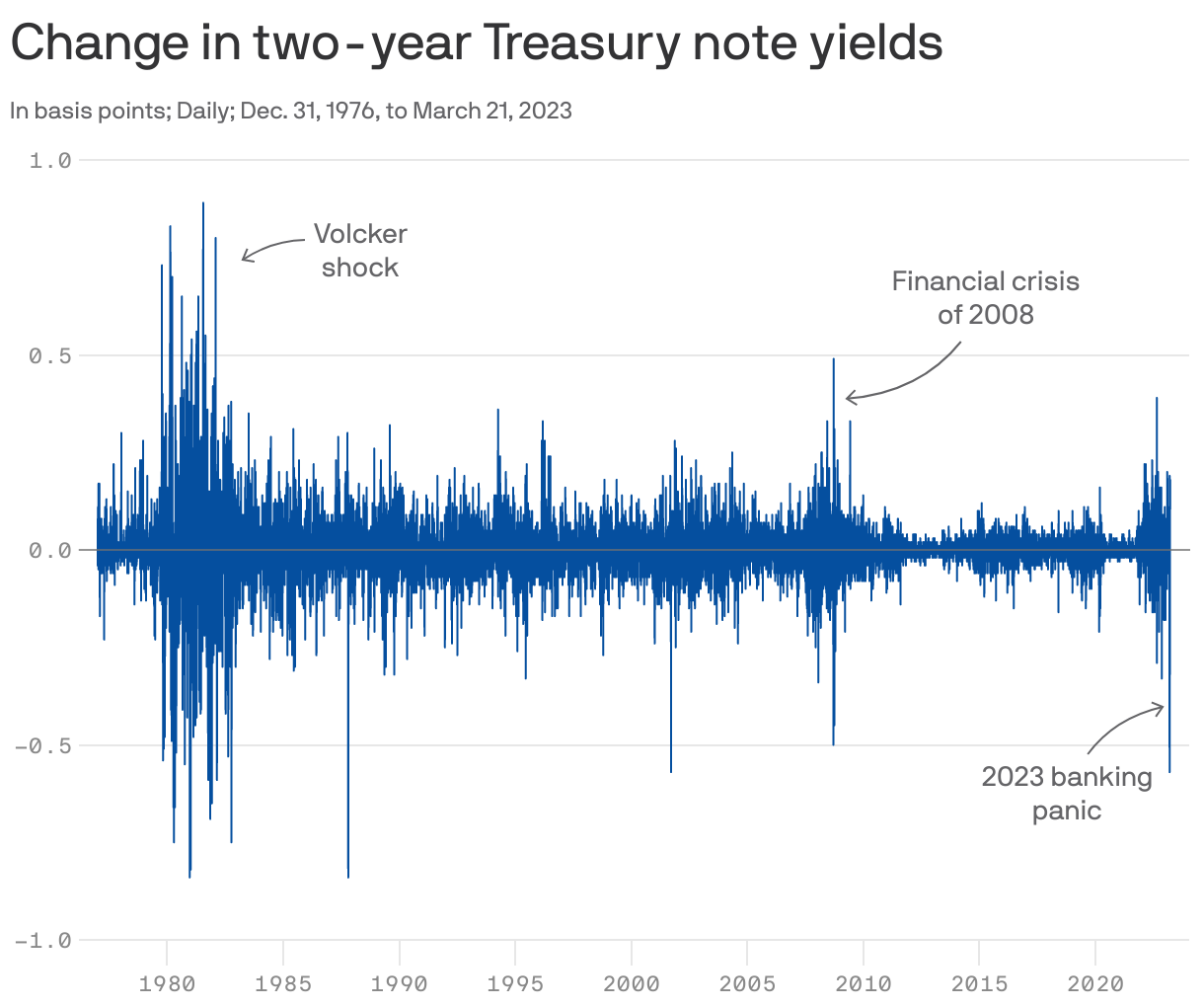
The banking crisis of recent weeks has ignited some of the wildest swings in the Treasury market in years.
Driving the news: In recent days, the most widely watched gauge of bond market volatility — the ICE BofA MOVE index — surged to the highest level since the last major U.S. financial crisis broke out in 2008.
Walk into any bank branch in America, and you will likely see a sign that says, in big letters, "FDIC" — that would be the Federal Deposit Insurance Corporation — and "each depositor insured to at least $250,000."
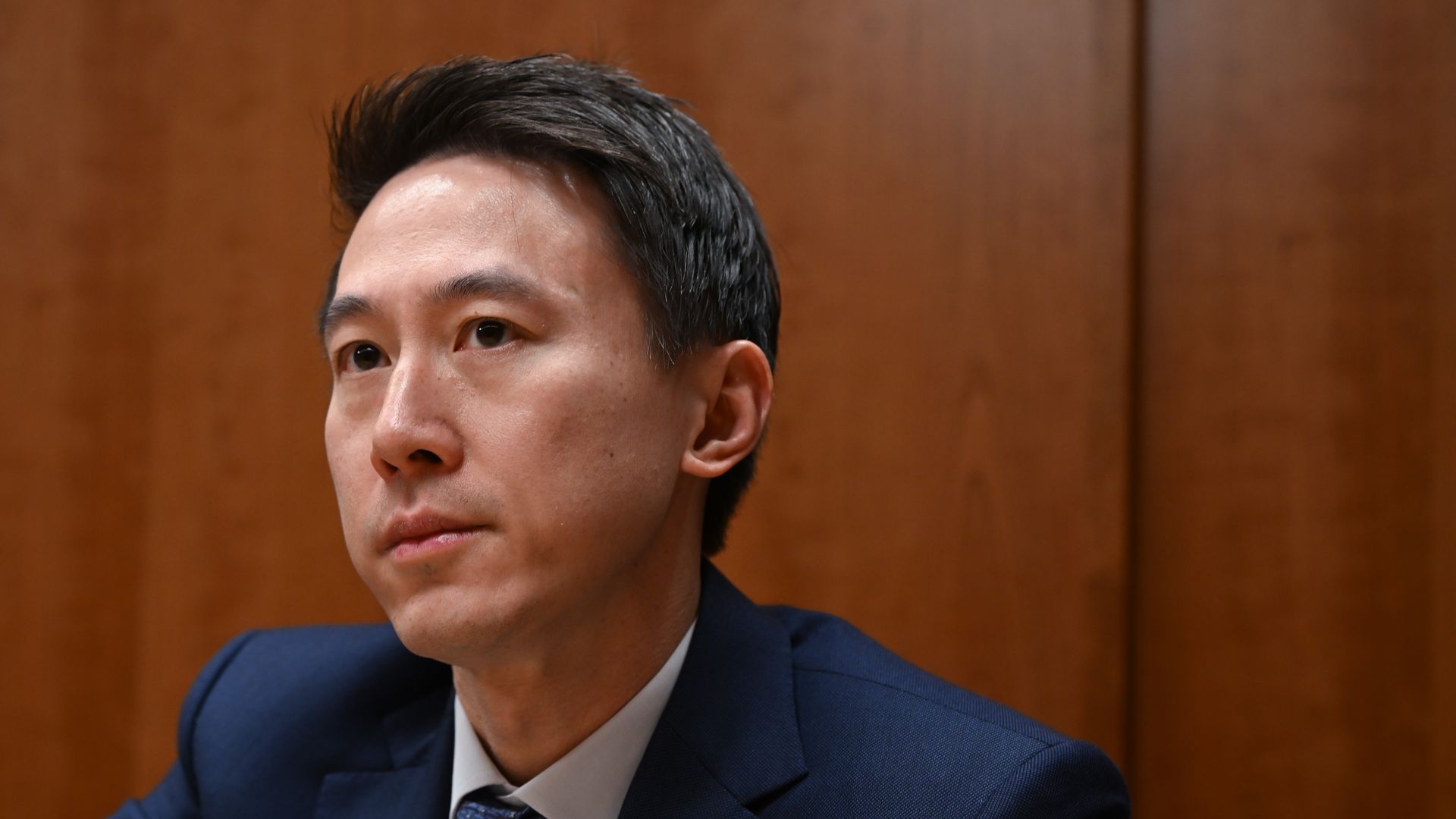
TikTok CEO Shou Zi Chew will tell lawmakers Thursday that banning the app in the U.S. would hurt American businesses and the country's economy, according to newly released remarks prepared for his testimony before Congress.
Driving the news: The Biden administration has warned the firm that it faces a ban in the United States if its parents company, ByteDance, doesn't sell its stake in the U.S. version of the app amid national security concerns, per Axios' Sara Fischer and Ashley Gold.