My biggest obsession about the future of America is the fast — and permanent — rise of population, experimentation, wealth and dynamism outside New York, San Francisco and D.C.
Why it matters: Influence and power are forever spreading to places like Phoenix, Austin and Boise, as people seek better weather, cheaper living, more space, and more normal people and experiences.
Elon Musk said Saturday that the Starlink terminals from SpaceX provide a "battlefield advantage" that costs less than a new GPS satellite — but he tweeted that he'll foot the bill.
Why it matters: This is a quick reversal for Musk from defending his decision to ask for help paying for the Starlink service, saying SpaceX can't fund internet in Ukraine forever and that the Pentagon may need to foot the bill moving forward.
It's becoming increasingly clear that 2021 will be an outlier year in virtually every way for startups... except one. U.S. venture fundraising is on track for a new record this year, per new Pitchbook data.
Why it matters: This incredible amount of capital will be more concentrated than before.
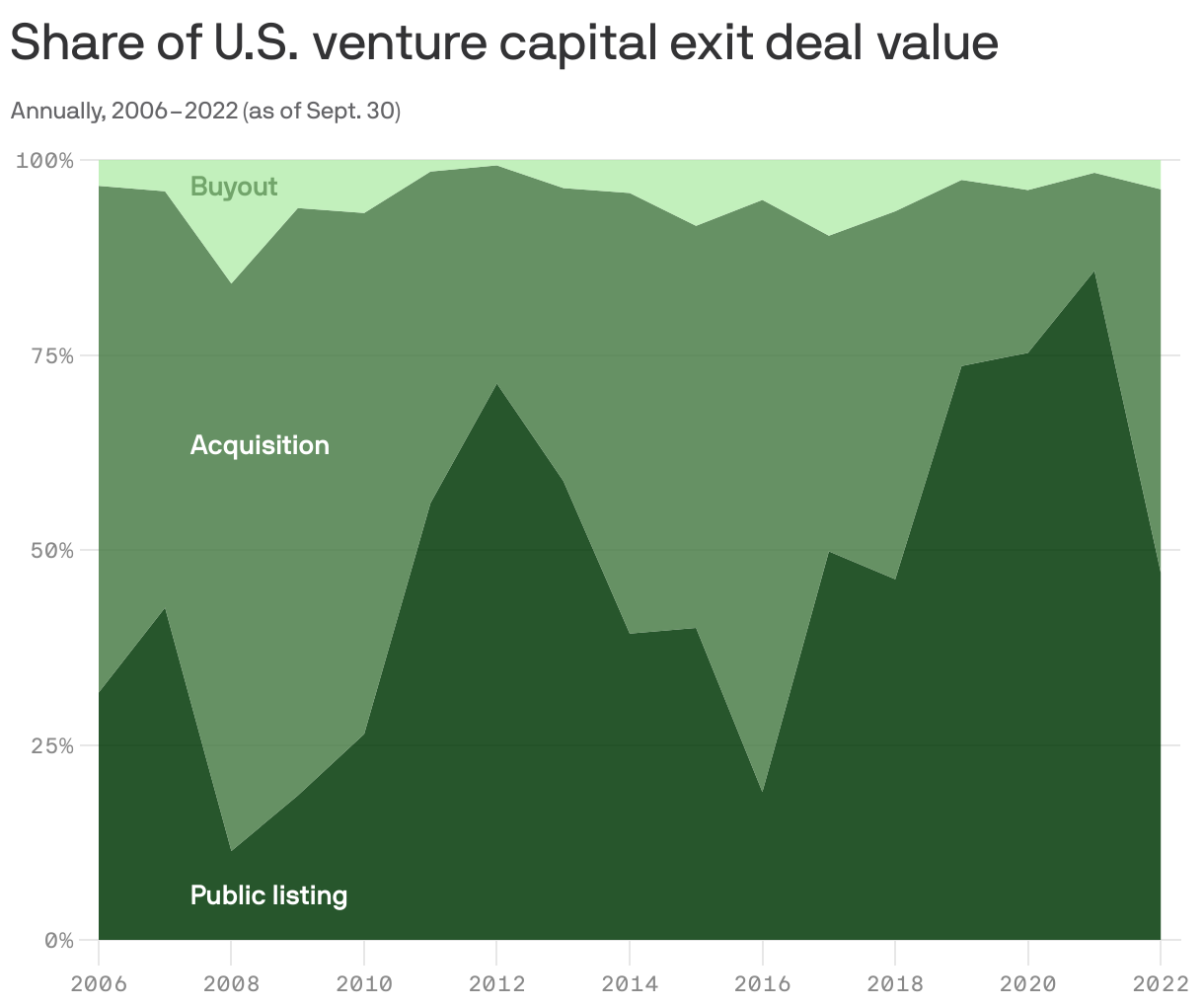
The data is in, and it has confirmed what everyone's suspected: Venture-backed exits this year are on track to hit a five-year low, per Pitchbook.
Why it matters: Fewer distributions back to VCs' own investors are adding to the ongoing squeeze those investors have been feeling. The market's in turmoil, and many have been stretching their allocations into the asset class during the pandemic boom.
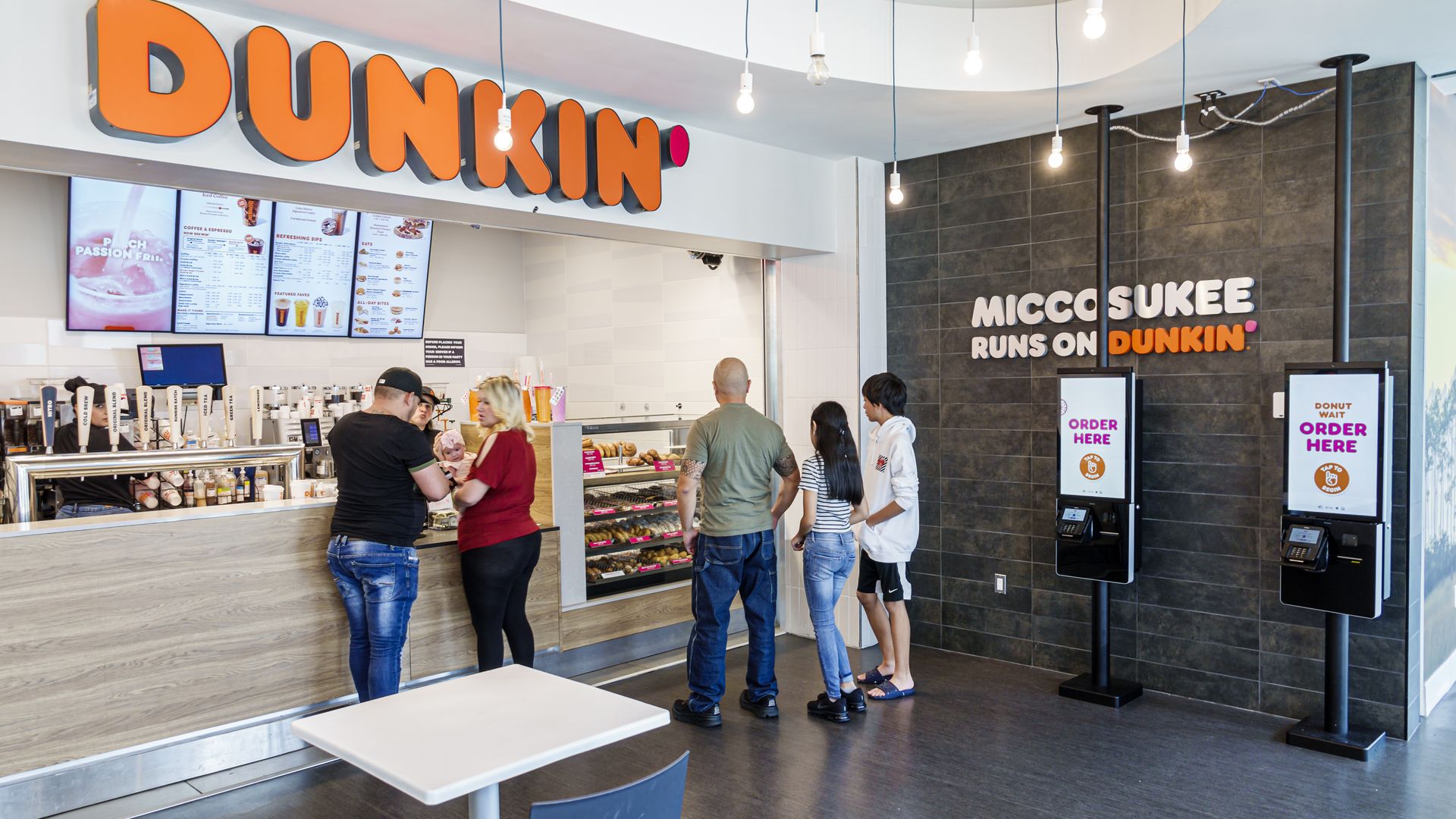
Why it matters: Customers have been flocking to reward and loyalty apps as inflation continues to drive prices up and coupons disappear. The programs also have helped restaurants drive digital sales.
Data: U.S. Bureau of Labor Statistics; Chart: Tory Lysik
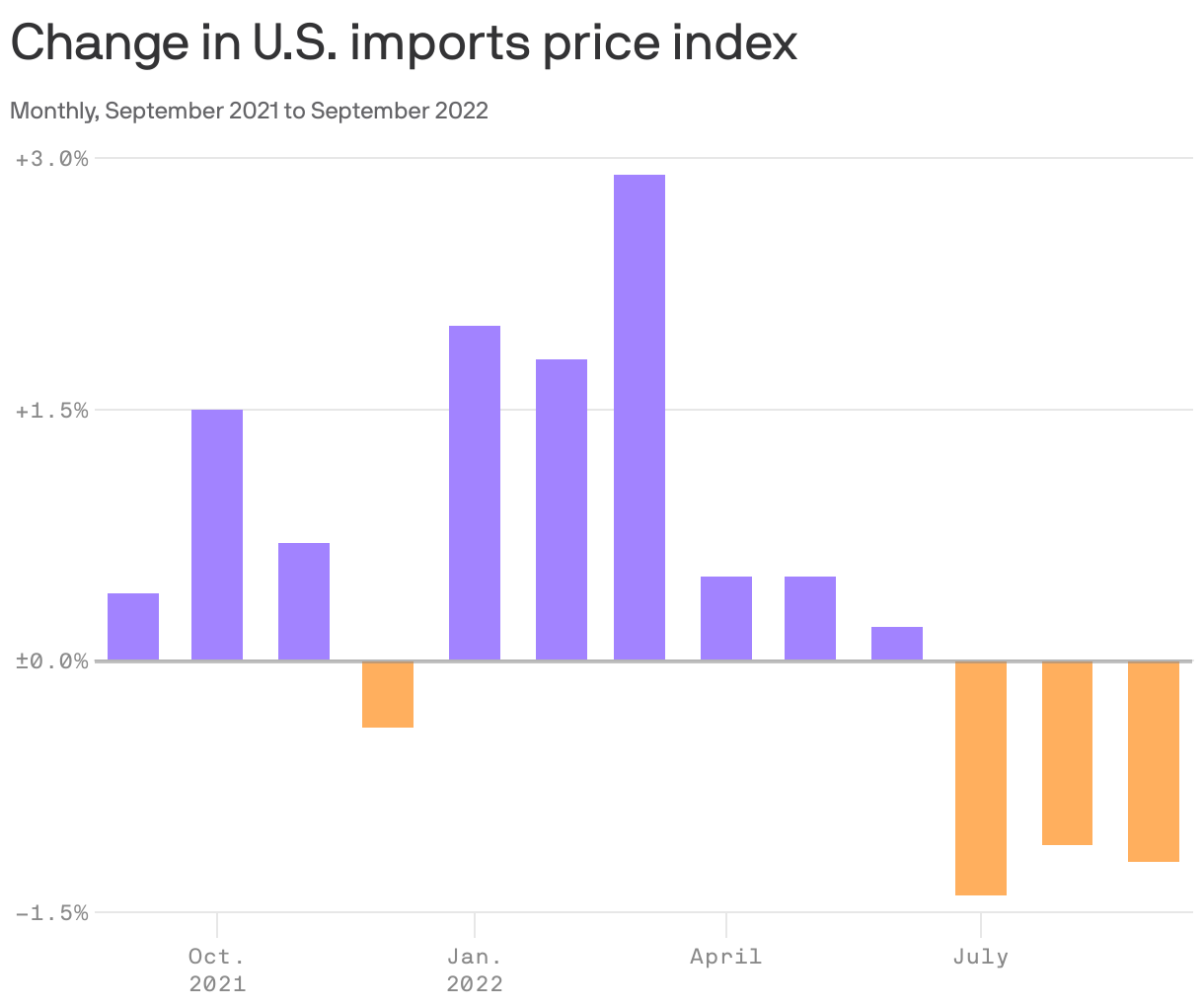
Import prices are cooling off as the strained global supply chains catch a much-needed break from lower fuel prices.
By the numbers: Import prices declined by 1.2% from August to September, marking the third straight monthly drop, the Bureau of Labor Statistics reported Thursday.
Third-quarter import costs retreated by 3.7%, marking the largest three-month drop since the pandemic began.
Why it matters: Import prices drive the cost of goods for businesses and consumers, so any signs of a decline are a help in the fight against inflation.
The big picture: A 7.5% decline in the price of imported fuel from August to September — including natural gas and petroleum — is a big reason for the overall drop in import prices.
But nonfuel import prices also fell by 0.4%, despite a 0.2% gain in the price of foods, feeds and beverages.
Banks are gearing up to stomach losses on loans despite healthy consumer spending, bracing for the impact of an economic slowdown that may yet become a recession.
Why it matters: The health of the nation's largest financial institutions is a barometer of the economy's well-being.
Driving the news: Multiple major banks reported their quarterly earnings Friday, with JPMorgan Chase and Citigroup among those reporting they are bolstering reserves to deal with a looming downturn.
JPMorgan set aside an extra $808 million to absorb loan losses, while Wells Fargo marked another $385 million; meanwhile, Citigroup devoted an additional $370 million to do the same.
"I'm trying to be very honest about if things get worse, here's what it means for reserves," JPMorgan CEO Jamie Dimon said on an earnings call Friday.
Be smart: Rising interest rates are widely expected to dampen consumer demand, making it more expensive to borrow to buy a home, purchase a car or carry credit-card balances (which are already soaring).
The average rate on the 30-year, fixed-rate mortgage just hit a 20-year high of 6.92%, according to Freddie Mac, Axios Markets co-author Matt Phillips writes.
Just a year ago it hovered around 3%.
Yes, but: Consumers have been weathering the storm fairly well so far. And during COVID-19, banks set aside reserves for losses that ultimately never materialized.
JPMorgan and Citigroup reported credit-card spending increases of 17% and 14%, respectively.
"Overall, our consumer deposit customers' health indicators, including cash flow, payroll and overdraft trends, are still not showing elevated risk concerns," Wells Fargo CEO Charlie Scharf told investors Friday.
The big picture: Inflation is hiking everyone's cost of living, making it harder to pay the bills.
For banks, that's good and bad: Good because they make more money when people borrow to cover expenses — but bad when they don't pay pay back the money they took out to do so.
The Internal Revenue Service is keeping its Free File program open an extra month, which extends the time for eligible people to claim COVID stimulus payments — including the Child Tax Credit.
Why it matters: More than 9 million Americans did not claim the payments and may be eligible for the 2021 Recovery Rebate Credit, the Child Tax Credit and the Earned Income Tax Credit, the IRS said in a news release.
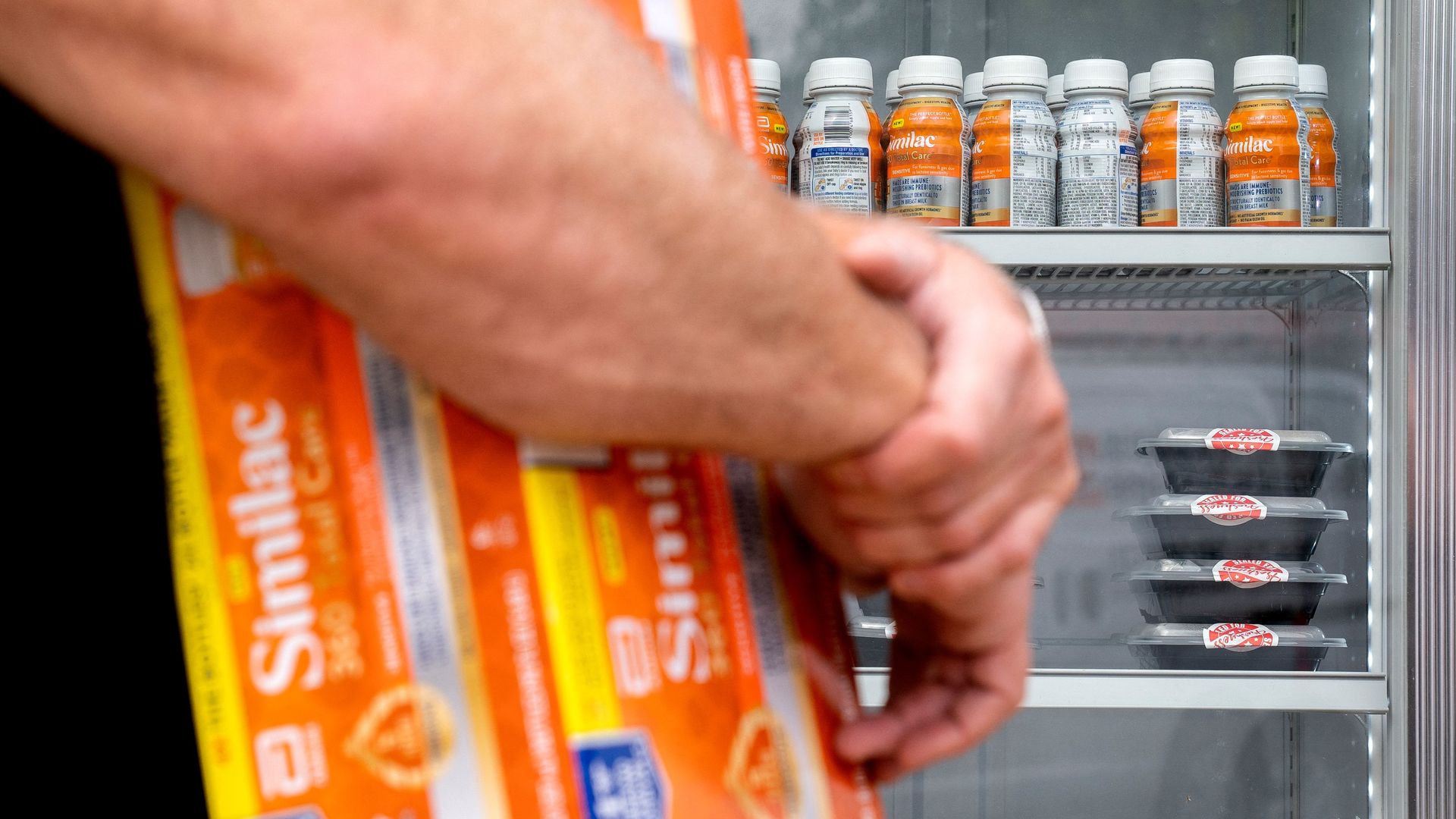
Abbott Nutrition is recalling certain lots of ready-to-feed liquid baby products, including several under its Similac brand, for potential spoilage, the company said Friday.
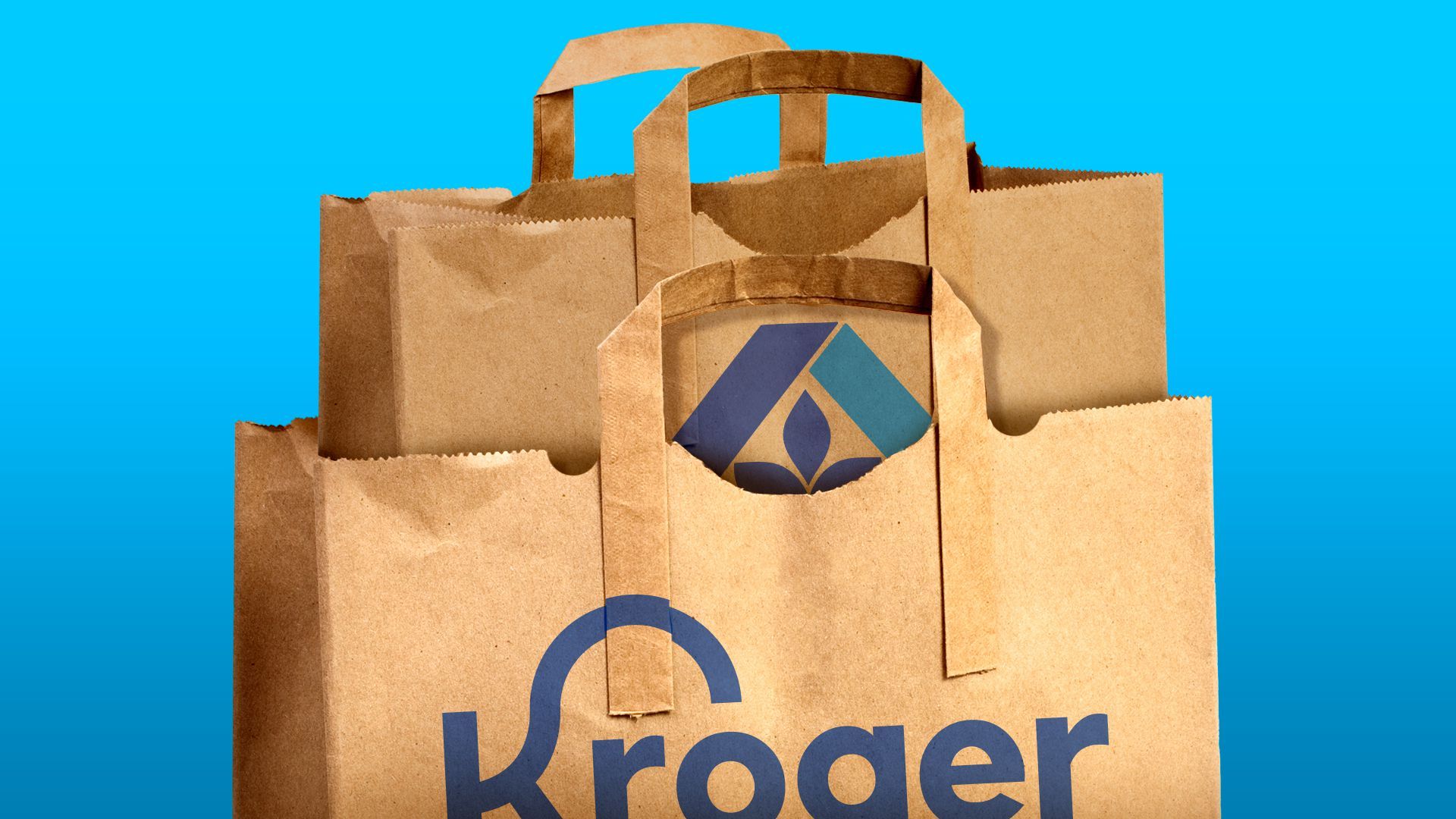
With inflation raging, Kroger on Friday pledged to use its proposed acquisition of rival Albertsons to reduce prices.
That promise could help sell the deal. Still, experts and consumer watchdogs are split on whether a combined grocery chain behemoth will ultimately come to fruition.
Driving the news: On Thursday,Kroger confirmed its plans to buy Albertsons for about $24.6 billion, in a deal that pairs up two of the nation's four largest food retailers.
The Federal Reserve's inspector general has been asked to investigate a series of transactions by Atlanta Fed President Raphael Bostic that violated the central bank's policies meant to keep top officials from benefiting from inside information.
Driving the news: The Atlanta Fed released updated versions of Bostic's financial disclosures dating to 2017 that included transactions that took place while the Fed was in "blackout," just before or after a policy meeting, contrary to rules.
British Chancellor of the Exchequer Kwasi Kwarteng was fired on Friday as the government backed off of the tax-cutting plans he championed. The plan sent bond and currency markets reeling in recent weeks.
Why it matters: Britain's economic problems are unique in many ways. But recent events indicate that the world economy is entering a new phase, where deficits matter more and high inflation acts as a constraint on governments.
Meta is ending support for Instant Articles, a proprietary mobile format it debuted in 2015 to quickly load news articles on the Facebook app, Axios has learned.
Why it matters: It's part of a broader effort by Meta to move away from investments in news content on its apps.
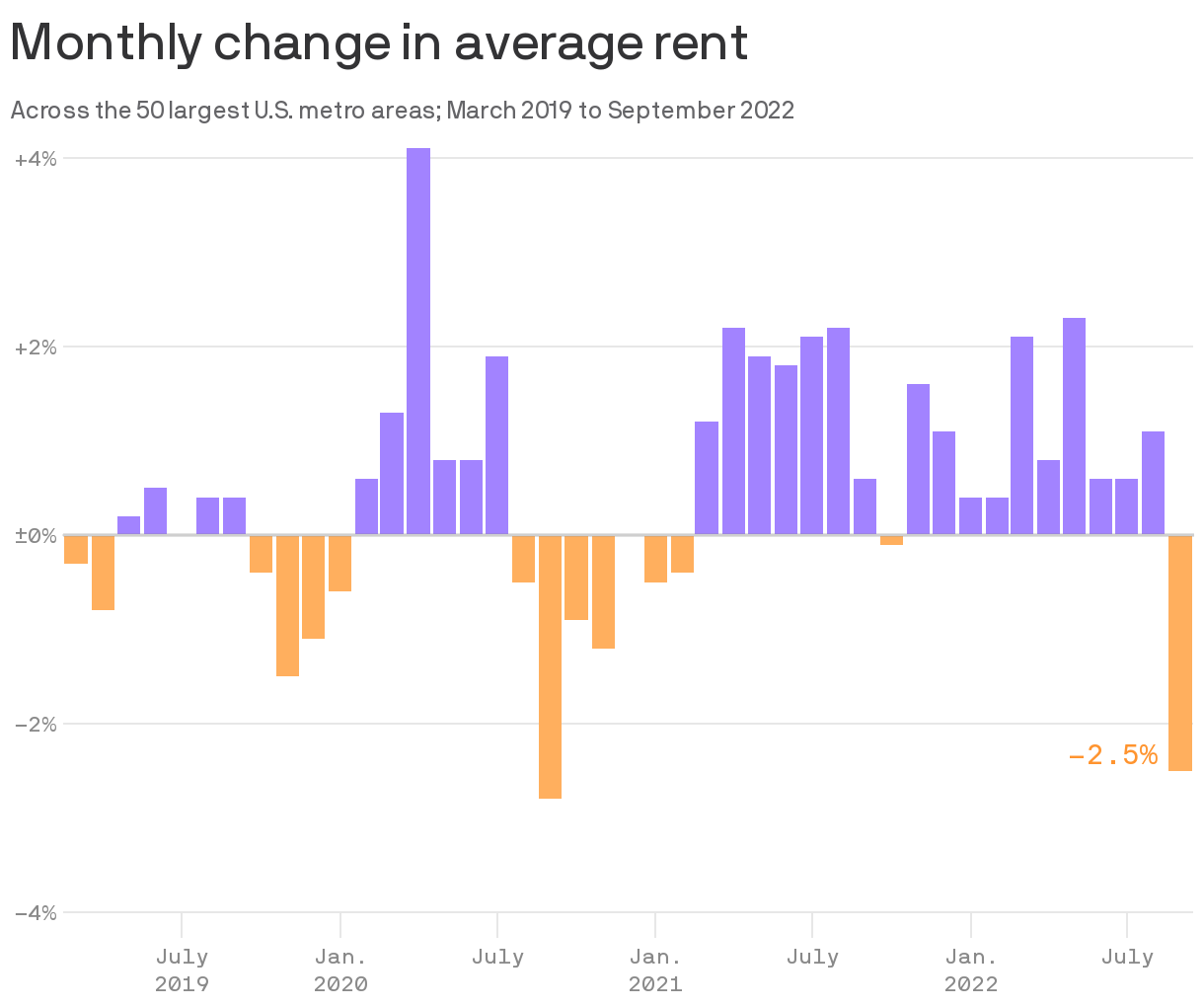
Two reports came out Thursday showing that rents nationwide declined in September from the prior month. And both datasets, from Redfin and Realtor.com, found year-over-year rent growth decelerating.
Why it matters: The slowdown in rents isn't yet showing up in the monthly inflation data. By the CPI's measure — also out Thursday — rents were up 0.8% in September.
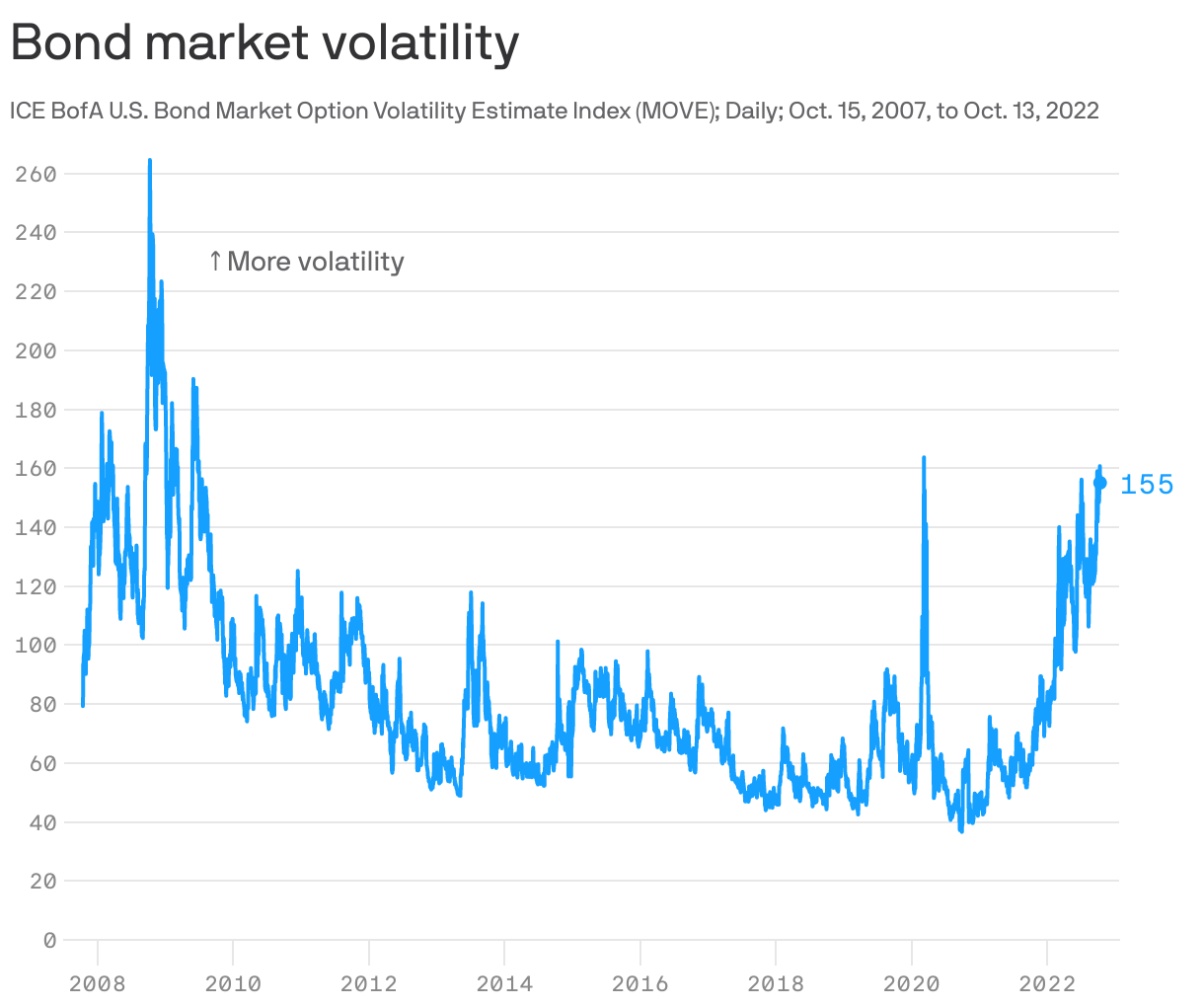
The bond market'sversionof the VIX — a volatility index — is freaking out.
What’s happening: The index that measures Treasury market volatility is flirting with levels not seen since the peak of the COVID-induced market crisis of March 2020.
Sometimes Wall Street makes sense.Other times, it doesn’t. Thursday was the latter.
The big picture: Stocks rallied sharply, despite a worse-than-expected inflation report that all but ensured the Fed's relentless rate-hiking would continue.
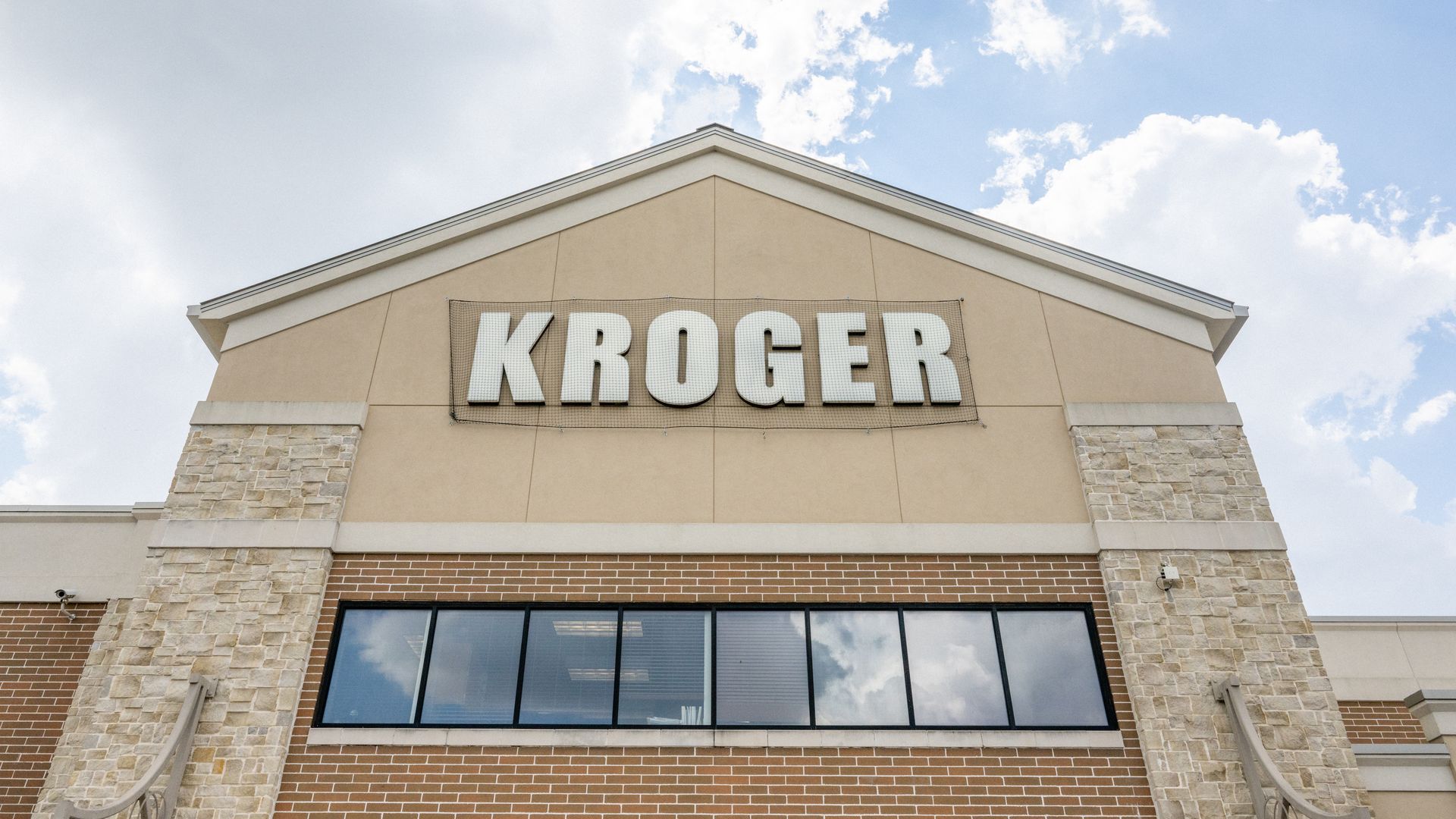
Kroger said Friday morning it will buy Albertsons in a deal that would combine two of the nation's largest grocery chains.
Driving the news: The deal carries an enterprise value of $24.6 billion and combines the second and fourth largest U.S. food retailers, with around 8% and 5% market share, respectively.
Walk into a store, take what you want, and leave without pulling out your wallet or standing in line — this is the vision for next-generation checkout.
Why it matters: Huge sums are being spent on competing schemes for so-called frictionless checkout, which eliminates both human cashiers and those pesky do-it-yourself scanners.



















/2022/10/13/1665690020990.gif?w=3840)