Feverish interest in the first "Game of Thrones" spinoff "House of the Dragon" crashed the HBO Max app for thousands of people in the U.S. on Sunday night.
Why it matters: Downtime on series release days has become commonplace as people now spend more time streaming TV content than watching it through cable.
Classic car sales hit a record high at the annual confluence of high-end vehicle auctions in Monterey, California, this month.
Driving the news: Collectors paid more than $470 million at during Monterey Car Week, up from the previous record of $394 million in 2015, according to classic car insurer Hagerty.
Companies that look like they had a new lease on life courtesy of the meme stock movement are suddenly being forced to ponder their prospects without retail traders backing them up.
Why it matters: The meme stock boom that started in early 2021 has bolstered struggling companies like AMC Entertainment, Bed Bath & Beyond and GameStop, boosting their stocks and giving them hope of a new tomorrow. But being a meme stock darling could be fickle business.
Elon Musk has subpoenaed former Twitter CEO and co-founder Jack Dorsey for documents that could support his legal push to end his $44 billion takeover bid in a Delaware court this fall.
Why it matters: Dorsey and Musk are close, and Dorsey has been encouraging of Musk’s takeover bid publicly and privately, so it's unclear why Musk would need to need to subpoena him for further documents that would support his case.
Ford confirmed Monday it plans to eliminate roughly 3,000 white-collar and contract positions, primarily in the U.S., Canada and India.
Why it matters: It's the company's latest effort to cut costs as it refocuses on core products and growth opportunities, while making a long-term transition to electric vehicles.
MoviePass, the once-popular movie subscription program and one of media’s biggest flameouts, is moving forward with its comeback and says it will launch a new beta service on or around Labor Day.
Why it matters: Movie theater attendance has rebounded — but the explosion of streaming options coupled with the health crisis has changed moviemaking, and watching, permanently, Axios’ Hope King and Herb Scribner report.
Some 420,000 new apartments are expected to be completed in cities across the U.S. this year, marking a historic 50-year high in multifamily construction, according to data from the listing service RentCafe.
Why it matters: The new supply of units could eventually bring down rental prices, which have recently soared alongside housing prices, making it more difficult for people to find an affordable place to live.
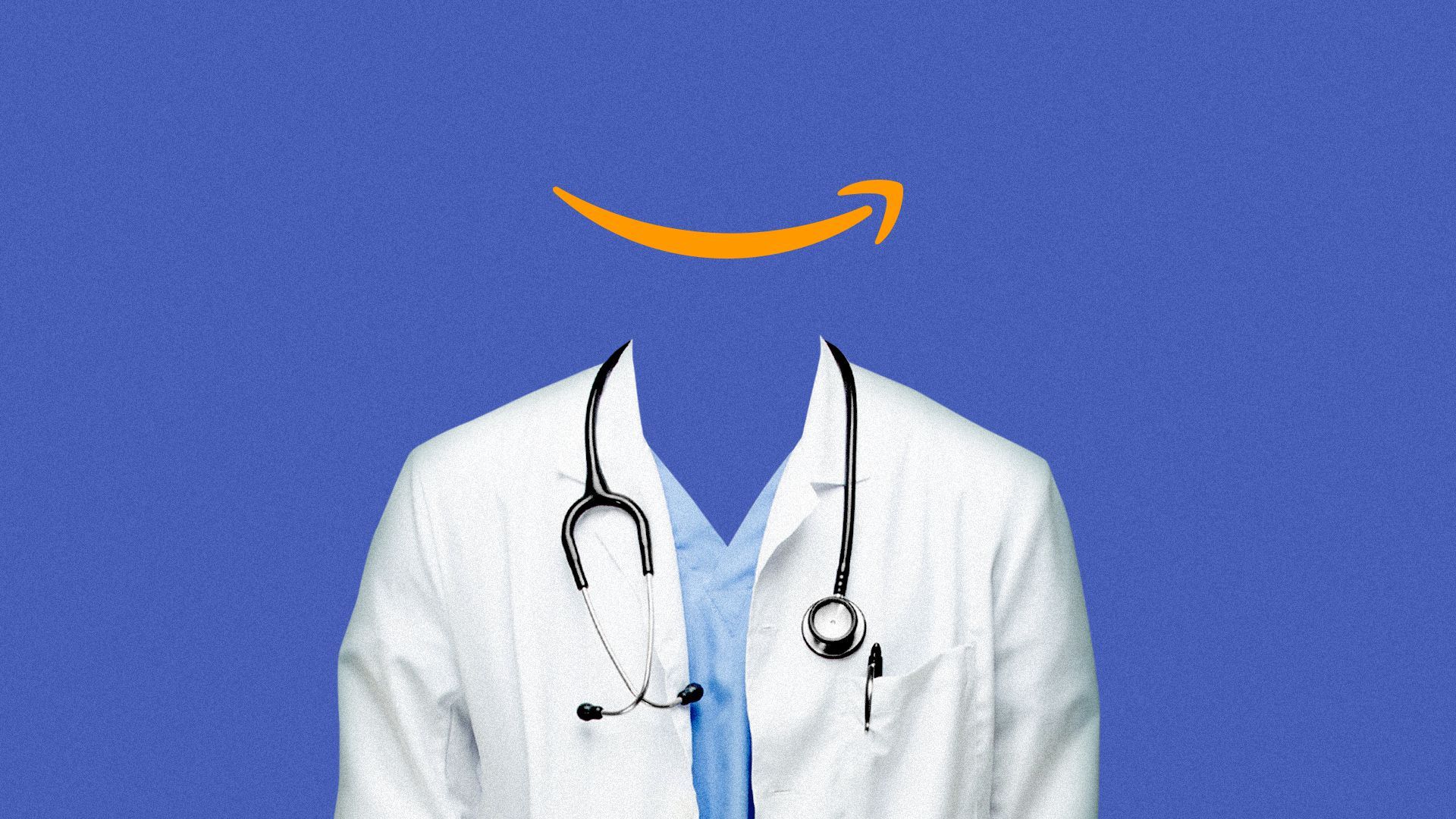
Amazon is among the reportedbidders for Signify Health, a Dallas-based health tech company whose market cap has climbed to nearly $5 billion.
Why it matters: This reflects Amazon's emergence as a major player in health care M&A, having recently bested CVS for One Medical. It also may open a new front for antitrust regulators.
Private equity lobbyists are very well compensated, but they still may be underpaid.
Driving the news: Beyond helping to salvage the carried interest tax break, as part of Inflation Reduction Act negotiations, private equity also beat back a costlier effort to raise taxes on portfolio companies.
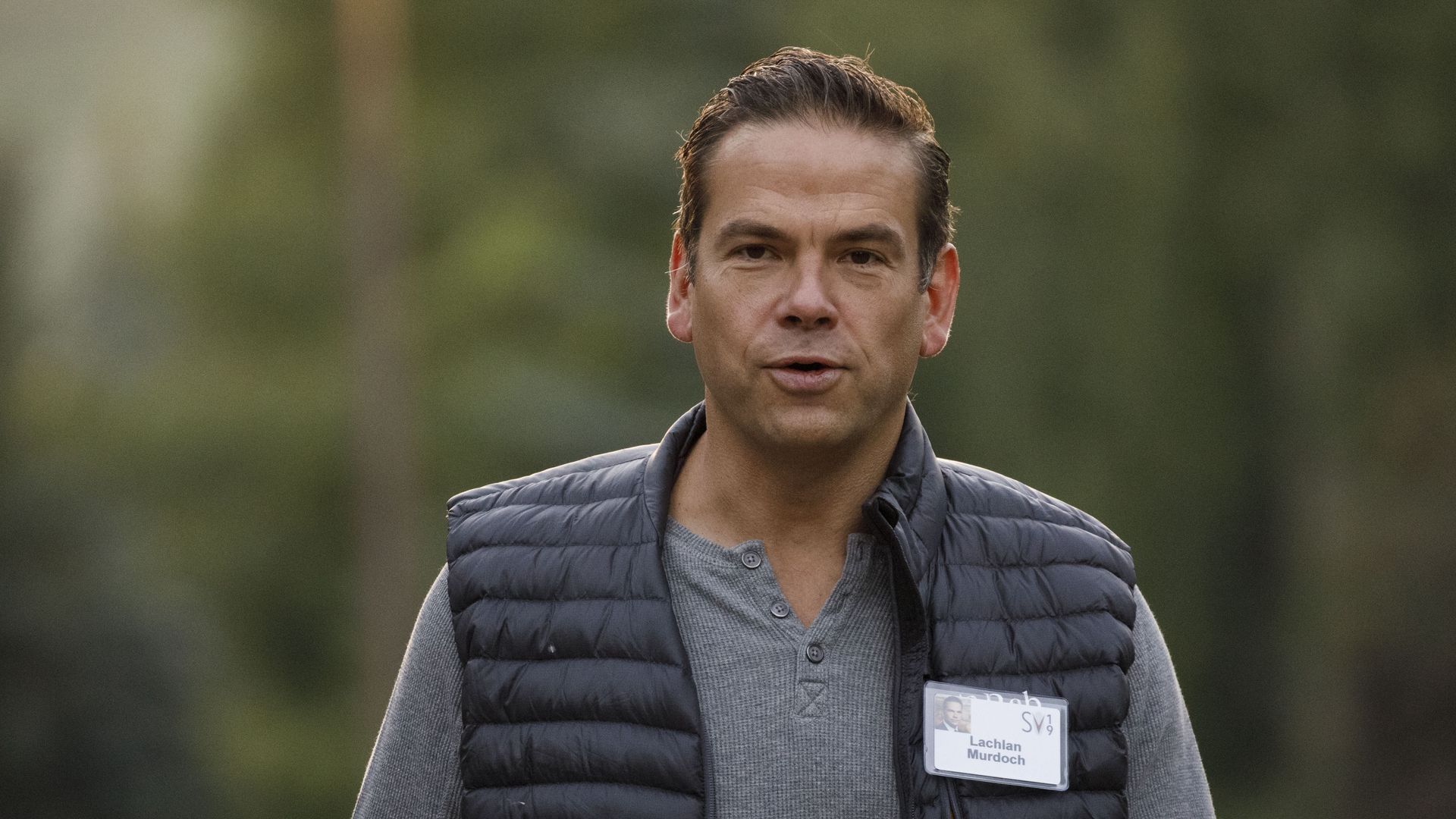
Lachlan Murdoch on Tuesday sued Australian news site Crikey over a June article alleging Murdoch and Fox News are partially responsible for the Jan. 6 attack on the U.S. Capitol, per the Sydney Morning Herald.
Zoom in: The line Murdoch's lawyers take most issue with reads, "The Murdochs and their slew of poisonous Fox News commentators are the unindicted co-conspirators of this continuing crisis."
Trading stocks has gotten cheaper and easier in recent years — now something similar is happening in the once exclusive world of private equity.
Why it matters: A majority of U.S. companies are private — and about a third of the benchmark S&P 500 index often consists of just 10 companies. Meanwhile, private equity assets under management have more than tripled since 2010 — putting even more mid-size and growth companies outside the reach of public investors.
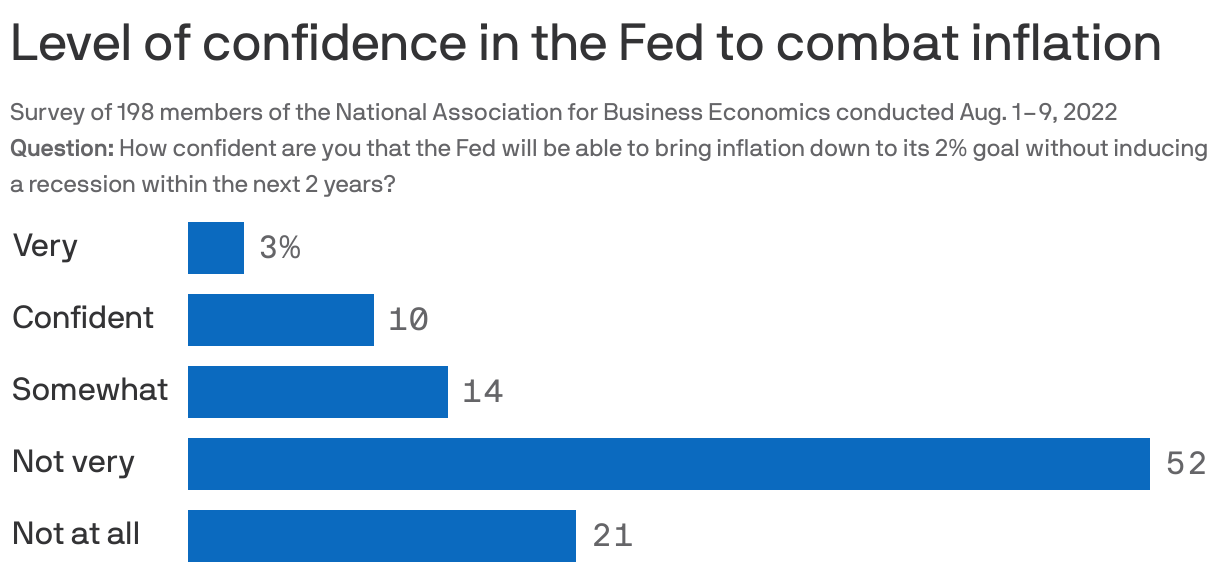
A new survey shows business economists are skeptical the Fed can bring inflation down to its target without sinking the economy.
Why it matters: The survey offers a bit of insight into the way the Fed's actions can affect the psychology of people who help make decisions in corporate America.
Travel advisory site The Points Guy is out with its annual ranking of the 10 best U.S. airlines — and given how miserably the industry has performed lately, we wanted to see who was the "best of the worst."
Spoiler alert: It's Delta Air Lines (more on that below).
Why it matters: Despite billions of dollars in government aid, understaffed airlines are still reeling from the pandemic, unable to keep pace with a sudden upswing in demand.
Thousands of flights have been delayed or canceled, a trend that has continued through the beginning of August, CBS News reports.
Transportation Secretary Pete Buttigieg is leaning on airlines to help stranded and delayed passengers, warning that new regulations to expand travelers' rights could be coming.
Of note: The Points Guy's 2022 rankings are based on airlines' performance in 2021. They don't account for this summer's travel hell — that'll show up in next year's rankings.
Details: TPG used scaled scores to grade each airline relative to the others on a variety of criteria, such as reliability, experience, cost and loyalty.
Hawaiian Airlines was the most reliable, with just over 90% of its flights arriving on time in 2021. Delta ranked second on reliability but last for affordability.
Allegiant ranked worst for delays and cancellations but tops in handling baggage and wheelchairs.
JetBlue, with its free Wi-Fi and seatback screens, had the best cabin experience, while Delta and Alaska Airlines scored high on lounge access.
United has the broadest route network and the best loyalty program.
Apprenticeship programs for people without college diplomas are backon the rise after a brief dip during the COVID-19 pandemic— and they're gaining traction in new fields.
Why it matters: With the average cost of a four-year degree skyrocketing, apprenticeships — in which someone typically without a relevant college education is trained to do a certain jobwhile earning wages — can be an appealing alternative.