The Washington Post has fired Felicia Sonmez, a reporter who criticized management's handling of an array of social media issues over the past few years, a source confirms to Axios.
Why it matters: In recent days, Sonmez's critical tweets sparked a series of public spats among Post staffers, which quickly became the fodder of fascination amongst media junkies inside and outside of The Post.
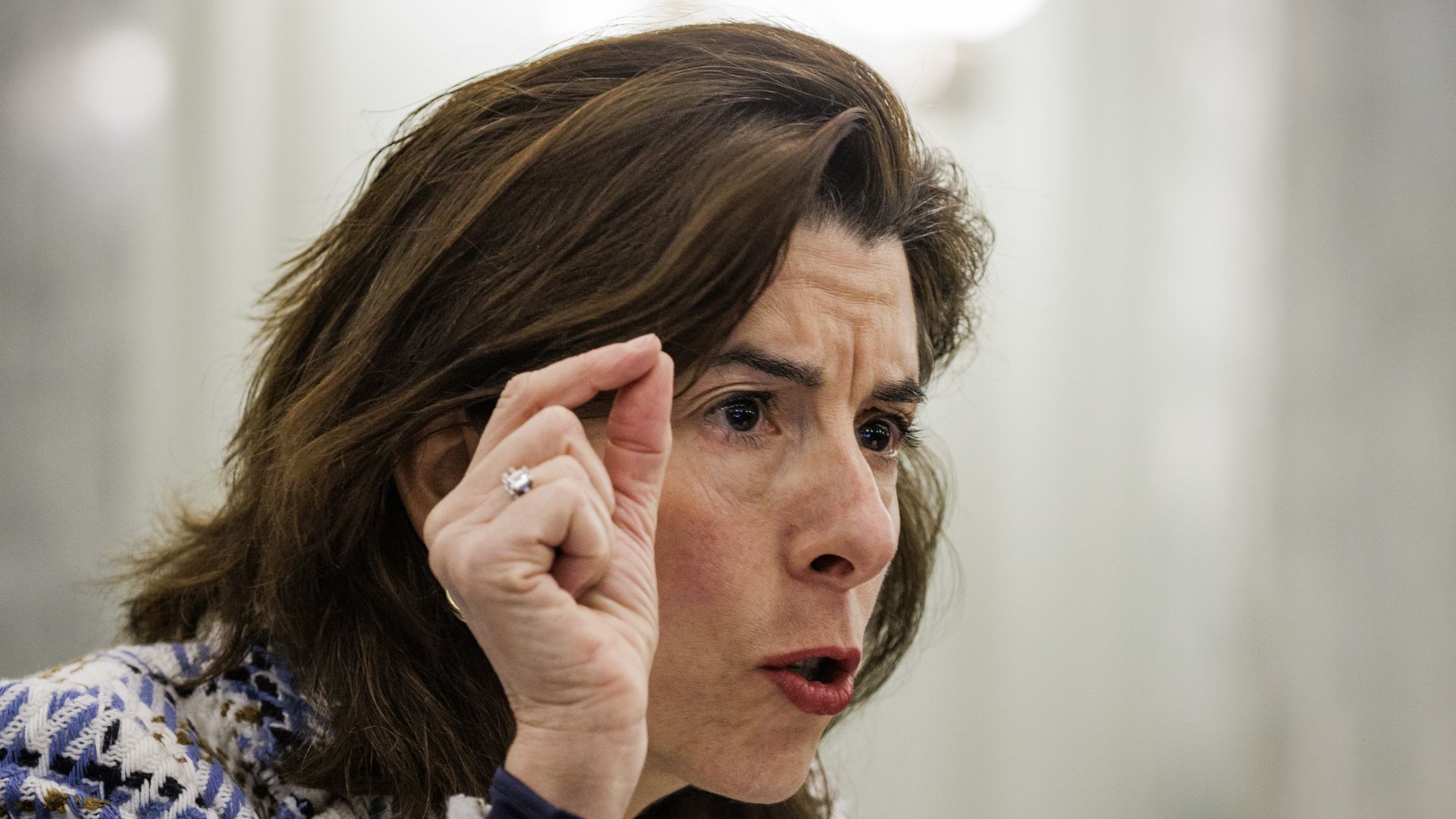
Commerce Secretary Gina Raimondo is privately frustrated at the bubbling speculation that she’s angling to replace Janet Yellen as Treasury secretary after the midterm elections, according to Commerce officials.
Driving the news: With Democrats bracing for big losses in November, some lawmakers and party operatives are anticipating a potential post-election Cabinet shakeup. The depths of the losses will determine the extent of the shakeup.
TikTok is adding more ways for people to take a break from scrolling endlessly, the app announced today.
Why it matters: Tech platforms are responding to a growing wave of criticism that their services are addictive and harmful. TikTok's personalized streams of short videos are known for hooking users.
A full-scale battle has erupted between an upstart Saudi-funded golf series and the PGA Tour, potentially throwing the future business of golf into question.
Why it matters: Major broadcast networks have invested over $6 billion for the rights to air PGA Tour events through 2030, with additional commitments coming from corporate sponsors for players, the tour and its individual events.
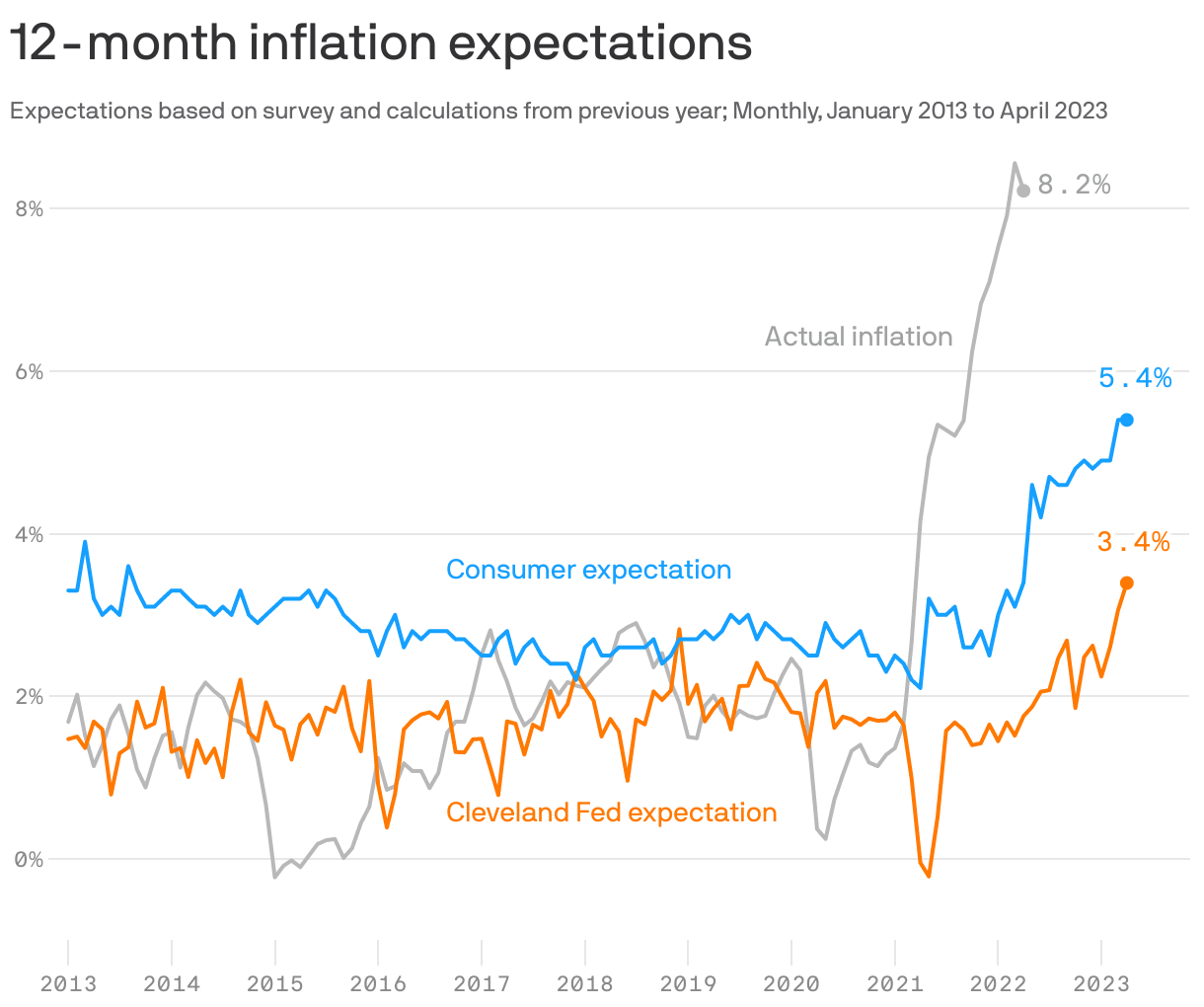
Data: University of Michigan: Inflation Expectation, Federal Reserve Bank of Cleveland, 1-Year Expected Inflation, FRED; Chart: Erin Davis/Axios Visuals
Americans are congenitally pessimistic when it comes to inflation — surveys of where consumers expect inflation to be in a year's time generally show levels a point or two above the broad market consensus.
Why it matters: Historically, inflation has almost always come in significantly lower than we expected. But when it finally did spike, it rose much higher than even the pessimists had predicted.
Between 2001 and 2006, renowned economist Lawrence Summers, winner of the 1993 John Bates Clark Medal, and then president of Harvard University, entered into a series of forward swap contracts with Goldman Sachs, JPMorgan, and other big banks — contracts that eventually cost the university an estimated $1 billion.
Why it matters: Summers' macro forecast turned out to be very wrong. He thought that interest rates were low and sure to rise; in reality, after the financial crisis of 2008, we entered a period of ultra-low interest rates from which we are only now emerging.
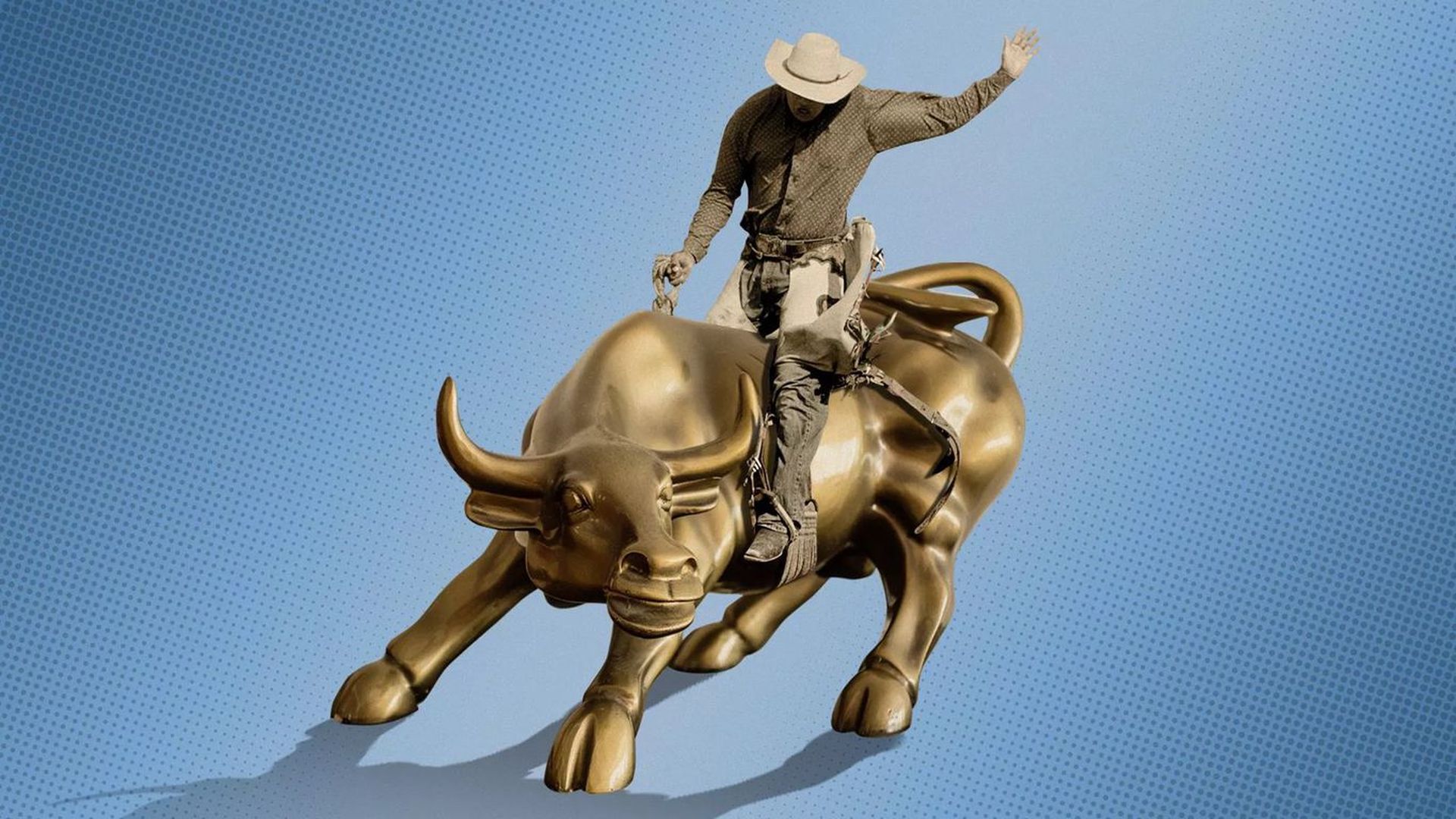
If you can forecast the economy with greater accuracy than anybody else, you're going to be in high demand from investors looking for edge in the markets.
The catch: There's always someone who got it more right than anybody else. But it's never the same person this year as it was last year.
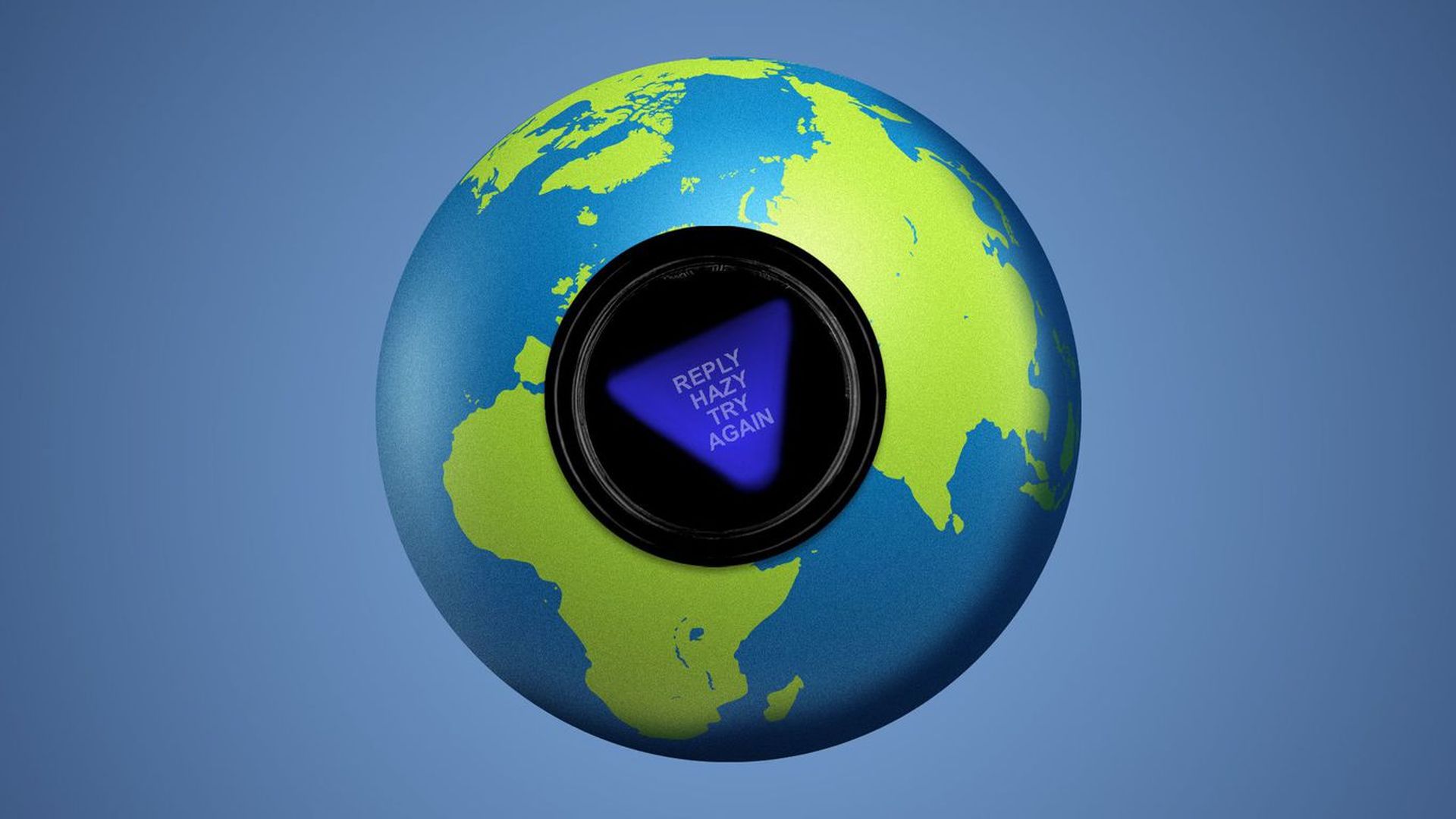
You might have heard that we're headed for a recession, or possibly even in one already. If you did, then whoever you heard it from — whether it's JPMorgan CEO Jamie Dimon or former SEC chair Harvey Pitt or multi-platinum recording artist Cardi B — is moonlighting as an economic forecaster.
Why it matters: Economic forecasts are ubiquitous, useless, and carry a whiff of the ignoble. If you can ignore them, it generally behooves you to do so.
Get ready for new inflation numbers. The release of the Consumer Price Index has become one of the key dates on each month's economic calendar, the source of new evidence showing how severe the inflation problem is, and how far the Federal Reserve might have to go to quash it.
Driving the news: This month's number — due out at 8:30am ET on Friday and expected to show 0.8% overall inflation in May — comes amid an important debate over how to compare today's numbers to the past.
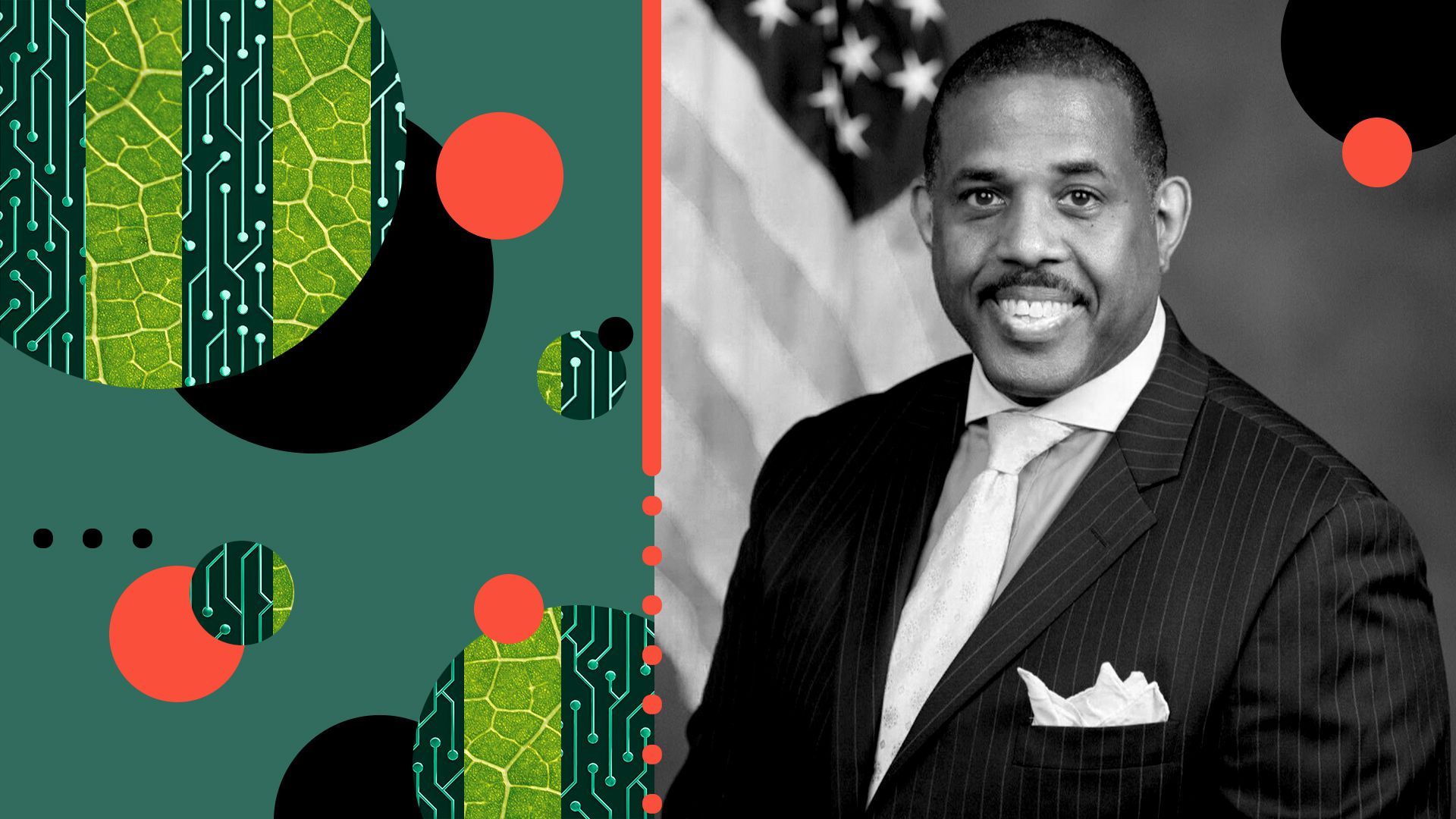
New York Senator Kevin Parker is the sponsor behind a bill that the crypto industry has broadly panned as being bad for business in the state, but his stance on the industry itself may surprise you.
Why it matters: Crypto shops have long criticized the state for imposing what they consider the most onerous regulations on the industry levied in the country, if not the world. But to Parker, the bill is not about crypto — it's about the power plants involved and making sure they adhere to climate goals the state set in 2019.
Why it matters: When you're hungry, you want your food NOW.
Flashback: Axios' crack local reporters in Minneapolis-St. Paul already flagged plans for this prototype fast-food joint back in February, pointing out its odd resemblance to a bank branch.
Details: The "Taco Bell Defy" restaurant opened on Tuesday.
There are four drive-thru lanes, three of which are dedicated to mobile or delivery orders.
The fourth lane is a traditional drive-thru, where you place your order at a kiosk and drive ahead for pickup.
Mobile order customers scan a QR code they received when they placed their order, then pull forward to receive their food.
Food is delivered from the elevated kitchen above via a proprietary lift system similar to the pneumatic tubes used by those bank branches.
The entire pickup process is contactless, although two-way audio and video technology lets customers interact directly with Taco Bell employees in real time.
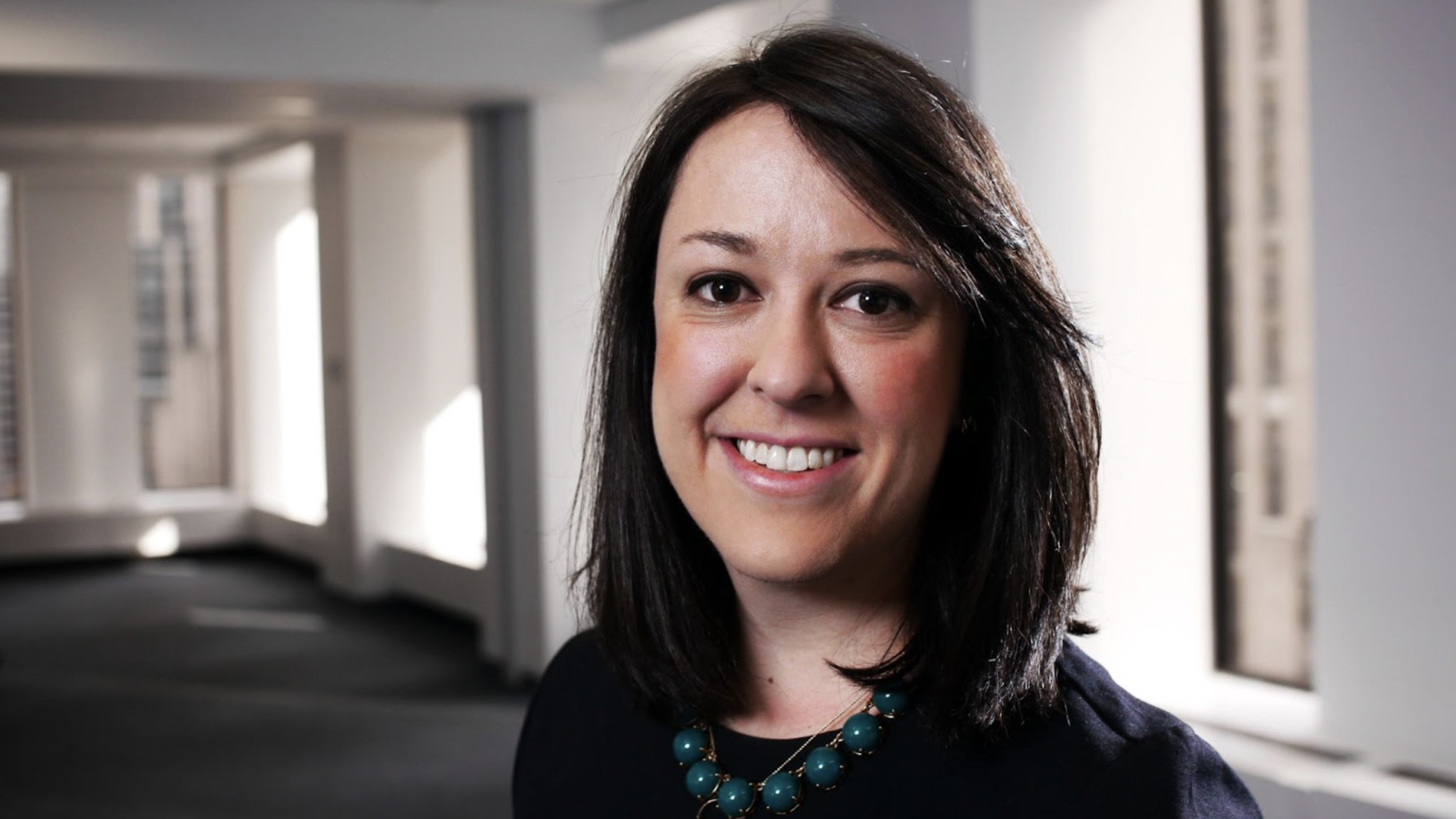
Semafor, the global news startup co-founded by media veterans Justin Smith and Ben Smith, has hired Liz Hoffman as its business and finance editor.
Why it matters: Hoffman becomes Semafor's first star reporter hire. She is known for breaking some of the biggest business and deal stories at the Wall Street Journal for the past nine years.
China's financial regulators have begun early talks about allowing Ant Group to revive its IPO, which would occur in both Shanghai and Hong Kong, per multiple reports.
Why it matters: First, because Ant Group had expected to price the largest global IPO of all time, before being pulled in late 2020.
Before accepting a job at Twitter, 23-year-old Iris Guo turned down five other offers. Twitter paid well — $180,000 a year including bonuses and equity — and it's a well-established public company. What could go wrong?
A lot: Late last month, Twitter pulled the rug out, rescinding Guo's offer for an associate product manager role, along with a handful of others. "You wouldn't expect a big company to do something like that," Guo, who graduated from college in December, tells Axios.
CEOs of more than 220 U.S. companies on Thursday will release a letter calling on the Senate to "take immediate action" to reduce gun violence, Axios has learned exclusively.
Why it matters: This is the latest example of corporate America delving into a hot-button issue where solutions often break down along partisan lines.
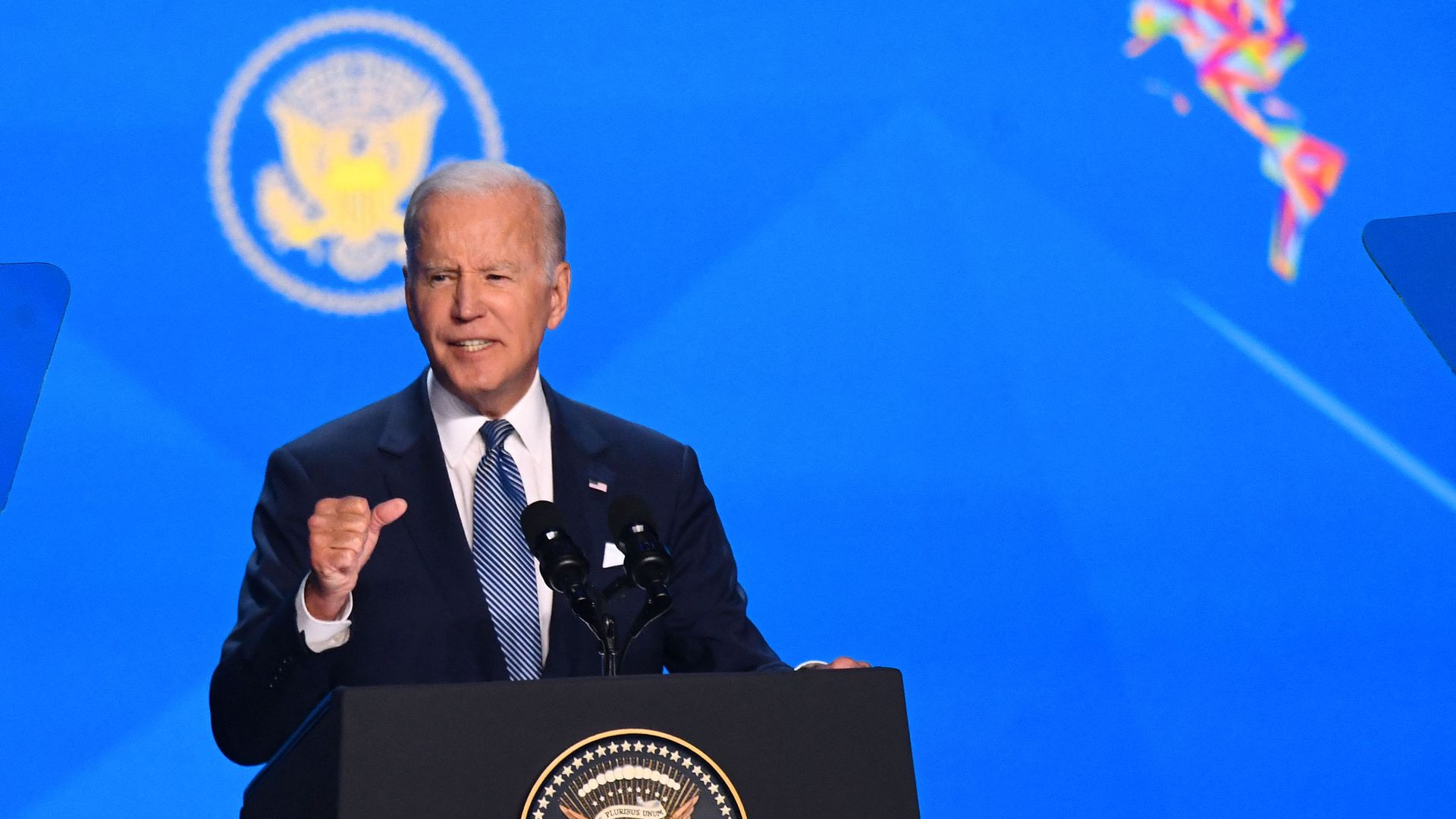
President Biden formally opened the Summit of the Americas in Los Angeles on Wednesday by announcing a new regional economic partnership plan and declaring democracy a "hallmark of our region."
What he's saying: "As we meet again today, in a moment when democracy is under assault around the world, let us unite again and renew our conviction that democracy is not only the defining feature of American histories, but the essential ingredient to Americas' futures," Biden said during his speech.






/2022/06/09/1654795359105.gif?w=3840)






/2022/06/08/1654724470152.gif?w=3840)