Facebook is now Meta, as the company tries to shift into a new organization focused on virtual connectivity. Industry watchers say the new moniker — and the timing of its unveiling — is also an attempt to shine its tarnished image.
What's happening: The nearly trillion-dollar tech giant is following a familiar playbook of corporate rebranding exercises, which have generally worked out well for companies that want to move on from their pasts, Priya Raghubir, professor of marketing at NYU's Stern School of Business, tells Axios.
Apple on Thursday posted quarterly revenue that fell just short of expectations despite marking a record for a September quarter, while its earnings were roughly in line with what analysts were predicting.
Between the lines: Apple, like other companies, is dealing with supply chain issues due to a chip shortage and other pandemic-related disruptions. Apple's stock fell nearly 5% in after-hours trading.
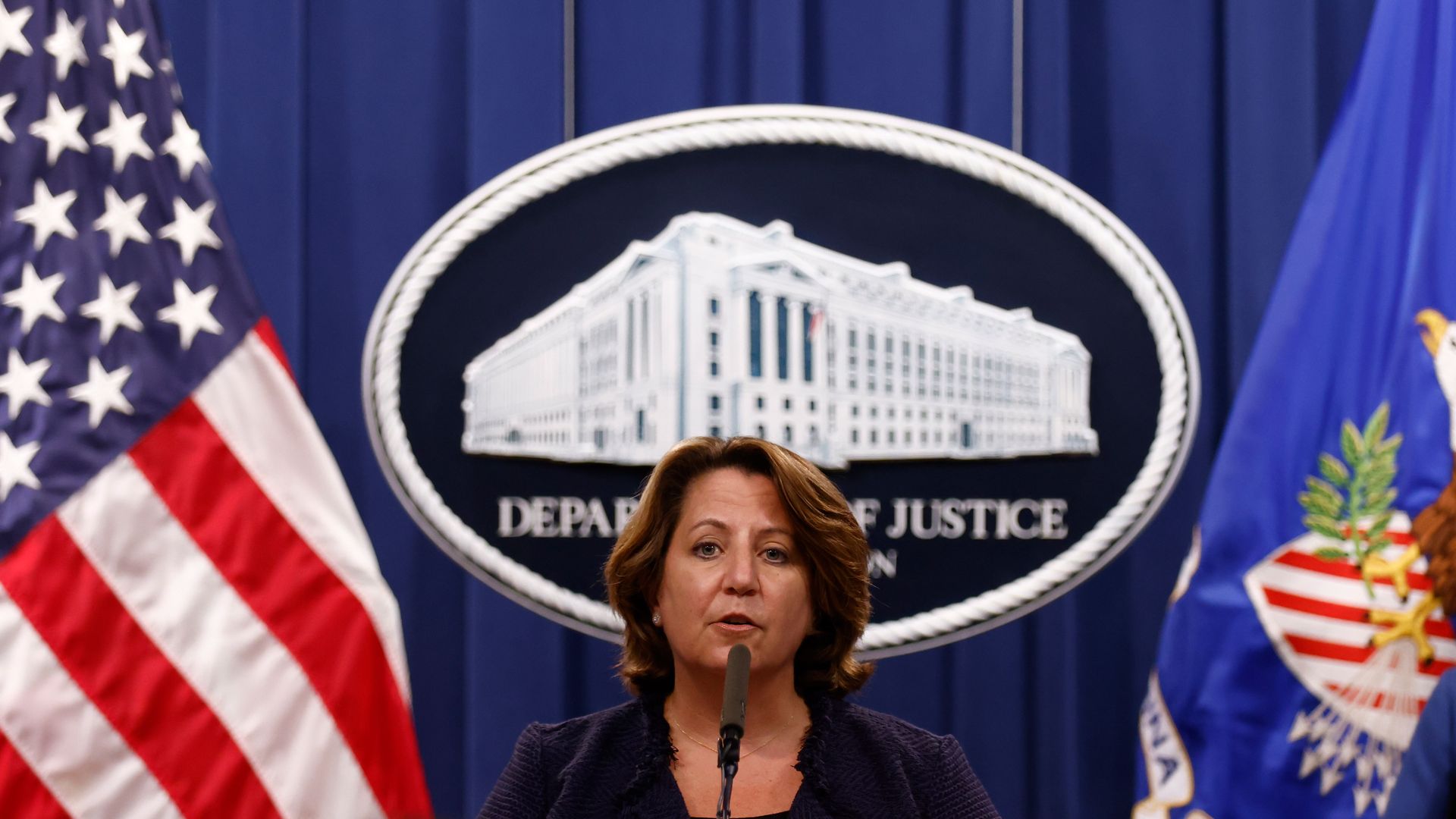
Why it matters: In remarks delivered Thursday, deputy attorney general Lisa Monaco noted that corporate crime has an "increasing national security dimension," due to the proliferation of cyber vulnerabilities and cases involving sanctions or export controls.
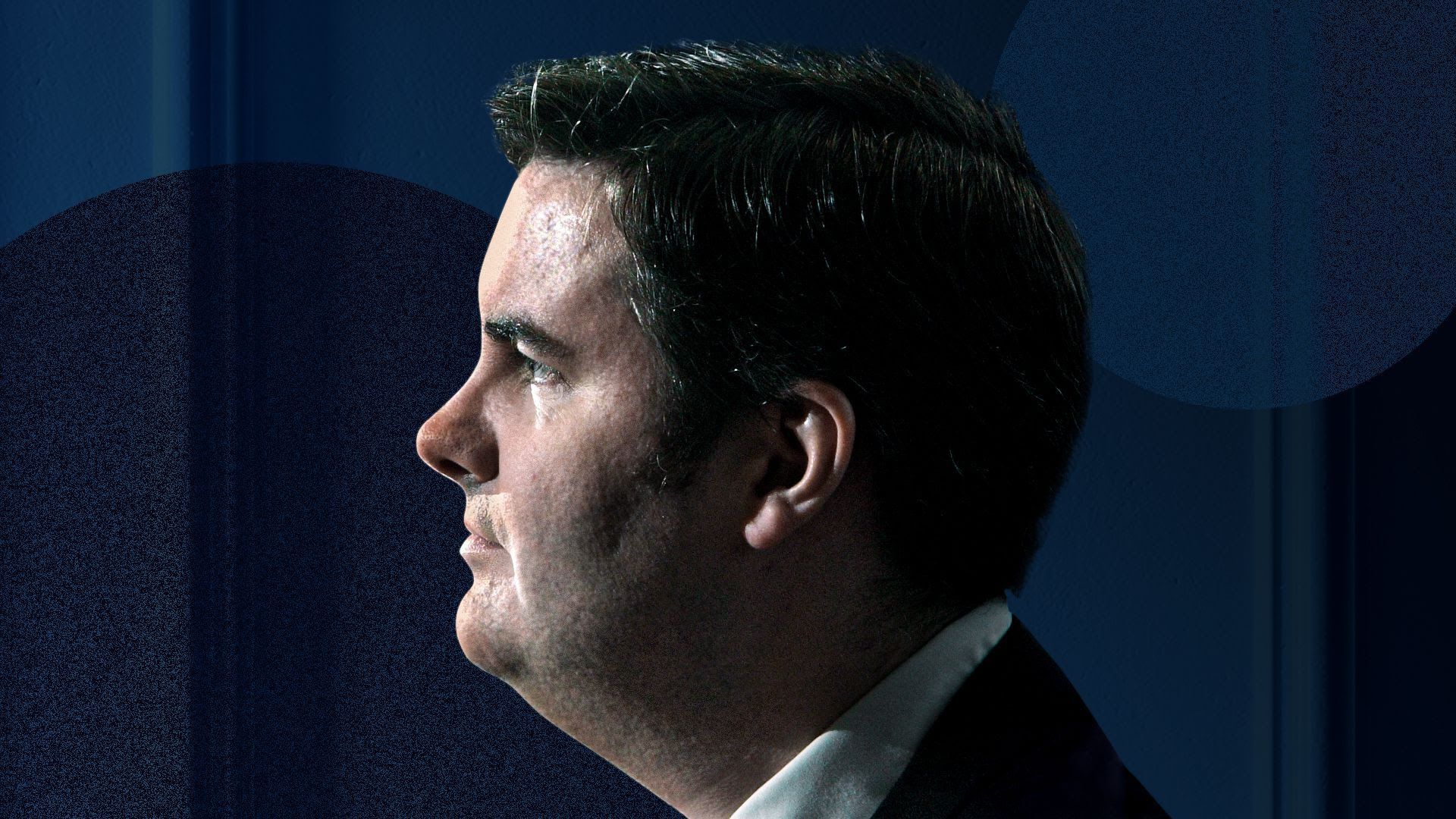
It's common for a single person to control a massive corporation, even when he (and it's invariably a he) holds only a minority economic interest. But there are limits to control, and controlling shareholders can lose their power surprisingly swiftly.
Why it matters: There's control within the four corners of the corporate bylaws — and then there's actual real-world ability to continue to control the corporation. Those can be two different things.
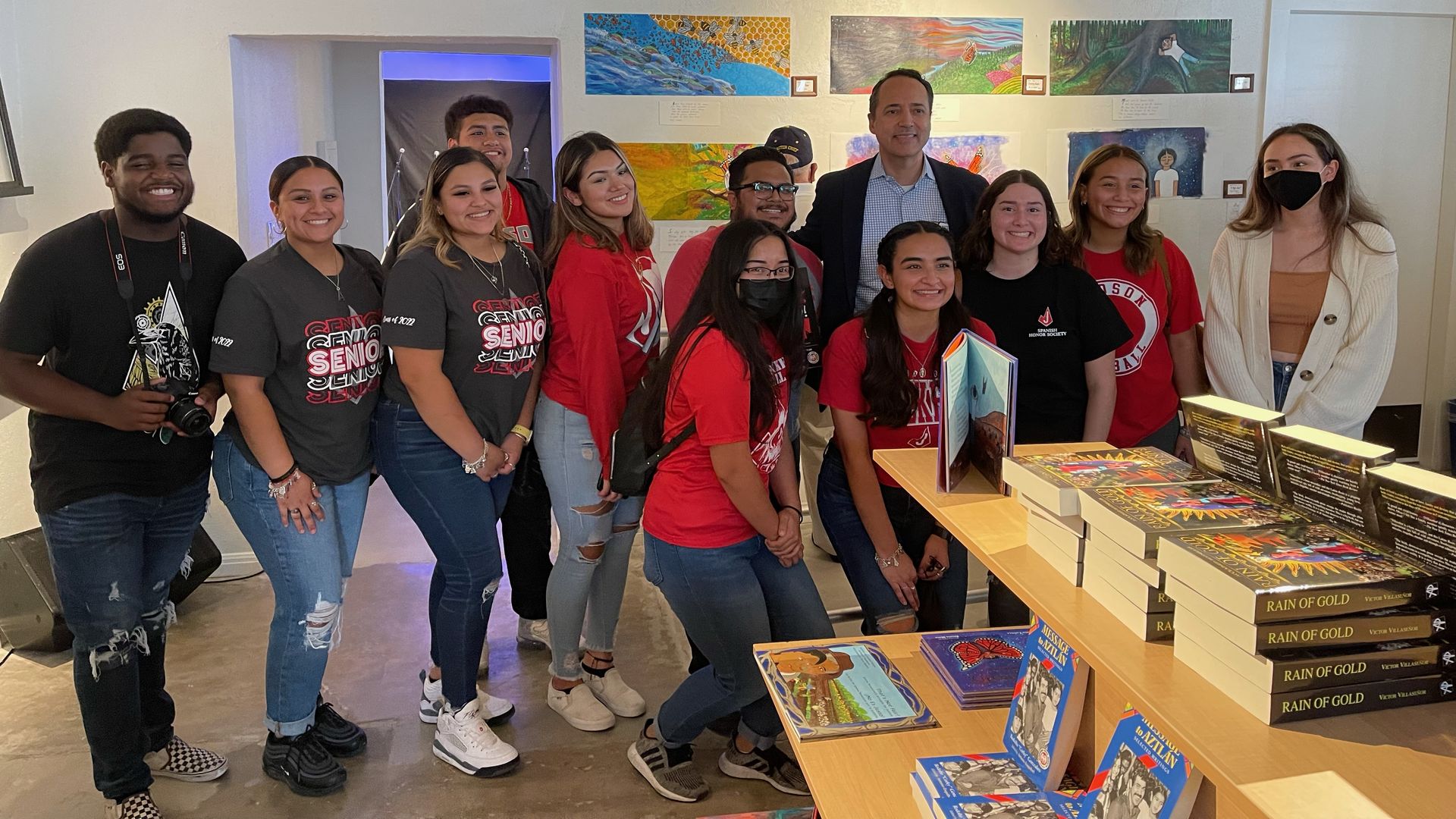
Novelist Tony Diaz and the Guadalupe Cultural Arts Center are bringing books to one of the poorest zip codes in San Antonio, Texas, with the launch of a bookstore.
Why it matters: The bookstore is meant to address book deserts in low-income, Latino neighborhoods and the lack of representation of Latino authors in "existing bookstores across the state and the country," the Guadalupe Cultural Arts Center said in a news release.
Kebony, a Norwegian startup that modifies softwoods to behave like tropical hardwoods, raised €30 million co-led by Jolt Capital and Lightrock.
Why it matters: This is less about the money, and more about an innovative effort to improve the construction industry's environmental efficiency and supply chains.
The U.S. economy increased at an annual rate of 2% in the third quarter, the Department of Commerce said Thursday.
Driving the news: The gross domestic product figures for July through September come in much lower than the 6.7% increase in the second quarter, reflecting the "continued economic impact of the COVID-19 pandemic," according to the Bureau of Economic Analysis at the Department of Commerce.
American Airlines is more aggressively leaning into sustainable aviation fuels and research into new propulsion technologies to reach its goal of net-zero emissions in 2050, the company tells Axios.
What’s new: The Fort Worth-based airline gave Axios a first look at new details on how it plans to get to net zero.
National governments are boosting clean energy funding in economic recovery packages, but not nearly enough to significantly alter the global emissions path, the International Energy Agency warns.
Driving the news: IEA's out with its latest "Sustainable Recovery Tracker," which tallies efforts to stitch climate-friendly spending into big COVID-19 rescue and recovery packages.
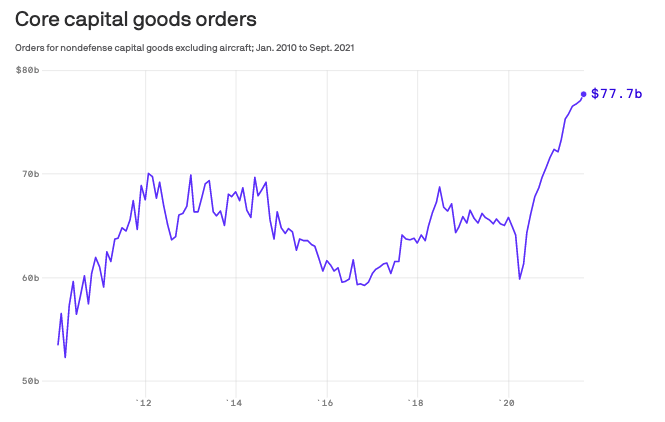
The willingness of businesses to invest in themselves shows no sign of slowing.
Driving the news: Core capital goods orders rose 0.8% in September, beating economist expectations for growth of around 0.4%, government data out yesterday show.
The wealth tax that wasn't a wealth tax isn't even a tax, now. The Democrats had a meticulously constructed 107-pageproposal to pay for a large chunk of their spending plans with a tax on billionaires, but it died ignobly on Wednesday, the same day it was unveiled.
Why it matters: The dream of a wealth tax will never die as it so neatly generates revenue by reducing inequality. But there are three main reasons why that dream is likely to remain just a dream for the foreseeable future.
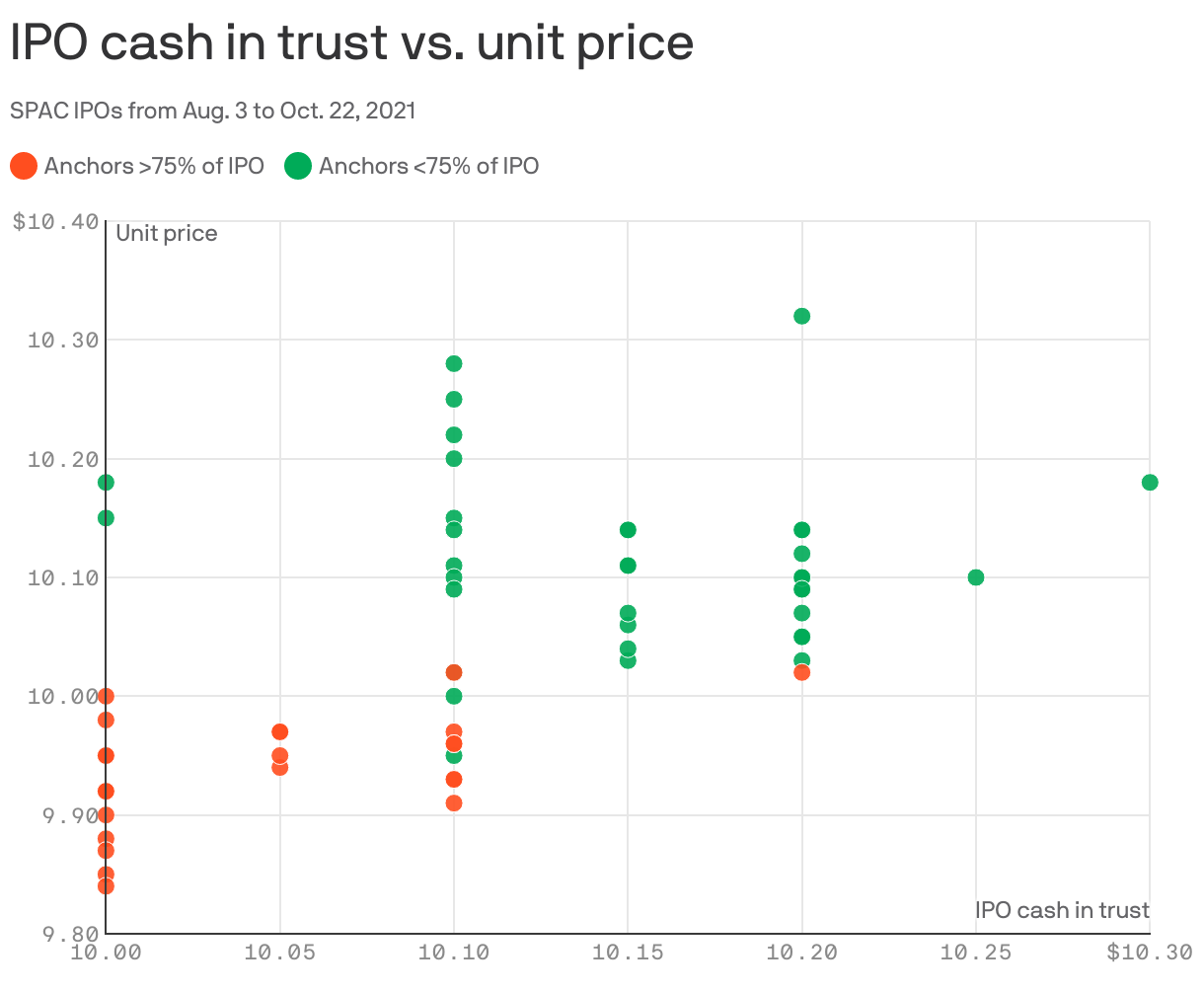
Reproduced from SPAC Research; Chart: Axios Visuals
Special purpose acquisition companies (SPACs) have increasingly turned to anchor investors to pull off IPOs — but it appears these backers tend to dump the stock soon after the offerings.
Driving the news: Deals in which at least 75% of the capital came from anchors have underperformed those in which anchors made up less than 25%, according to SPAC Research.
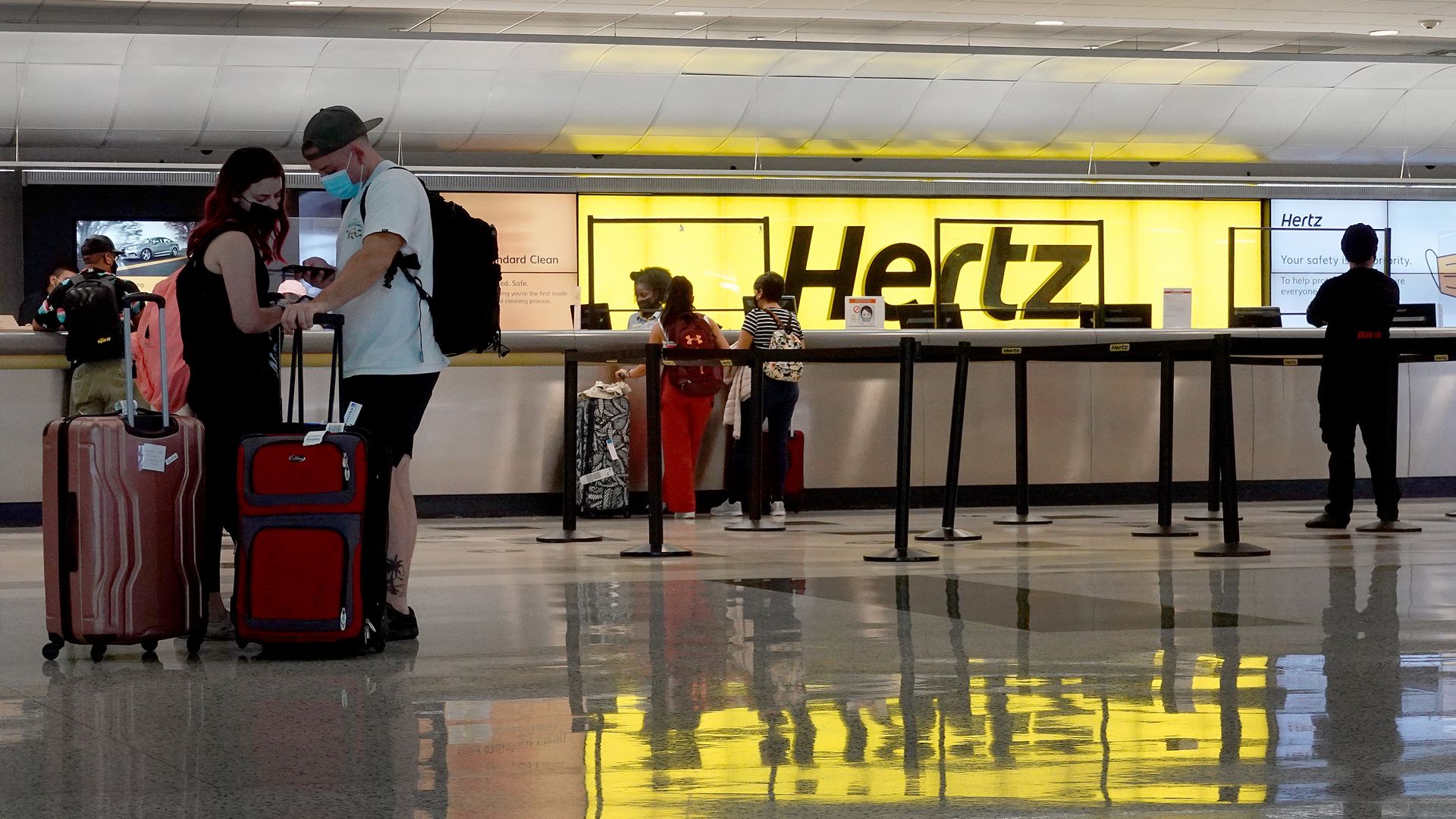
In the span of less than a week, Hertz has made three big strategic moves intended to keep the car rental giant from fading into oblivion.
Why it matters: Ride-hailing and other mobility innovations are rapidly changing the way people get from A to B, posing an existential threat to traditional car rental services.
As Facebook faces a sustained wave of critical coverage pushing the company to reform itself, it also confronts a law of corporate physics: Transforming a gargantuan company is nearly impossible.
The big picture: Facebook's critics — and some of its own employees, as internal documents have shown — say it has long prioritized growth and profits over safety. Shifting that kind of mindset in a large organization takes time and will — and the company has to really want it, which Facebook has yet to make clear.
As world leaders head for rainy Scotland this weekend for the global climate summit, many capitals already expect disappointing results.
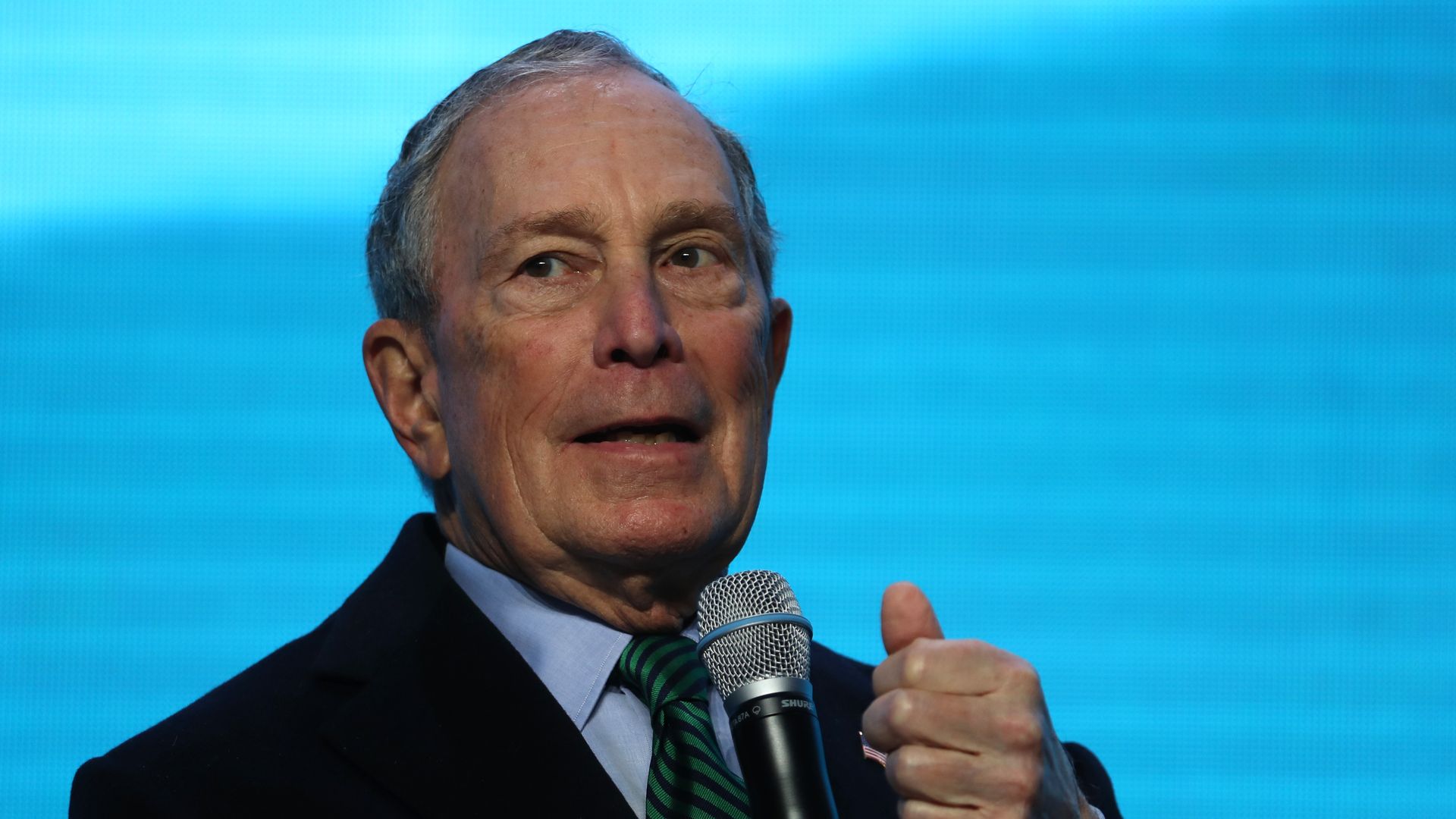
So a gathering later in November — this time in hot and humid Singapore, sponsored by former New York Mayor Mike Bloomberg — is already drawing attention as "what's next" for climate commitments.
Interest in IT and media jobs is surging, but no one wants to fill the sorely needed child care and home health roles.
Why it matters: Workers have the power, and some industries are struggling way more to hire than others, according to a new report from the jobs site Indeed. Labor shortages in those industries will continue to hobble the economy.
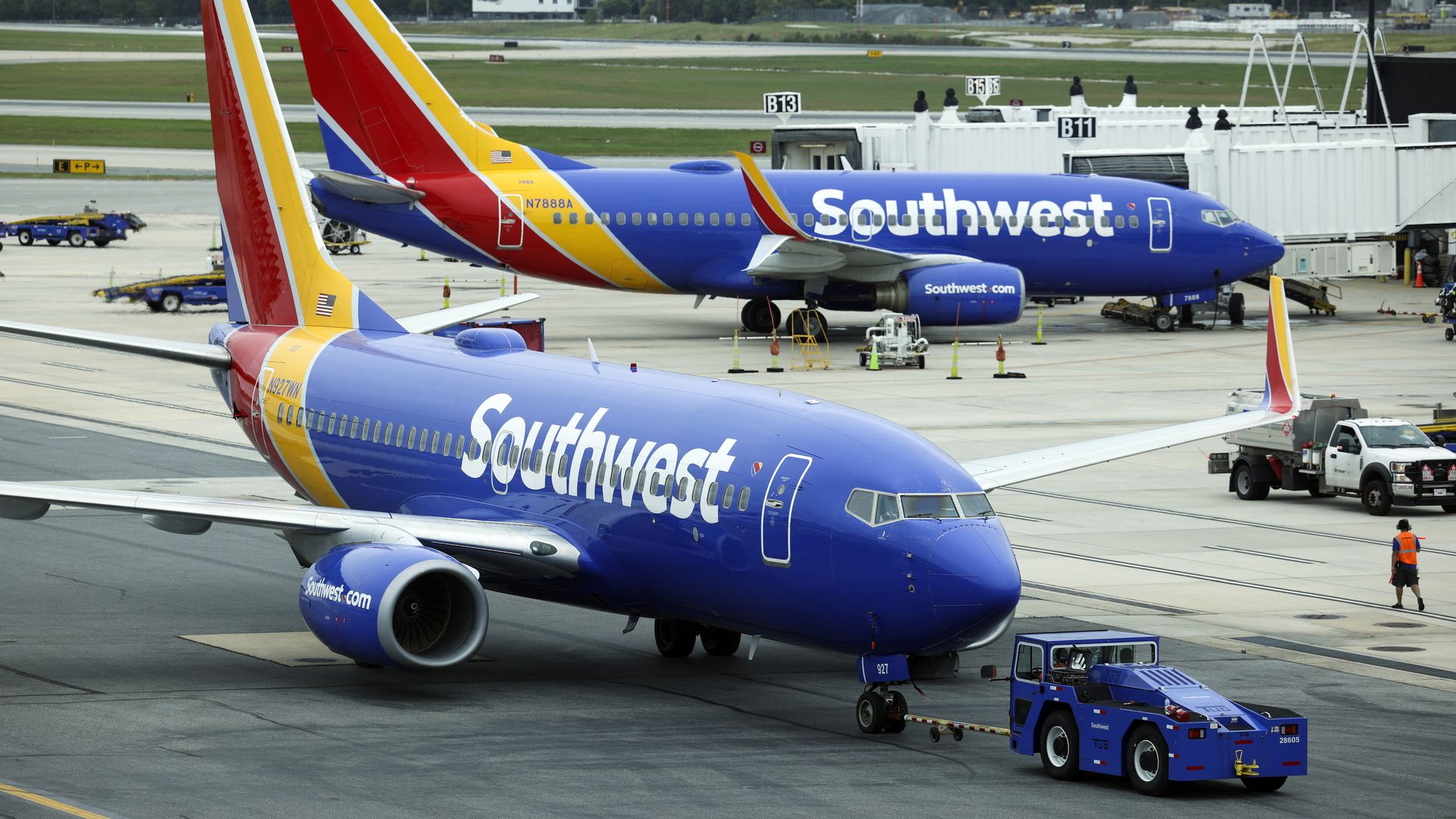
A judge ruled that Southwest Airlines can mandate its 9,000 pilots to be vaccinated against COVID-19, declining a union request for a restraining order on the policy, per AP.
Details: U.S. District Judge Barbara Lynn said in her ruling against the Southwest Airlines Pilots Association on Tuesday that the airline was meeting its goal on air transportation safety and "providing 'safe and reasonable working conditions' for pilots, by preventing the spread of disease" with the requirement, the Dallas Morning News noted.