U.S. securities regulators on Tuesday sued cryptocurrency giant Ripple, and both its CEO and executive chairman, for allegedly selling over $1.3 billion in unregistered securities. Ripple on Monday had publicly disclosed that the lawsuit was to be filed imminently, and said it does not believe its tokens needed to be registered.
Why it matters: XRP, the cryptocurrency created by Ripple in 2012, has the crypto industry's third-largest market cap at around $22 billion, behind only Bitcoin and Ether.
The Trump administration sued Walmart on Tuesday, accusing its pharmacies of not properly screening questionable painkiller prescriptions and filling them, ultimately fueling nationwide addiction.
Why it matters: The major retailer "knowingly filled thousands of controlled substance prescriptions that were not issued for legitimate medical purposes or in the usual course of medical practice," the Justice Department alleges.
Racial biases in technology and artificial intelligence can amplify discrimination in the housing market for people of color, president and CEO of the National Fair Housing Alliance Lisa Rice said at an Axios Event aired Tuesday.
Why it matters: AI is playing a larger role in housing decisions like tenant selections and loan approvals. The tech holds the potential to aid people of color and others who have historically faced discrimination on this front — but only with proper care for both algorithms and training data, Axios' chief technology correspondent Ina Fried wrote earlier this year.
Ripple, one of the world’s most valuable cryptocurrency companies, on Monday disclosed that the SEC plans to sue the company, its CEO and its executive chairman for allegedly selling unlicensed securities. [Update: The lawsuit was filed Tuesday afternoon]
Why it matters: This could put a chill on some crypto industry investment, as Ripple has no interest in settling fast and moving on. It also could mildly complicate the upcoming IPO for Coinbase, where XRP-to-dollar activity made up 15% of trading volume over the past 30 days (per Nomics).
Mike Smith, former COO and president at Stitch Fix, and Nikhil Basu Trivedi, previously a partner at Shasta Ventures, are raising $150 million for a new venture capital fund named Footwork, multiple sources tell Axios.
Backstory: The pair has known each other for several years since both serving on the board of Imperfect Foods.
Here's some levity to close out a difficult year, via my weekly Axios Media Trends newsletter:
December 16,The Associated Press: "In a story on December 15, 2020, about the Mexican and Brazilian presidents congratulating U.S. President-elect Joe Biden, The Associated Press erroneously reported that Biden’s first name is Jose. His name is Joe."
November 10,The New York Times: "An earlier version of this article misstated the activity on QAnon message boards on 8kun. One of the message boards about QAnon had fewer new posts than the board for adult-diaper fetishists, not the most active QAnon board."
October 30,The New York Times: "An earlier version of this article misstated who painted the cover artwork for Salem's "Fires in Heaven." It is Nicole Besack, not John Holland. It also incorrectly described what Jack Donoghue was doing during the interview. He was not vaping."
April 26,The Baltimore Sun: "The images in the 'Spot the difference' feature in the Sunday, April 26, editions were mistakenly the same image and not in fact different. The Baltimore Sun regrets the error."
April 24,The New York Times: "We've deleted an earlier tweet and updated a sentence in our article that implied that only "some experts" view the ingestion of household disinfectants as dangerous. To be clear, there is no debate on the danger."
Sign up here for Media Trends, out Tuesday mornings.
Video games have long provided players with a chance to escape reality, but in 2020, they took on much larger roles, serving as exercise companions and social gathering places — filling urgent needs in this coronavirus-altered year.
Why it matters: 2020's transformations will likely outlast the pandemic. While some people who boosted their video game use this year will scale back, others will keep gaming in a central place in their lives.
IAC, the internet holding company chaired by media mogul Barry Diller, announced to shareholders on Tuesday that it plans to spin off video service Vimeo.
Why it matters: It's the second major company that IAC has spun off this year, having done so with dating company Match Group in July. The 15-year-old Vimeo started as a platform for indie filmmakers, and now mostly makes money selling enterprise video software to companies.
Snapchat had its best year in 2020, adding 31 million daily active users and increasing its stock price from roughly $16 in January to more than $52 today. It also avoided most of the drama and regulatory scrutiny that its competitors faced around things like content moderation, bias, and privacy.
The big picture: The pandemic accelerated underlying trends favorable to Snap.
The conservative media company that owns BlazeTV has quietly been building a massive subscriber base, a direct threat to any digital TV effort being floated by President Trump and his allies, sources tell Axios.
By the numbers: Blaze Media — which was created as a result of the 2018 merger between The Blaze, a pay-TV network founded by Glenn Beck, and CRTV, an online subscription network that owns Conservative Review — now has 450,000 paid subscribers to BlazeTV, paying on average $102 a year.
The European Commission adopted a recommendation on Tuesday calling on the bloc's 27 member states to lift blanket bans on flights and travel from the U.K. in order to "ensure essential travel and avoid supply chain disruptions," while also discouraging non-essential travel.
Why it matters: A new coronavirus variant in England found to be 70% more transmissible prompted dozens of countries to ban travel from the U.K. this week, in a scene reminiscent of the early days of the pandemic.
Spotify's enormous investment in the podcast space over the past two years has left the streamer poised to become a leader in audio advertising.
Why it matters: Having watched how companies like Facebook and Google built up the digital ad ecosystem, Spotify's Jay Richman, who heads the company's ads business and platform, says the streamer is determined not to focus on scale over quality.
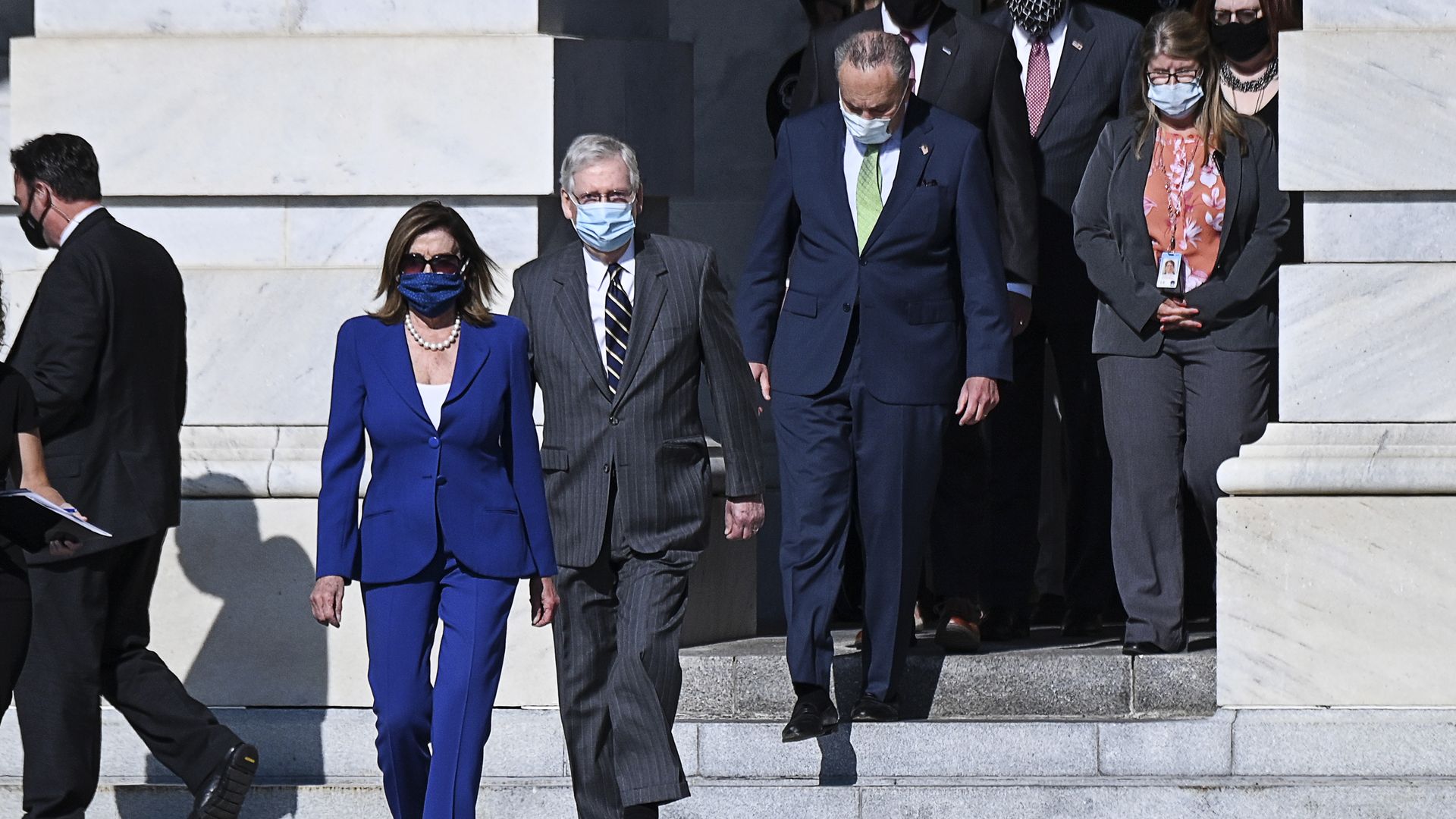
The House and Senate passed a $900 billion coronavirus relief bill and a $1.4 trillion government funding measure Monday night after months of gridlock on Capitol Hill.
Why it matters: The bill’s passage comes before many of the existing coronavirus relief measures were set to expire on January 1. It also staves off a government shutdown.
Unreliable news websites significantly increased their share of engagement among the top performing news sources on social media this year, according to a new analysis from NewsGuard provided to Axios.
Why it matters: Quality filters from Big Tech platforms didn’t stop inflammatory headlines from gaining lots of traction, especially from fringe-right sources.
The U.S. trade and current account deficits are at their deepest level since 2008.
Why it matters: America's underwater trade position was one of the defining complaints of Donald Trump's 2016 presidential campaign, and the Trump administration has spent the past four years waging trade wars in a futile or even counterproductive attempt to turn it around.
Tesla is now more valuable than the combination of the world’s top seven traditional auto makers, despite only delivering half a million cars this year.
Why it matters: Anyone searching for evidence that the stock market and the real economy are not the same thing, should look no further.
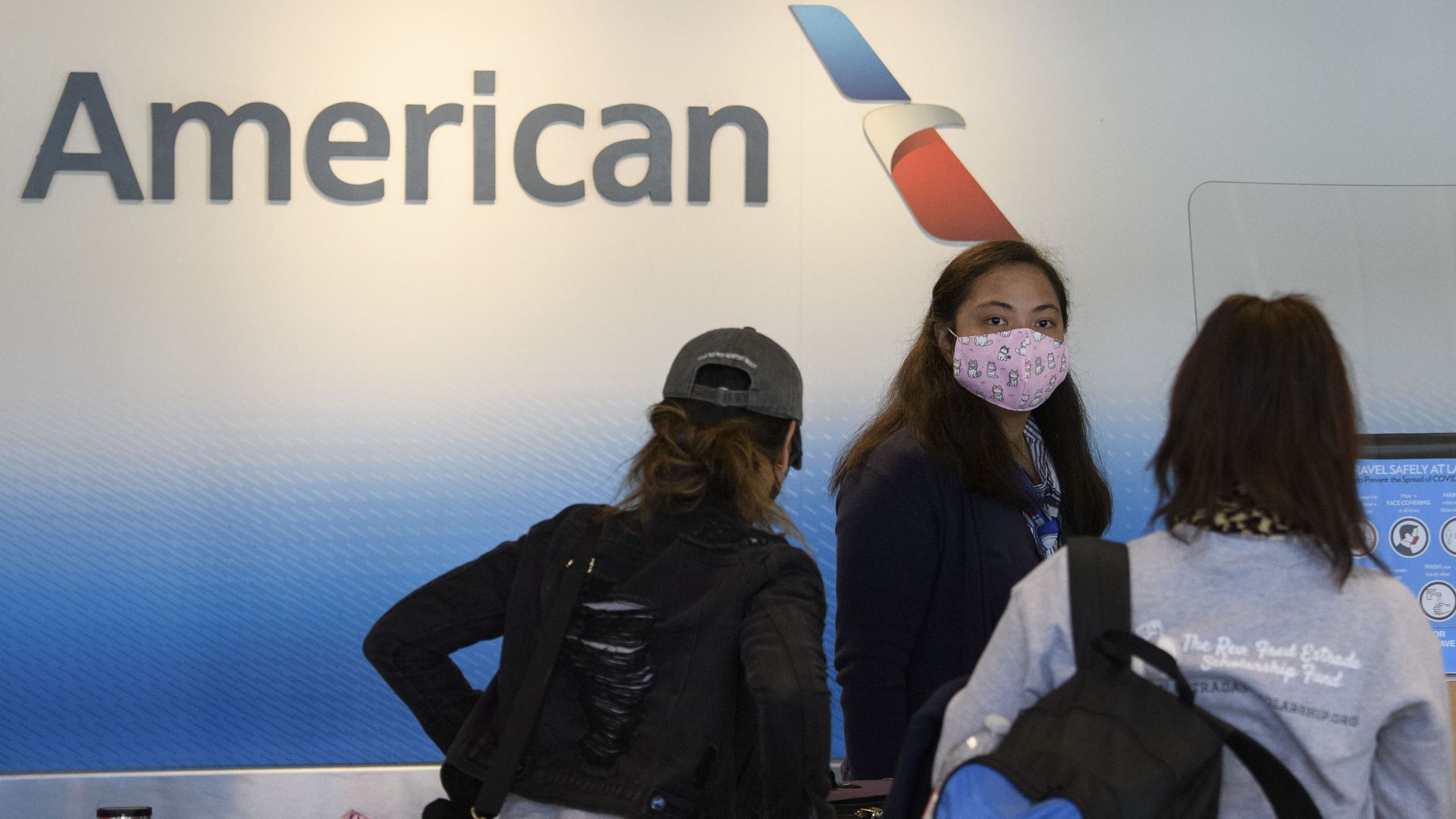
Why it matters: Airline workers again scored a special carve-out in Congress' latest coronavirus relief package by arguing that aviation — and the role airlines will play in delivering COVID-19 vaccines — is essential to the U.S. and its economy.
Crypto company Ripple announced on Monday that it's expecting a lawsuit from the U.S. Securities and Exchange Commission over its sale of XRP, the cryptocurrency it created.
Why it matters: If filed, it would be the highest-profile lawsuit of its kind. The SEC has sued a number of cryptocurrency companies in recent years over what it has deemed illegal sales of securities.