New findings from the U.S. Census Bureau paint a bleak and detailed picture of how coronavirus is hitting small businesses.
The big picture: Half describe major suffering, nearly half don’t have enough cash to go more than a month, and the worst-hit state — Michigan — also is a key battleground for the November election.
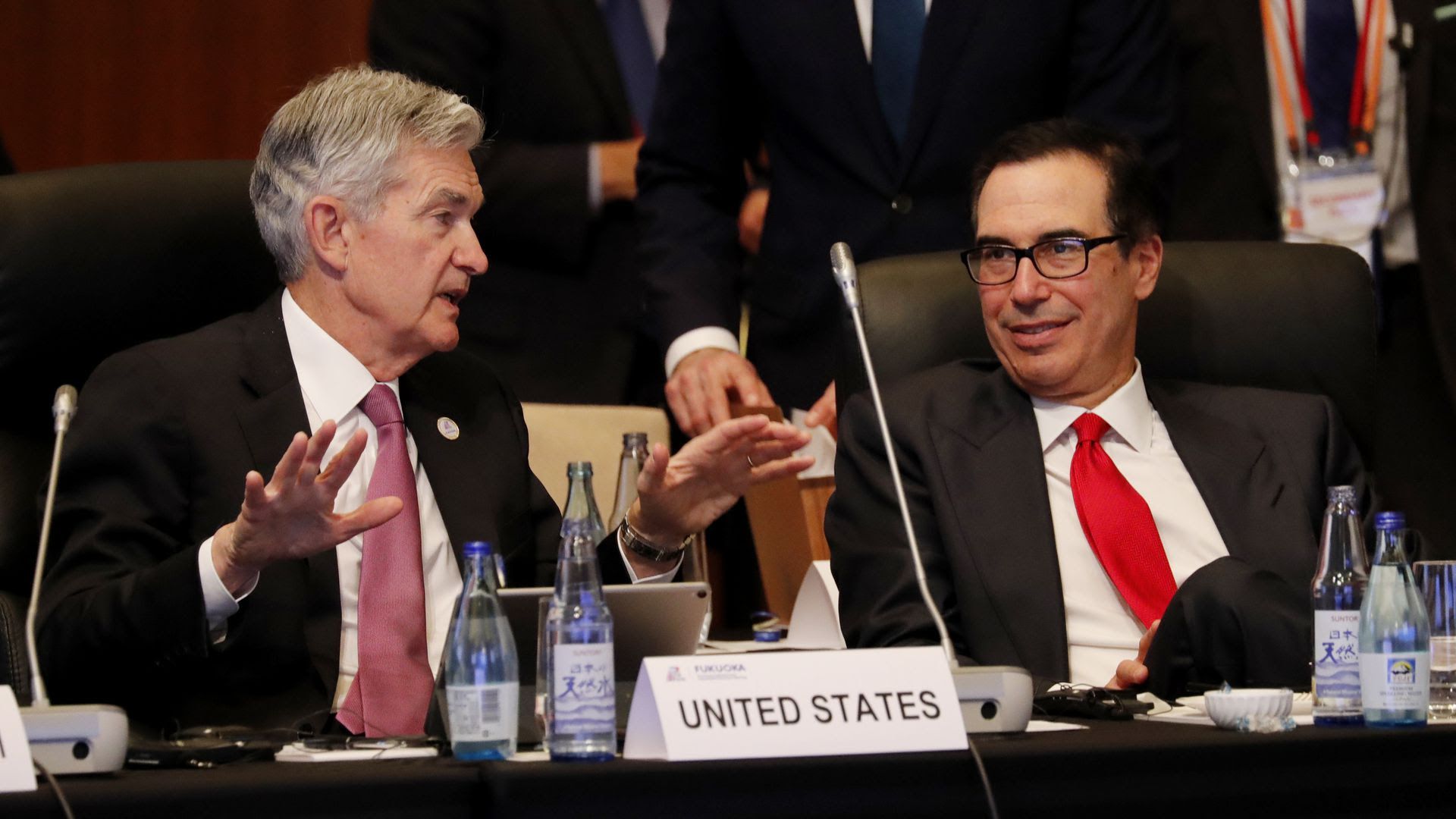
Treasury Secretary Steven Mnuchin and Federal Reserve chairman Jerome Powell will both testify before the Senate Banking committee next Tuesday as part of oversight of the CARES Act, which requires them to give quarterly updates to Congress on economic programs.
Why it matters: The Treasury and the Fed have been closely linked amid the downturn. Mnuchin at one point was speaking to Powell "30 times a day." This hearing will be the first time since the coronavirus crisis began that the pair will publicly — albeit virtually — appear together.
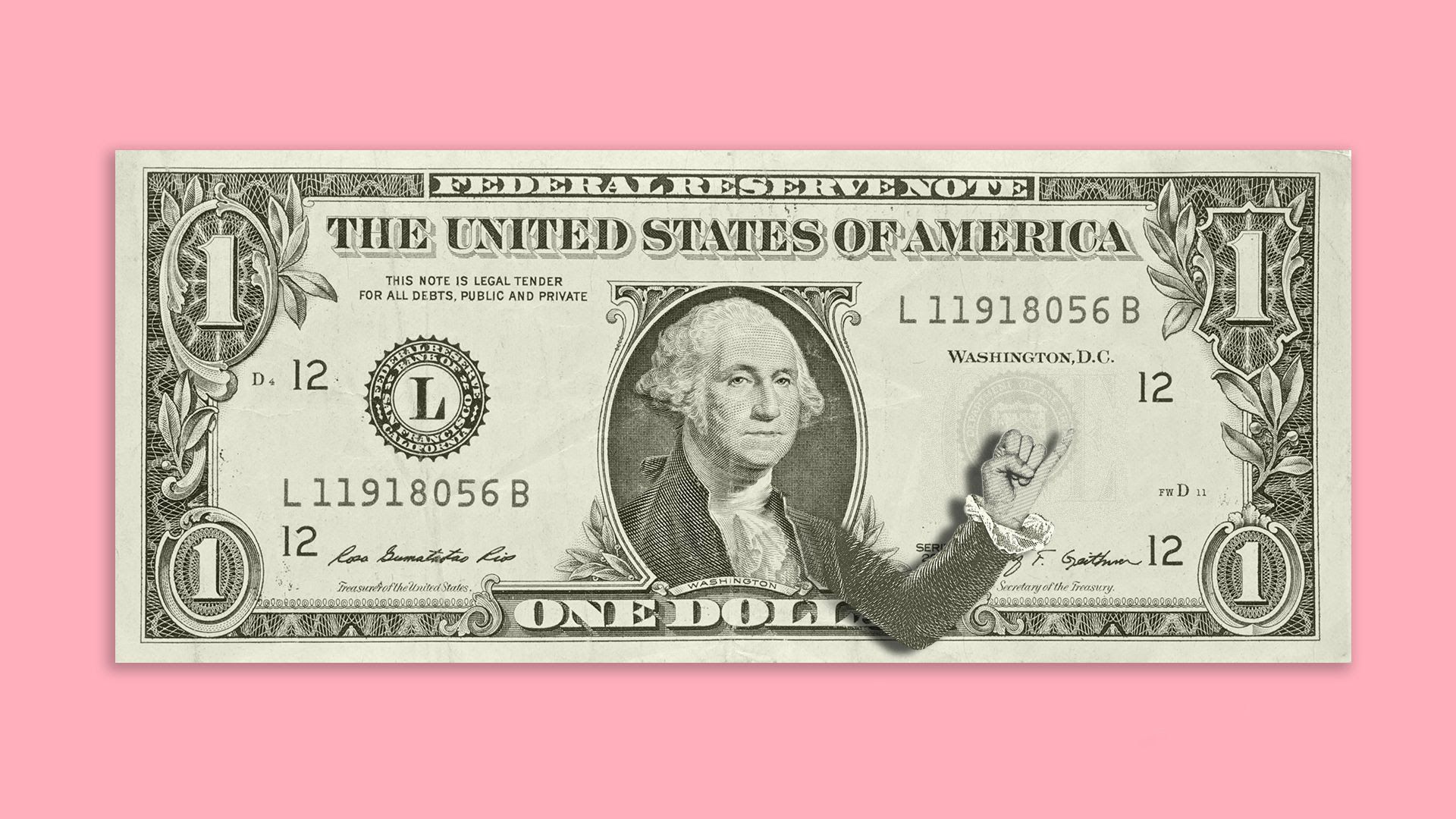
America's small businesses are breathing much more easily now that the government has announced that anybody borrowing less than $2 million under the PPP will simply be presumed to have needed the money.
By the numbers: The new guidance, as laid out in the answer to question 46 of the official FAQ, applies to 4,198,656 of the 4,232,534 loans issued through May 8. That's more than 99% of all the PPP loans.
Foremost among Fed chair Jay Powell's achievements during this crisis is that he has fixed a broken corporate bond market. Large businesses with access to capital markets are able to borrow what they need to cover their near-term losses. Impressively, he managed to do so without buying a single corporate bond, at least until this week.
Details: The Fed announced key measures to ensure well-functioning markets on March 23. The Secondary Market Corporate Credit Facility, in particular, unfroze the bond markets: It reassured investors that the Fed would ensure the liquidity they require when they lend money to corporations.
Restaurants are slowly being allowed to reopen — with restrictions. In Australia, for instance, dining rooms can serve no more than 10 patrons at a time, and each customer needs at least 43 square feet of space.
That's resulted in Frank Angeletta, the owner of Five Dock Dining, putting cardboard cutouts of diners at tables that would otherwise be disconcertingly empty.
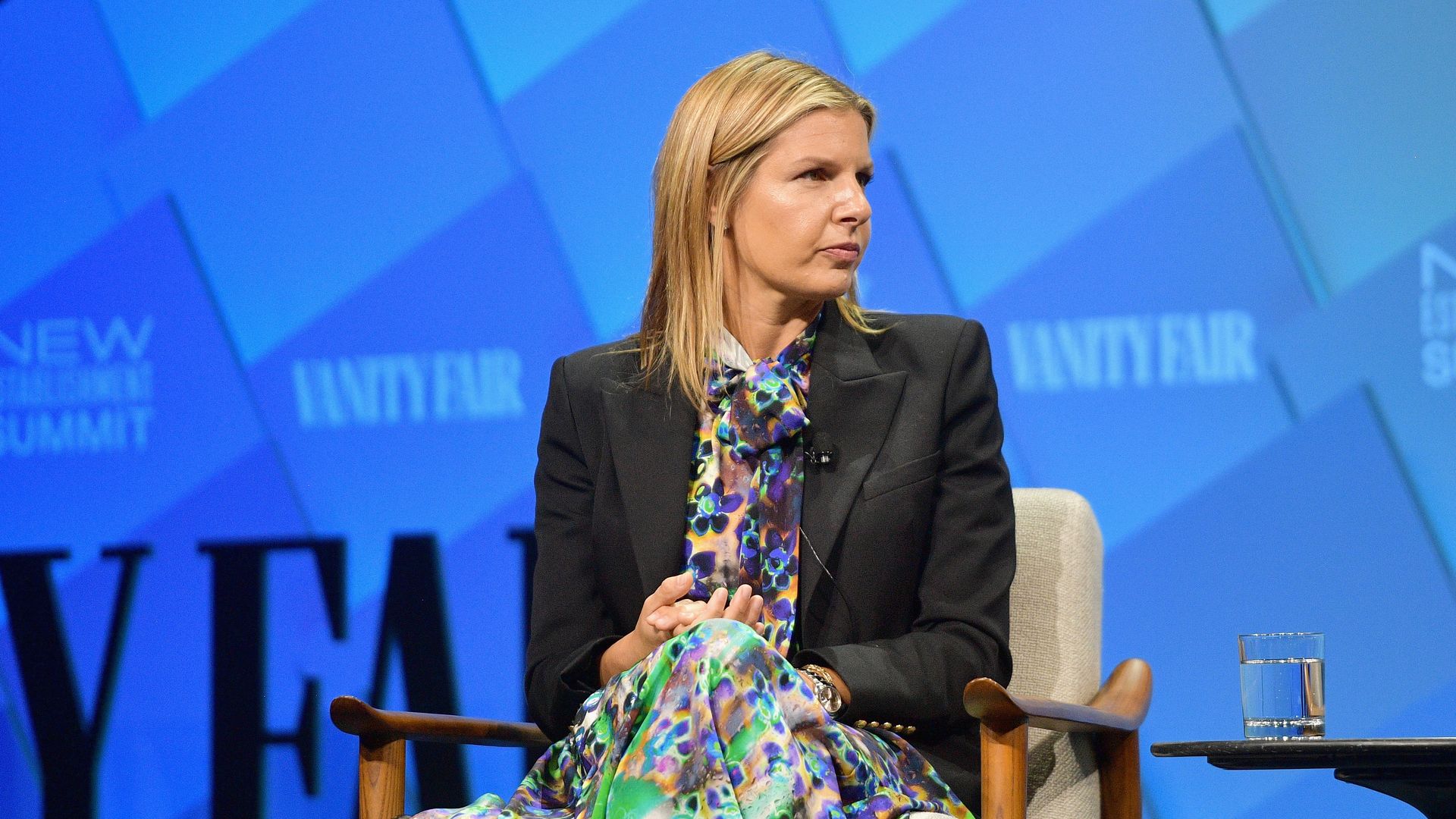
Industries need to adapt to be able to bring down the risk of viruses and pathogens while also rebuilding consumer confidence during the coronavirus pandemic, Caryn Seidman-Becker, CEO of biometric identity company CLEAR, said at an Axios virtual event on Thursday.
The big picture: Seidman-Becker said that many of these needs are the same that emerged following the 9/11 attacks: safety and ease. She said biometric technology and linked information could be used to increase consumer confidence as stadiums and workplaces reopen.
Megacatastrophes, or megacats, as they're known in the insurance industry, are events that hit millions of people at once and cause hundreds of billions of dollars in damage.
Why it matters: The COVID-19 pandemicis much worse than a megacat — it has hit billions of people and is causing tens of trillions of dollars in damage. But don't worry about the insurers. They're doing just fine.
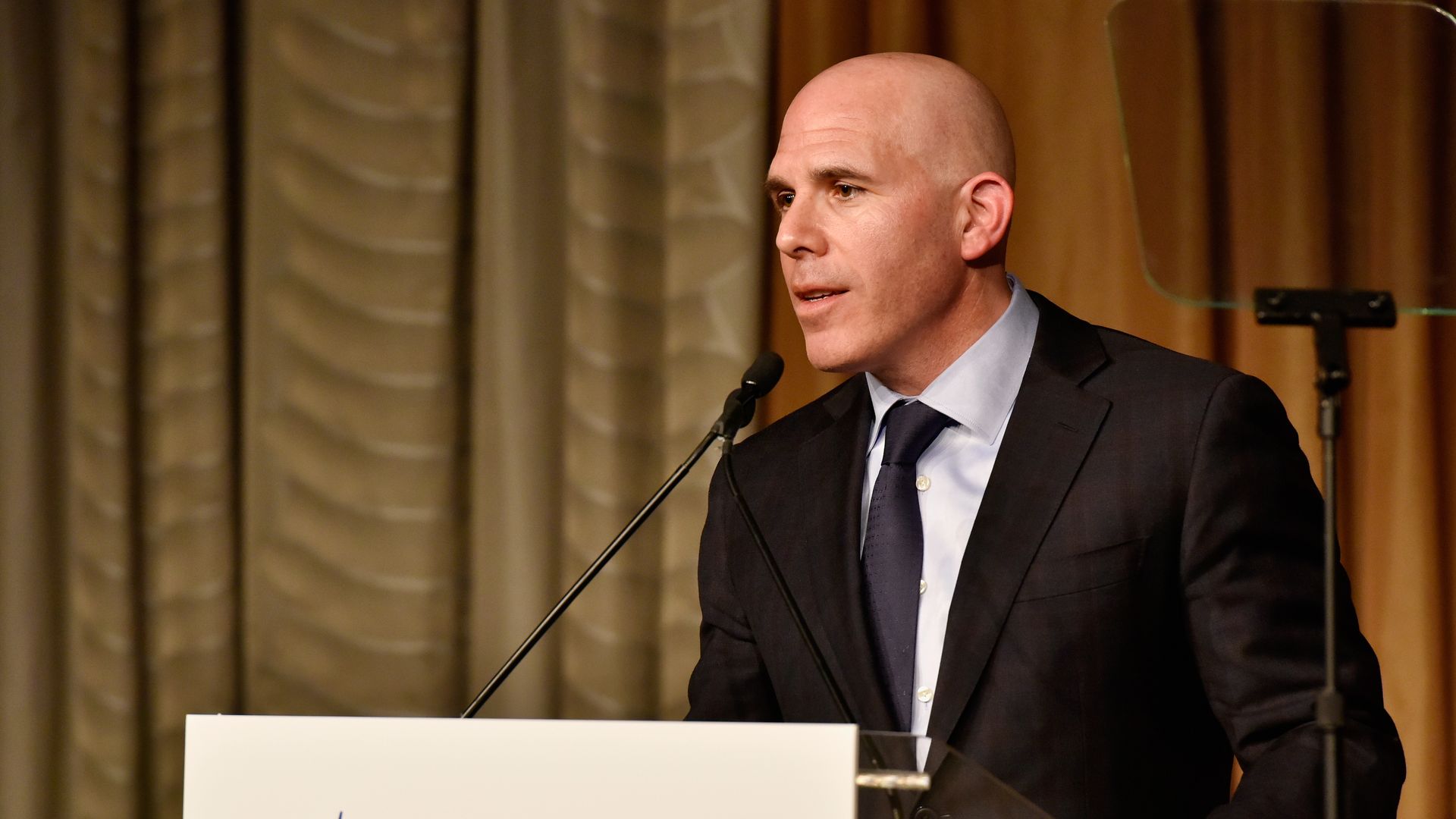
Businesses will have to "recalibrate reality" as they move forward during the coronavirus pandemic, Scott Rechler, the chairman and CEO of commercial realtor RXR Realty, said during an Axios event.
What he's saying: Rechler said the buildings his company manages will use data to establish health indexes, use thermal scanners and have a wellness concierge in place in building lobbies to ensure that workers feel comfortable returning.
The average small business had just 15 days of cash buffer before the coronavirus pandemic. Dan digs into what this means for small business today with Chris Wheat of the JPMorgan Chase Institute.
House Democrats on Tuesday released a $3 trillion phase 4 coronavirus relief proposal that would provide $500 billion to state governments and $375 to local governments — welcome news to local leaders who've been pushing hard for funds as city coffers run dry.
Where it stands: The fate of the package is uncertain, as it hasn't been negotiated with House Republicans and the Trump administration.
Fitch is expecting to cut the ratings on a record high number of companies this year as the pace of downgrades has "dramatically increased, owing to the economic crisis caused by the coronavirus pandemic," analysts note in a recent report.
The state of play: After just 58 downgrades in the first 10 weeks of 2020, there have been an additional 347 corporate and financial institution issuers downgraded for a total of 405 through the end of April.
A Delaware judge this afternoon will hear arguments on a case that could help determine the fates of dozens of pending mergers that were signed prior to the pandemic. It also could permanently change how future investment agreements are written.
The big question: Must the parties have explicitly identified "pandemic" in claiming a material adverse effect, or are the results of the coronavirus pandemic included under changes arising from "national or international political or social conditions?"
JCPenney is planning to file for Chapter 11 bankruptcy protection as early as tomorrow, and reportedly is negotiating a $450 million debtor-in-possession financing package with existing lenders.
Why it matters: This would be the month's third major retail bankruptcy, following J. Crew and Neiman Marcus, but by far the largest. The 118 year-old department store has 846 stores that had employed around 90,000 people.
Another 2.98 million Americans filed for unemployment last week, the Labor Department said on Thursday.
Why it matters: The coronavirus is still forcing a historically high number of Americans out of work. In two months alone, more than 36 million people have filed jobless claims.
Data: U.S. Employment and Training Administration via FRED; Chart: Andrew Witherspoon/Axios
Costs for American vendors fell by the most since 2015 on a year-over-year basis and by the most since 2009 when measuring the month-over-month change last month.
Why it matters: The decline in U.S. producer prices was far more than expected and could bolster some economists’ predictions for a brief period of deflation as the novel coronavirus depresses demand.
After the House of Representatives released a proposed $3 trillion relief bill on Tuesday, Fed chair Jerome Powell weighed in, backing calls for Congress to do more to battle the economic impact of the coronavirus pandemic.
Why it matters: Expectations for the pandemic-fueled recession are morphing from a short-term downturn to a potentially yearslong slog and economists are urging policymakers to adjust government spending accordingly.
The latest reading of a daily economic sentiment indicator from data firm CivicScience and consulting firm Hamilton Place Strategies finds Americans' overall confidence has reached a crossroads and is holding steady.
What it means: The index is made up of confidence readings in different sectors and responses have sharply diverged in recent weeks.
Snapchat is working to get younger users to register to vote ahead of the 2020 general election, executives tell Axios.
Why it matters: The company was able to successfully register 450,000 people through its app during the 2018 midterms. Now, new data shows that 50% of those registered actually went out and casted ballots.
U.S. auto sales, which tanked at the end of March amid widespread stay-at-home orders, have been steadily recovering, fueled by strong demand for trucks and generous incentives like 0% loans and deferred payments.
Why it matters: As economists debate the shape of a U.S. economic recovery, auto sales could be an important barometer. The auto industry represents about 3% of GDP, and a healthy rebound in car and truck sales could be encouraging for other consumer sectors.



/2020/05/14/1589486321158.gif?w=3840)