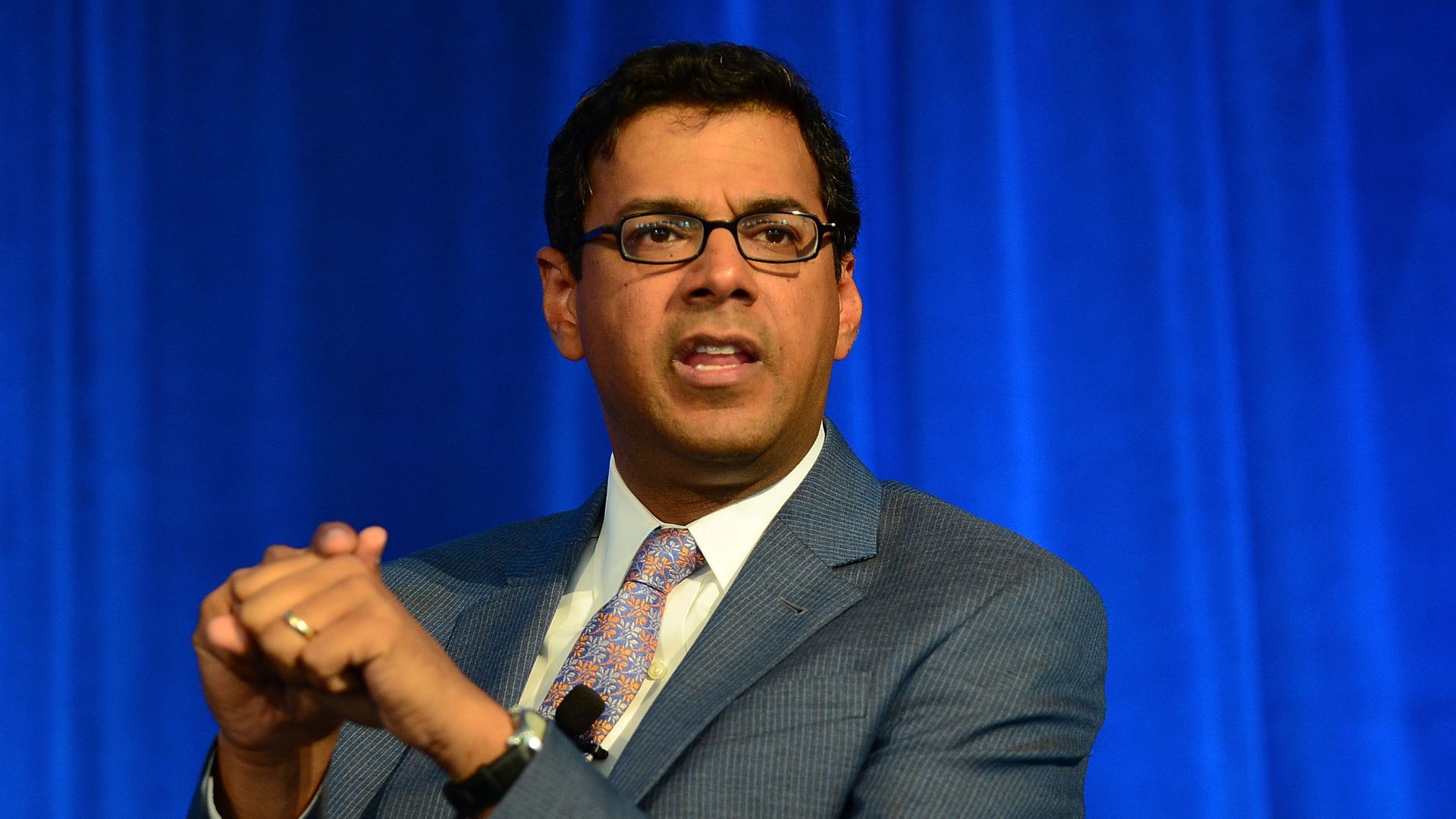
Famed surgeon and writer Atul Gawande has formally resigned as CEO of Haven, the health care venture started by Amazon, Berkshire Hathaway and JPMorgan Chase. Gawande, whose departure was first reported by the Wall Street Journal, will stay on as the company's' chair.
The big picture: Haven whipped the health care industry into a frenzy when the billionaire chiefs of Amazon, Berkshire and JPMorgan first put it together, but the company has not rolled out any ideas publicly in its two-year existence and has been involved in litigation with a competitor.
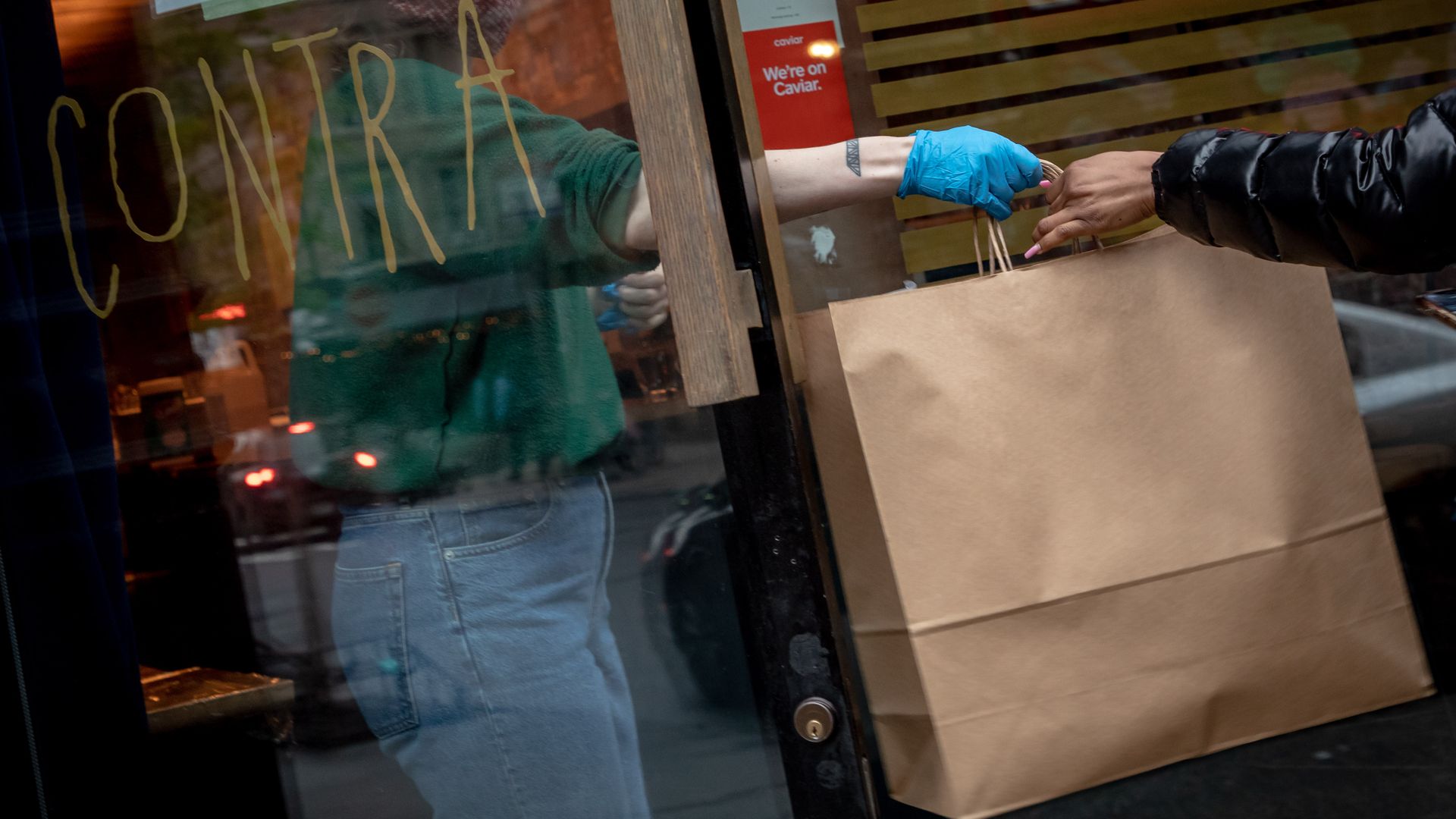
Why it matters: As restaurants turn to delivery and pickup to weather the COVID-19 storm, food delivery apps have been criticized for making it difficult for those eateries to stay afloat because of steep fees.
Jeffrey Katzenberg and Meg Whitman’s new streaming platform failed to meet its high launch expectations. Dan and Axios media reporter Sara Fischer discuss what went wrong for Quibi, how much of it should be blamed on the coronavirus, and what comes next.
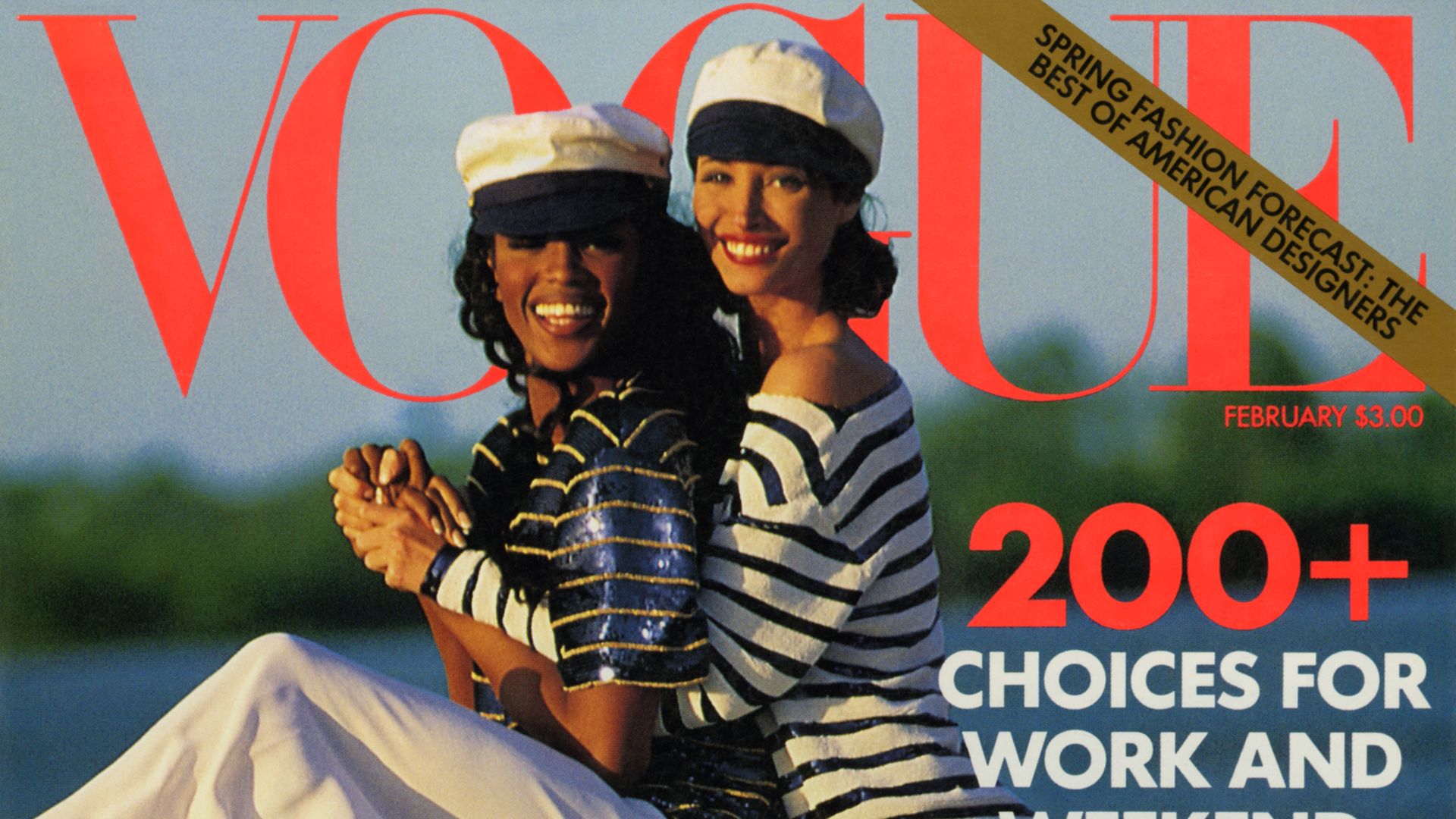
Condé Nast, the media publisher known for its high-end magazine products like Wired, Vogue, The New Yorker, GQ, Glamour, Architectural Digest, Vanity Fair and more, said Wednesday that it plans to lay off 100 U.S. employees and furlough about 100 more.
Why it matters: It's the latest media company forced to take drastic measures to survive the economic fallout of the coronavirus. Magazine publishers in particular have been hit hard, as their businesses were vulnerable to sweeping changes for years prior to the pandemic.
Two months ago today, we wrote in this space that U.S. venture capitalists claimed to still be open for business, even if they were now working from home.
Fast forward: Investment activity remains vibrant, but off approximately 25% from pre-pandemic levels, according to data provided to Axios by PitchBook.
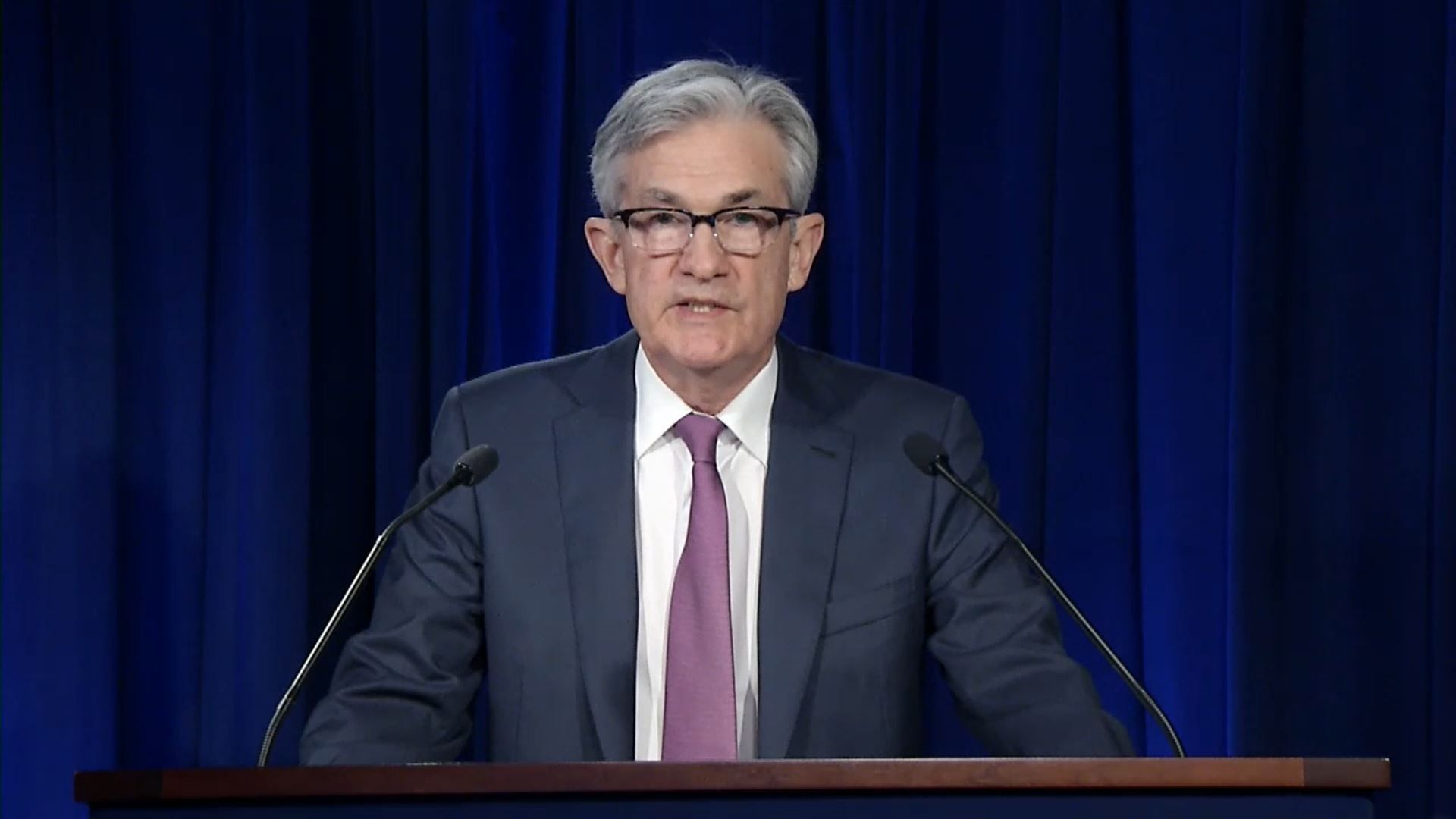
Federal Reserve Chairman Jerome Powell said Congress may need to do more to prevent a worse economic downturn triggered by the coronavirus pandemic, in an interview with the Peterson Institute's Adam Posen on Wednesday.
Why it matters: Powell warned of dire economic consequences without additional stimulus. While the Fed has responded to the pandemic with the most aggressive policy actions in the central bank's history, it doesn't have the power to get money directly in the hands of Americans and businesses in the form of grants like Congress does.
The core consumer price index, which excludes volatile food and energy costs, fell 0.4% in April, the biggest drop in the index on record, dating back to 1957. Compared with April of last year, the core CPI rose 1.4%, the smallest annual gain since 2011.
The state of play: March's core CPI reading was also negative, marking the first back-to-back negative prints since 1982.
The New York Fed's new weekly economic index fell to -12 for the week ended May 9, dropping from -11.14 the previous week. The index's decline is now three times greater than the worst contraction seen during the Great Recession.
What it means: "The WEI is an index of real economic activity using timely and relevant high-frequency data," per the N.Y. Fed. "It represents the common component of ten different daily and weekly series covering consumer behavior, the labor market, and production."
Economic experts including Fed chair Jerome Powell, IMF chief economist Gita Gopinath and a multitude of top market analysts and economists have been saying for weeks that a quick economic recovery is a "fantasy" and likely at least a year away.
The state of play: Average Americans aren't listening, and many are still banking on a V-shaped bounceback from the coronavirus pandemic once lockdown orders are lifted.
Equity investors are beginning to sound the alarm on the stock market's big gains over the last month and a half, with even longtime bulls saying the nearly 30% run may have gotten "a little ahead of itself" and away from economic fundamentals.
What they're saying: Stan Druckenmiller, the former chief strategist for George Soros, called the prospect of a V-shaped recovery in the U.S. a “fantasy” during a webcast Tuesday and said government stimulus won’t be enough to overcome real-world problems.
Nearly two thirds of college students say they would attend in-person classes if colleges reopen in the fall, even if there is no coronavirus vaccine or cure, according to a new College Reaction poll.
Why it matters: The findings suggest that even when faced with the prospect of packed-in lecture halls without a vaccine, most students want to get back to their classes and have an actual college experience, not a virtual one.
Roughly 27 million people have likely have lost job-based health coverage since the coronavirus shocked the economy, according to new estimates from the Kaiser Family Foundation.
Why it matters: Most of these people will be able sign up for other sources of coverage, but millions are still doomed to be uninsured in the midst of a pandemic.
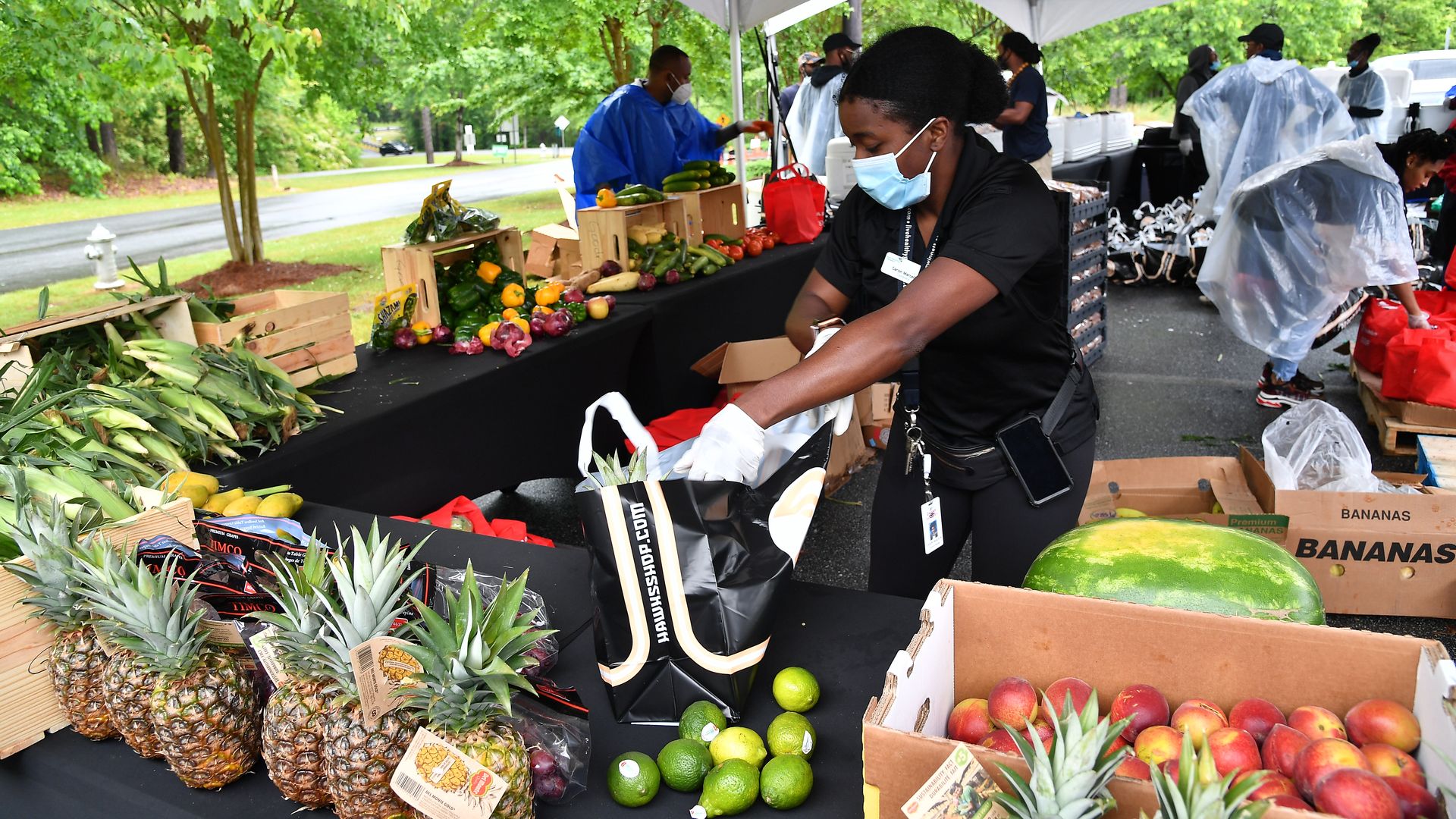
Grocery staples in the U.S. cost more in the last month than in almost 50 years, according to new data out Tuesday from the U.S. Bureau of Labor Statistics.








/2020/05/13/1589370118935.gif?w=3840)