Fortune came under fire this week for its decision to interview former Homeland Security Secretary Kirstjen Nielsen at its Most Powerful Women summit, after Hillary Clinton dropped out and thousands of petitioners argued Nielsen used the opportunity to rehabilitate her image.
Fortune kept Nielsen in the lineup, and she proved unapologetic for her role in separating undocumented immigrant children from their parents. We dig in with Fortune's Michal Lev-Ram.
What's happening: The book, titled "A Warning," will be released on Nov. 19 and is said to provide "an unprecedented behind-the-scenes portrait of the Trump presidency," per the Post. The author's name will remain anonymous.
Fashion, food and media brands are using the buzz around the space industry to market their products, shaping the way people on Earth understand and interact with the extraterrestrial sphere for years to come.
What's happening: Last week, Virgin Galactic announced a partnership with Under Armour to produce a line of spacewear to be worn on the company's suborbital flights to the edge of space.
Attention Capital, the new media and technology investment firm, is adding Gary Newman, former CEO and chairman Fox Networks Group, and Lisa Gersh, former CEO of Alexander Wang, as executive partners.
Details: Newman and Gersh will work with founders across the companies that Attention Capital is investing in. They will advise Attention Capital's three founders — former Snapchat head of content Nick Bell, former SVP of Commercial Growth & Business Strategy at Palantir Ashlyn Gentry, and former president of advertising revenue for Fox Networks Group Joe Marchese — on deals and transactions.
You can't have a conversation about the future of TV without talking about Brat TV, a digital content studio based in L.A. that's become the production hub for Gen Z content.
What's new: The company has recently struck a deal with Amazon Prime and Roku to have its top titles carried there, sources tell Axios.
Streamers, eager to bill themselves as family friendly entertainment alternatives, are eyeing kids content as their next big investments.
Why it matters: The streaming wars have focused on competitors looking to oust Netflix, but when it comes to kid-friendly options, the yet-to-launch Disney+ is the company to beat.
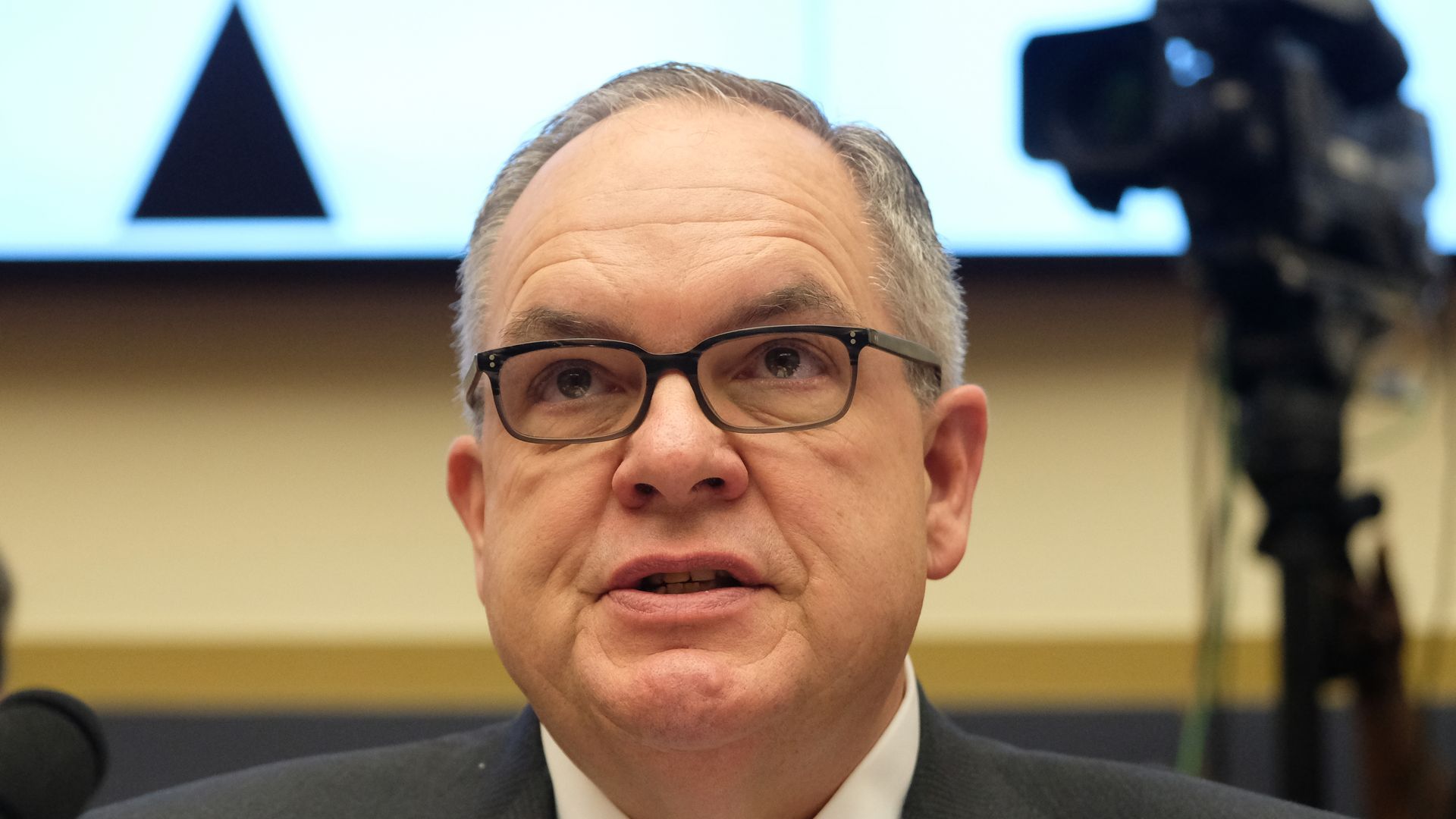
Billionaire investor Ken Fisher could see even more investors and more money flee his asset management business as he and the firm continue to face a reckoning for the inappropriate remarks he made at a private investor conference earlier this month.
What's happening: Nearly $2 billion has been pulled from Fisher Investments in less than two weeks by the state of Michigan and retirement systems from Philadelphia, Boston and Iowa as well as Fidelity.
TV station owners are taking advantage of FCC rules to quietly take over small-town airwaves, but cable and satellite companies are crying foul to regulators.
Driving the news: Broadcasters aren't supposed to own more than one top-rated outlet in any market, but they are snapping up multiple stations anyway in small markets like Parkersburg, West Virginia and Greenville, Mississippi, as the broadcast TV market is challenged by changes in technology and advertising.
The same media trends that led to President Trump's unexpected victory in 2016 are growing even stronger leading up to 2020.
Why it matters: Even amid a historic impeachment process, these patterns suggest Trump could have a significant media advantage over Democrats leading up to 2020 — though there's no guarantee that the end result will be the same.
Macy's, Inc. has agreed to stop selling fur in its Macy's and Bloomingdale's stores by the end of the 2020 fiscal year, according to a press release from the Humane Society of the United States Monday.
What they're saying: "We have been closely following consumer and brand trends, listening to our customers and researching alternatives to fur," Jeff Gennette, chairman and CEO of Macy’s, Inc., said in a statement. "We’ve listened to our colleagues. ... Macy’s private brands are already fur free so expanding this practice across all Macy’s, Inc. is the natural next step."
The social media app TikTok has banned around two dozen accounts for pushing Islamic State, or ISIS, propaganda, the Wall Street Journal reports.
The big picture: The Chinese app, whose appeal has skyrocketed in popularity among young people, is populated largely by short dance videos, pranks, musical covers and other lighthearted content. Just as many companies have begun using the platform as a way to connect with younger consumers, ISIS has evidently seen an opportunity too.
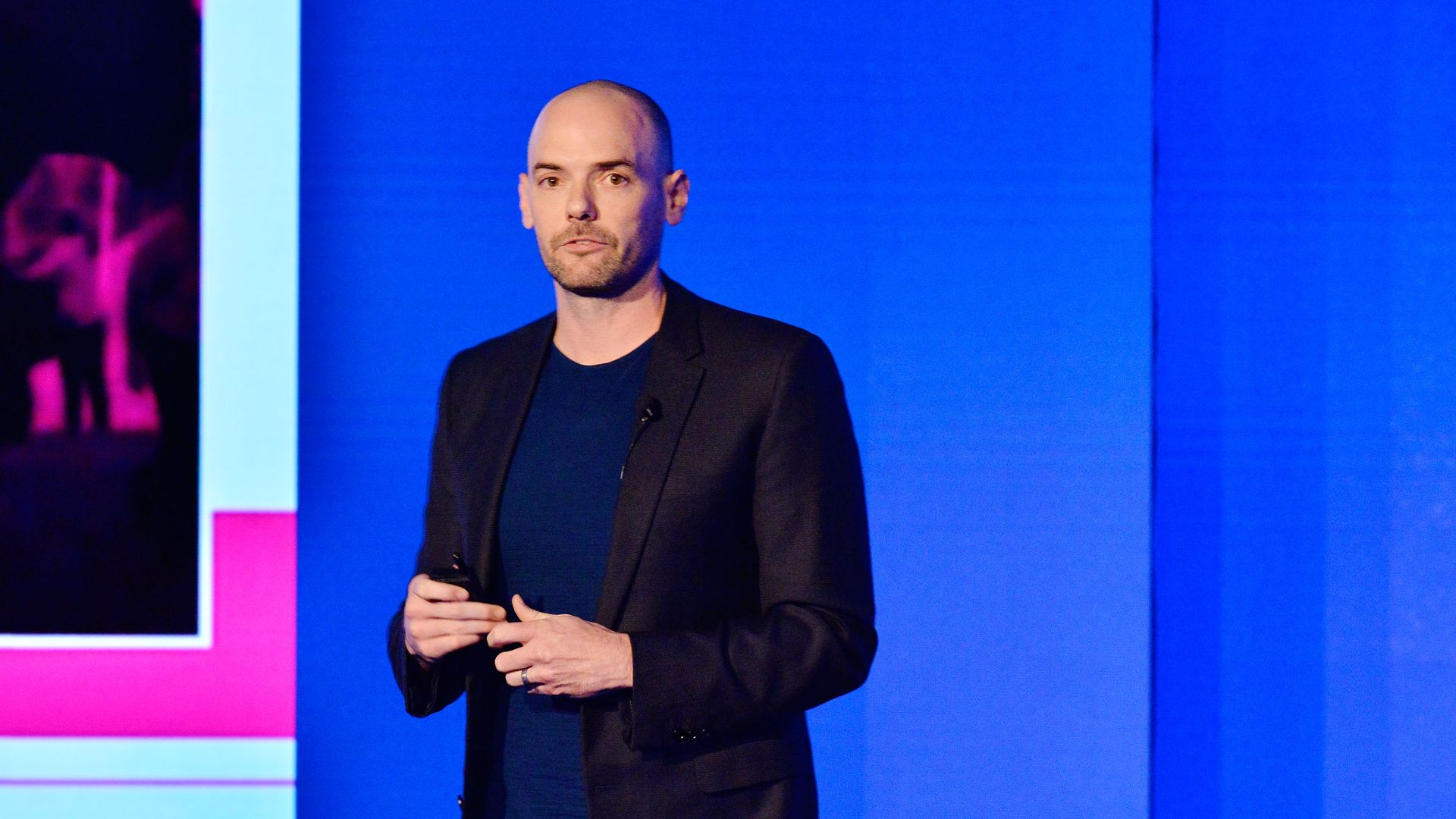
TikTok overtook YouTube and Instagram in U.S. downloads last year, and news organizations are now trying to cash in on its audience. Dan digs in with Dave Jorgenson, who runs the Washington Post's TikTok channel.
As the 2020 election inches closer, Republicans continue to enjoy the digital edge they seized in 2016.
Why it matters: Online ad spending offers President Trump an efficient way to target sympathetic voters with fundraising pitches and barrage them with inflammatory messages on issues ranging from immigration to impeachment.
The lifespans of companies on the S&P 500 are expected to continually decrease to the point that time spent on the index could drop by five years on average in 2030 compared to 2019, research from QAD finds.
The state of play: The reduced time period is largely due to increased disruption, analysts say. A previous study from Innosight projected that nearly 50% of the current S&P 500 would be replaced over the next decade.
A growing number of market analysts are voicing concerns that the repo market shock in September may have been the first signal of a wide-ranging liquidity shortage, and now those warnings are being echoed by the heads of major banks.
The state of play: "Despite the fact that bank balance sheets are quite strong, I think you’ll see more moments like this going forward," Ron O'Hanley, president and CEO of State Street, said during the Institute of International Finance's annual membership meeting on Saturday.
As part of a trend of increased corporate activism, JPMorgan Chase will announce Monday a new public policy agenda that includes an expanded effort to help people with criminal backgrounds re-enter the workforce.
Why it matters: JPMorgan Chase Chairman and CEO Jamie Dimonsaid providing second chances helps businesses "reduce recidivism, hire talented workers, and strengthen the economy."
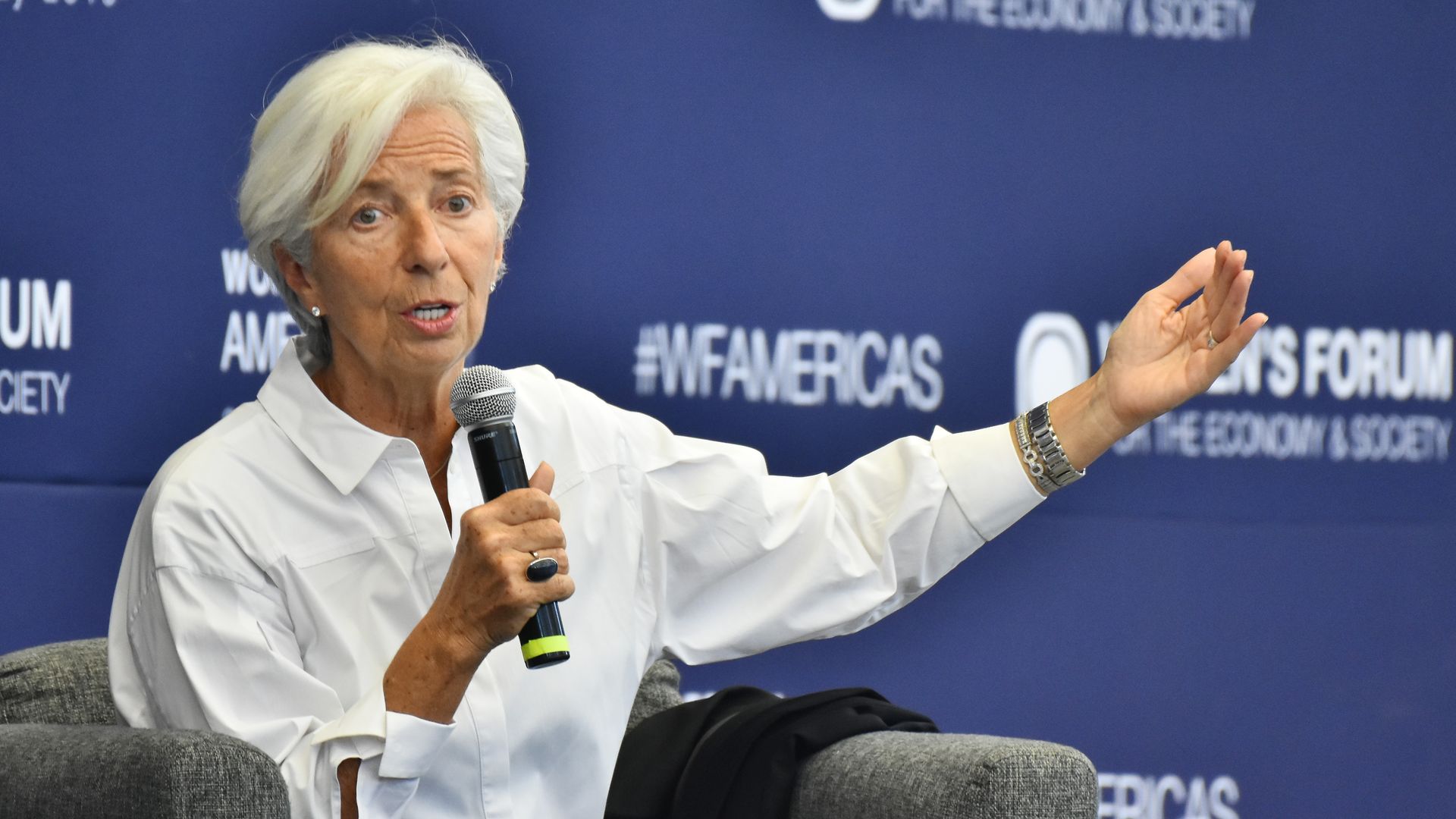
President Trump's unpredictability is "hurting" trade and his dispute with China is "going to give a big haircut" to the world economy, incoming European Central Bank president Christine Lagarde told CBS News' "60 Minutes" Sunday.
"The biggest key that President Trump has is in relation to predictability and, and certainty of the terms of trade. It's the unknown which is hurting, because you can't adjust to the unknown. So what do you do? You build buffers. You build savings. You wonder what comes next. That's not propitious to economic development. ... The United States is at risk of losing leadership."
— Lagarde to CBS News' "60 Minutes"
The big picture: The IMF, which Lagarde led until September, said last week it expects the world economy to grow 3% this year — the weakest pace since the 2008 global financial crisis. The IMF pointed to the U.S.-China trade war as being the biggest factor. It forecast the dispute would cost 0.8% in global GDP losses this year.