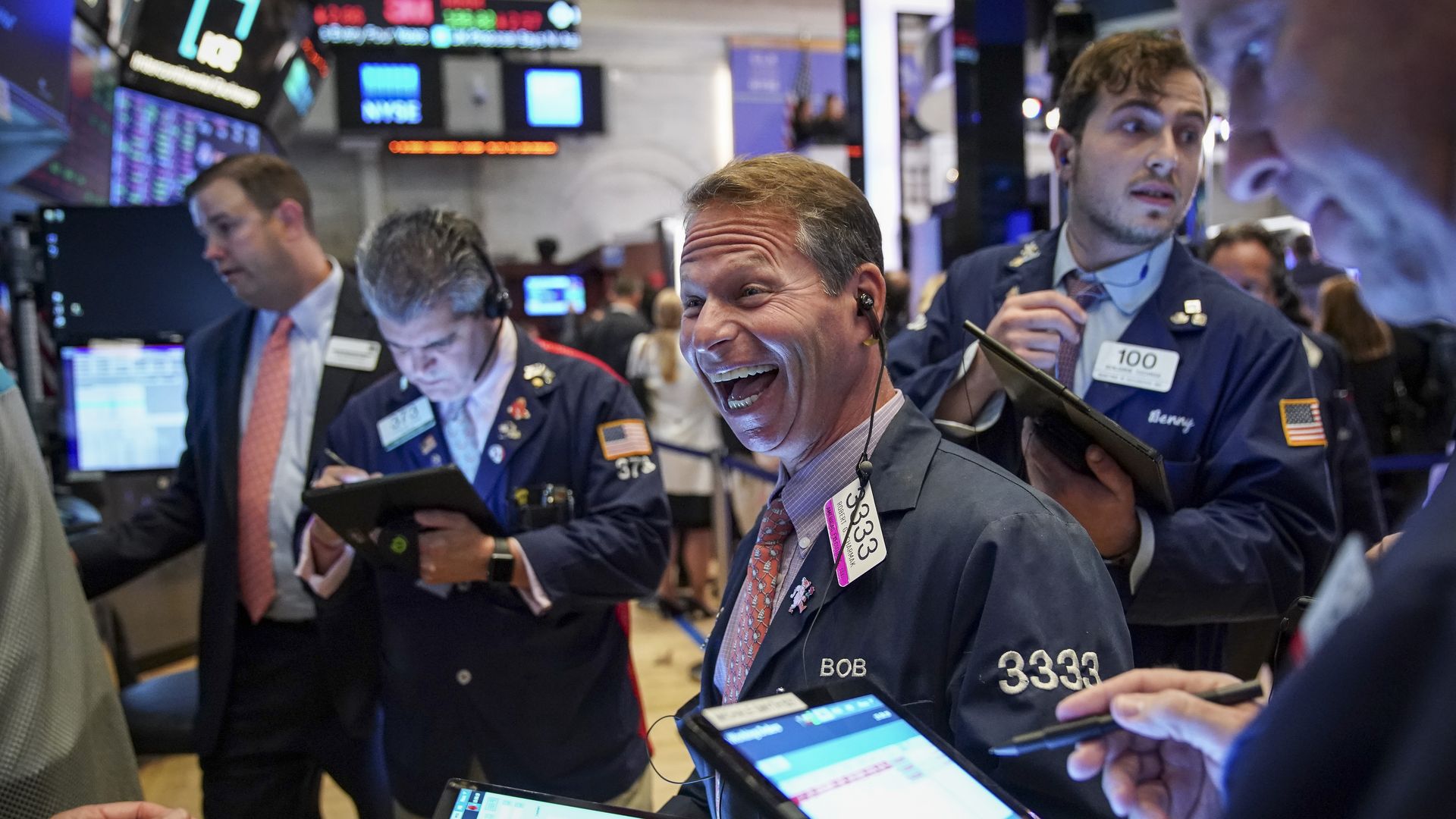
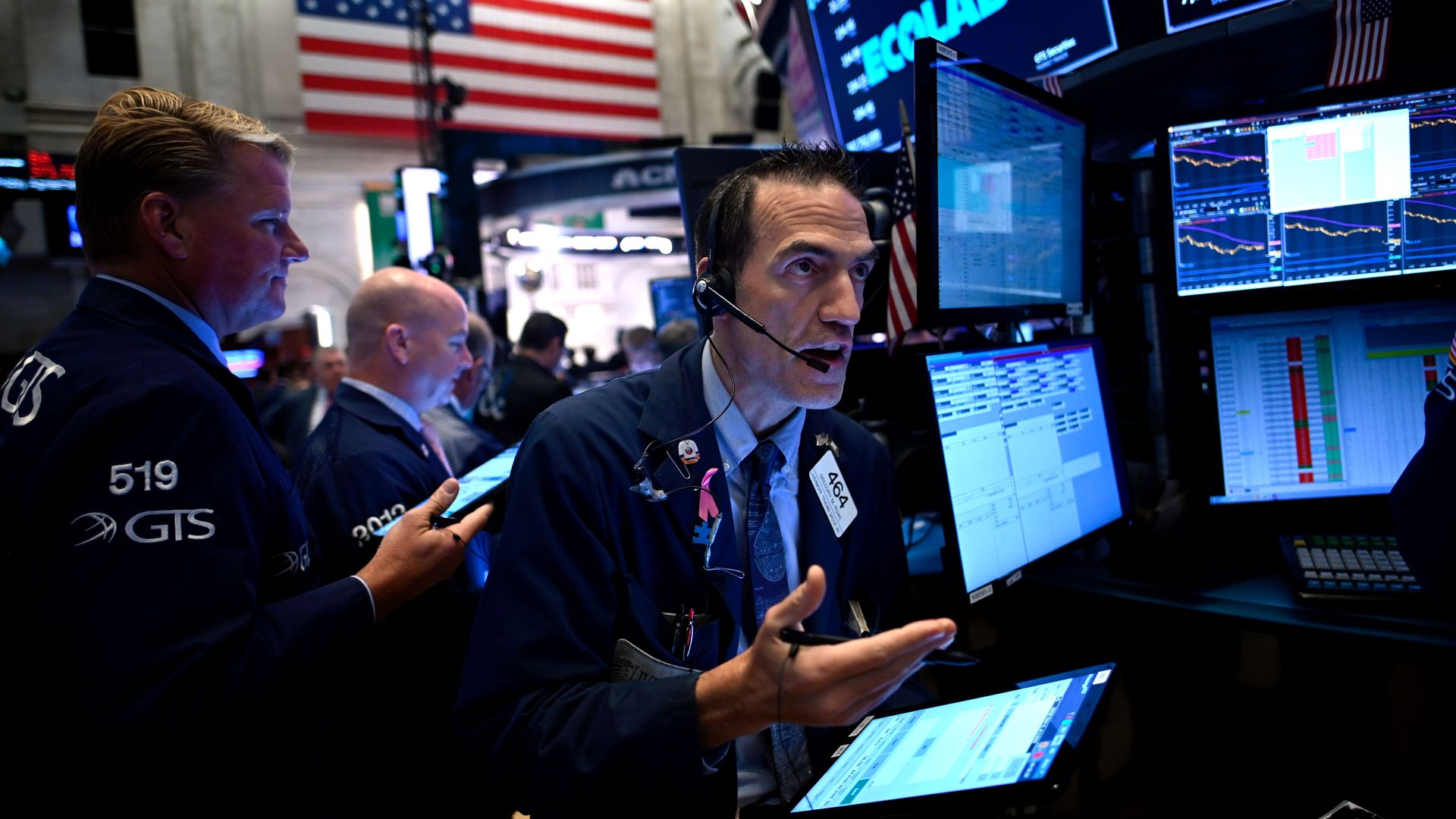
The stock prices of health care companies shot up Tuesday after UnitedHealth Group and Johnson & Johnson, two of the industry's bellwethers, both posted Q3 earnings that exceeded expectations.
Between the lines: Some of the biggest gains accumulated to UnitedHealth and its health insurance peers. UnitedHealth said its insurance division paid out fewer dollars for medical care than projected, raising hope on Wall Street that other insurers were in the same boat.
Barneys New York, the luxury retailer that filed for bankruptcy in August, reportedly is in talks for a $268 million rescue investment from Authentic Brands Group.
Why it matters: This could keep at least some of Barneys' 7 locations open, while a concurrent licensing deal with Hudson’s Bay Co. would keep the Barneys website afloat and result in Barneys mini-locations being opened inside of Saks Fifth Avenue stores.
Private equity's newest political headache came last Thursday when G/O Media shut down Splinter, a left-wing publication with 7 full-time employees. One day later, Elizabeth Warren placed the blame squarely on G/O Media owner Great Hill Partners.
Why it matters: Warren does have a plan to change private equity, but it wouldn't directly impact Great Hill Partners' ownership of G/O Media.
NBCUniversal has extended its partnership with Apple News to now be the exclusive seller of ads in Apple Stocks, as well as Apple News, executives tells Axios.
Why it matters: The multi-year partnership means that NBCU can sell ads against all the stories in the main feed of Apple Stocks, as well as Apple News for several years. Other publishers can still sell ads again their own articles.
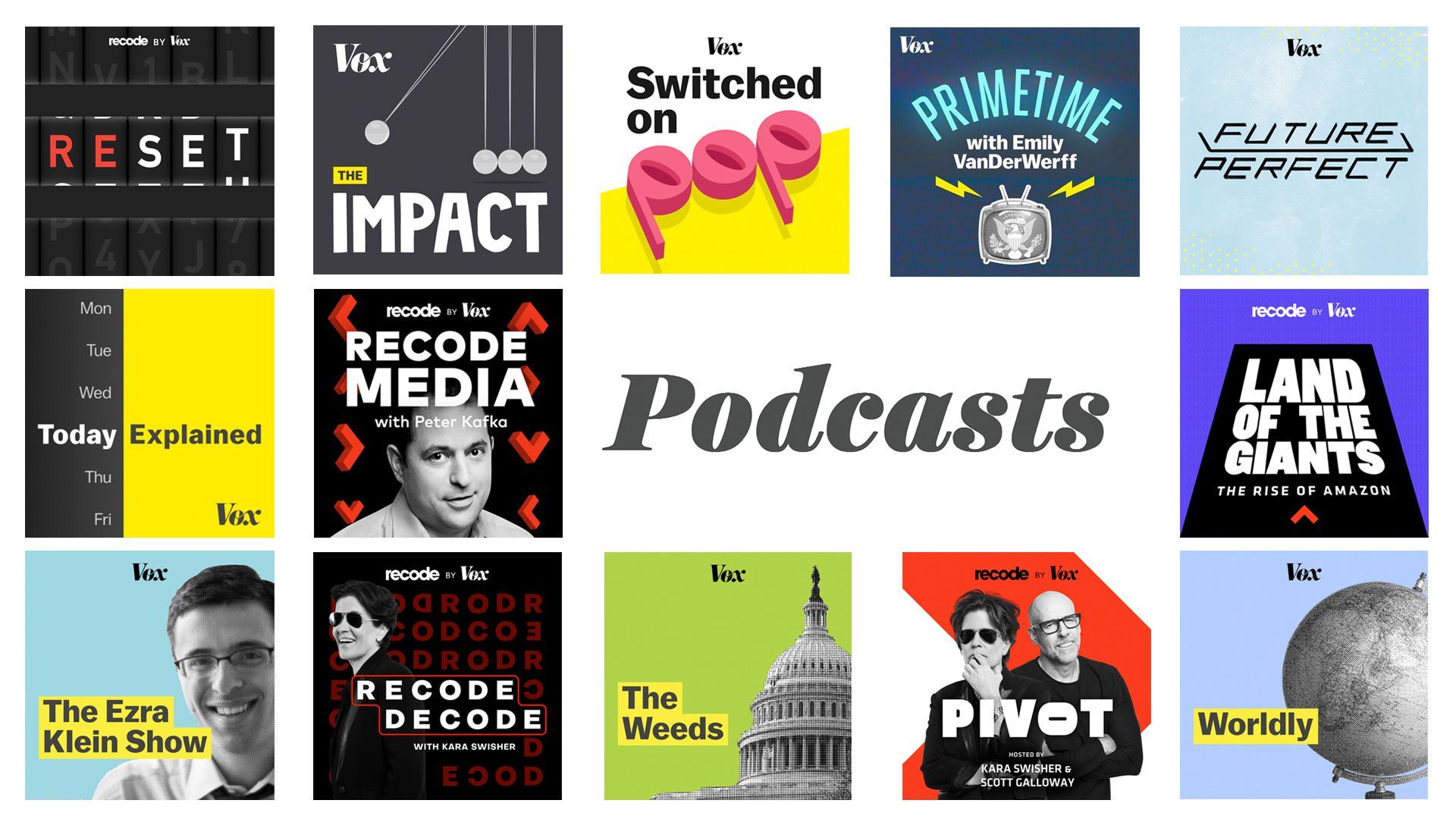
Vox Media now has more than 200 active podcasts that it publishes through the Vox Podcast Network, up from 75 in January, executives tell Axios.
By the numbers: Vox Media Studios President Marty Moe told Axios in February upon signing a multi-million dollar deal with Stitcher that Vox Media’s podcast business is an eight figure business.
News companies are taking advantage of the interest surrounding the impeachment saga by building pop-up newsletters, podcasts and sections solely to cover the day-to-day developments of the impeachment process.
The bottom line: If there's an appetite for more coverage, news companies these days can build products pretty quickly to satisfy it.
Streaming companies are accruing more debt to sustain heavy investments in content, and their leverage is historically high.
Why it matters: While most analysts agree that the debt loads at these companies are manageable for now, some firms are beginning to feel investor pressure to manage rising debt before it gets out of hand.
The stock prices of major health care companies have not kept pace with the broader market so far in 2019, even though the industry is flush with cash.
The bottom line: Medicare for All and other health care reforms floated by Democratic presidential candidates, as well as higher-than-expected medical costs at health insurance companies, have made investors nervous about the future.
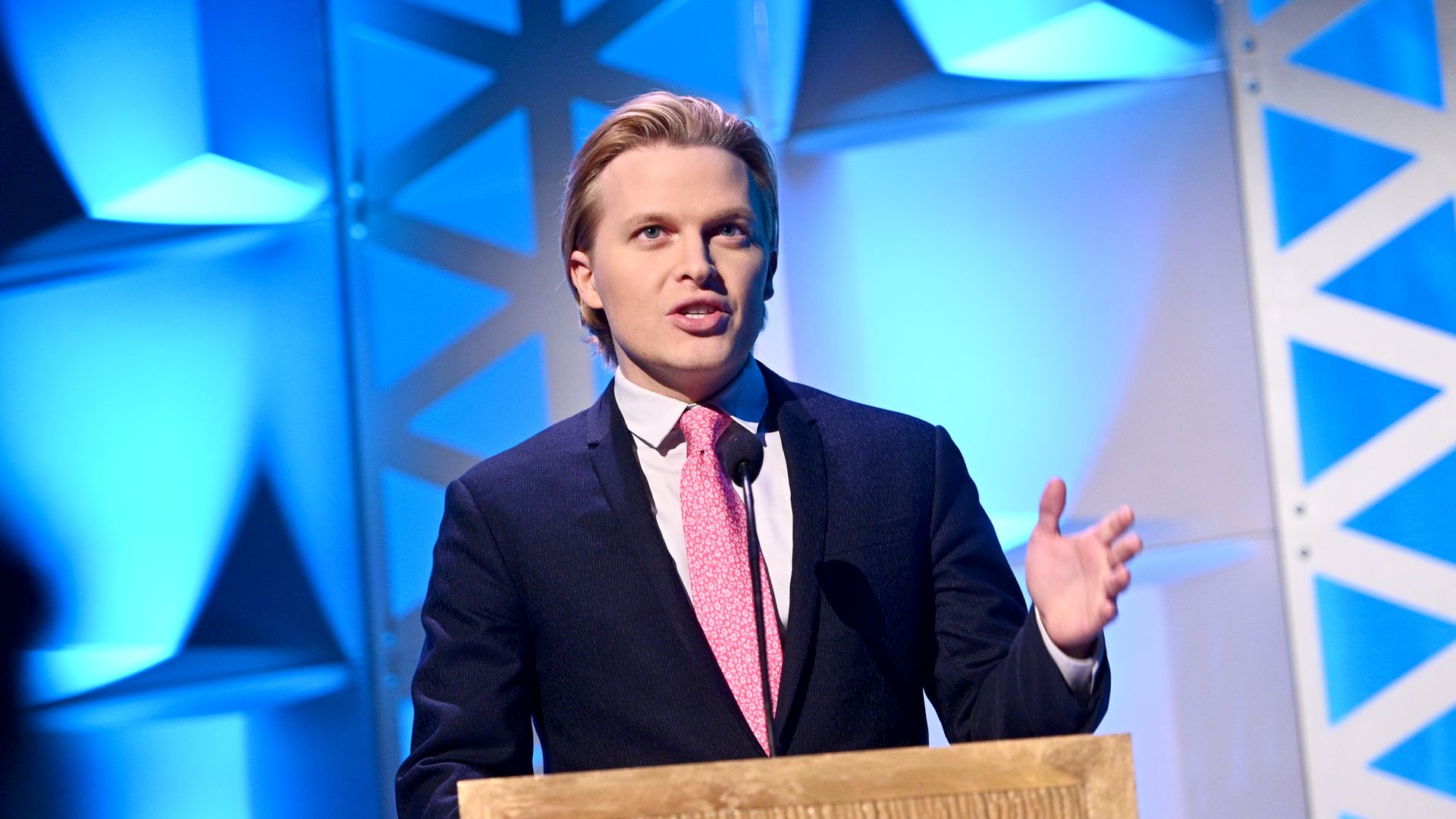
MSNBC anchor Chris Hayes addressed on his show Monday reports from Ronan Farrow's new book alleging NBC silenced reporting on sexual misconduct and authorized a cover-up. He noted NBC leadership "vigorously denies" the account but said 1 thing is "indisputable" following Farrow's departure from the network.
WeWork doesn't have enough money to finish out 2019, and both of its known bailout options are nightmarish.
What we know: Option 1 is to sell control to SoftBank, which enabled former CEO Adam Neumann's worst excesses. Option 2 is to let J.P. Morgan arrange a massive debt package, which could become so onerous that employees may just mail their vested options to Wall Street.
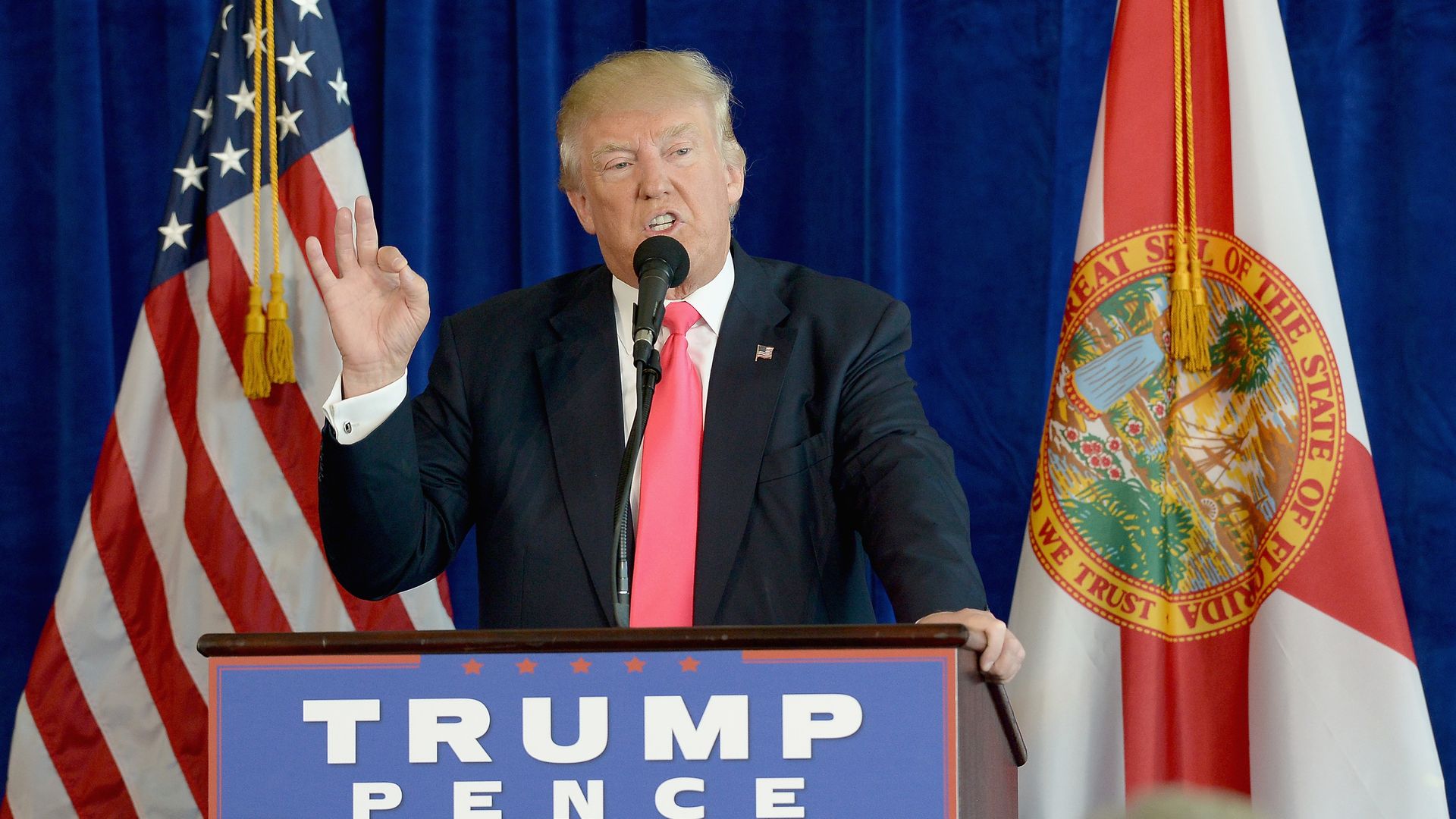
White House Press Secretary Stephanie Grisham tweeted on Monday that President Trump has not yet seen the violent fake video played at an event for his supporters, but that he "strongly condemns" it. Trump himself has not tweeted about the video or issued a statement.
Background: The video, first reported by the New York Times, is an edited clip from the film "Kingsman: The Secret Service," that shows Trump stabbing and shooting media outlets and political opponents in the "Church of Fake News." The group that put on the event, American Priority, confirmed to the Times that the video was shown at a conference at the Trump National Doral resort in Miami.
NBC News President Noah Oppenheim sent a memo to NBC News/MSNBC staffers on Monday morning defending the company against allegations — in Ronan Farrow's new book, "Catch and Kill" — that NBC management engaged in a cover-up to hide sexual misconduct by former "Today" show host Matt Lauer.
"Matt Lauer's actions were abhorrent, and the anger and sadness he caused continue to this day. As we've said since the moment he was fired, his abuses should never have happened. Ronan Farrow's book takes that undeniable fact and twists it into a lie — alleging we were a 'company with a lot of secrets.' We have no secrets and nothing to hide."
While the most talked-about news on Wall Street proved to be a downer, U.S. equities are poised to get a power boost from 2 big sources soon.
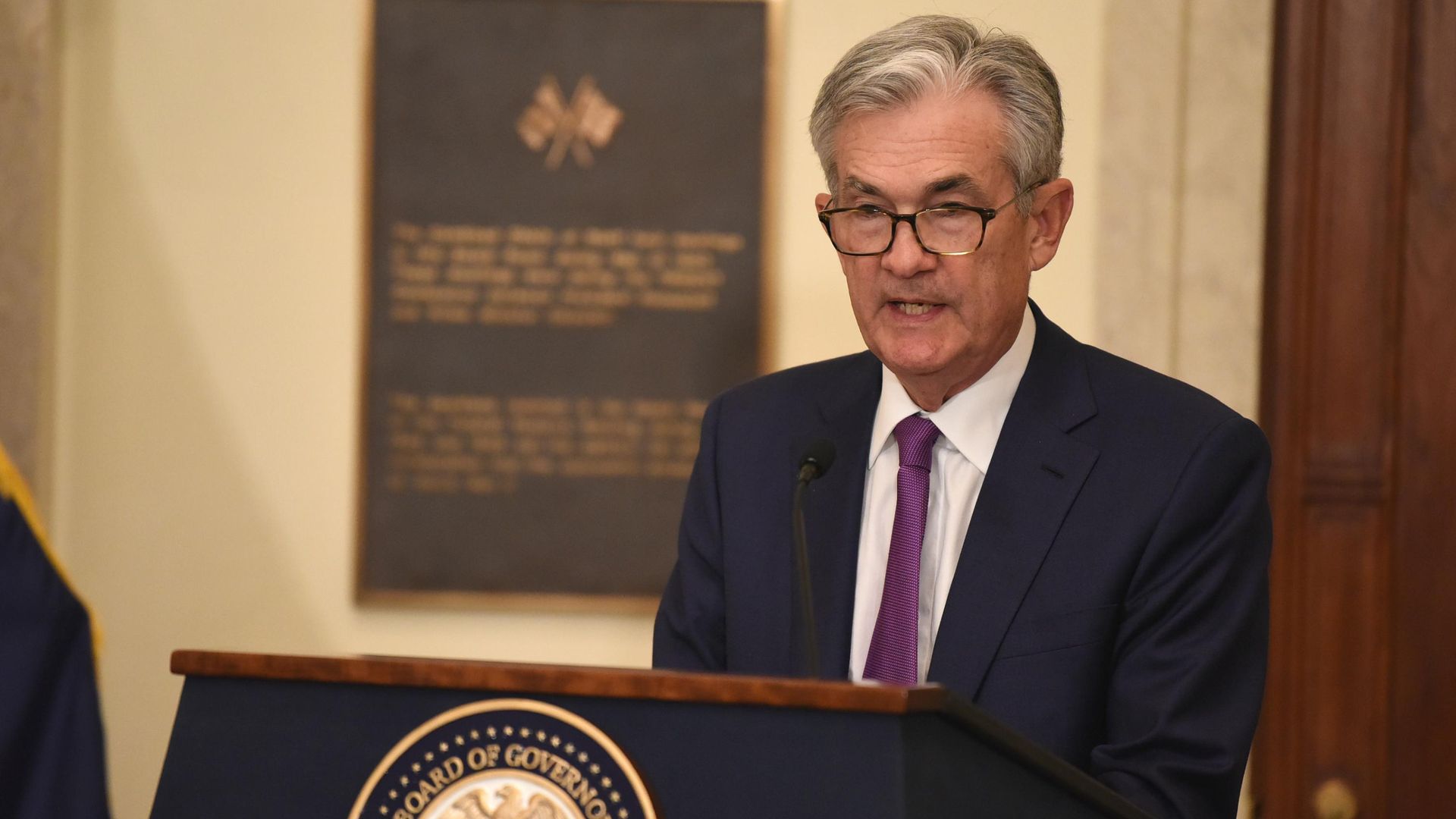
Driving the news: On Friday, the Fed announced plans to buy $60 billion of U.S. Treasury bills a month “at least into the second quarter of next year.”
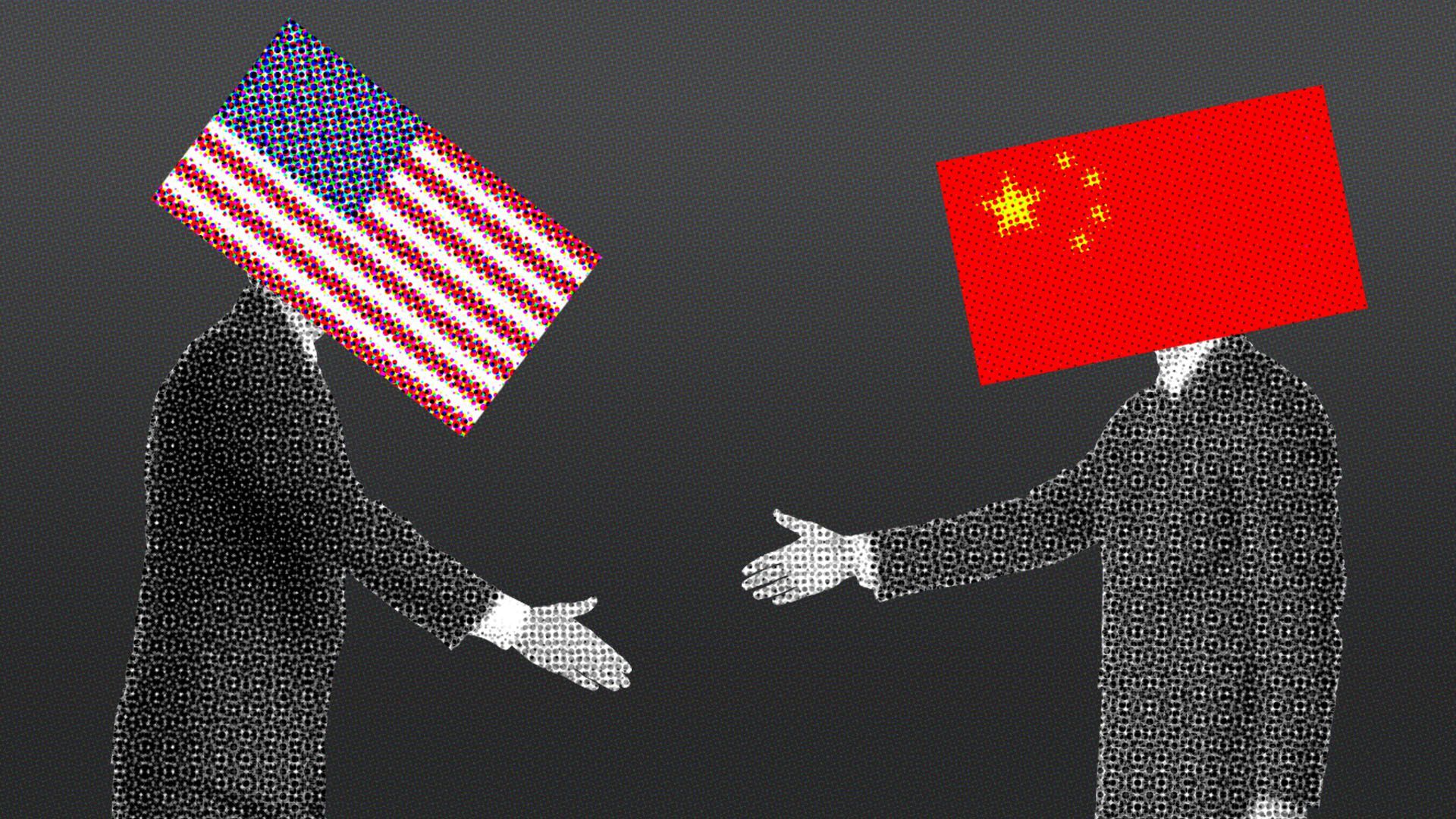
Wall Street was bursting at the seams with excitement about a trade deal between the U.S. and China — until details of the deal were revealed.
The big picture: China agreed to more than double its annual purchases of U.S. agriculture, up to $50 billion and made yet-to-be-determined concessions on intellectual property rights while the U.S. agreed not to implement its planned Oct. 15 tariffs of 30% on Chinese imports.
The market can influence how people who own shares vote in U.S. presidential elections, a new study by Rice University and University of Pittsburgh examining the electoral implications of stock fluctuations finds.
The big picture: The study compares electoral preferences with levels of dividend income. It finds the effect of recent stock returns on votes for the incumbent party is stronger in counties with greater market participation. And it suggests that if the market had rebounded instead of falling in 2008, Republican presidential candidate John McCain may have won the states of Florida, Indiana, North Carolina, and Ohio.