Podcasting is entering a lot of white space — areas where people used to listen to very little media, like while they were commuting or doing the laundry.
Data: MusicWatch; Chart: Axios Visuals
Media is a competitive game, however, and podcasts are certainly going to gain market share from radio.
Driving the news: Shonda Rhimes, who already has a nine-figure TV deal with Netflix, has now signed a 3-year podcasting deal with iHeartPodcast Network, creating Shondaland Audio in the process. Other TV companies, like HBO, are making podcasts themselves, with significant success.
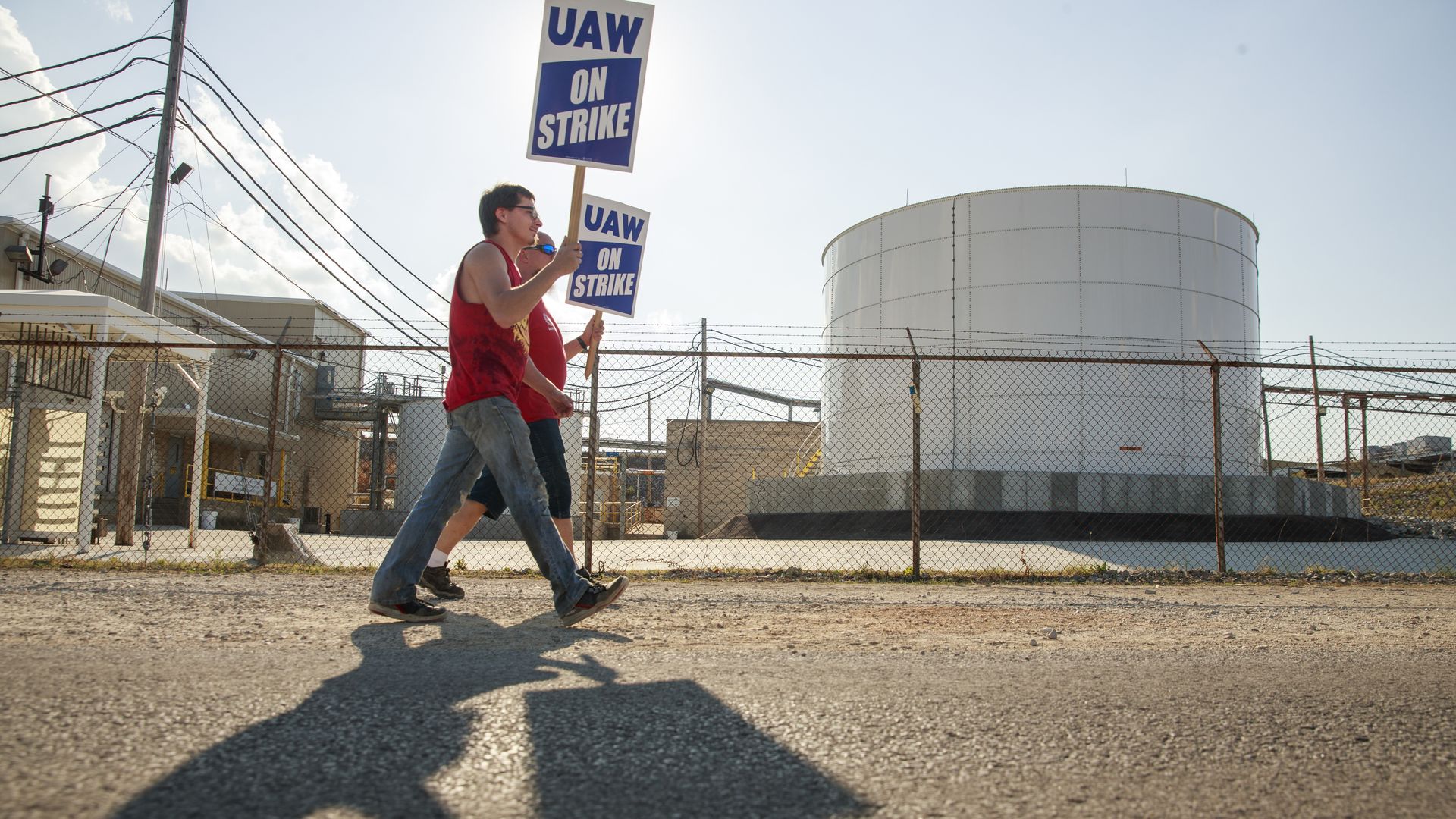
The United Auto Workers strike against General Motors will continue for at least another week as union members vote on whether to ratify a tentative contract agreement.
Why it matters: The unusual decision by some 200 local union leaders from GM plants around the country means the economic pain for the company, its employees and suppliers will continue to mount at least through Oct. 25, when voting at local union halls is scheduled to conclude.
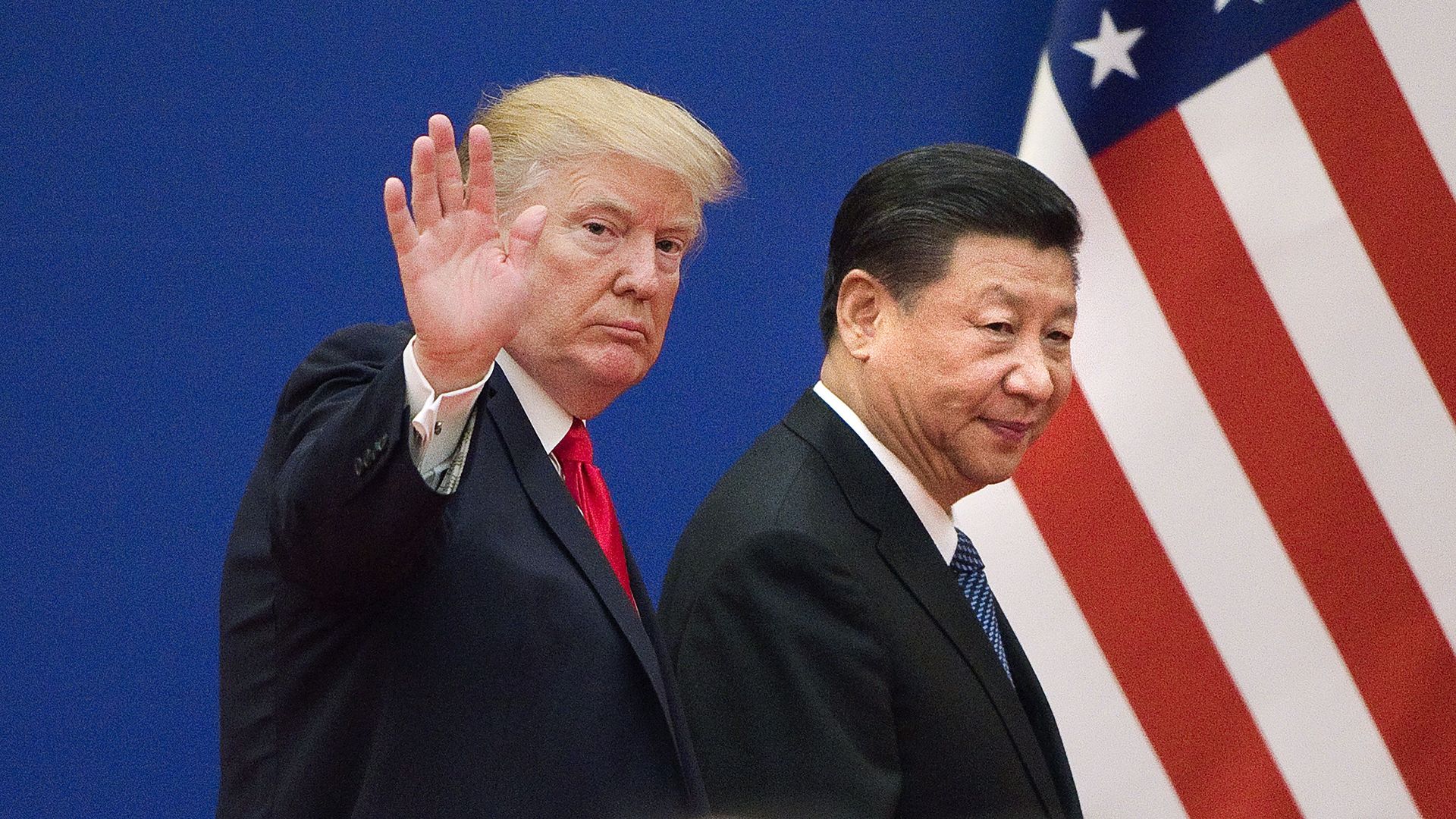
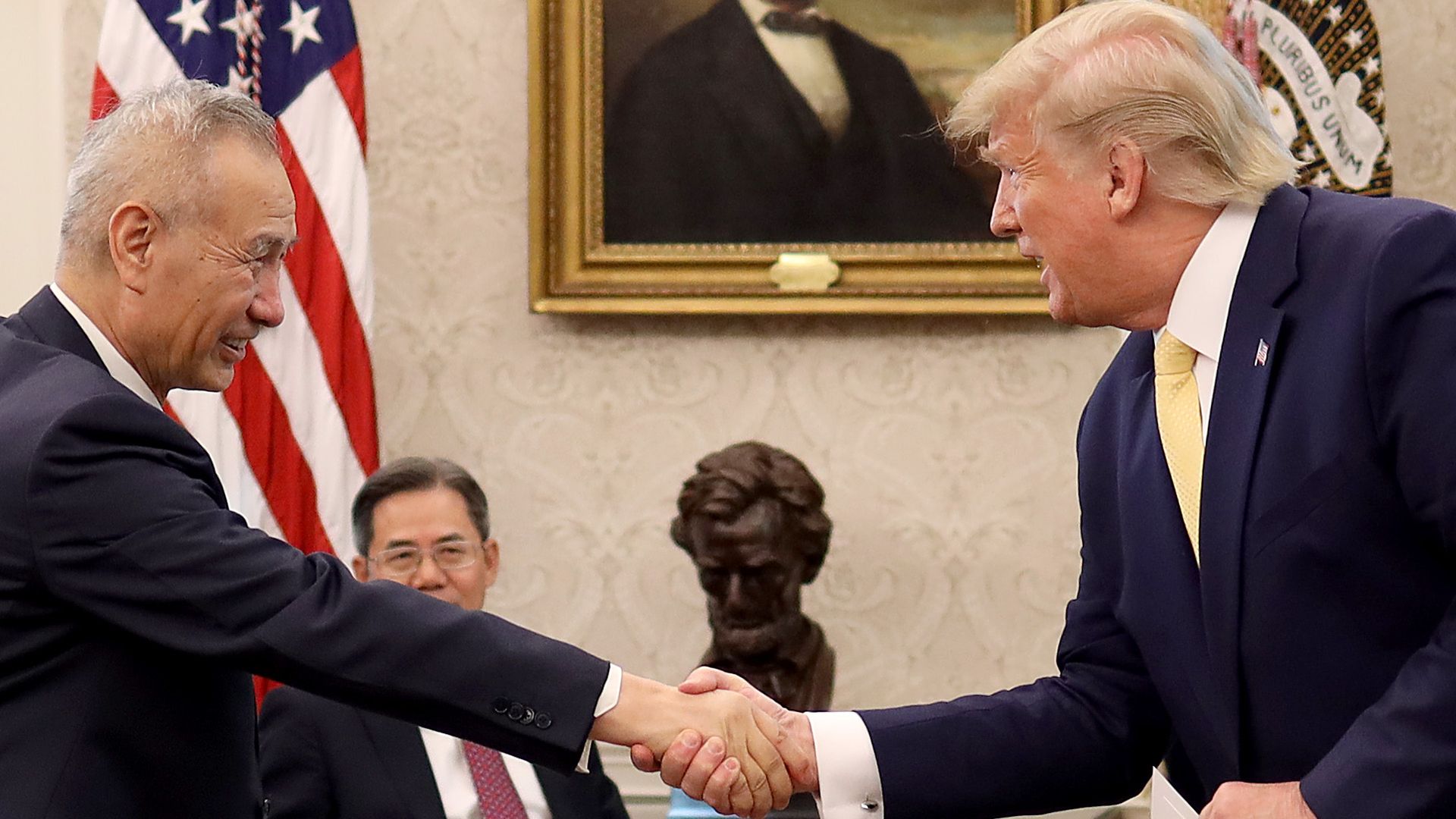
It's been a week since President Trump touted his "phase 1" partial trade agreement with China as the greatest-ever deal for U.S. farmers — but China isn't endorsing his promises.
Where it stands: China has not confirmed Trump's claim that it will buy $40 billion–$50 billion worth of U.S. agricultural goods, and it says a final deal would require the U.S. to cancel all existing and future tariffs, CNBC reports. No final decision has been reached to determine if the U.S. will push tariff increases scheduled for Dec. 15.
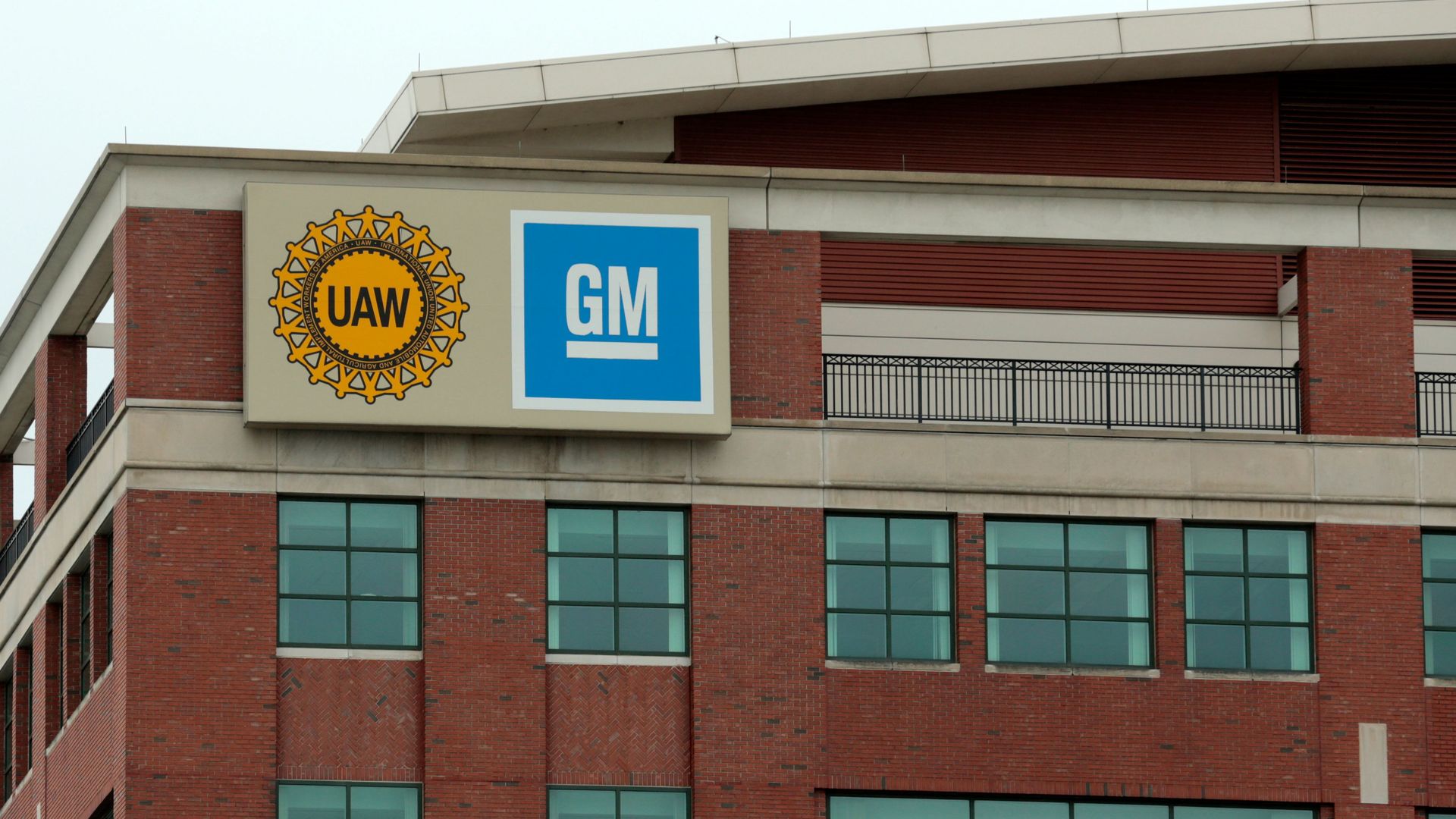
Factory workers at General Motors will receive big bonuses and keep their lucrative health benefits under a proposed four-year labor contract, but union bargainers were unable to rescue three U.S. factories slated for closure.
Why it matters: The deal ends the longest nationwide strike at GM in a half-century. But relations remain raw as the automaker and its workforce struggle to adjust to disruptive technology changes roiling the industry.
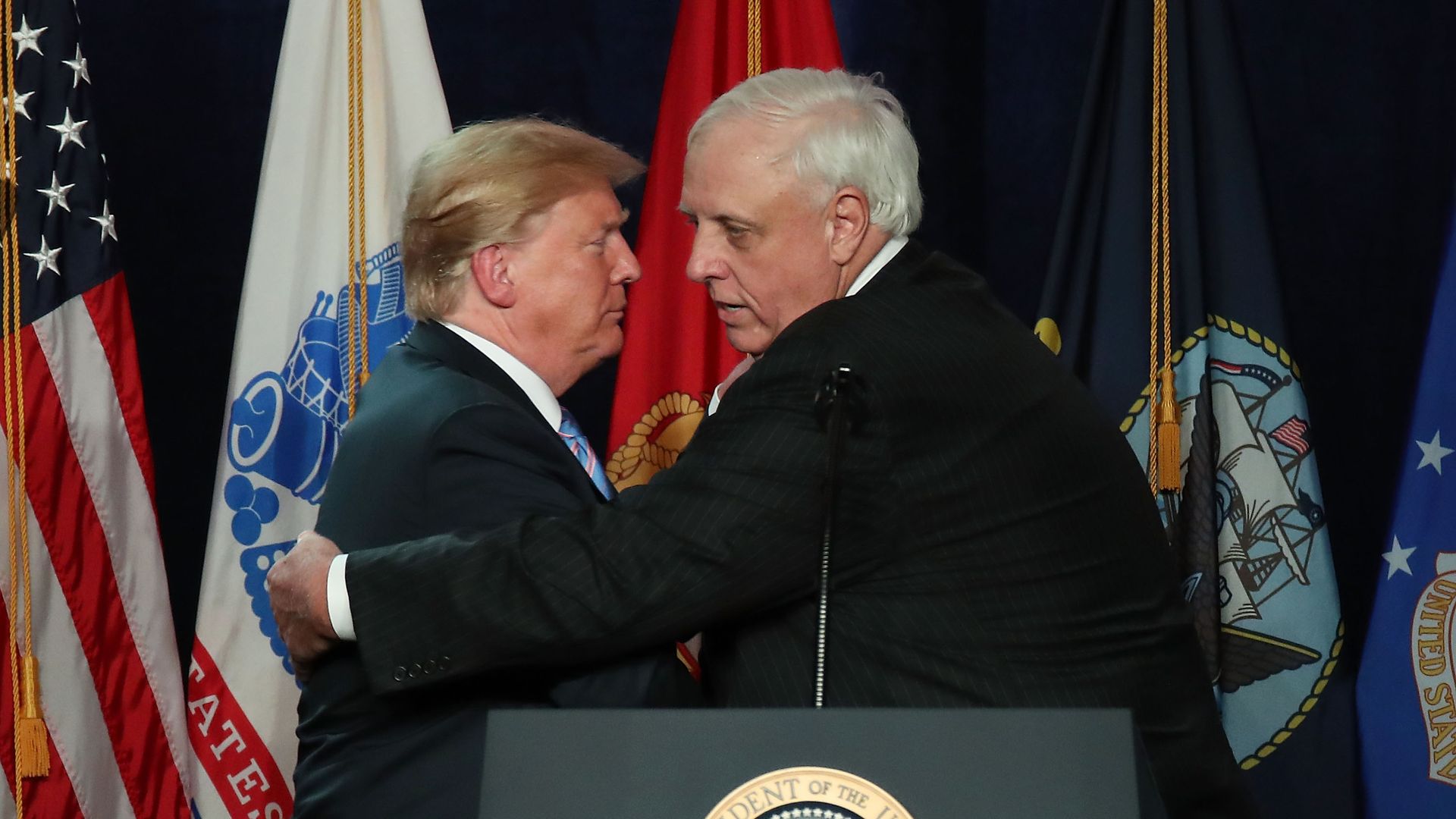
The family business of billionaire West Virginia Gov. Jim Justice (R) received the maximum $125,000 allowed under a federal program designed to aid farmers during the U.S.-China trade war, according to records reviewed by AP.
By the numbers: Justice's farming company took in $121,398 in soybean subsidies and $3,602 for corn — despite the fact that the median payments for the program are $6,438 and $152, respectively. A study of Department of Agriculture data from earlier this year showed that more than 50% of the farm aid went to the nation's largest and wealthiest farms.
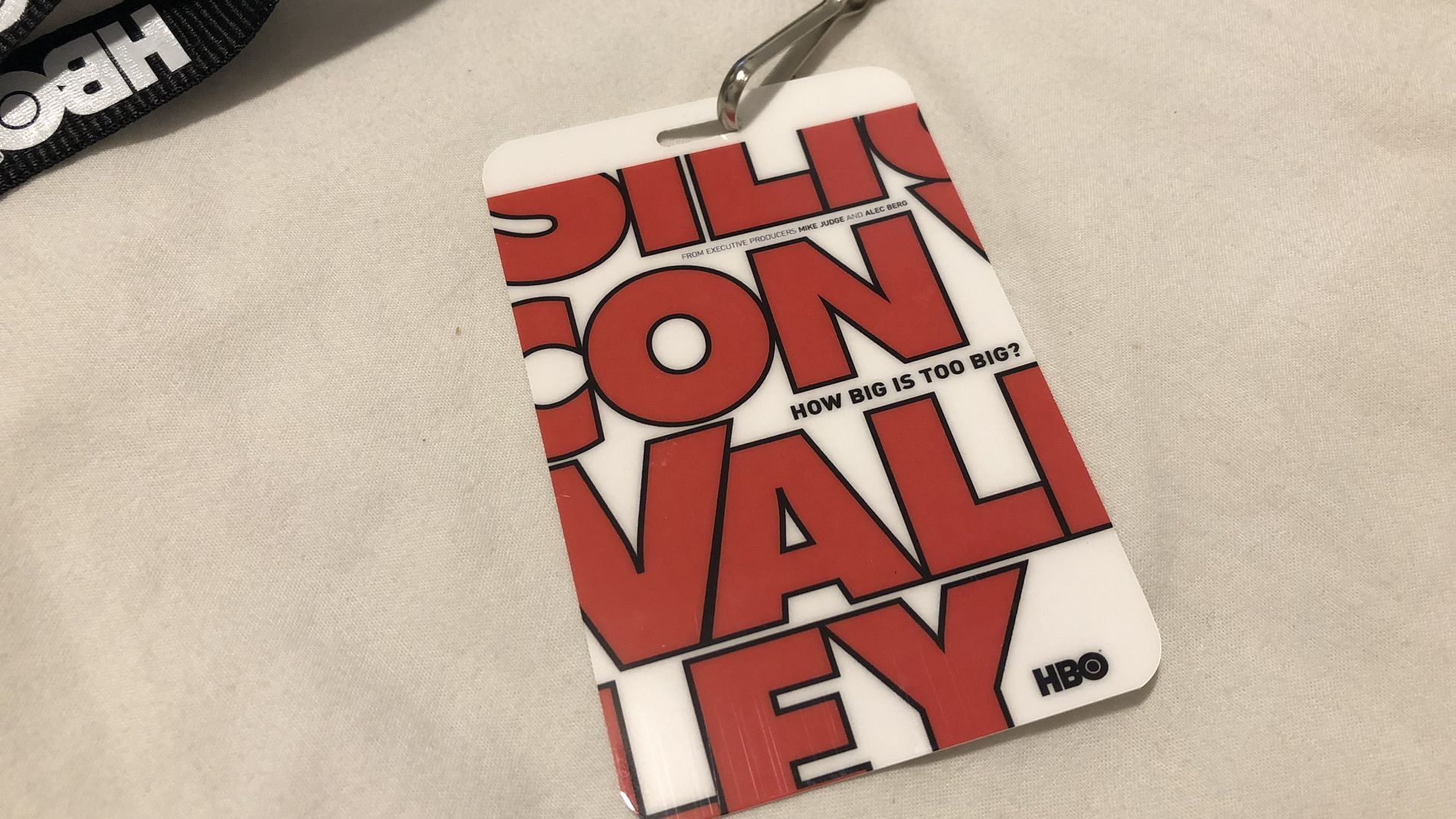
As HBO's "Silicon Valley" series enters its final season, the show's tagline asks "How Big Is Too Big?" in a not-so-subtle nod to the real-life tech industry issues it will parody before the curtain falls.
Why it matters: "It's almost as if breaking all the things isn't always a good thing — who could have foreseen?" co-creator Alec Berg told Axios of the ongoing backlash against Big Tech that's mirrored in the show. The cast and creators were in San Francisco on Wednesday for the season premiere.
U.S. retail sales, which had been the highest-flying piece of American economic data for most of the year, fell in September for the first time in 7 months, raising fears that the U.S. manufacturing recession may be bleeding into the consumer side of the economy.
The big picture. Data from the Commerce Department showed the drop was a result of households cutting spending on building materials, online purchases and especially automobiles. Online retail sales also turned negative for the first time since December 2018.
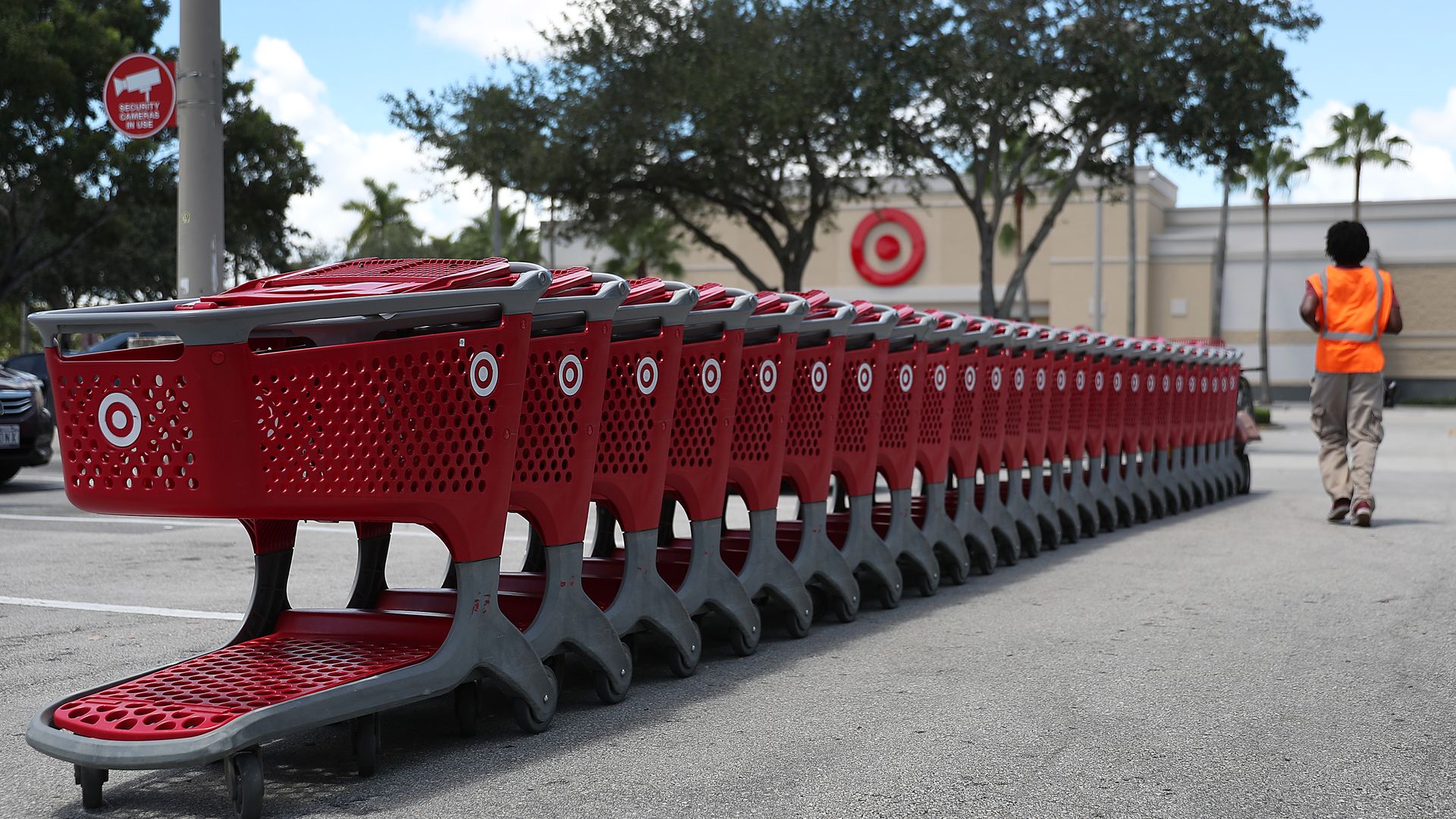
A collision of forces — automation, e-commerce and stagnating wages — is squeezing retail jobs in the U.S.
Why it matters: With more than 15 million jobs, the retail industry is America's biggest employer. A hit to this sector would reverberate across the economy.
The cities and towns where Walmart gobbles up more than half of all grocery sales are concentrated in the South and the middle of the country, illustrating a broader division in U.S. retail.
Why it matters: Retail has become one of the forces driving American inequality. While some cities build glitzy, revamped main streets and get same-day shipping, others have few options beyond Walmart super-centers and dollar stores.
The total absence of energy and climate questions in last night's Democratic debate didn't prevent the topics from surfacing in noteworthy ways onstage and in the surrounding hubbub.
What happened: Some campaigns saw an opening. Bernie Sanders wove climate into several answers and attacked fossil fuel CEOs who "know full well that their product is destroying this world."
Argentina's "Macrisis," which has sent its currency spiraling lower and cut the value of its bonds by more than half their value, and the implosion of U.S. Treasury yields cost Franklin Templeton’s flagship $100 billion Global Bond Fund $3 billion in the 3rd quarter, public filings data show.
What happened: The fund, managed by Michael Hasenstab, was heavily invested in Argentinian local-currency bonds, which defaulted in August, and a huge short position on U.S. Treasuries, which have seen prices rise significantly, Bloomberg reported.
The Dow turned positive for October after solid earnings from some of the biggest U.S. banks and surprisingly solid earnings from health care companies. Both sectors have lagged the market this year.
What happened: Bank CEOs, including JPMorgan's Jamie Dimon and Citigroup's Michael Corbat, continued to tout the strength of the U.S. consumer.
The outlook for a meaningful U.S.-China trade deal continues to deteriorate, as the House passed a bill supporting protesters in Hong Kong and China reportedly backtracked on part of the deal it agreed to last week.
The big picture: The House bill would require an annual review of whether Hong Kong is truly separate from Beijing to the point that it justifies the special trading status it receives under U.S. law and would implement sanctions against officials "responsible for undermining fundamental freedoms and autonomy in Hong Kong."
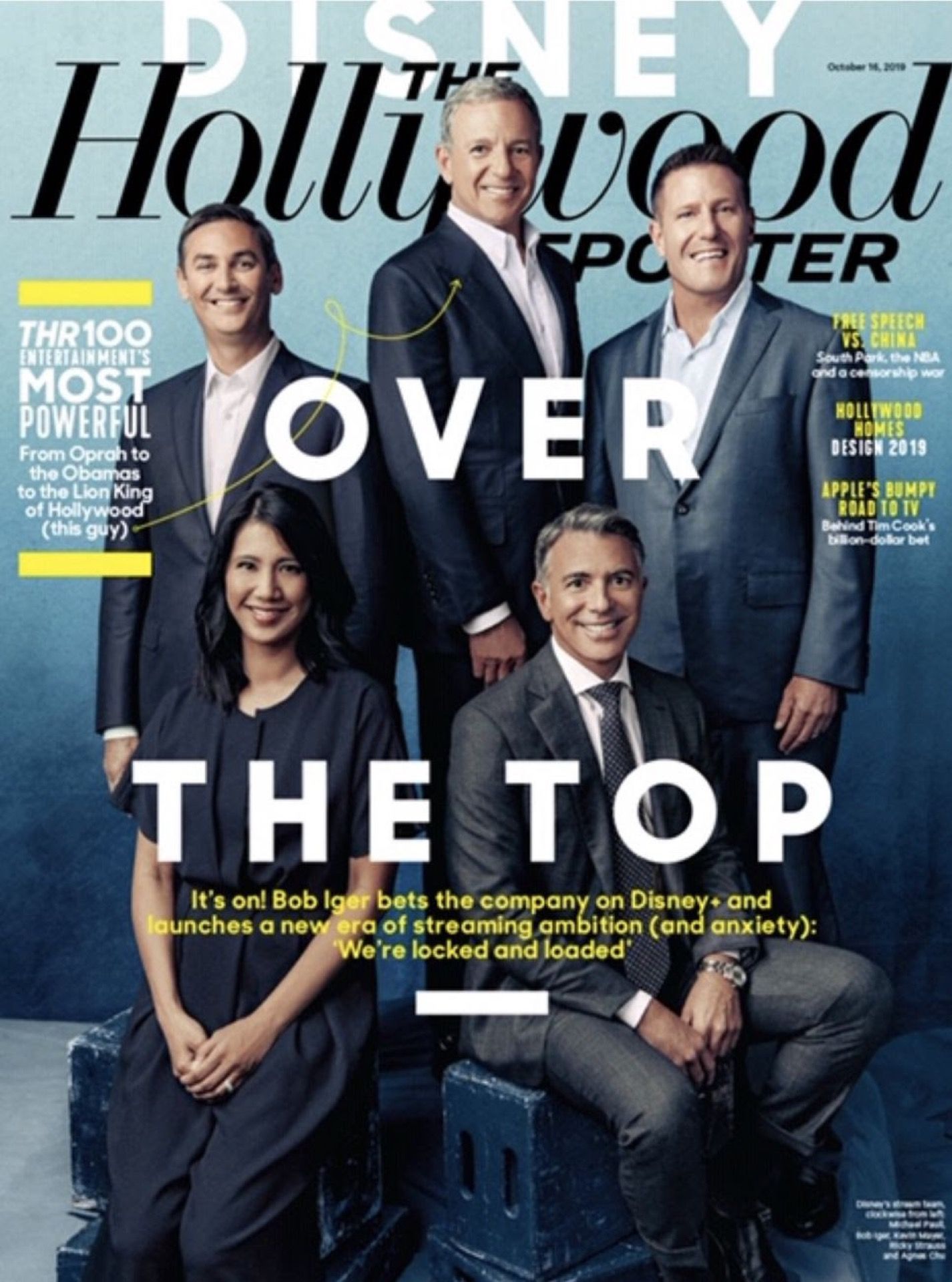
The Hollywood Reporter placed put Walt Disney Co. chairman and CEO Bob Iger at the top of its list of the entertainment industry's 100 "most powerful execs, makers and stars."
Why he matters, per THR: "Disney+ leads a wave of billion-dollar Netflix competitors that are transforming the entertainment industry and launching a new age of ambition (and anxiety)."