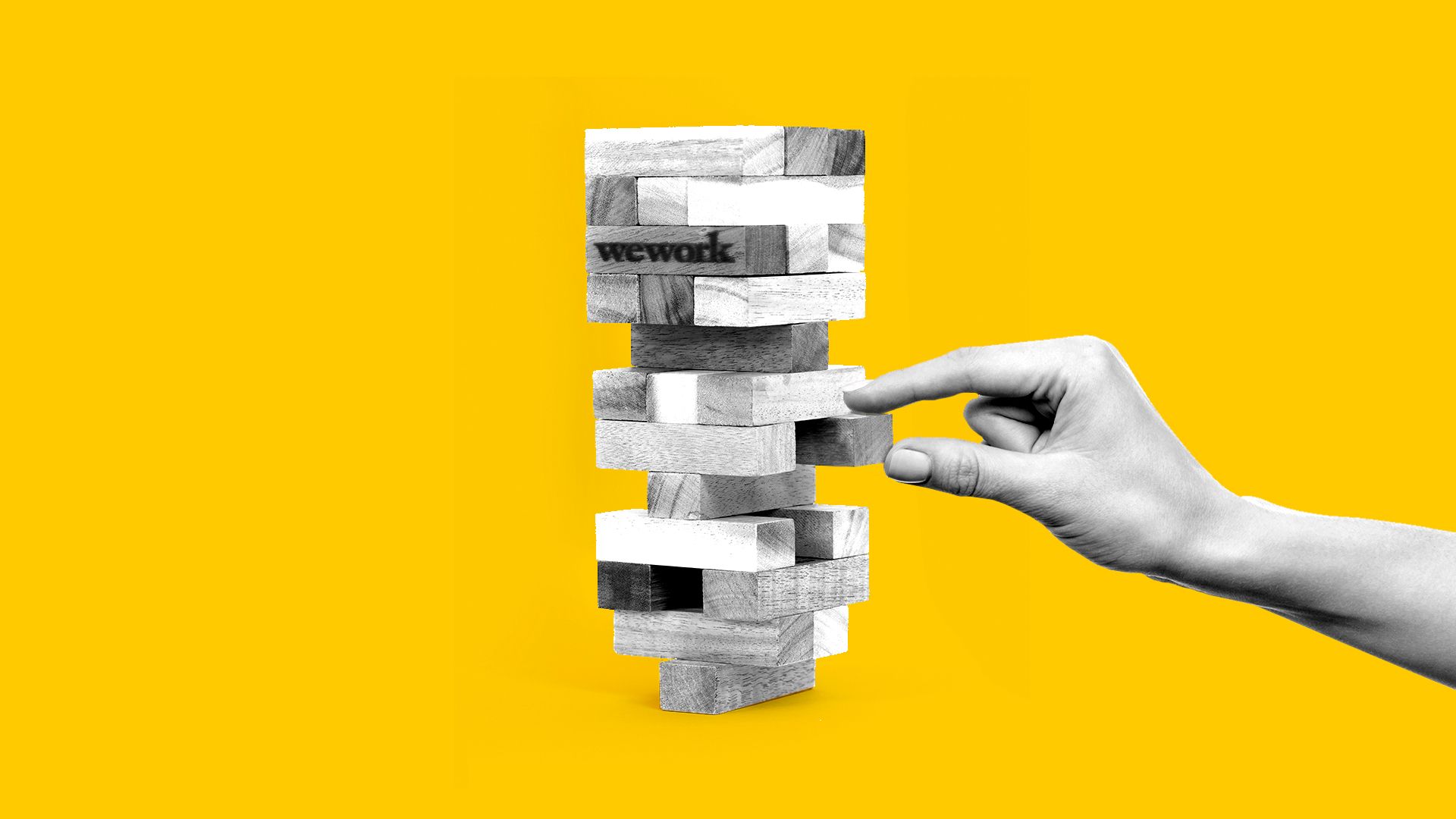
As WeWork runs out of money, SoftBank Group is orchestrating the company's "rescue financing plan" that could value it below $8 billion, Bloomberg reports.
Why it matters: $8 billion is a slim fraction of the $47 billion valuation WeWork gleaned in January from SoftBank. The rescue plan also comes after the office-sharing business slammed the brakes on its IPO, causing company bonds to tumble.
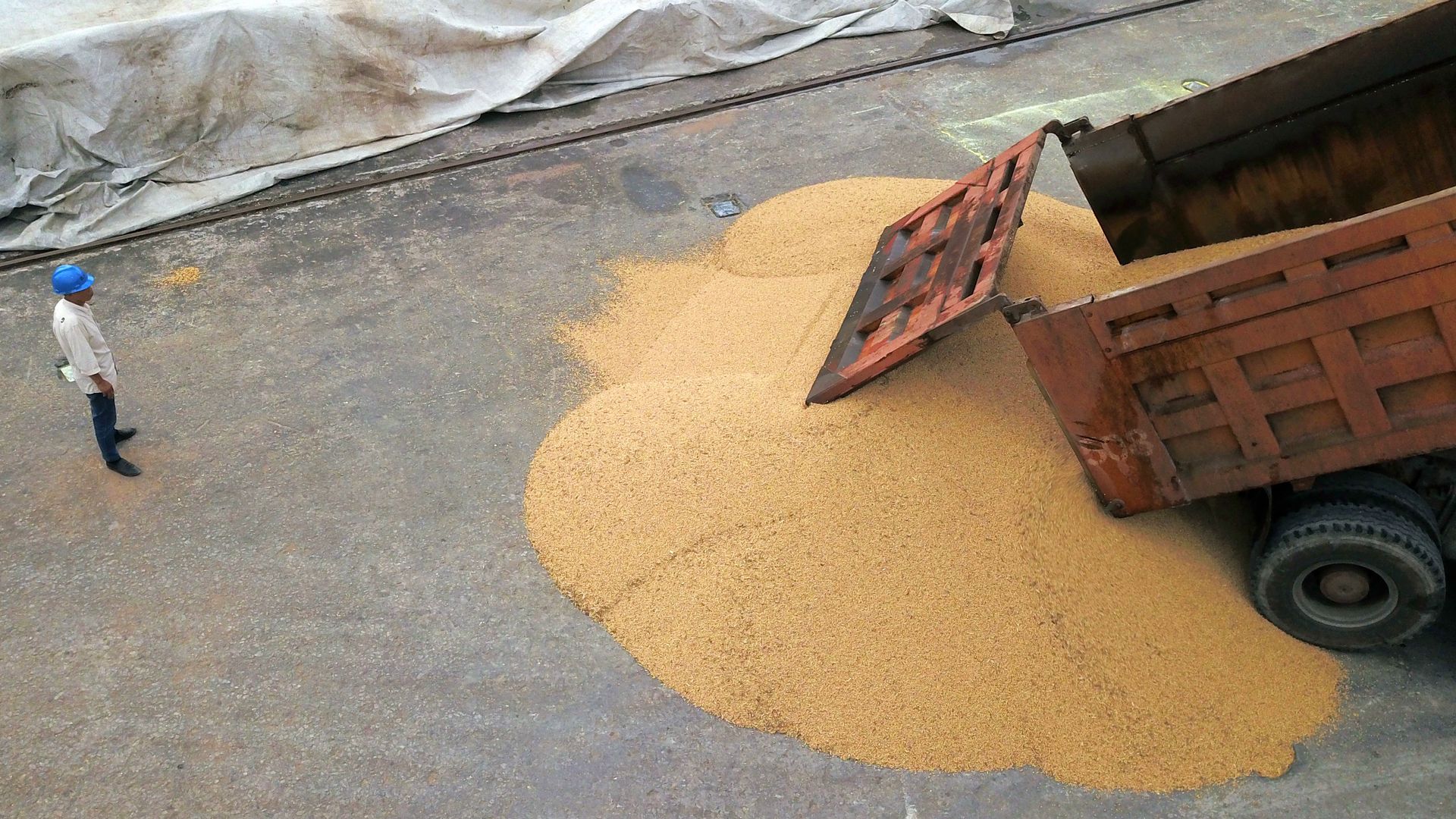
Although a partial agreement was announced last week, the U.S.–China trade war has already brought about changes in global supply chains that could have lasting effects on the American economy, particularly in the agricultural sector.
The big picture: The prolonged U.S.–China tariffs are exacerbating the harms to American farmers wrought by both other trade conflicts and the U.S. withdrawal from the Trans-Pacific Partnership. Foreign food producers are now likely to benefit at the expense of their U.S. counterparts, who have struggled to shift former Chinese exports to other markets.
Saudi Arabia is postponing plans to float shares in state oil giant Aramco, according to multiple reports Thursday.
Why it matters: Plans to offer a small slice of Aramco are aimed at raising buckets of money to fund the kingdom's economic diversification, but the effort has been beset by delays.
The transportation industry is teetering between tried-and-true business models of the past and an alluring, but uncertain, future.
The big picture: The modernization of cars, trucks, planes and public transit could be one of the greatest reorderings of civilization since the dawn of the horseless carriage. But progress in the $1.5 trillion transportation industry is getting snagged on technological, regulatory and social issues.
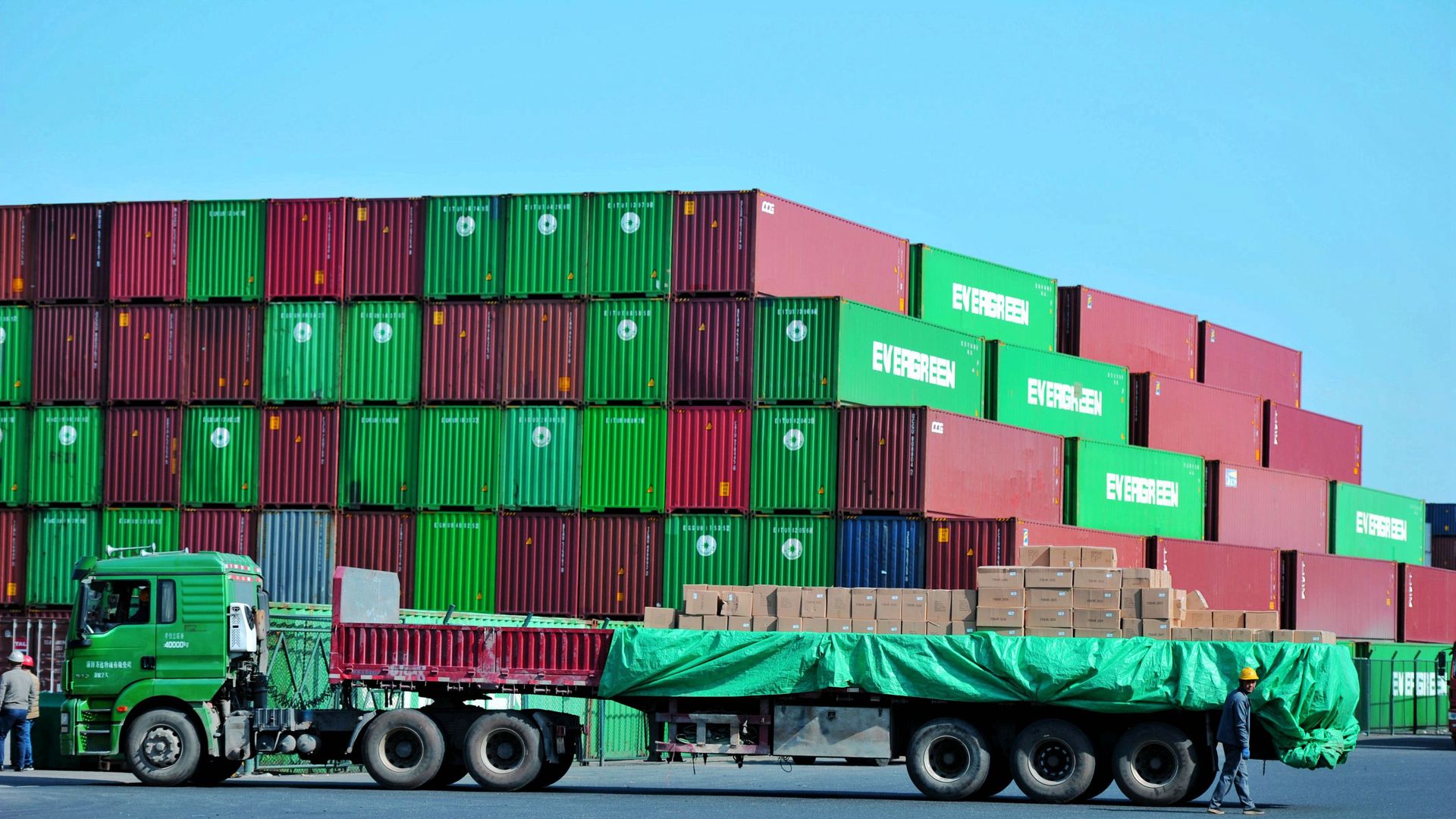
China said its economy grew 6% year-over-year in the 3rd quarter — the slowest pace since the 1st quarter of 1992, per the WSJ — as the trade war weighs on the world's 2nd biggest economy.
Why it matters: s: China's economy grew at a slower pace than the 6.1% economists expected and declined from the prior quarter's 6.2% growth rate. China's efforts — including tax cuts and monetary easing — to stave off the trade war's effects and other homegrown issues have so far come up short. And because details surrounding the U.S.-China "partial trade deal" remain unclear, market-watchers are skeptical the cease-fire will provide any relief for the global economy.