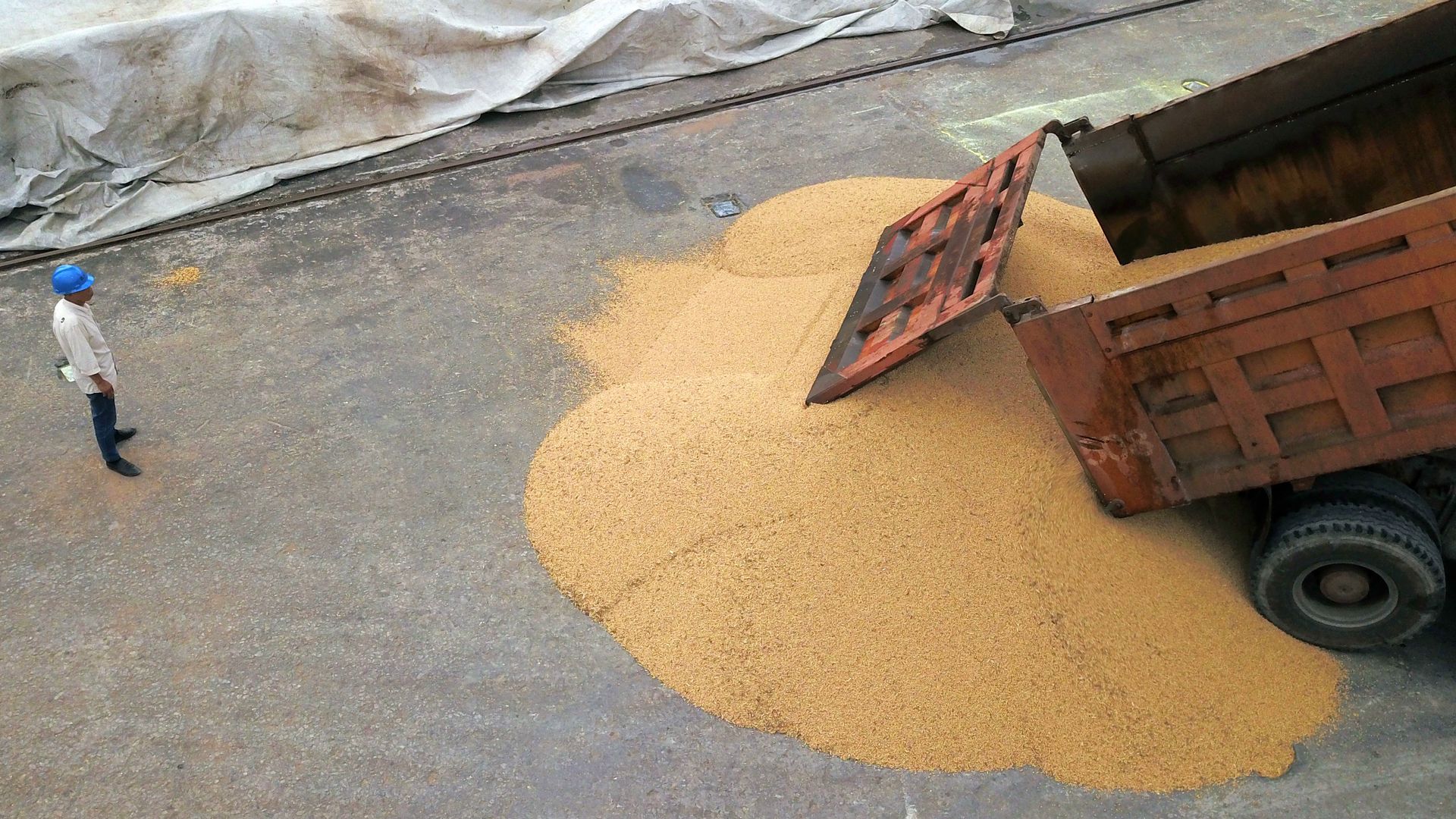
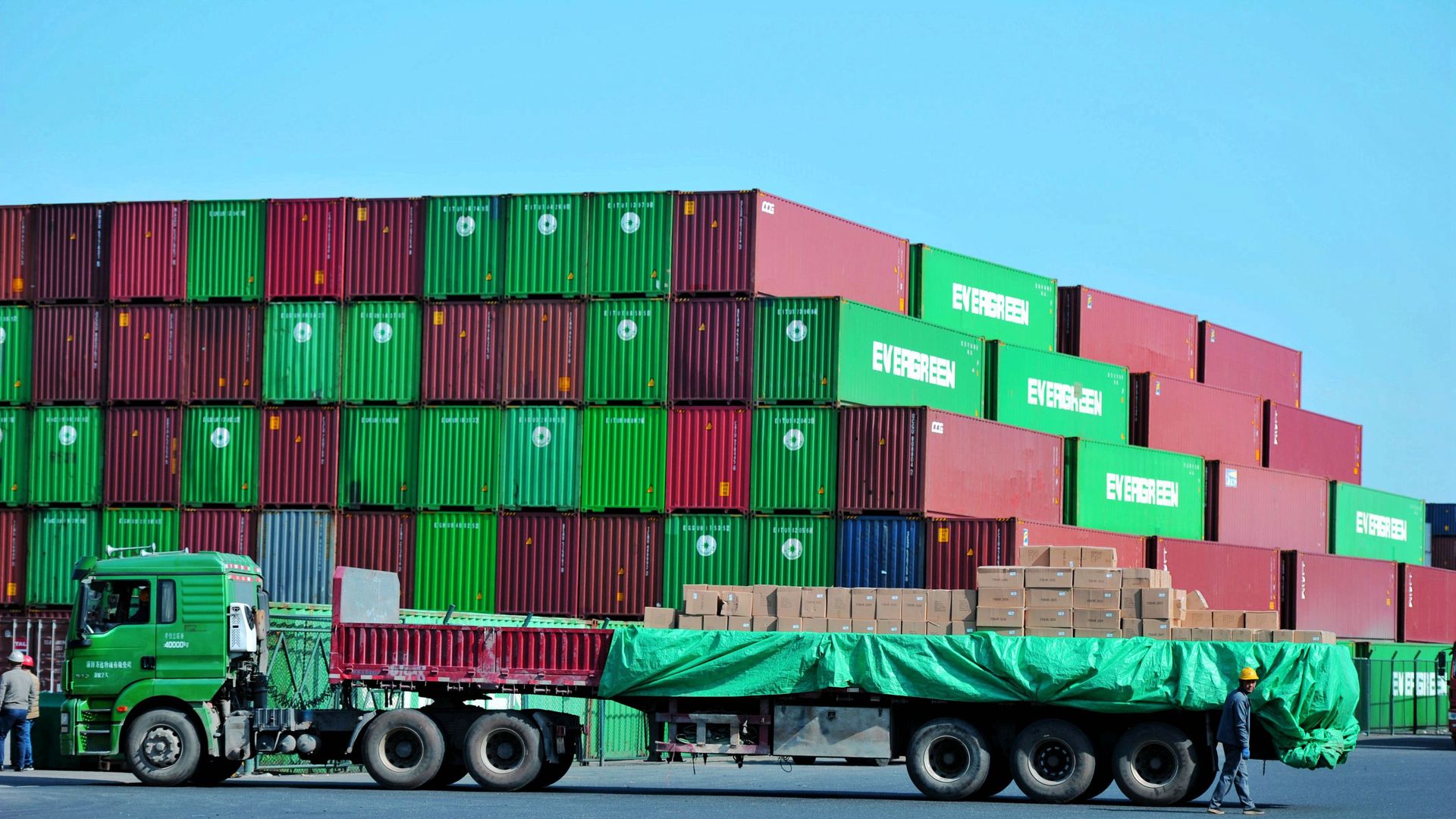
Although a partial agreement was announced last week, the U.S.–China trade war has already brought about changes in global supply chains that could have lasting effects on the American economy, particularly in the agricultural sector.
The big picture: The prolonged U.S.–China tariffs are exacerbating the harms to American farmers wrought by both other trade conflicts and the U.S. withdrawal from the Trans-Pacific Partnership. Foreign food producers are now likely to benefit at the expense of their U.S. counterparts, who have struggled to shift former Chinese exports to other markets.
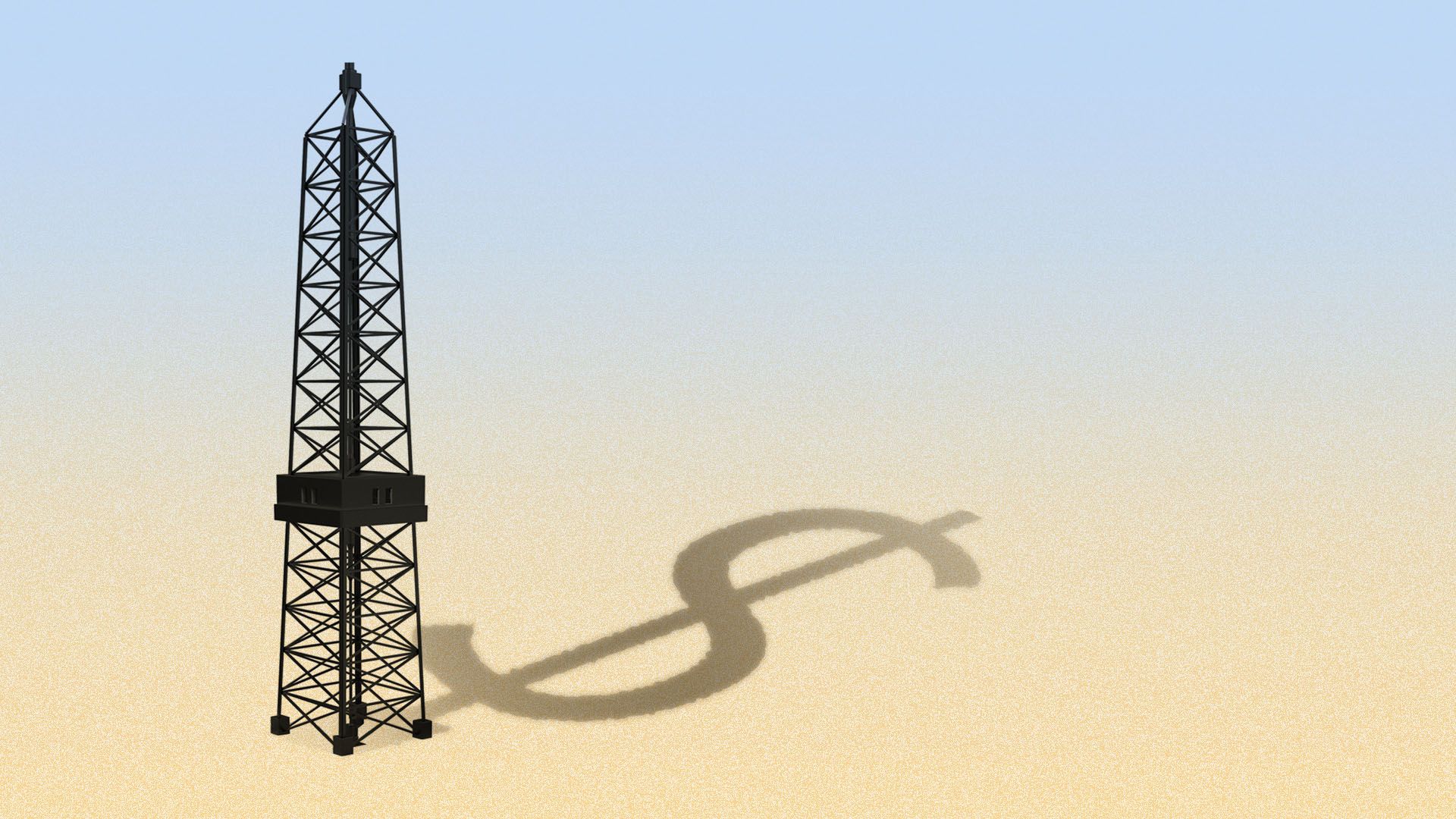
Saudi Arabia is postponing plans to float shares in state oil giant Aramco, according to multiple reports Thursday.
Why it matters: Plans to offer a small slice of Aramco are aimed at raising buckets of money to fund the kingdom's economic diversification, but the effort has been beset by delays.
The transportation industry is teetering between tried-and-true business models of the past and an alluring, but uncertain, future.
The big picture: The modernization of cars, trucks, planes and public transit could be one of the greatest reorderings of civilization since the dawn of the horseless carriage. But progress in the $1.5 trillion transportation industry is getting snagged on technological, regulatory and social issues.
China said its economy grew 6% year-over-year in the 3rd quarter — the slowest pace since the 1st quarter of 1992, per the WSJ — as the trade war weighs on the world's 2nd biggest economy.
Why it matters: s: China's economy grew at a slower pace than the 6.1% economists expected and declined from the prior quarter's 6.2% growth rate. China's efforts — including tax cuts and monetary easing — to stave off the trade war's effects and other homegrown issues have so far come up short. And because details surrounding the U.S.-China "partial trade deal" remain unclear, market-watchers are skeptical the cease-fire will provide any relief for the global economy.
Podcasting is entering a lot of white space — areas where people used to listen to very little media, like while they were commuting or doing the laundry.
Data: MusicWatch; Chart: Axios Visuals
Media is a competitive game, however, and podcasts are certainly going to gain market share from radio.
Driving the news: Shonda Rhimes, who already has a nine-figure TV deal with Netflix, has now signed a 3-year podcasting deal with iHeartPodcast Network, creating Shondaland Audio in the process. Other TV companies, like HBO, are making podcasts themselves, with significant success.
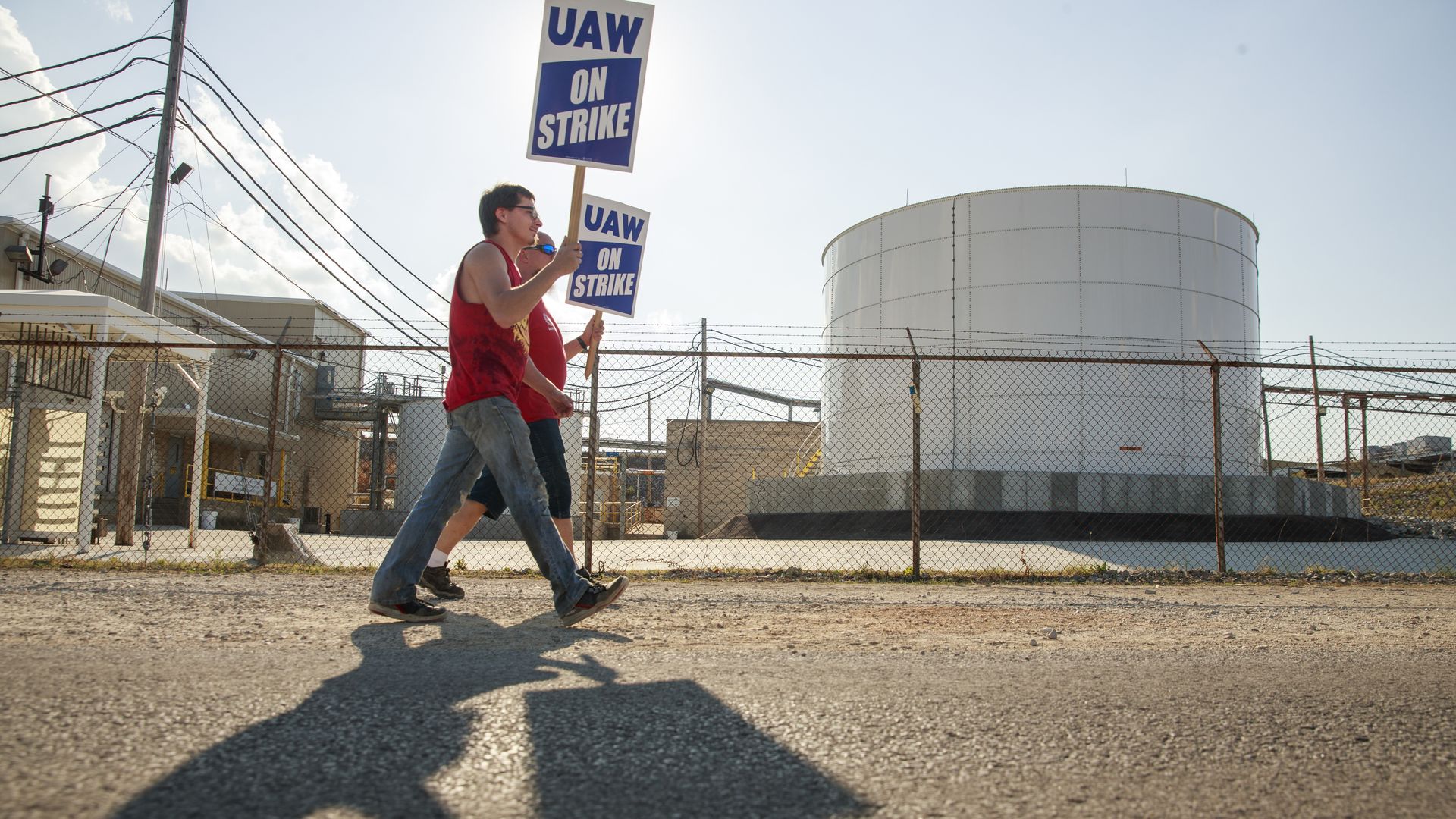
The United Auto Workers strike against General Motors will continue for at least another week as union members vote on whether to ratify a tentative contract agreement.
Why it matters: The unusual decision by some 200 local union leaders from GM plants around the country means the economic pain for the company, its employees and suppliers will continue to mount at least through Oct. 25, when voting at local union halls is scheduled to conclude.
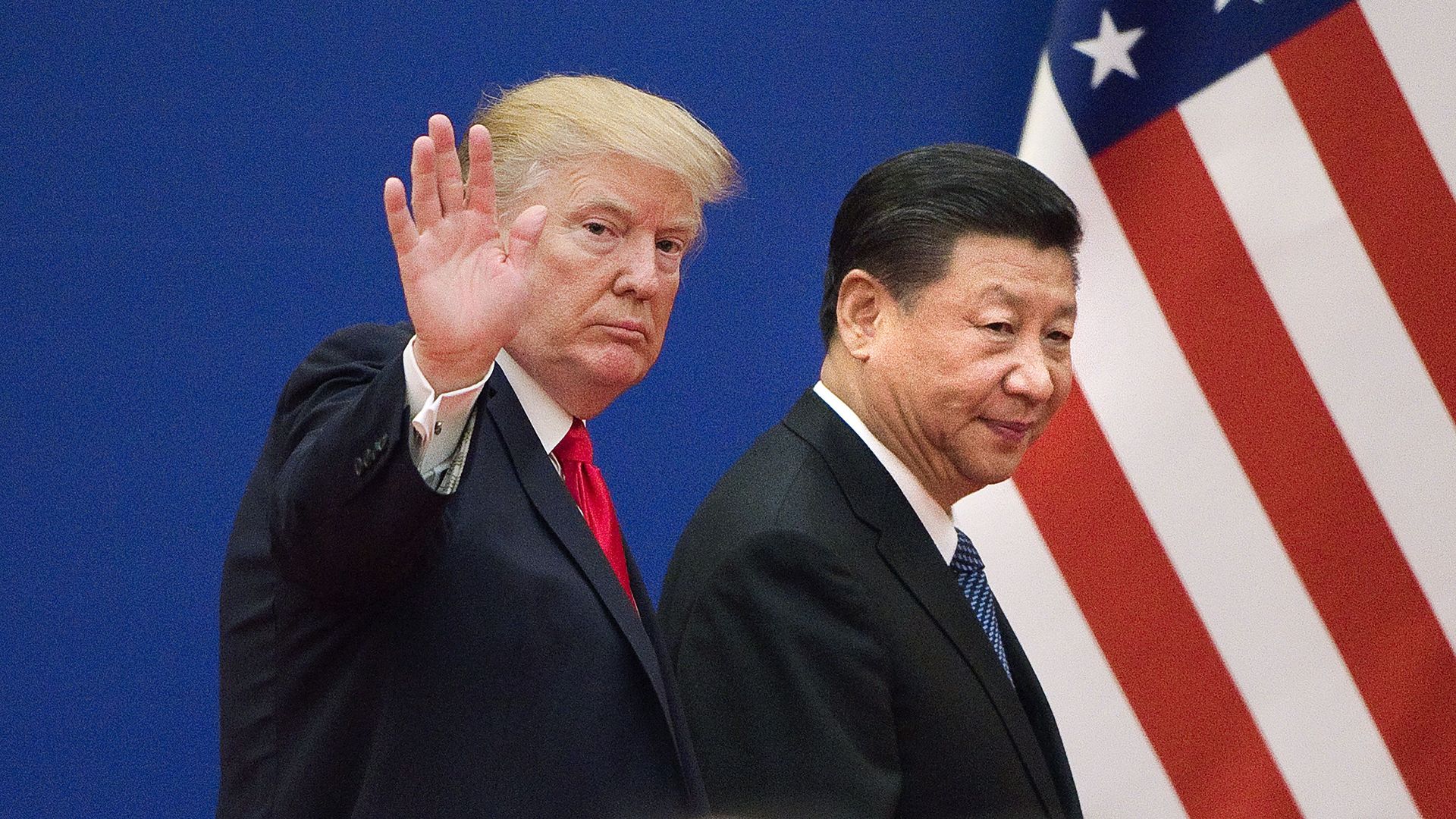
It's been a week since President Trump touted his "phase 1" partial trade agreement with China as the greatest-ever deal for U.S. farmers — but China isn't endorsing his promises.
Where it stands: China has not confirmed Trump's claim that it will buy $40 billion–$50 billion worth of U.S. agricultural goods, and it says a final deal would require the U.S. to cancel all existing and future tariffs, CNBC reports. No final decision has been reached to determine if the U.S. will push tariff increases scheduled for Dec. 15.
Factory workers at General Motors will receive big bonuses and keep their lucrative health benefits under a proposed four-year labor contract, but union bargainers were unable to rescue three U.S. factories slated for closure.
Why it matters: The deal ends the longest nationwide strike at GM in a half-century. But relations remain raw as the automaker and its workforce struggle to adjust to disruptive technology changes roiling the industry.
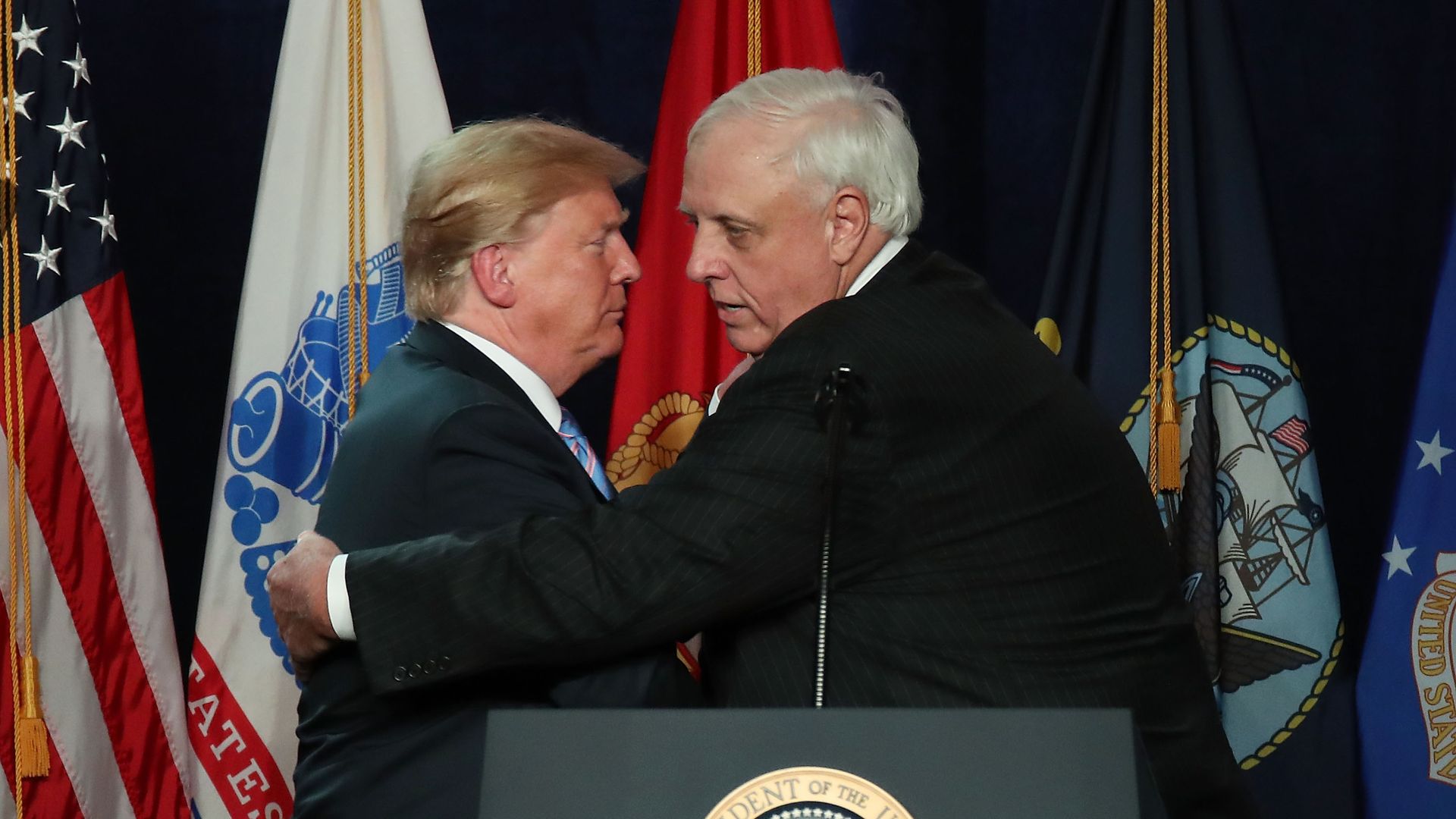
The family business of billionaire West Virginia Gov. Jim Justice (R) received the maximum $125,000 allowed under a federal program designed to aid farmers during the U.S.-China trade war, according to records reviewed by AP.
By the numbers: Justice's farming company took in $121,398 in soybean subsidies and $3,602 for corn — despite the fact that the median payments for the program are $6,438 and $152, respectively. A study of Department of Agriculture data from earlier this year showed that more than 50% of the farm aid went to the nation's largest and wealthiest farms.
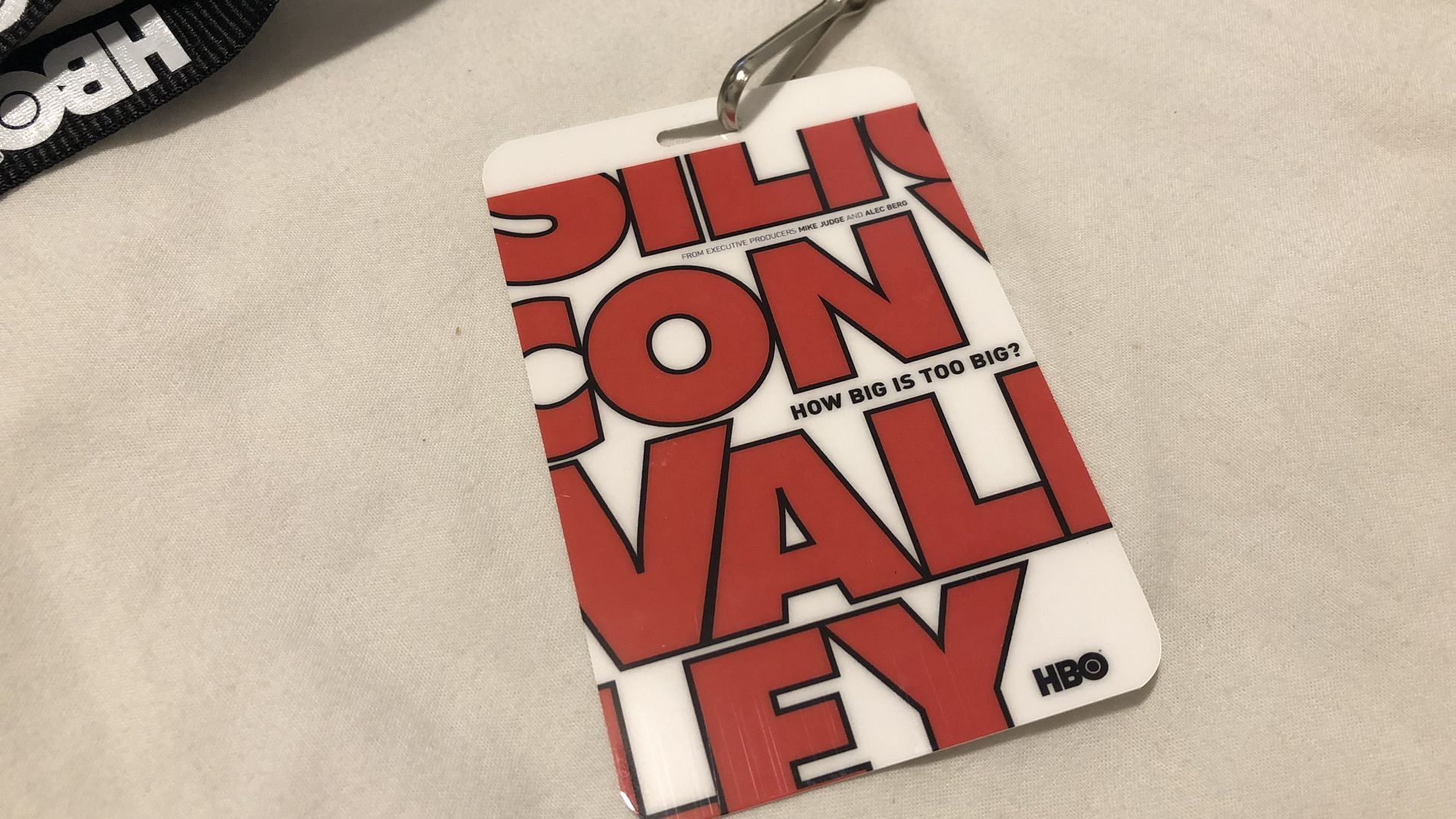
As HBO's "Silicon Valley" series enters its final season, the show's tagline asks "How Big Is Too Big?" in a not-so-subtle nod to the real-life tech industry issues it will parody before the curtain falls.
Why it matters: "It's almost as if breaking all the things isn't always a good thing — who could have foreseen?" co-creator Alec Berg told Axios of the ongoing backlash against Big Tech that's mirrored in the show. The cast and creators were in San Francisco on Wednesday for the season premiere.
U.S. retail sales, which had been the highest-flying piece of American economic data for most of the year, fell in September for the first time in 7 months, raising fears that the U.S. manufacturing recession may be bleeding into the consumer side of the economy.
The big picture. Data from the Commerce Department showed the drop was a result of households cutting spending on building materials, online purchases and especially automobiles. Online retail sales also turned negative for the first time since December 2018.