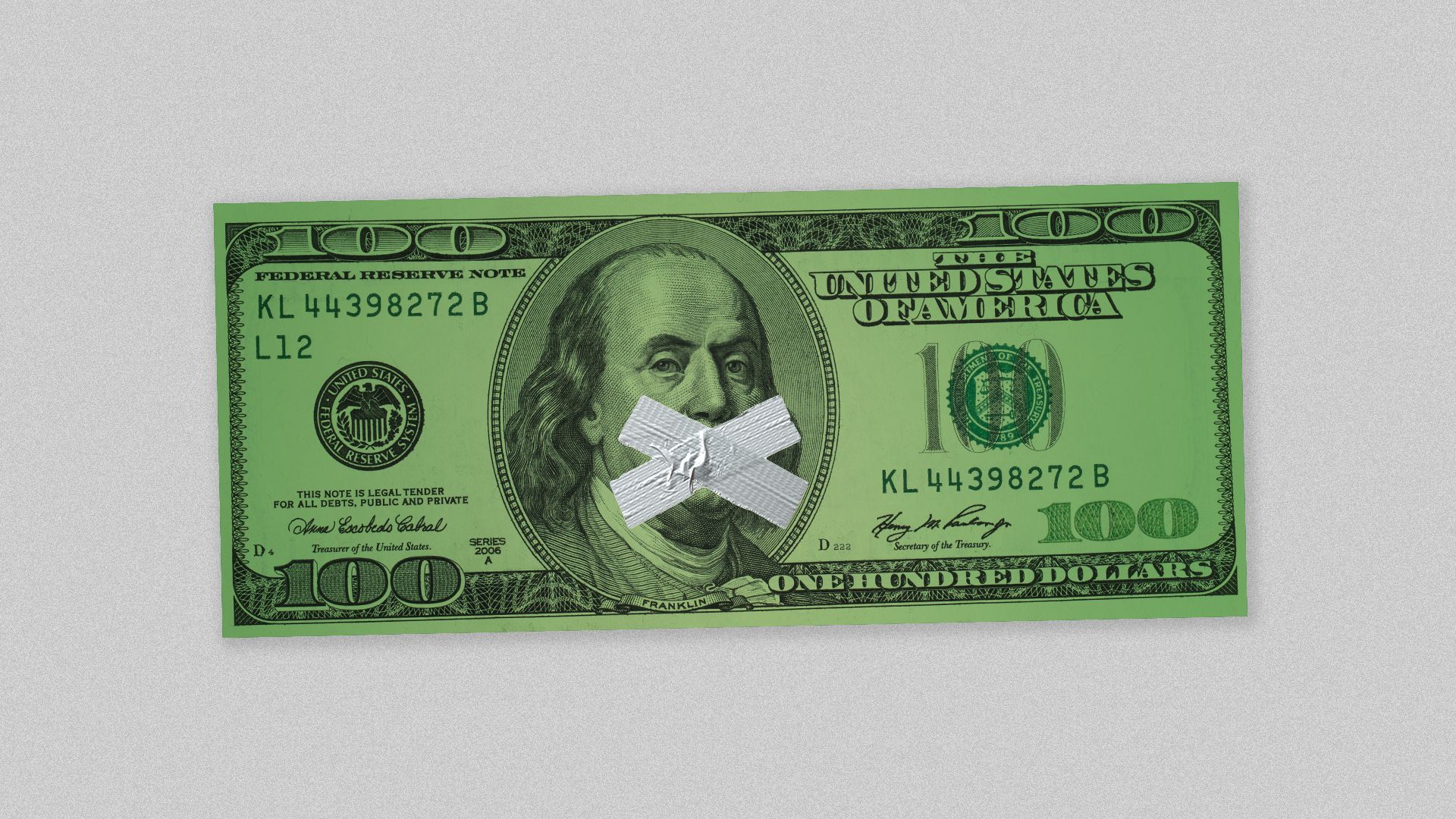
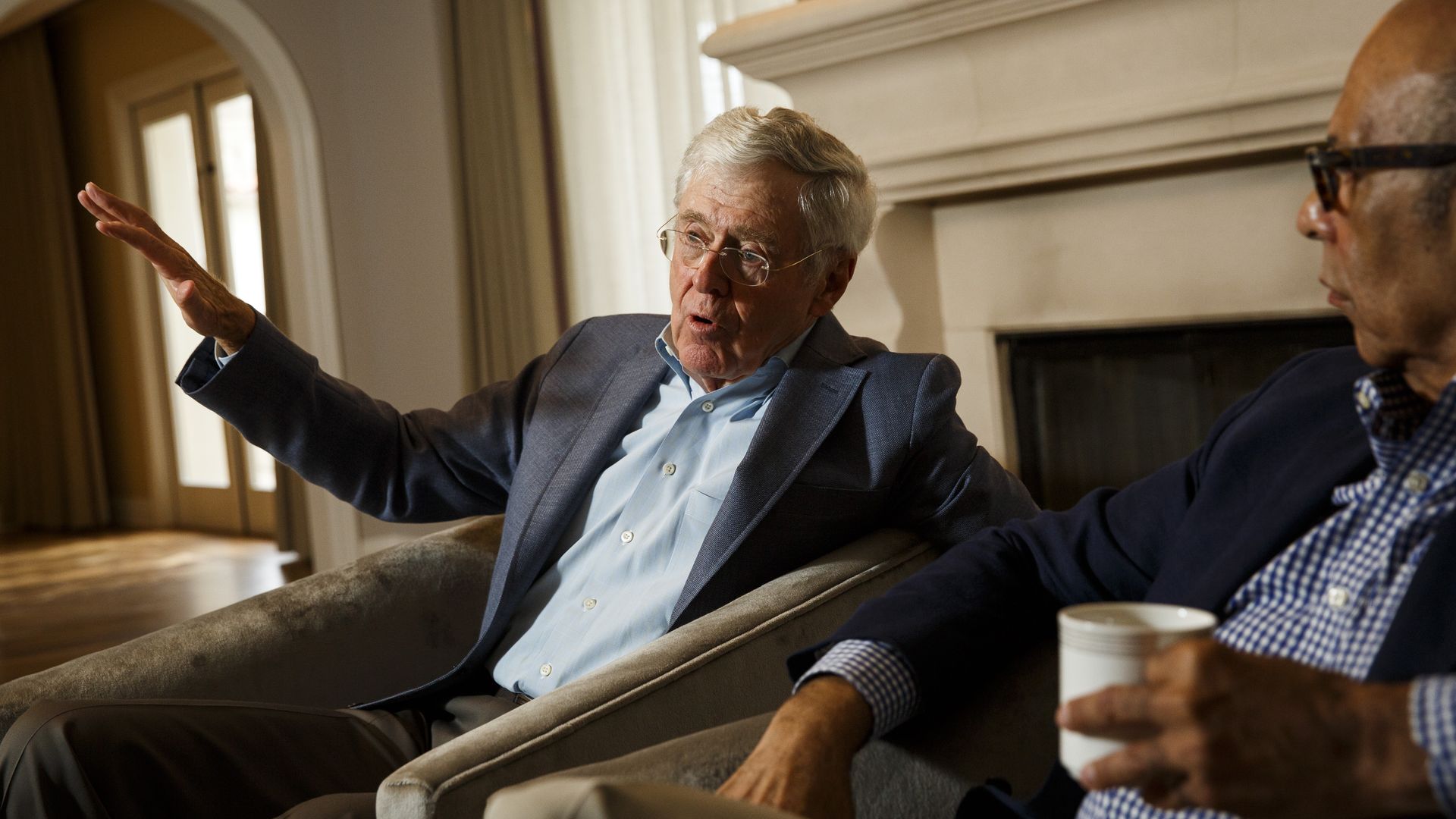
The network funded in part by billionaire and Republican megadonor Charles Koch is shifting gears in its efforts to combat President Donald Trump's trade war with China, CNBC reports, after sources told the outlet that its TV ad campaign has fallen flat.
Why it matters: Leaders of the network told CNBC that the argument they're selling to voters — that tariffs are costing American consumers — isn't resonating. "It doesn’t penetrate with the people that are willing to go along with the argument that you have to punish China," a senior Koch official told CNBC.
The big lesson of this week: Don't trust the markets.
What's happening: U.S. money markets fell into chaos this week as risk-free overnight interest rates spiked to almost 10%. But, while market information is a very important signal, it should never be taken as being definitive.
Colt announced Thursday that it is ending the production and sale of AR-15 rifles for civilians.
Why it matters: Colt cites excess market capacity as its reason for shutting down the line, stating, "Given this level of manufacturing capacity, we believe there is adequate supply for modern sporting rifles for the foreseeable future."
Datadog, a New York-based provider of cloud app monitoring SaaS, raised $648 million in its IPO by pricing 24 million shares at $27 (above upwardly-revised range).
Why it matters: This values Datadog at $8.7 billion, or more than 13 times higher than the company's last private mark of $640 million. Plus, it's poised to become a massive win for a New York tech scene that's smarting over WeWork — a rebound that Peloton could expand on tonight.
Venture capital's call for more direct listings is growing louder with a group of big-name investors and tech company executives expected to attend a private, invite-only "symposium" on the matter next month at a hotel in San Francisco.
Why it matters: There's a growing investor consensus that the traditional VC-backed IPO process is antiquated and broken — too often benefiting a high-net-worth bank clients and a small pool of mutual and hedge funds, at the expense of issuers.
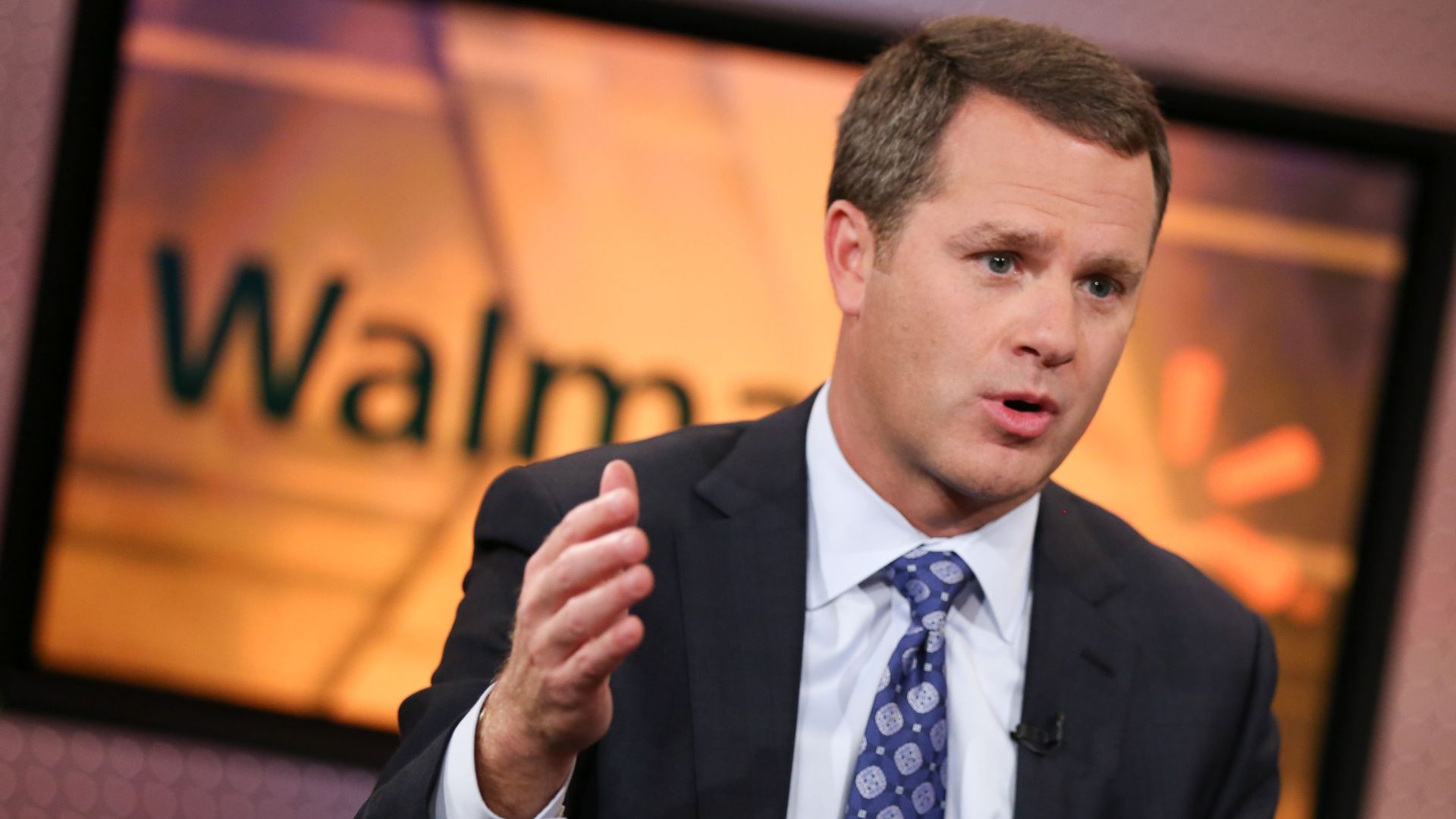
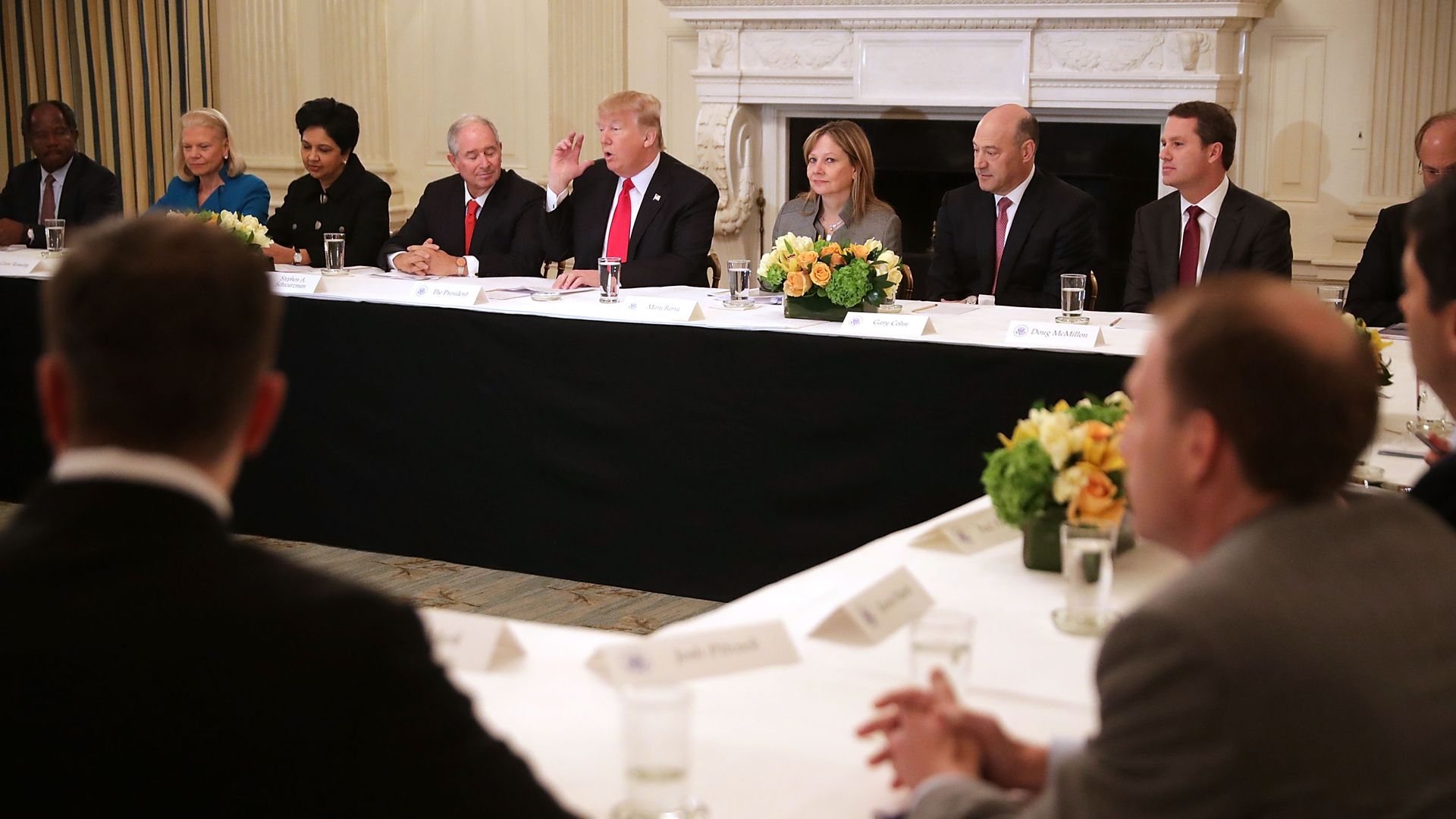
Walmart President and CEO Doug McMillon was named Thursday as the incoming chairman of the Business Roundtable, a CEO-only group that recently sparked a national conversation about the evolving role of corporations in society.
Why it matters: McMillon — born in Arkansas, where Walmart is headquartered, and with the company his whole career — brings a heartland face to business at a time when CEOs face rising political pressure from employees, social media and customers.
FedEx shares fell by the most in a decade after chairman and CEO Fred Smith expressed extreme pessimism about the global economy and the delivery giant’s future during his investor call.
What's happening: "The Memphis, Tenn.-based delivery giant on Tuesday cut its earnings guidance for the fiscal year citing lower revenue projections in its Express unit, which ferries packages and cargo by planes around the world," the Wall Street Journal reports.
The Business Roundtable on Wednesday announced that CEO confidence fell to the lowest level in 3 years — a doom-and-gloom indicator that contrasts the high levels of consumer optimism.
Why it matters: Top executives are feeling the pain from the trade war, prompting them to hold off on spending decisions that propel economic growth. Consumers, so far unshaken by tariffs and similar threats, could be the economy's saving grace.
Retailers are under pressure to raise prices on a slew of everyday products. The problem: Americans have become too cheap to let them.
Why it matters: Our obsession with cheap stuff is tying the hands of some of the nation's biggest corporations — like Target, Macy's and Walmart — at a time when they're grappling with new tariffs and can't risk offending shoppers during the all-important holiday season.
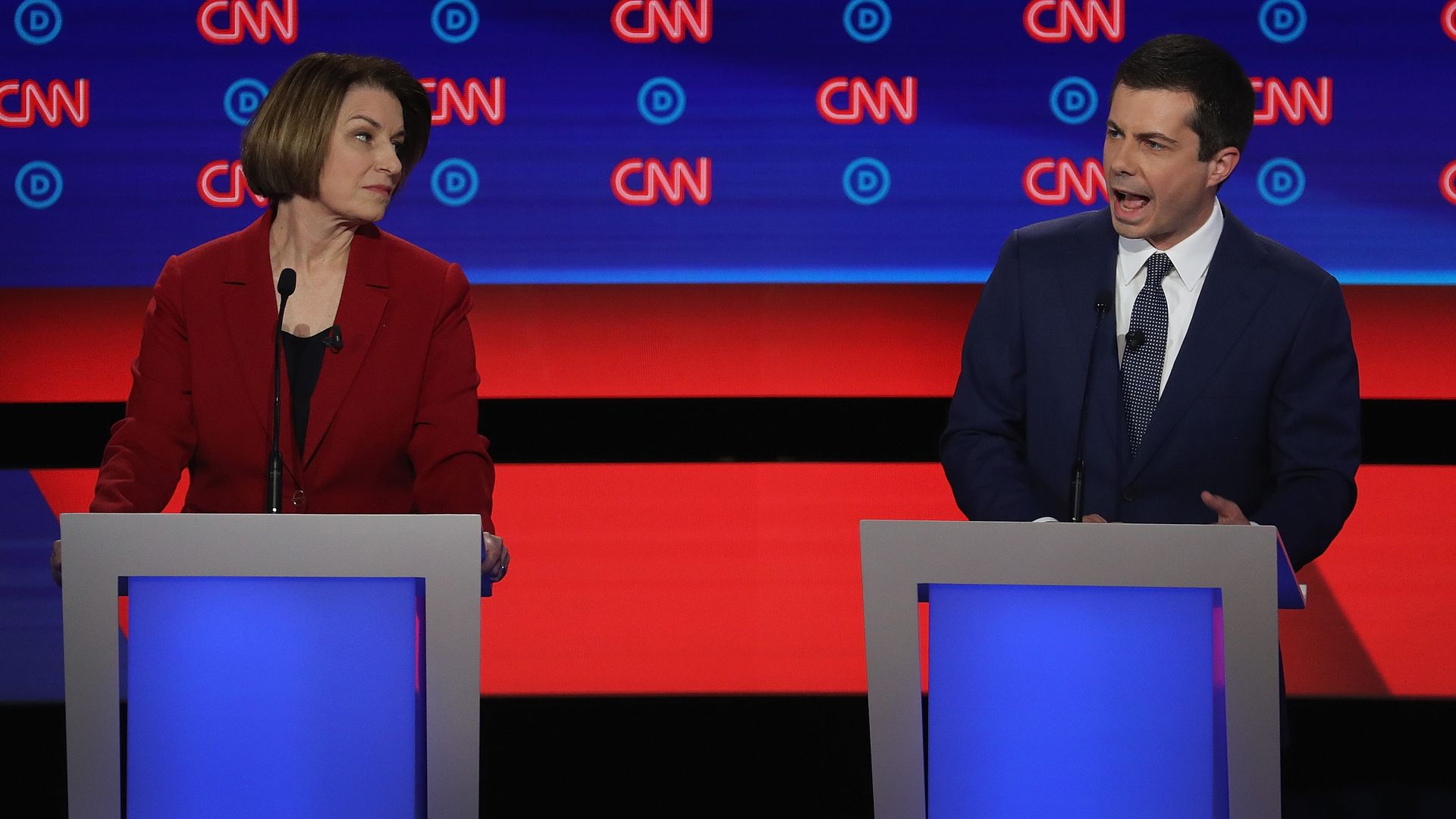
CNN released new details Wednesday on its upcoming 2020 Democratic town hall on LGBTQ issues, hosted by the Human Rights Campaign Foundation. The event will take place on Oct. 10, 5 days before the 4th round of primary debates.
Catch up quick: So far, 9 candidates will attend. Sen. Bernie Sanders and former tech executive Andrew Yang declined to participate, citing scheduling conflicts, CNN reports. Candidates are eligible to attend if they meet DNC qualifications for October's primary debates.
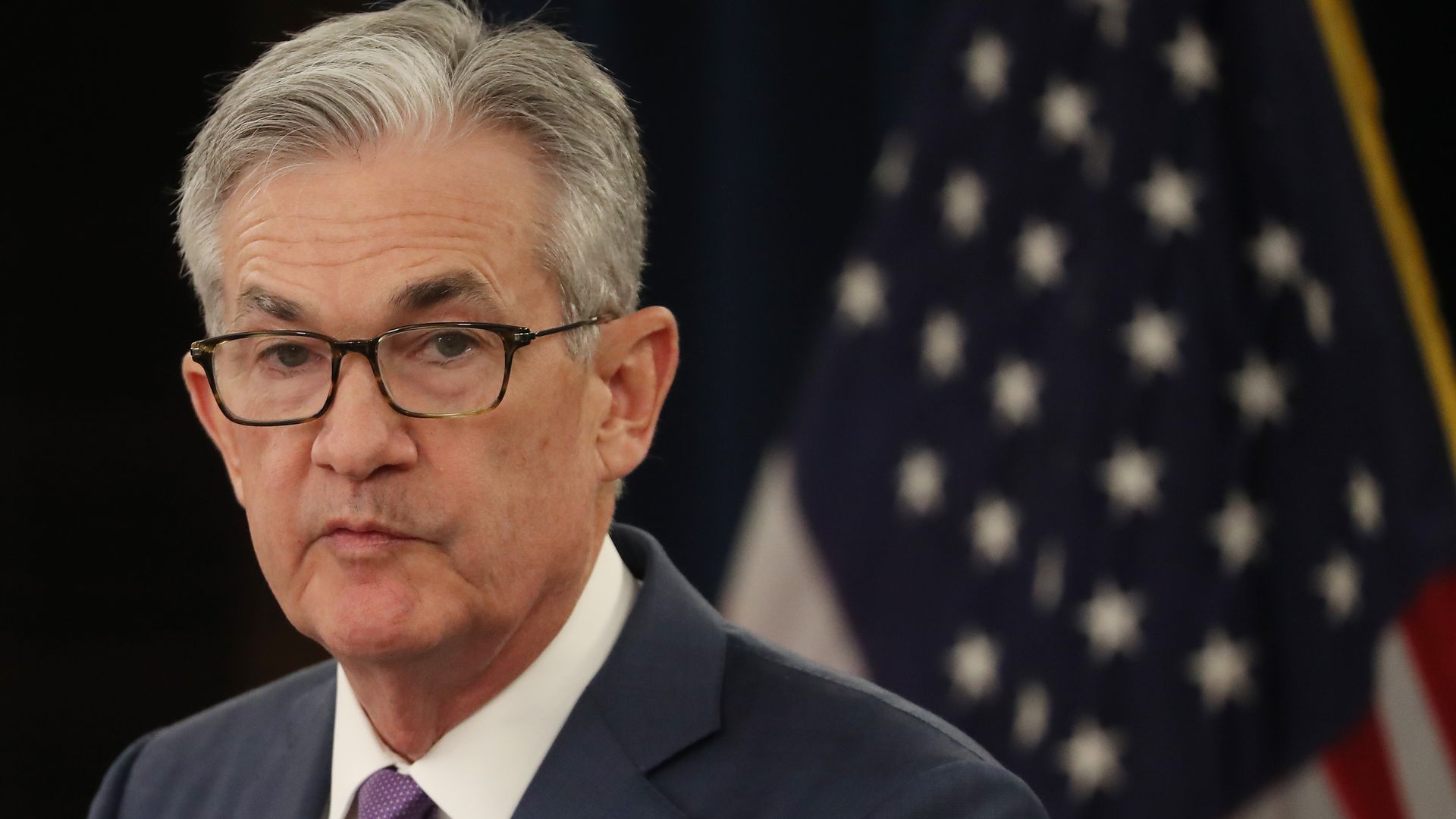
The Federal Reserve cut interest rates by a quarter point on Wednesday, bringing the target range for the benchmark Fed Funds rate to 1.75%–2%.
Why it matters: The Fed's 2nd consecutive rate cut reflects worries about the U.S. economy. The trade war and slowing growth around the world have made corporate executives more worried than they've been in years.
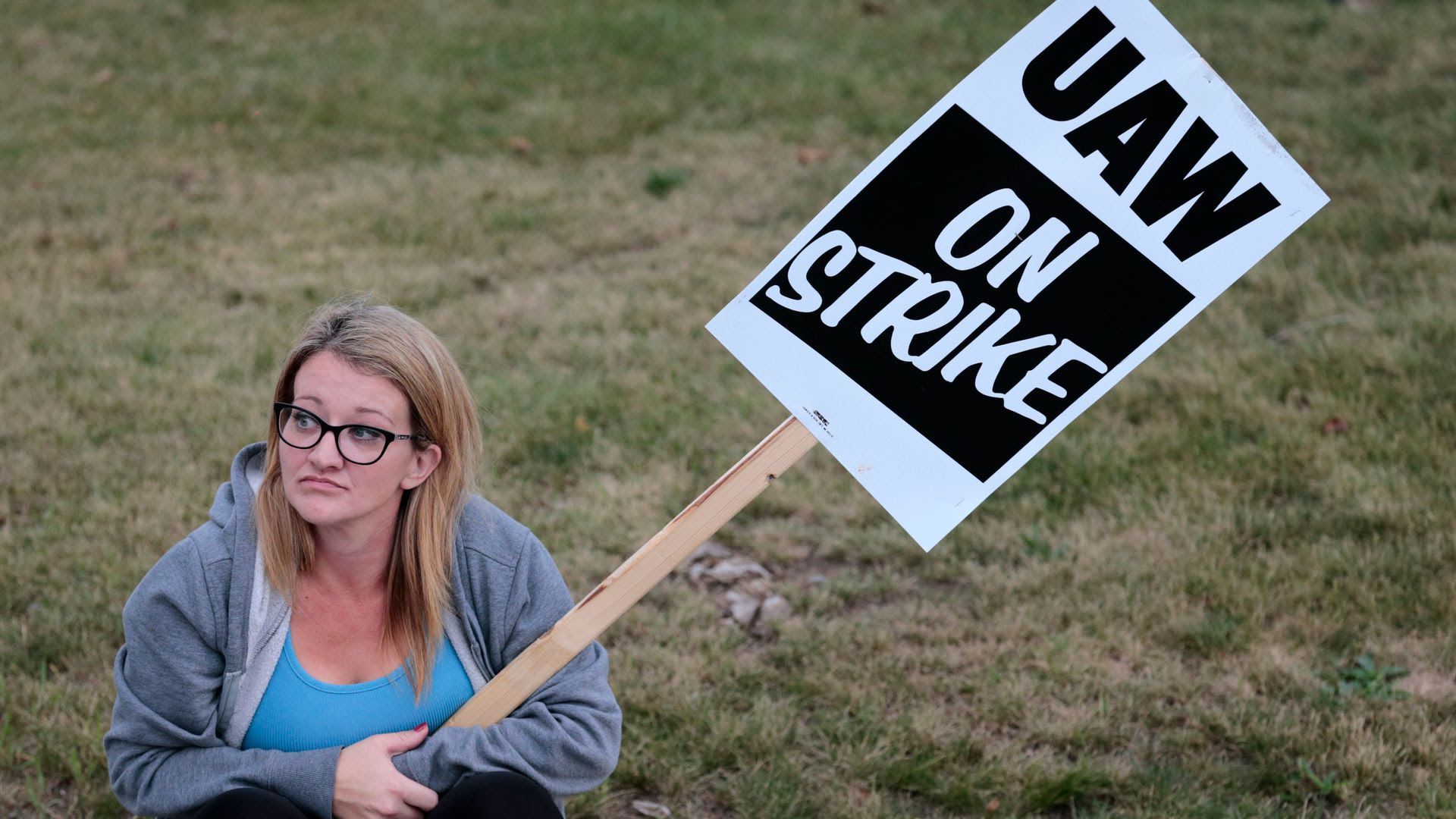
The conflict between GM and its 46,000 striking workers comes down to a fundamental issue: both sides are unclear about where the industry is headed.
The big picture: The labor dispute is shaped, in part, by the changing transportation landscape. Traditional business models are fading, but it's not clear whether investments in new technologies like electric vehicles and self-driving cars will pay off.
There is a revived push to allow mom-and-pop investors to buy shares in private companies, something from which they have been generally prohibited.
The state of play: At issue is how a lot of startup value creation has become over-weighted to the private markets, with fewer gains being generated post-IPO.
Confidence among the nation's top CEOs saw the biggest quarter-over-quarter drop in 7 years and hit a level not seen since the 4th quarter of 2016, according to a closely-watched survey by the Business Roundtable.
Why it matters: Corporate America's level of optimism has dramatically receded from the levels when President Trump took office. Amid heightened trade war uncertainty, CEOs have downgraded expectations for hiring, capital spending and sales growth — potentially exacerbating fears that the record economic expansion could be coming to an end.
Major foreign investors added to their holdings of U.S. stocks but slightly cut their Treasury bonds in July, data from the Treasury department released Tuesday shows.
Of note: China reduced its share in July and foreign holders overall cut their Treasury holdings to $6.63 trillion. China has been gradually paring down its holdings for some time, but most analysts don't see the reduction as part of a strategy to dump Treasuries as a trade war weapon.
The labor market is so strong that not only are millennial and Gen Z employees ghosting their employers as they leave jobs, but they're also ghosting new jobs because they've gotten a better offer, CNN reports.
What's happening: "People are getting multiple offers in a market like today, and they are not showing up on their first day of work," Paul McDonald, senior executive director at staffing firm Robert Half, tells CNN's Kathryn Vasel.
U.S. industrial production jumped by the most in a year last month, rising by 0.6% and showing that perhaps the trade war isn't having as dire an impact on the U.S. economy as feared.
Why it matters: Industrial production is a measure of factory, mining and utility output, and came in well above economists’ expectations.


/2019/09/19/1568917587619.gif?w=3840)