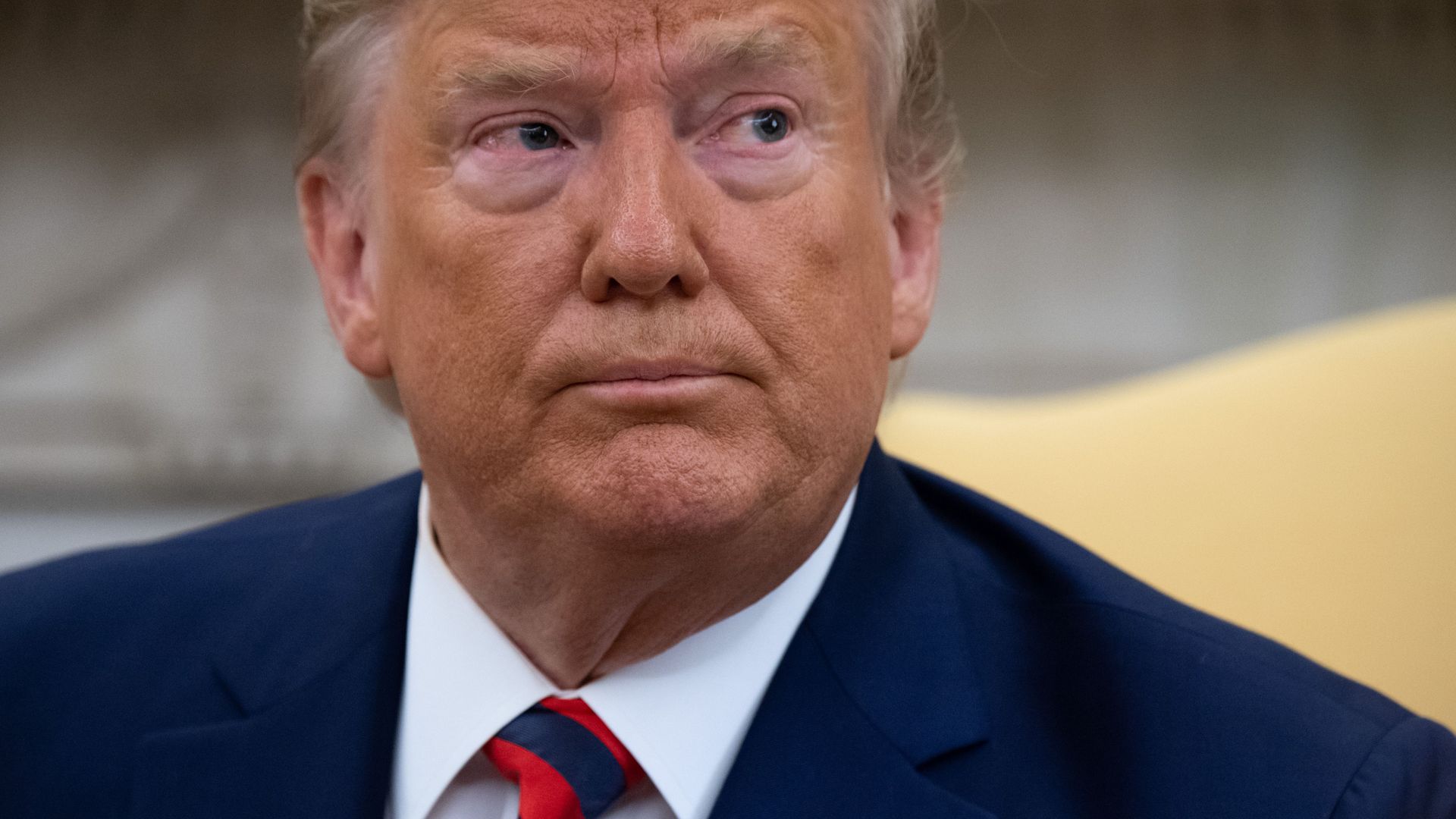
Trade negotiators from China cancelled visits to meet farmers in Montana and Nebraska on Friday, around an hour after President Trump said he was interested in a "big deal," not “a partial deal” with China, the Washington Post reports.
The big picture: The U.S. trade war with China has reduced U.S. employment by 300,000 jobs, compared with likely employment levels absent the trade war, Moody’s Analytics estimates. The National Foundation for American Policy estimates that tariffs will cost U.S. households $2,000 each by next year.
Amid plans to go public in 2020, Airbnb is still sparring with New York City in its latest battle over illegally listed short-term rentals, Bloomberg reports.
Why it matters: Investors want the company "to sort things out with New York" before filing for its IPO, according to Bloomberg — but "Airbnb has been at odds with New York for almost its entire existence."
Video Game Entertainment & News Network (Venn), a startup seeking to make 55 hours of esports content a week, plans to launch studios in New York and Los Angeles in mid-2020, the Los Angeles Times writes.
The big picture: The New York-based business has raised $17 million and is looking to become a gaming network, with distribution deals including Twitch, YouTube and Hulu TV. The esports category has expanded in popularity, particularly with young people, with platforms like Twitch allowing gamers to grow more connected by streaming their activities.
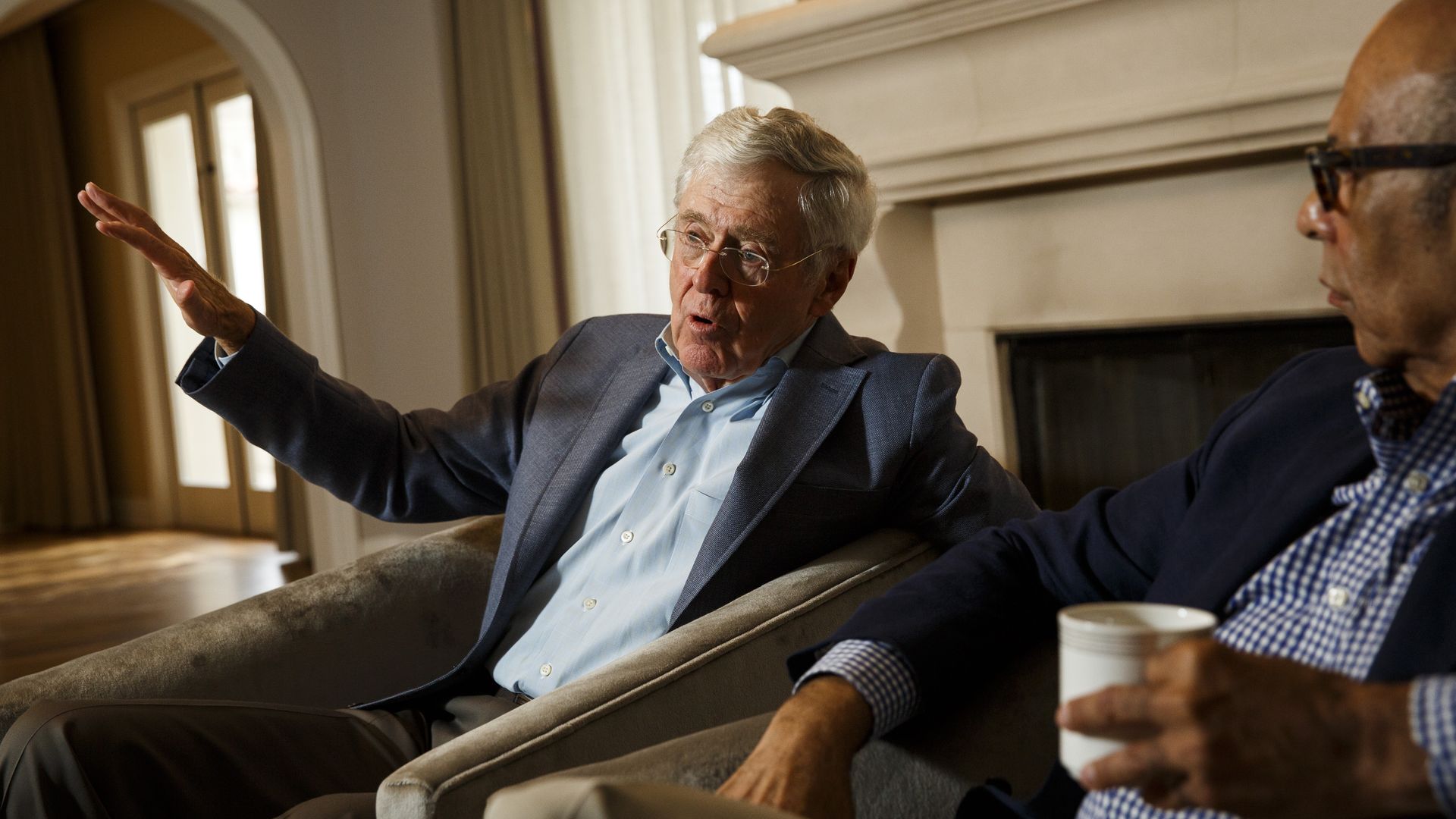
The network funded in part by billionaire and Republican megadonor Charles Koch is shifting gears in its efforts to combat President Donald Trump's trade war with China, CNBC reports, after sources told the outlet that its TV ad campaign has fallen flat.
Why it matters: Leaders of the network told CNBC that the argument they're selling to voters — that tariffs are costing American consumers — isn't resonating. "It doesn’t penetrate with the people that are willing to go along with the argument that you have to punish China," a senior Koch official told CNBC.
The big lesson of this week: Don't trust the markets.
What's happening: U.S. money markets fell into chaos this week as risk-free overnight interest rates spiked to almost 10%. But, while market information is a very important signal, it should never be taken as being definitive.
Colt announced Thursday that it is ending the production and sale of AR-15 rifles for civilians.
Why it matters: Colt cites excess market capacity as its reason for shutting down the line, stating, "Given this level of manufacturing capacity, we believe there is adequate supply for modern sporting rifles for the foreseeable future."
Datadog, a New York-based provider of cloud app monitoring SaaS, raised $648 million in its IPO by pricing 24 million shares at $27 (above upwardly-revised range).
Why it matters: This values Datadog at $8.7 billion, or more than 13 times higher than the company's last private mark of $640 million. Plus, it's poised to become a massive win for a New York tech scene that's smarting over WeWork — a rebound that Peloton could expand on tonight.
Venture capital's call for more direct listings is growing louder with a group of big-name investors and tech company executives expected to attend a private, invite-only "symposium" on the matter next month at a hotel in San Francisco.
Why it matters: There's a growing investor consensus that the traditional VC-backed IPO process is antiquated and broken — too often benefiting a high-net-worth bank clients and a small pool of mutual and hedge funds, at the expense of issuers.
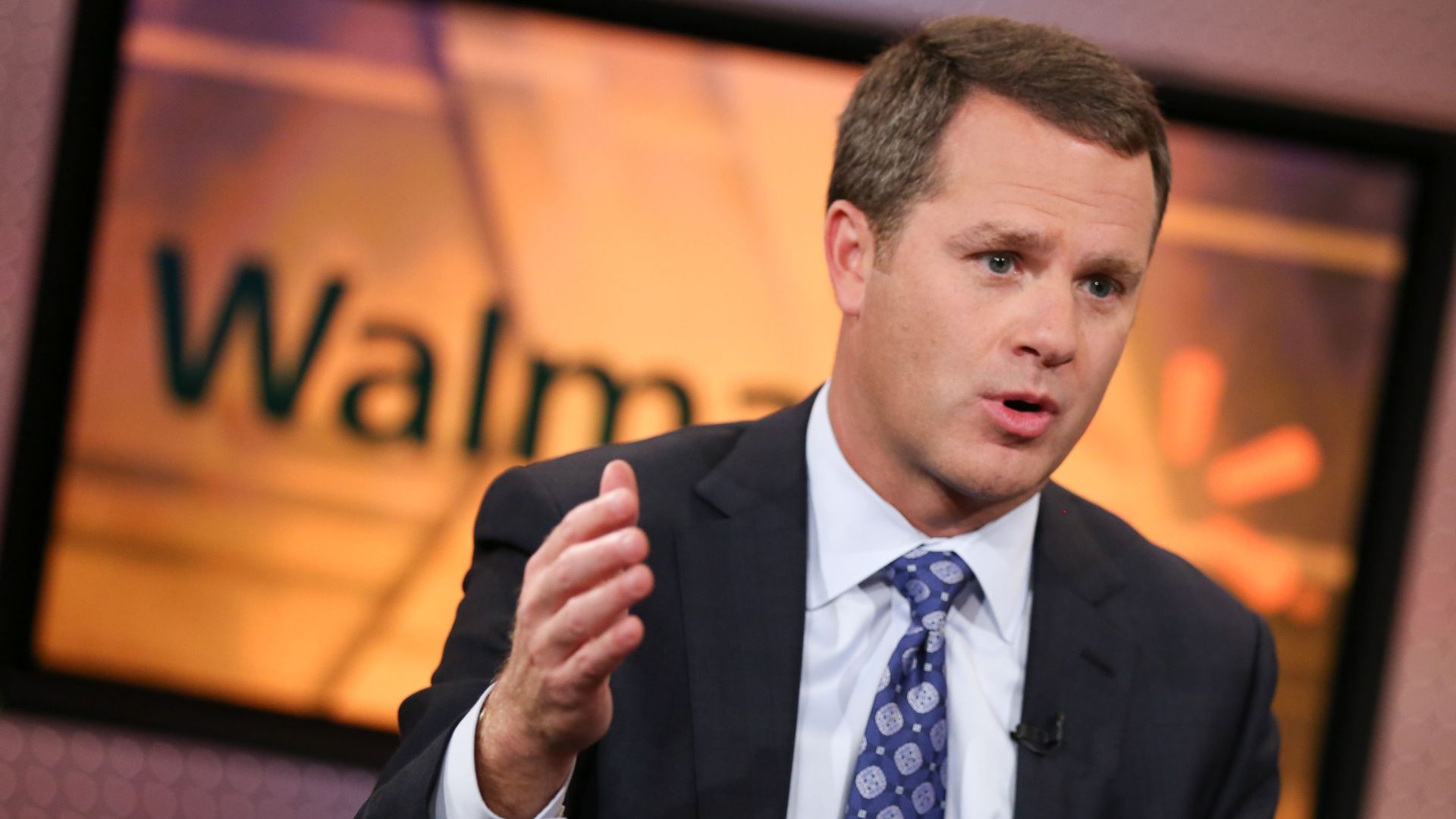
Walmart President and CEO Doug McMillon was named Thursday as the incoming chairman of the Business Roundtable, a CEO-only group that recently sparked a national conversation about the evolving role of corporations in society.
Why it matters: McMillon — born in Arkansas, where Walmart is headquartered, and with the company his whole career — brings a heartland face to business at a time when CEOs face rising political pressure from employees, social media and customers.
FedEx shares fell by the most in a decade after chairman and CEO Fred Smith expressed extreme pessimism about the global economy and the delivery giant’s future during his investor call.
What's happening: "The Memphis, Tenn.-based delivery giant on Tuesday cut its earnings guidance for the fiscal year citing lower revenue projections in its Express unit, which ferries packages and cargo by planes around the world," the Wall Street Journal reports.
The Business Roundtable on Wednesday announced that CEO confidence fell to the lowest level in 3 years — a doom-and-gloom indicator that contrasts the high levels of consumer optimism.
Why it matters: Top executives are feeling the pain from the trade war, prompting them to hold off on spending decisions that propel economic growth. Consumers, so far unshaken by tariffs and similar threats, could be the economy's saving grace.
Retailers are under pressure to raise prices on a slew of everyday products. The problem: Americans have become too cheap to let them.
Why it matters: Our obsession with cheap stuff is tying the hands of some of the nation's biggest corporations — like Target, Macy's and Walmart — at a time when they're grappling with new tariffs and can't risk offending shoppers during the all-important holiday season.






/2019/09/19/1568917587619.gif?w=3840)