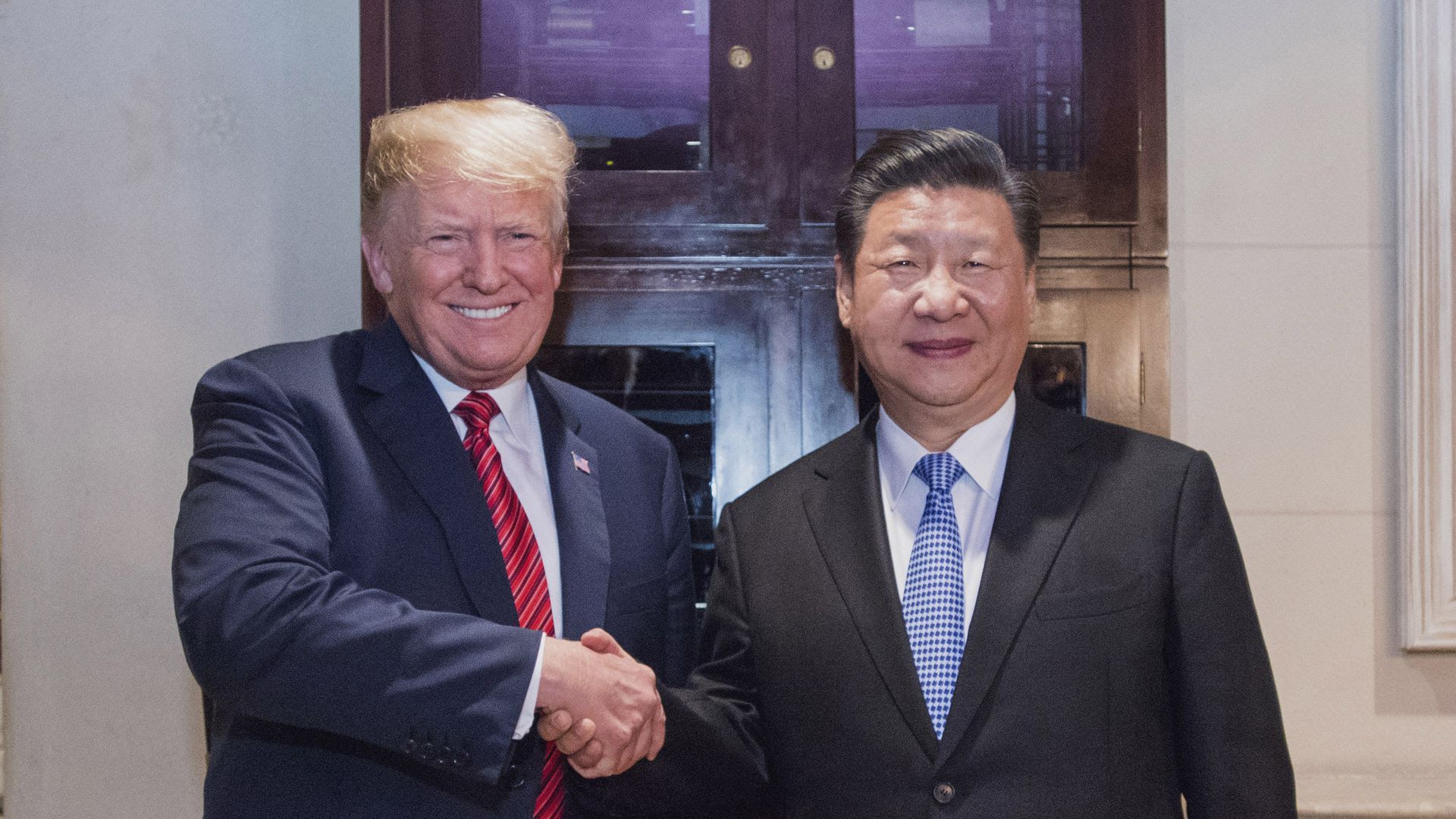
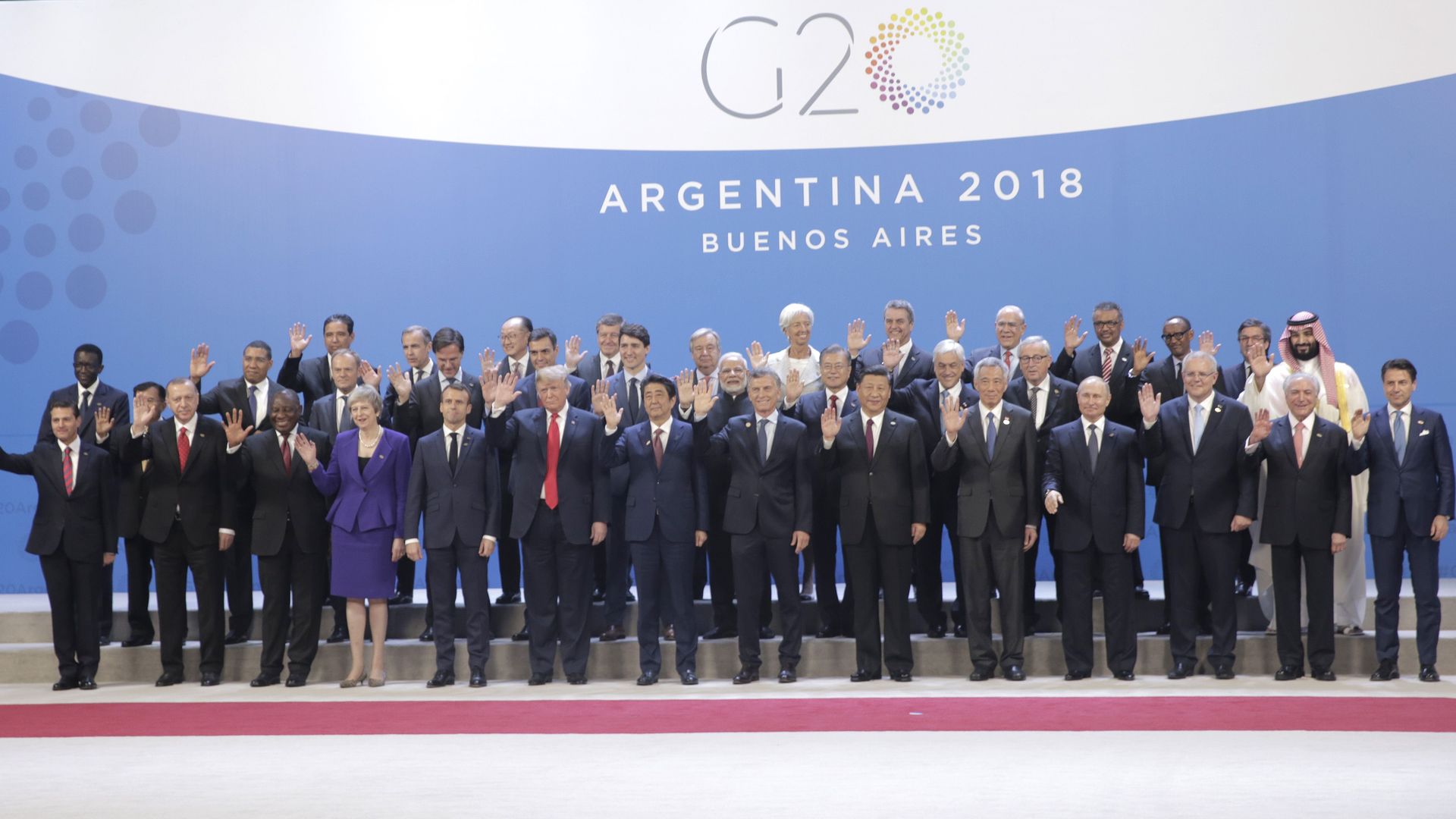
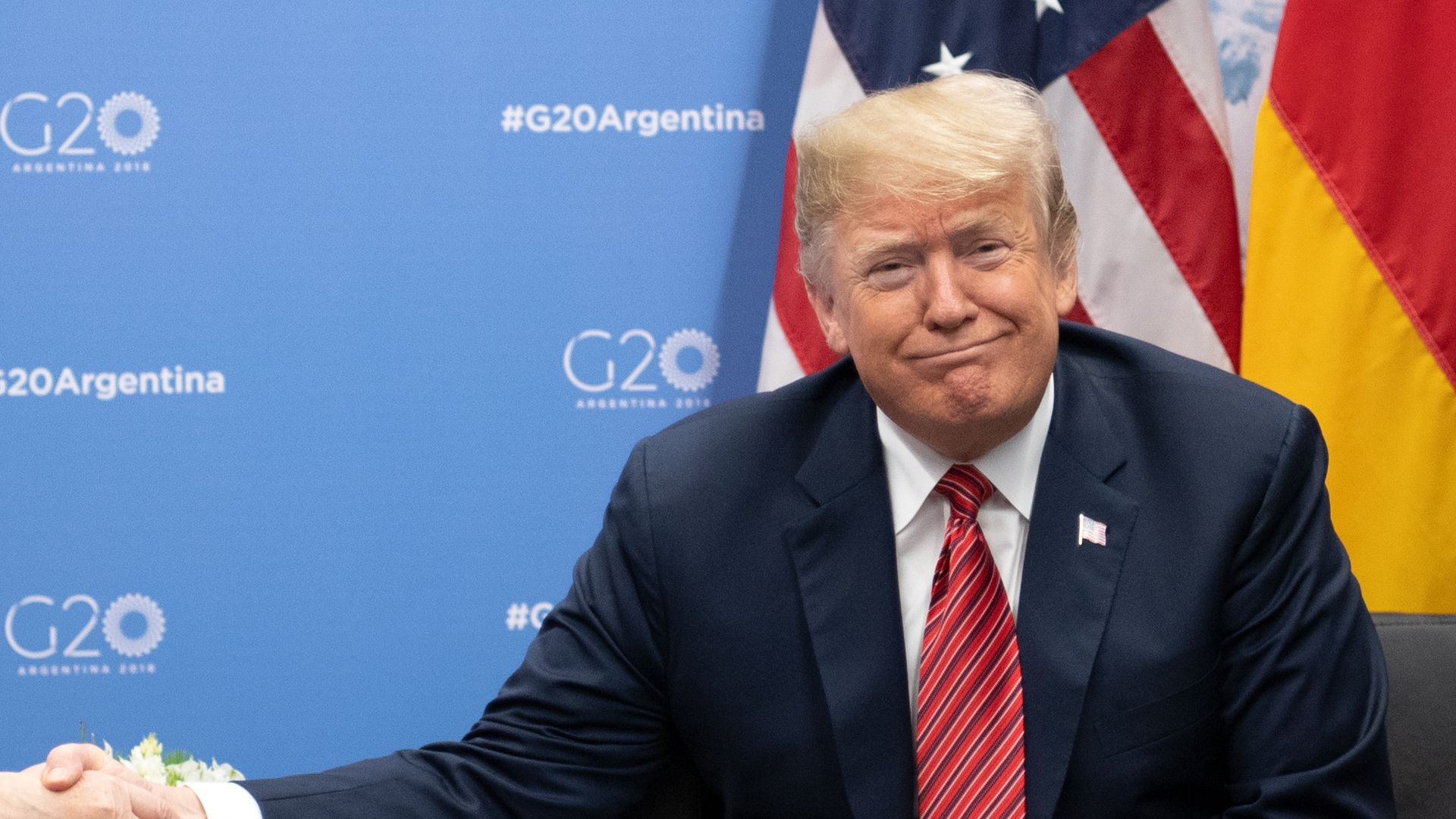
Michael Pillsbury is worried Trump's negotiations with China are unraveling. The hawkish former Pentagon official — who Trump has called "probably the leading authority on China" and who reportedly huddled with Trump in the Oval the day before Trump left for his G20 meeting with President Xi — said "there's a risk the deal will come undone."
Why it matters: Pillsbury said he's "getting warnings from knowledgeable Chinese about the American claims of concessions" that the Chinese have said they never made. These contradictions include U.S. claims that the Chinese agreed to "immediately" address their most egregious industrial behavior, to "immediately" restart purchases of U.S. agriculture, and to slash tariffs on American cars.
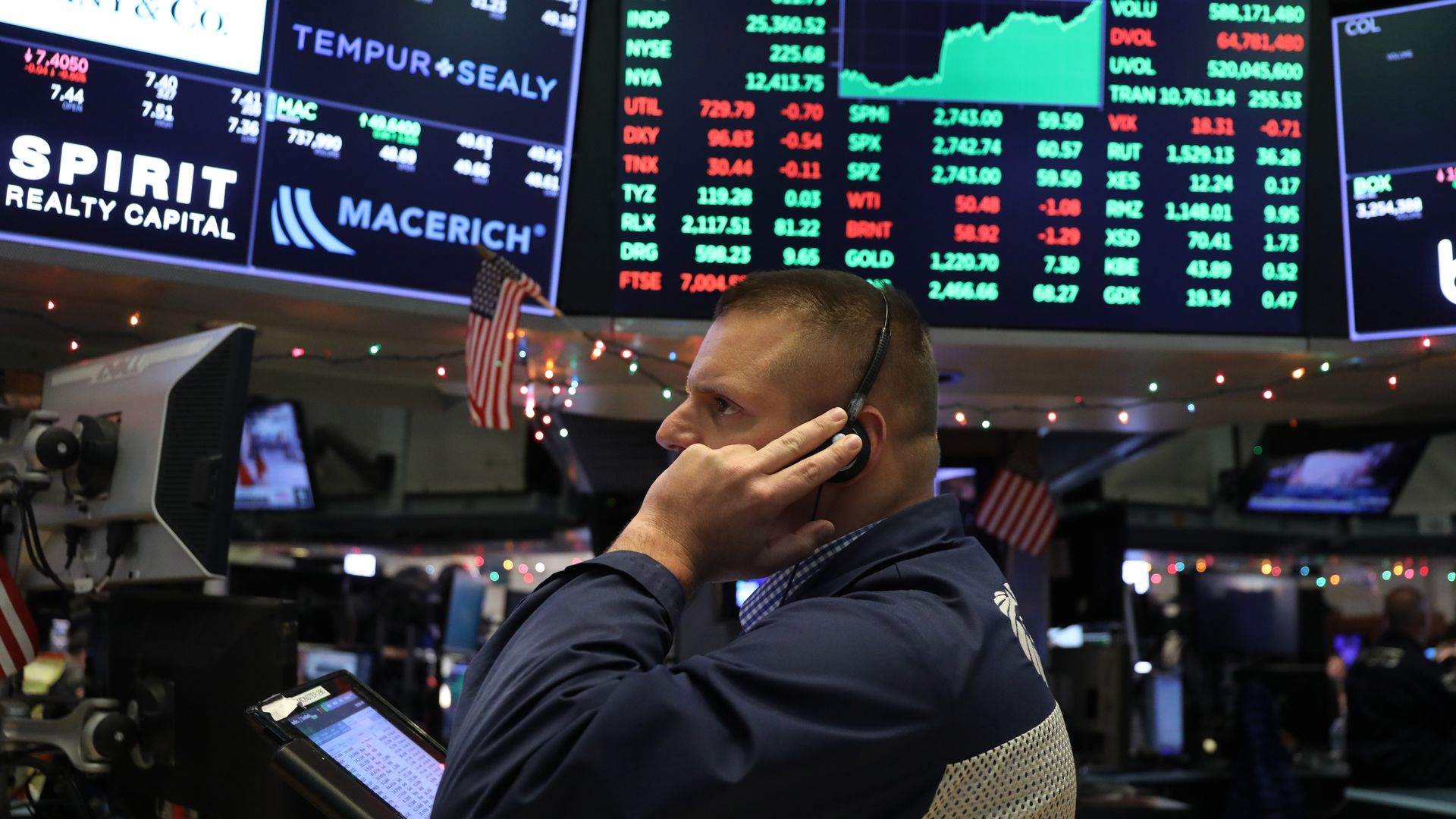
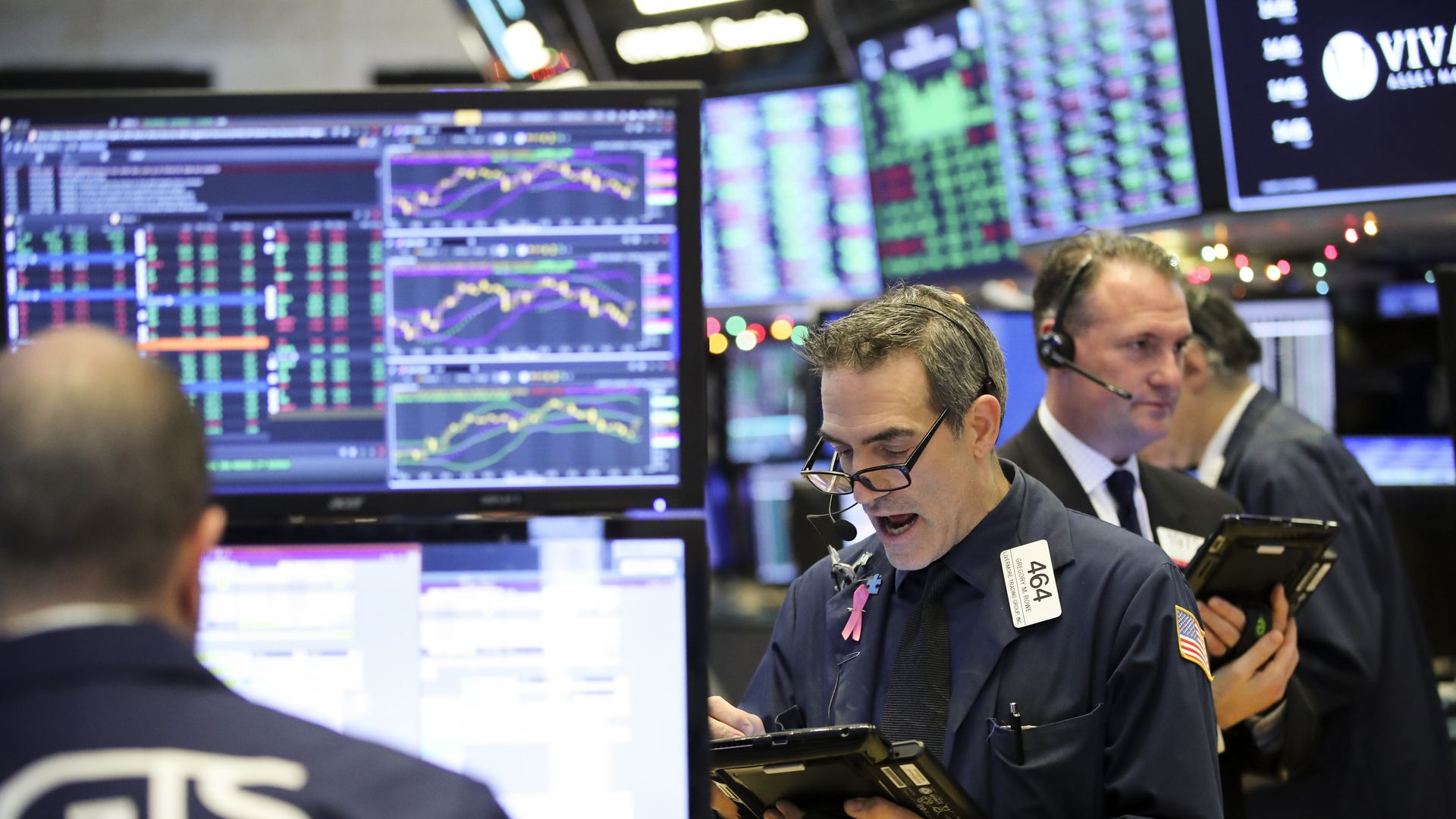
The Dow Jones Industrial Average closed down 799 points, while the S&P 500 and the Nasdaq Composite dropped over 3% on Tuesday. The slump comes one day after investors cheered the meeting between President Trump and China's Xi Jinping, and bringing the S&P 500 to roughly 1.5% below where it closed on Friday.
Between the lines: In a nod to how volatile the last few months have been, the Dow saw its worst day since Oct. 10, per CNBC.
Update: This story has been updated to reflect the closing numbers.
Thomson Reuters, the global news and corporate information company, announced Tuesday at an investors conference in Canada that it will cut 3,200 jobs to reduce costs and to streamline its business.
Why it matters: The company is restructuring to focus on its legal and tax business. It sold a 55% stake of its Financial & Risk practice to The Blackstone Group earlier this year for a buyout deal worth $20 billion.
Out of home (OOH) ads — including billboards, subway posters, beach airplane ads and more — are the only type of traditional ad medium that is still growing, according to Magna's latest ads forecast.
Data: MAGNA ad forecast; Chart: Naema Ahmed/Axios
Why it matters: Out of home placements are growing as they become more digital and can be bought and sold in an automated fashion, or programmatically. There's also an appeal to out of home ads, because it's hard for viewers to block them out. (You can't set up an ad-blocker to avoid ads on your subway commute.)
For decades the primary source of revenue for media companies was advertising, but competition from technology companies and more privacy scrutiny are pushing most media companies to explore alternative forms of revenue.
Why it matters: Most media companies have to unwind years worth of sales and product infrastructure to make way for the transition. Not all will survive it.
Local media consolidation and the rise of paywalls, both meant to combat a bleak ad outlook, could deepen the growing divide between America's information consumer haves and have nots.
Driving the news: Nexstar Media Group has agreed to acquire Tribune Media for $4.1 billion, as first reported by Reuters and confirmed by Axios' Dan Primack. This would make Nexstar the largest owner of U.S. local television stations.
The cheap sale of Mic is bringing a lot of press attention to VC-backed media companies, highlighting the risk that comes with raising lots of money to support ad-driven media business models.
The big picture: Digital media companies tend to sell for anywhere between 2.5x and 9x revenues from the previous year, or a little higher in terms of EBITDA. They are valued at what their growth expectations will be for revenue and profit over time. The goal is to bring in money at a percentage higher than what they raised, demonstrating a growth trajectory. But companies don't always bring in revenues in multiples higher than the money that they raise, which can lead to sales, layoffs and unhappy investors.
Tech platforms have littered the media universe with crap — stolen ideas, pirated video, plagiarized text, manipulated content, and fake news. And efforts to protect and elevate quality original content have faltered in the digital era.
Why it matters: While technology has made it easier for creators to find an audience and upend media hierarchies, it's also made it harder for owners of original content to get paid for their work. Just ask the news industry.
"CNN president Jeff Zucker revealed to The Axe Files [podcast] host David Axelrod that he still wants to run for political office at some point," per the Hollywood Reporter.
Details: Zucker said, "I still harbor somewhere in my gut that I'm still very interested in politics. It's something I would consider." To which Axelrod responded, "Gimme a call if you're thinking about it."Zucker "also repeated twice during the 69-minute-long podcast that he'd love to run the Miami Dolphins football team."
As President Trump enters a tough new phase in his hardline offensive against China, he now has allies he lacked in his other high-profile attacks on the status quo: the establishment.
The bottom line: Unlike his attacks on NAFTA, immigrants, climate science, and the Affordable Care Care — which triggered denunciation by critics both in and outside of the U.S. — Trump finds himself in the embrace, if conditional, of mainstream experts when it comes to China.
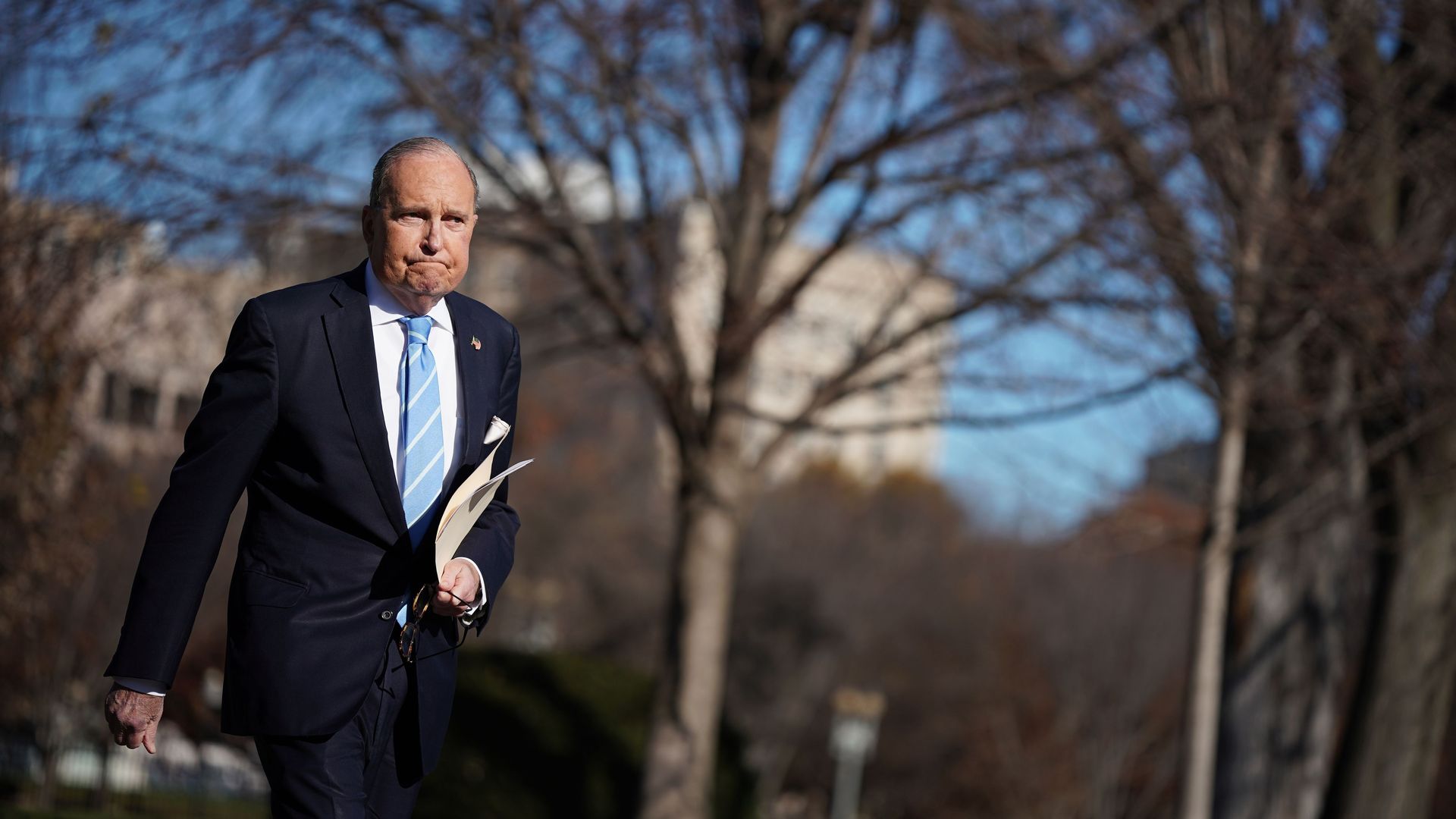
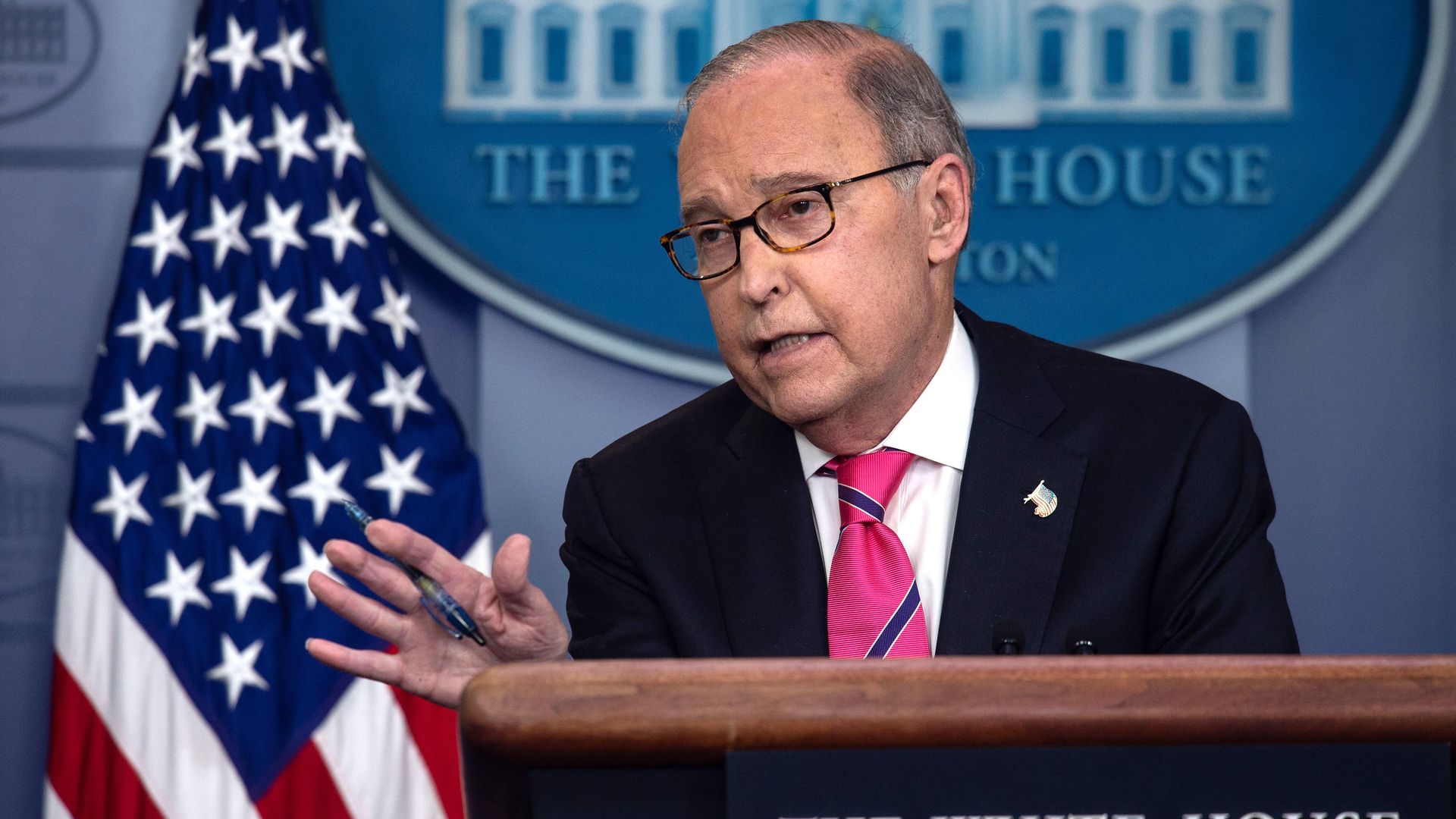
Hours after President Trump's chief economic adviser Larry Kudlow told reporters that a 90-day trade war truce between the U.S. and China will begin Jan. 1, the White House issued a correction stating that the truce actually began on Dec. 1.
Behind the scenes: Administration officials and China hawks close to the White House were stunned by Kudlow’s comments. The Trump team left Saturday's dinner with Chinese President Xi Jinping on the sidelines of the G20 summit in Buenos Aires and announced to the world the 90-day negotiating clock began immediately. Kudlow’s comments threw that timeline into confusion. I emailed the White House repeatedly to get clarity. It took them until shortly before 6pm to correct the record.
With nothing that we know of in writing, the U.S. has allowed the Chinese to further delay harsher new tariffs for a big chunk of President Trump's remaining first term.
Driving the news: The White House has stated that a 90-day trade war truce between the U.S. and China began on Dec. 1 (correcting its chief economic adviser Larry Kudlow, who told reporters earlier Monday that the truce would begin on Jan. 1).
Hours after President Trump's chief economic adviser Larry Kudlow told reporters that the 90-day trade war truce between the United States and China — with the Trump administration postponing a planned tariff increase — will begin Jan. 1, the White House issued a correction stating that the truce began December 1.
The big picture: Kudlow wasn't able to confirm President Trump's claim Sunday that China will lower tariffs on American cars from 40% to 0%. He added that he expects China to roll back tariffs on U.S. agriculture very soon. However, it's worth noting that U.S. Trade Representative Robert Lighthizer — not Kudlow — will be the lead negotiator as the two countries attempt to resolve more fundamental disagreements on forced technology transfers, intellectual property theft and other issues in the coming months, per the Wall Street Journal.
Editor's note: This post has been updated to reflect the White House's correction to Larry Kudlow's comments — that the truce began on Dec. 1, 2018, not Jan. 1, 2019.
Stocks jumped in early trading on Monday, with the Dow Jones Industrial Average opening 400 points higher and the S&P 500 and Nasdaq Composite each rising over 1%.
Why it matters: The stock surge comes after the 90-day ceasefire of the trade war between the U.S. and China, with the hope that it will ratchet down tensions between the two nations in the long term and provide relief for companies that have been feeling the pain from tariffs.
Global markets surged Monday morning on news that President Trump and Chinese President Xi Jinping had reached a 90-day ceasefire in their high-stakes trade war, issuing relief for businesses who had scrambled to cushion the blow from heightened tariffs on $200 billion worth of goods originally slated for Jan. 1, the WSJ reports.
Yes, but: That relief is temporary. As the Journal's Bob Davis notes, Trump and Xi didn't reach a resolution on some of the major differences that had set off the trade war in the first place, including forced technology transfers, intellectual property theft, non-tariff barriers to Chinese markets and cyberespionage.
United Technologies, which announced last week it will split into three separate public companies, is joining the ranks of industrial giants that have decided bigger is not always better.
Between the lines: Industrial conglomerates were formed in the post-WWII era after an antitrust crackdown made it challenging for companies to buy rivals or acquire businesses within their own supply chains. But by the 1990s most began slimming down, and the best-known remaining industrial conglomerates are now determined to shrink (General Electric) or shake off the conglomerate label (3M).
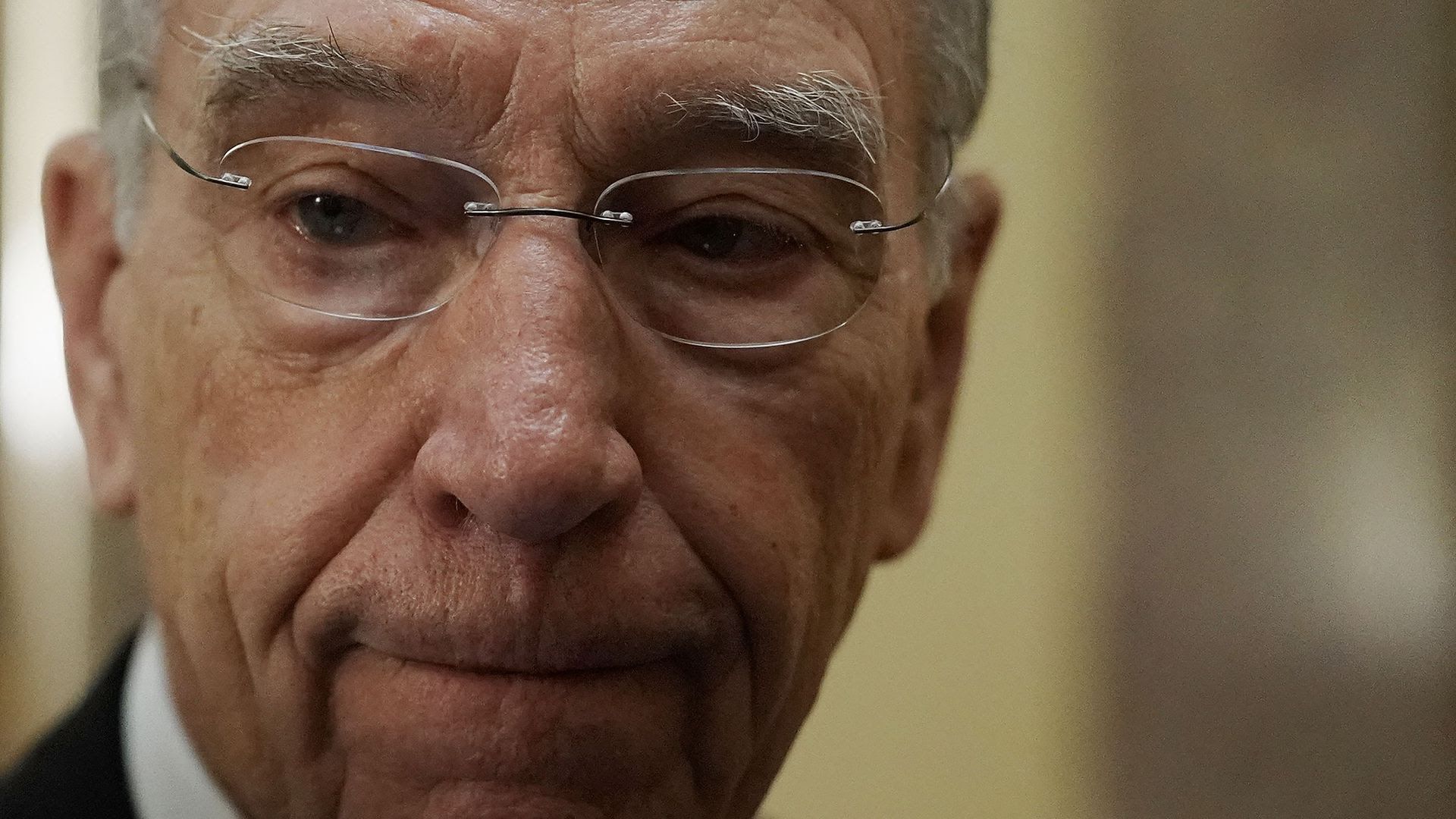
A fresh example of the political hurricane about to hit Trump's hardline trade agenda: Incoming Senate Finance Chairman Chuck Grassley (R-Iowa) told Axios he may try to make it harder for the president to impose new tariffs.
What he's saying: Grassley said he would take a favorable view of legislation limiting the administration's power to impose tariffs to protect national security (known as Section 232 authority). "Maybe the definition of national security or maybe the conditions under which national security could be used as an excuse is a little wide," he told Axios.










/2018/12/03/1543864748894.gif?w=3840)