Fiat Chrysler plans to open a new SUV assembly factory in Detroit, CNBC reports.
Why it matters: This comes on the heels of General Motors announcing plans to lay off 15% of its workforce, over half of which would be in Michigan, and shutter five plants, including one in Detroit.
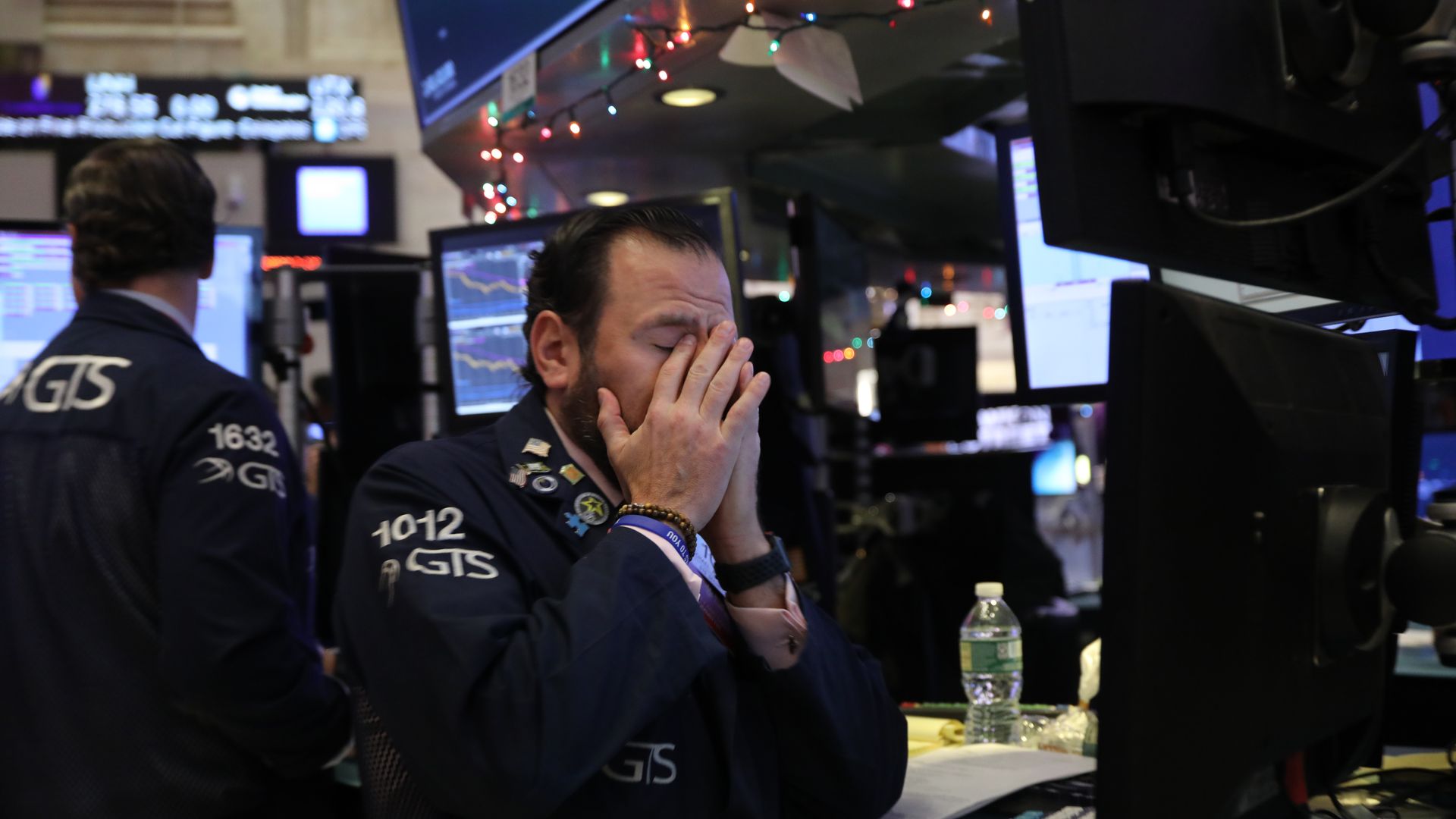
The Dow plunged 700 points on Thursday over fear of escalating tensions between the U.S. and China — two days after a 799 point dive on Tuesday.
Thought bubble: Stocks rallied Monday on hopes that Trump had declared a truce in the trade war with China. But now they’re more than 1,000 points below their level going into the Trump-Xi dinner. News that Huawei’s CFO has been arrested in Canada and faces extradition to the U.S. has markets worried the trade war is still ongoing.
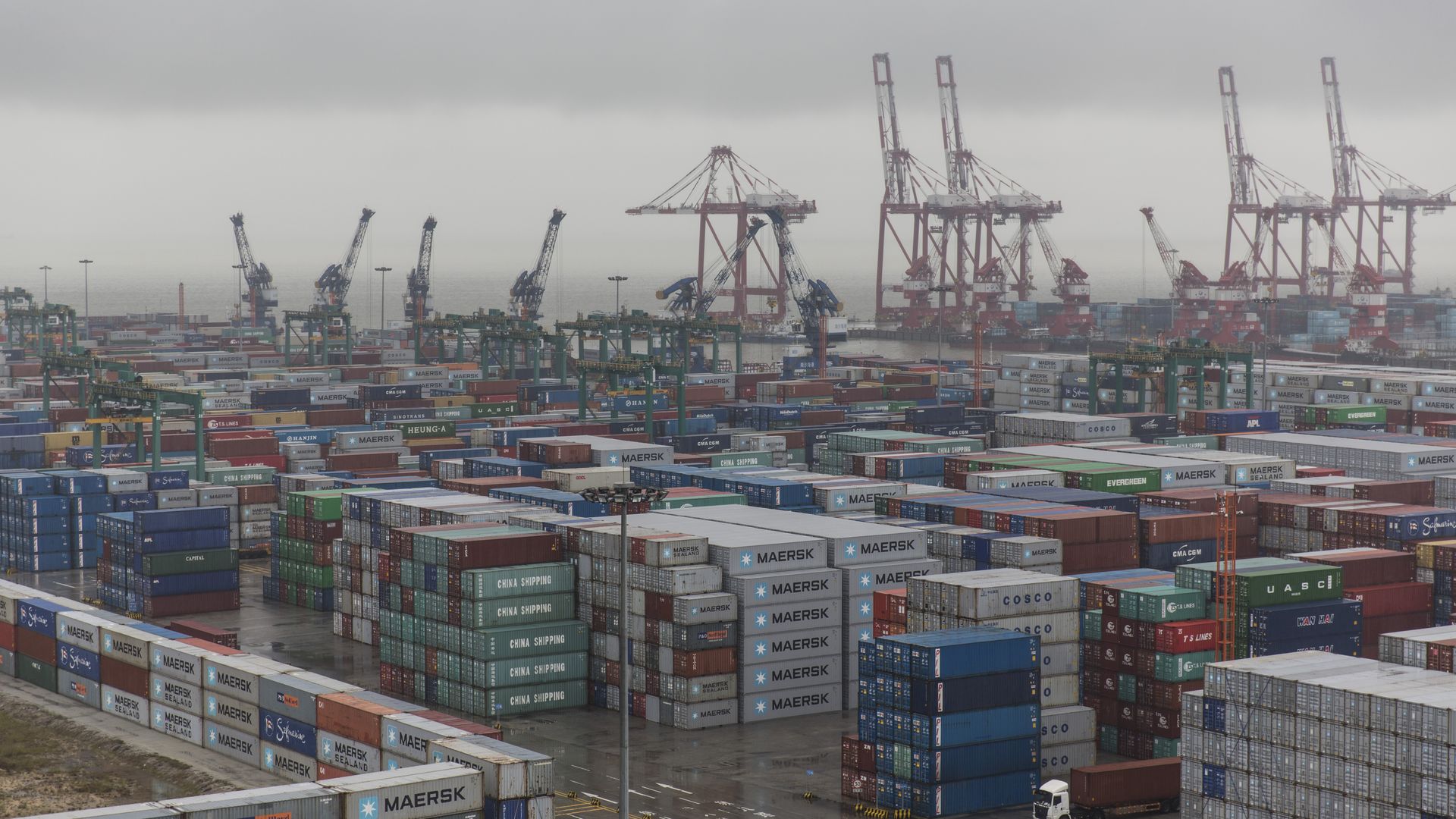
The U.S. trade deficit reached $55.5 billion in October — the highest level in a decade — as imports rose 0.2% to $266.5 billion and exports fell 0.1% to $211 billion, the AP reports.
Why it matters: President Trump has made the trade deficit a signature grievance of both his campaign and presidency, slapping tariffs on aluminum, steel and $250 billion worth of Chinese goods. But the latest figures from the Commerce Department show the deficit with China has actually risen 7.1% to a record $43.1 billion, with U.S. soybean exports to China dropping 46.8% as a result of retaliatory tariffs.
"It’s the Worst Time to Make Money in Markets Since 1972," Bloomberg's Elena Popina writes.
Details: "Ned Davis Research puts markets into eight big asset classes — everything from bonds to U.S. and international stocks to commodities. And not a single one of them is on track to post a return this year of more than 5 percent, a phenomenon last observed in 1972."
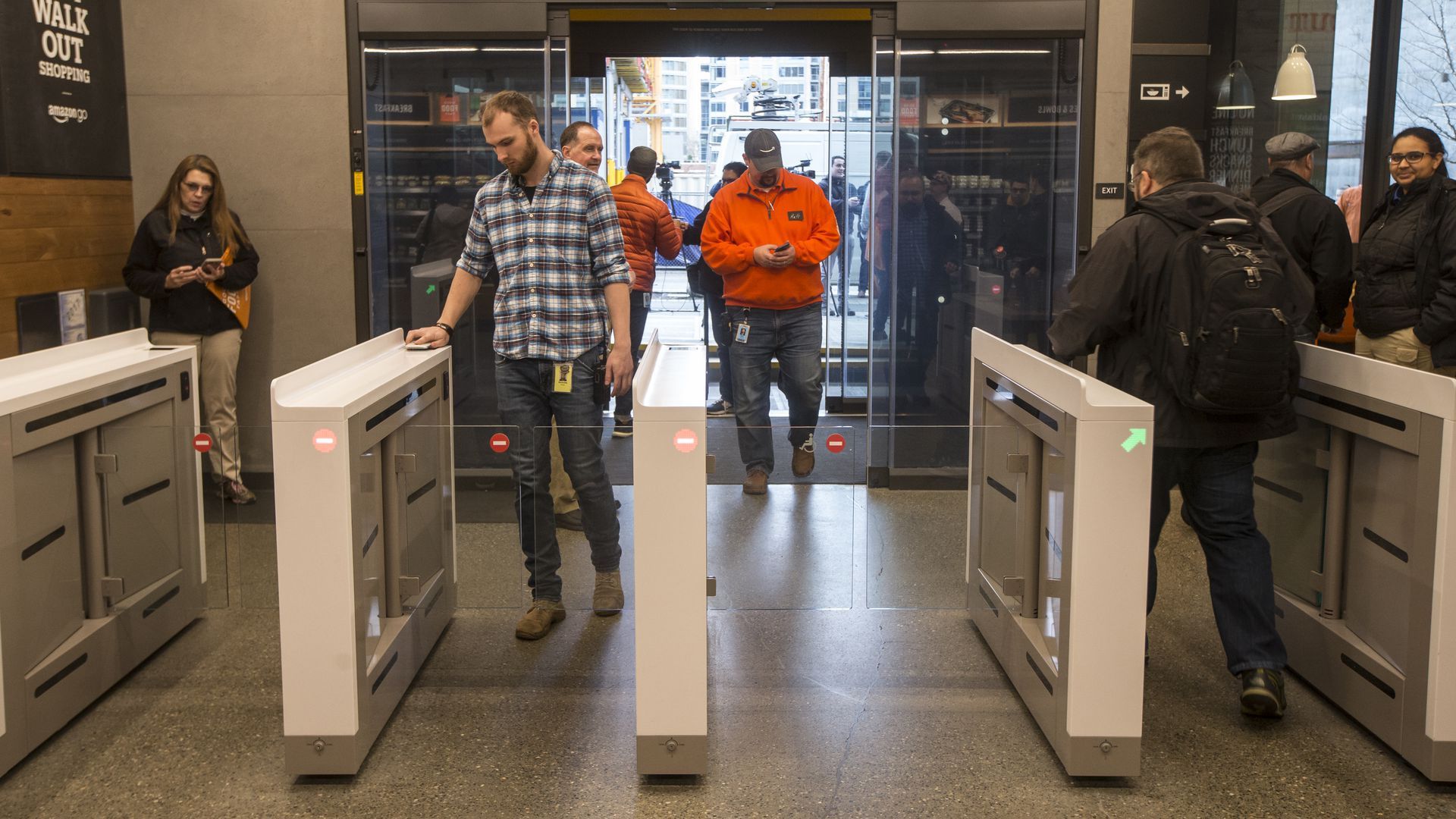
A handful of American companies, from giants like Amazon and Walmart to upstarts like Standard Cognition and Zippin, are betting on a windfall for whoever works out the bugs in cashierless checkout — and makes it cheap. But like so much of tech, it's a global race, and the Chinese are surging ahead.
American retailers may be focused on the wrong thing. Their obsession is with totally hands-free checkout, which Amazon dubs "just walk out." But Chinese retailers have figured out that there are cheaper and easier ways to eliminate checkout lines.
Gannett said Wednesday that its President and CEO Robert Dickey will retire from the company in May 2019, USA Today, a Gannett-owned company, reports.
Details: The company, which operates 109 media properties and the largest daily newspaper publisher in the U.S., is on the search for internal and external candidates to replace Dickey. Dickey became CEO in 2015 and was previously the president of Gannett’s local publishing division.
The Nebraska Farm Bureau said this week that the tariffs triggered by President Trump's ongoing trade war have cost the state's agricultural sector more than $1 billion in revenue, specifically affecting soybeans, corn and pork, the Omaha World-Herald reports.
"To put a $1.2 billion loss into perspective, every person in the state of Nebraska would need to contribute $632 to cover that volume of lost dollars. That’s a significant hit to our state’s economy."
— Jay Rempe, a Nebraska Farm Bureau senior economist, to the Omaha World-Herald
Why it matters: The effects of Trump's trade war with China on farmers have been an ongoing story over the last few months, especially regarding issues with the soybean market. Farmers have been forced to store mass quantities of their crops until prices improve after demand in China, the biggest market for American soybeans, has dropped nearly 90%.
Heidi Zak, co-founder and CEO of bra startup ThirdLove, suggested yesterday that her company may finally be ready to raise the sort of capital needed to "take down" bigger rival Victoria's Secret.
This isn't just a business rivalry. Zak, who at the time was with Google, came up with the idea after buying a bra at Victoria's Secret and being so embarrassed by the company's oversexed image that she hid the bag before returning to work.
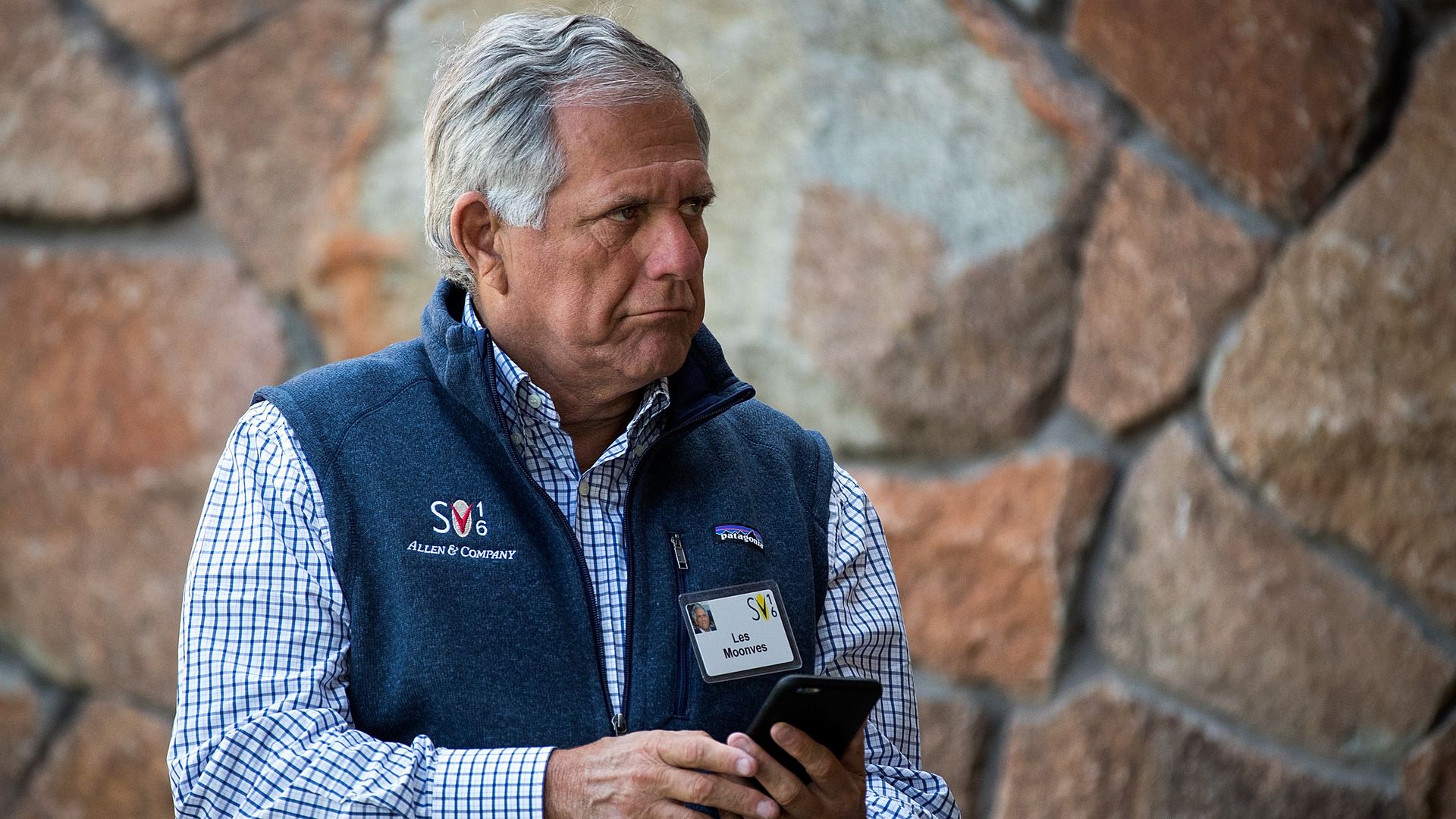
Amid CBS’ inquiry into allegations of sexual misconduct against Les Moonves, the former CEO lied to investigators, tried to destroy evidence and interfered with the inquiry, according to a draft report prepared for the company’s board obtained by The New York Times.
Why it matters: The report, penned by lawyers hired by the network, says the CBS has justification to deny Moonves his $120 million severance. The lawyers spoke with Moonves four times and said he was “evasive and untruthful at times and to have deliberately lied about and minimized the extent of his sexual misconduct.” Moonves reportedly did not disclose previous allegations of sexual misconduct before he arrived at CBS.