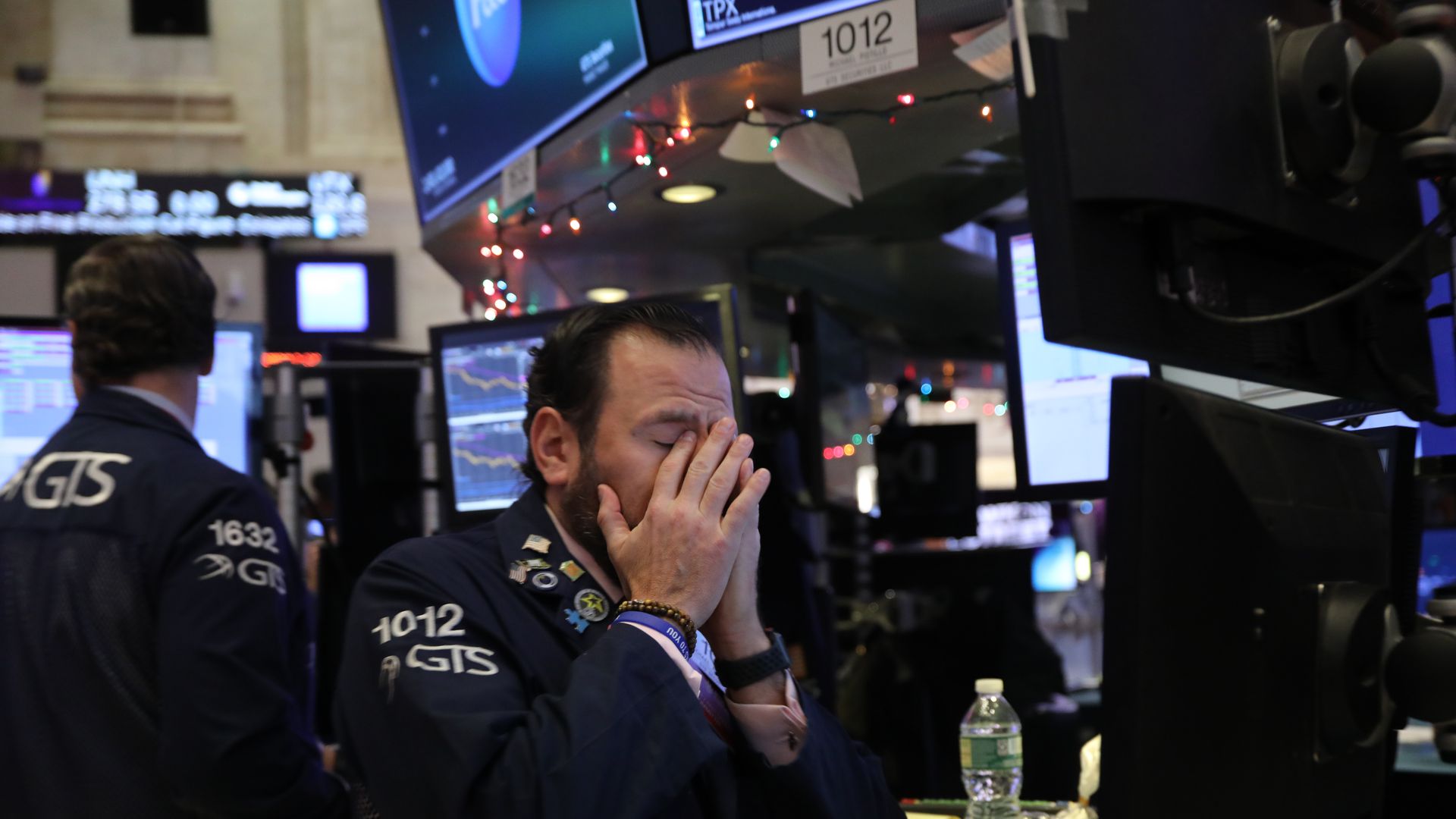
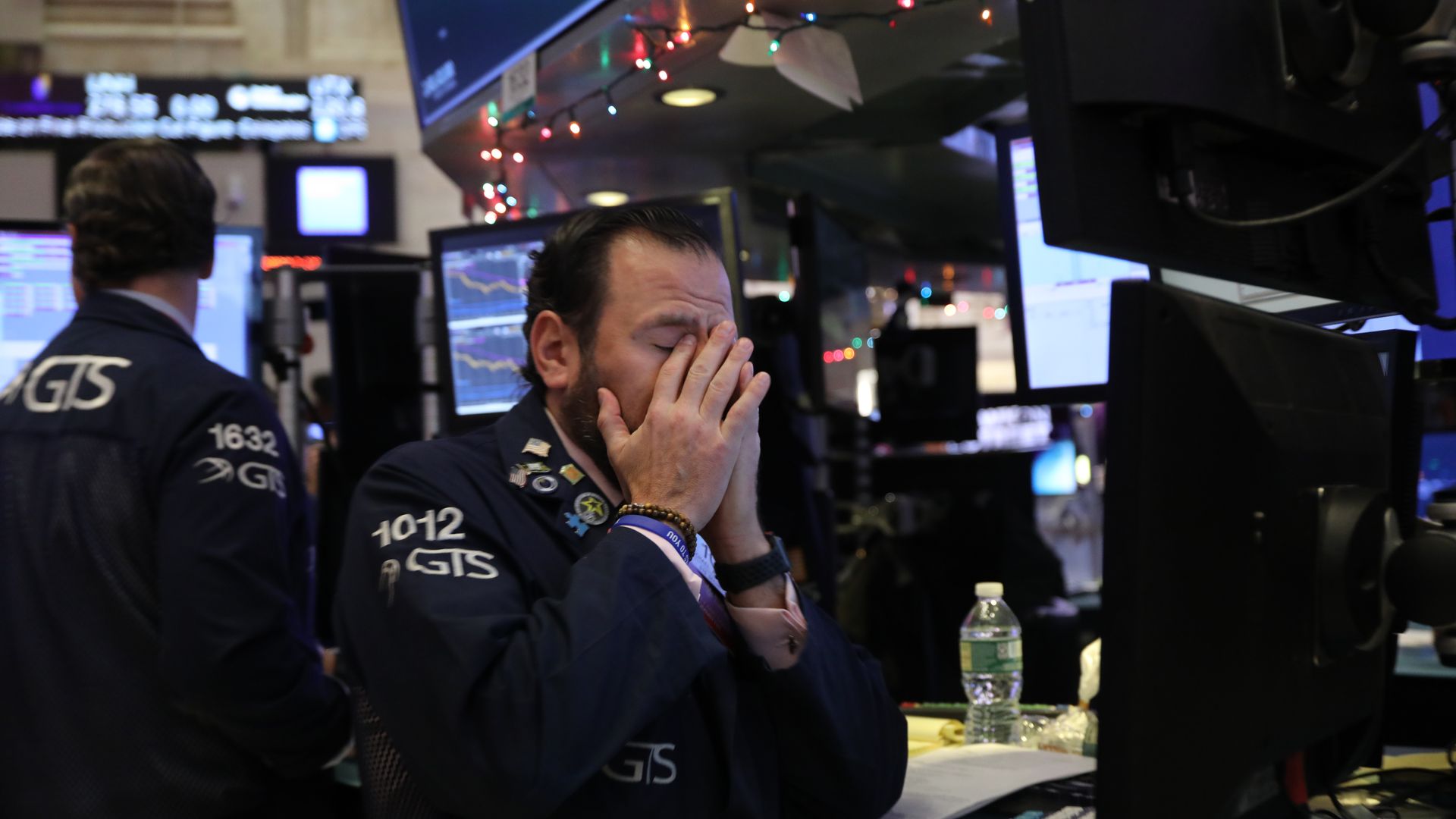
The Dow Jones Industrial Average lost 2.24%, or 559 points, after a weaker-than-expected jobs report and continuing trade tensions between the U.S. and China. Both the Dow and S&P 500 are now down for 2018, while the Nasdaq is up just under 1%.
The big picture: A week that began with optimism about trade ended lower due, in part, to pessimism about trade.
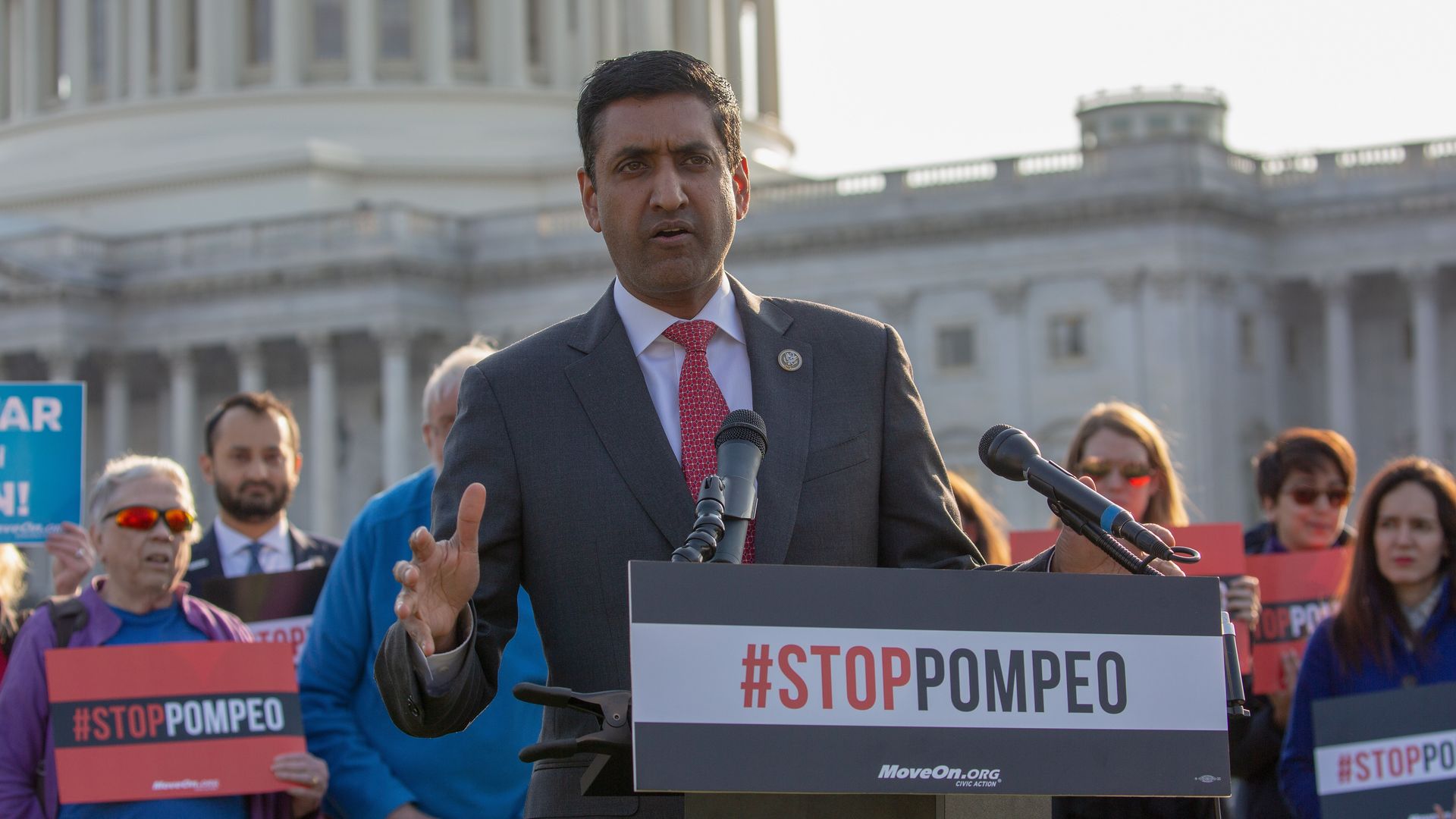
Rather than letting tech jobs head overseas, Rep. Ro Khanna (D-Calif.) thinks he has a better idea: Send them to the Midwest. The Silicon Valley congressman is working with private industry as well as individual figures in tech to build out a job-training program in a small Iowa town.
The big picture: Both the public and lawmakers are paying increased attention to the disparities between tech hubs like Silicon Valley and Seattle, which have enjoyed massive economic booms, and the rest of the country.
The economy has churned out an average of 200,000 jobs per month this year. But the pace is sure to slow unless more workers come off the sidelines.
Between the lines: The long-running U.S. economic expansion has driven unemployment down to 3.7%, a half-century low. And to attract and keep workers, companies are raising wages at their fastest pace since 2009. But these improving conditions have yet to change the minds of millions of Americans who have given up looking for work. Unless they are drawn in, their absence could start to be a drag on economic growth.
Moderna Therapeutics, a Massachusetts startup that wants to help patients develop drugs within their own bodies via injections of synthetic mRNA, expects to raise around $618 million in its IPO on Thursday night, Reuters reports.
Why it matters: This would the largest IPO ever for a development-stage biotech company, and its $8 billion initial market cap would be the year's third-largest for VC-backed companies, according to Renaissance Capital (behind only Dropbox and Spotify).
Fiat Chrysler plans to open a new SUV assembly factory in Detroit, CNBC reports.
Why it matters: This comes on the heels of General Motors announcing plans to lay off 15% of its workforce, over half of which would be in Michigan, and shutter five plants, including one in Detroit.
The Dow plunged 700 points on Thursday over fear of escalating tensions between the U.S. and China — two days after a 799 point dive on Tuesday.
Thought bubble: Stocks rallied Monday on hopes that Trump had declared a truce in the trade war with China. But now they’re more than 1,000 points below their level going into the Trump-Xi dinner. News that Huawei’s CFO has been arrested in Canada and faces extradition to the U.S. has markets worried the trade war is still ongoing.
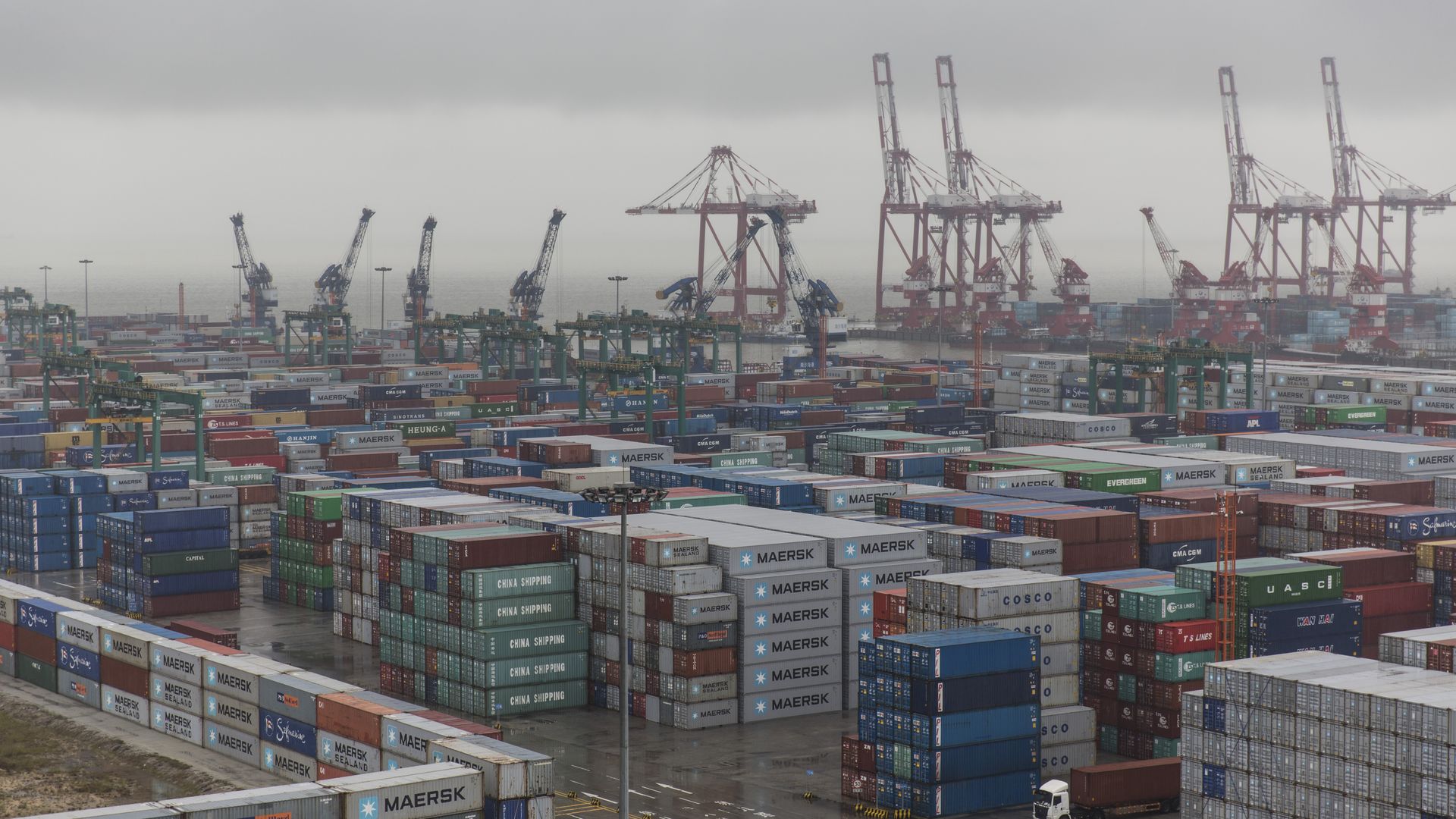
The U.S. trade deficit reached $55.5 billion in October — the highest level in a decade — as imports rose 0.2% to $266.5 billion and exports fell 0.1% to $211 billion, the AP reports.
Why it matters: President Trump has made the trade deficit a signature grievance of both his campaign and presidency, slapping tariffs on aluminum, steel and $250 billion worth of Chinese goods. But the latest figures from the Commerce Department show the deficit with China has actually risen 7.1% to a record $43.1 billion, with U.S. soybean exports to China dropping 46.8% as a result of retaliatory tariffs.
"It’s the Worst Time to Make Money in Markets Since 1972," Bloomberg's Elena Popina writes.
Details: "Ned Davis Research puts markets into eight big asset classes — everything from bonds to U.S. and international stocks to commodities. And not a single one of them is on track to post a return this year of more than 5 percent, a phenomenon last observed in 1972."