Tuesday's economy & business stories
Apple exec: computers will help us recall every memory
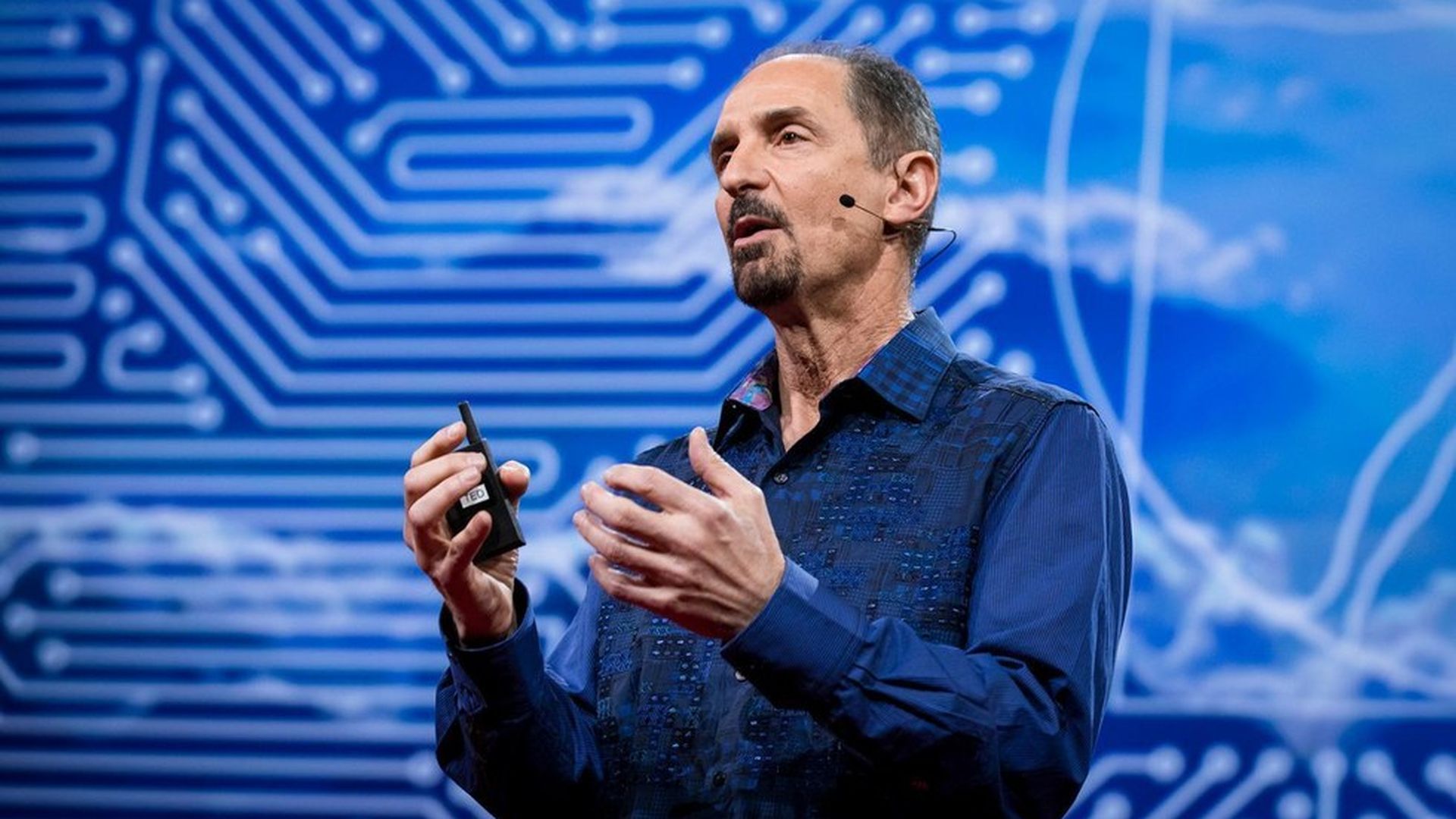
While many people look to artificial intelligence to replace humans with robots, a top Apple executive laid out a different vision on Tuesday. Speaking at the TED conference, AI expert (and Siri co-founder) Tom Gruber said computer smarts should be used to augment human failings, such as memory.
In the not-to-distant future, Gruber said computers should be able to help us remember every person we have met, every food we have eaten and how it made us feel.
"I can't say when or what form factors are involved, but I think it is inevitable," Gruber said.
Privacy, security are key: That much data could obviously be hugely useful to the individual, but also incredibly dangerous in the hands of governments or those with malicious intent. "We get to choose what is and is not recalled," he said. "It's absolutely essential that this be kept very secure."

Uber unveils partnerships to build 'flying taxis' by 2020
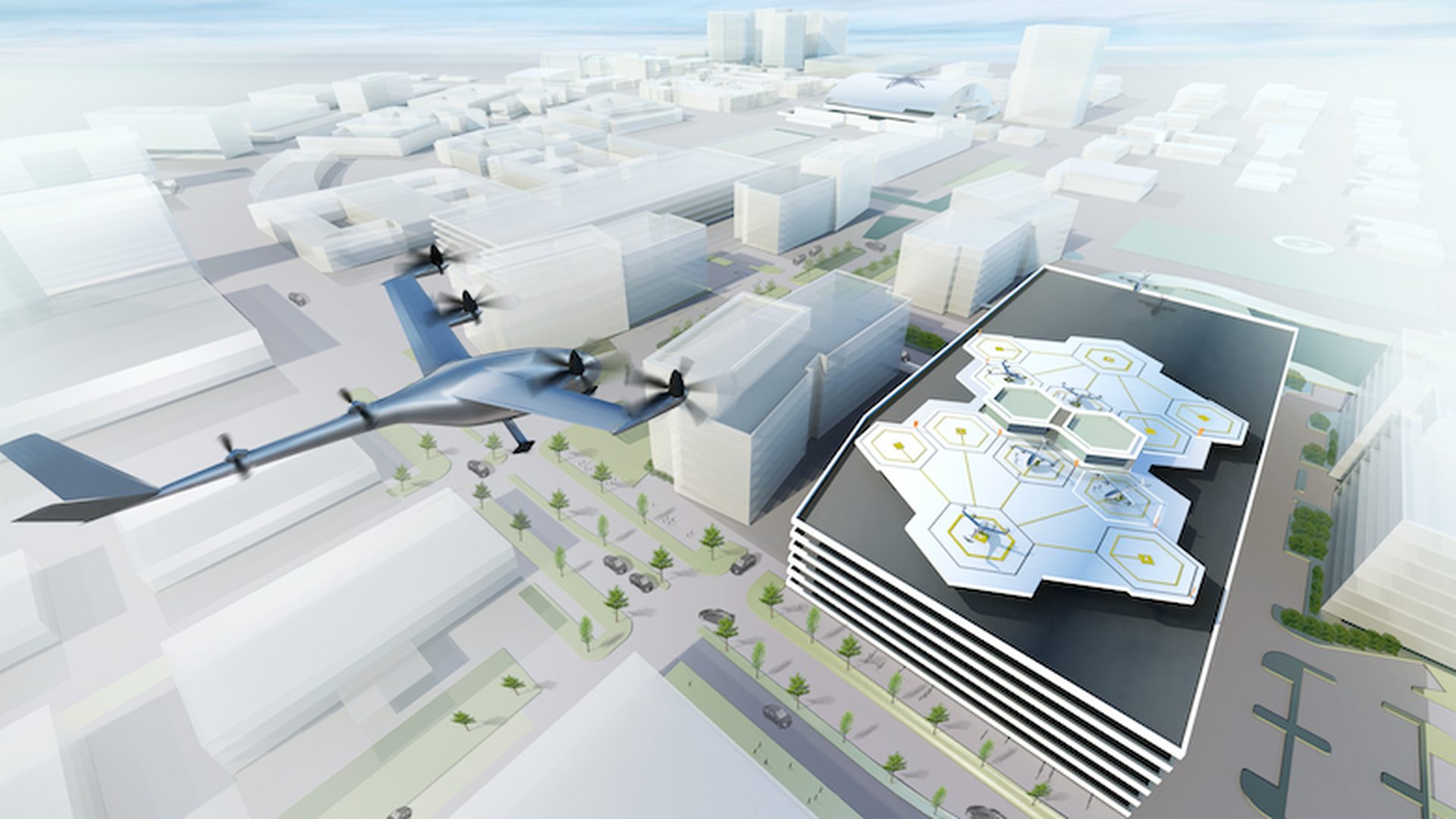
In its quest to make "flying taxis" a reality, Uber has struck partnerships with a handful of companies and two cities to begin developing the various technologies and infrastructure needed. The company unveiled the deals at its three-day conference on aviation in Dallas.
The partners:
- Aircraft tech companies: Aurora Flight Sciences, Pipistrel Aircraft, Embraer, Mooney, Bell Helicopter
- Vertiports (take off/landing pads): Hillwood Properties
- Cities: Dallas-Fort Worth, Texas, and Dubai, UAE. The latter's Road and Transport Authority has agreed to fund studies on pricing and customer models, and Uber plans to have prototypes ready for the World Expo in 2020 hosted in Dubai.
- Electric charging: ChargePoint
Pricing: Uber estimates that in the near-term, a ride in a vertical take-off and landing (VTOL) aircraft will cost about $1.32 per passenger per mile, similar to its current UberX service. In the longer-term, it estimates that will dramatically decrease.
Robots have taken over at TED
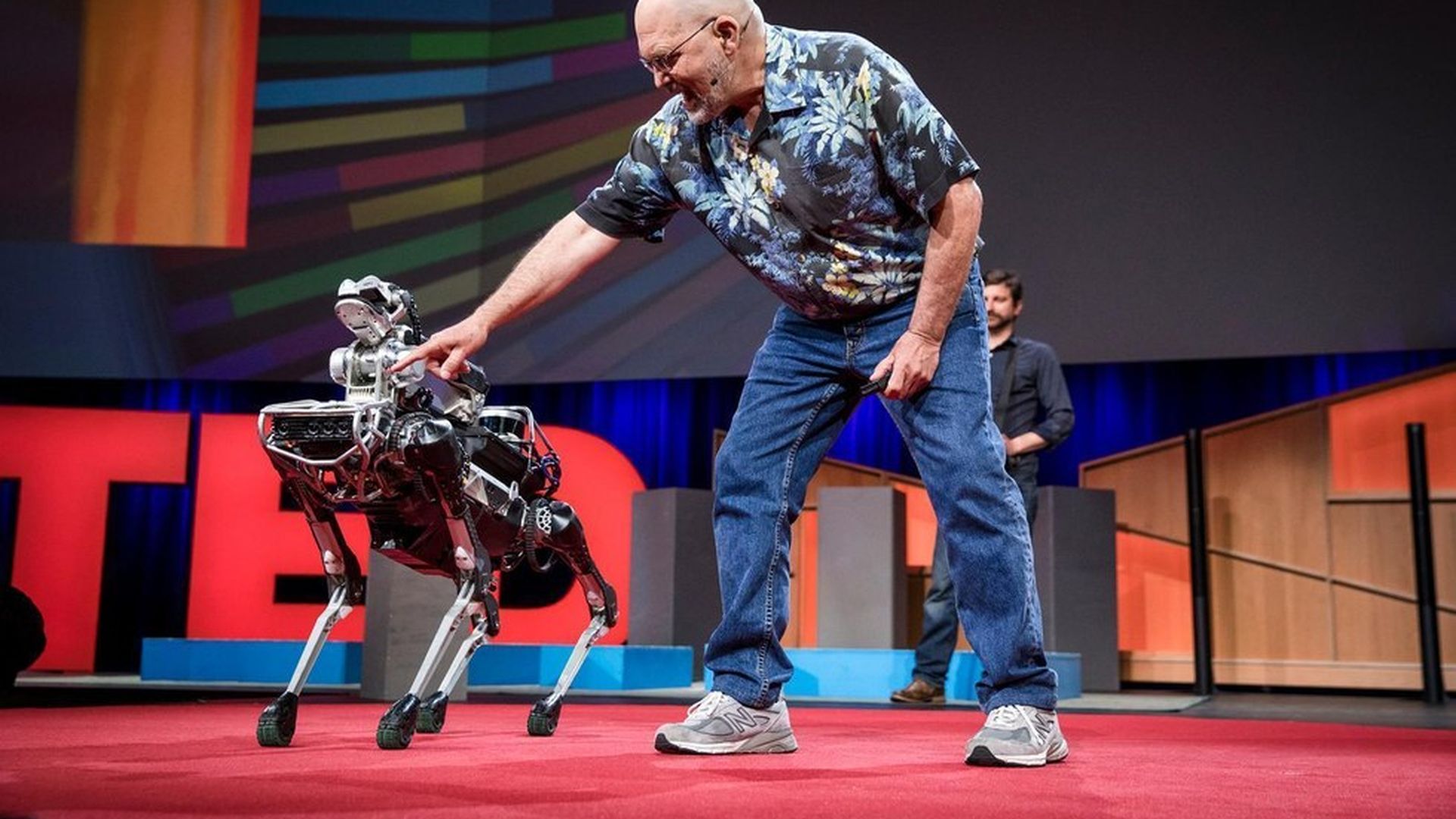
Robots are coming for your jobs, regardless of what Treasury Secretary Steve Mnuchin thinks. As evidenced on the TED stage Tuesday morning, robots are already capable of maneuvering around obstacles, trudging through snow and even getting themselves into college.
Boston Dynamics' Marc Raibert showed off his company's latest creations, inviting one on stage to autonomously bring him a soda. If that wasn't enough, the next speaker, Japanese AI expert Noriko Arai, showed off her effort to create a robot that can pass the top Tokyo university's rigorous admissions standards.
The future: Robots will soon be able to go into dangerous places, deliver packages and help take care of the elderly.
But: Robots still aren't much for human reasoning and conclusion-drawing.
Man vs. machine takes TED stage
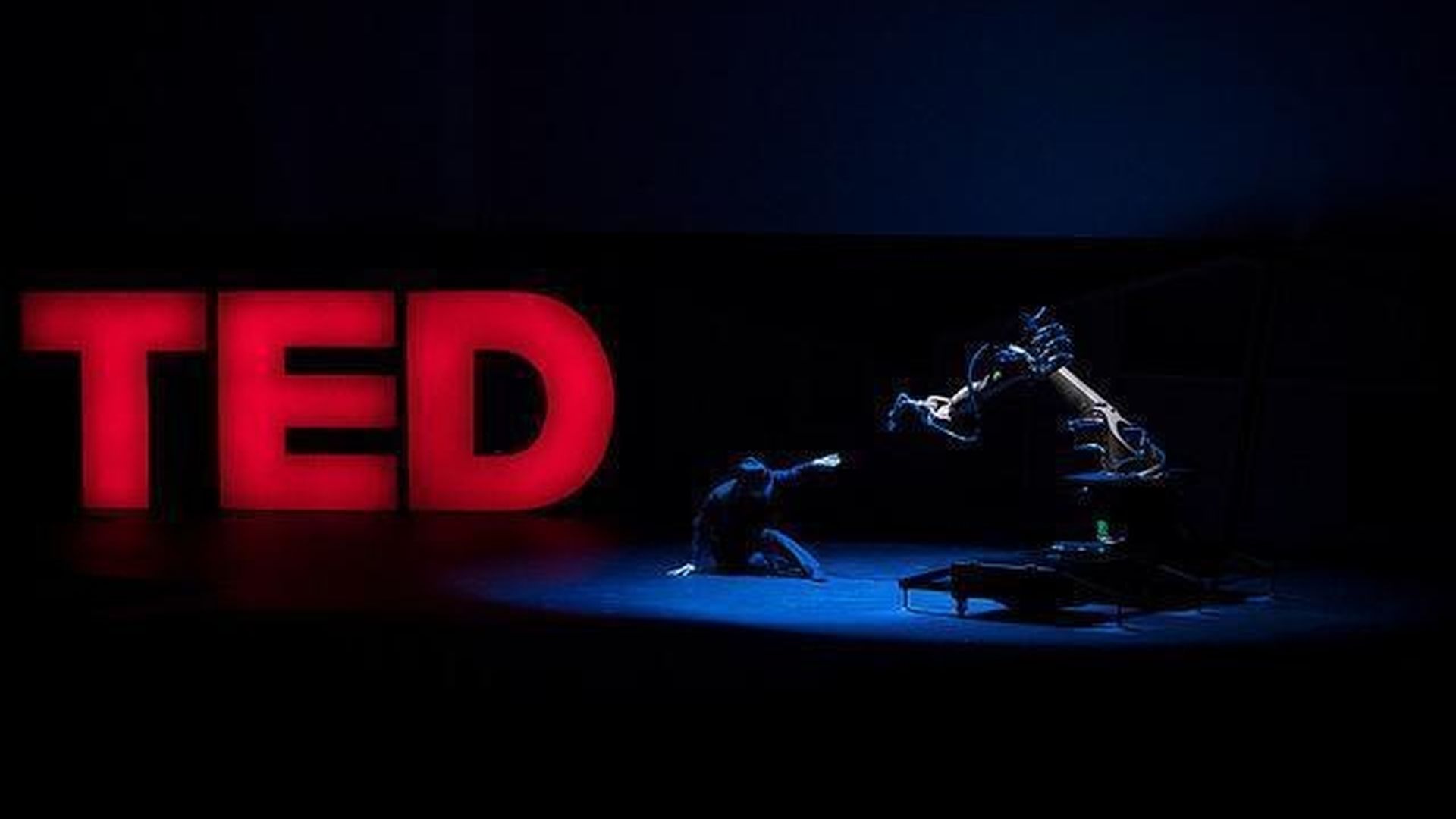
In what would appear to be an apt metaphor, this year's TED conference kicked off in Vancouver Monday night with Taiwanese dancer and choreographer Yi Huang doing an elaborate dance with a robot.
Why we care: "Will we dance with robots or will they just simply throw us off the stage?" asked TED curator Chris Anderson, introducing this year's conference. "These are pretty urgent questions."
Chess champion Gary Kasparov knows a thing or two about this relationship, having defeated many computers before losing to IBM's Deep Blue in 1997.
- "Machines have calculations; we have understanding," Kasparov said. "Machines have objectivity; we have passion."
- "We should not worry about what our machines can do today. Instead we should worry about the things they still can't do. We will need the help of the new intelligent machines to turn our grandest dreams into reality."

Netflix wades into China through licensing deal
Netflix has signed a deal with iQiyi, a popular Chinese streaming service and subsidiary of Baidu ("China's Google"), the company said on Tuesday at a media conference in Indonesia, according to The Hollywood Reporter. The company declined to provide details about the deal, though it's understood that some of the company's original shows will soon become available through iQiyi. It's not expected to make significant revenue through licensing.
Flashback: Netflix conceded in October that directly setting up shop wouldn't work in China.
Entry point: China is a notoriously challenging market for Western Internet companies because of its strict regulations and government approval requirements. Netflix is using a common strategy to pierce into China: partnering with a local company. Other major companies not operating in the country include Amazon, Facebook, Twitter, and Google.

Using AI to solve mass extinction
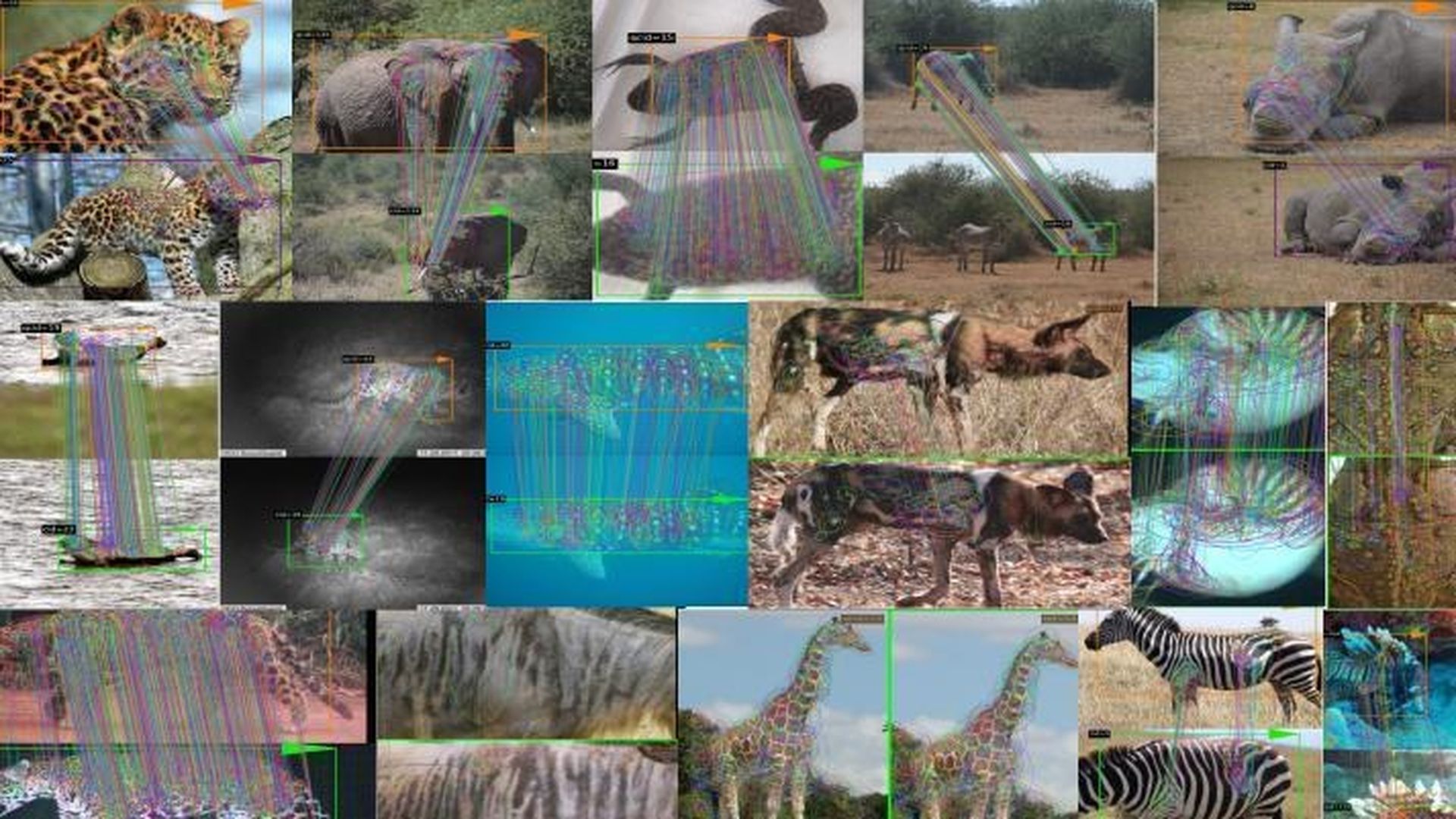
Scientists at Microsoft and conservation groups are beginning to use artificial intelligence to save threatened species, conserve protected lands, and enforce laws against overfishing.
Why it matters: AI, though traditionally associated with private industry, is allowing environmentalists to better protect polar bears, fish, and stream fauna.

Waymo to let Arizonans ride its self-driving minivans
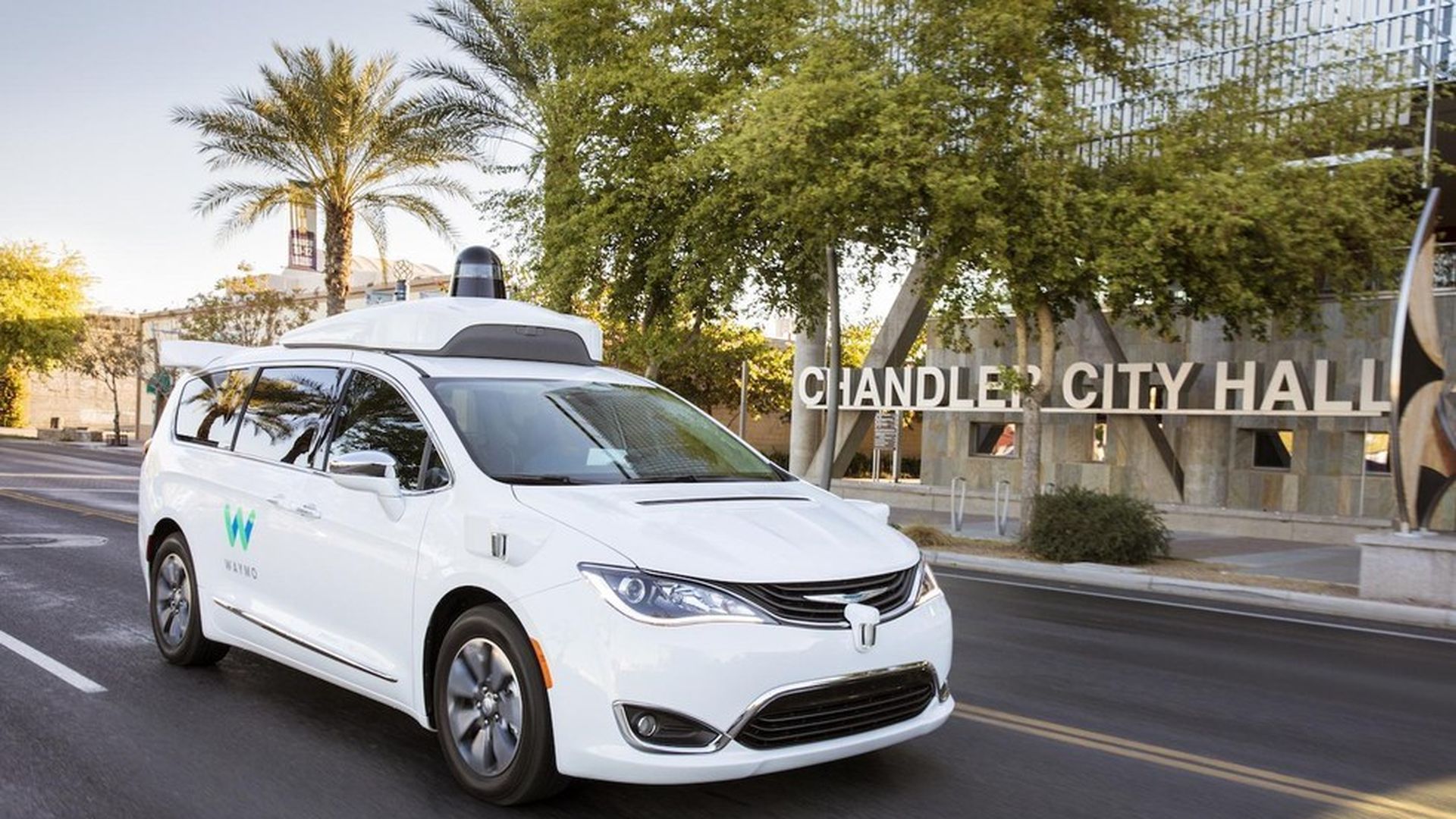
After quietly testing its fleet of self-driving minivans in Phoenix, Ariz., Waymo, Alphabet's self-driving car unit, is expanding its testing to hundreds of "early riders" in the area.
The details: Local residents can apply to be part of Waymo's trial program, which will give them access to the company's fleet of cars anytime they need a ride via a mobile app, ideally thinking of the cars as they would a primary and or secondary car. They'll be able to take rides within an area twice the size of San Francisco. Waymo also plans to add an additional 500 self-driving Chrysler Pacifica minivans to the 100 cars already in the fleet. A safety driver will be behind the wheel at all times, though the cars will drive themselves.
Waymo is also testing its cars in Mountain View, Calif., Austin, and Kirkland, Wash.

Executives see the AI revolution as imminent
Top executives and decision makers say the widespread application of artificial intelligence is just around the corner, and that they are "eager" to outsource tasks such as accounting and scheduling to software, according to a new survey from PwC. Consumers, meanwhile, by and large do not fear this future, PwC says.
Why it matters: There are more than 1.3 million accountants in the United States, earning a median salary of more than $68,000. But 69% of the executives said they are "eager" to outsource their accounting needs to a digital assistant. A majority "believe AI's potential to boost business productivity, inform strategy, and generate growth outweighs the potential downside of employment concerns," PwC said.
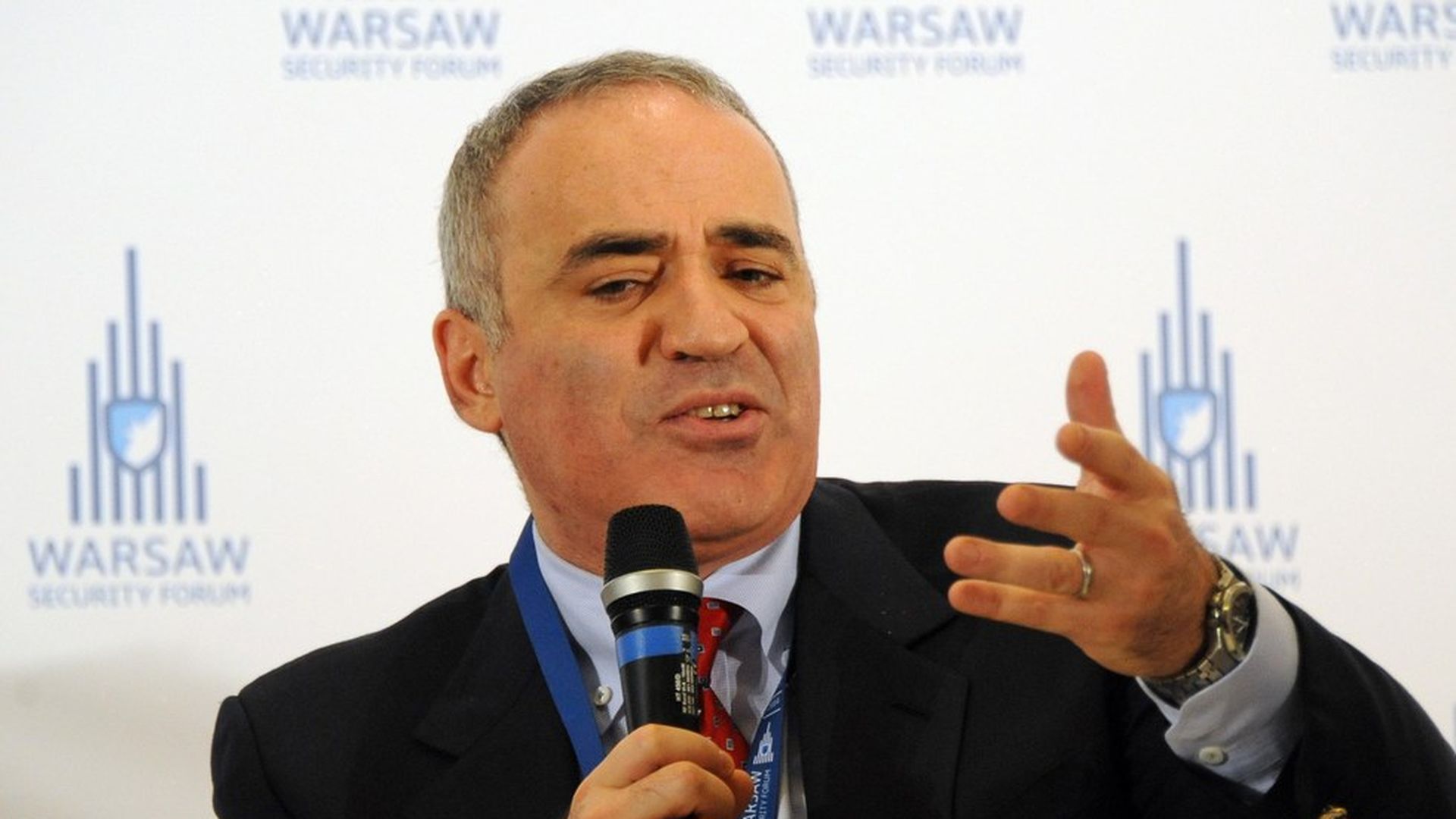
Garry Kasparov: Humans don't have to lose when tech wins
In trying to start a dialogue on the looming battle between man and machine, the TED conference turned to an expert on the subject: Chess champion Garry Kasparov, who famously lost a match to IBM's Deep Blue in 1997.
Kasparov argued, though, that it is ultimately a good thing when machines can take on a task formerly limited to humans.
Doomsaying has always been a popular pastime when it comes to technology. We must face our fears if we want to get the most out of our technology and we must conquer those fears if we want to get the best out of our humanity.
The bottom line: Trying to halt the pace of progress is a fool's errand, Kasparov argued. Instead, the goal should be for humans to make the most capable machines they can and focus on how to use that technology.

Having lost the Factor, O'Reilly turns to podcasting
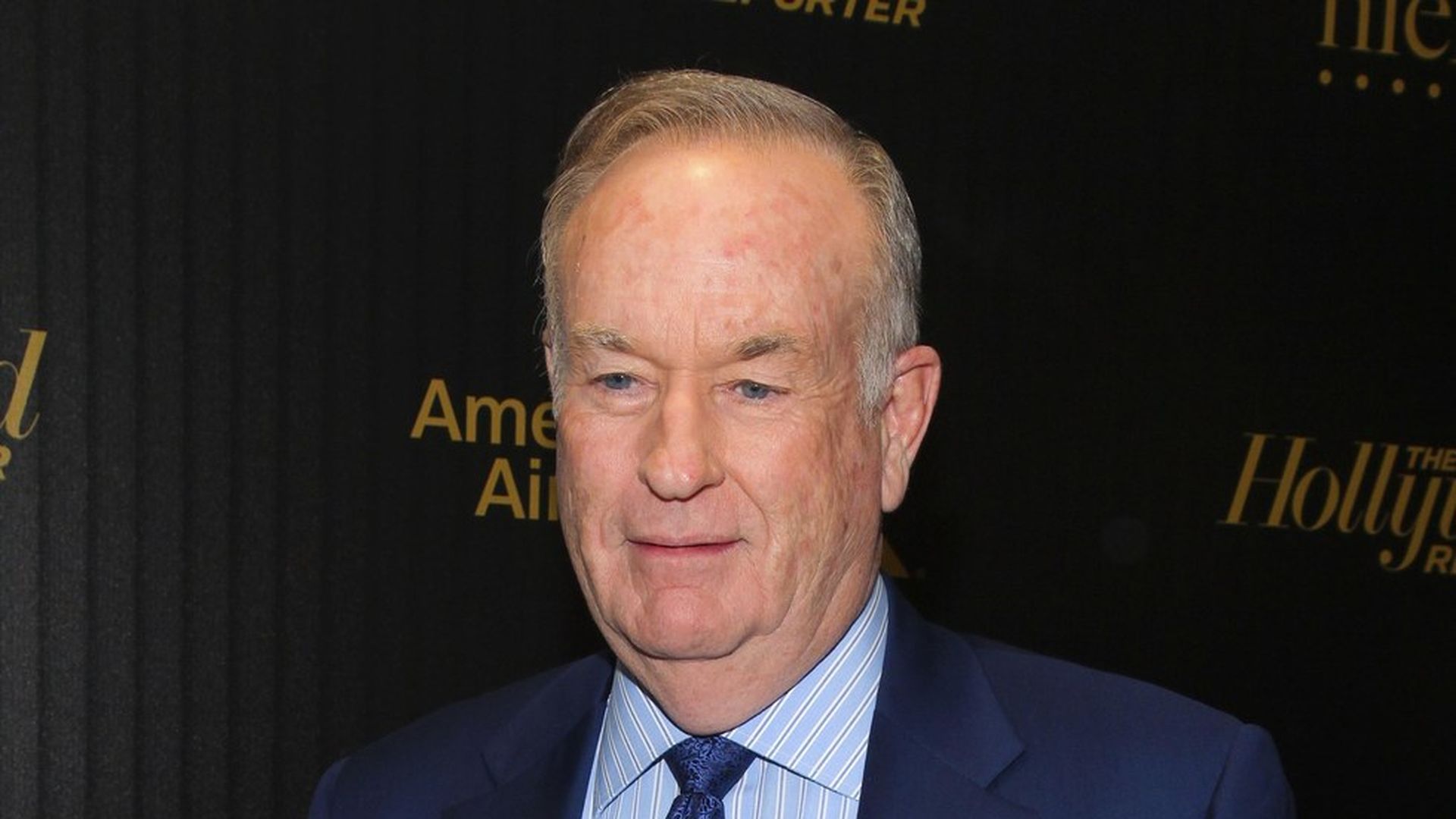
After his ouster from Fox News amidst allegations of sexual harassment, Bill O'Reilly announced Monday that he would be expanding his long-running podcast, which has typically been just a few minutes in length. O'Reilly said for now it will be about 15 minutes of talking points, memos, and analysis, eventually working up to a fuller, genuine news program with guests. On his departure from Fox:
"I am sad that I'm not on television anymore…I was very surprised how it all turned out...I'm very confident the truth will come out and when it does…I think you're going to be shaken, as I am. There's a lot of stuff involved here…I can't say anymore, I just don't want to influence the flow of information."

Apple's self-driving car: new details emerge
Apple's self-driving car program appears to be less ambitious than initially thought, according to new filings with the state of California uncovered by IEEE Spectrum.
What the filings show:
- Apple is working on systems for highway and city use.
- Apple's program is very new—its oldest self-driving car has logged only 700 miles.
- Apple's request for exemption from some DMV regulations suggests "Apple is not intending to build a full self-driving car but only an accessory or software for other manufacturers." This is in contrast to more ambitious programs by Waymo and Zoox.

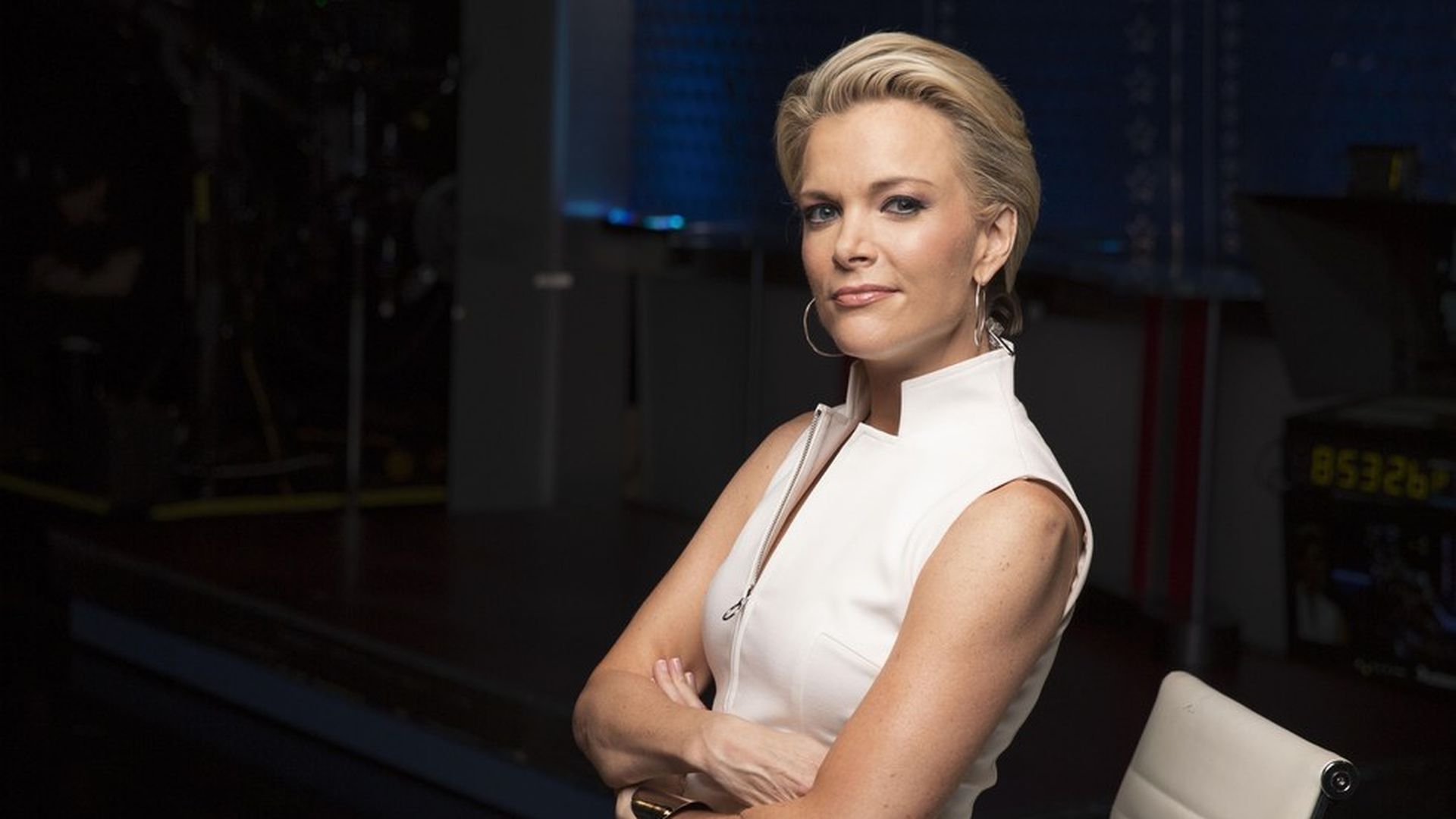
Megyn Kelly will make her NBC debut in June
PageSix scooped that former Fox News star Megyn Kelly will officially start at NBC in May, and her Sunday night show alongside Kate Snow will premiere in June. Kelly was originally expected to start in July after her contract with Fox expired, but she was released from the Fox deal two weeks ago.
Behind the scenes: NBC News executive producer David Corvo will produce Kelly's Sunday show with NBC producer Elizabeth Cole. NBC News chairman Andy Lack also flew to Russia earlier this month to meet with Vladimir Putin's spokesman, which PageSix says is sparking buzz that a Putin interview could kick off Kelly's show.
Look ahead: Kelly's second NBC show, a weekday morning program, won't debut until the fall.
Note: NBC is an investor in Axios and Andy Lack is a member of the Axios board.

Trump admin kicks off trade talks with Europe
Commerce Secretary Wilbur Ross will kick off trade talks with Europe when he hosts Cecilia Malmström, the EU's trade commissioner, on Monday. They will discuss plans to proceed with negotiations over Transatlantic Trade and Investment Partnership (TTIP), the free trade deal first proposed by the Obama Administration in 2013.
Data: Bureau of Economic Analysis; Chart: Lazaro Gamio / Axios
Why it matters: The US trade deficit in goods and services with Europe is the second largest to China. The decision to proceed with negotiations with Europe as a whole, rather than bilaterally with Eumembers, represents a concession from Trump. Germany is the source of more than two-thirds of America's deficit with Europe, and the administration has blamed Germany's use of the Euro for much of this gap. But demanding bilateral negotiations would likely have gone nowhere, as it is against EU rules.
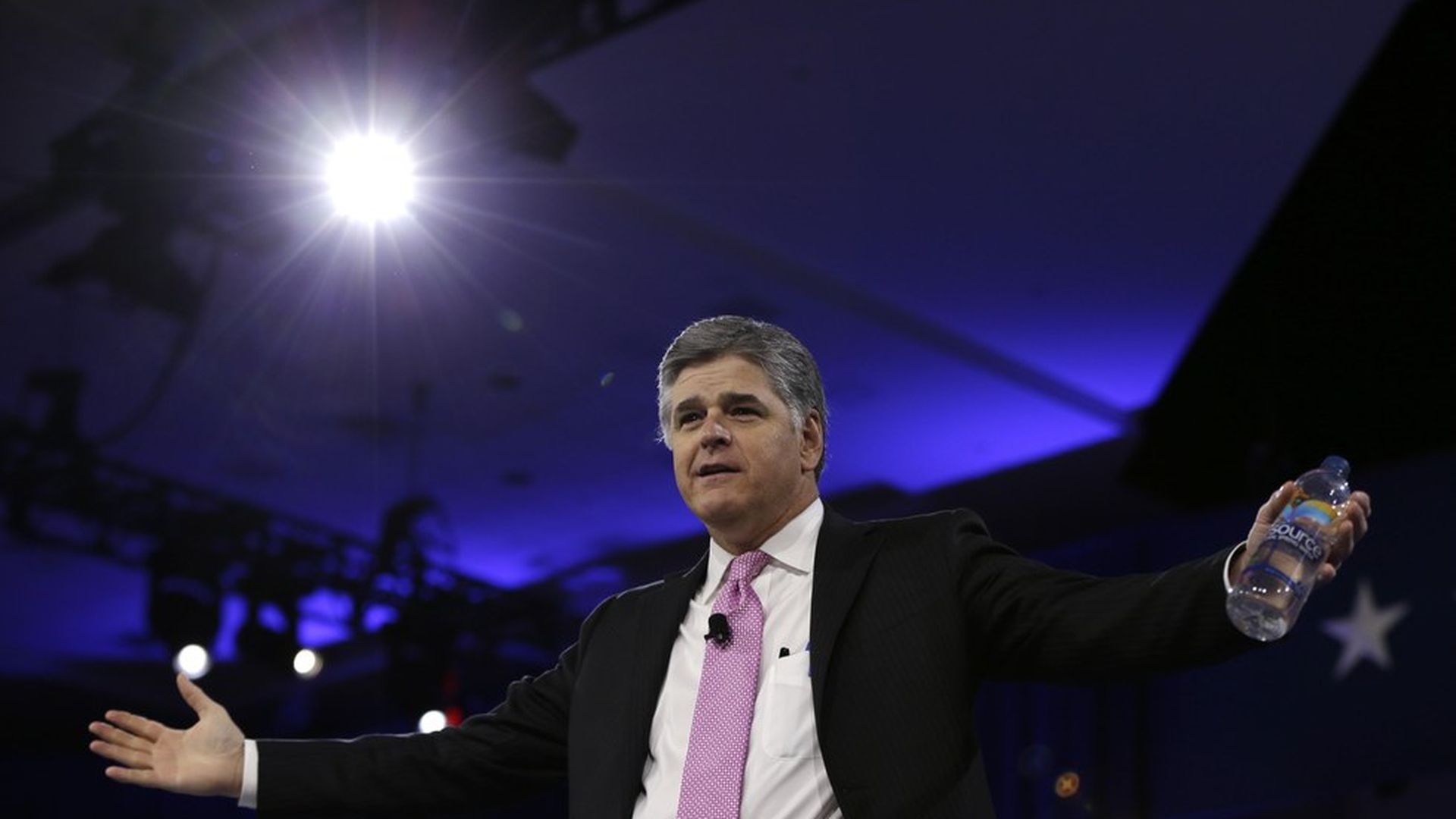

Sean Hannity denies sexual harassment allegations
The accusation: Debbie Schlussel told Tulsa, Oklahoma radio station KFAQ that Hannity repeatedly attempted to lure her to his hotel during a book signing event in Detroit. She said Hannity called her after the show and yelled at her, "it was made clear to me that I didn't go back to his hotel with him after."
The defense: Hannity told the New York Daily News that Schlussel has been lying about him for "well over a decade" and that she "has a history of making provably false statements against me in an effort to slander, smear and besmirch" his reputation.
Why this matters: The accusations are the latest in a series of sexual harassment claims made against male Fox News employees.
Stat of the day: tobacco companies are killing it
From a Wall Street Journal front-pager, "Surprise Rebound ... Against All Odds, the U.S. Tobacco Industry Is Rolling in Money":
- "Americans spent more at retail stores on cigarettes in 2016 than they did on soda and beer combined."
- The gist ... Tobacco companies killing it: While far fewer people smoke today, the companies have jacked up prices so much that revenue is higher today than 15 years ago.

Trump's new cable diet: More Fox News, less everything else
A series of reports this weekend reveal that the President has gotten pickier about his media diet publicly, but in private, he's still fueled by the entire cable news ecosystem — a circus he has created around his sharp attacks and viewing habits that seems to fuel him.