Thursday's economy & business stories

Federal investigation into Fox News expands
The probe launched by the Justice Department into Fox News has expanded to include the United States Postal Inspection Service, which handles mail and wire fraud investigations, according to CNNMoney. Questions are circling around whether Fox News should have told shareholders about settlement payments related to sexual harassment allegations against Roger Ailes, according to the report. The Justice Department investigation was first revealed in February.
Two new questions: investigators have reportedly been asking two key questions; one about possible misconduct by Fox News personnel and the overall environment at the network, as well as questions about "mysterious confidants" of former Fox News CEO and Chairman Roger Ailes known as "friends of Roger." Per CNN:
"Ailes, through Fox News, employed a number of longtime friends as consultants, for purposes that remain unknown. One of the consultants earned $10,000 a month by submitting a monthly invoice to Fox."

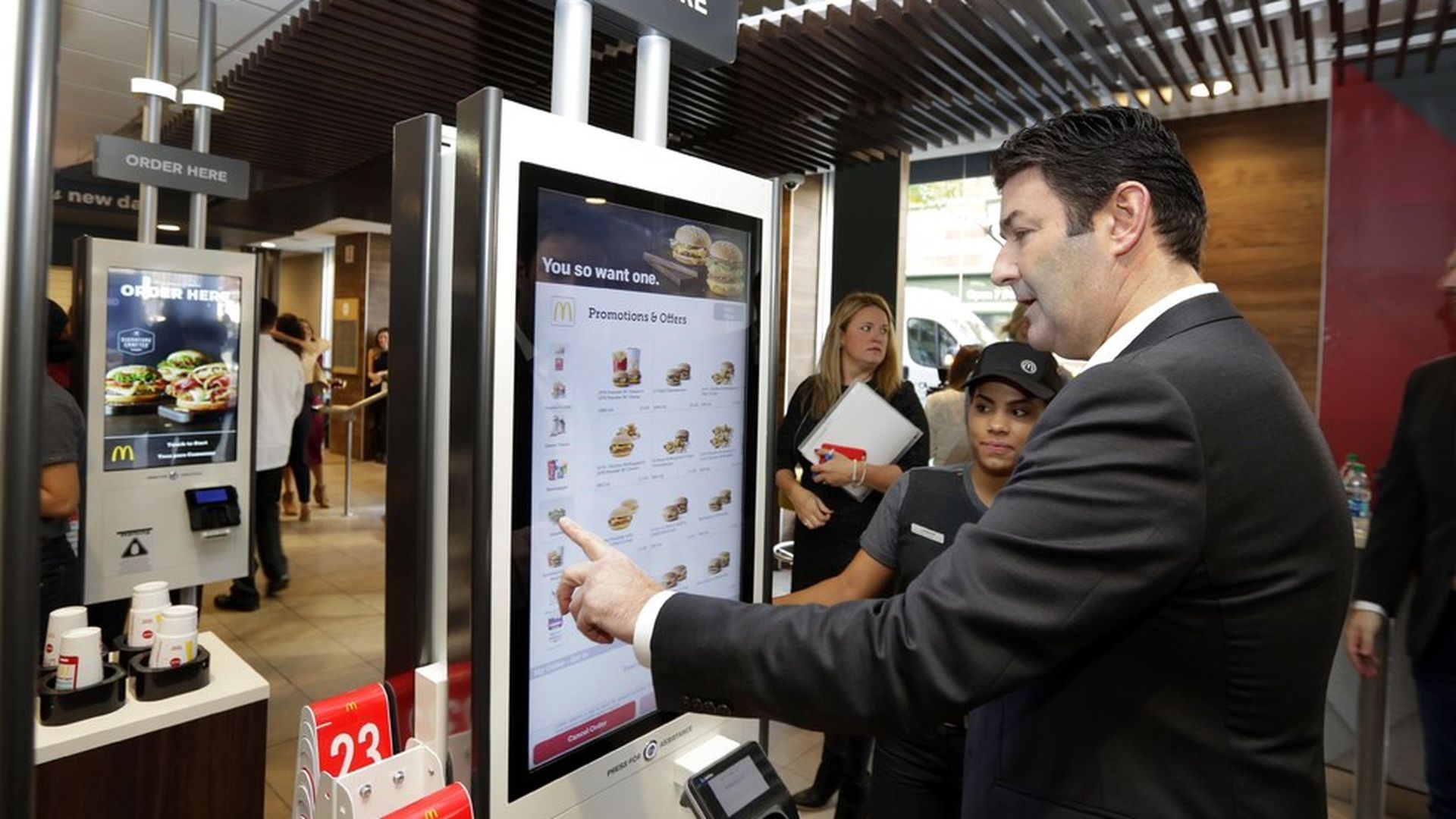
A bleak future for America's cashiers
Around 3.5 million Americans are employed as cashiers, representing more than 2.5 percent of the workforce. But those jobs are at risk as more and more retailers experiment with automation. LinkedIn Managing Editor Chip Cutter today sounded the alarm, pointing out the country's lack of preparedness for such massive economic dislocation:
"While it's not a high-paying job (the median hourly pay for cashiers nationally is $9.70 per hour), it's an accessible one. People of all ages, skill levels and educational backgrounds can get hired to do the work, often without multiple interviews or even a drug test," Cutter said. "And unlike some occupations, cashier positions can be found across the U.S., not clustered in big cities or on the coasts.In other words, cashiers are everywhere today. But they may soon be nowhere. Are cashiers ready for that? Is the economy?"

Why the media is obsessed with rebranding
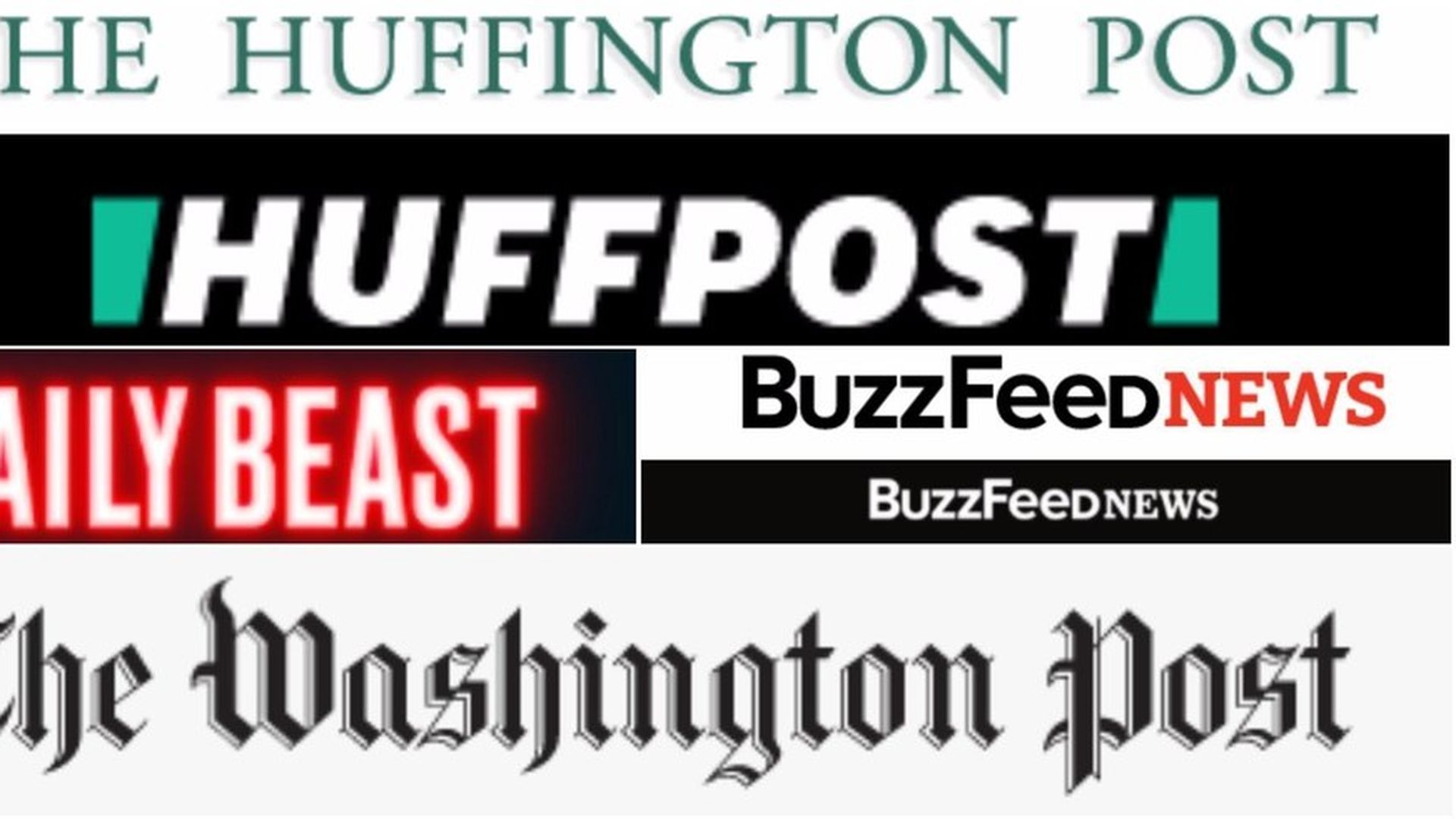
Over the past few months several media companies have come out with new slogans, logos or names.
Why it matters:
- The context: An era when almost every media company failed to predict President Trump's election, there's more access to information than ever before and "fake news" runs rampant. Standing out and garnering trust is vital to a successful news company.
- Just like Obama changed the branding game when it comes to political campaigns, the media has realized the importance of a sharp, current, cohesive brand. The Outline was born based almost entirely on the ideas of innovation and branding.
- Younger media companies, while at an advantage when it comes to branding and flexibility, are hoping to be taken more seriously.
- Meanwhile, flagship media companies are realizing they can no longer rely solely on their reputation. They have to compete. The New York Times launched it's first ad campaign since 2010 this year and Washington Post added a new slogan, both seemingly addressing the political and media climate.
In February, The Washington Post added a new slogan — "Democracy Dies in Darkness"

The New York Times launched a 30-second ad called "The Truth" at the Academy Awards in February— their first ad since 2010.
On April 5, the Daily Beast announced that they were working on a new website design, along with it's new logo — from the red block with white lettering to neon lettering. They also remove "the" from their name.

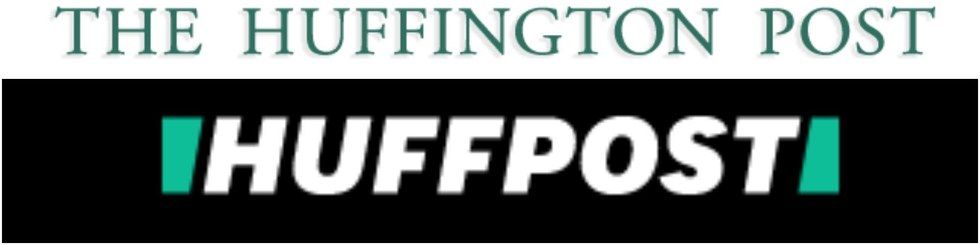
On Wednesday, Huffington Post became HuffPost — cutting out the last name of Arianna Huffington (and "the"), one of the media company's founders.
And today, it was announced that BuzzFeed Editor-in-Chief Ben Smith told his staff yesterday about a new slogan for BuzzFeed News, "Reporting to You."


New Buzzfeed News slogan: "Reporting to You"
BuzzFeed Editor-in-Chief Ben Smith told his staff yesterday about a new slogan for BuzzFeed News, "Reporting to You." His all-hands email makes an implicit contrast with the stentorian marketing of the N.Y. Times and WashPost:
"This is a moment when people are more concerned about the state of news than they've ever been. That's inspired some our competitors to launch campaigns that stress that they have earned trust over many decades, and that appeal to people's nostalgia for a simpler media age dominated by trusted gatekeepers. These outlets are doing spectacular work, by the way, and there's nothing wrong with their leaning on well-earned reputations. But that isn't us. We were born of this very chaotic new ecosystem, and our opportunity is to serve a huge audience through it, not by retreating from it. ... We speak the native language — whether English or Portuguese — of the web, in text and video. ... We are committed to sharing what we know with our audience, from being clear about corrections to sharing documents with our audience, including the famous dossier. We are... testing some technical features aimed at getting even more feedback from our audience on what they want reporting on."

Lithium-ion battery war worth billions reaches U.S.
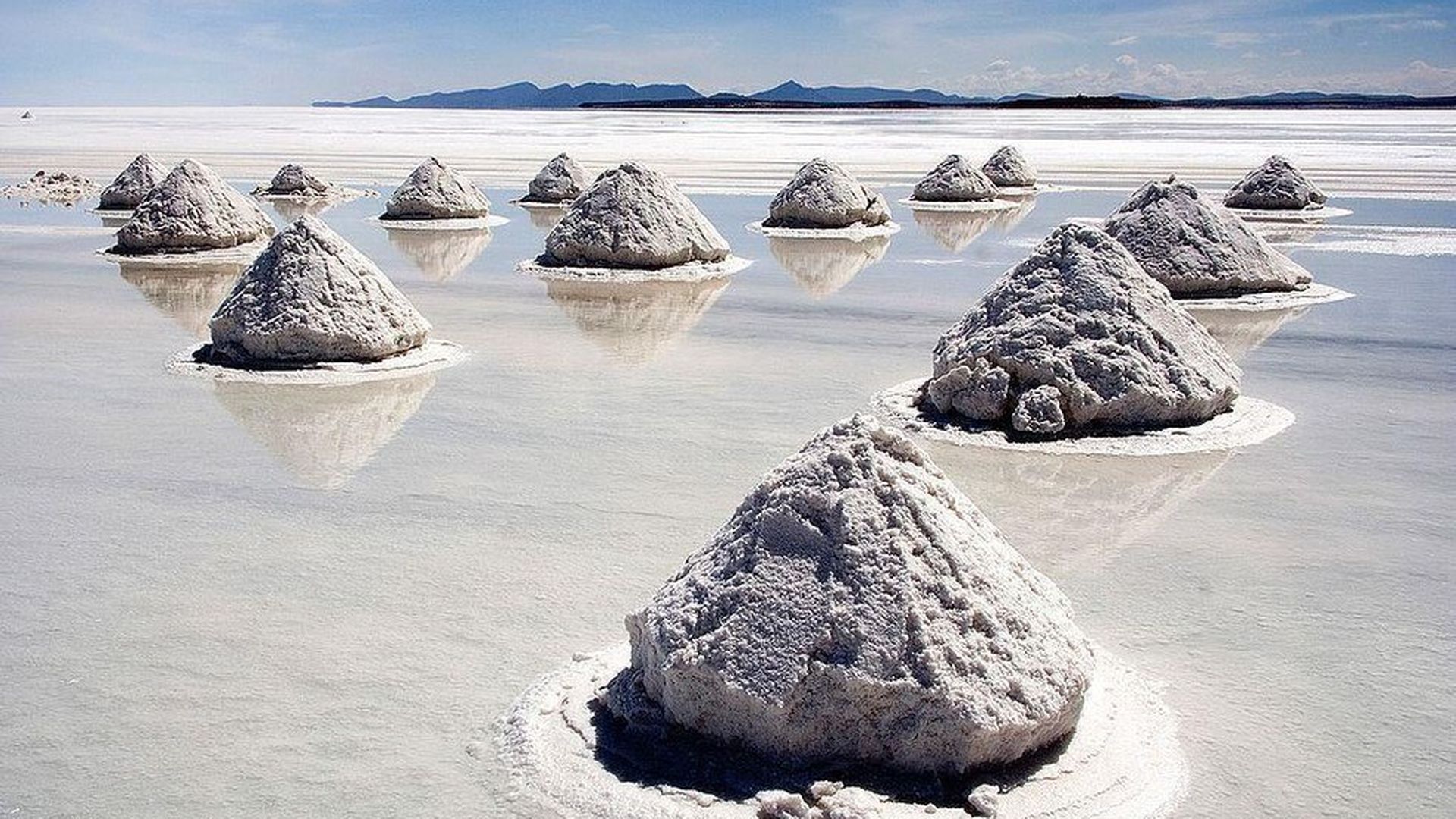
Two European industrial giants have settled one of the biggest, most arcane and potentially lucrative patent disputes in lithium-ion batteries. As a result, Belgium's Umicore — the loser — can legally export its battery formulation into the United States, but has had to buy a license and pay royalties to Germany's BASF.
Why now? By settling, the companies clear away their bitter, years-long dispute on the cusp of what many experts believe is a coming global boom in the sale of mainstream electric cars. This makes way for the formulation in dispute — known as NMC — to go to battle with the other major lithium-ion battery type racing for domination of this expected new electric car age.
This rival, used by Elon Musk's Tesla, is known as NCA, which Panasonic makes and he puts in all his cars. Most other carmakers use NMC, including GM and BMW. Many experts think one will win command over most of the coming market, with the potential for billions of dollars in profit. Most of the betting is on NMC.


ESPN and the cable TV crisis
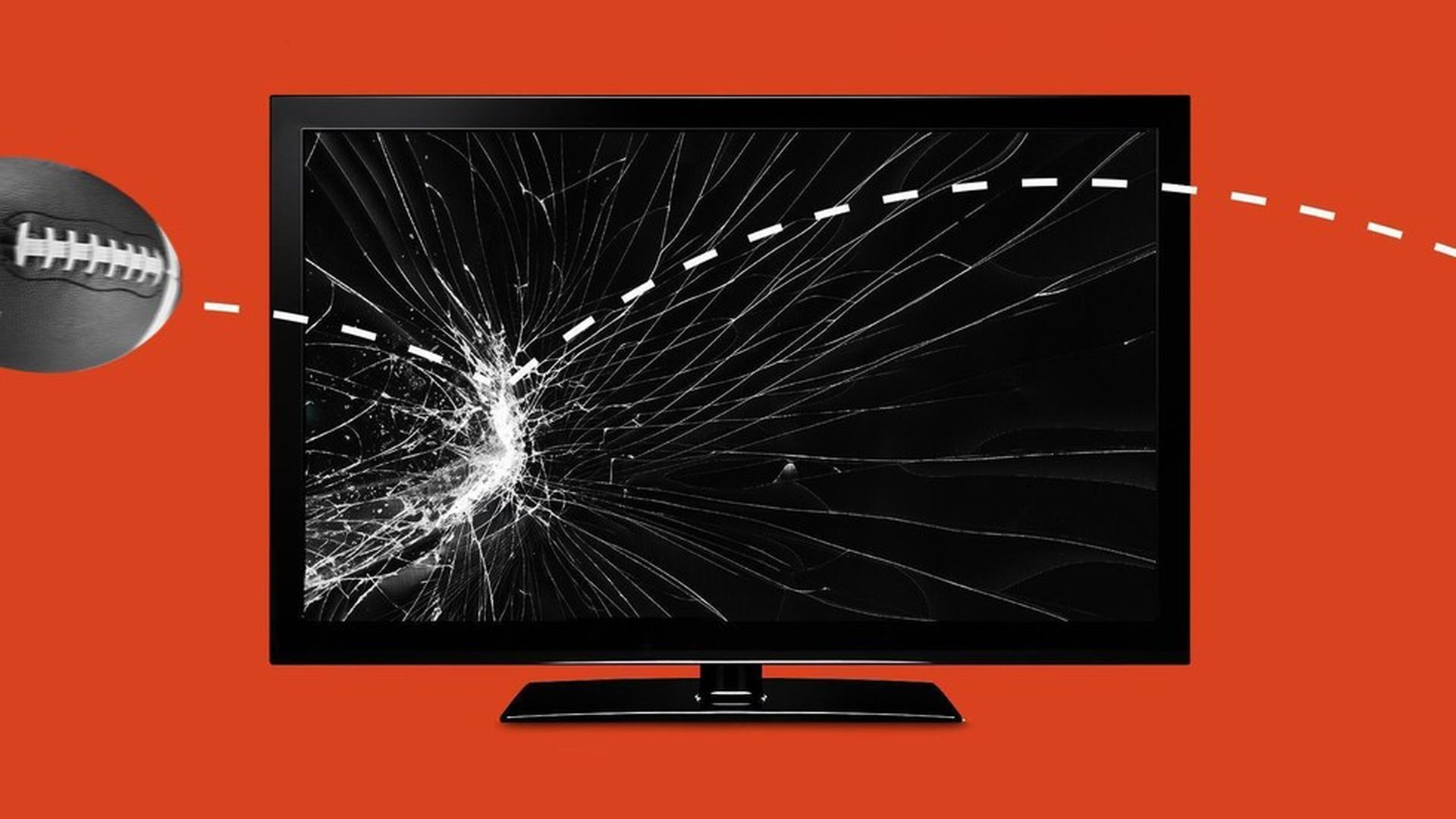
ESPN laid off as many as 100 employees Wednesday. The company cited "changes in technology and fan behavior" (meaning social media and highlight consumption) for the demands driving the cuts.
Why it matters: ESPN's dilemma is a reflection of what many in the cable industry are facing today in higher production costs, dwindling subscribers and stagnant ad revenues. By nearly every measure, signs point to thinning margins for the cable industry, and an eventual newspaper-like revenue collapse as viewers migrate their attention to streaming and social media.

Microsoft's Judson Althoff: Machine learning is everywhere
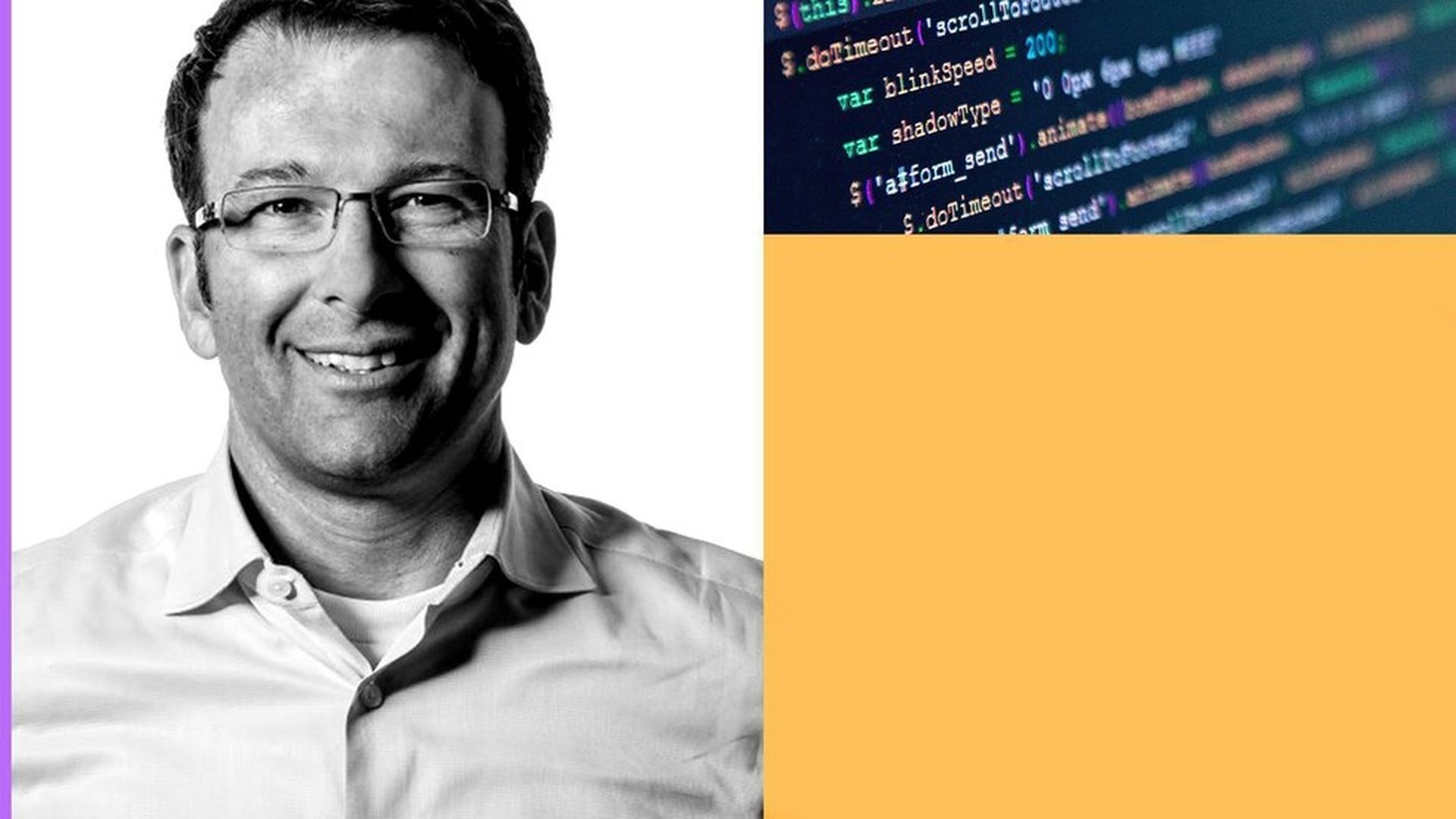
When most people think of Microsoft, they think Windows software and PCs, but the firm's brass say that its future will be defined by selling services related to artificial intelligence and machine learning. Axios caught up with Judson Althoff, Microsoft's Executive Vice President in charge of worldwide commercial business strategy, to understand how the company is helping to advance these technologies across the global economy.
Why it matters: Microsoft, Amazon, and Google are spending billions of dollars a year researching machine learning and AI in the hopes of becoming the dominant vendor in this space. Whoever wins will become an indispensable part of the global economic infrastructure.
Here's what Althoff had to say about the artificially intelligent economy:

Robinhood raises $110 million for stock trading app
Robinhood, whose millennial-friendly mobile app lets users buy and sell public stocks without trading fees, on Wednesday confirmed that it has raised $110 million in new funding. The Silicon Valley company has over two million users and is now valued at $1.3 billion, confirming earlier media reports.
Inflection point: Interest from investors really picked up following the launch of its paid service—Robinhood Gold—last year, which currently accounts for half of the trading volume, co-founder Baiju Bhatt told Axios. Rumors of the company's fundraising began to circulate late last year, although Bhatt says this latest round was done about a month ago.
TED crowd favorite: Boston Dynamics' dog-like robot
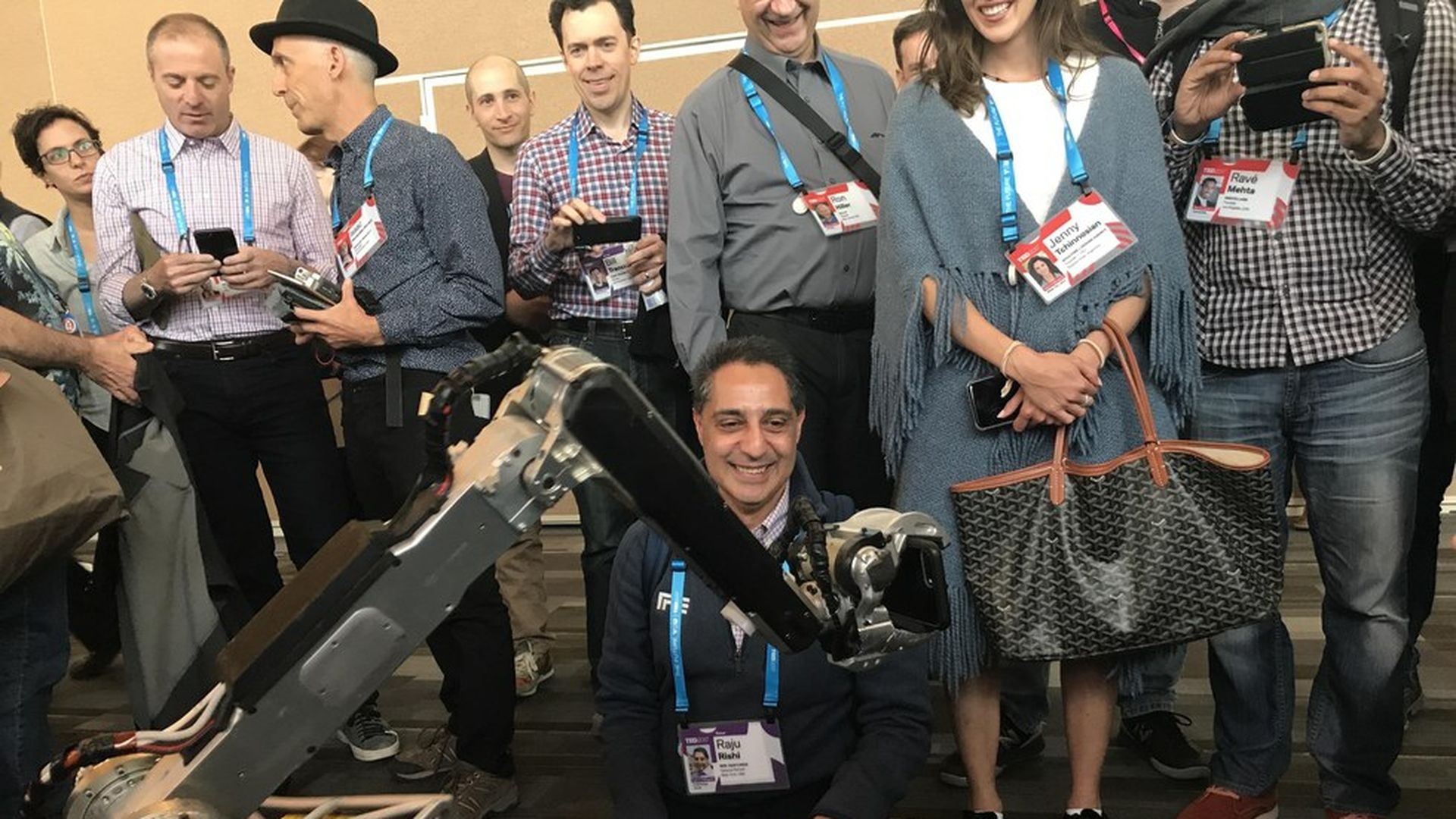
Boston Dynamics' robots may terrify a lot of people, but you couldn't tell that from the reception its creation got at TED. A huge throng gathered around CEO Marc Raibert and SpotMini after the two got done on stage Tuesday. People wanted to take selfies and even pet the quadruped robot.
When can I get one: There's no word on pricing, but Boston Dynamics is still targeting businesses and the military rather than consumers. There's a better chance one will some day deliver you a package than that it will live in your house. (The company has started testing package delivery to employee's homes in Boston and is talking with companies that do local deliveries.)