The Pentagon's top military planner admitted to leaking classified information about Ukraine and Iran to two reporters from separate outlets over a one-year period, according to an internal report of the investigation shared with Axios.
Why it matters: Army Lt. Gen. Brett Sylvia was fired this week by Defense Secretary Pete Hegseth for the alleged misconduct, which the career soldier acknowledged on video after he failed four polygraph tests, a U.S. official said.
Reddit on Thursday said it's moving to become a primarily logged-in experience, marking one of the most significant shifts in its 21-year history.
Why it matters: Reddit has long championed the open web. Now, it's pushing to build a more direct relationship with users while also protecting its data from increased scraping in the AI era.
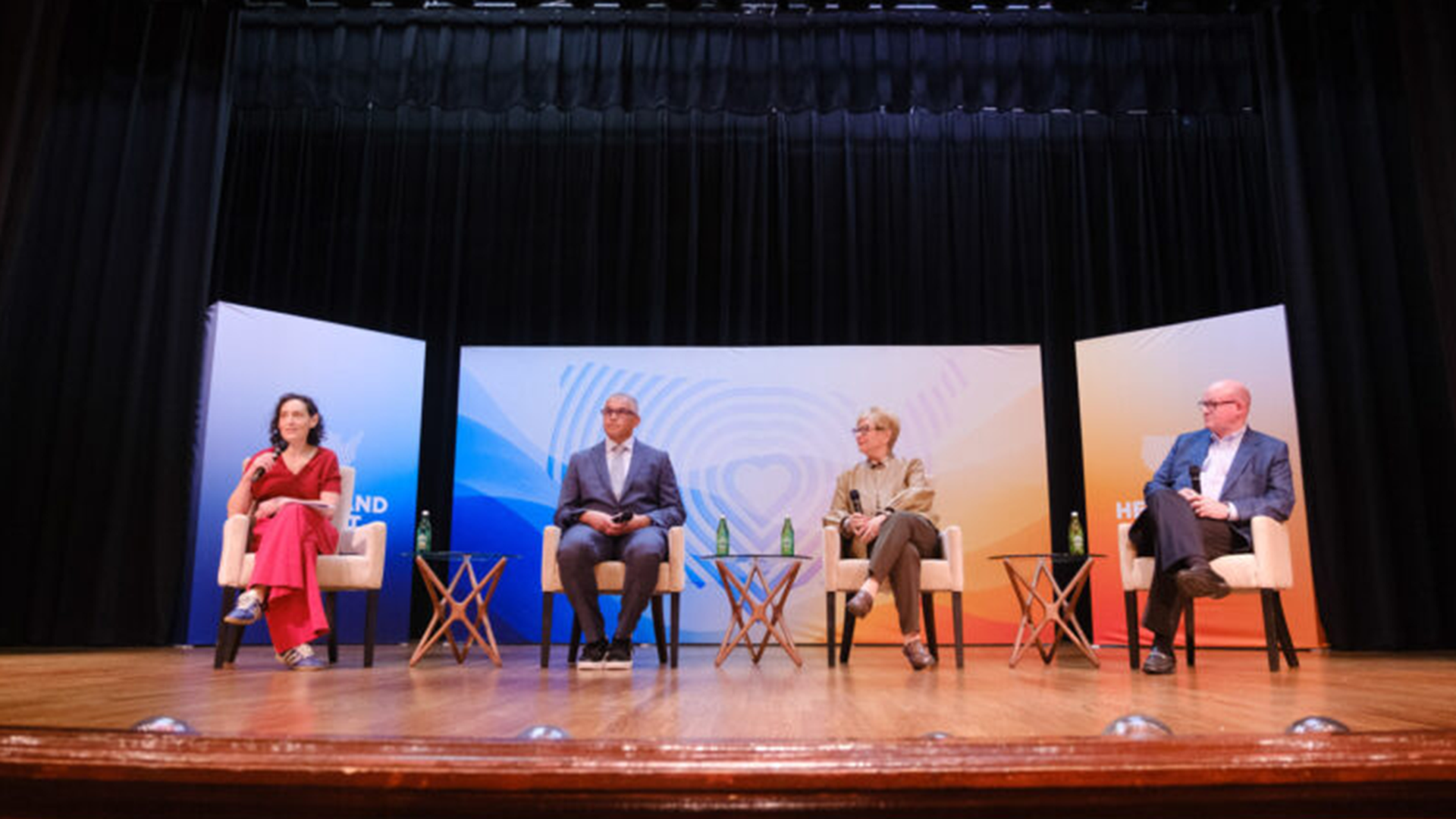
As AI reshapes the workforce, Heartland Summit education leaders said schools need to rethink what they teach and start preparing students for careers earlier.
During a breakout session moderated by Lisa Gevelber, founder of Grow with Google, leaders from Ozarks Tech, WSU Tech and the Bentonville Institute of Technology discussed how schools can keep pace with changing employer needs while preparing students for careers that may look very different in the years ahead.
Food delivery company DoorDash is framing its $17 billion Instacart acquisition as a way to help smaller businesses fend off Amazon and Walmart.
Why it matters: The deal has a solid chance of passing federal antitrust muster under the Trump administration, but it still faces state, local, and consumer backlash — particularly in blue states.
Anthropic co-founder Jack Clark told leaders at this year's Heartland Summit that the AI boom could bring a major wave of manufacturing and infrastructure investment to the middle of the country.
The challenge: AI may be powered by software, but scaling it requires a massive physical buildout.
Heartland Forward announced a new partnership with The BlackRock Foundation to expand pathways into skilled careers for students across the middle of the country.
The goal: Help more young people access training and career opportunities close to home, while giving heartland communities the workforce they need to compete and grow.
Heartland Forward announced at this year's Summit that it is expanding its Center for Investment Readiness (CIR) to the state level for the first time, partnering with Tennessee to help more communities compete for capital and turn local strengths into economic growth.
This year's Heartland Summit centered on economic competitiveness, from attracting investment and preparing workers for an AI-driven economy to strengthening strategic industries, education and health.
The two-day event is hosted by Heartland Forward, a think-and-do tank focused on accelerating economic growth across the middle of the country.
We've written about how AI thus far has been much better at discovering drugs than developing them, which is a bit like being great at grocery shopping but helpless in the kitchen.
Driving the news: Formation Bio also sees the stubborn bottleneck, and just raised a $600 million "drug development accelerator" fund to help address it.
Brunswick is expanding its investor intelligence capabilities, hiring an eight-person team from S&P Global that specializes in analyzing how institutional investors perceive companies, Axios has learned.
Why it matters: Communications advisory firms are investing in deeper stakeholder intelligence to help shape corporate strategy, not just communicate it.
Weil, Gotshal & Manges, one of Wall Street's top law firms, has decided to dissolve.
Why it matters: This is a reminder that a law firm's most valuable assets walk out the door each night, and rival poaching can cause something akin to a bank run.
Harley-Davidson's electric motorcycle spinoff is at risk of going out of business after years of sputtering sales.
Why it matters: When it spun off in 2022 in a $1.8 billion SPAC deal, LiveWire had visions of pioneering the future of motorcycling, but the company has struggled to gain traction.
Condé Nast is partnering with Shopify to bring curated shopping collections to the Shop app, the companies exclusively tell Axios.
Why it matters: Publishers are seeking to diversify their revenue beyond advertising and monetize their editorial expertise and trust outside their own websites as AI erodes traffic.
Democrats are seeking to weaponize AI in four competitive House races, launching a $4 million ad campaign to attack GOP incumbents based on new polling data shared exclusively with Axios.
Why it matters: The midterms have been called the first AI election, and the new campaign is one of a few key tests of how deeply voter anxiety over the revolutionary technology will sway outcomes at the ballot box.
There's trouble brewing in the leveraged loan market: The share of these loans trading at distressed levels has more than doubled since last year, and a lot of pain is showing up inside software companies dealing with the threat of AI.
Why it matters: When the economy sneezes, companies that have borrowed loads of money can get really sick — the rise in distress is a sign that more of them are at risk of defaulting on their loans.
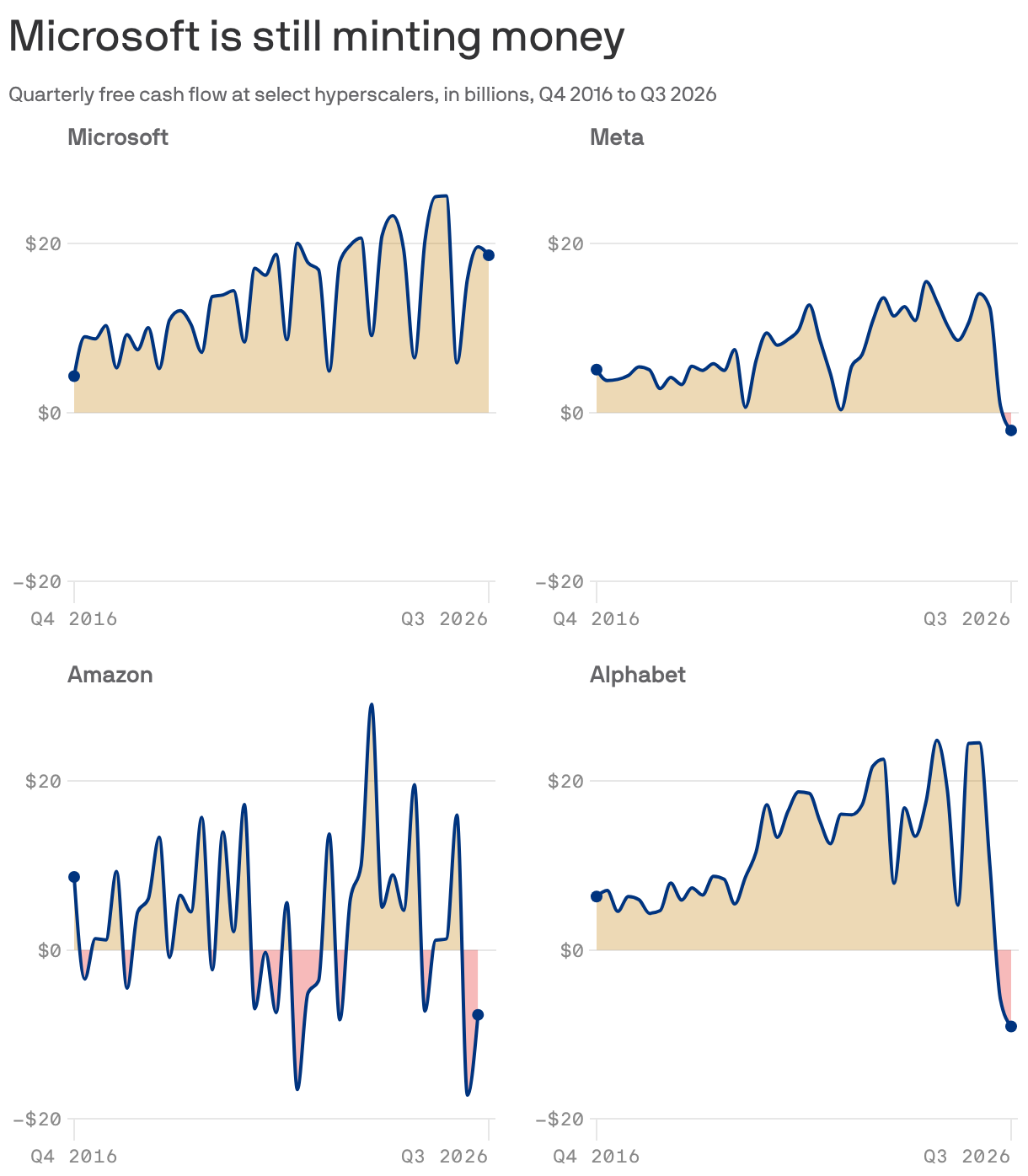
Data: FactSet, company filings; Chart: Axios/Matt Phillips
If you're making big bets on AI, you better have the revenue and cash flows to back it up.
The big picture: Starkly different market reactions to quarterly results from Microsoft and Google parent Alphabet illustrate the attributes that investors appear to be valuing at the moment.
The hyperscalers — Alphabet, Amazon, Meta, Microsoft and Oracle — have raised $326 billion so far this year in their race to dominate the AI space by issuing new stock and bonds, per data compiled by S&P Global Market Intelligence.
Why it matters: It's a ton of dough — more than three times as much as in 2025, which was already a record year.
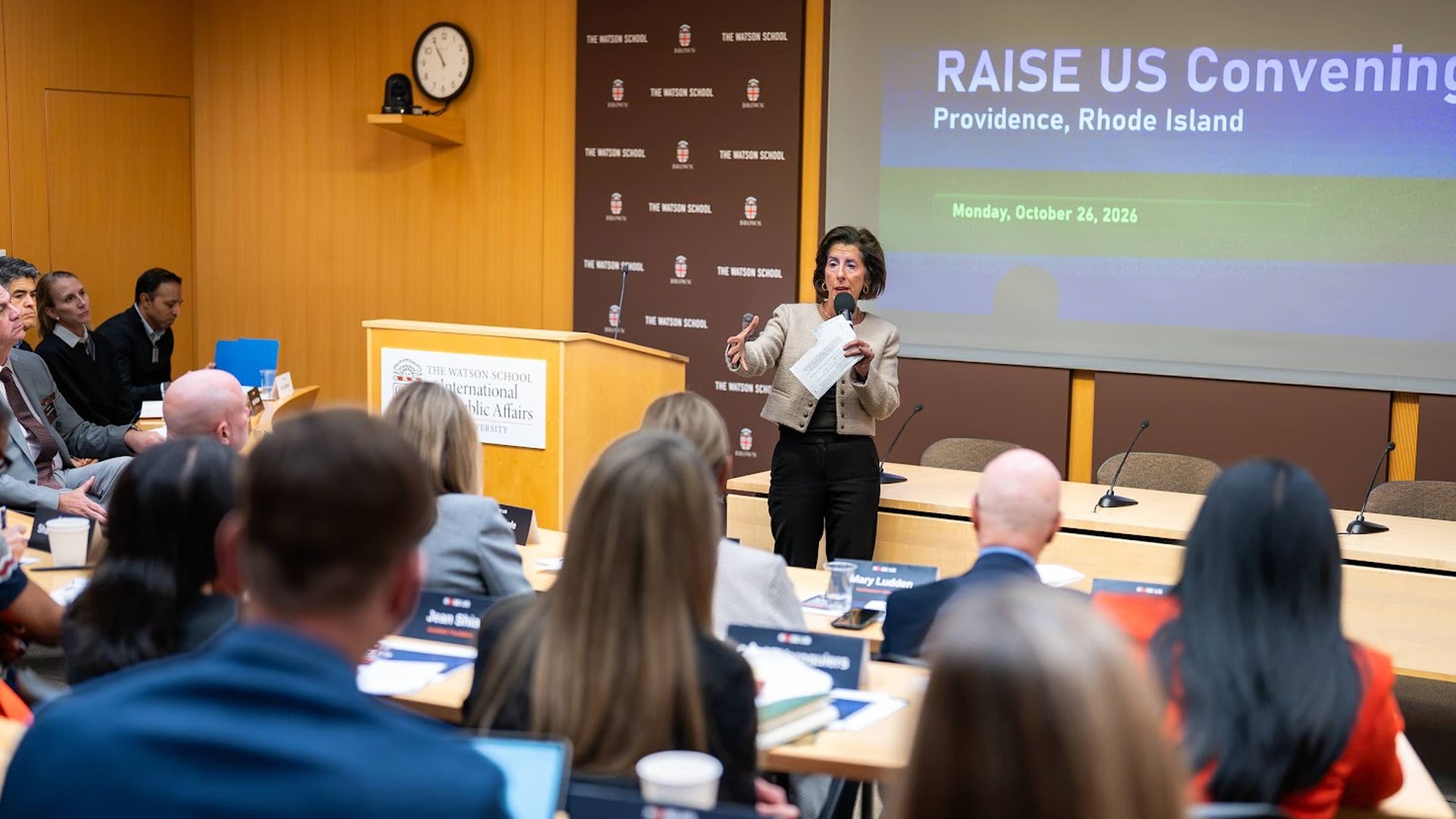
RAISE US,a well-funded, well-connected project to help American workers transition to an AI economy, announced huge new funding Thursday from Apple, AT&T, the Bezos family, Google, and Walmart, bringing total commitments to the four-month-old, nonpartisan group to over $735 million.
Why it matters: The backing shows a new way corporate America is trying to get ahead of looming AI-related economic and political disruption.
Former Commerce Secretary Gina Raimondo, a RAISE US cofounder, told Axios the new support will "allow us to expand and accelerate our efforts coast to coast — working with states and employers to grow apprenticeship and early-career training programs, retrain and redeploy mid-career workers, and strengthen the social safety net for Americans whose jobs are affected by AI."
The group was launched in June by Raimondo, a Democrat and former Rhode Island governor, and former Indiana Gov. Eric Holcomb, with a goal of $1 billion in multiyear commitments.
Zoom in: The group isn't disclosing specific donations, but the new total is a jump of more than $200 million since the group's initial announcement.
The RAISE US Policy Lab will test ideas for supporting, retraining and redeploying workers, and turn those learnings into recommendations for decision-makers in Washington, state capitols, and the private sector.
Raimondo added: "I'm deeply worried that action from D.C. isn't remotely keeping pace with the anxiety I hear from Americans about what AI will mean for them and their financial well-being. RAISE US is explicitly designed to fill the gap right now between that AI anxiety and action.
"One of the secret ingredients to our strategy is how broad our coalition is. RAISE US is bringing the private sector, organized labor, nonprofits, higher education, and bipartisan governors all to the same table to figure out what works and scale it nationally."
What they're saying:John Stankey, AT&T chairman and CEO, said: "The AI economy will demand new skills and create new opportunities. At AT&T, we're investing in both, giving people the training and career pathways to succeed."
Ruth Porat, president and chief investment officer of Alphabet and Google, said: "Only by combining the strengths of the public and private sectors can we ensure that all Americans share in the massive potential of AI."
Julie Gehrki, president of the Walmart Foundation and Walmart Inc.'s SVP of philanthropy, said: "The companies that get AI right will be the ones that bring their people with them."