Intel sent investors scrambling with a stark warning about the sharpening slowdown in the personal computer market.
Why it matters: AI is helping fuel the slowdown — driving up the price of PCs and competing for crucial IT budgets — while causing an industry-wide rethink for what personal computers may look like down the road.
The proposed $85 billion merger between railroads Union Pacific and Norfolk Southern has become an issue in Nebraska's Senate race.
The big picture: Independent candidate Dan Osborn, a union steamfitter whom polls show has a chance at unseating Pete Ricketts (R-Neb.), has argued that deal risks worker safety and would increase costs.
Grocery giants Albertsons and Kroger on Friday are scheduled to wrap witness testimony in a Delaware Chancery Court trial over their failed mega-merger.
Why it matters: Deal lawyers are paying close attention to the outcome.
President Trump's energy policies and investment deals could become major targets of Democratic investigations if the party wins control of either chamber of Congress.
Why it matters: Congressional probes could expose new details about the administration's dealings with major companies and foreign governments.
It's natural to be jumpy this time of year, with armies of undead pedestrians hitting the streets Saturday in search of moist human brain — and Skittles.
To add to the mood, here are some of the charts we've seen recently that have made the hair on our arms stand up.
Why it matters: After weeks of wobbling sideways, the markets seem to be at a crossroads amid real questions about the durability of the AI trade and the economic boom that backs it.
Were the AI boom to suddenly turn to bust, it could have scary implications for the economy — investment in data centers is supercharging GDP — the markets and the finances of investors.
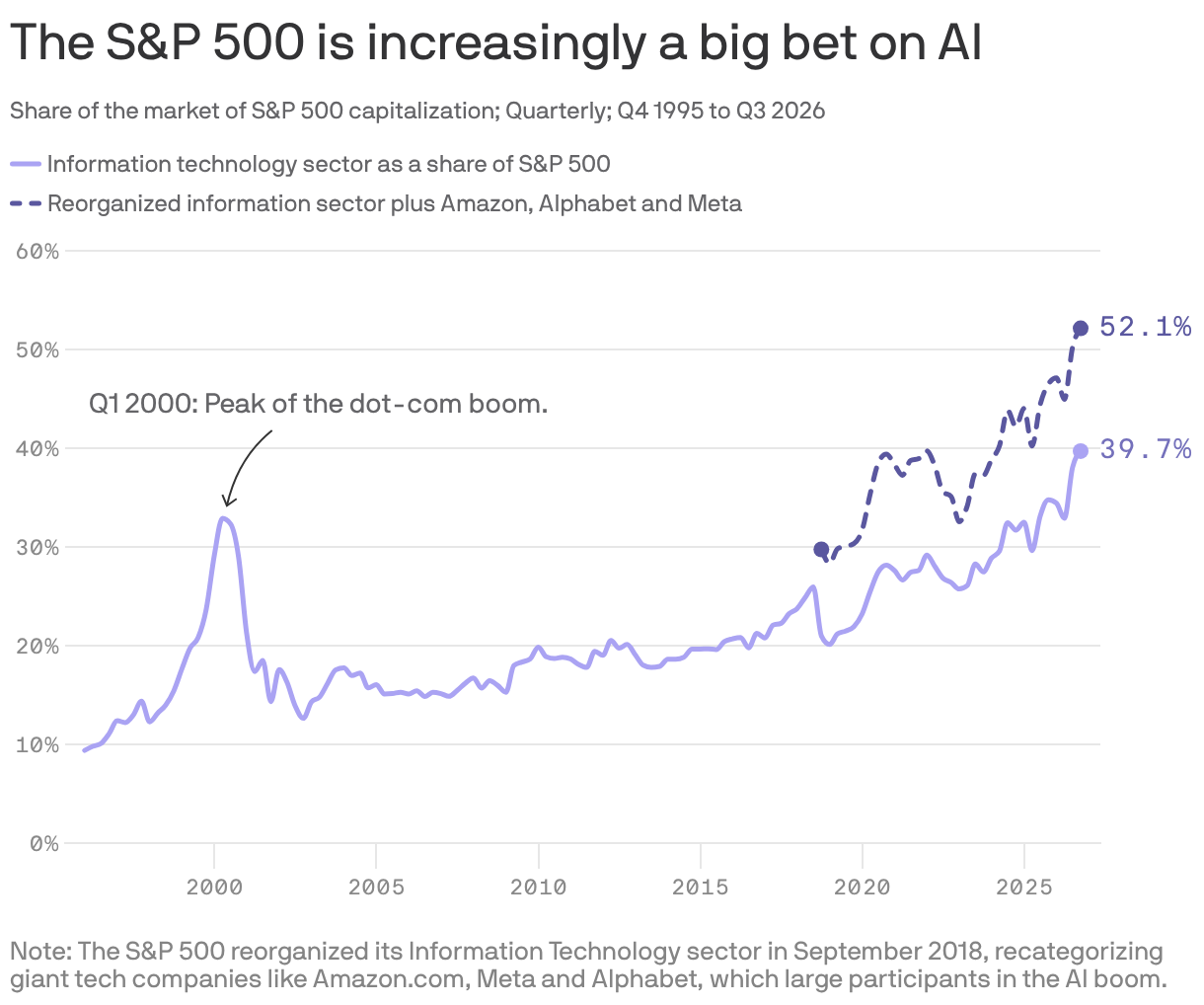
The big picture: The stock market has become increasingly AI-pilled, with tech stocks and hyperscalers now accounting for more than half the capitalization of the S&P 500. This is higher even than during the dot-com-driven market boom that peaked in early 2000 before the market crashed.
Context: American households are long in the market, as they've never been before.
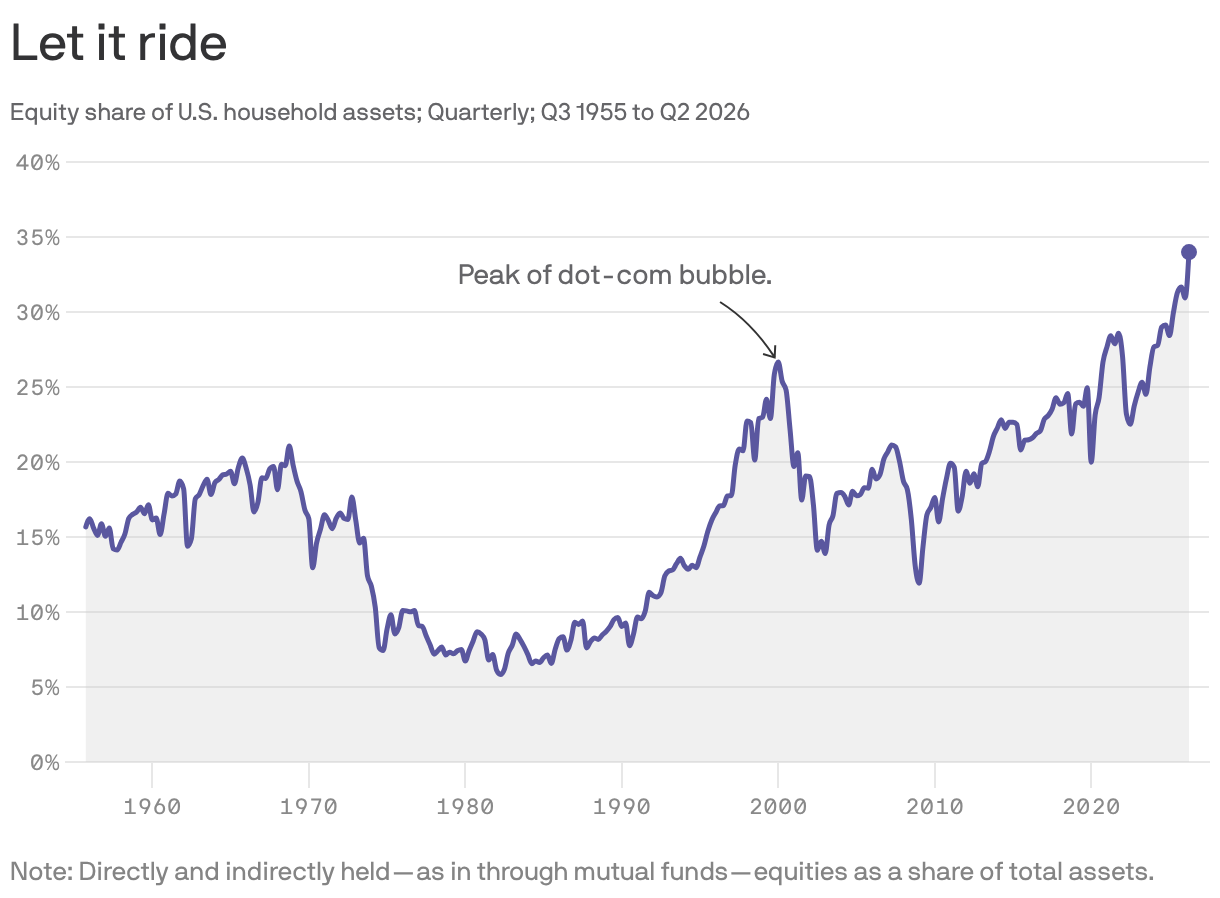
Data: Federal Reserve; Chart: Axios/Matt Phillips
Zoom in: At the same time, there are real questions emerging about the durability of the AI boom.
For instance, prices for tokens — the main measure of AI computing power usage — are tumbling. That's not something you typically see in a market where demand is off the charts, which AI insiders claim.
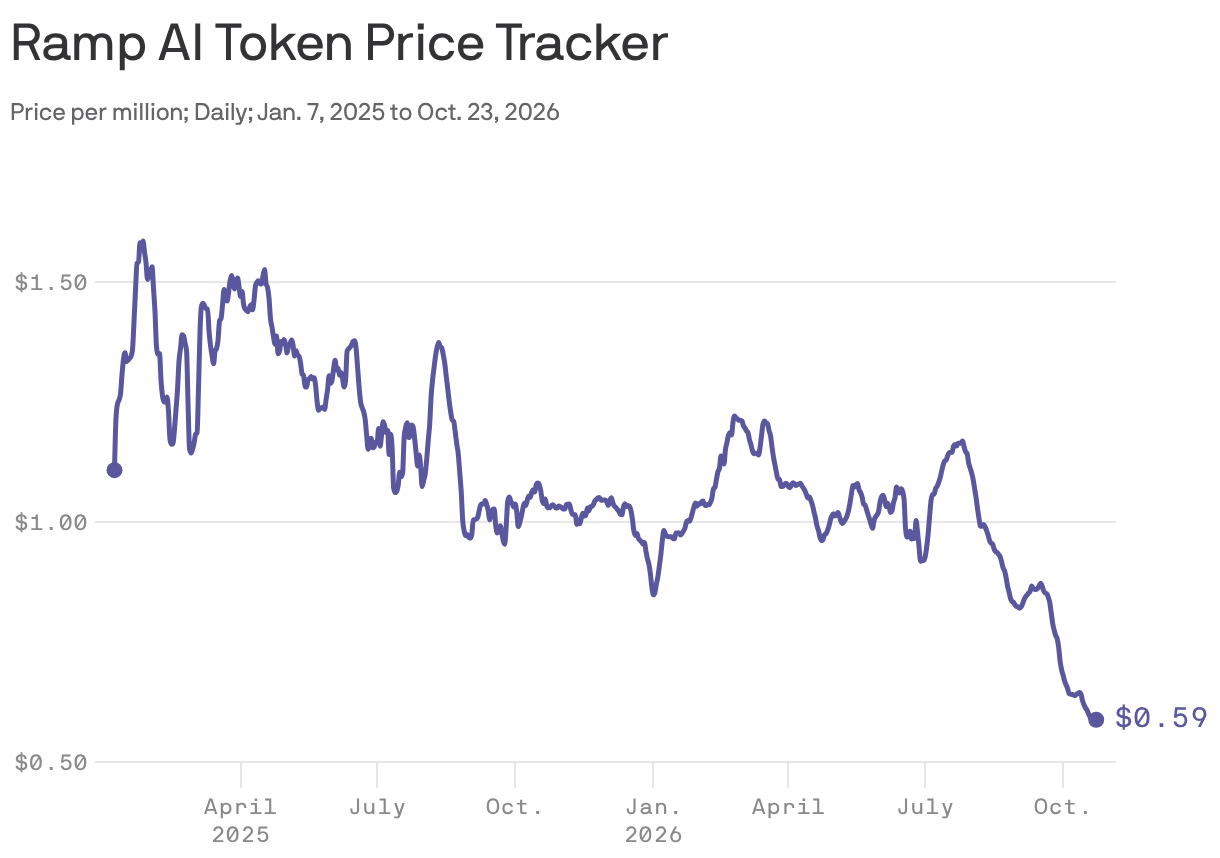
Data: Ramp; Chart: Axios/Matt Phillips
Between the lines: Falling prices don't mean sales won't go up. (If you boost volumes because of lower prices, you can still make more revenue.)
But it will sure make it harder to generate the revenue to pay off the massive amounts of debt that tech companies have sunk into AI.
The market is increasingly scrutinizing companies considered the weakest financial links in the AI ecosystem.
Case in point: The corporate bond market sharply repriced the interest rates it thinks CoreWeave should pay in recent weeks, pushing them to nearly 16% at times.
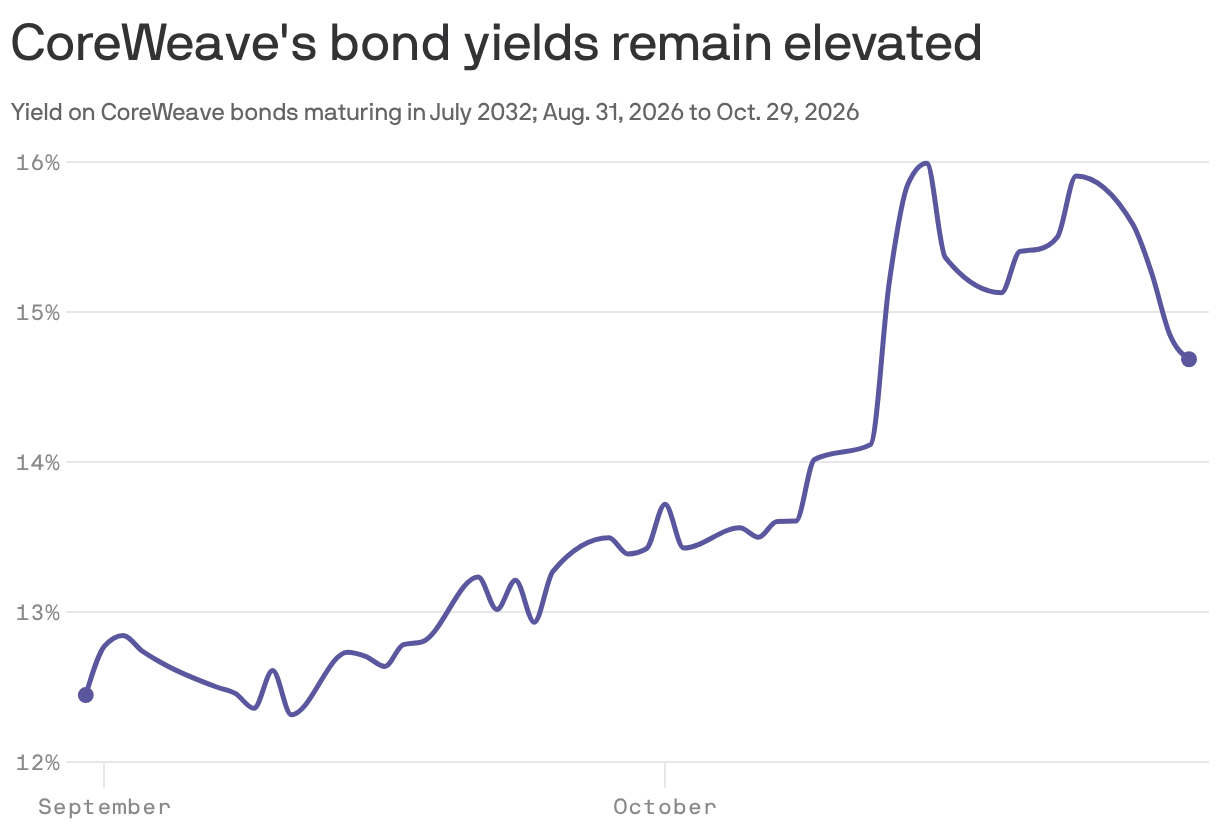
Data: Tradeweb; Chart: Axios/Matt Phillips
Yes, but: CoreWeave, some might say, is a heavily indebted player unrepresentative of the giant hyperscalers who are really driving the boom.
That's true. But even the tech behemoths are seeing their borrowing and spending binge start to impinge on their once mighty cash flows.
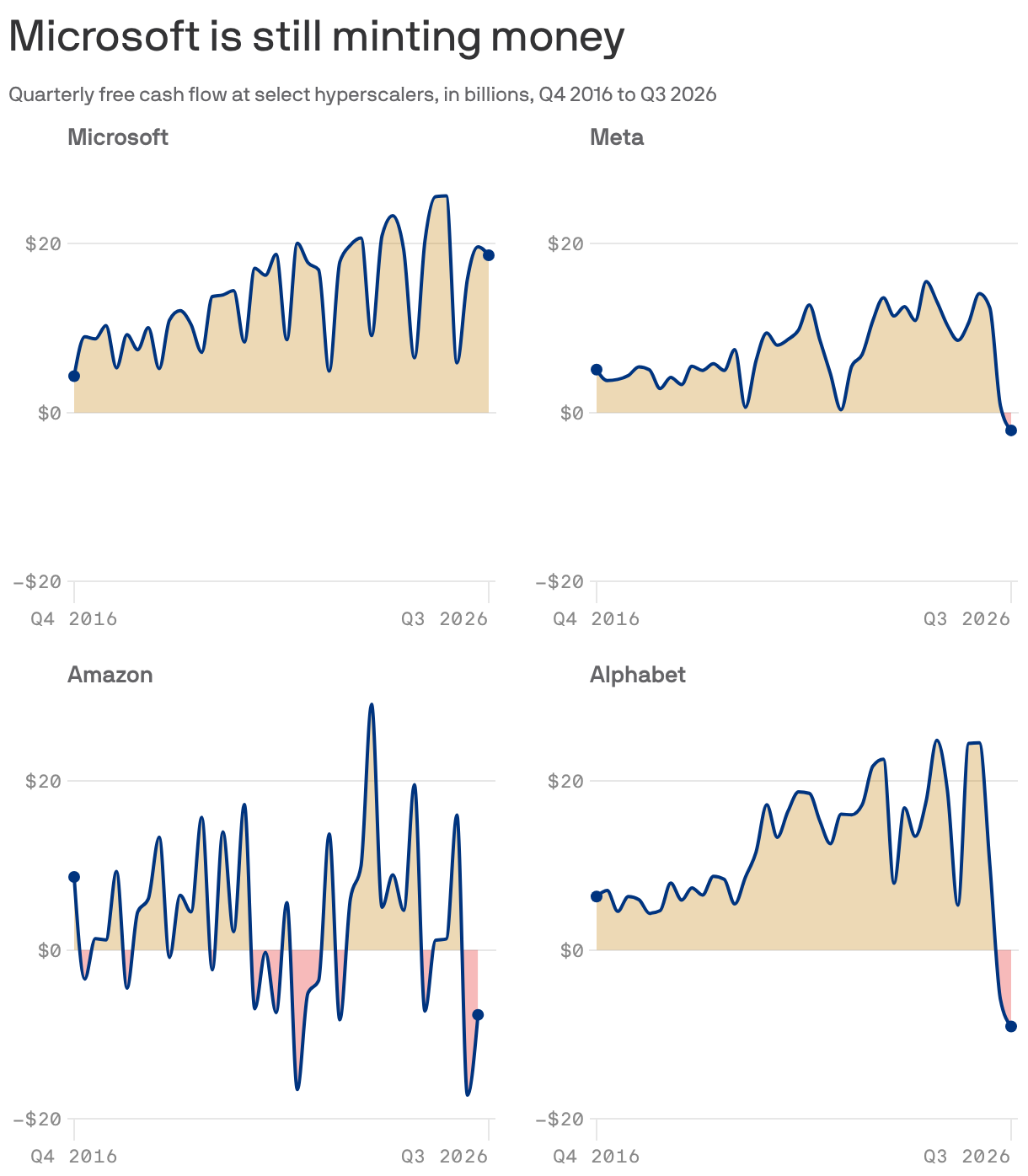
Data: FactSet, company filings; Chart: Axios/Matt Phillips
What to watch: The continuing rush to the capital markets, with Meta and Microsoft announcing multibillion-dollar offerings just this week.
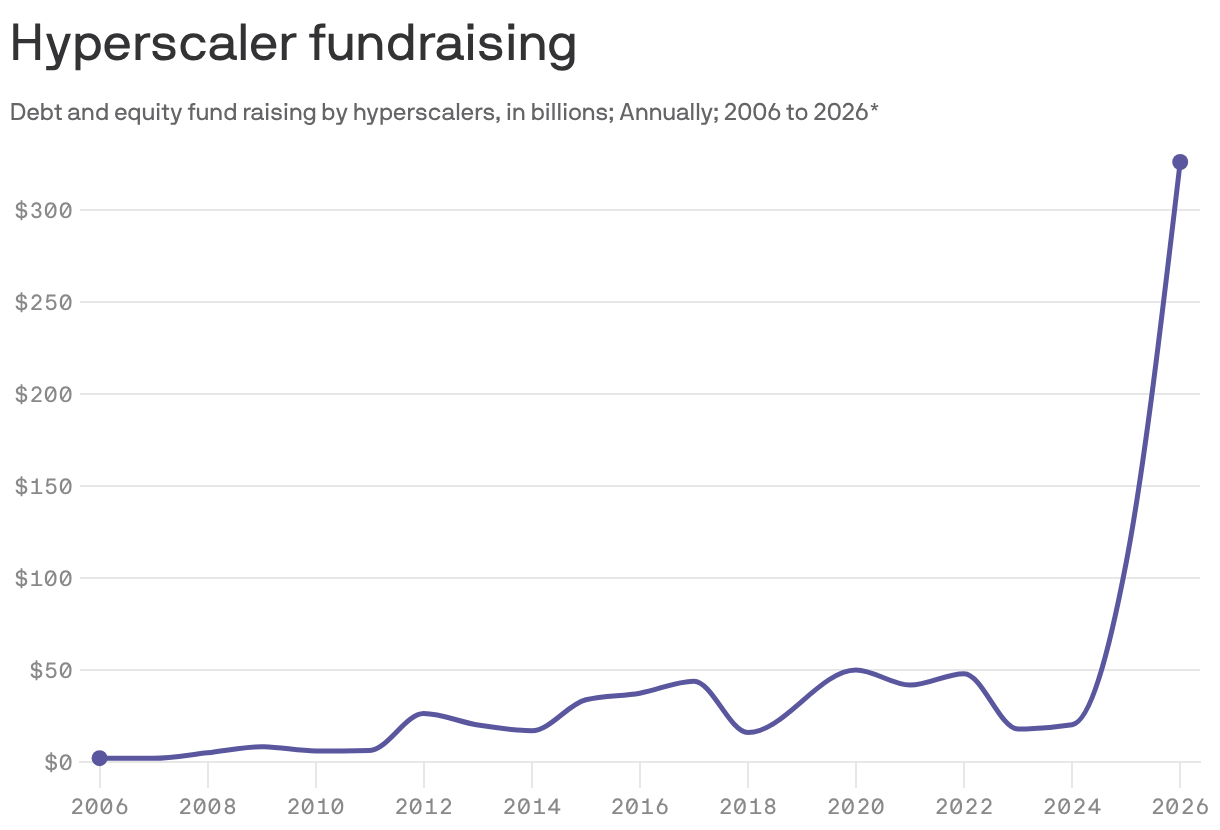
Data: S&P Global Market Intelligence; Chart: Axios/Matt Phillips
Fun fact: Massive borrowing binges — especially in the bond market — alongside surging asset prices are one of the few phenomena that academics have found to have a bit of predictive power when it comes to market crashes.
The bottom line: We hope these charts don't keep you up at night.
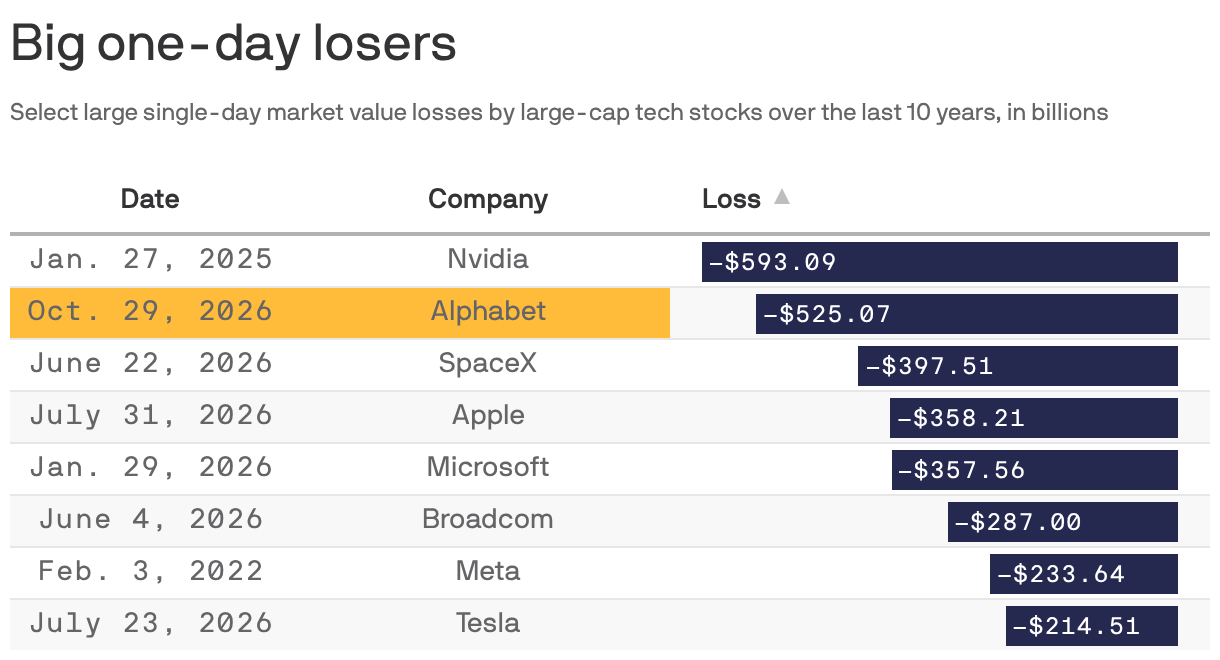
Thursday was a day that will live in infamy for Alphabet shareholders, as the stock plunged 12.6%, vaporizing more than half a trillion dollars in value.
Why it matters: The massive one-day loss shows how AI continues to cause violent bouts of uncertainty throughout the markets, even for giants like Alphabet that have been considered big winners of the AI buildout.
Two years later, on the eve of a potential blue wave, Democrats are preparing to greet those same executives with a stack of subpoenas.
Why it matters: The CEOs who staked their reputations and fortunes on MAGA's staying power could spend the final two years of Trump's presidency defending their dealings under oath.
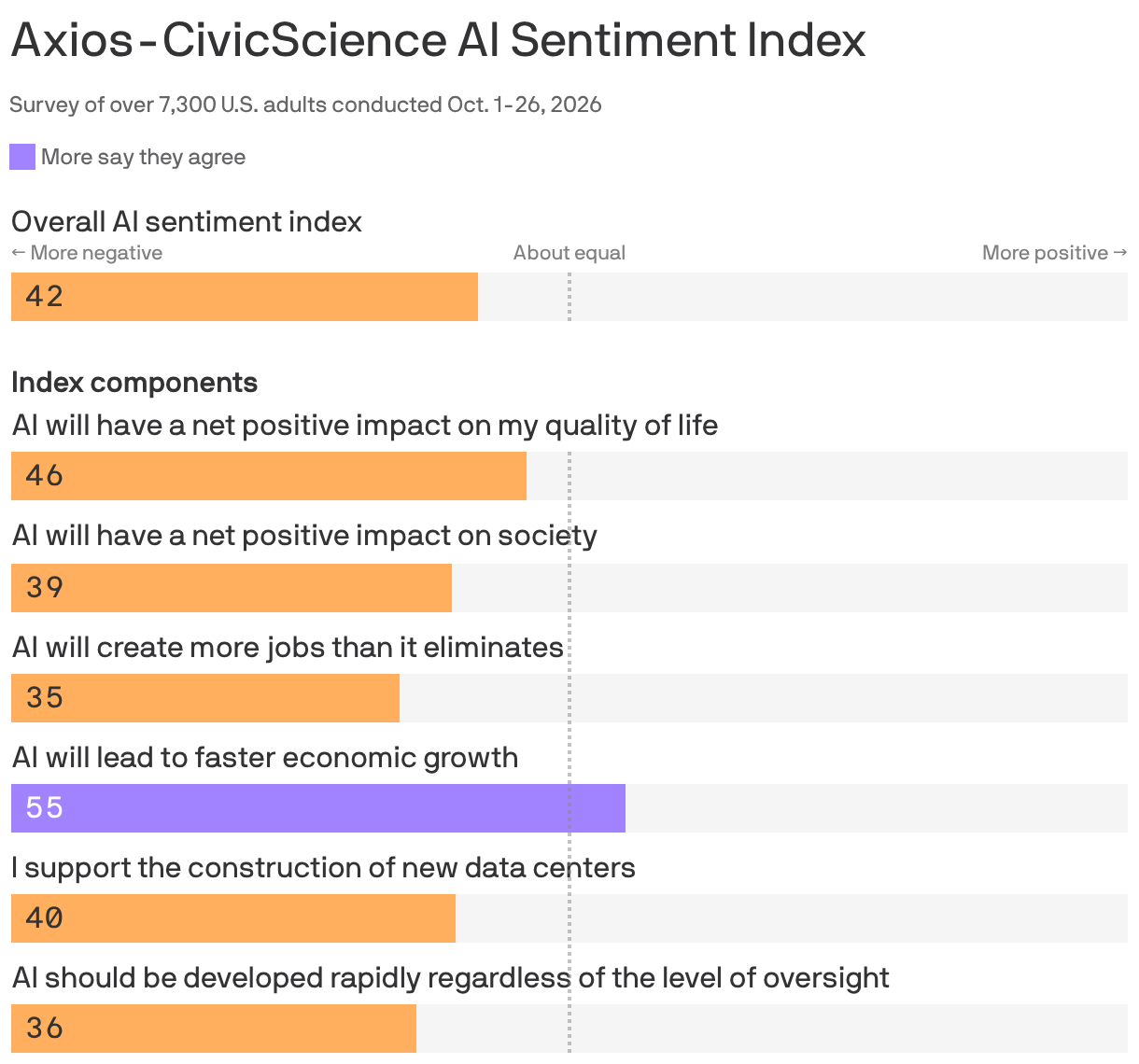
Americans are optimistic AI will grow the economy — but not that it will create jobs in the process, per the first release of the new Axios-CivicScience AI Sentiment Index out Friday.
Why it matters: The AI boom is often criticized as a jobless one, which may explain why sentiment continues to run so negative on what is otherwise such a transformative technology.
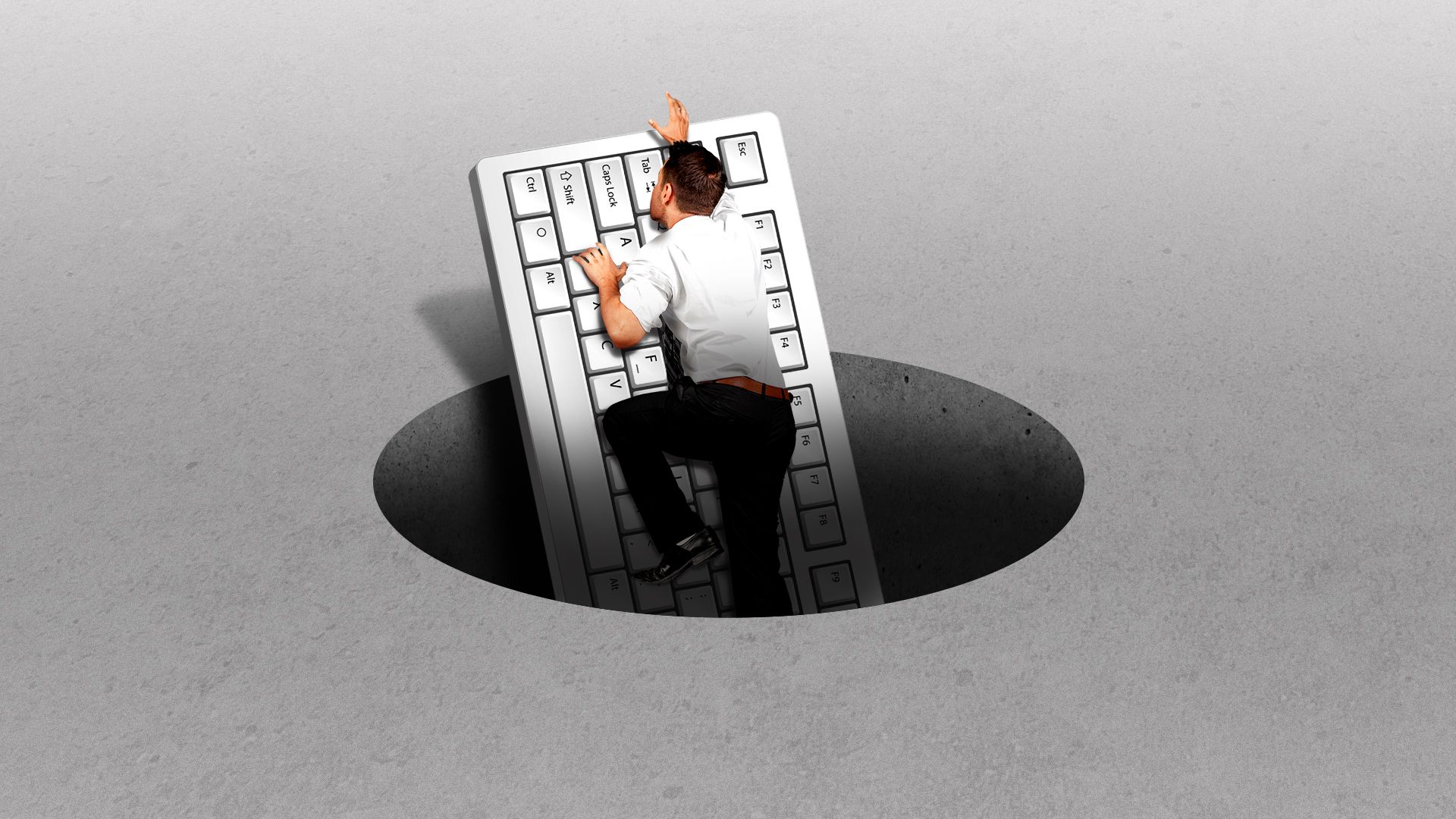
The people at the frontlines of the ongoing barrage of AI-enabled cyberattacks are being pummeled with attacks, vulnerabilities and false alarms.
Why it matters: Humans are still at the frontlines of a fight enabled largely by AI — and they're struggling to wade through mountains of threat data to determine who's been hit and which attacks pose a real danger to companies.
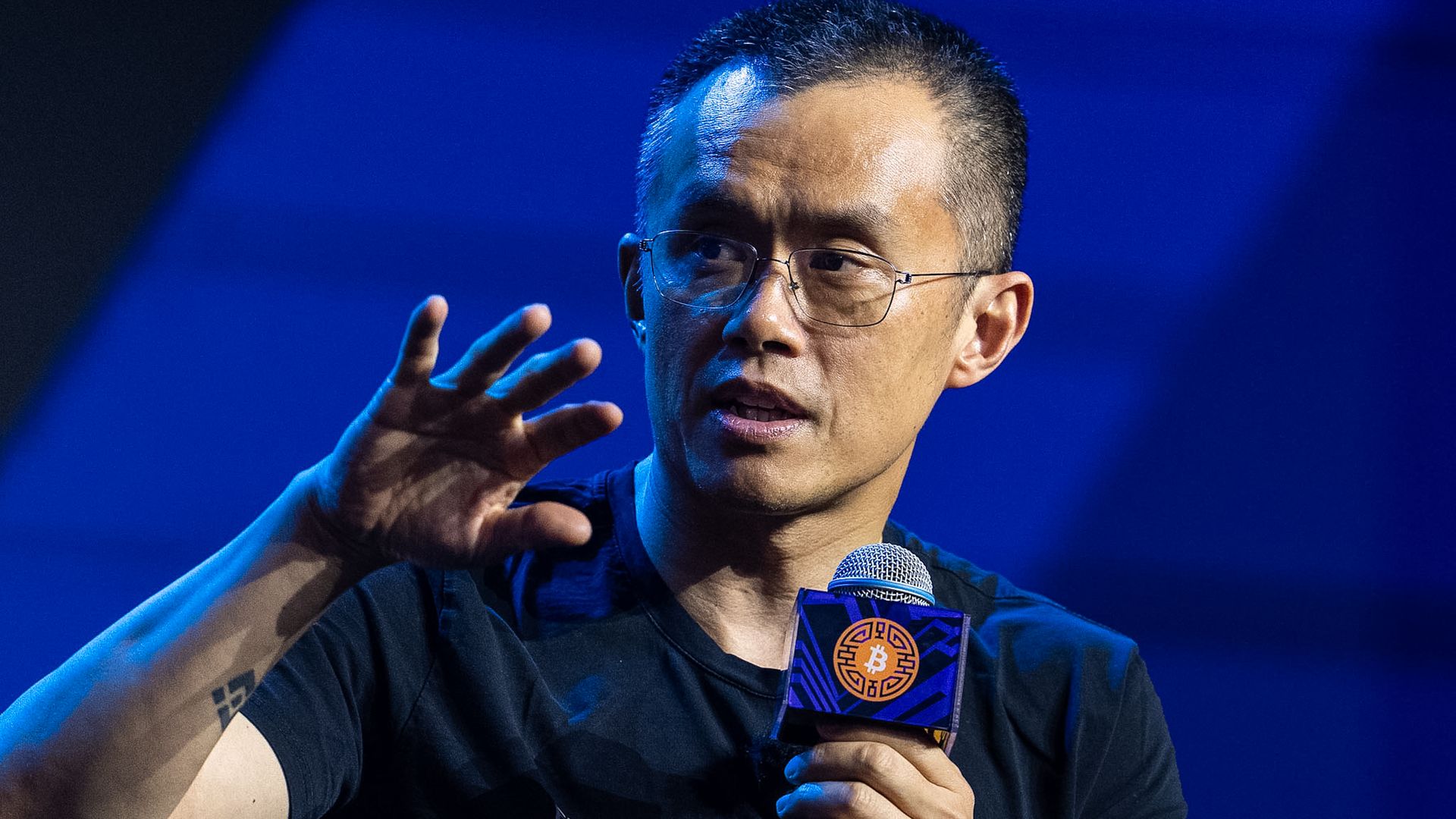
Binance halted trading Thursday after hackers allegedly linked to North Korea stole more than $6 billion, the largest crypto hack in history.
Why it matters: The attack comes after a wave of high-profile cyber intrusions and data breaches during "Black October," when a series of security incidents and AI-discovered bugs triggered fears of a global crisis.
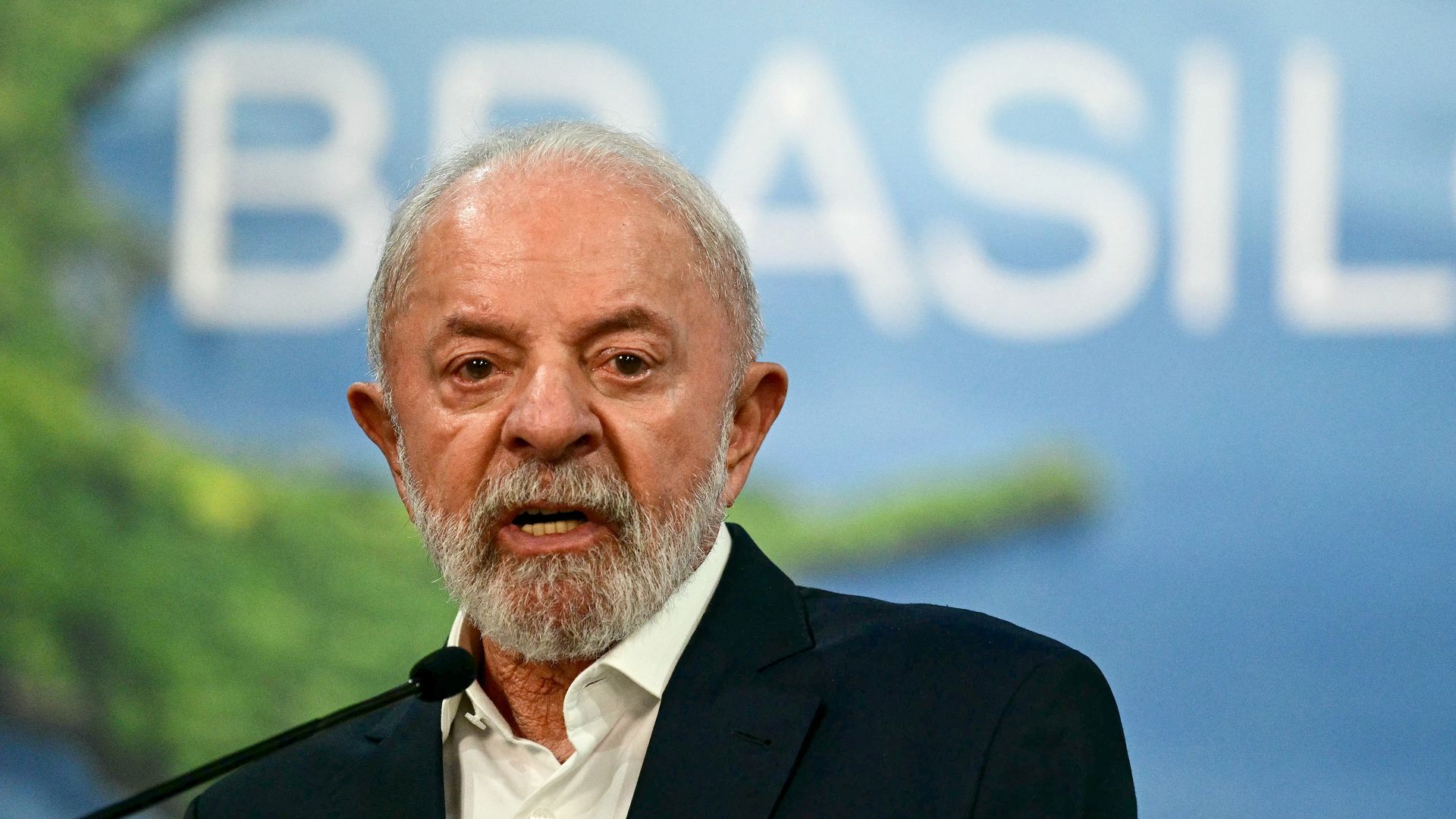
Brazilian President Luiz Inácio Lula da Silva's reelection carries consequences far beyond Brazil's borders.
Why it matters: Lula faces challenges including strained relations with the U.S. over trade and the Bolsonaro family as he pursues an ambitious climate agenda that includes a commitment to ending Amazon deforestation.