5. 📚 How heartland schools are preparing students for an AI workforce

A message from: Heartland Forward
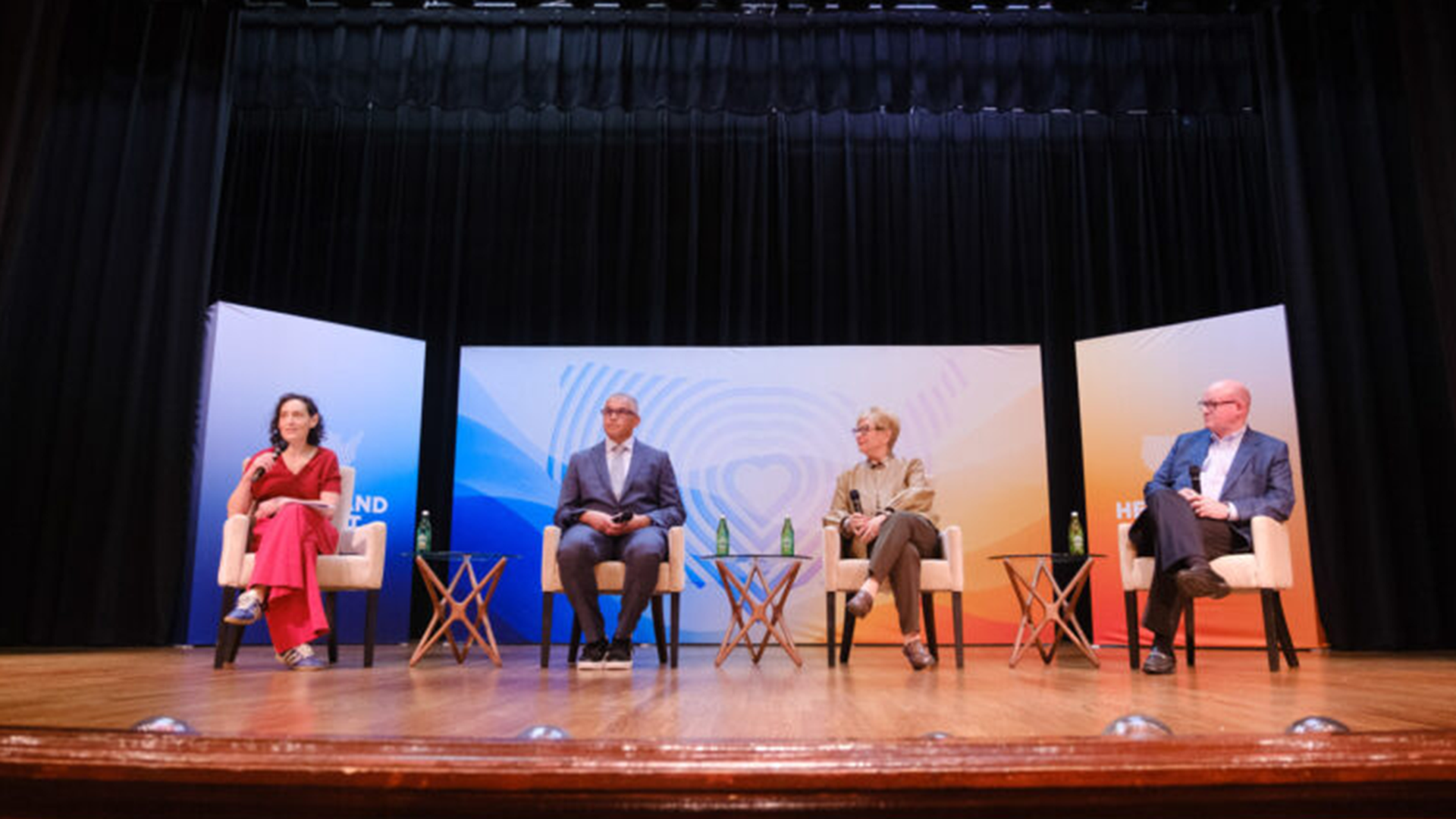
Lisa Gevelber, David Mazyck, Sheree Utash and Hal Higdon | Heartland Forward
As AI reshapes the workforce, Heartland Summit education leaders said schools need to rethink what they teach and start preparing students for careers earlier.
During a breakout session moderated by Lisa Gevelber, founder of Grow with Google, leaders from Ozarks Tech, WSU Tech and the Bentonville Institute of Technology discussed how schools can keep pace with changing employer needs while preparing students for careers that may look very different in the years ahead.
1️⃣ Start early. The panelists agreed that workforce preparation can't wait until students graduate from high school.
"We can't start workforce development at the age of 18. We have to start earlier," said Sheree Utash, president of WSU Tech.
- WSU Tech is putting that idea into practice through career-focused programs that reach middle and high school students in areas like aviation, manufacturing, health care, IT and cyber, with another focused on building trades in development.
2️⃣ Build higher education around employer needs. Schools are bringing businesses into the process earlier so programs reflect the skills and jobs actually in demand.
Hal Higdon, chancellor of Ozarks Tech, said educators should start by asking businesses, local communities and education partners a simple question: "What do you need?"
- An example: After local manufacturers identified a need for advanced manufacturing talent, Ozarks Tech built a 120,000-square-foot, $40 million advanced manufacturing center to help train workers for those jobs.
3️⃣ Prepare students to work with AI. As AI becomes more common in the workplace, educators said students need opportunities to build AI skills and learn how to use the technology as part of their education.
- Looking ahead: David Mazyck, founding president of the Bentonville Institute of Technology, said the university plans to infuse its three-year degree with artificial intelligence alongside business and critical thinking, while giving students opportunities to build and apply what they learn.
Worth a mention: Panelists said AI skills alone won't be enough. Students need the judgment to evaluate what AI produces, not just the technical skills to use it.
- "What I really like about AI is that it does a phenomenal job giving me 47 correct answers," said Mazyck. "The challenge becomes which one am I going to choose?"
The takeaway: The workforce is evolving rapidly. These educators are betting that preparing students for an AI-driven workforce means starting earlier, working closely with employers and teaching human skills alongside technology.