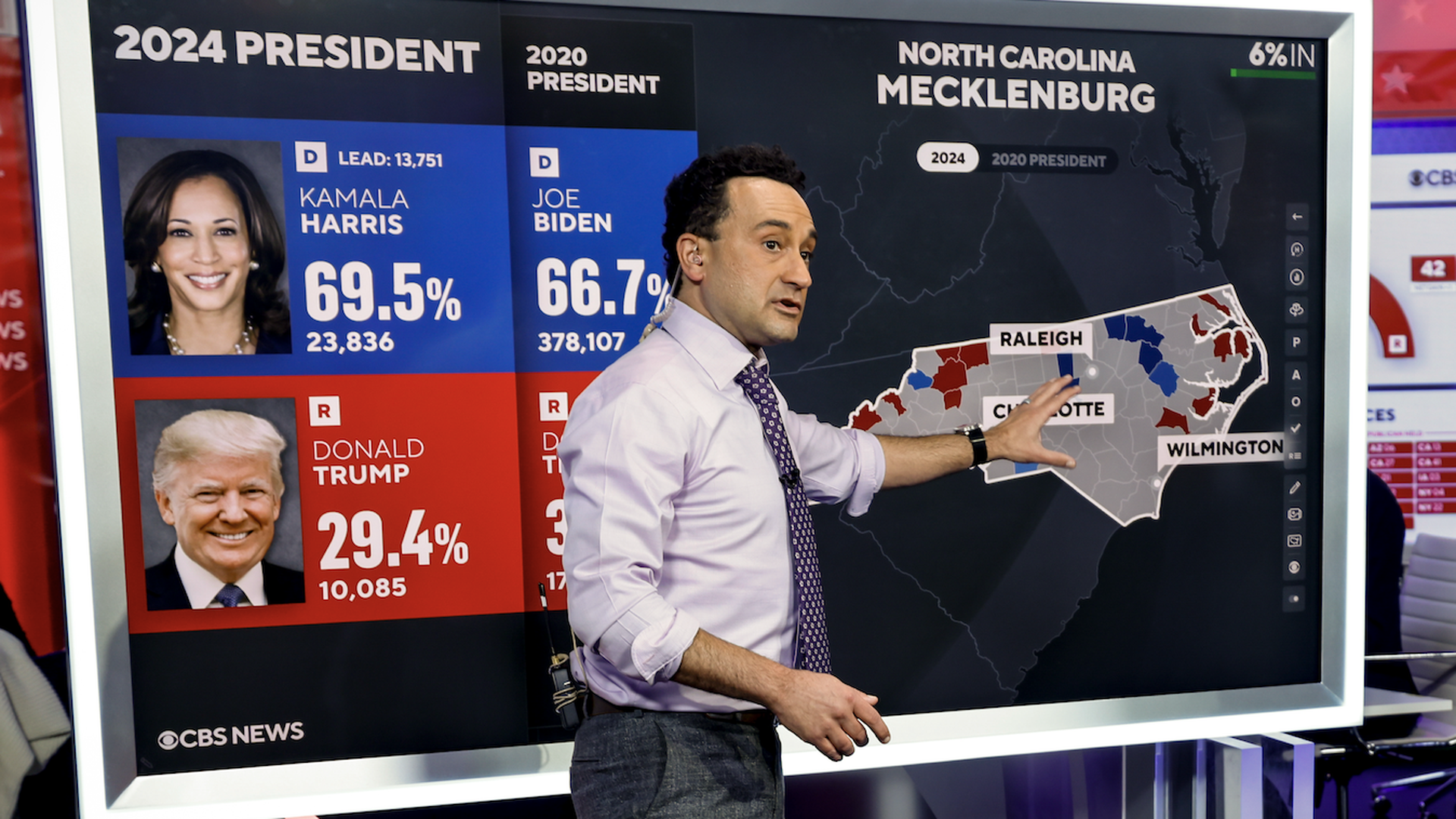
CBS News is launching a new election night streaming show that gives political junkies the opportunity to watch its decision desk analyze races and make calls in real time.
Why it matters: "The Nerd Show" represents the network's first election-focused show built for a digital audience.
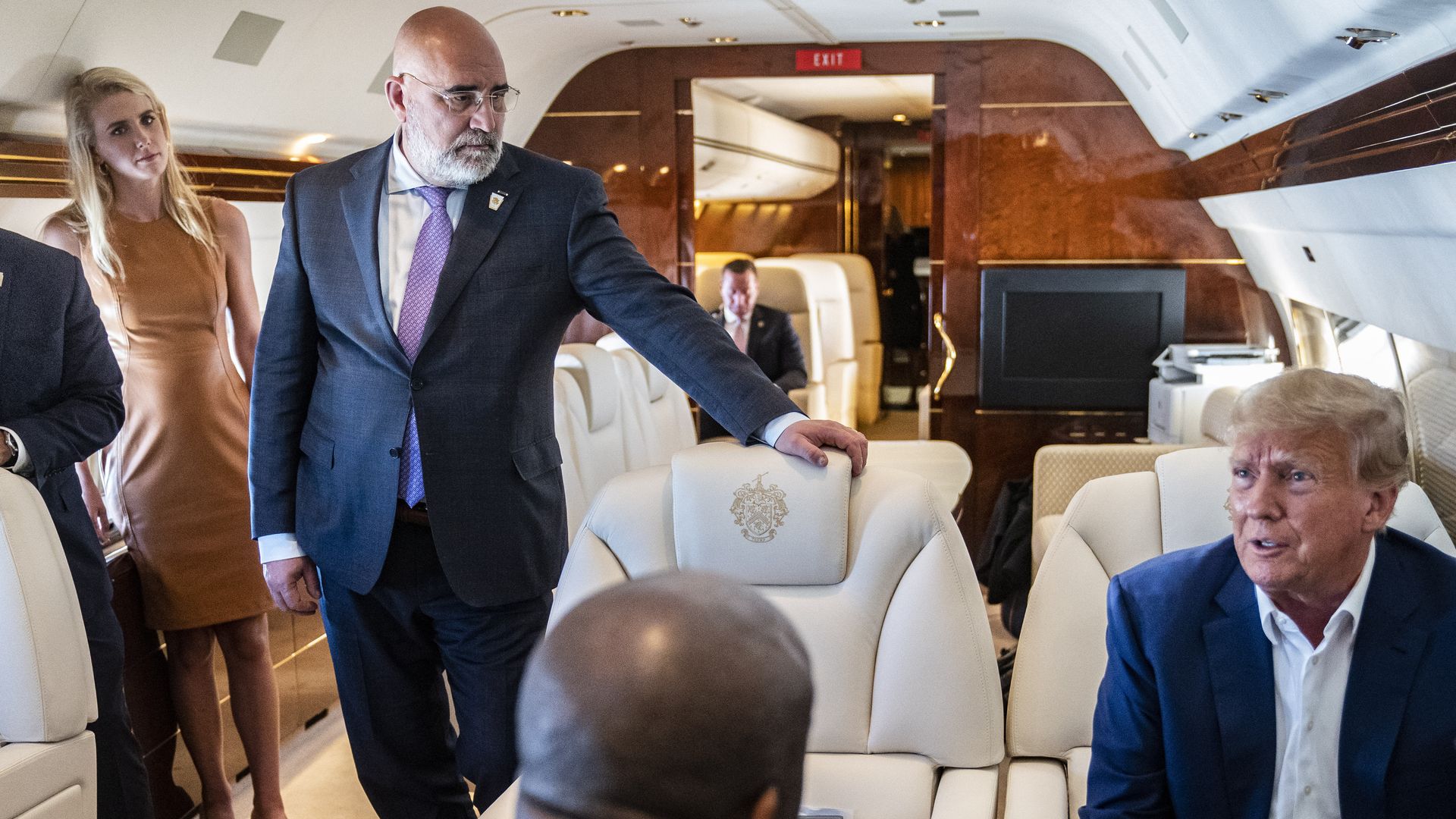
President Trump threatened Wednesday to fire two of his top political consultants if he finds a conflict, after reports that they advised a Russia-aligned government ahead of local elections there.
Why it matters:Chris LaCivita and James Blair are leading Republicans' midterm election strategy, putting their foreign consulting work in tension with their prominent roles in Trump's political operation.
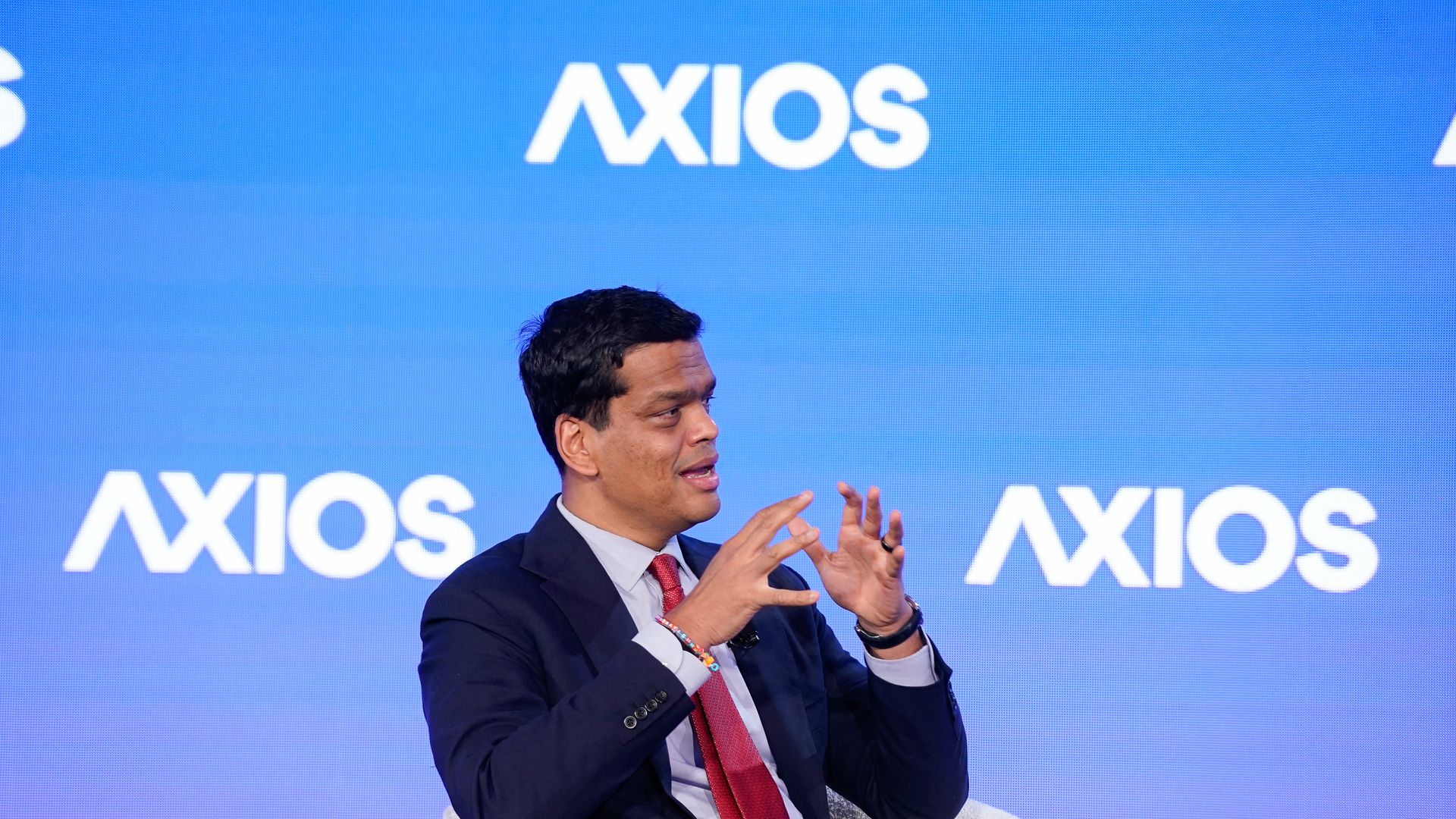
Sriram Krishnan, who stepped down in June as the White House's senior policy advisor on AI, is seeking to raise around $500 million for a new venture capital fund, Axios has learned.
Zoom in: The fund, which is in its early stages, is expected to focus on growth-stage AI companies that have relevance to national security for the U.S. or allied nations.
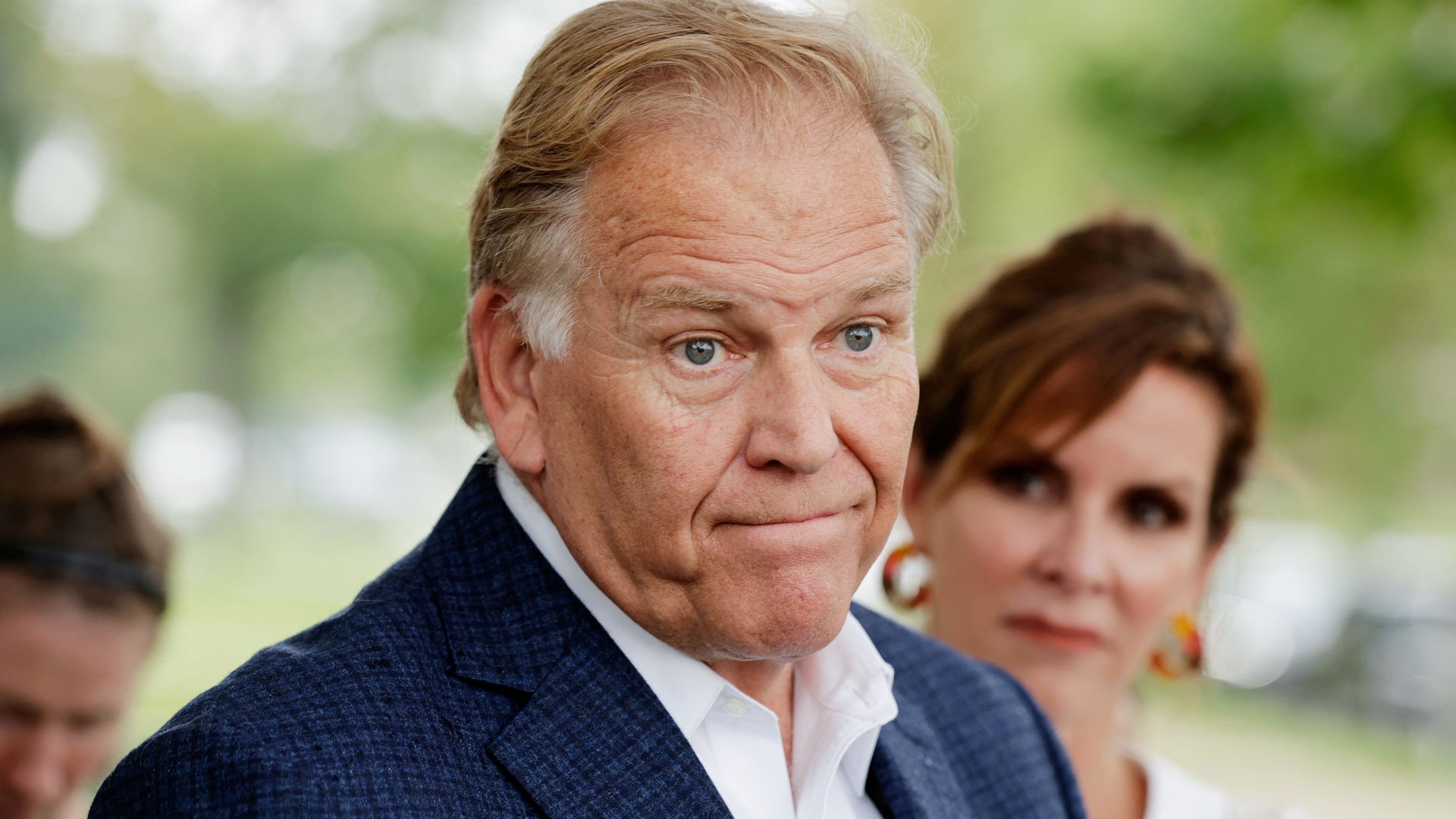
Michigan Republican Senate nominee Mike Rogers called for an immediate end to President Trump's tariff war with Canada in a new ad Wednesday.
Why it matters:Trump endorsed Rogers, but Rogers has increasingly broken with the president as he fights to win a tight race against Democratic nominee Abdul El-Sayed.
The Trump administration is pledging to modernize headlight standards, addressing a growing complaint among drivers about glare from powerful LED lights.
Why it matters: Industry experts say U.S. headlight regulations are severely outdated, creating dangerous driving conditions.
The German auto industry — long renowned for its engineering prowess and marketing genius — is reeling from stiffening competition, trade threats and shifting consumer tastes.
Why it matters: Volkswagen, Mercedes-Benz and BMW have been a powerful force on the global auto market for decades — but the market has shifted sharply.
Russia's war on Ukraine has sparked a boom in global defense-tech investing, particularly around drones. But very few of those startups are actually based and building in Ukraine.
Buntar Aerospace is an exception.
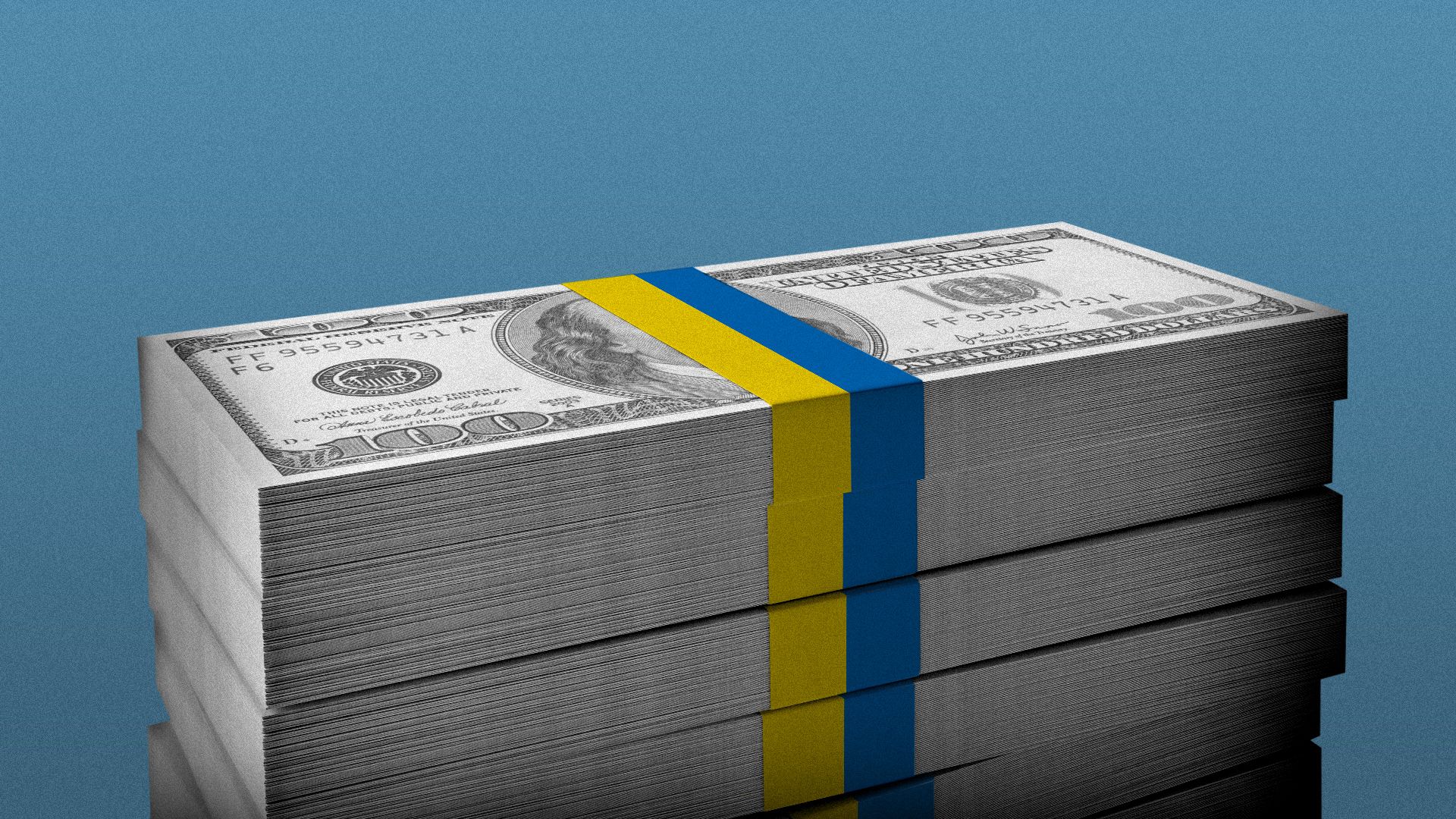
Driving the news: Buntar this week raised $16 million led by U.S.-based Freedom Fund VC, following a $10.4 million round earlier this year.
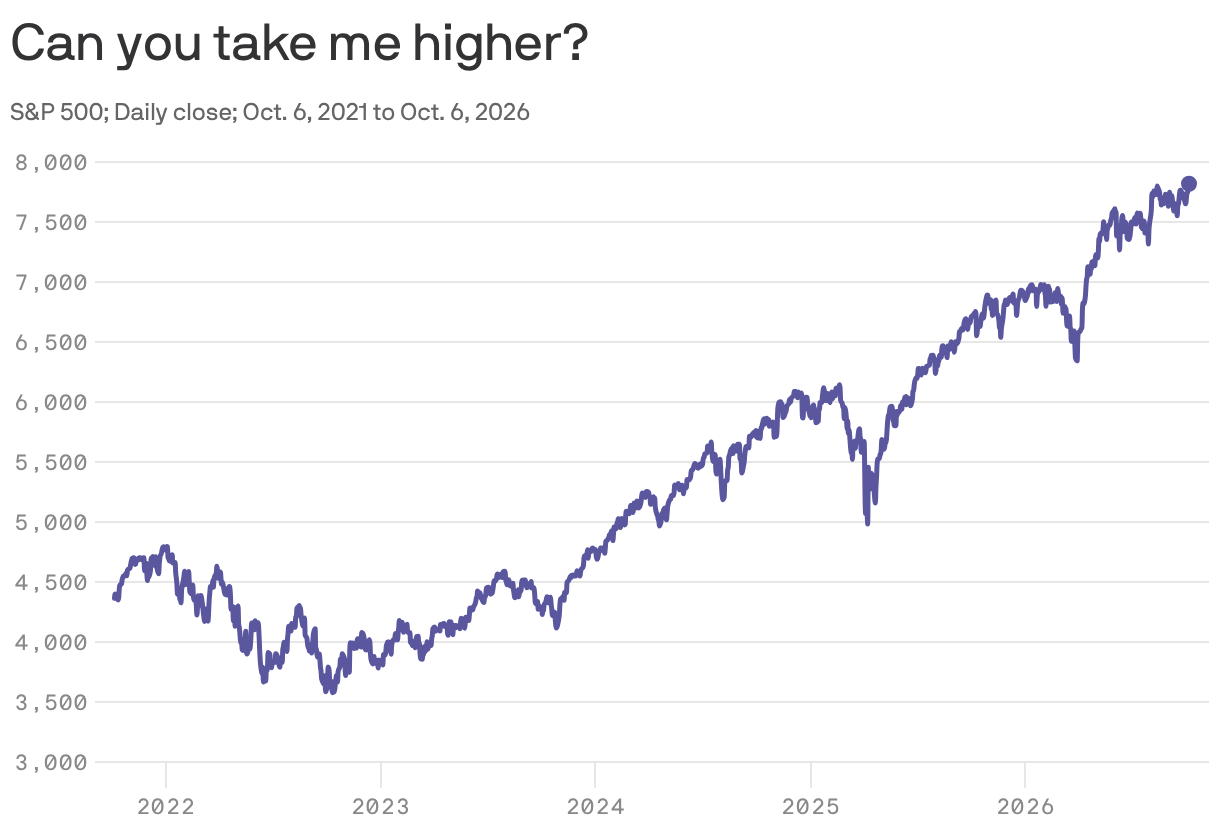
Hedge funds are playing an increasingly important role in the two hottest markets of the moment — U.S. Treasury securities and AI stocks — and they're doing it with a lot of borrowed money.
Why it matters: In times of stress, unwinding that borrowing, or leverage, can turn a sell-off into a crisis that spreads beyond hedge funds into the banking system and the wider economy.
A coalition of AI startups, cloud providers, researchers and investors is launching a National Compute Grid, an effort to pool AI computing to help address a supply crunch driving enormous spending on AI infrastructure.
Why it matters: Building AI infrastructure has become a multitrillion-dollar bet largely because of the high cost of accessing scarce computing resources. Yet many data centers run well below capacity, meaning extremely valuable chips sit idle while some startups and researchers struggle to get access.
The creators of the compute grid want to make it easier for idle computing capacity to be used, a goal that could significantly alter the direction of the AI boom if it were to take off.
Hurricanes have long dominated efforts to make the power system more resilient to extreme weather. But America'senergy buildout is running into growing risks from severe thunderstorms.
Why it matters: New energy infrastructure and data centers are being built in harm's way as severe weather risks shift, leaving more for developers and insurers to lose when storms hit.
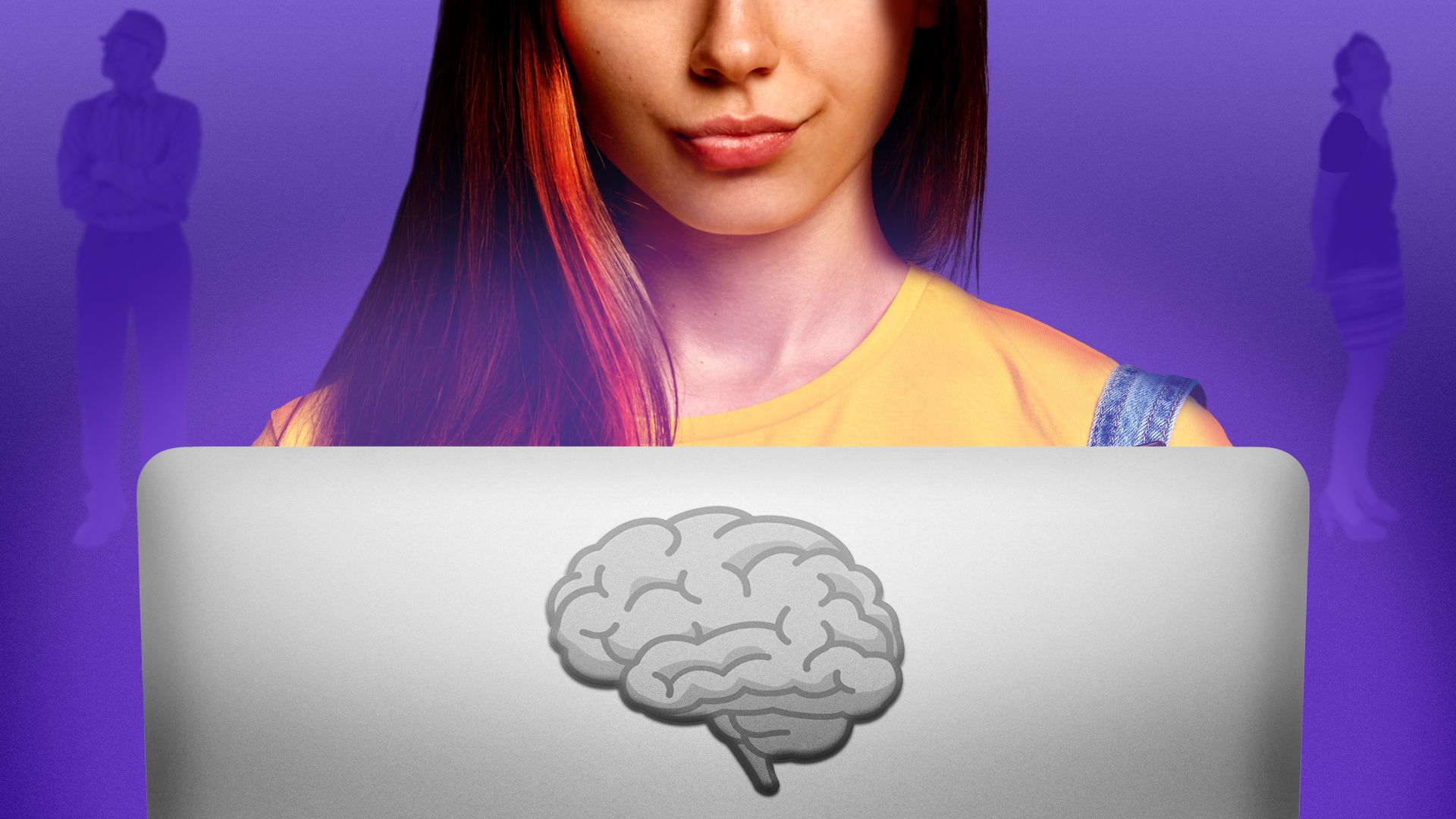
Common Sense Media is urging OpenAI to keep teens off ChatGPT, saying its new teen experience poses an "unacceptable risk" after extensive testing found shortcomings in safeguards meant to protect younger users.
Why it matters: OpenAI has made protecting younger users a central part of its effort to make ChatGPT safer, but the findings suggest some of those protections may give parents more confidence than they warrant.
"We welcome rigorous independent evaluation, but we do not believe Common Sense Media's testing accurately reflects how ChatGPT's teen safeguards work in practice," an OpenAI spokesperson said.