Puck, the subscription newsletter and events business, is in late-stage talks with private investment firm RedBird Capital Partners about a deal that would see RedBird becoming its largest shareholder, sources confirmed to Axios.
Why it matters: The deal, which values Puck at roughly $250 million, would set a strong industry benchmark for other media startups looking to liquidate.
Nvidia projected 70% revenue growth in its next fiscal year, sending its stock up in after-hours trading, while the company defended its decision to provide capital solutions to its customers.
Why it matters: The stock is widely considered a bellwether for the health of the broader AI economy, but lately it has been trailing the broader semiconductor sector in market gains.
Breakthroughs in AI are fueling hopes that more data and smarter models can provide a shortcut to self-driving vehicles. Waymo, after more than 15 years and 200 million driverless miles, says there is none.
Why it matters: The answer could determine whether the AV race is a long, expensive slog that rewards Waymo's head start — or a new track that lets newer rivals hit the road faster.
Protectionist trade policies may buy Detroit automakers some time, but they can't hide the U.S. auto industry's deteriorating global competitiveness forever.
Why it matters: American consumers don't see Chinese brands like BYD, Geely, Chery or Xiaomi in dealerships, so the rise of Chinese competition can feel theoretical.
Apple on Wednesday sent invitations for a Sept. 9 event where the company is expected to unveil its first foldable iPhone and other new products.
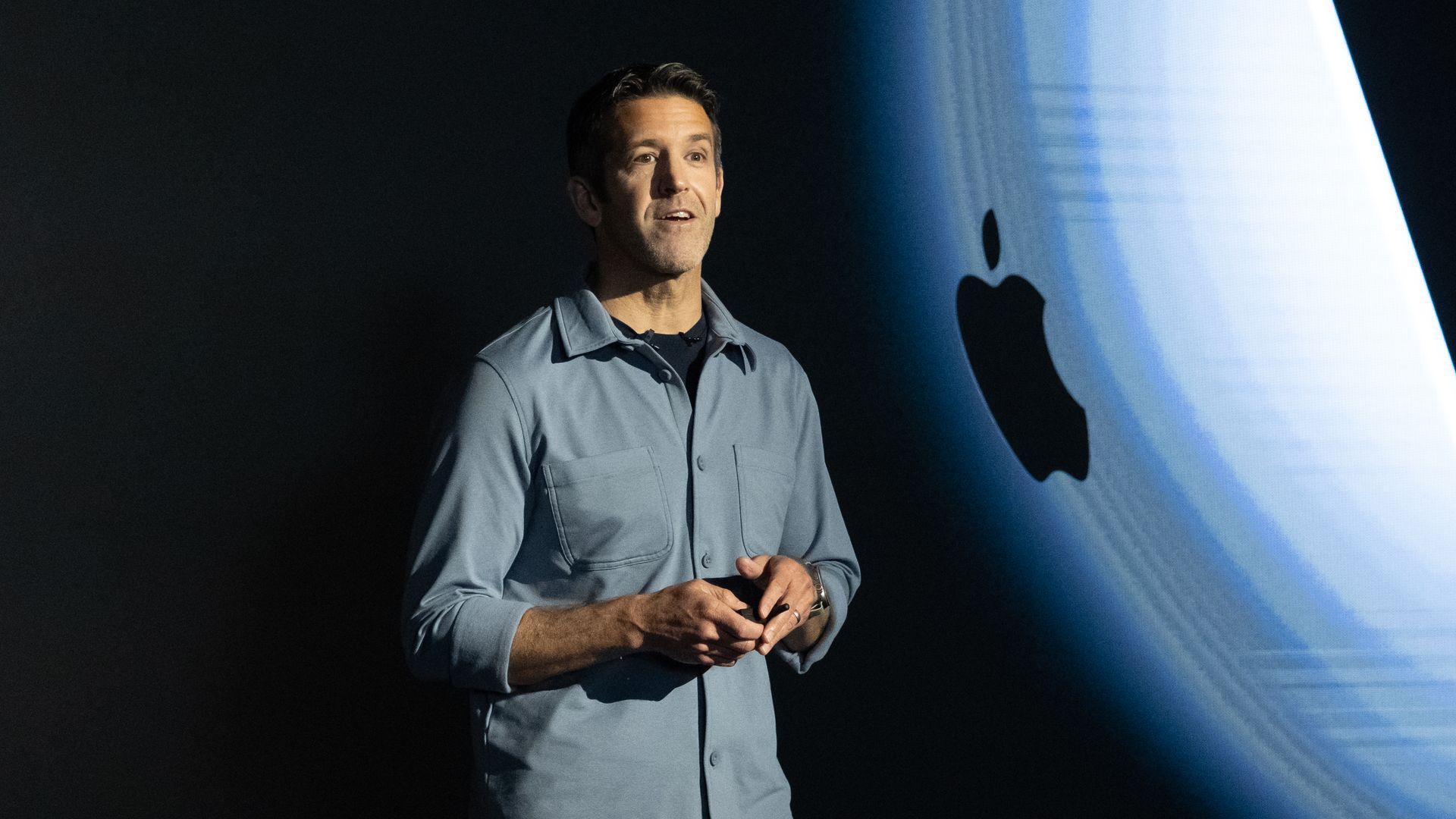
Why it matters: The launch would push Apple into a smartphone category it has resisted, as rivals have experimented with folding screens — and give incoming CEO John Ternus an immediate opportunity to put his stamp on the company's most important product.
The Trump administration has struck data-sharing deals with major technology firms to help track how AI is affecting jobs and hiring, acting Labor Secretary Keith Sonderling told Axios.
Why it matters: AI could reshape the labor market faster than traditional government statistics can capture it. That could make it difficult for economic policymakers to see major shifts in jobs and hiring in real time.
Meta agreed to settle with U.S. states for up to $16.7 billion in a landmark deal over allegations Facebook and Instagram were designed in ways that harm children.
The company is calling on its peers to sign on to the pact as well, saying it won't work unless they jointly line up behind broad reform.
Why it matters: This is social media's version of the landmark 1990s tobacco settlement, a settlement that effectively reshapes the industry and the way young Americans experience some of their favorite platforms.
Vanguard Group on Wednesday announced an agreement to acquire Altruist, a California-based provider of software for registered investment advisors.
No terms were disclosed, but Axios has learned the price was $4.6 billion in cash.
Why it matters: Vanguard is seeking to expand deeply into lucrative advisory work — competing with firms like Fidelity and Schwab — despite being best known for its low cost index funds.
Google is launching new tools to help businesses control their AI bills, as the tech giant sees an opening to compete on one of the biggest obstacles to widespread corporate AI adoption: cost.
The big picture: Google sees a second AI market opening up around offering cheaper and more governable access to AI, while insisting it's still competing on frontier model offerings.
Nvidia snapped a seven-day losing streak in the stock market on Tuesday, but its mini slump in August has called attention to questions over the AI darling's growth trajectory.
Why it matters: Nvidia is trying to use its massive pile of capital to keep the good times rolling — through a wide assortment of investments and capital deals — while continuing to feed the growing chip needs of the AI hyperscalers.
Legendary investor Stanley Druckenmiller made AI writing seem like no big deal this week, telling NOTUS reporter Jeff Stein "of course" he used it to help draft a widely shared op-ed for the Wall Street Journal.
Why it matters: The moment could mark a real cultural shift where AI writing is basically all good, at least among a certain set of influential elites.