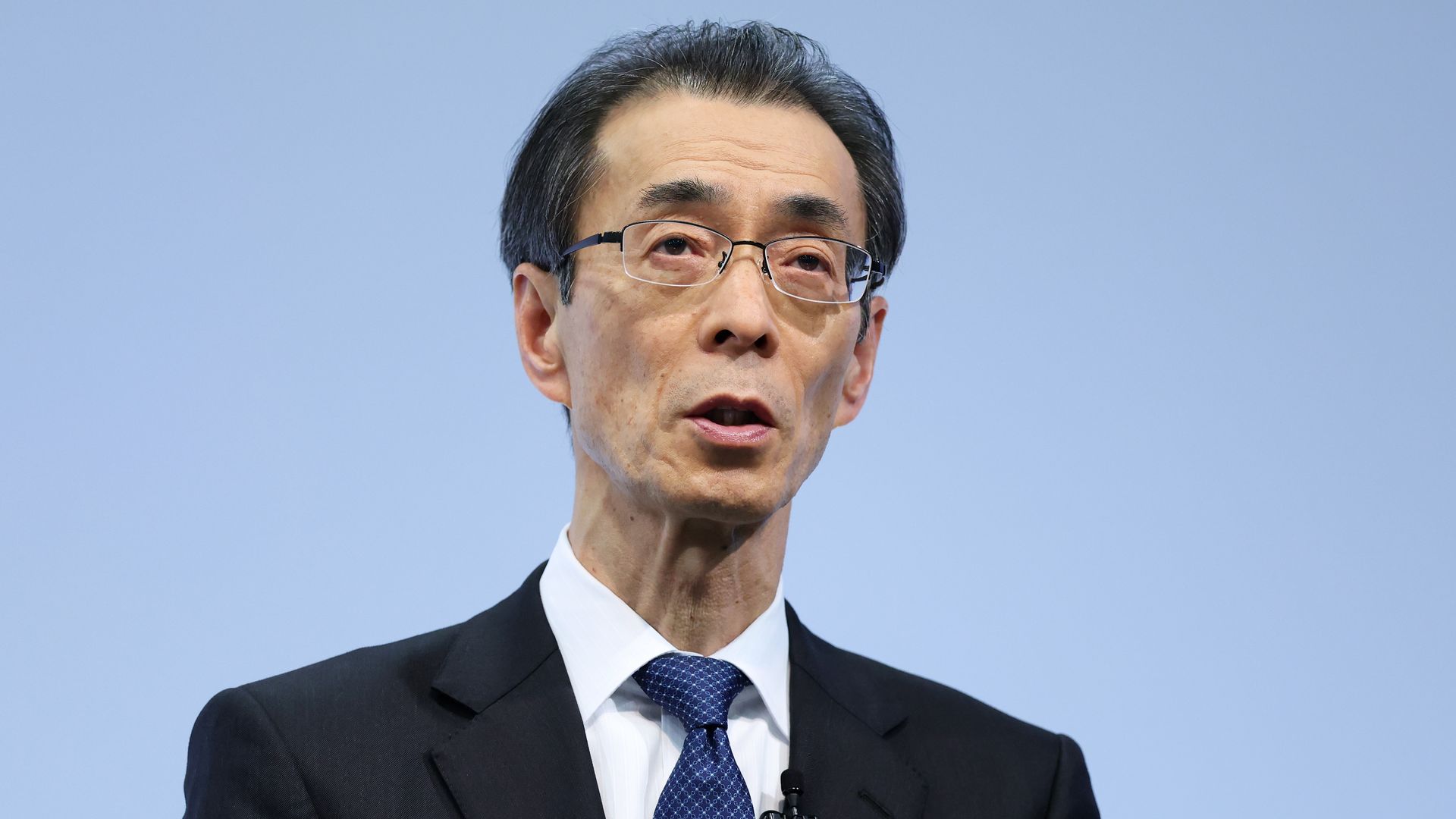
The apparent collapse of the conventional trade relationship between the U.S. and Canada could force Honda to raise prices in the U.S., one of the Japanese automaker's top executives warned.
Why it matters: Like most other automakers, Honda relies heavily on the North American supply chain to make the vehicles it sells here.
Health and Human Services Secretary Robert F. Kennedy Jr. and Transportation Secretary Sean Duffy have both launched YouTube shows in recent weeks, the latest examples of how the Trump administration is redefining how government communicates with the American public.
Why it matters: The White House has bypassed traditional press relations while assuming an unorthodox approach to media that puts itself in the role of content creator.
A state court struck down Maryland's digital advertising tax last week, marking a major victory for tech platforms facing increasing tax pressure from a slew of states around the country.
Why it matters: The ruling could force other state lawmakers to reconsider or reconstruct similar measures out of fear that they may not hold up in court.
"When will sports leagues push private equity out of team ownership?"
Fans have been asking some version of that question a lot lately. Probably because of the Lakers deal, which will include Thrive Eternal.
Or maybe it's about Arctos buying into the Atlanta Falcons. Or even Dragoneer's Marc Stad agreeing to acquire control of the Minnesota Timberwolves and Lynx, even though that one doesn't involve institutional capital.
Oura, the Finnish smart ring maker, will seek to raise up to $3b in a U.S. IPO that could come as early as next month, according to Bloomberg.
Why it matters: This would test whether Wall Street believes the wearables market will evolve from personal electronics into reimbursable health care services.
Nothing is driving more new U.S. economic investment or political volatility than data centers.
Why it matters: They're the Great Subplot of 2026, THE topic animating the AI race and elections. Everyone needs to understand the size, scope and sentiment surrounding them.
Businesses seeking more affordable and secure ways to use AI are turning to routing — the process of matching each query with the best, most efficient model for the task.
Why it matters: The popularization of routing could stymie the usage of the frontier AI models that are the most expensive to use and make.
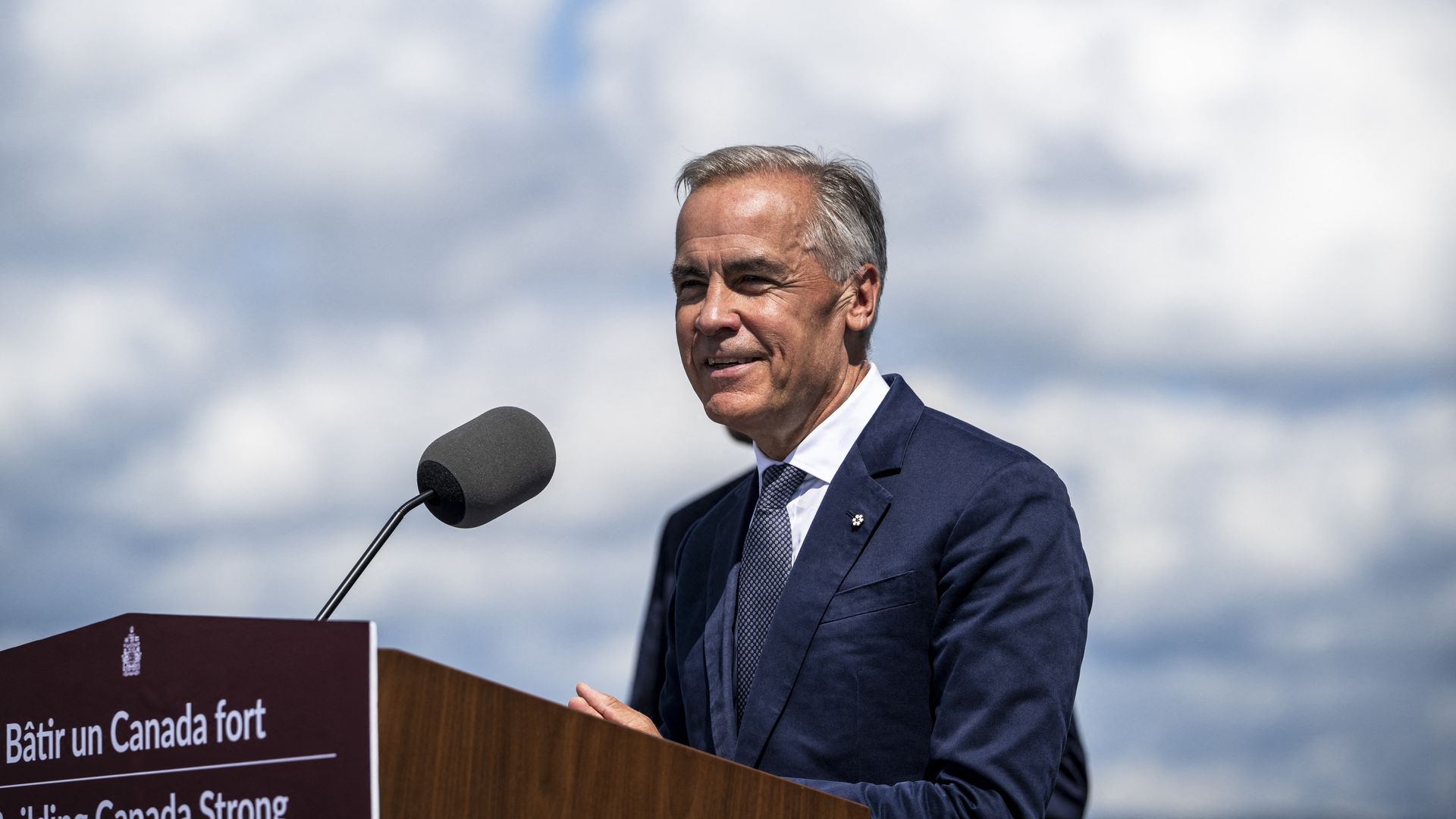
Canadian Prime Minister Mark Carney has turned his decision to hold firm against President Trump's tariff threats into a rallying point for Canadians as their trade clash escalates.
Why it matters: The mild-mannered former Bank of Canada and Bank of England governor is holding firm against Trump despite the threat of further economic pain for Canadians.
Flock cameras are joining data centers as a top midterm boogeyman, with members of Congress and congressional candidates trying to harness a sudden groundswell of grassroots anger over the AI surveillance tool.
Why it matters: This blowup over the country's massive network of license plate readers illustrates how rapidly AI has moved from a peripheral issue in national politics toward the center of the midterm campaign.
The UAW and Deere are barreling toward a contract clash as Big Labor seeks to capture some of the immense wealth being created by the AI boom.
Why it matters: Old-school equipment makers like Deere and Caterpillar suddenly find themselves swept up in a sales-and-stock boom tied to AI, as data center developers gobble up bulldozers, excavators and other construction machines.
Marie Sheehy has helped steer communications for WME, one of Hollywood's biggest talent agencies, through mergers, acquisitions and a major take-private.
Why it matters: Sheehy's recent promotion after more than two decades with the agency highlights her multifaceted comms skillset, which she describes as "part strategist, part diplomat, part therapist."
California Attorney General Rob Bonta reportedly canceled Monday's planned meeting with Paramount Skydance CEO David Ellison, accusing Paramount of leaking details of a prior meeting.
State of play: The pair had been expected to negotiate a settlement to the multi-state antitrust lawsuit that seeks to block Paramount's proposed $81 billion takeover of Warner Bros. Discovery.
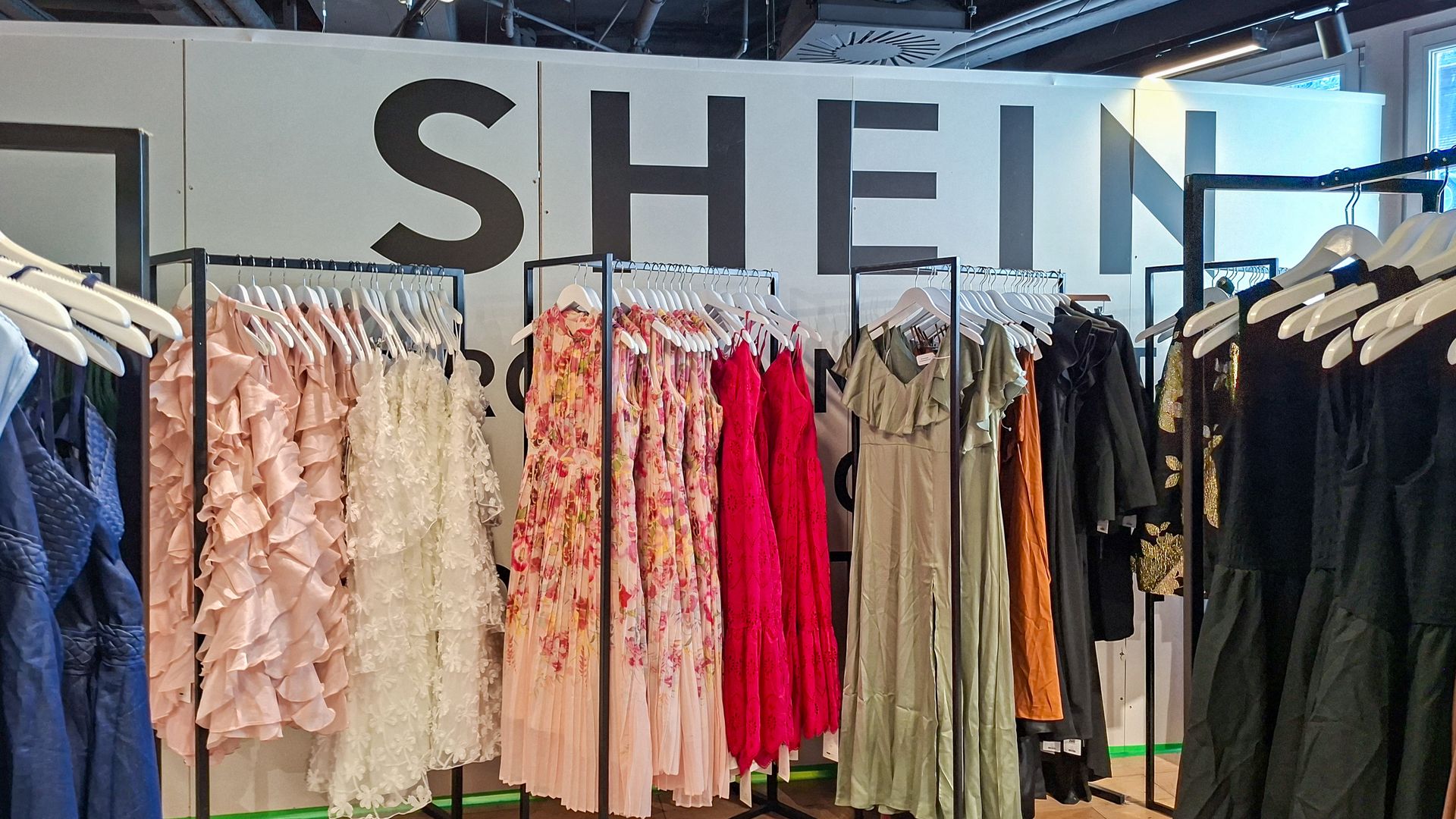
Chinese fast-fashion giant Shein plans to raise up to around US$1.8 billion in its Hong Kong IPO. At the high end of its proposed range, the company would have a $26.8 billion market cap.
Why it matters: This would establish Shein as one of the world's most valuable public clothing companies, but it's still a massive disappointment for many of its VC backers.
An independent arbitrator ruled that former Washington Post columnist Karen Attiah was wrongfully terminated last year over social posts tied to the death of Charlie Kirk, and ordered her reinstated with back pay and lost benefits.
Why it matters: The ruling proves the power of news unions in protecting journalists' rights, as news management teams face increased political pressure around free speech.
A long-predicted energy shock is finally showing up in sky-high prices for diesel fuel.
Why it matters: Diesel fuel is a key input for virtually anything grown or transported throughout the U.S., making it a potentially inflationary force.
Frontier AI lab Anthropic has a culture interview that includes a question about prioritizing mission over futureshare price, according to people familiar with the process.
The big picture: CEO Dario Amodei has questioned whether newer employees are joining the AI lab for the right reasons, according to a source familiar. The interview process gets to the heart of that tension.