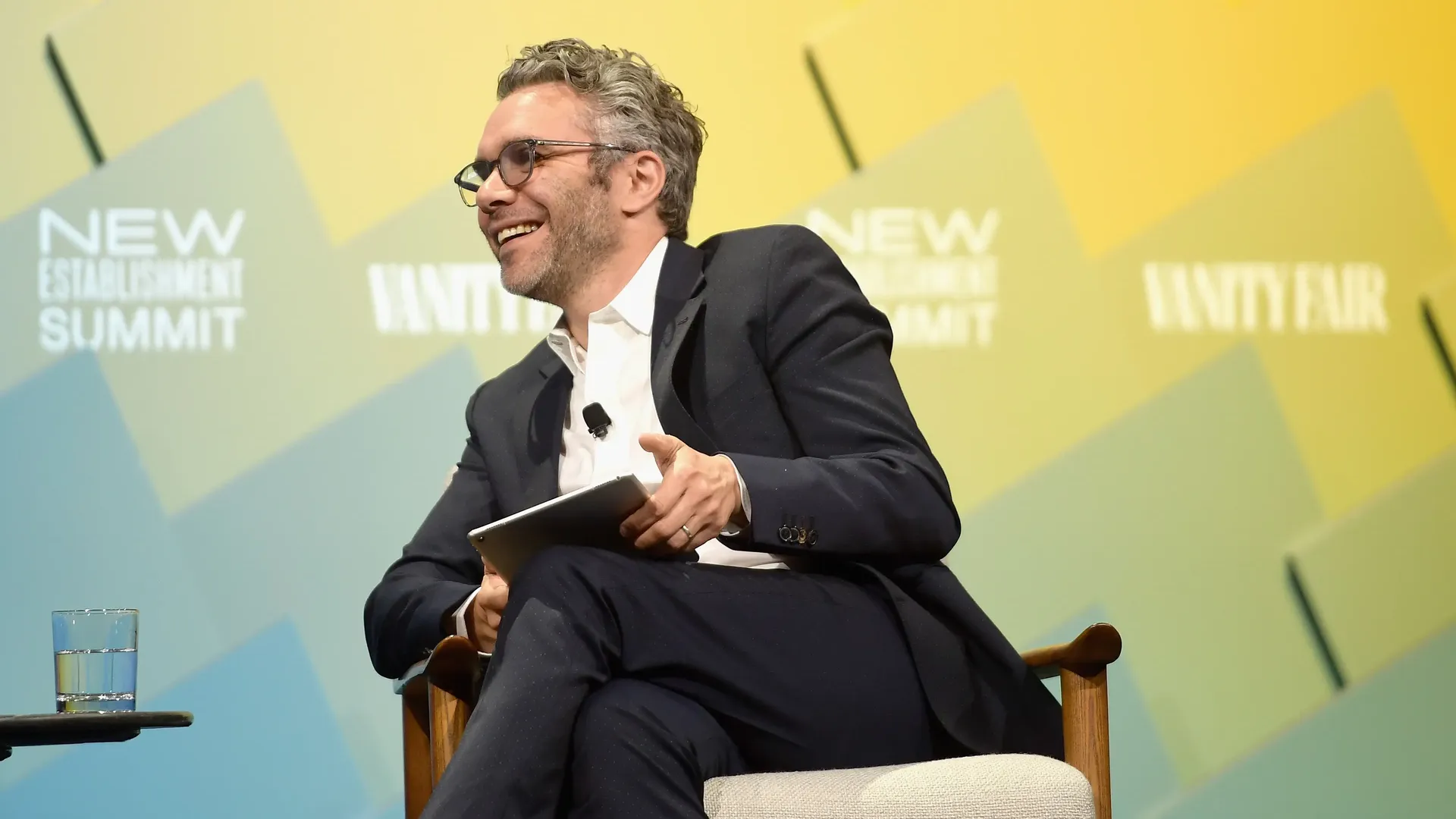
Nick Bilton,named this week as the fifth executive producer in the 58-year history of "60 Minutes," on Friday spent his first day in the new role at CBS News in New York, meeting some of the 80+ show staff, walking the halls and introducing himself.
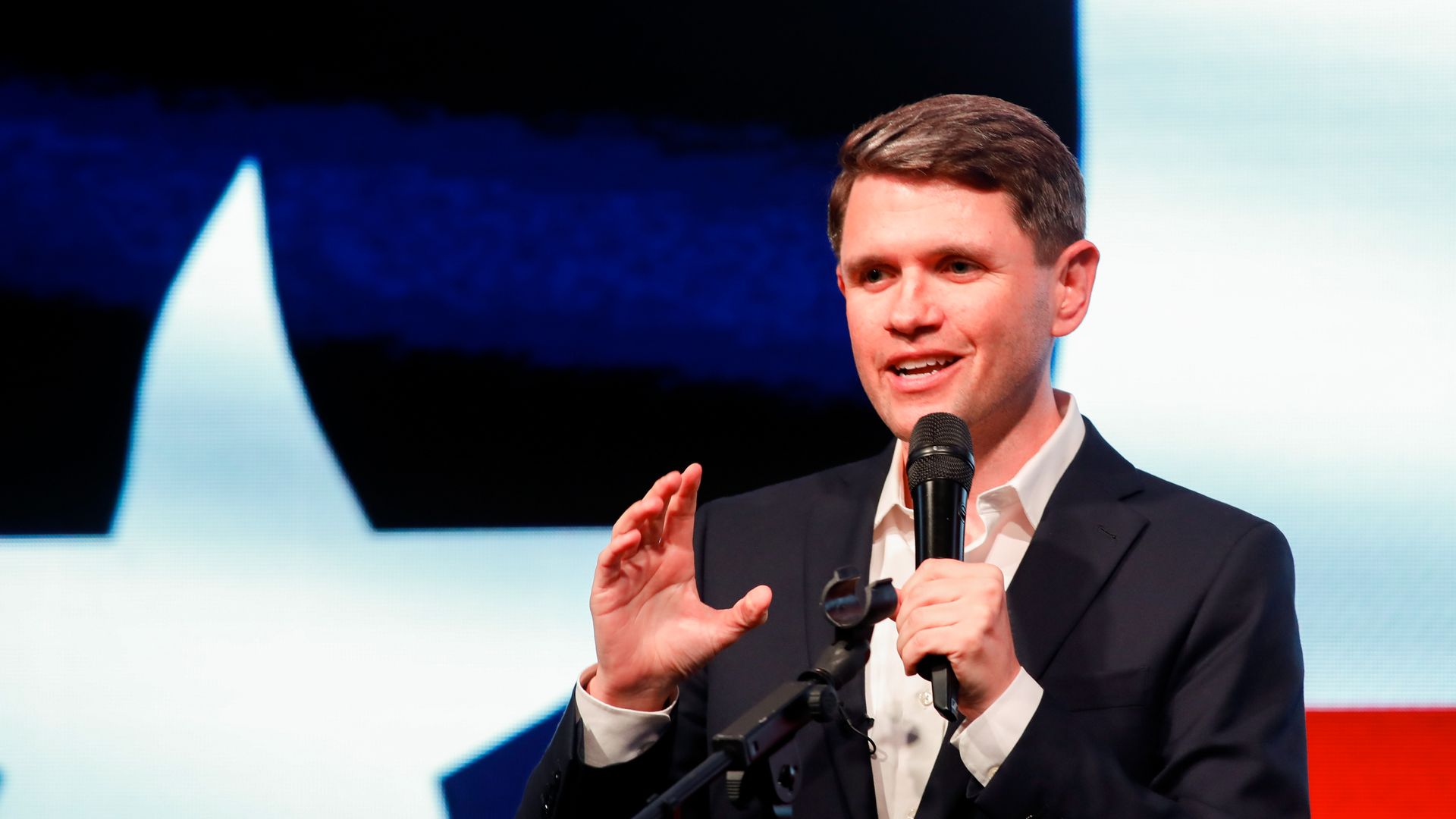
The Texas Senate race has become a national laboratory for anti-"woke" politics, testing whether voters still recoil from the language of 2020 amid the economic pain of 2026.
Why it matters: Republicans came away from 2024 convinced they had won more than an election — they had broken through on culture, turning Democrats' progressive language and identity politics into symbols of elite detachment.
Americans are still firing up the barbecue this summer — but high beef prices have them trading down to cheaper proteins like chicken, pork and turkey.
Why it matters: For many Americans, summer means burgers on the grill — and this year, that tradition is getting more expensive.
AI tools might be hallucinating less, but they're still spitting out inaccurate answers cloaked in polished, hyper-confident language.
Why it matters: The more people trust AI, the less likely they are to catch costly mistakes. It's a growing problem as people increasingly lean on the technology for research, medical advice and schoolwork.
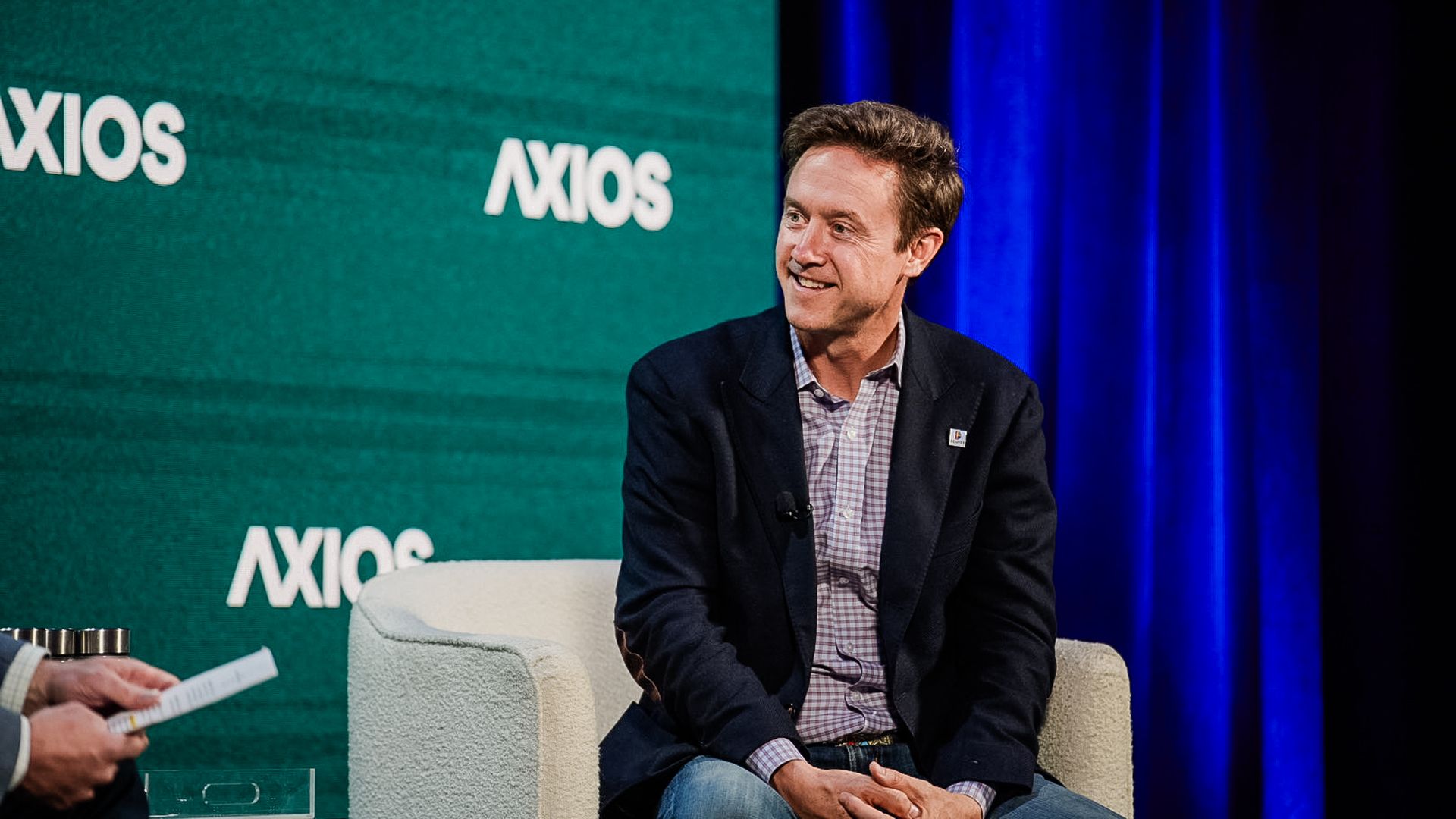
Axios' Courtenay Brown and John Frank moderated conversations with Johnston; Olive & Finch and Little Finch chef and owner Mary Nguyen; and Rocky Mountain MicroFinance Institute CEO Jessica Sveen during a May 27 event sponsored by JPMorganChase.
By the numbers: 99% of Denver's businesses qualify as small, according to its Chamber of Commerce.
Those employers account for nearly half of the city's jobs.
What they're saying:Cost of living heavily influences whether employers stay or go.
"We're about making this the easiest place to do business and the best place to live," Johnston said.
Yes, but: "It's tough out there" for small businesses in Denver, Sveen said.
"There is not going to be enough city dollars to be able to solve the financial challenges of every business in the city," Johnston said.
What's next: "We want to successfully deliver all the large projects we've started," Johnston said.
The new Broncos football stadium, National Western Complex, Park Hill Golf Course and River Mile are "catalytic," he added, and will add jobs, housing and destinations.
"I truly believe that Denver is going to come back," Nguyen said.
Content from the sponsor's remarks:
Gavin Borowiak, JPMorganChase's West Division business banking director, said in a View From the Top conversation that "everyone wants to chase the American dream. That usually means starting a small business."
If the public and private sectors can collaborate on policy "that supports the small-business community, then you've got small businesses that are willing to take chances," Borowiak said.
JPMorganChase is going to "stay in our lane" and focus on how to "help small businesses start, grow and hire."
Automakers are building up vehicle inventories, particularly in Asian markets, as a hedge against supply chain disruptions caused by the war with Iran.
Why it matters: The industry learned long ago not to build more cars than consumers are willing to buy, but they're also wary of getting caught flat-footed as they did during the COVID-era semiconductor shortage.
Kalshi announced Friday that it will begin offering perpetual futures contracts — a form of derivative that moves the prediction market company into more complex trades than conventional yes-or-no bets.
Why it matters: Perps — as they're commonly known — serve as futures contracts that allow investors to effectively bet on whether the price of an existing asset will go up or down.
Polymarket last week launched prediction markets tied to "private company performance and milestones." Or, put more simply, betting on startup valuations.
Why it matters: This could expand investor exposure to the hockey stick phase of startup growth — including for IPO procrastinators like Stripe — albeit indirectly.
Snowflake escaped the market's software-stock penalty box after posting earnings results, even as traders shrugged off the numbers from fellow software stalwart Salesforce.
The big picture: Software shares have struggled, as investors bet AI will undercut the previous profitability of software-as-a-service (SaaS) companies.
Corporations are looking to offload AI tasks to cheaper models as usage blows out IT budgets and returns on investment haven't solidified.
Why it matters: The search for cheaper subscriptions could threaten the three biggest AI labs' near trillion-dollar valuations right as they near record IPOs.
AI companies, the cryptocurrency industry and pro-Israel groups are spending like never before to sink their least favorite members of Congress and congressional candidates.
Why it matters: Thevolume cannot be ignored. It's the kind of spending that can kill careers and stop political movements in their tracks.