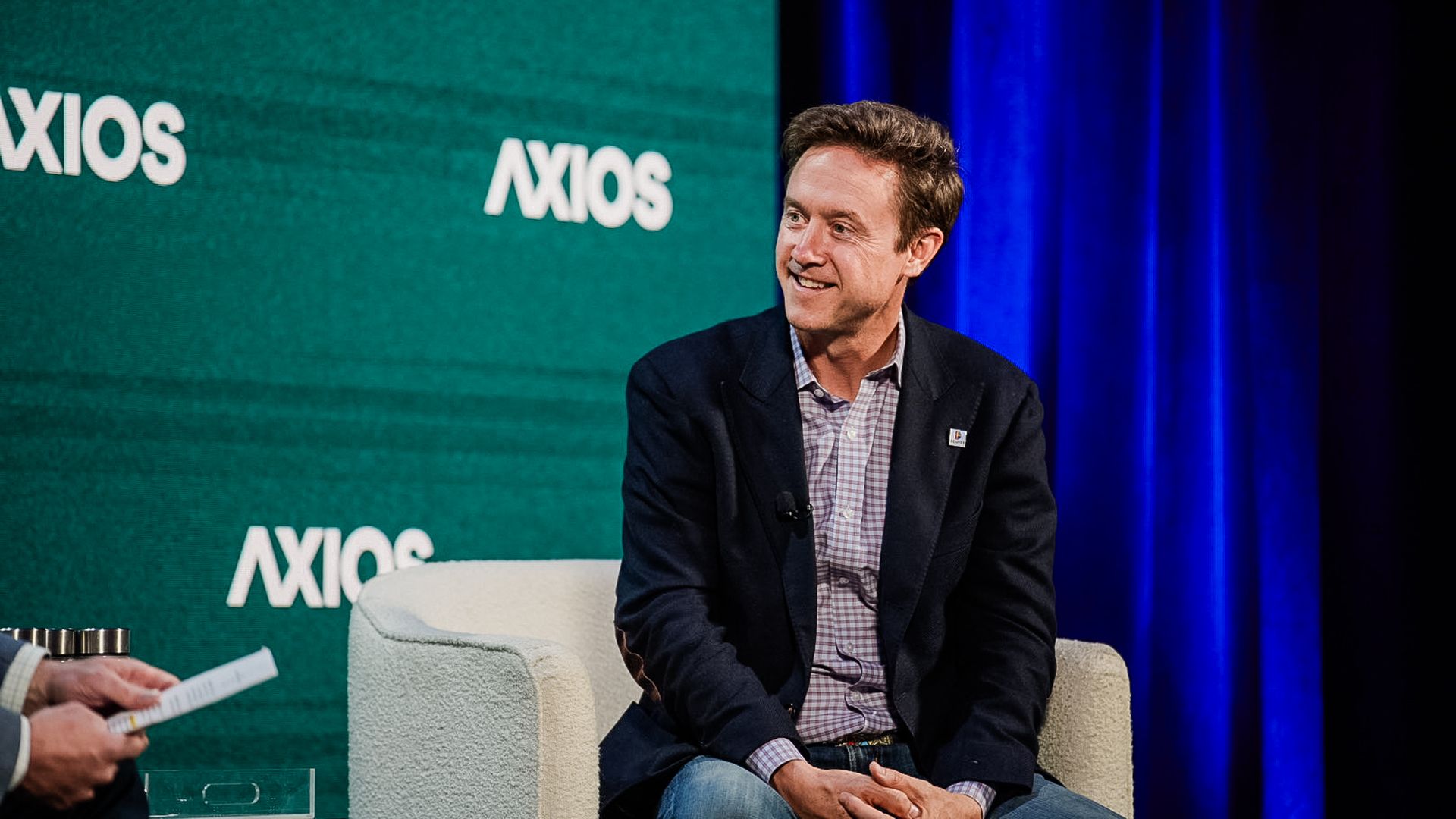
Axios' Courtenay Brown and John Frank moderated conversations with Johnston; Olive & Finch and Little Finch chef and owner Mary Nguyen; and Rocky Mountain MicroFinance Institute CEO Jessica Sveen during a May 27 event sponsored by JPMorganChase.
By the numbers: 99% of Denver's businesses qualify as small, according to its Chamber of Commerce.
Those employers account for nearly half of the city's jobs.
What they're saying:Cost of living heavily influences whether employers stay or go.
"We're about making this the easiest place to do business and the best place to live," Johnston said.
Yes, but: "It's tough out there" for small businesses in Denver, Sveen said.
"There is not going to be enough city dollars to be able to solve the financial challenges of every business in the city," Johnston said.
What's next: "We want to successfully deliver all the large projects we've started," Johnston said.
The new Broncos football stadium, National Western Complex, Park Hill Golf Course and River Mile are "catalytic," he added, and will add jobs, housing and destinations.
"I truly believe that Denver is going to come back," Nguyen said.
Content from the sponsor's remarks:
Gavin Borowiak, JPMorganChase's West Division business banking director, said in a View From the Top conversation that "everyone wants to chase the American dream. That usually means starting a small business."
If the public and private sectors can collaborate on policy "that supports the small-business community, then you've got small businesses that are willing to take chances," Borowiak said.
JPMorganChase is going to "stay in our lane" and focus on how to "help small businesses start, grow and hire."
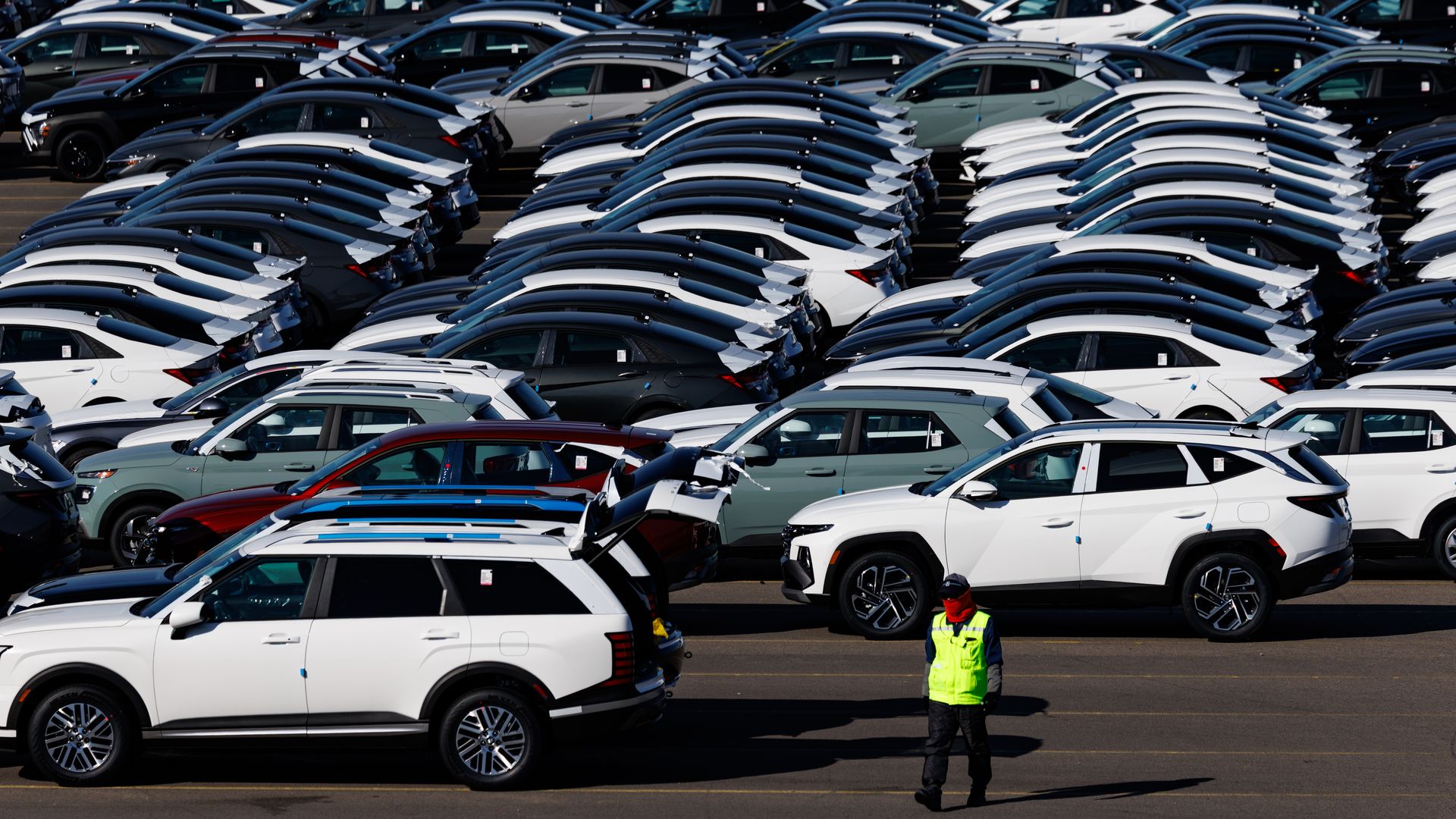
Automakers are building up vehicle inventories, particularly in Asian markets, as a hedge against supply chain disruptions caused by the war with Iran.
Why it matters: The industry learned long ago not to build more cars than consumers are willing to buy, but they're also wary of getting caught flat-footed as they did during the COVID-era semiconductor shortage.
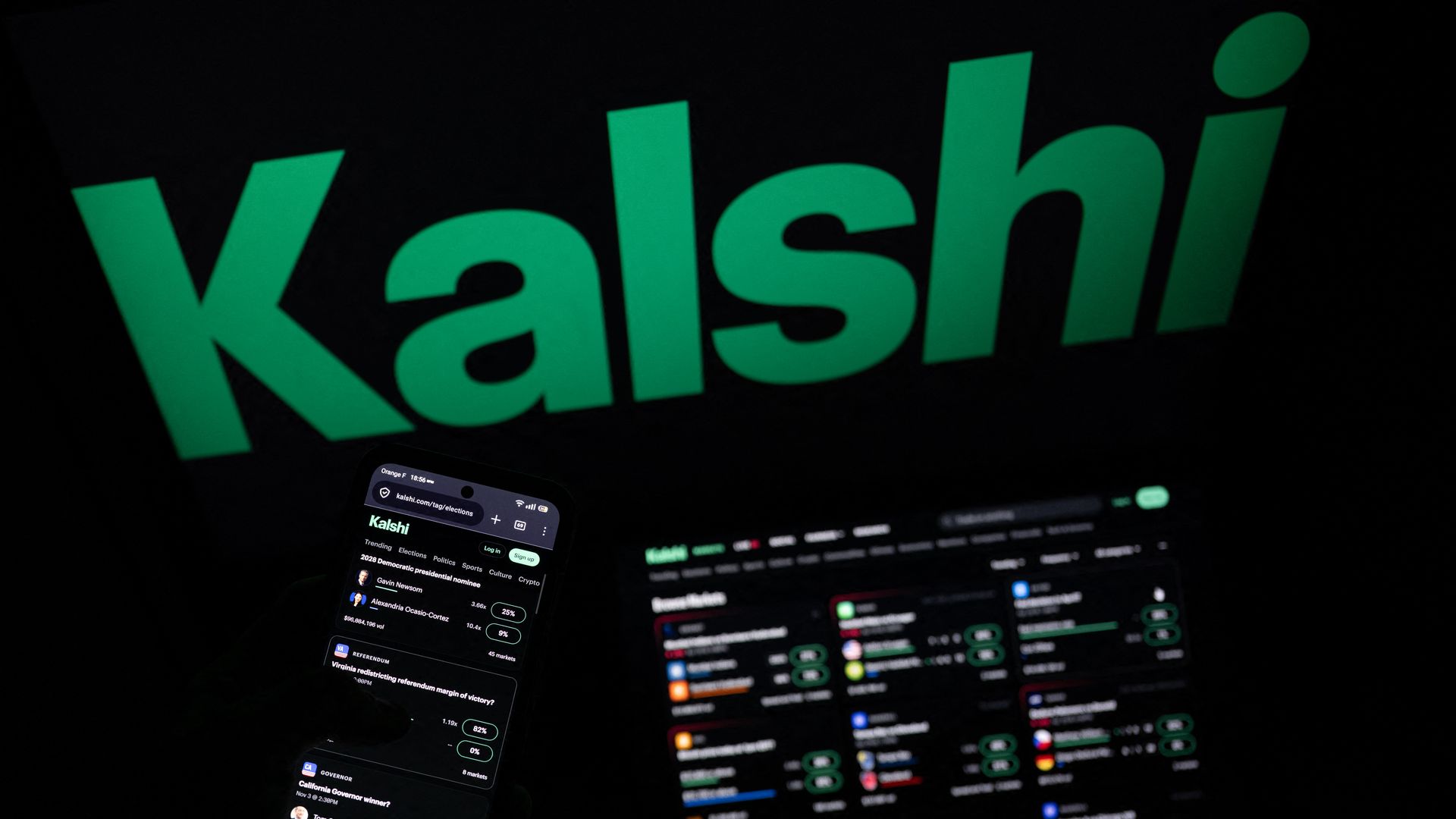
Kalshi announced Friday that it will begin offering perpetual futures contracts — a form of derivative that moves the prediction market company into more complex trades than conventional yes-or-no bets.
Why it matters: Perps — as they're commonly known — serve as futures contracts that allow investors to effectively bet on whether the price of an existing asset will go up or down.
Polymarket last week launched prediction markets tied to "private company performance and milestones." Or, put more simply, betting on startup valuations.
Why it matters: This could expand investor exposure to the hockey stick phase of startup growth — including for IPO procrastinators like Stripe — albeit indirectly.
Snowflake escaped the market's software-stock penalty box after posting earnings results, even as traders shrugged off the numbers from fellow software stalwart Salesforce.
The big picture: Software shares have struggled, as investors bet AI will undercut the previous profitability of software-as-a-service (SaaS) companies.
Corporations are looking to offload AI tasks to cheaper models as usage blows out IT budgets and returns on investment haven't solidified.
Why it matters: The search for cheaper subscriptions could threaten the three biggest AI labs' near trillion-dollar valuations right as they near record IPOs.
AI companies, the cryptocurrency industry and pro-Israel groups are spending like never before to sink their least favorite members of Congress and congressional candidates.
Why it matters: Thevolume cannot be ignored. It's the kind of spending that can kill careers and stop political movements in their tracks.
American shoppers are still spending — but they're becoming pickier about where their money goes.
Why it matters: Results Thursday from Dollar Tree, Burlington, Best Buy and Kohl's suggest that consumers are still willing to spend on bargains and small indulgences — yet are becoming increasingly selective as higher gas prices and other everyday costs pressure household budgets.
The Department of Justice is investigating the nonprofit of billionaire Reid Hoffman, which made contributions that were partially used for E. Jean Carroll's legal expenses during her civil lawsuit against President Trump, a source familiar tells Axios.
Why it matters: The investigation raises concerns about a pattern of retaliation against Trump critics while testing the independence of DOJ officials.
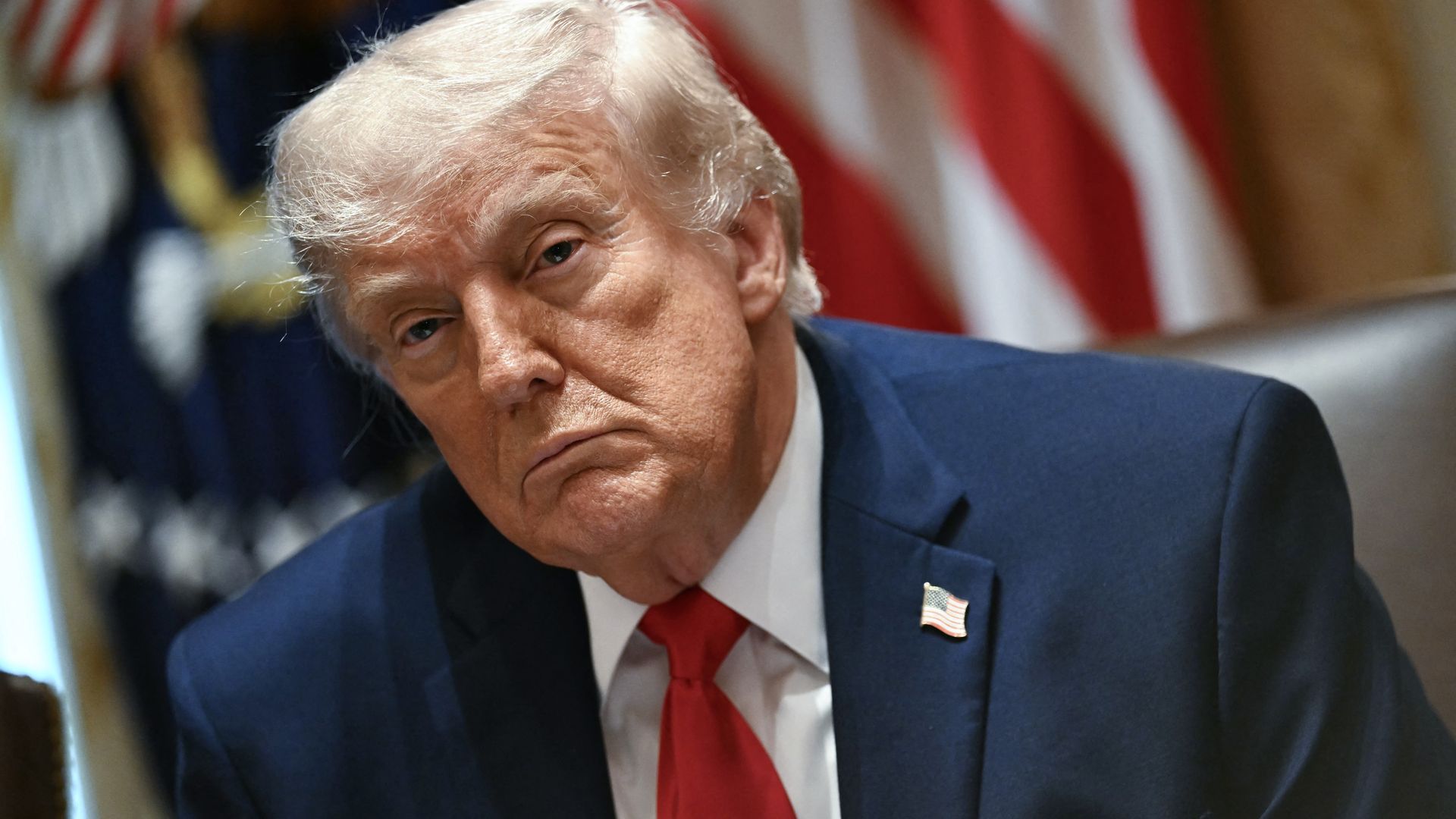
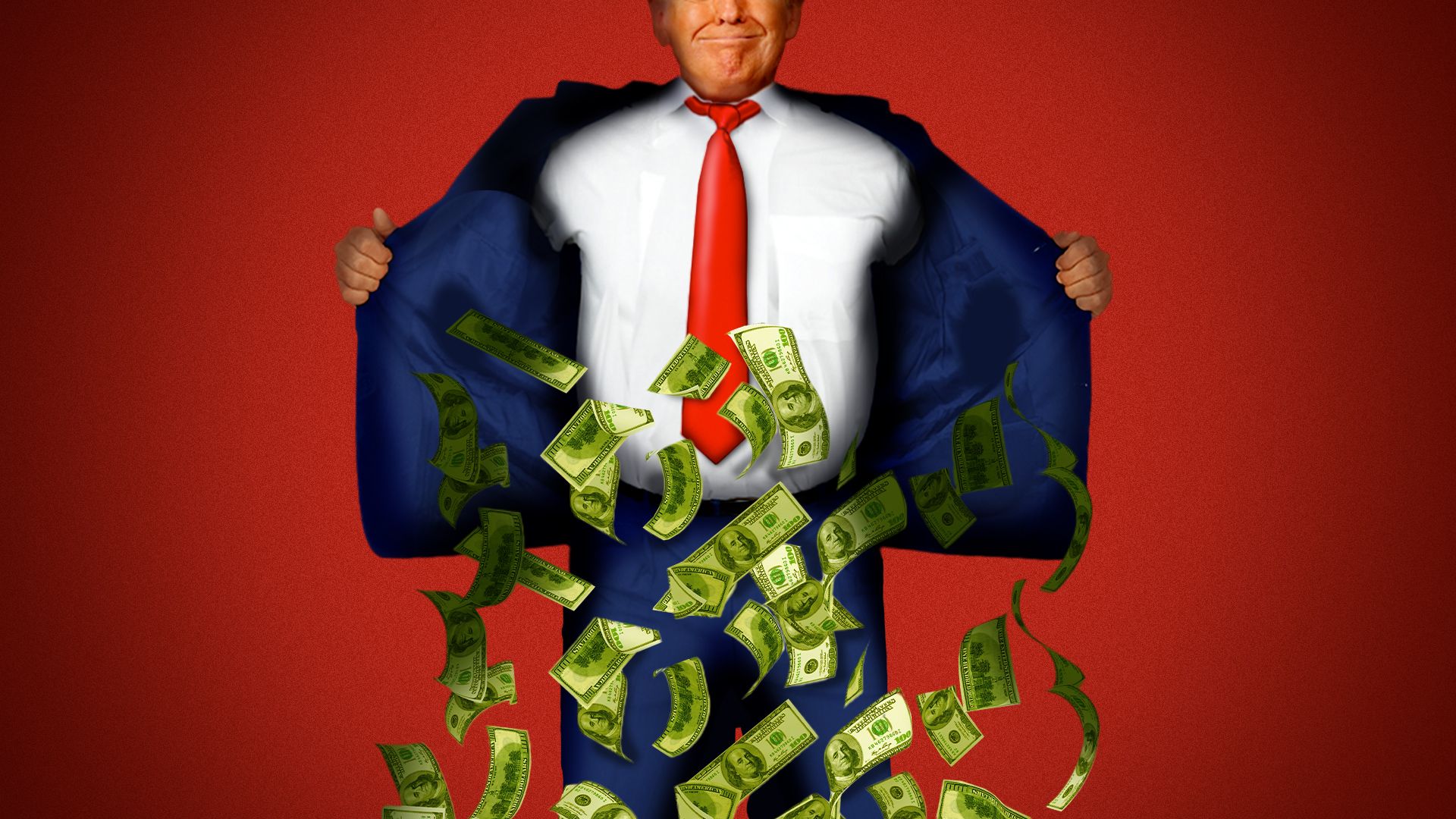
Republican lawmakers want a $250 bill featuring President Trump for the nation's 250th anniversary celebration, but the proposal faces legal and legislative hurdles.
Why it matters: Federal law bars living people from appearing on U.S. currency, creating a significant obstacle to the proposal without congressional action.
Prediction market platform Kalshi is rolling out a new index to measure which political party has a firmer grip on power in Washington, the company shared exclusively with Axios.
Why it matters: Kalshi is wading deeper into politics even as prediction markets are coming under a spotlight in Washington.
Anthropic raised $65 billion in a Series H funding round, valuing the AI lab at $965 billion post-money, in one of the largest private funding rounds in tech history.
Why it matters: With the round, Anthropic leapfrogs OpenAI, which was most recently valued at $730 billion.
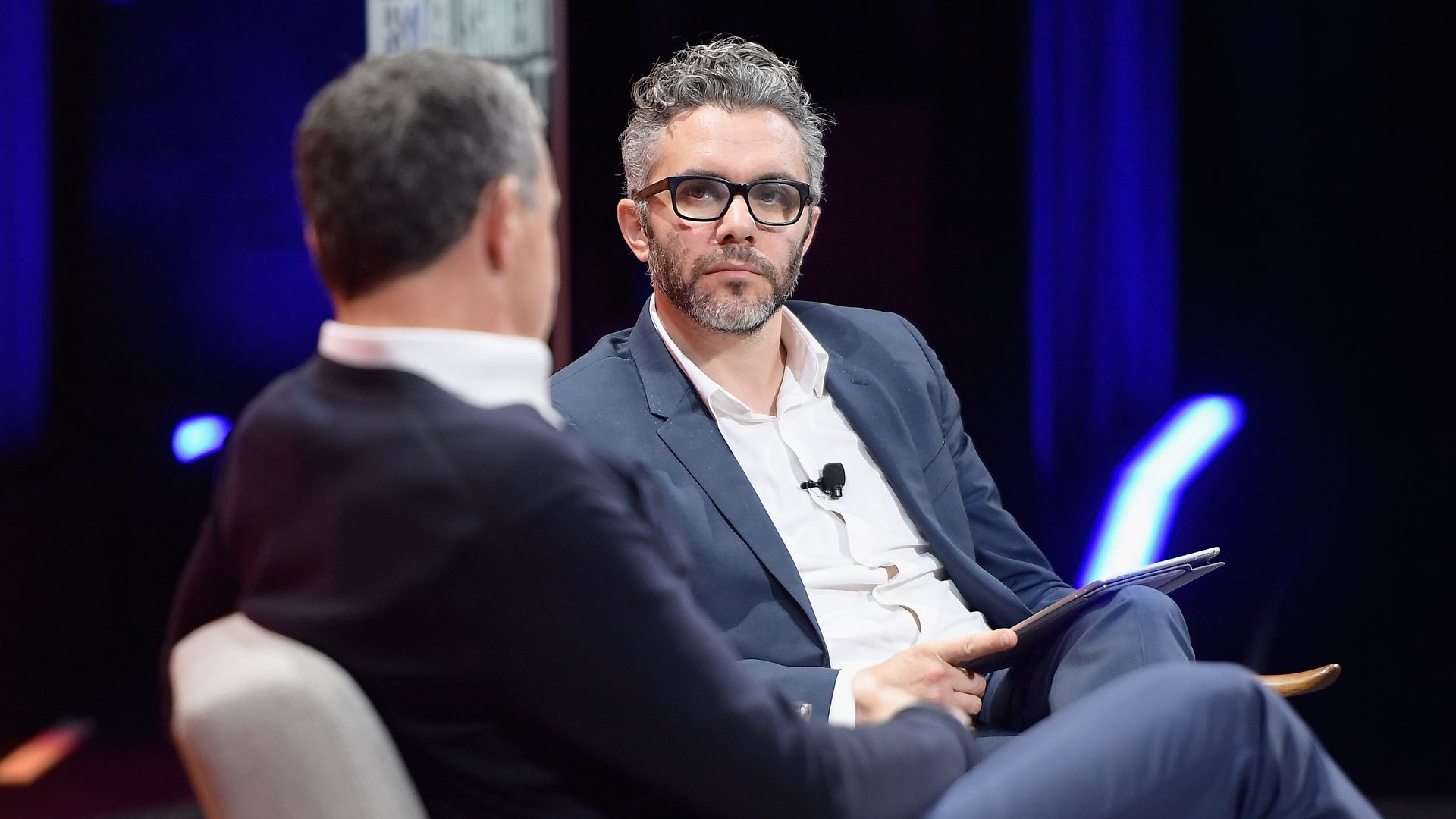
CBS News on Thursday announced Nick Bilton, a British-American journalist, author and filmmaker, as executive producer of its flagship news magazine program "60 Minutes."
Why it matters: His hiring comes at a trying time for the program, as some staffers push back against changes at the show and the broader network by CBS News editor-in-chief Bari Weiss.
Americans are burning throughtheir financial cushion at an accelerating pace, spending faster than their income is growing, as the energy shock from the Iran war slams household budgets.
Why it matters: Consumer spending has indeed held up, defying rock-bottom sentiment readings. But there's new evidence that suggests households are increasingly drawing down savings to support their spending, a fragile dynamic for the broader economy.
In 65 years of economic data, the personal saving rate — that is, what's left of a paycheck after taxes and spending — has been lower only in two other periods: briefly in 2022 and in the mid-2000s, before the financial crisis.
At least $2 million in settlements has been agreed to after employees and other critics were fired or penalized over their posts about Charlie Kirk following his killing.
Why it matters: The settlements illustrate the limits employers can have in regulating their workers' political rhetoric.
Casino giant Caesars Entertainment has agreed to sell itself to the owner of the Golden Nugget casino chain amid a downturn in Las Vegas.
Why it matters: The deal drives further consolidation of major Las Vegas properties and marks the culmination of a years-long pursuit by billionaire Tilman Fertitta.
Fertitta, an ally of President Trump, is the current U.S. ambassador to Italy and the owner of the entertainment company Landry's and the NBA's Houston Rockets.
Founders Fund was one of the earliest investors in SpaceX, investing $20 million in 2008. It kept backing the company, with a stake that could be worth more than $60 billion.
Scott Nolan was an early SpaceX employee who later became a Founders Fund partner. Axios spent some time speaking with him ahead of what's expected to be the largest IPO ever.
What follows is lightly edited for clarity and length.
Groq is raising up to $650 million from existing investors, after the AI chipmaker previously signed a $20 billion licensing deal with Nvidia that saw much of its senior team depart, Axios has learned.
Why it matters: Groq is one of the biggest AI wins so far for venture capitalists, and those same investors now get a second bite at the apple.
An increasing share of regular folks in South Korea are going all in on the country's stock market — borrowing money so as not to miss out on the AI-fueled stock boom there.
Why it matters: The entire economy is now hanging on the success of a few chipmakers.
The latest: South Korea's KOSPI index, which crossed 8,000 for the first time on Tuesday, is up 207%from a year ago.
A few big, newly minted trillionaire chipmakers are behind the surge, including SK Hynix and Samsung.
The big picture: A mania for stocks has swept the country, as Bloomberg reported earlier this year.
Zoom in: And retail traders are borrowing to fuel the buying binge: Margin loans are at a record high, according to reporting earlier this month in the Korea Times.
Middle-aged and older Koreans are increasingly getting in on this — borrowing money so as not to miss out, "mirroring" younger generations but "often with larger sums at stake."
Threat level: Some of these folks are risking retirement money with leveraged bets — Korea already has a high poverty rate (40%) for older adults.
If the AI trade falters, the country's entire economy is on the line, writes Ed Yardeni at Yardeni Research.
"Asia's fourth‑largest economy increasingly resembles a giant leveraged bet on AI."
The bottom line: What could go wrong? See our piece on how American investors are using a record amount of borrowed money to bet on stocks.
Investors are using a record amount of borrowed money to bet on stocks.
Why it matters: Trading with borrowed money — known on Wall Street as "margin" — can amplify both returns on the way up and losses if the market turns.
Even investors who do not trade on margin should watch it: Borrowed money has played a key role in market crashes, from 1929 to the dot-com bust.
Corporate leaders are starting to question whether soaring AI spending is delivering meaningful returns.
Why it matters: Companies that rushed to embrace AI are now confronting ballooning IT costs, uncertain productivity gains and growing employee skepticism.