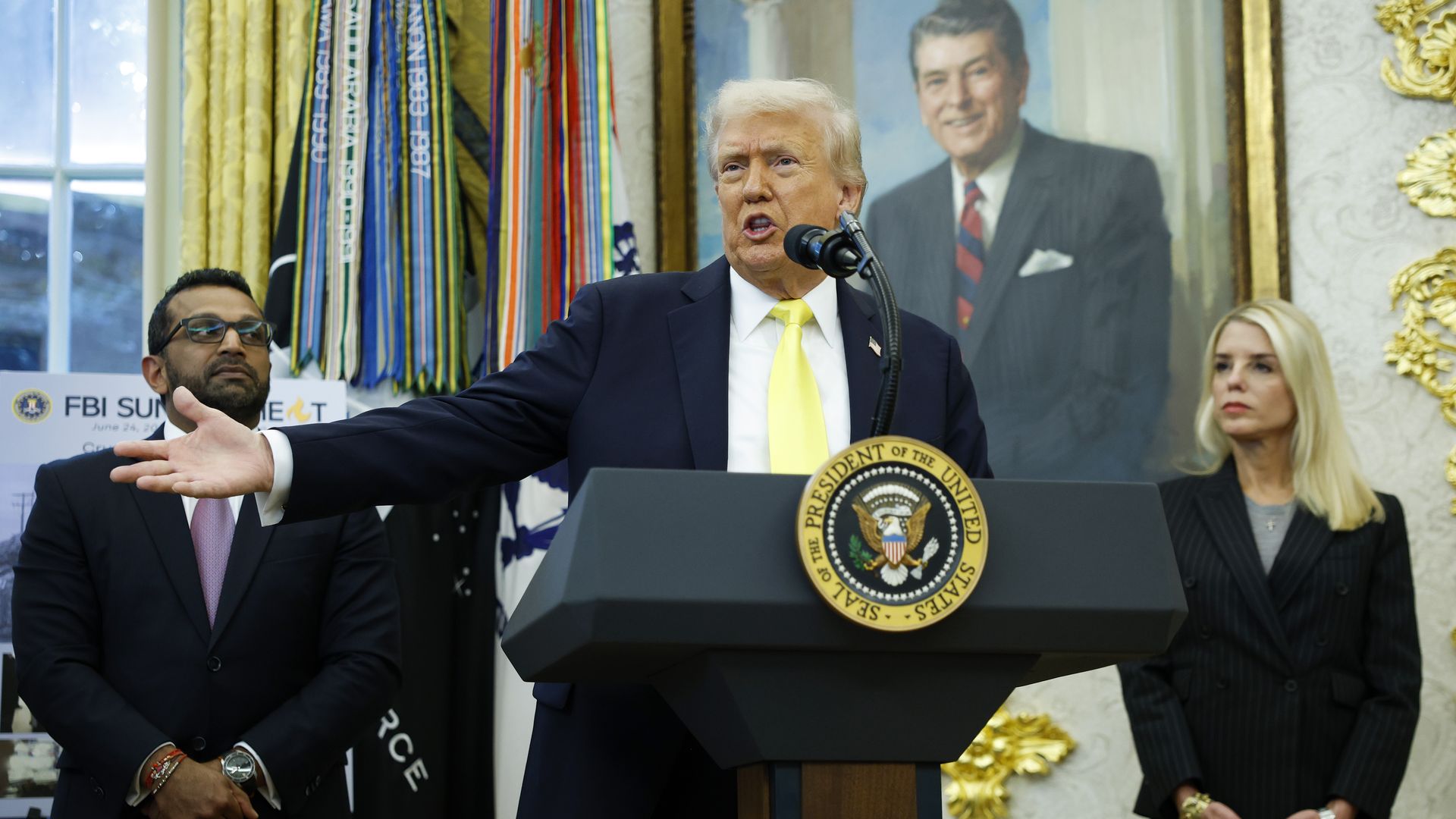
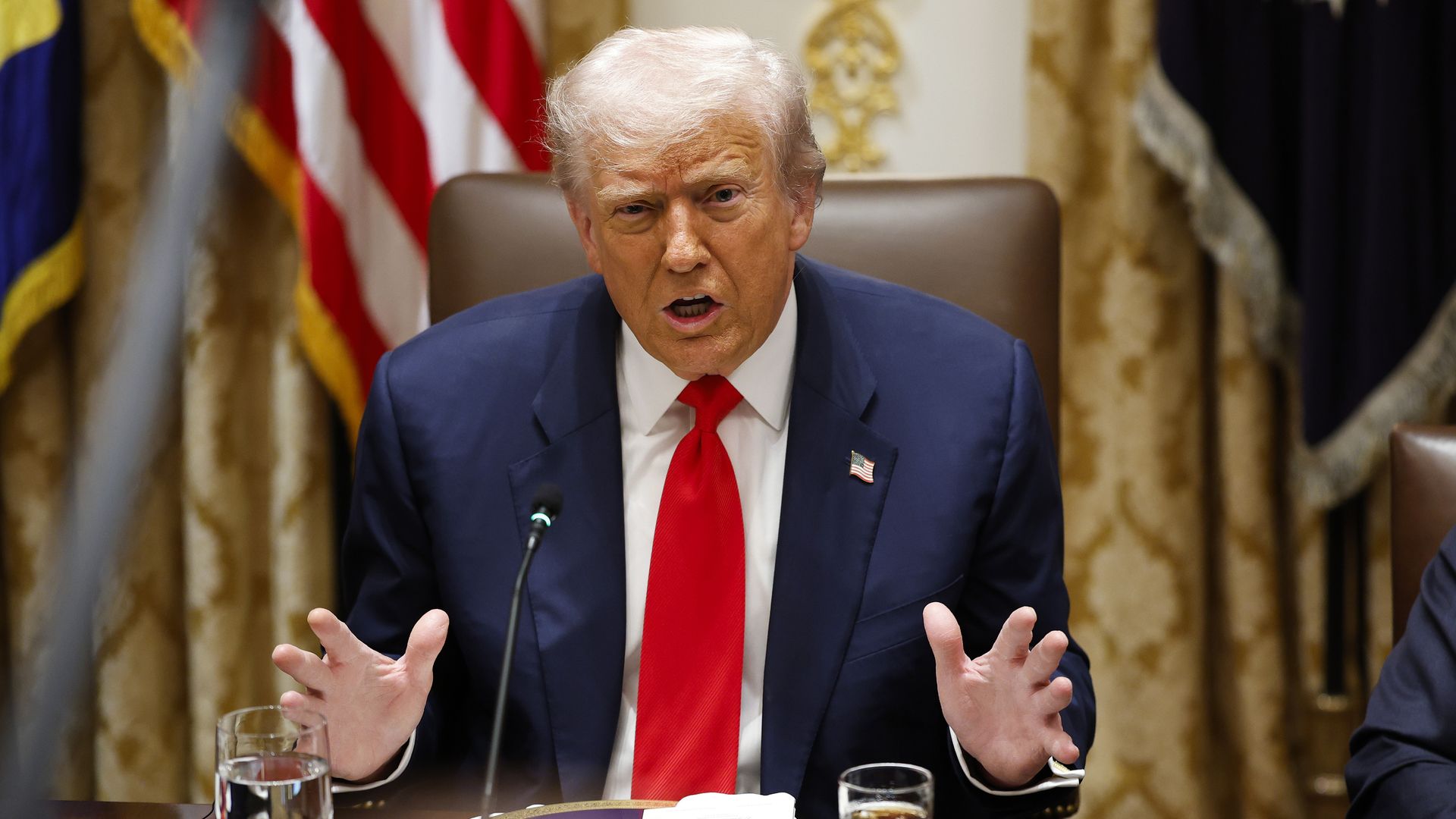
President Trump said Wednesday he authorized the CIA to secretly conduct operations in Venezuela, including possible strikes against drug cartels.
Why it matters: The announcement follows rising tensions with Venezuela's authoritarian leader, Nicolás Maduro, as the U.S. military targets boats allegedly carrying drugs.
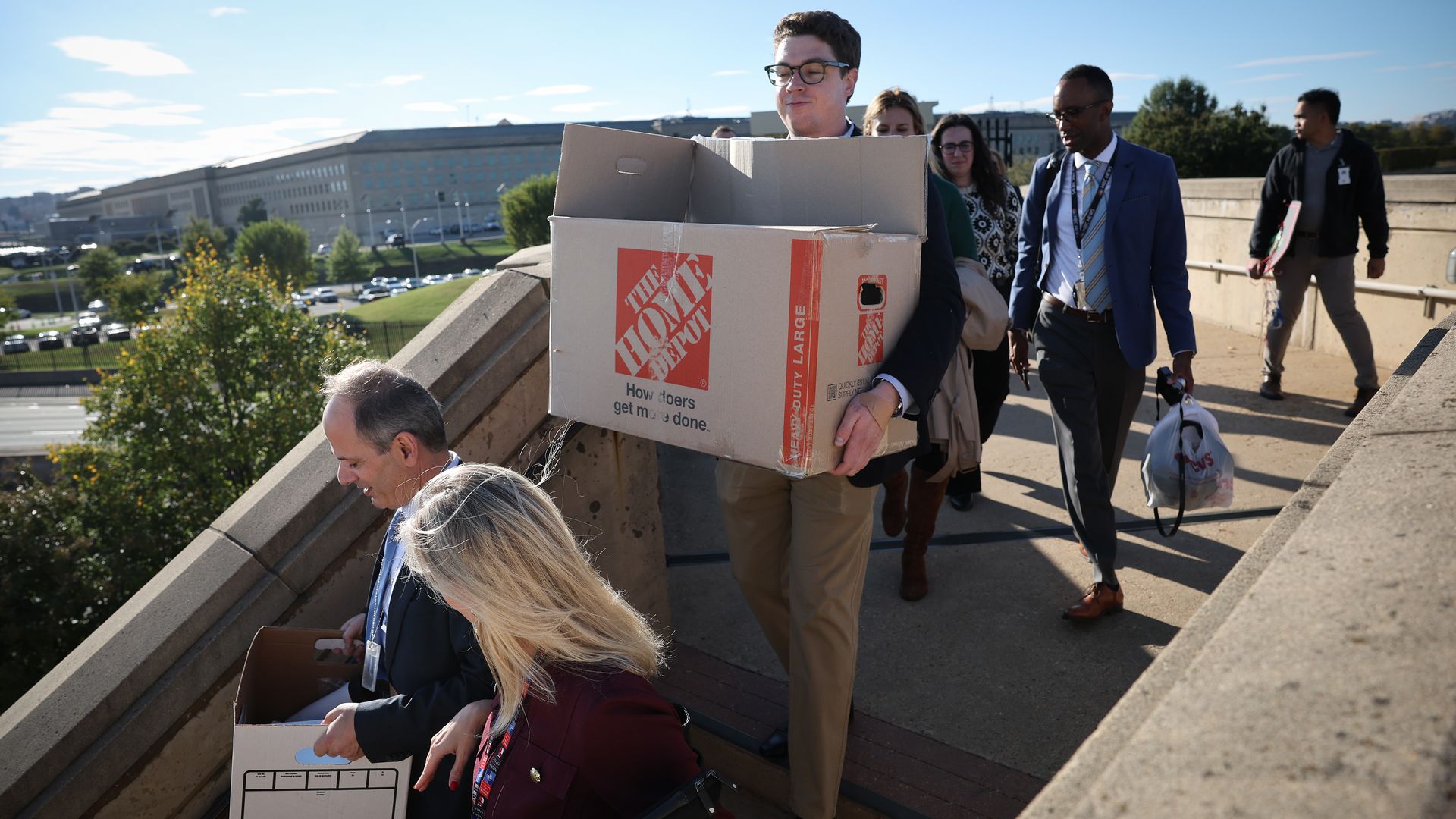
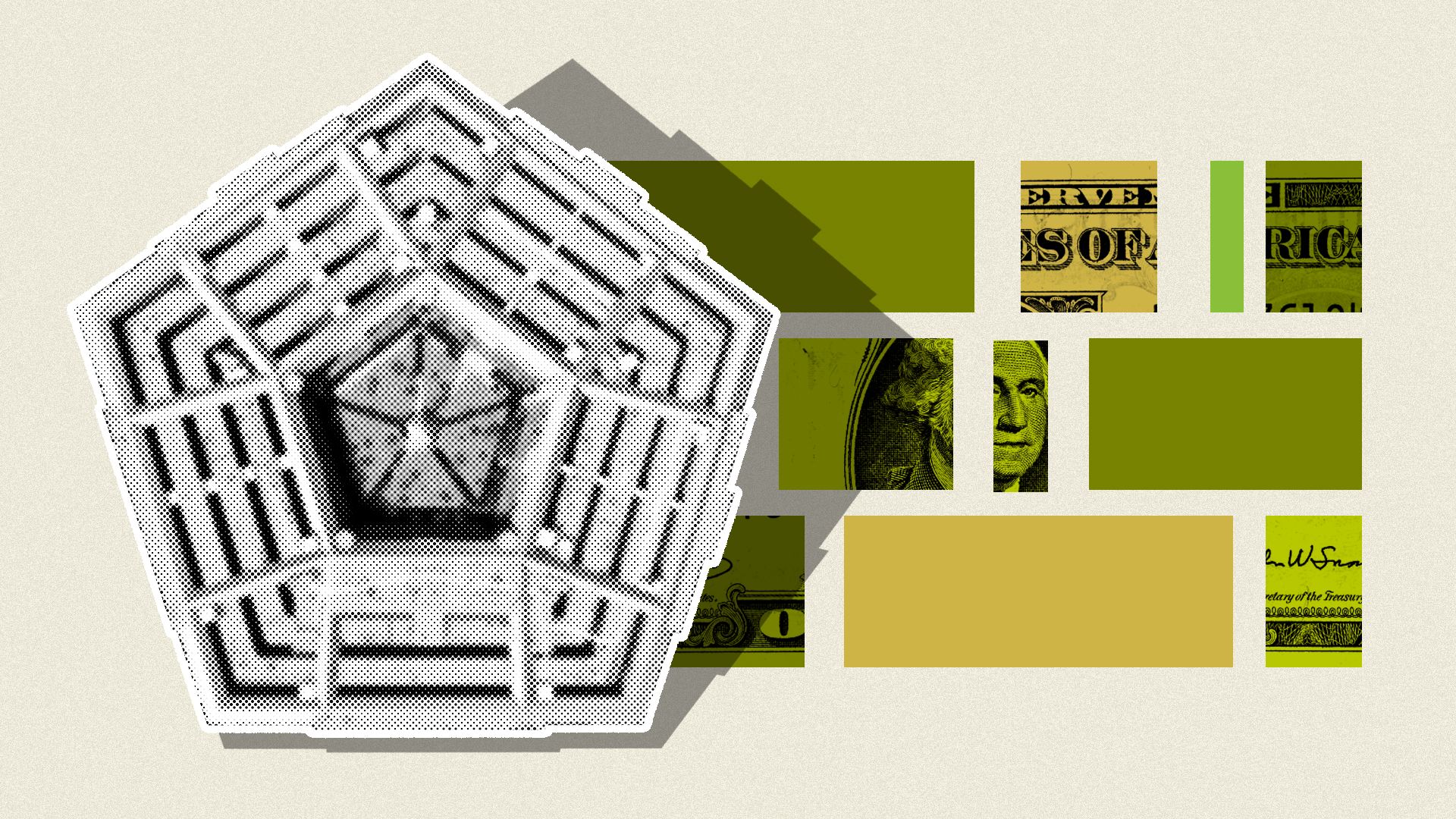
Nearly every Pentagon reporter from almost every major media outlet in America turned in their press badges Thursday, after refusing to endorse the Defense Department's new rules that they say would make it impossible to do their jobs independently.
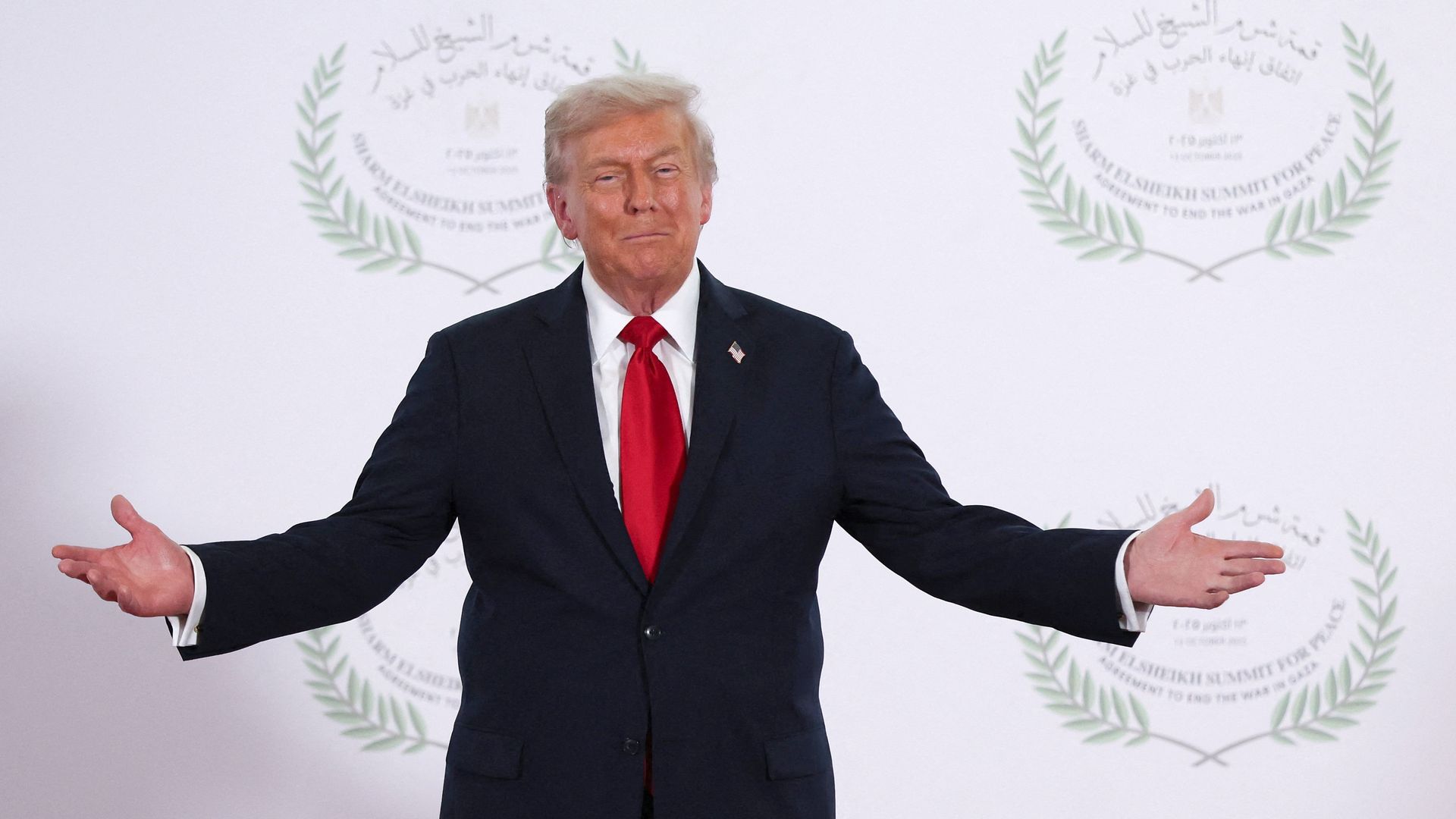
MAGA voices are heralding the newly minted ceasefire and hostage deal in Gaza as a victory not just for President Trump, but for the America First cause.
Why it matters: For MAGA, Monday's historic images are the best argument yet against opponents who cast their movement as a medley of blundering isolationists incapable of getting a complex foreign policy win.
Holiday shoppers are heading into the season with their most bleak economic outlook since at least the late 1990s, Deloitte said Wednesday, a warning sign for retailers counting on festive spending.
Why it matters: After two years of resilient holiday sales, shoppers are feeling stretched — and it's showing up in their plans.
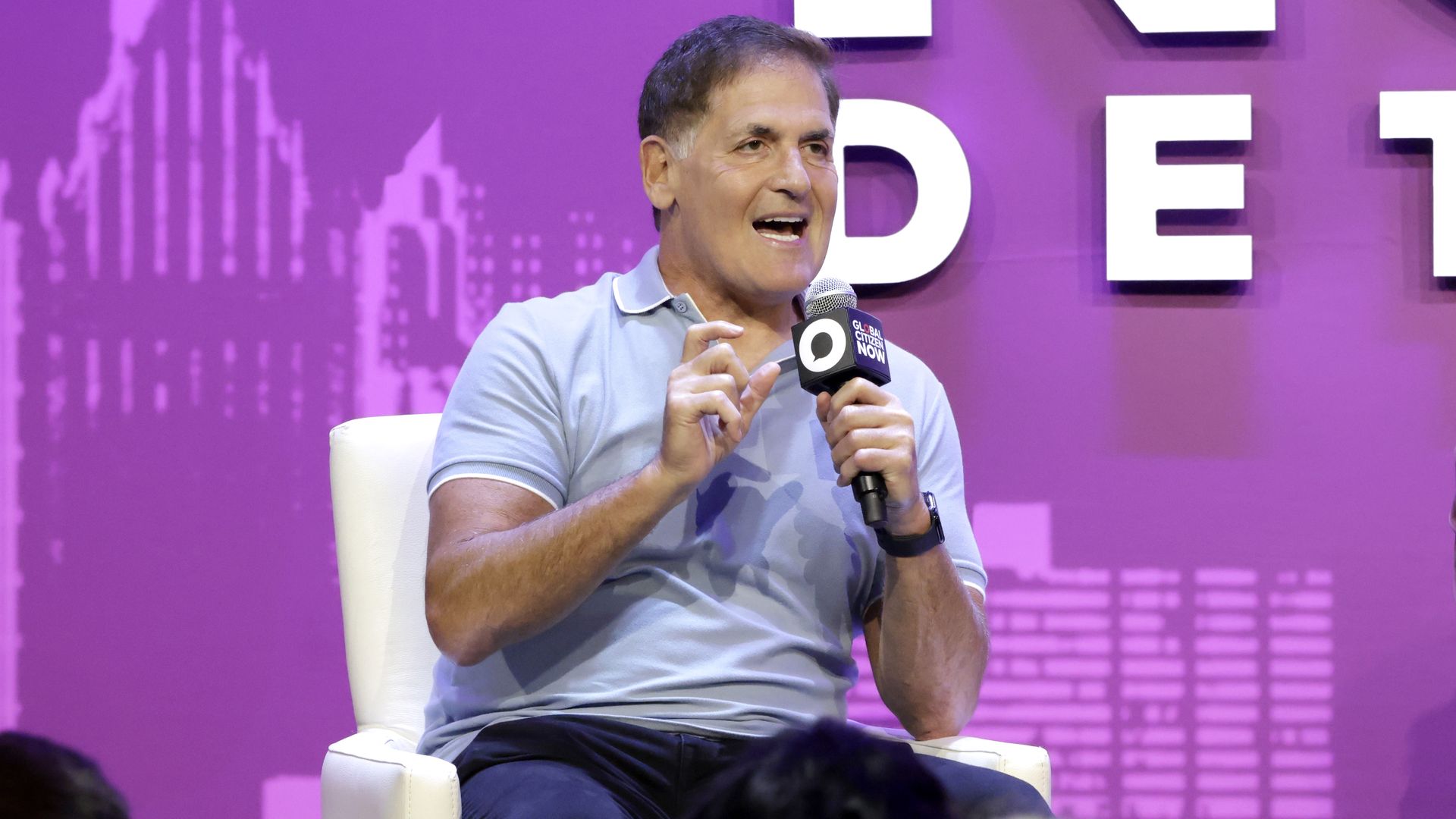
Billionaire businessman Mark Cuban said Sam Altman and OpenAI's plan to introduce adult material to ChatGPT will backfire and potentially harm young people.
Why it matters: OpenAI has promised to keep ChatGPT safe for children and teens as it has faced criticism over how the chatbot responds to young people and those in emotional distress.
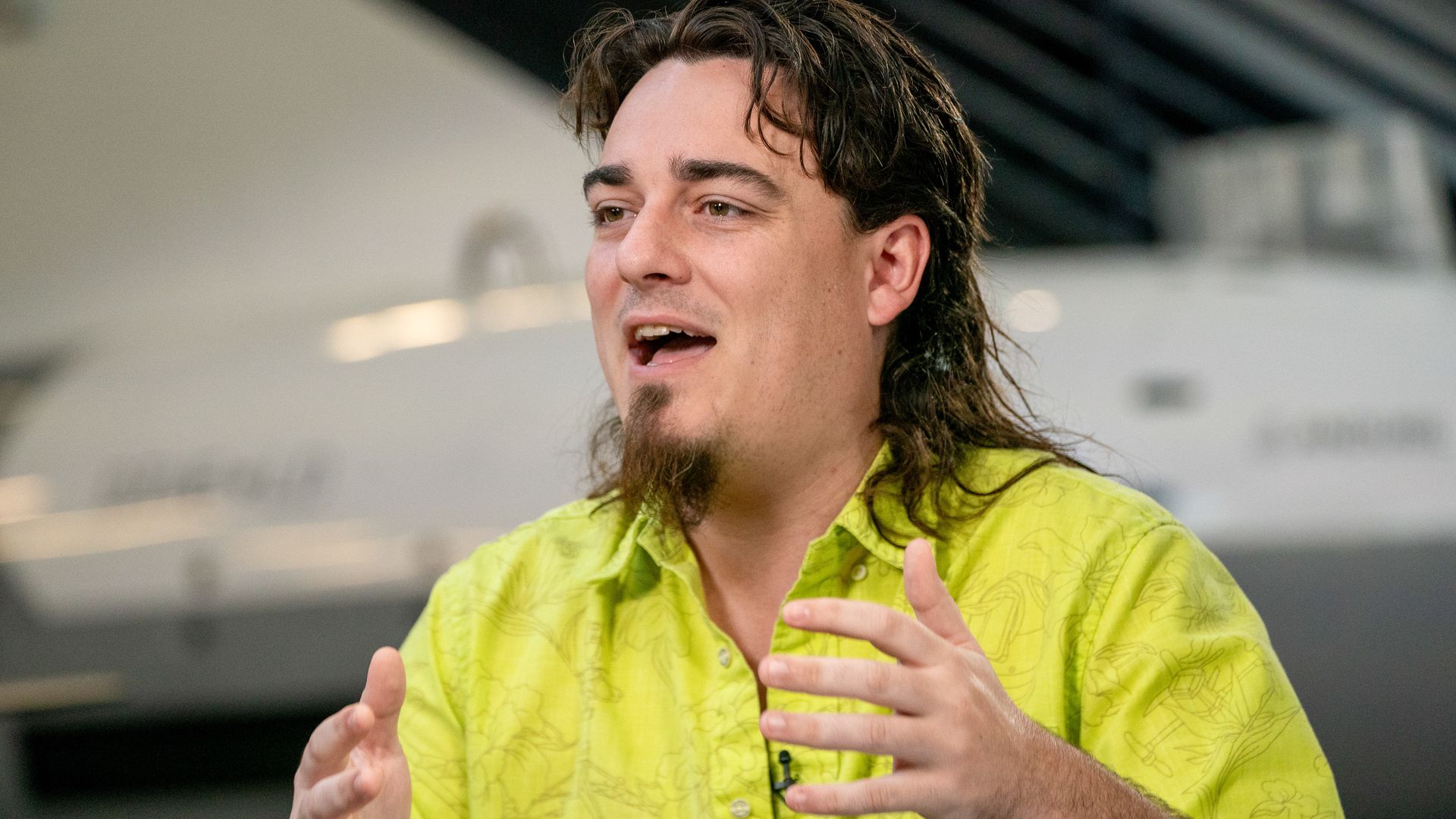
U.S. banking regulators have given conditional approval to a new digital bank co-founded by Palmer Luckey and backed by Peter Thiel.
Why it matters: The swift approval for Erebor — only four months after its application for a banking charter was submitted — illustrates the Trump administration's light touch on banking regulation.
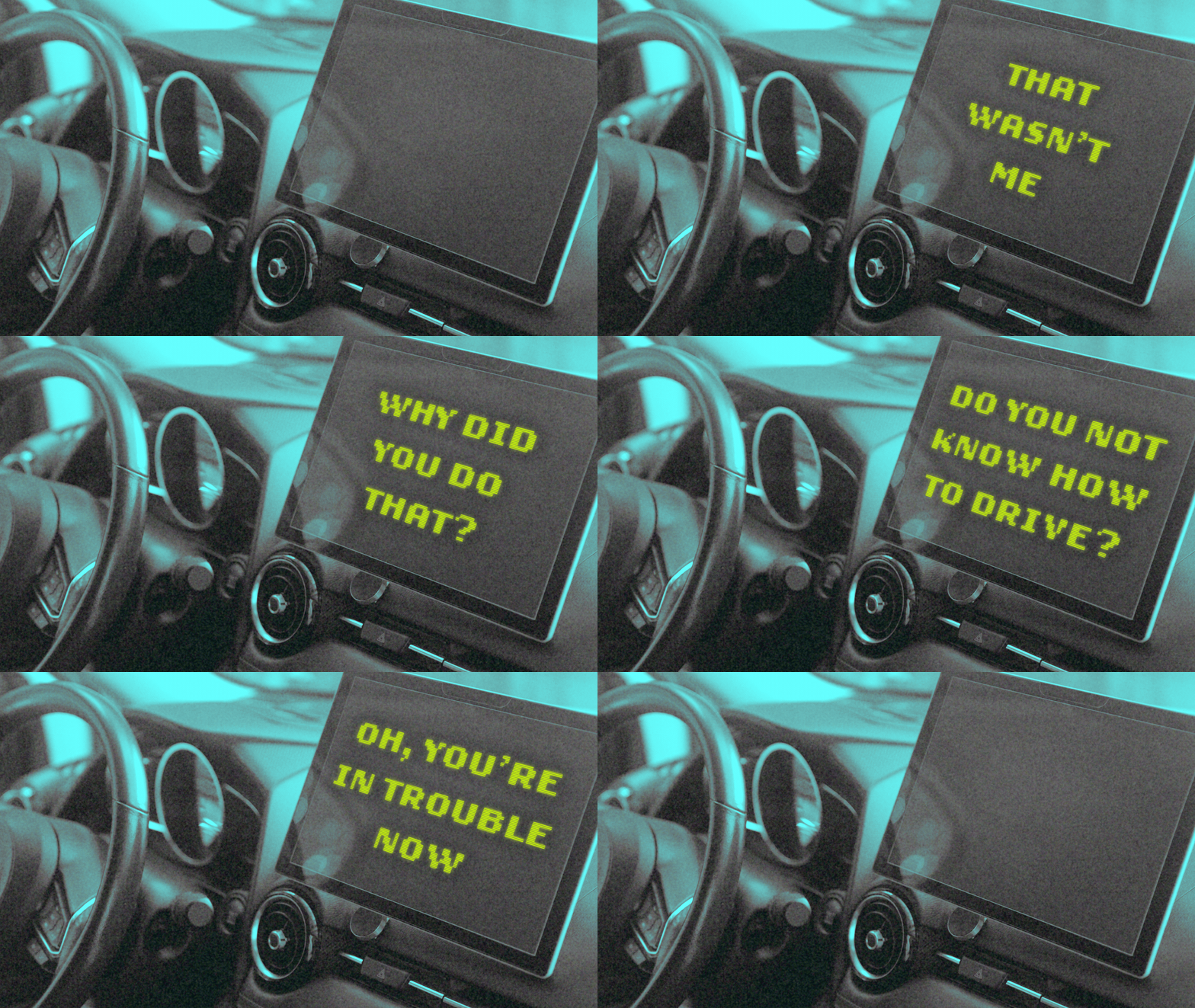
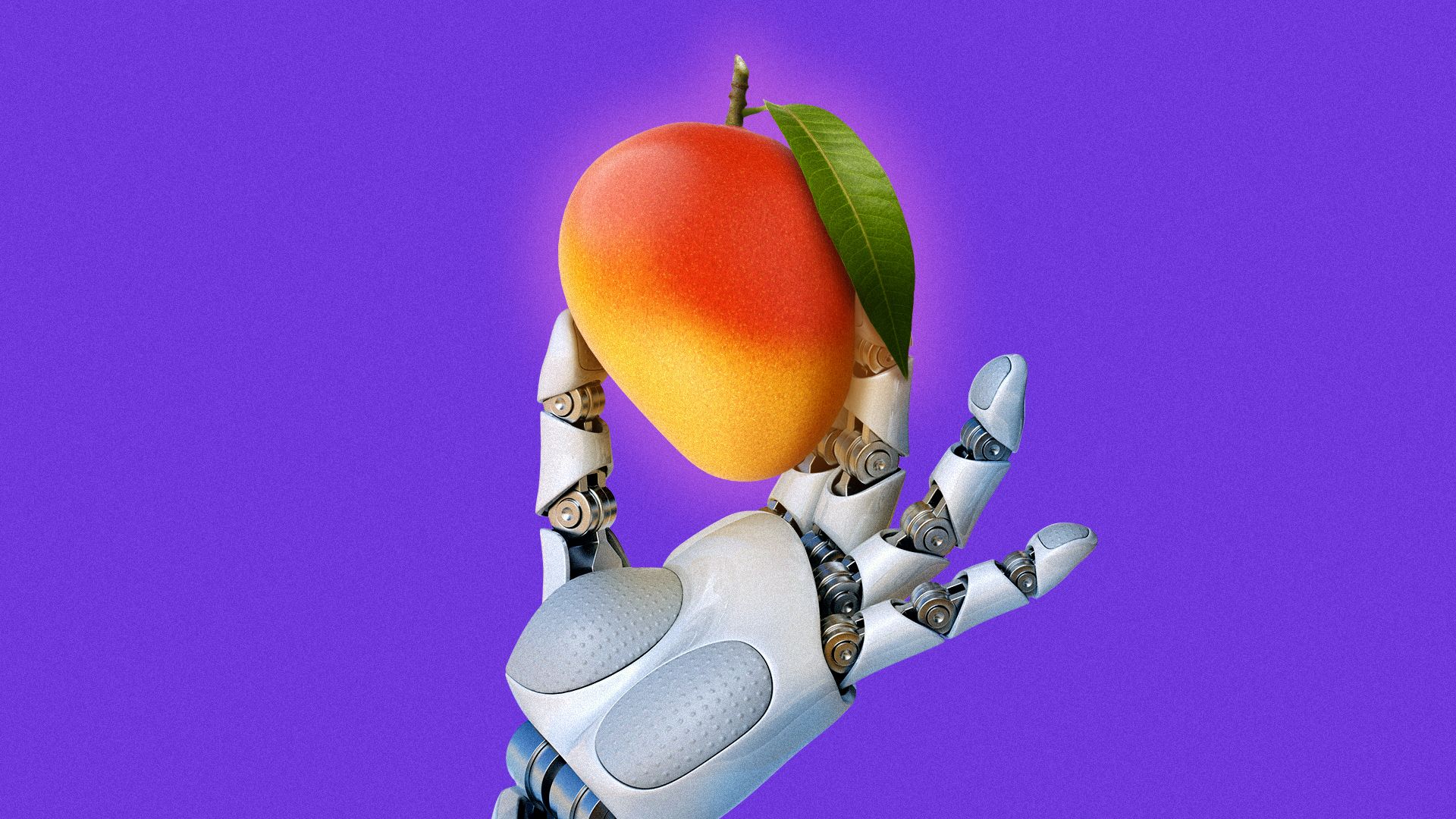
As cars begin to drive themselves, the onus of liability gets murkier, which is creating new headaches for the insurance industry.
Why it matters: More than half of all new cars in the U.S. will offer hands-free driving by 2028, according to Telemetry's 2025 Assisted and Automated Driving Forecast.
For insurers, that means rethinking risk assessments based on whether humans or robots are driving and writing policies that separate driver liability from that of the vehicle itself.
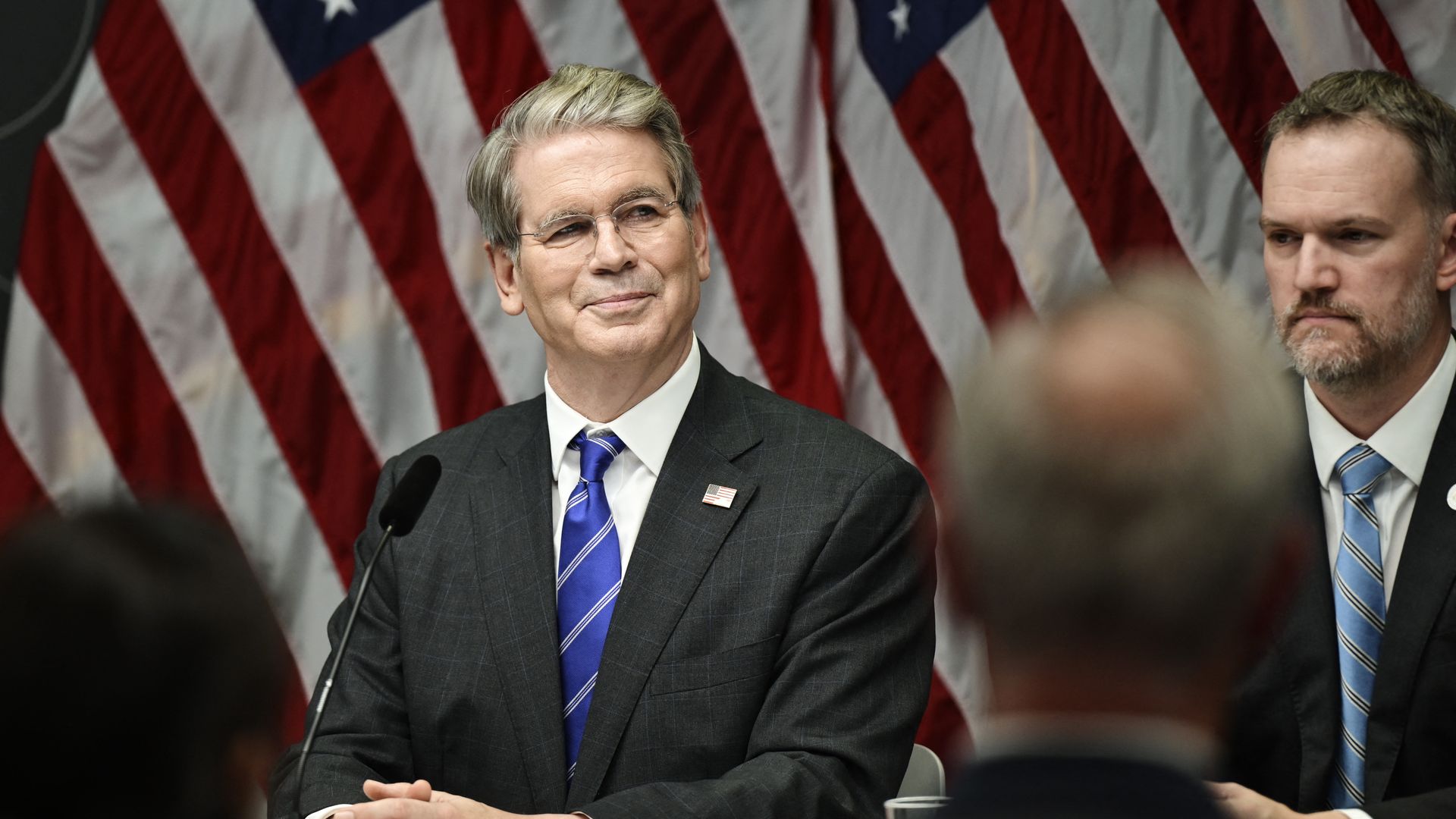
U.S. Trade Representative Jamieson Greer said that China's plans for harsh export controls risk violating a trade pact struck earlier this year, as Treasury Secretary Scott Bessent warned "they can't be trusted."
Why it matters: The Trump administration is signaling a new flare in the U.S.-China trade war, with higher import taxes on the horizon without a new truce in tensions.
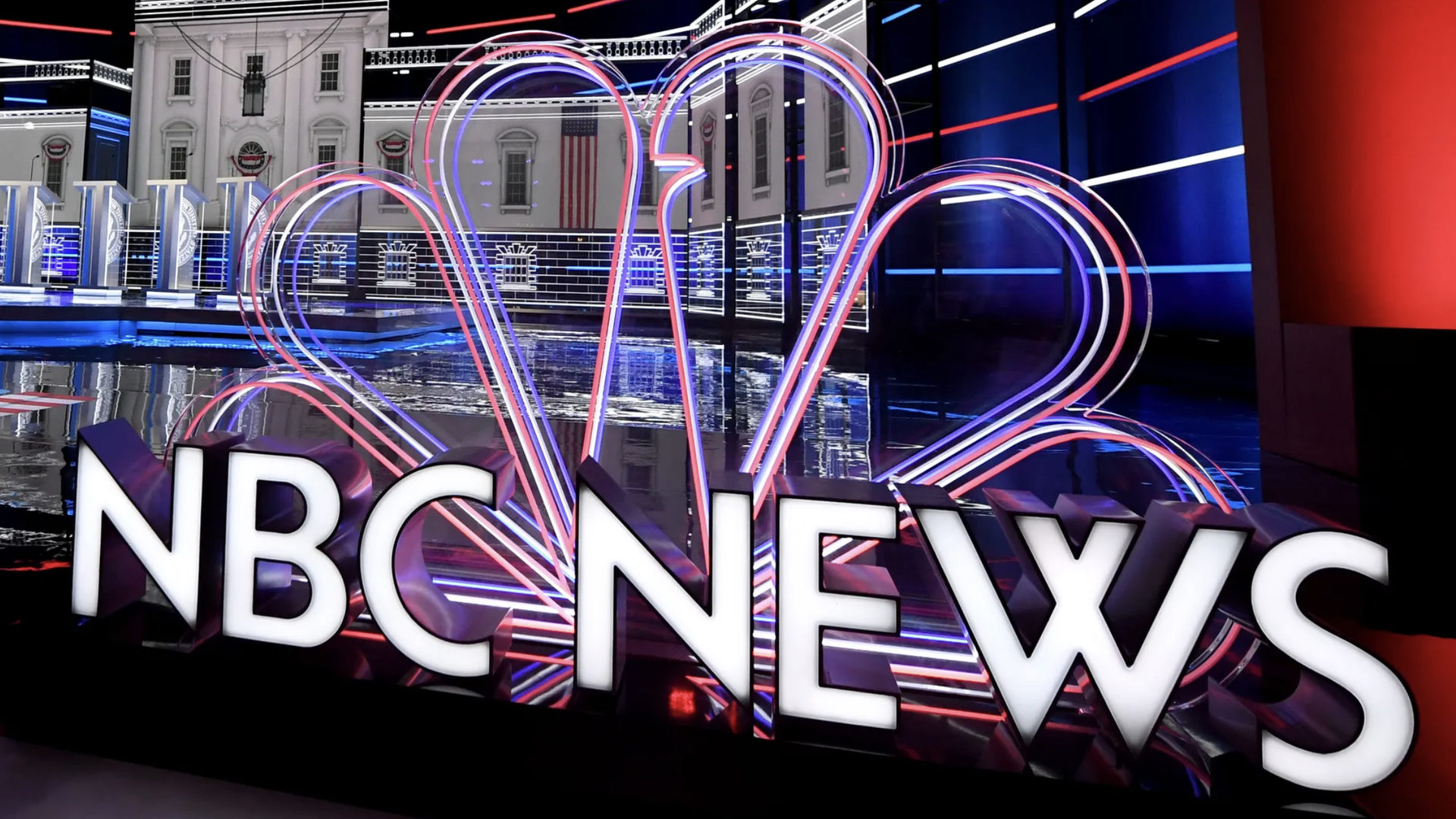
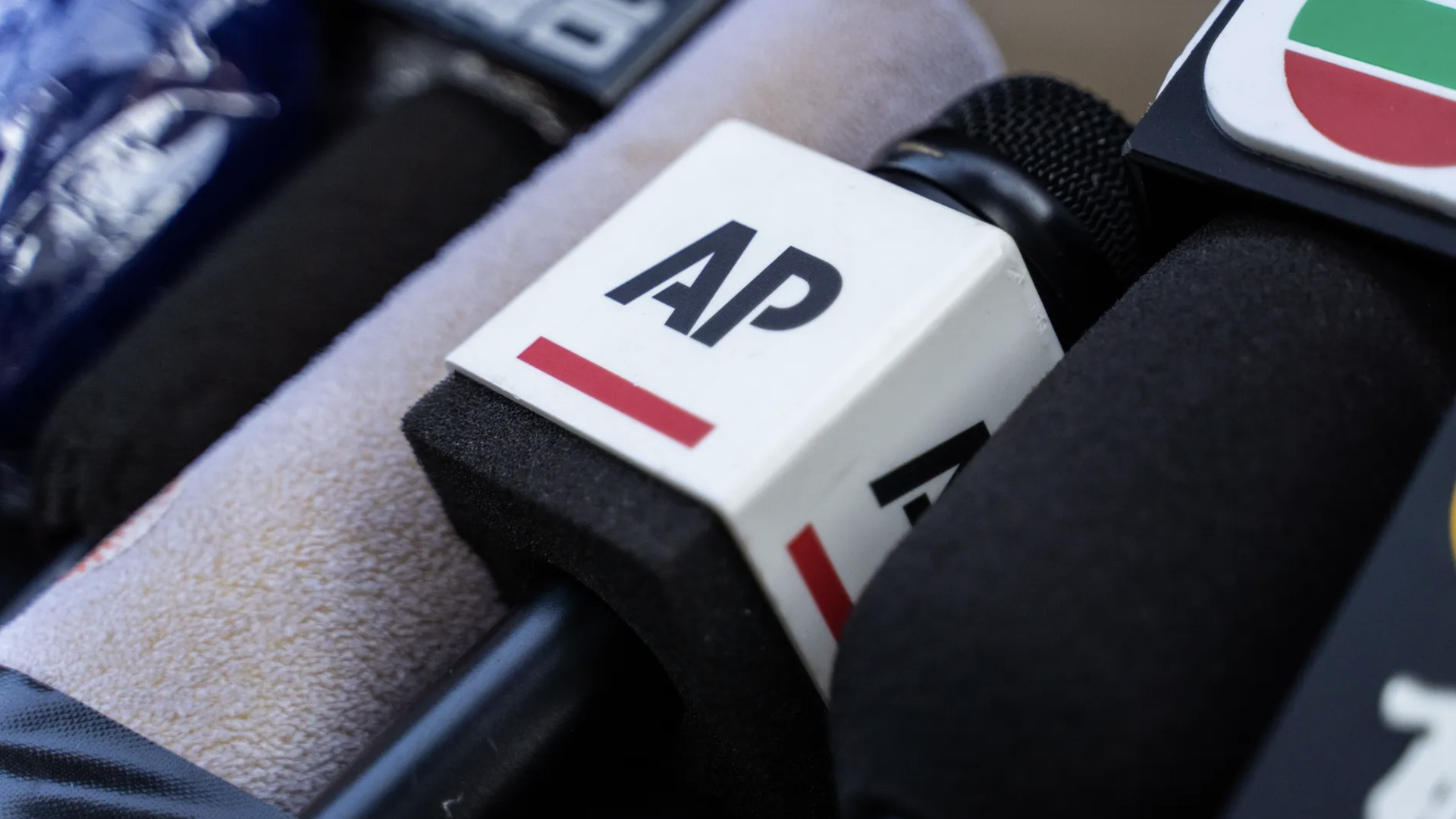
The Associated Press will provide its U.S. election results data to ABC News, CBS News, NBC News, Fox News and CNN on election night, the not-for-profit news organization said Wednesday.
Why it matters: The 2026 midterms and 2028 presidential election will be the first time since 2016 that all of the major broadcast networks, and most of the major cable networks, will use the same data vendor to inform their election coverage.
More people are concerned than excited about the rise of AI in daily life, with Americans topping the global worry list, per a new global report from Pew Research Center out Wednesday.
Why it matters: Public concern over AI could shape how quickly the tools are adopted, and could upend workplaces if employees aren't comfortable with the changes.
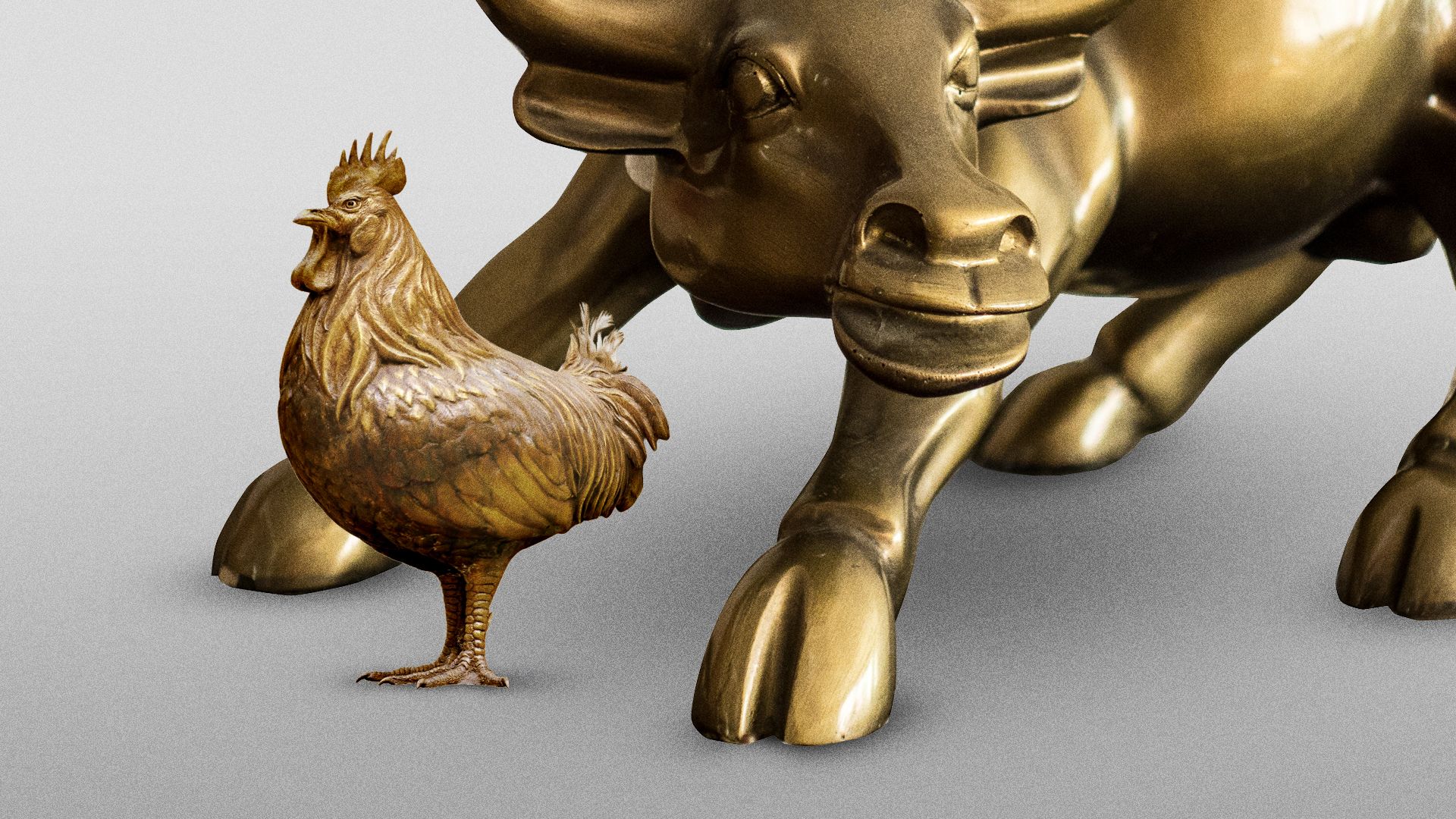
Wall Street's belief that "Trump always chickens out" on tariff threats is keeping stocks afloat even as trade tensions with China heat up. But the TACO trade is riskier this time, says Bob Elliott, CEO of Unlimited Funds.
Why it matters: This may not be a repeat of April, when the stock market fell nearly 20% after President Trump announced sweeping global tariff, but it's a reminder of the risks that investors were happy to ignore in recent months.
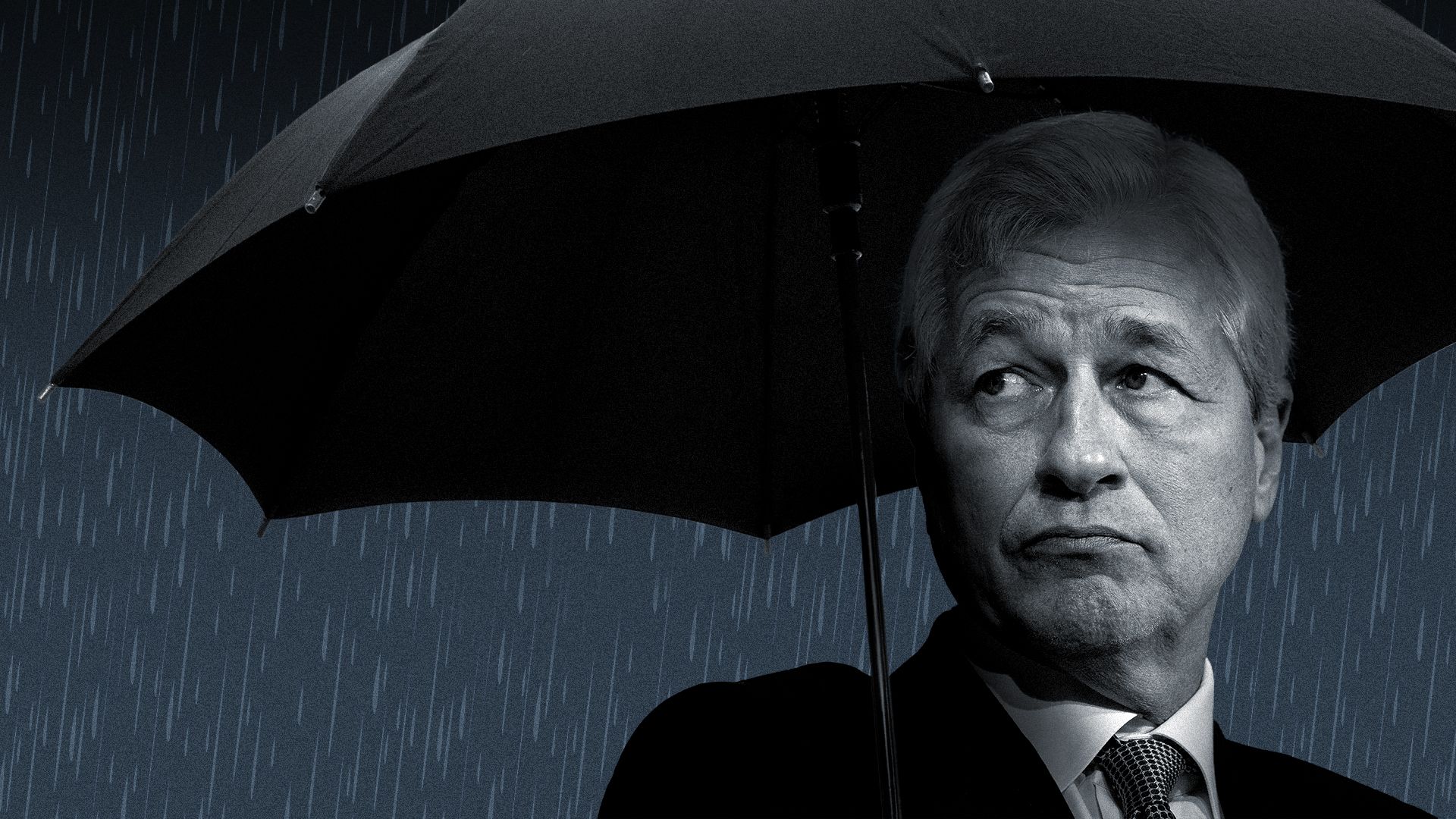
JPMorgan Chase increased provisions for loan losses as CEO Jamie Dimon warned of "signs of softening" amid continued uncertainty related to tariffs and the labor market.
Why it matters: The nation's biggest bank is getting cautious even as its investment banking and trading desks continue to rip, hinting at cracks beneath what Dimon called a "resilient economy."
Valinor has over the course of a year quietly assembled several firms to address defense-tech wants and needs that have flown under the radar.
Why it matters: "There's probably 1,000 times more picks and shovels in the government than the moon shots, but there's really no model to serve them," chief executive Julie Bush told Axios.
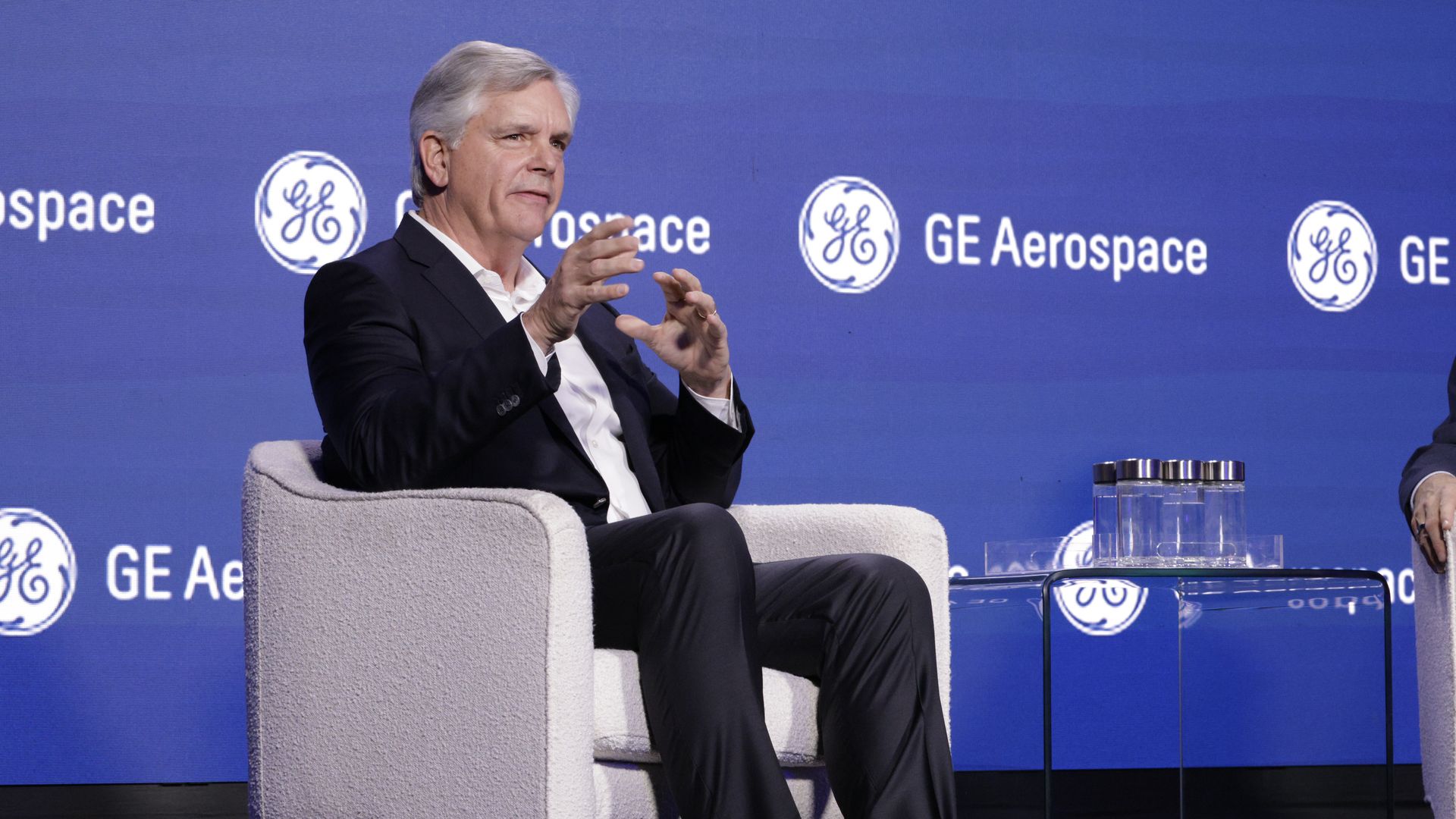
CINCINNATI — GE Aerospace CEO Larry Culp announced at an Axios event on Tuesday that the GE Aerospace Foundation is launching a $30-million, five-year workforce skills training program aimed at helping revitalize U.S. manufacturing.
Why it matters: It's part of the global aerospace giant's effort to close the gap between the number of manufacturing jobs that employers are creating in America, and the workers who have the necessary skills.
Over the years, acronyms have come and gone to describe America’s tech darlings — the companies college grads dream of joining and Wall Street investors love to watch.
First, it was FAANG: Facebook, Amazon, Apple, Netflix and Google.
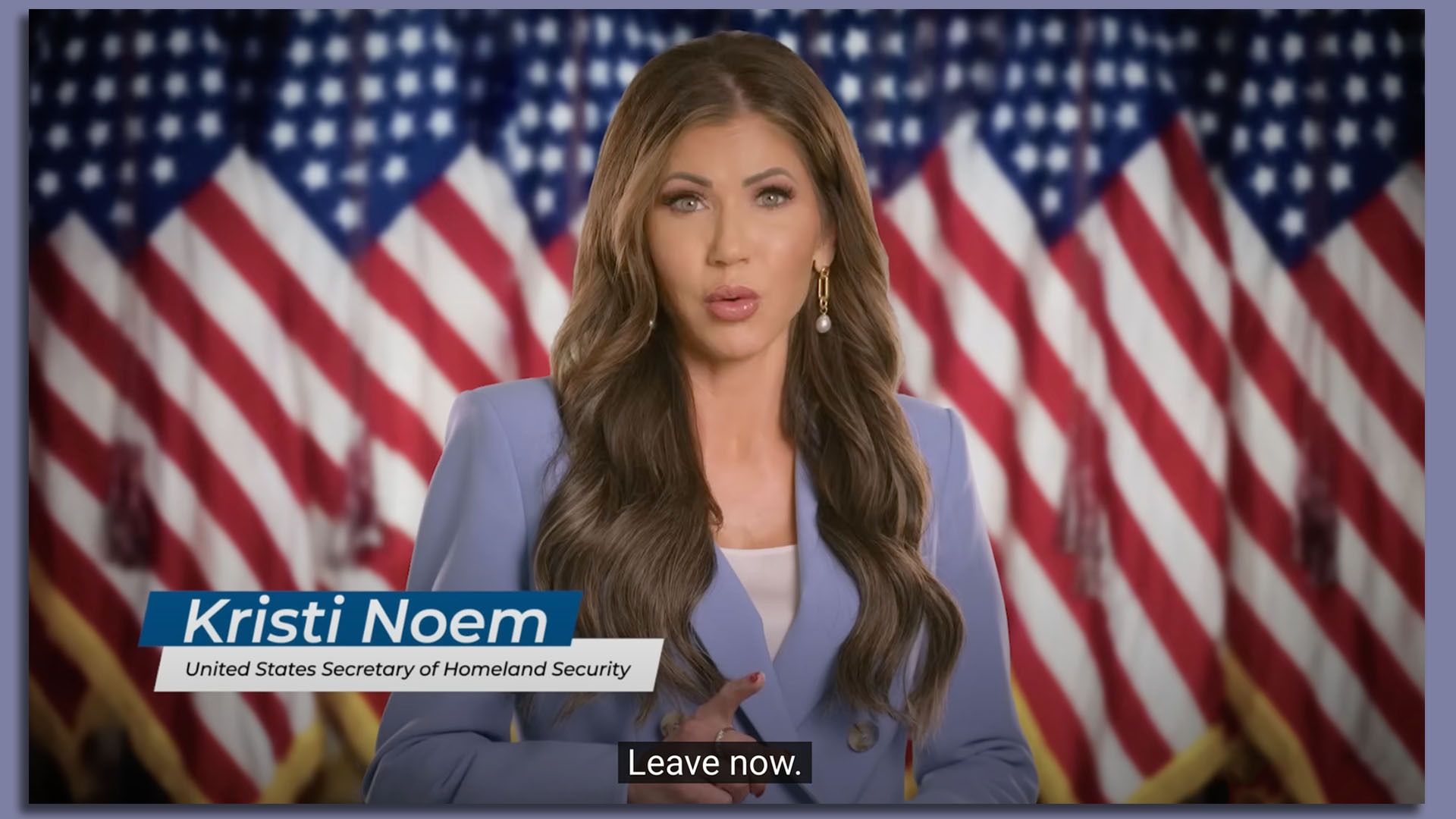
The most expensive political ad campaign of the year is being run by the Department of Homeland Security.
Why it matters: DHS disputes that its ads are political. But it has spent at least $51 million this year on ads thanking President Trump for securing the border, according to AdImpact.
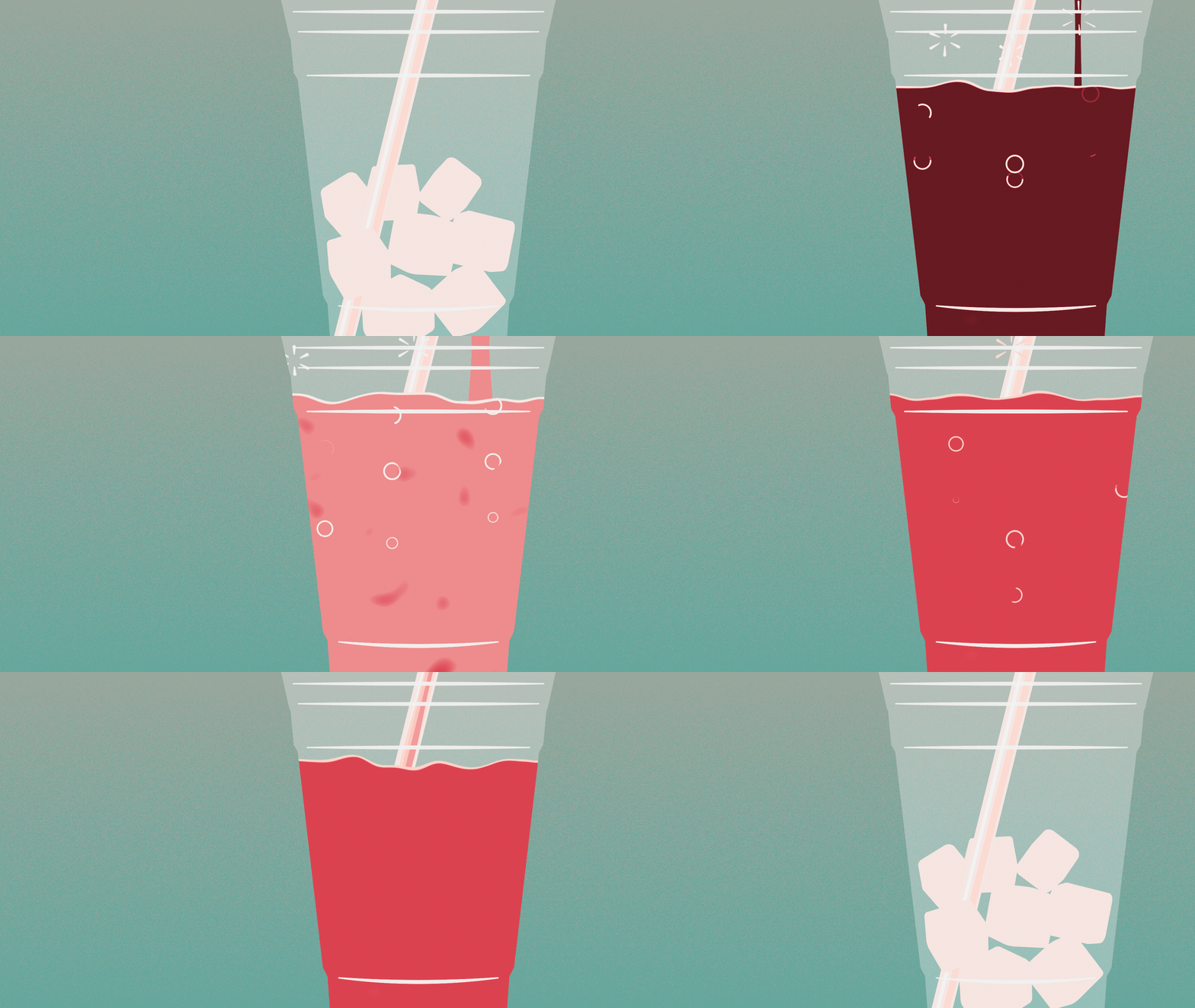
Coca-Cola and PepsiCo are shaking up the soda biz to attract younger, more selective drinkers.
Why it matters: Americans' affinity for soda has declined in recent years, and soda giants are trying to lure them back with smaller serving sizes, and TikTok-able flavors.
The planned transfer of downtown Miami land for President Trump's future presidential library was temporarily blocked by a Florida judge on Tuesday.
The big picture: Marvin Dunn, a Miami historian and activist, filed a lawsuit saying the public should have been more involved in the process that saw Miami-Dade College transfer ownership of the 2.63-acre property that has an estimated value of $67 million to the state, which donated it for Florida's first presidential library.