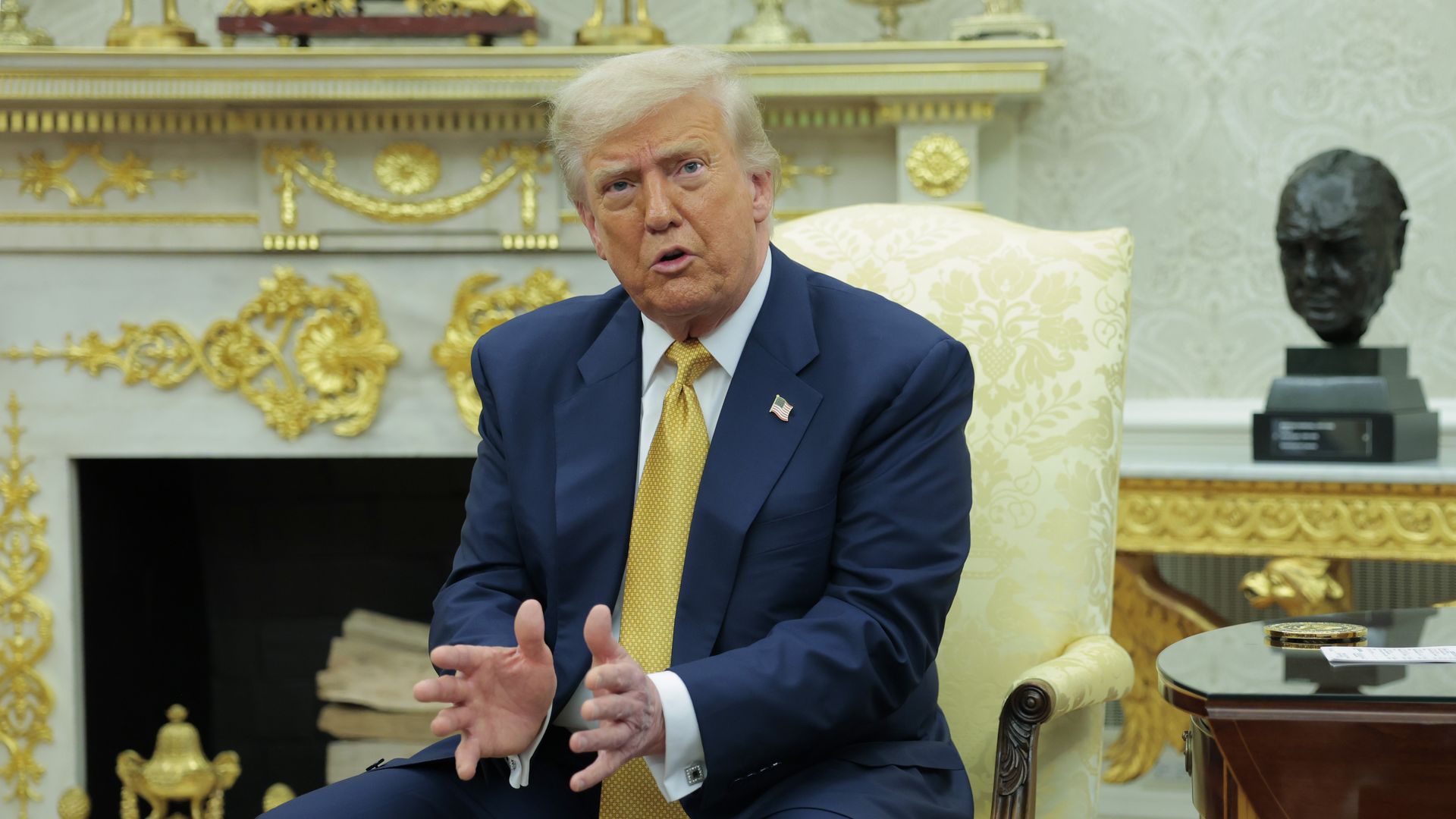
Skydance CEO David Ellison and his lawyer met with Federal Communications Commission chair Brendan Carr and an FCC lawyer on Tuesday, a new regulatory filing shows.
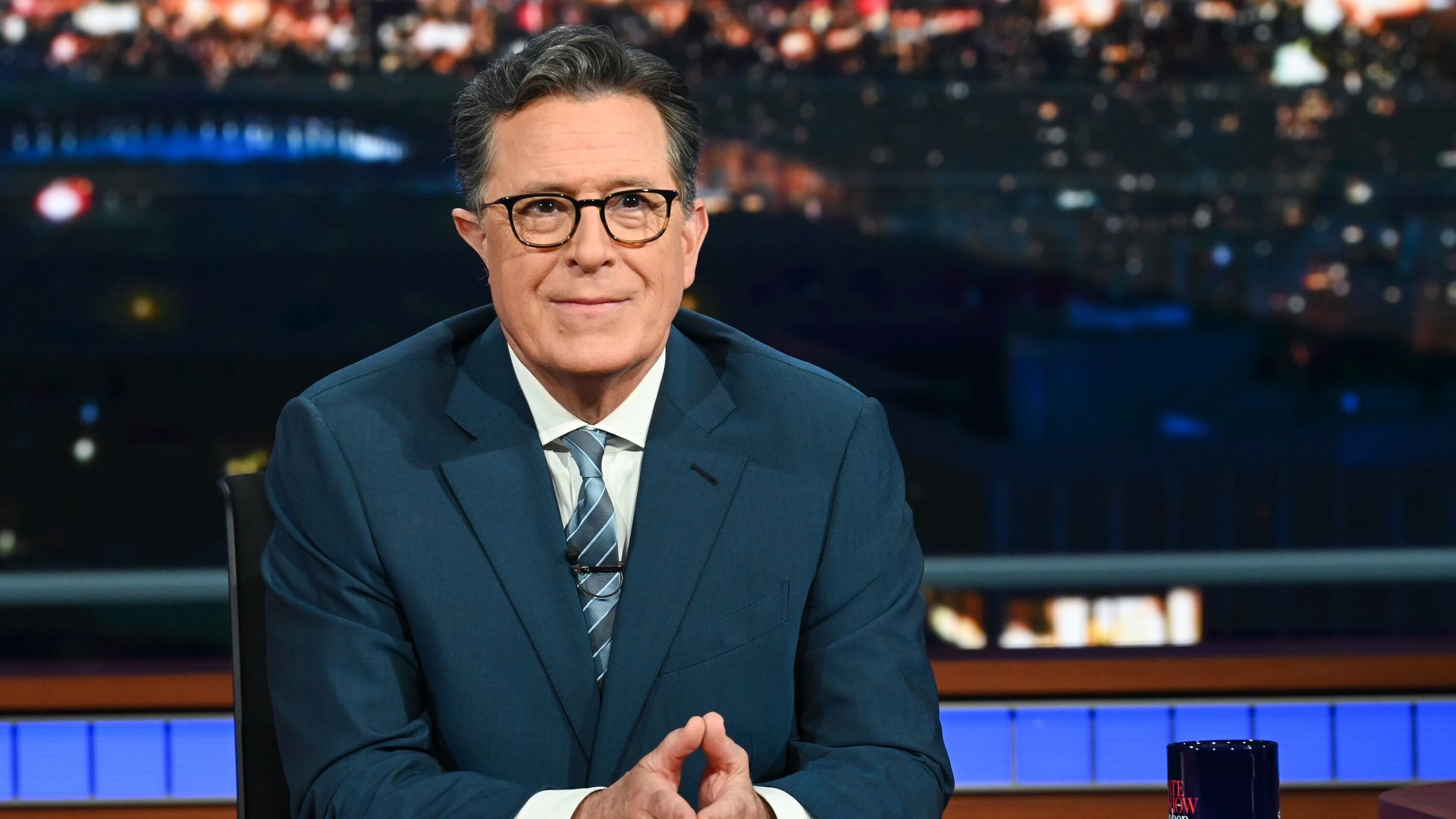
Why it matters: The meeting came two days before CBS abruptly announced that it is canceling "The Late Show with Stephen Colbert" after the next season in May 2026, citing "financial" reasons.
The roughly 250 men deported from the U.S. and detained in El Salvador were returned to their native Venezuela on Friday in exchange for the release of American prisoners.
Driving the news: Ten Americans and an undisclosed number of Venezuelan political prisoners are being freed in exchange for the roughly 250 Venezuelan men who were accused of being members of Tren de Aragua and detained at CECOT, a high-security prison in El Salvador.
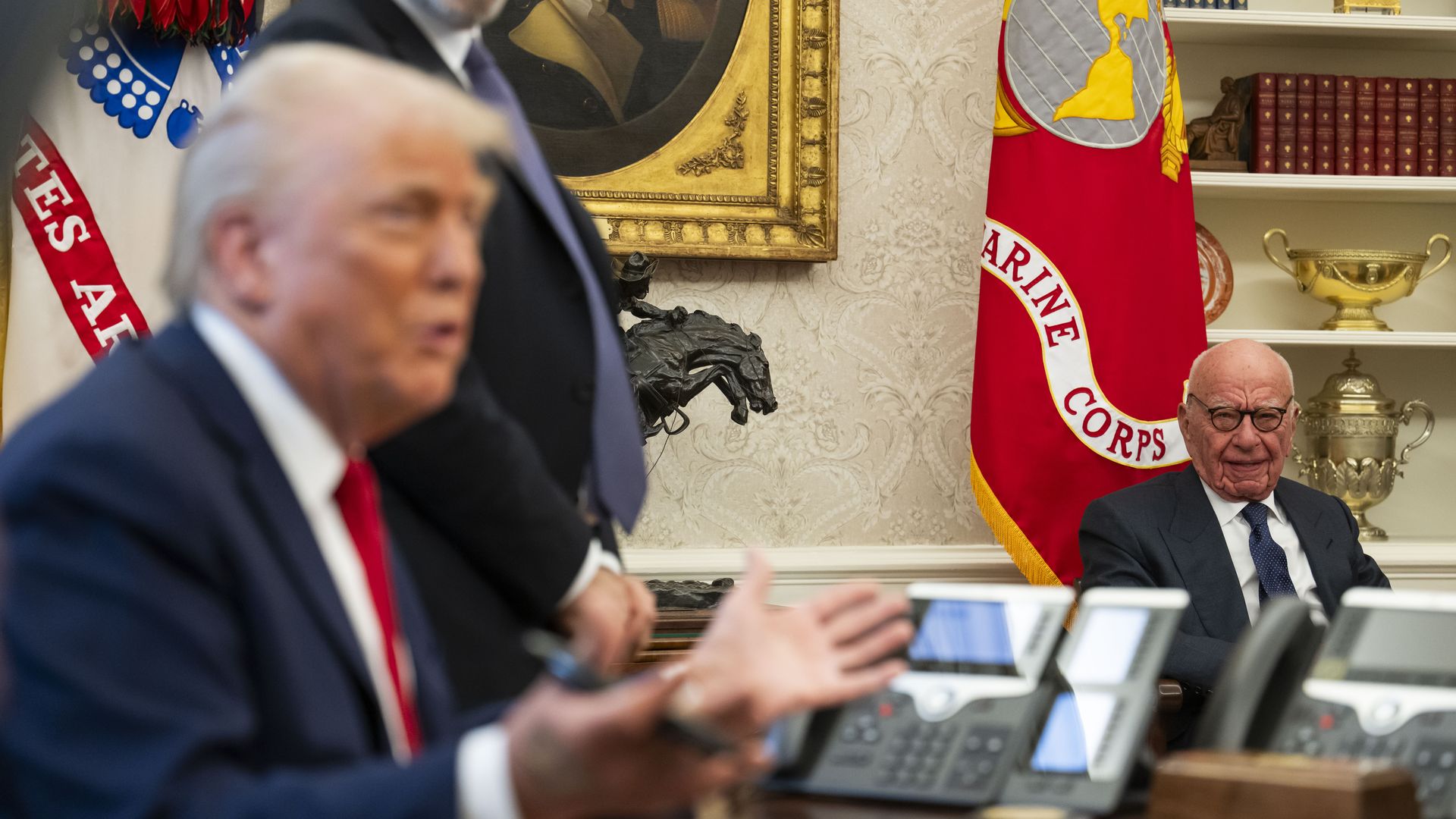
President Trump and Rupert Murdoch's on-again, off-again relationship hit a new wall Thursday after the Murdoch-owned Wall Street Journal reported that a racy birthday letter to Jeffrey Epstein bore Trump's name — despite Trump urging Murdoch to kill the story.
The big picture: The WSJ story appeared at a time when Trump is facing mounting pressure to release additional documents in the Epstein case as the president and Murdoch fight over the conservative media narrative.
Houston Public Media is bracing for the loss of federal funding, which could affect its ability to continue delivering local news and information to Houstonians.
Why it matters: HPM reaches more than 2.7 million people each month across its television, radio and digital platforms.
President Trump took a step Friday toward his goal of giving the crypto industry clear rules of the road when he signed into law legislation establishing a regulatory framework for stablecoin issuers.
Why it matters: The GENIUS Act is the first piece of legislation regulating the cryptocurrency industry to be enacted in the U.S.
SPACs are reaching heights not seen since 2021, despite their reputation as a symptom of an overly frothy market.
Driving the news: 74 blank check companies have gone public via deSPAC transaction, raising about $14.7 billion so far this year, per data from SPAC Insider.
And its been accelerating. 44 SPACs priced in the second quarter, compared to 10 in the same period a year prior.
That puts the market on track to beat its 2022 total, when 86 companies raised $13.4 billion.
Between the lines: There are some notable differences between now and the height of the SPAC boom.
The majority of SPAC sponsors so far this year have had some prior SPAC experience — think Betsy Cohen or Cantor Fitzgerald — with at least 80% having completed a transaction in which they bought a company.
That figure was 56% in 2021, offering an argument that this particular boom being more stable, per SPACInsider.
Yes, but: That doesn't bar the tourists from entering.
What we're watching: The percentage of IPOs that are SPAC listings.
So far this year, SPACs make up a total of 38% of all IPOs. In 2021, it was 64%, per data from SPACInsider.
The bottom line: Investors are hungry for new listings, and the SPACs reputational woes aren't keeping them away.
The big question is if there are $22 billion worth of companies that are willing to go public via SPAC?
While some companies have fared well in public markets following a SPAC merger (Hims was a SPAC deal, and is up 410% since its first day trading), plenty of former SPAC targets have since pivoted to IPOs (Think Circle).
Why it matters: The sweeping law locks in Trump-era tax cuts and rolls out a fresh set of deductions, including tax breaks for tips, overtime pay, car loan interest and seniors.
Chevron's blockbuster, $53 billion acquisition of Hess Corp. is complete after a dispute panel ruled against Exxon in arbitration over Hess assets in a massive oilfield off Guyana's coast.
Why it matters: The International Chamber of Commerce panel's decision enables a pivotal deal for Chevron that had been held up for over a year in a clash with rival titan Exxon.
Halloween fans aren't waiting for fall to shop for the spooky holiday, according to the National Retail Federation.
The NRF has seen the percent of consumers shopping before October increase from 32% in 2014 to 47% last year.
The Summerween concept originated with a 2012 episode of Disney Channel's "Gravity Falls," but has grown in recent years because of social media. (Case in point)
Zoom in: Walmart tells us about 1,000 of its stores have added early Halloween displays, which are quickly gaining a following on TikTok.
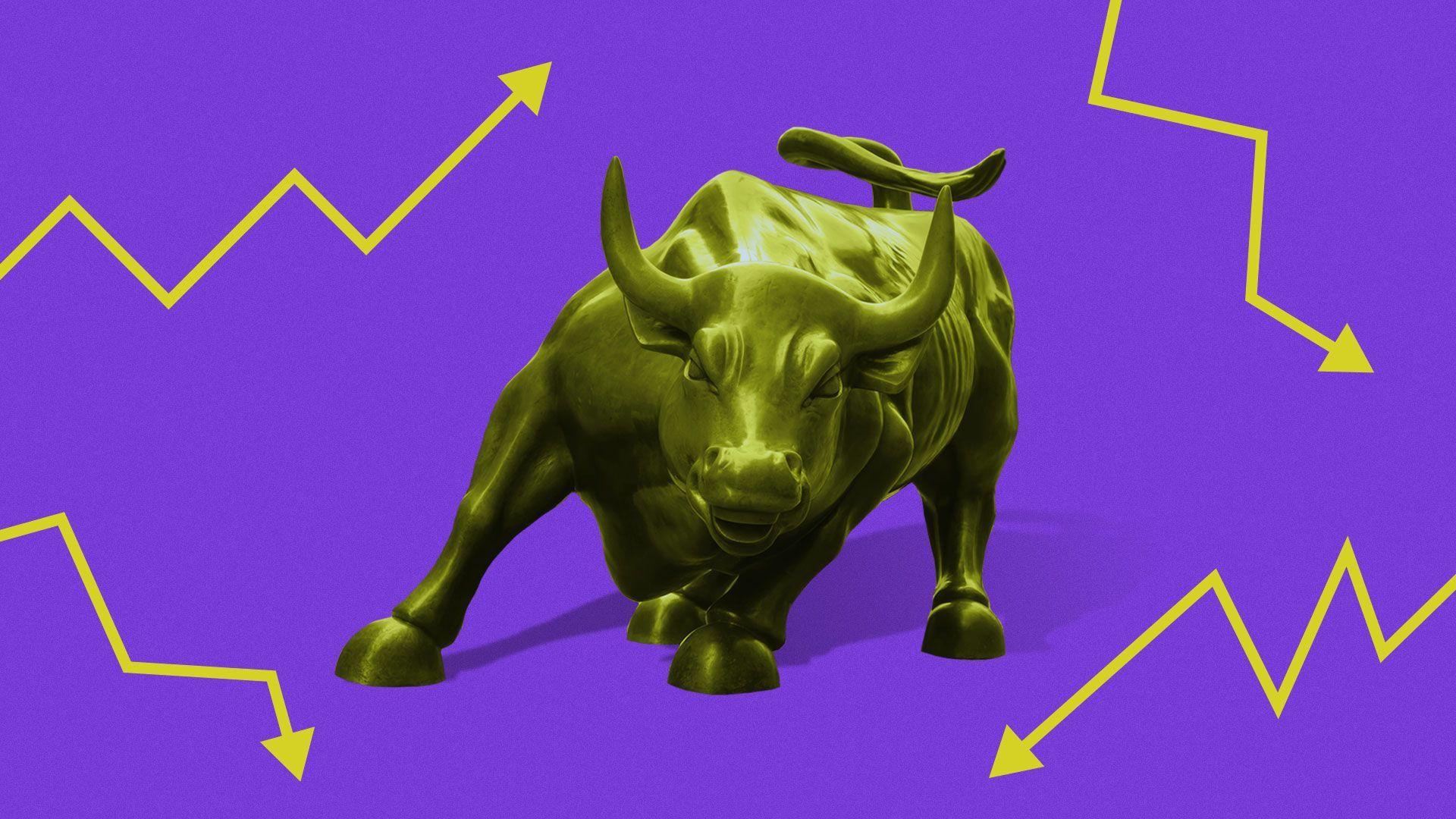
Volatility spiked in the second quarter of 2025, amid record policy uncertainty thanks to tariffs.
Wall Street used this to its advantage, with Goldman Sachs raking in the best trading revenue in history.
Why it matters: The record quarter offers a lesson for investors about not fearing market down days, which are frequently close in proximity to the best market days as well.
Aggressive dip buying is fading for retail investors, according to J.P. Morgan, with new data indicating they're picking up ETFs instead of individual stocks.
Why it matters: Retail investors were good — or got lucky — in April, staying invested when the "smart" money pulled out and missed the start of a huge rally.
Congress on Friday voted to cut nearly $1.1 billion in federal funding for the Corporation for Public Broadcasting, marking a devastating blow for PBS and NPR.
Why it matters: The cuts will have a significant impact on local station groups that rely on federal funding to survive. Many are expected to shutter without it.
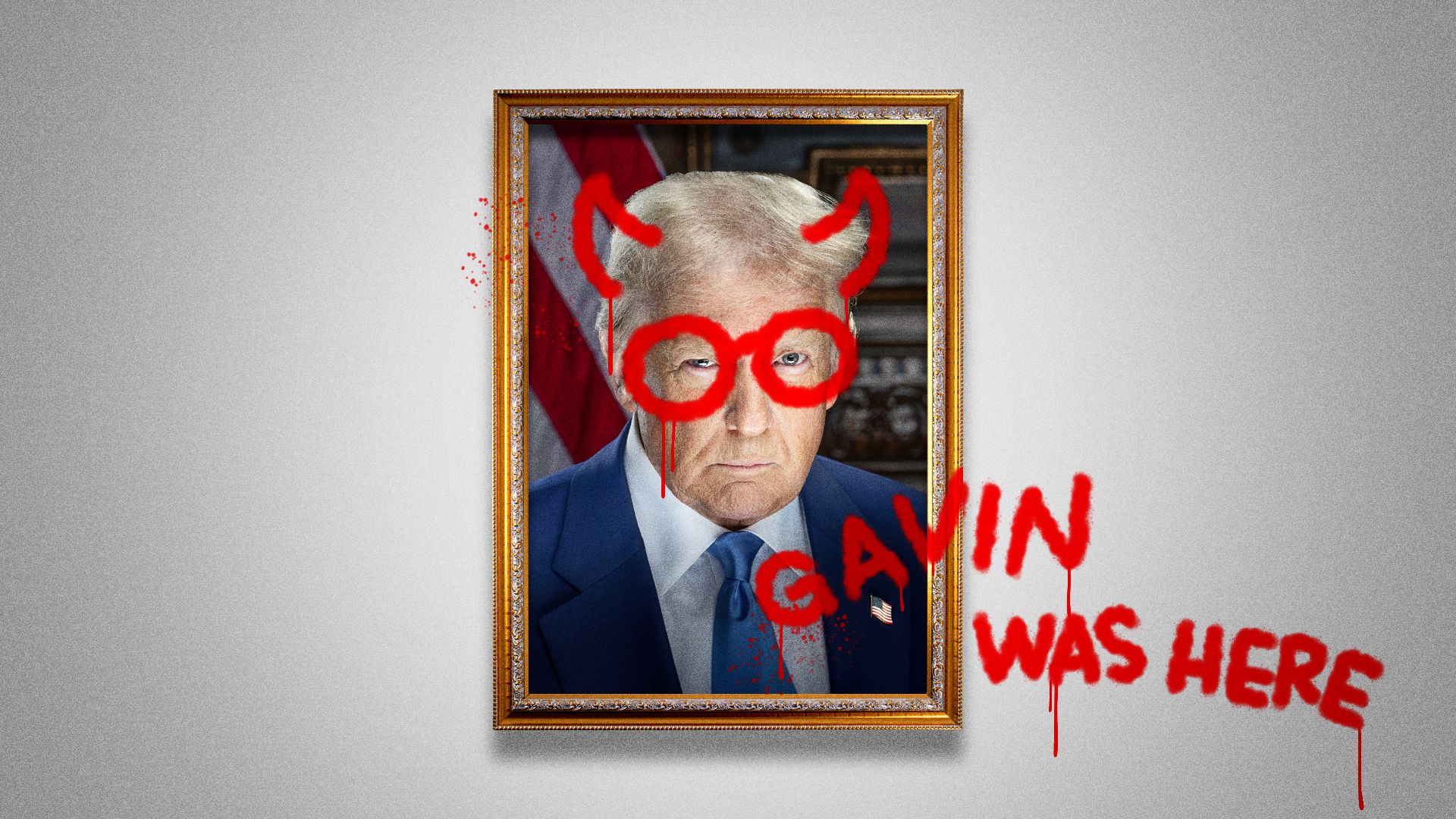
California Gov. Gavin Newsom recently shook up his communications team, and now the outspoken Democrat is turning many of Donald Trump's brash political tactics against the president himself.
Newsom and his team have used online trolling, meme wars, mocking TikTok videos, insults such as "cuck," and even a lawsuit against a media company — in this case, one accusing Fox News of misleading reporting — to create an edgy resistance.
Why it matters: In the lead-up to a potential 2028 presidential campaign, Newsom is essentially acknowledging that many of Trump's tactics are effective — and he's betting they can help Democrats reach more voters in the attention economy.
Getty is working hard to ensure its photographers remain the visual storytellers at the upcoming FIFA World Cup.
Why it matters: "We feel a lot of pressure to overdeliver and not have clients wondering what else is out there," Getty staff sports photographer Carmen Mandato tells Axios.
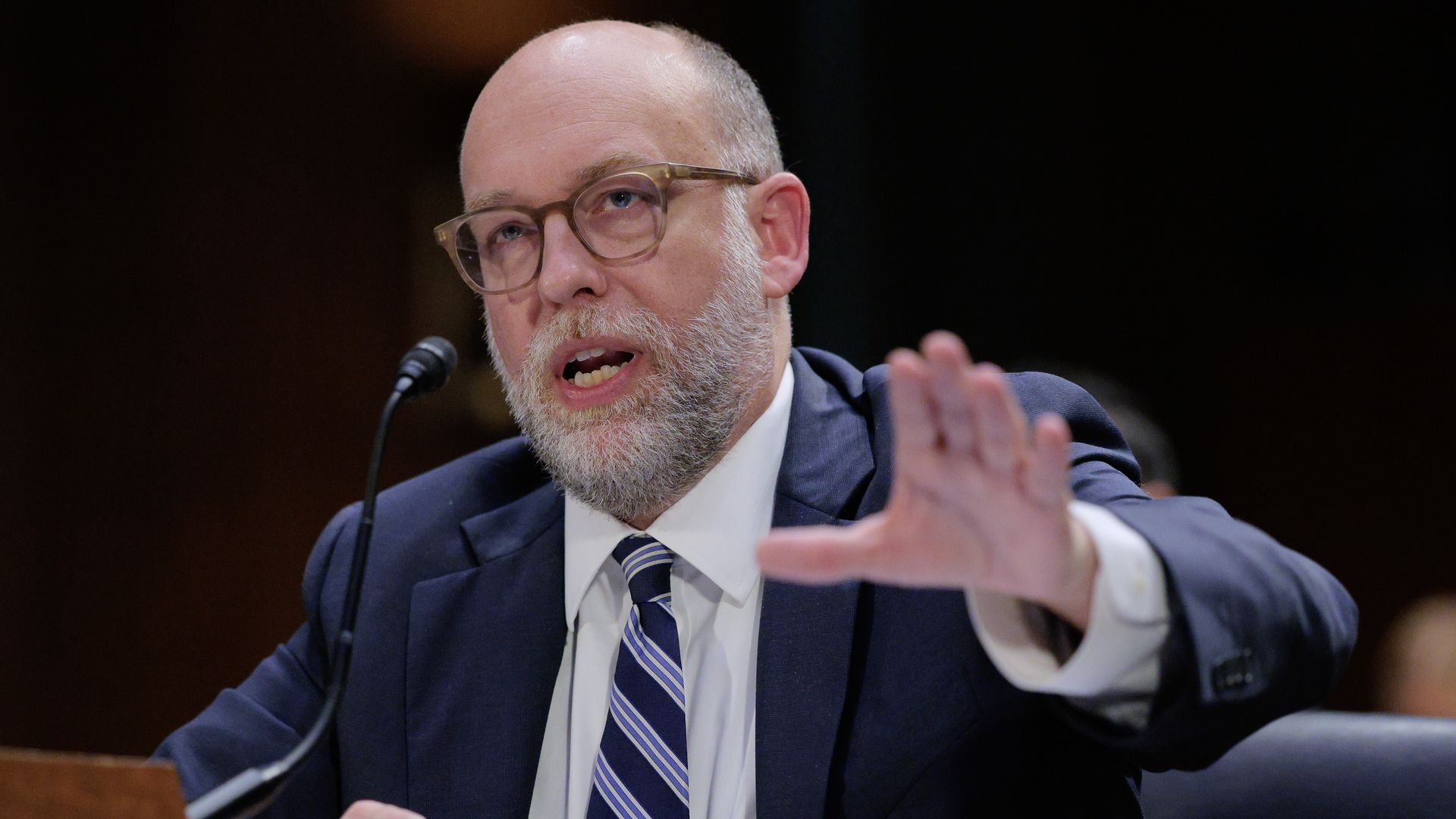
Elon Musk may be gone from the White House, but there's someone far more effective now firming up DOGE's legacy: Russell Vought.
Why it matters: The director of the Office of Management and Budget is helping make DOGE's dreams come through — by clawing back $9 billion in federal funding for the Public Broadcasting Service, National Public Radio and foreign aid.
Late-night comedy shows face a slew of challenges as streaming and hyper-partisan politics put more pressure on traditional networks and comedy, respectively.
Why it matters: Late-night shows used to be the crown jewel of big broadcast. Now, they present more risks.
President Trump threatened to sue the Wall Street Journal over a Thursday story describinga "bawdy" happy-birthday letter bearing Trump's name that the outlet says was given to Jeffrey Epstein.
The latest: Trump said in a Thursday night Truth Social post that he personally warned the WSJ and owner Rupert Murdoch "that the supposed letter" was "a FAKE and, if they print it, they will be sued. Mr. Murdoch stated that he would take care of it but, obviously, did not have the power to do so."
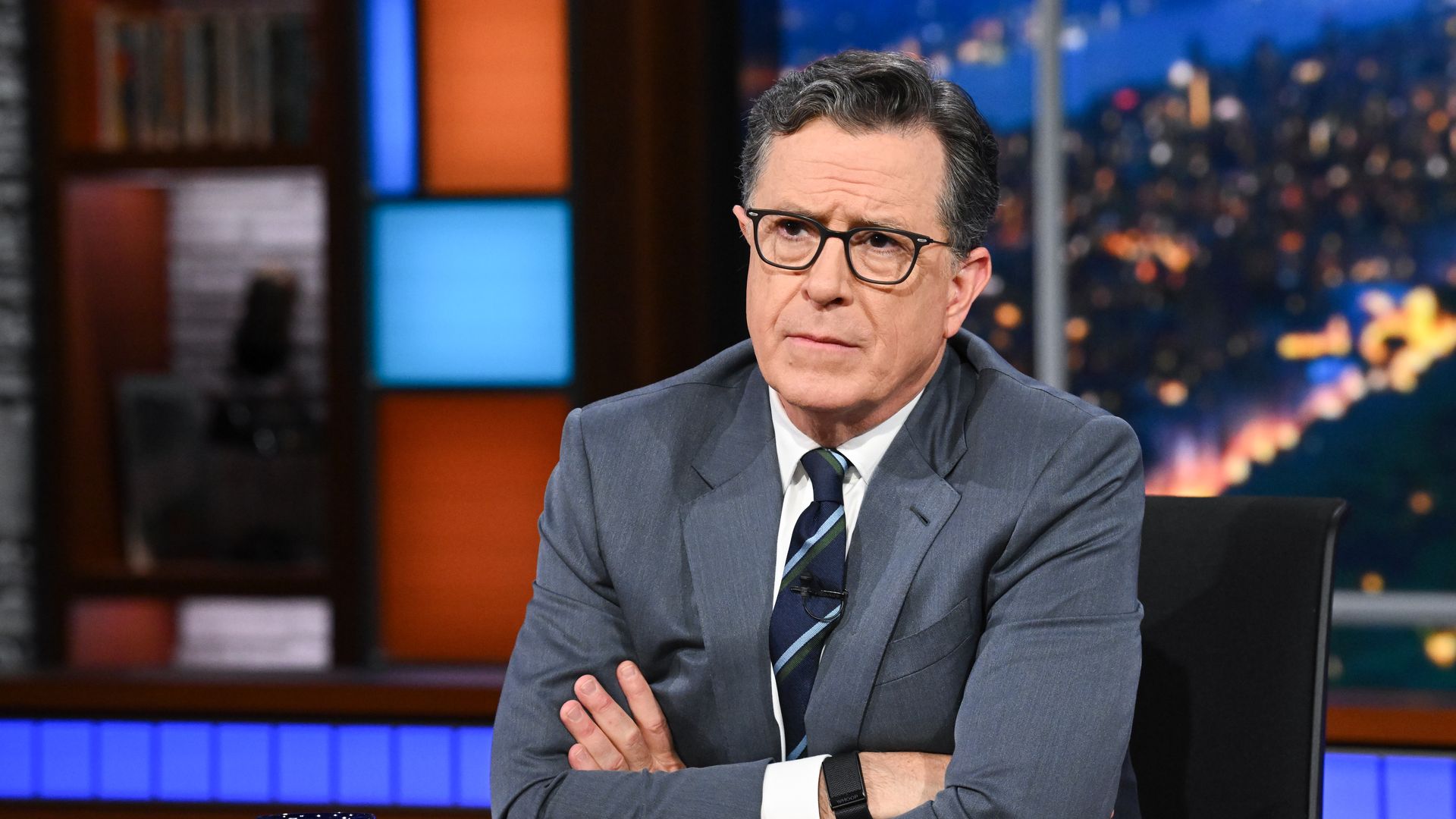
CBS is canceling "The Late Show With Stephen Colbert" after the next season, the network announced Thursday.
The big picture: The iconic late-night show that comedian Stephen Colbert has hosted for a decade and that has been around for 32 years will end in May 2026 in what was "purely a financial decision," the network said.