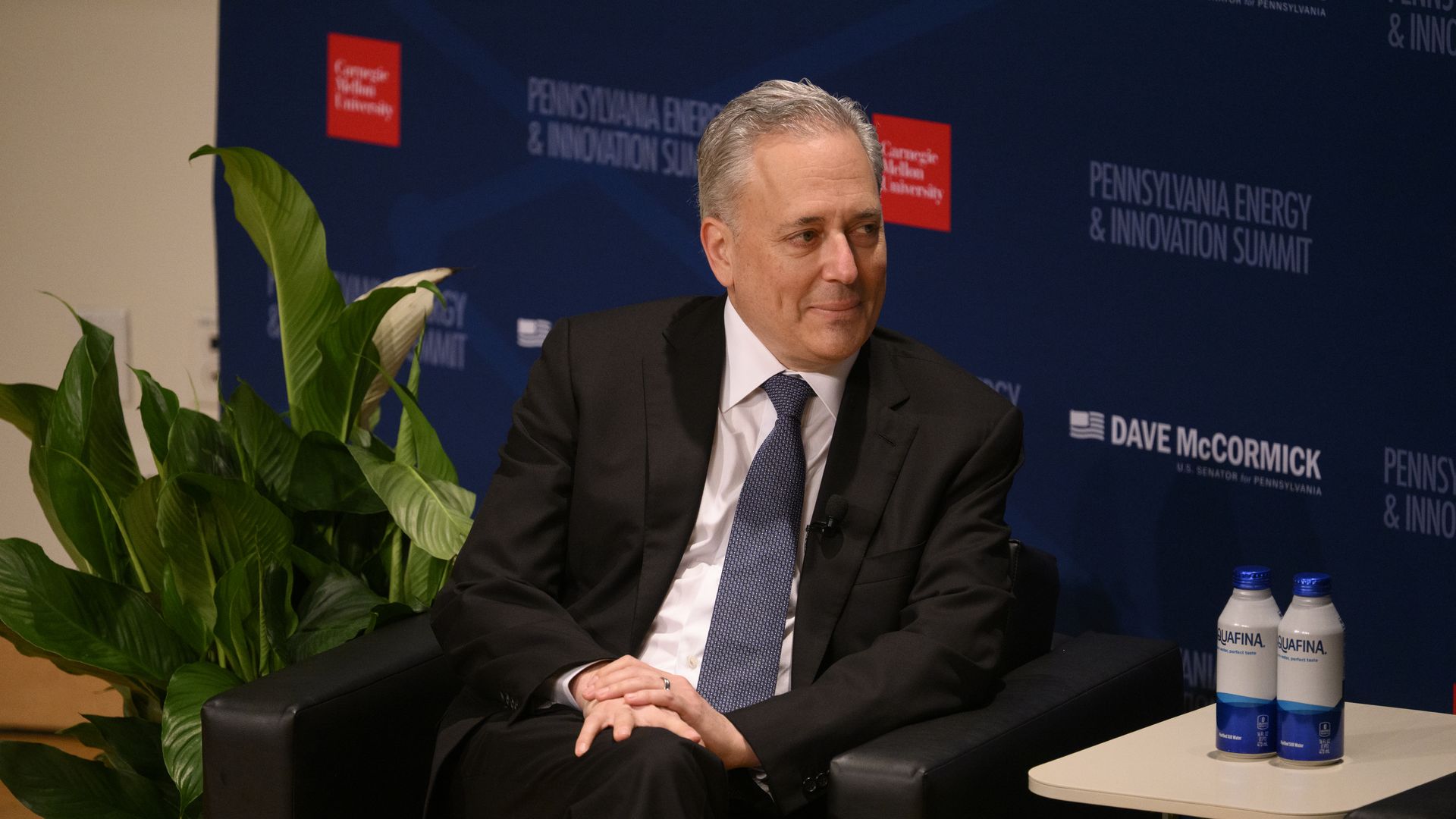
Federal Reserve chair Jerome Powell responded to a pointed letter from the Trump administration on Thursday, offering the central bank's strongest defense to date in attacks over its building renovations.
Why it matters: The letter comes as President Trump denies he will attempt to fire Powell.
It could be a massive unforced error, if history's any guide.
Why it matters: 40 years ago this year, the Coca-Cola Co. changed its flagship recipe, swapping in its tried-and-true drink for New Coke, and consumers rebelled.
The House passed legislation Thursday establishing the first-ever regulatory framework for issuers of stablecoins, sending the landmark GENIUS Act to President Trump for his signature.
Why it matters: The GENIUS Act is set to be the first cryptocurrency bill signed into law after it cleared both chambers of Congress, an institution that is notoriously slow to respond to emerging technologies.
The House on Thursday passed legislation to establish the first comprehensive set of rules for the cryptocurrency industry.
Why it matters: It's an initial legislative win for cryptocurrency backers and a major step toward offering long-awaited guidance to an industry often compared to the Wild West.
Substack, the email newsletter platform, has raised $100 million in a Series C round, bringing its total valuation to more than $1.1 billion, a source confirmed to Axios.
Why it matters: Its lofty valuation speaks to investor enthusiasm around the creator economy.
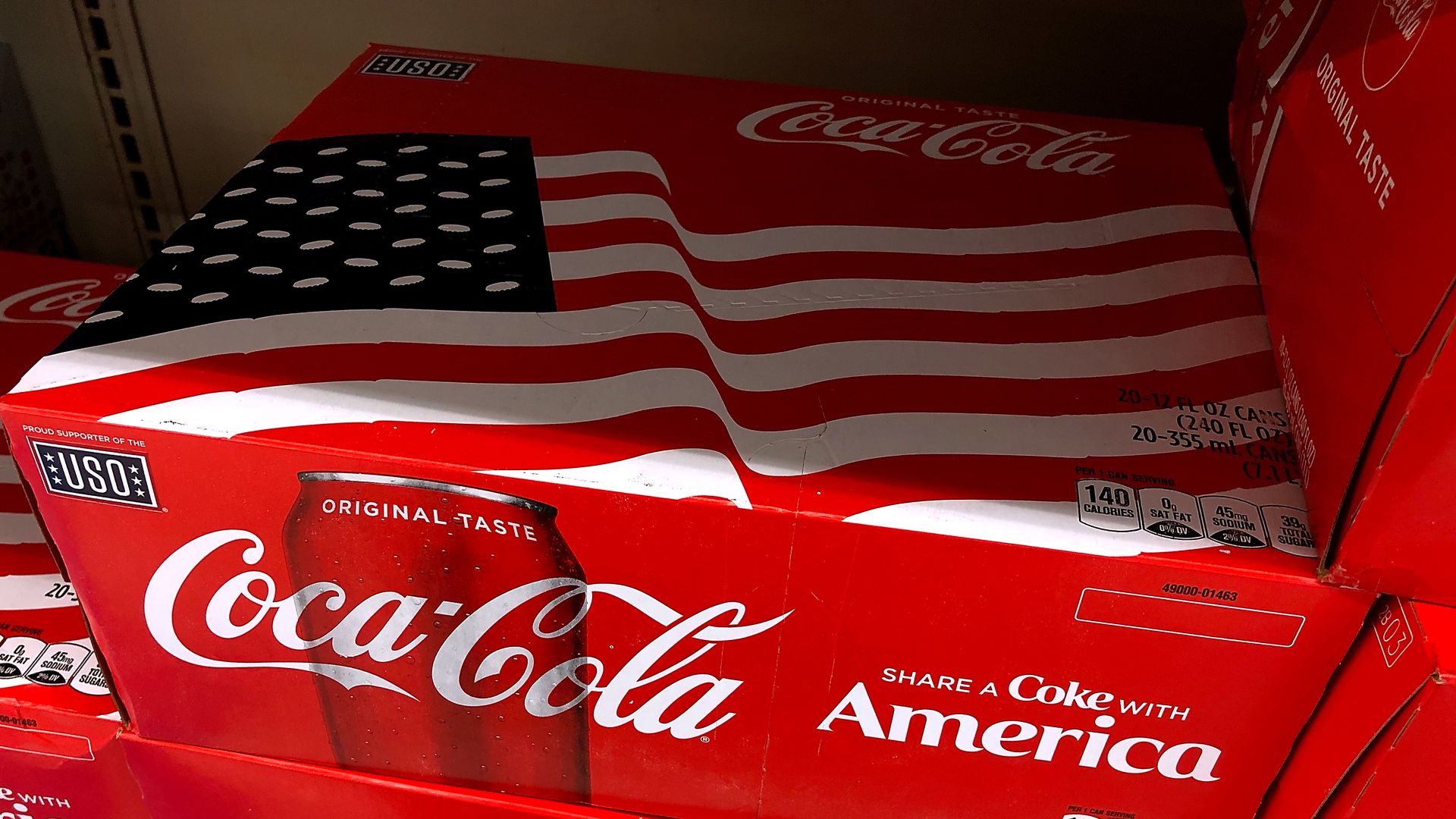
President Trump's push to switch the sweetener in Coke to cane sugar could cost thousands of U.S. jobs, an influential corn industry group said.
Why it matters: A can of soda just became a minor political crisis, adding to a White House pile that includes the Jeffrey Epstein controversy, drama at the Federal Reserve, and a near-boiling trade war.
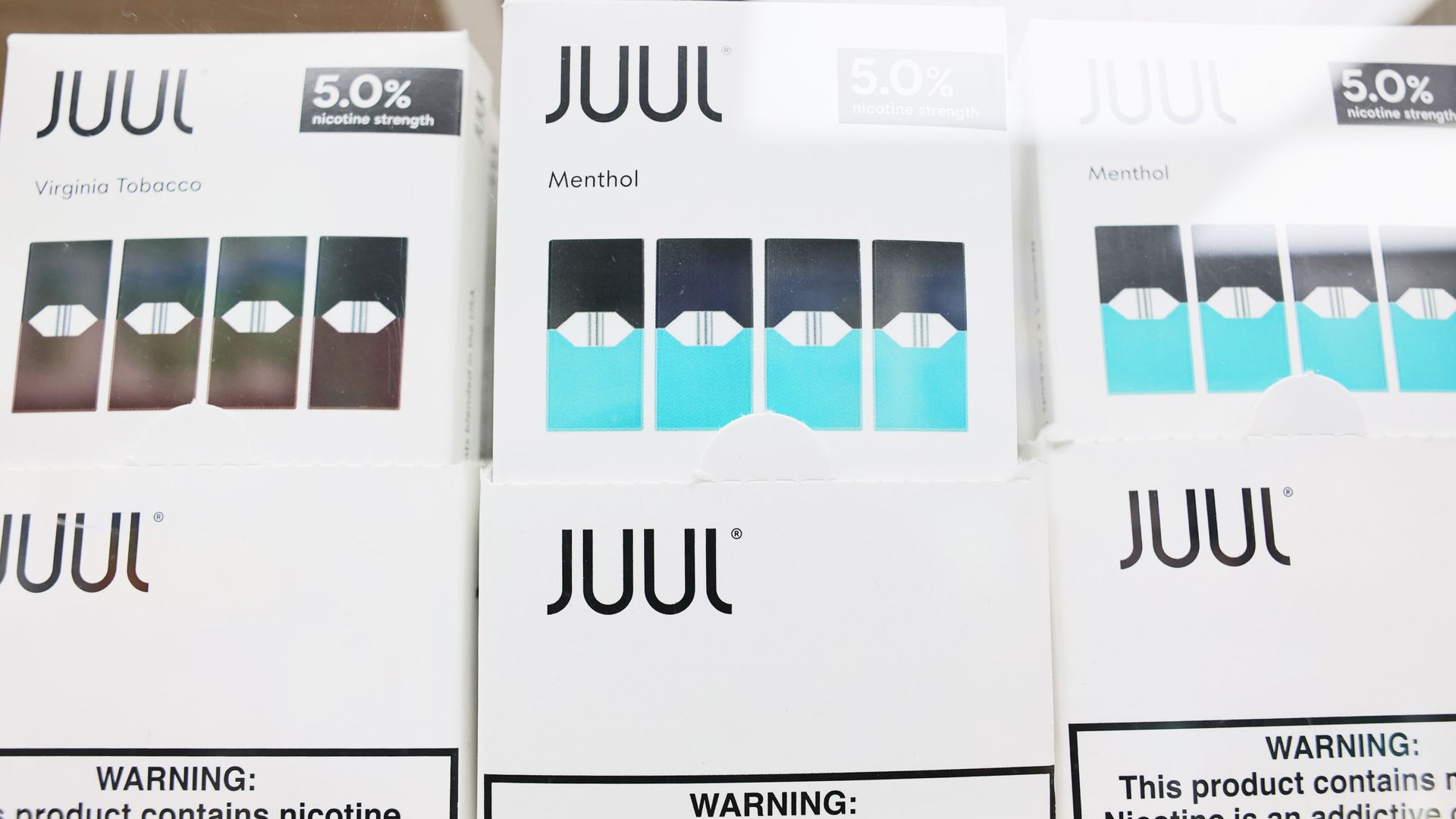
Juul Labs has won the government's authorization to keep its signature e-cigarettes on the U.S. market.
Why it matters: The vaping company was once facing a federal ban under the Biden administration — which was quickly suspended, and later rescinded, but nonetheless put its future in doubt.
OpenAI says its new ChatGPT Agent, introduced Thursday, is capable of starting and finishing complex web and computing tasks independently.
Why it matters: Agents are a buzzy concept in AI right now, but exactly what they can do in real-world settings without humans is just beginning to come into view.
From left: Andrew Schulz, Shane Gillis and Theo Von. Photos: Emma McIntyre/Getty Images for Netflix; Kevin Winter/Getty Images; Arturo Holmes/Peacock via Getty Images
The MAGA backlash from the Jeffrey Epstein saga is spilling into a niche but influential corner of President Trump's coalition: the "manosphere."
Why it matters: Anti-establishment comedians and podcasters like Joe Rogan, Theo Von and Andrew Schulz were widely credited with expanding Trump's support among young men in the 2024 election.
Longtime Meta executive Connor Hayes has been named head of Threads, Axios has learned, marking a significant milestone for the two-year old product.
Why it matters: Instagram head Adam Mosseri has overseen Threads since its inception, but as the app has grown, so too has its need for a leader solely focused on its future.
As part of its 30th anniversary campaign, Yahoo brought together more than 200 alumni for a happy hour last month at Cannes Lions.
Why it matters: It was a moment to toast to Yahoo's strong employer brand, its past successes and where the company is going next.
The big picture: Providing a sense of comfort during chaotic times is a winning strategy for brands, with many tapping into nostalgia. (More on that in a future newsletter.)
What they're saying: "Being a tech company and having staying power for 30 years is quite the feat, especially given the rapid rate of innovation," chief communications officer Sona Iliffe-Moon said during a roundtable event in Cannes.
Nairi Hourdajian serves as chief communications officer at the collaborative design software company, Figma.
Why it matters: Figma recently filed to go public, becoming the first U.S. unicorn to break the dam for post-Labor Day IPOs, Axios' Dan Primack points out.
Pinterest just brewed up one of its biggest creator collaborations yet — and it was born out of the communications team, not brand partnerships.
Why it matters: Communication and marketing teams are known to butt heads over creator partnerships, with one side focused on pushing the boundaries for cultural relevance and the other mitigating risk.
Public relations professionals and their clients are the latest targets for online phishing attempts, with bad actors pretending to be members of the media.
Why it matters: Eager PR reps, company executives and brand ambassadors are highly susceptible to these sort of scams. Plus, AI has made phishing increasingly sophisticated in recent months.
Retail spending rebounded in June after a pullback in late spring, the Commerce Department said on Thursday.
Why it matters: Consumers ramped up spending more than economists anticipated, a sign of resiliency among American shoppers despite concerns that President Trump's tariffs are weighing on the economy.
Uber is adding Lucid electric vehicles equipped with Nuro's self-driving technology to its growing robotaxi network, and is buying a stake in both companies.
Why it matters: The deal is important to all three partners.
If President Trump fires Federal Reserve chair Jerome Powell, it would likely bring a period of short-term market volatility — along with higher long-term borrowing costs, as the Fed would be viewed as more subject to a president's whims.
The big picture: Trump appears to be itching to push out the Fed chief he originally appointed, perhaps by claiming that an over-budget building renovation constitutes legal cause.
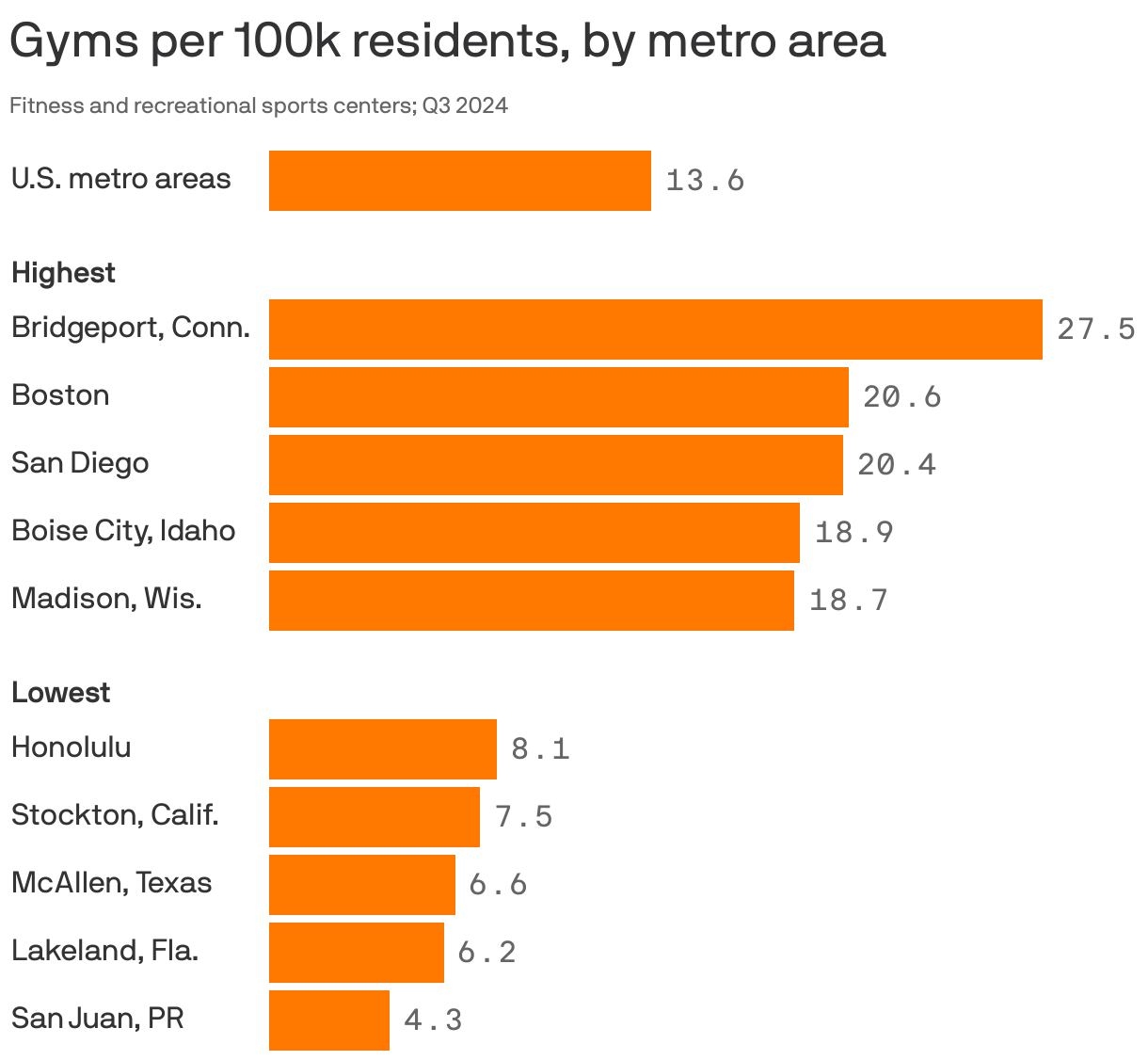
Data: Bureau of Labor Statistics; Note: Among metro areas with at least 500,000 residents and sufficient data; Chart: Axios Visuals
Bridgeport, Connecticut; Boston; and San Diego have the most gyms per 100,000 residents among big U.S. metro areas, per government data.
Why it matters: Gyms offer city dwellers a way to get and stay healthy, and can serve as excellent "third places" — a spot to hang out and connect outside home or work.
Elon Musk's xAI, even more than rival AI startup leaders like OpenAI and Anthropic, is a cash incinerator — and despite the company's soaring valuations, it has little prospect of building significant revenue, let alone profit.
Yes, but: There's one niche of a future AI business ecosystem that xAI fits perfectly. It could end up as the Fox News of the AI infosphere — a right-skewed source of truth for those who view mainstream alternatives as too "woke."
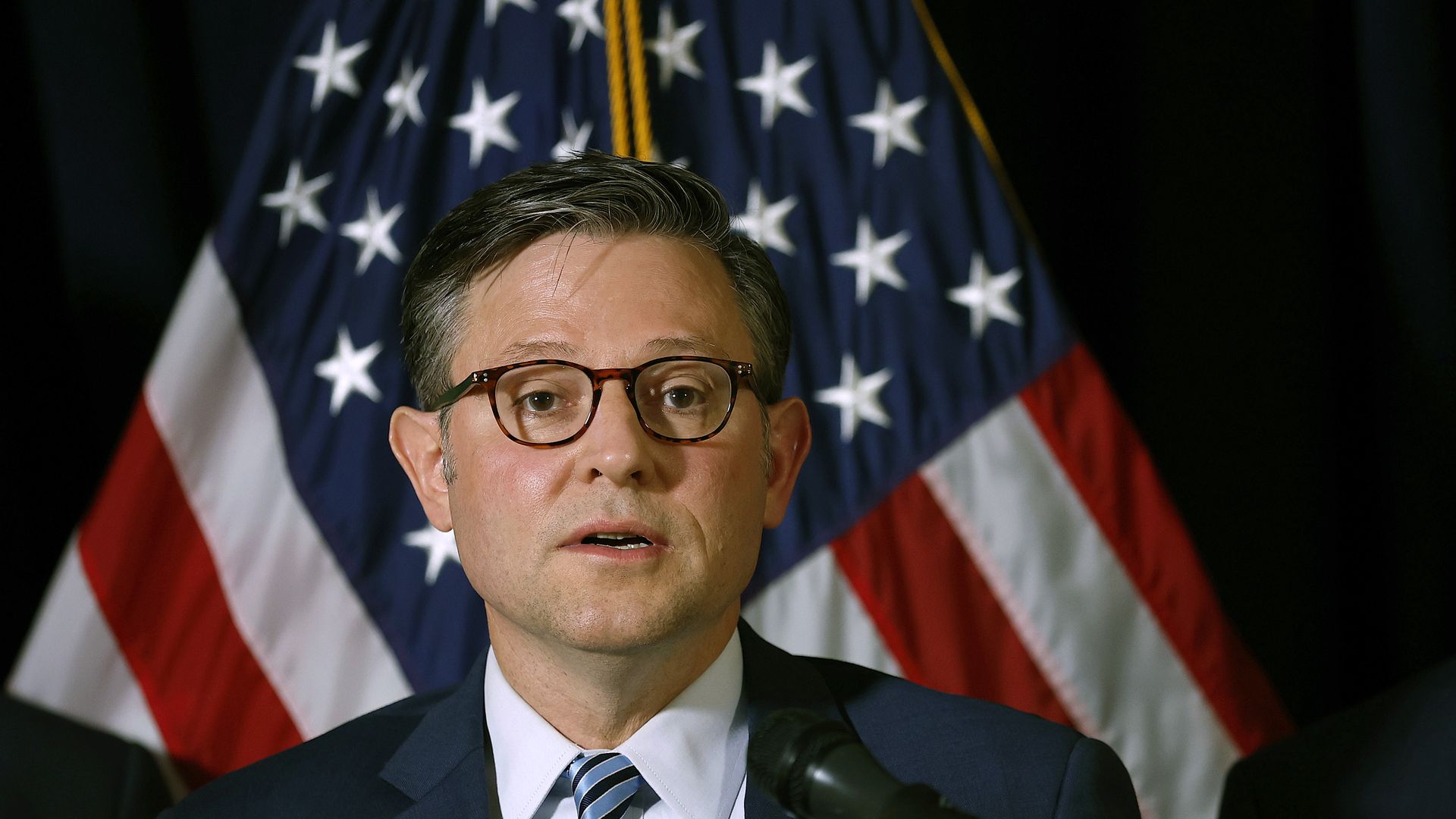
The House voted late Wednesday to take up a bill establishing a regulatory framework for stablecoin issuers, after a record-breaking session that involved intense negotiations to quell a rebellion from hardliners.
Why it matters: The vote puts the GENIUS Act on a glide path to Trump's desk this week for his signature.