How the Dowd YMCA became Charlotte's favorite third place

Add Axios as your preferred source to
see more of our stories on Google.
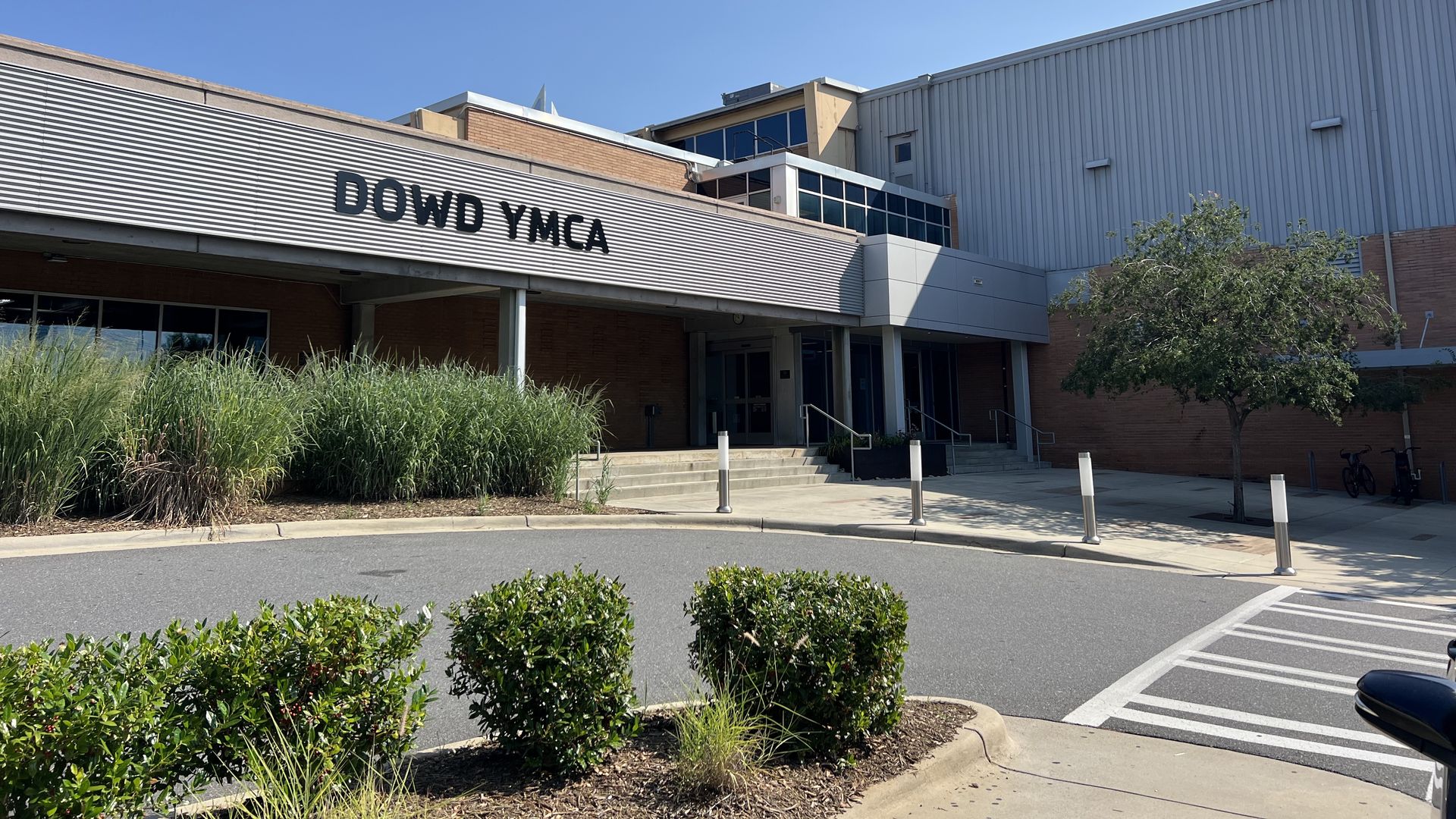
The Dowd YMCA's main entrance. Photo: McKenzie Rankin/Axios
One of the hottest third places in Charlotte isn't a trendy coffee shop or exclusive social club. It's the YMCA. The Dowd YMCA, specifically.
Why it matters: The typical YMCA might conjure up images of an older crowd or a place for child care while parents work out. But the Dowd, which opened in 1960 and now welcomes nearly 3,000 members a day — most under 45 — breaks that mold.
The big picture: Since its beginnings as a men-only fitness center and affordable housing site, the Dowd YMCA has seen over six decades of change, from desegregation and the inclusion of women to the rise of modern fitness culture.
Driving the news: The YMCA of Greater Charlotte, a network of 14 member branches, marked its 150th anniversary in November.
- We're taking a closer look at the rich history of the Dowd YMCA, Charlotte's busiest branch, and what's helped turn this flagship gym on the edge of Dilworth into one of the city's most iconic fitness centers.
The YMCA's origins
Context: The YMCA, short for Young Men's Christian Association, began in London in 1844 as a refuge for men working in harsh conditions during the Industrial Revolution.
- It served as a place for lodging, Bible study and community.
- Branches soon popped up across the U.K. By 1851, the first U.S. location opened in Boston.
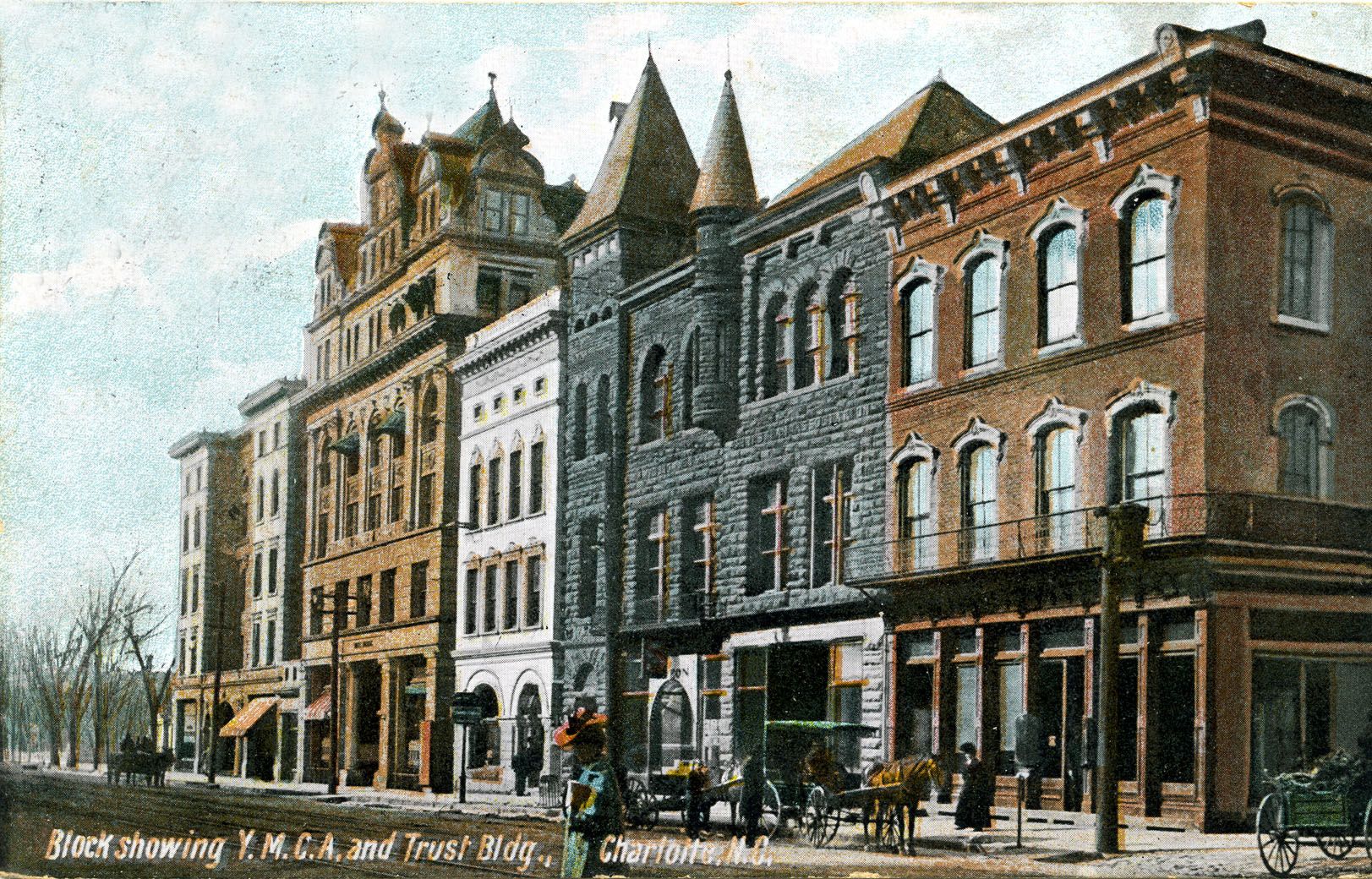
Zoom in: A group of 23 men formed Charlotte's first YMCA on November 11, 1874, in a rented hall above the Wadsworth Livery Stable in Uptown.
- In 1888, the YMCA opened its first permanent building at 206 South Tryon St. — a first of its kind in Charlotte, complete with temporary residencies, the state's first indoor pool and classes from math to electrical wiring.
The Dowd's beginnings
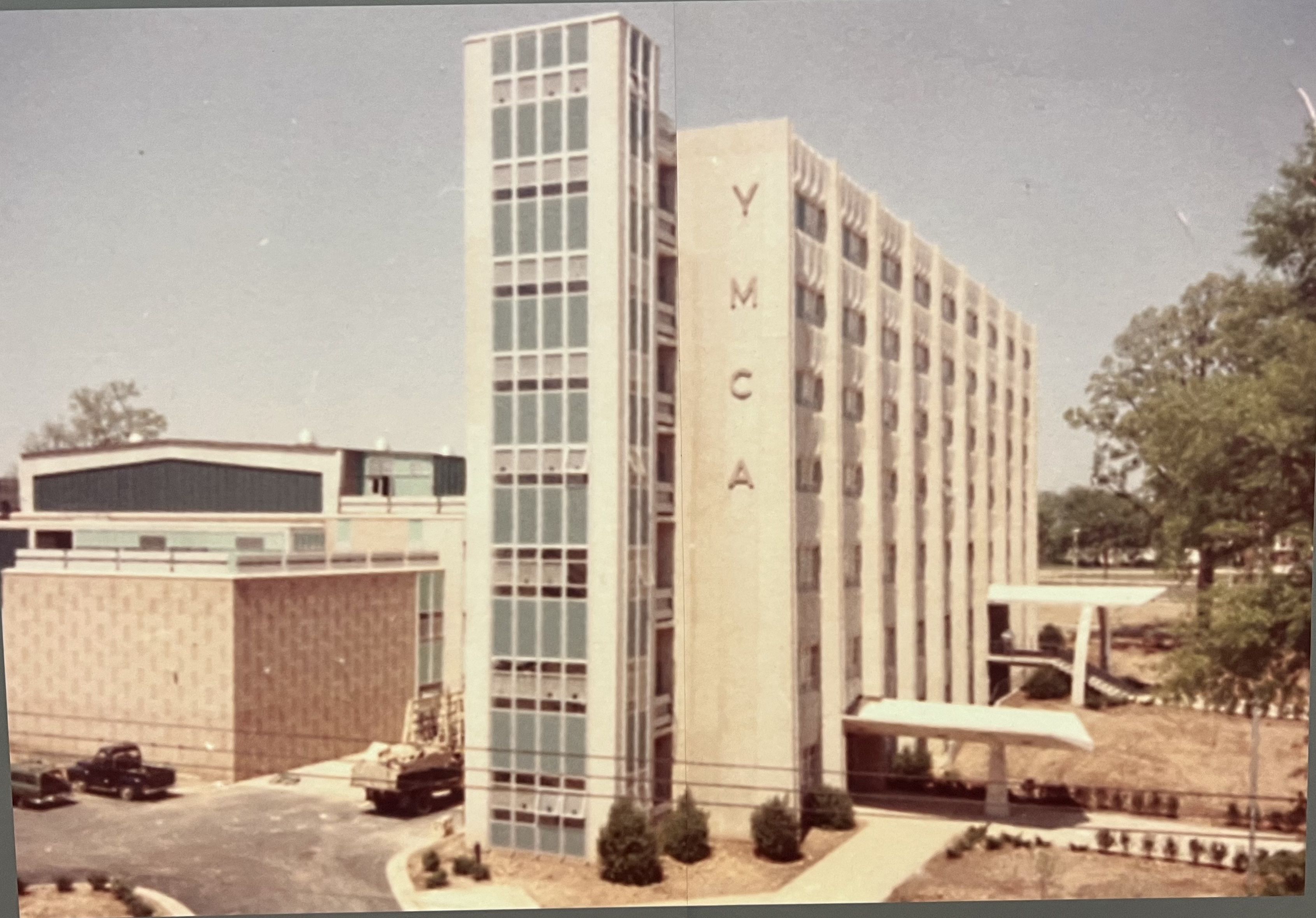
The YMCA expanded through Mecklenburg County, and in 1960, the Dowd YMCA opened on Morehead Street as its flagship.
- It was backed by Charlotte businessman W. Frank Dowd Sr., who chaired the building committee. His father, Willis Frank Dowd, founder of Charlotte Pipe and Foundry and a YMCA board chair in 1887, helped establish the family's longtime ties to the organization.
- The Dowd became a powerful networking place for young men.
What they're saying: "If you were a young man who came to Charlotte, the first thing that people would advise you to do would be to join the YMCA," says Charlotte historian Pamela Grundy, who has documented YMCA history through years of interviews and commissioned research.
- "It was really a way to mix and mingle with the people who were running the city."
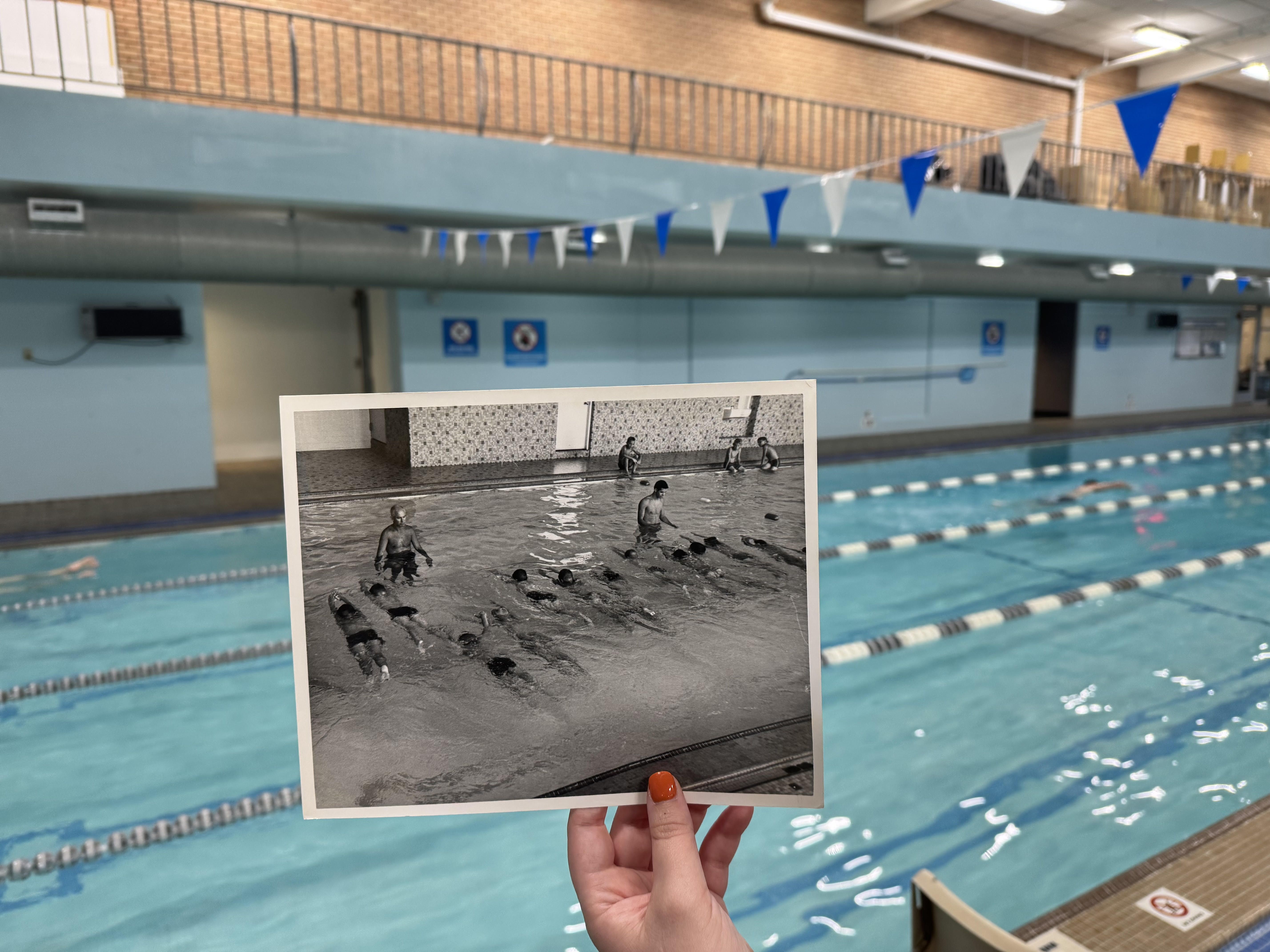
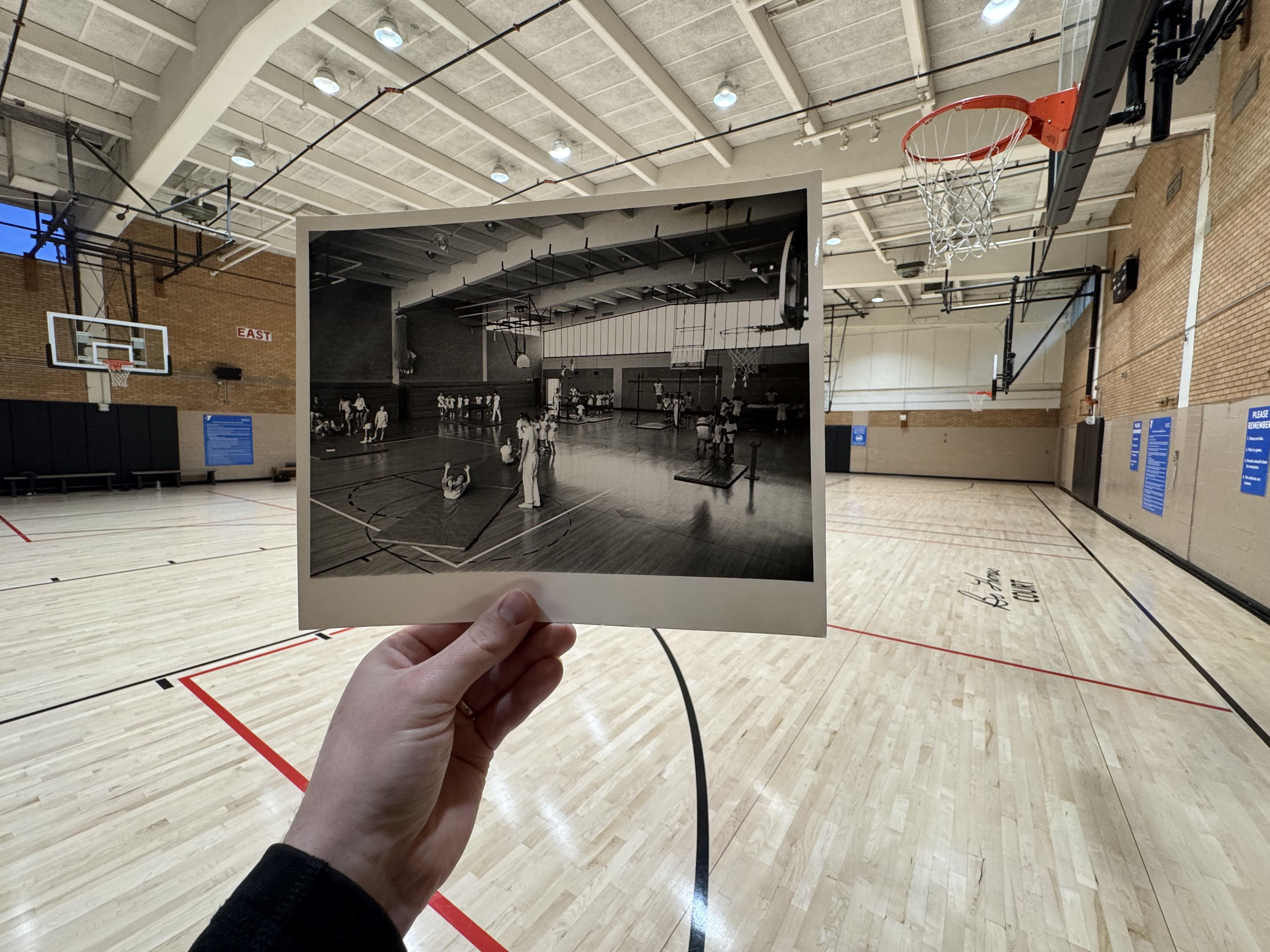
Between the lines: When the Dowd opened, Charlotte YMCAs, like much of America, were segregated.
- Charlotte's Black YMCA was the original McCrorey Y, located in the historic Brooklyn neighborhood, Grundy says. The building still stands today at South Caldwell and East Third streets.
- Reginald Hawkins, a Charlotte dentist and prominent civil rights activist, was a driving force behind the desegregation of the city's YMCAs.
- In 1962, he became the first Black man to apply for membership at the Dowd. After years of board stalling, he filed a civil rights complaint in 1964. By March 1965, Charlotte's YMCAs officially desegregated, according to Grundy.
- Women weren't permitted until the mid-1970s. In 1976, Mildred Gwinn, a nationally ranked racquetball player, became the first woman admitted to the Dowd after filing a gender discrimination complaint.
Flashback: Before the Dowd broke ground in 1959, the site was home to the North Carolina Military Institute, which opened in 1859 and was later used by the Charlotte public school system. It was torn down in the 1950s.
The Dowd's rise
I spoke with the Dowd YMCA's current executive director Haley Etz and former director Joe Angelon, now SVP of operations, about how the branch has evolved over six and a half decades.
Like many YMCAs, the Dowd once provided temporary and long-term housing for men.
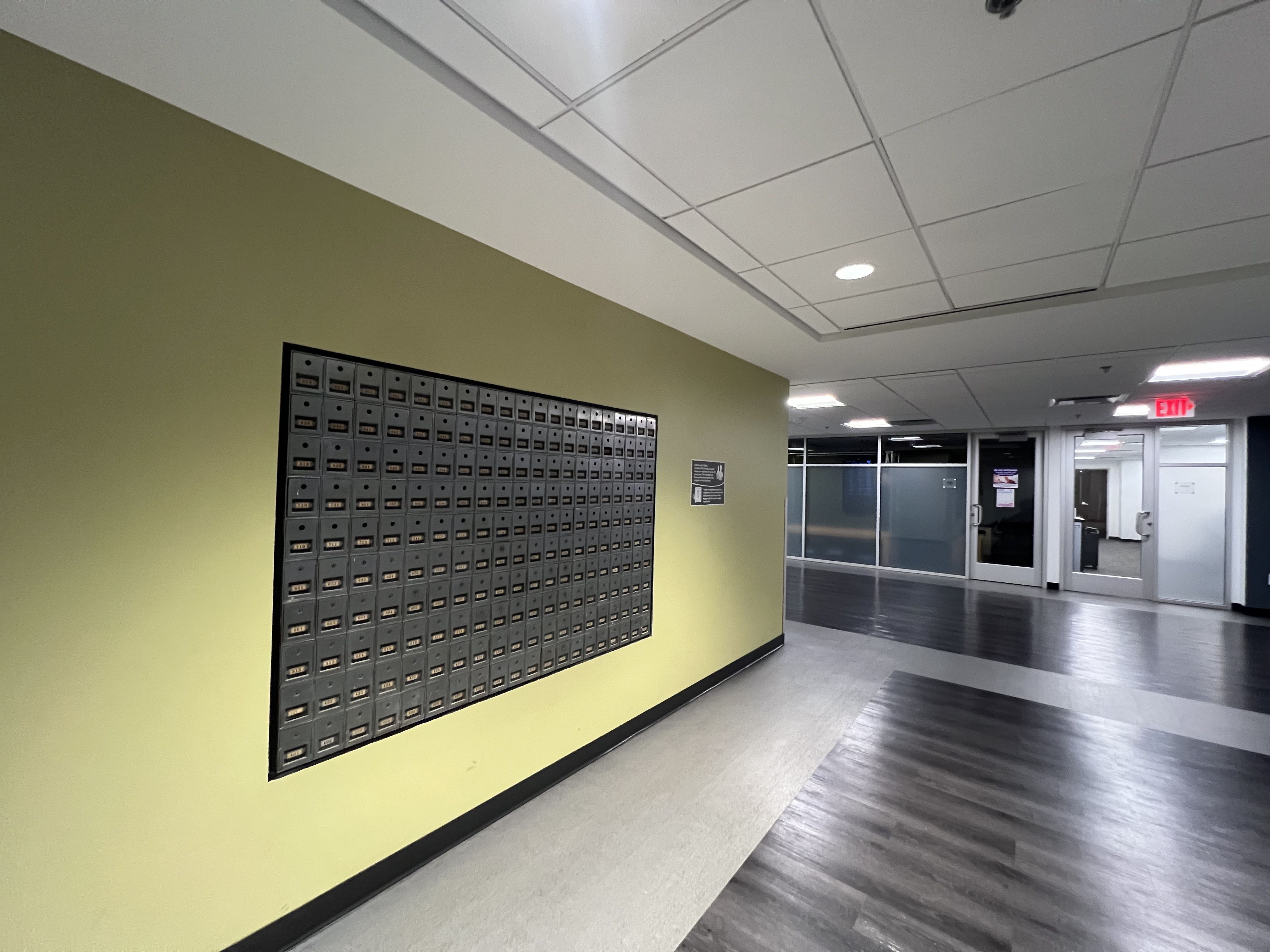
- A portion of the fifth floor, now used as office space, provided lodging for around 425 residents, until the mid-1990s. Stays started at 25 cents per night or $12 per year, according to Etz.
- The second-floor lobby housed a full-service kitchen, which remains there today, though hidden due to ongoing renovations.
The YMCA's role in networking and fitness evolved in the 1970s. "In the 70s, this fitness craze hit," says Grundy. That pushed the Y more toward being a fitness-based organization.
- Throughout the 1970s, '80s, and '90s, the Dowd served primarily as a neighborhood gym for Dilworth families and a popular gathering spot for local runners, says Franklin Keathley, former president of the Dilworth Community Association.
- As Dilworth and nearby South End expanded, so did the Dowd.
The renovation
Between 2016 and 2019, The Dowd underwent a $29 million renovation and 40,000-square-foot expansion, adding many of the features it's known for today and bringing the facility's total size to roughly 180,000 square feet.
- Funded primarily through donor contributions, the three-year project prioritized the addition of a 383-space parking deck.
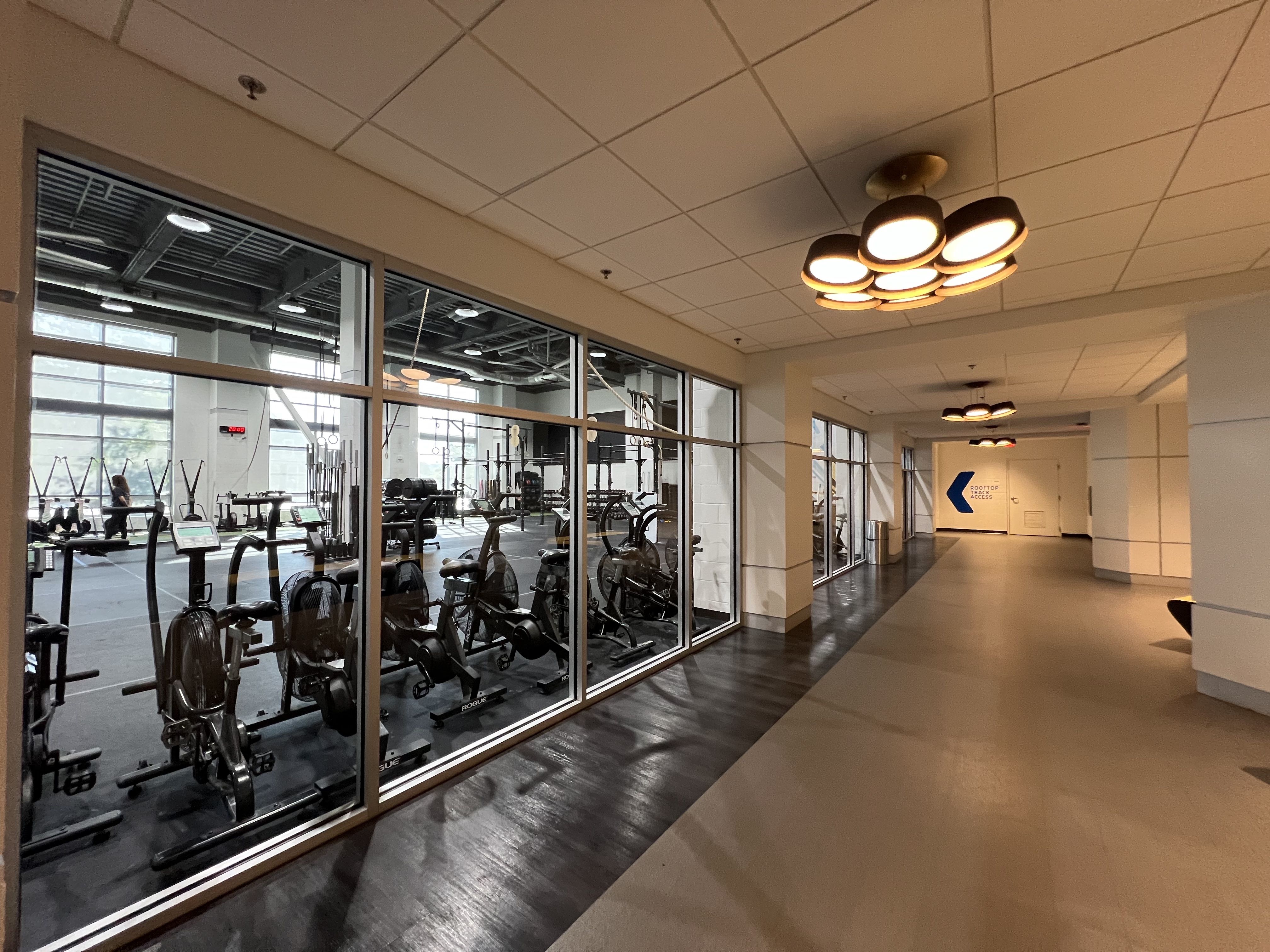
- The expansion also introduced three new studios — including yoga, barre and Sports Performance (CrossFit).
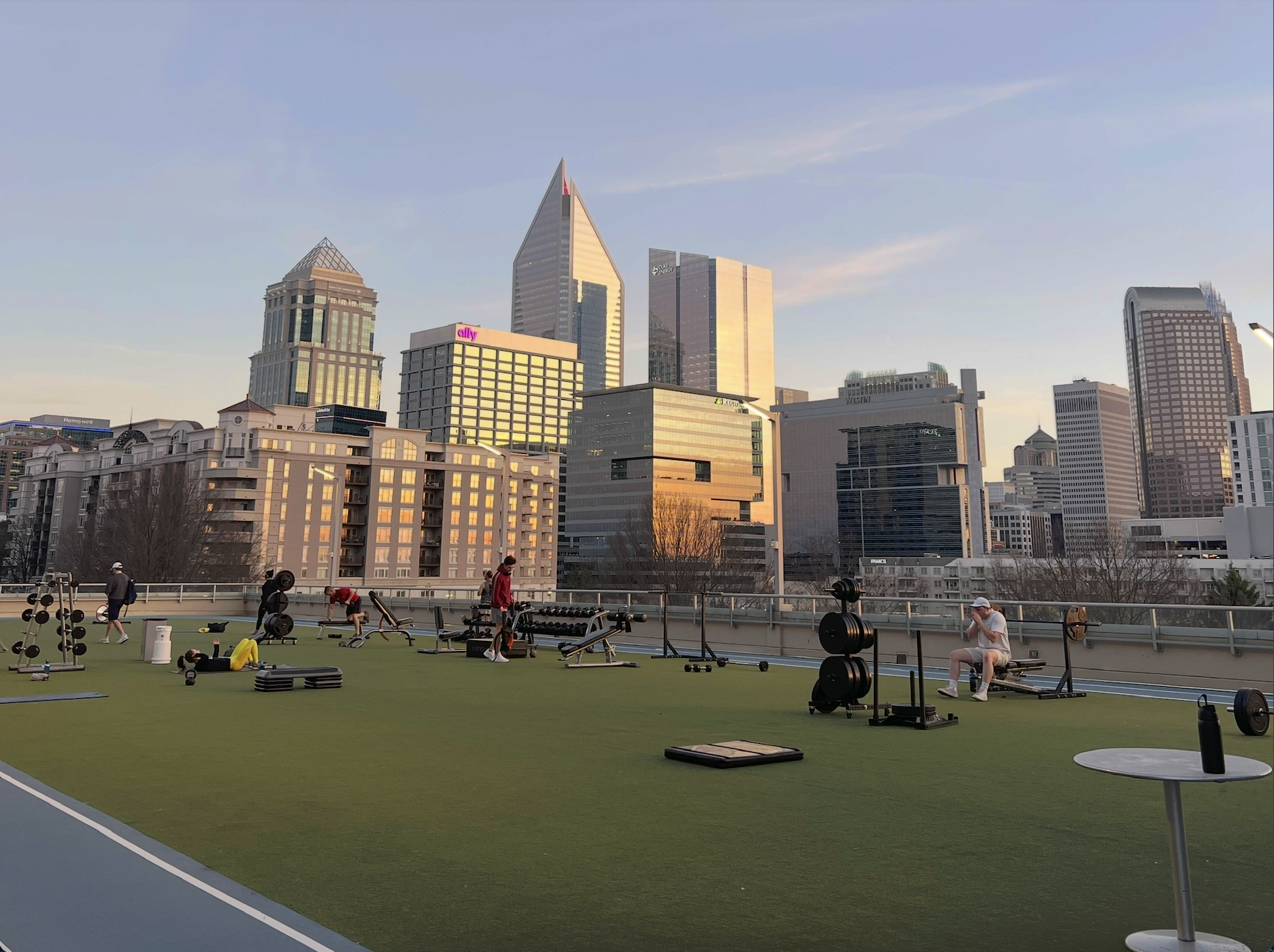
- But the crown jewel? The fifth-floor rooftop: a 7,000-square-foot fitness deck outfitted with a running track, fitness equipment, turf and a front-row view of Uptown's skyline.
Fun fact: In 2019, the Dowd became the largest YMCA in the country by membership, growing membership by about 40%, according to Angelon.
Yes, but: Then COVID hit, and memberships across The YMCA of Greater Charlotte dropped by more than half.
- The nonprofit is still tackling $32 million in debt, much of it tied to the Dowd renovation and pandemic-related membership loss, per The Charlotte Ledger.
The Dowd today
As the YMCA of Greater Charlotte works to rebuild membership, the Dowd remains the busiest and most-visited of all 14 branches.
By the numbers: The Dowd currently has about 11,000 membership units, representing 16,730 people, according to YMCA data.
- 42% of members are under 29 — most between 18–29.
- Another 34% are 30–45, while just 6% are 65 and older.
Zoom in: While most Y branches draw from a 5-mile radius, the Dowd's reach is a bit wider, says Angelon.
- The core neighborhoods are Myers Park, Dilworth, and South End, but plenty of members live elsewhere and commute in, often hitting the gym after work.
What they're saying: "The Dowd Y has always been unique. It's always been popular with young adults," says Angelon.
- He and his team studied what made both nonprofit and for-profit gyms successful in other cities, and incorporated many of those findings into Dowd's renovation.
- A couple of standouts include the addition of a yoga studio and a barre studio — a relatively novel concept in Charlotte at the time.
- Angelon also notes the renovation coincided with the rapid rise of South End, now one of Charlotte's trendiest neighborhoods.
My thought bubble: The Dowd feels less like a traditional YMCA and more like a massive fitness club-meets-social scene for young professionals.
- It's busy all day, but the "5pm Dowd Crowd" — an elbow-to-elbow workout window — has become something of a Charlotte meme.
- In addition to its multiple floors of open gym space and equipment, the facility offers over 100 classes weekly from hot yoga to athletic conditioning.
- There are also amenities you'd expect from a high-end gym, like saunas, steam rooms and a reformer Pilates studio
- It's also worth noting: A membership at the Y is a lot more affordable than many boutique studios. An adult membership with the Dowd as your primary branch starts at $69 a month.
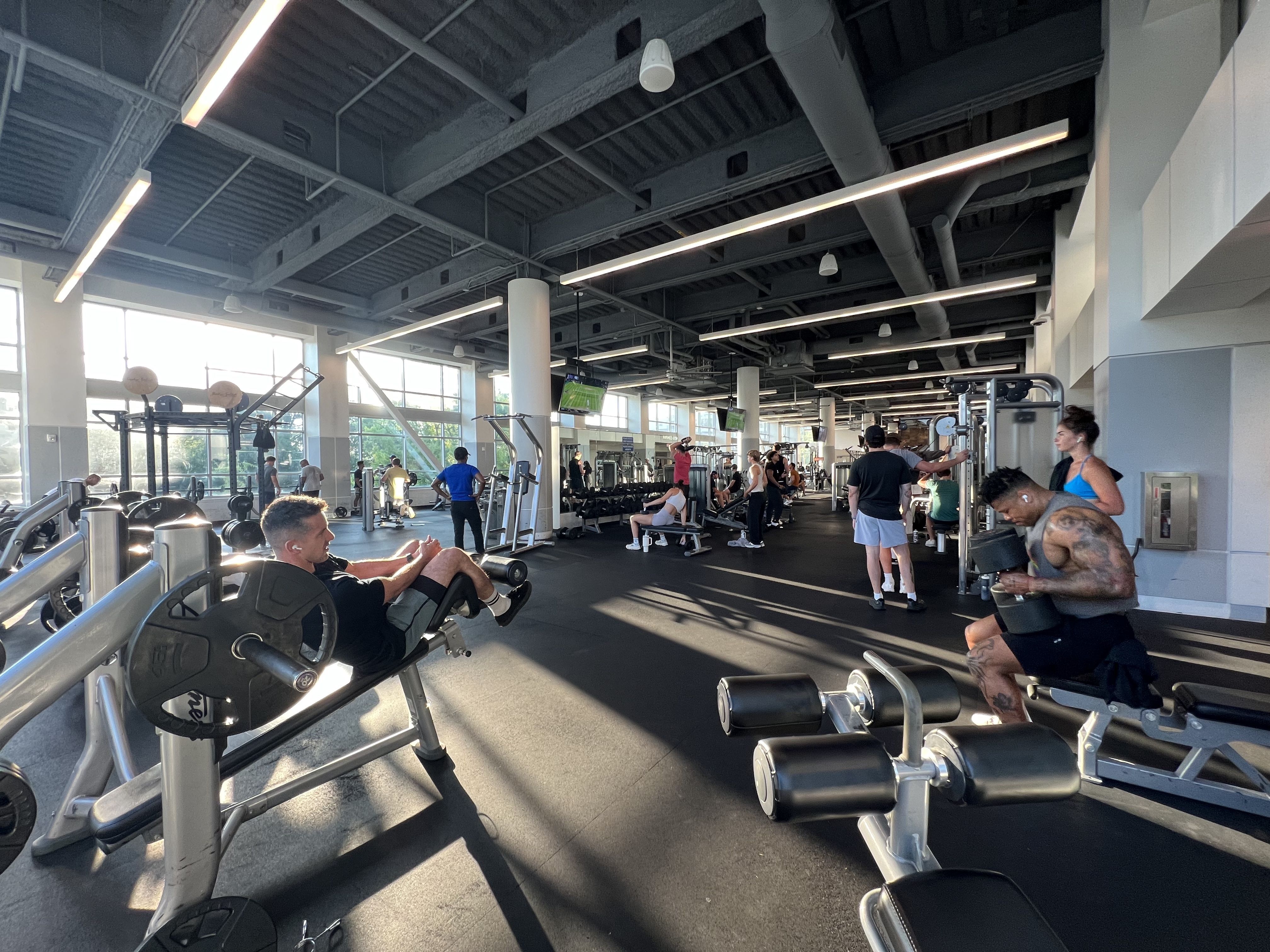
When you've got that many 20- and 30-somethings in one place every day, a social scene is bound to follow.
- In 2023, two members started a social club called Y Happy Hour, which takes place monthly at bars around Charlotte, to give regulars a way to connect outside the gym.
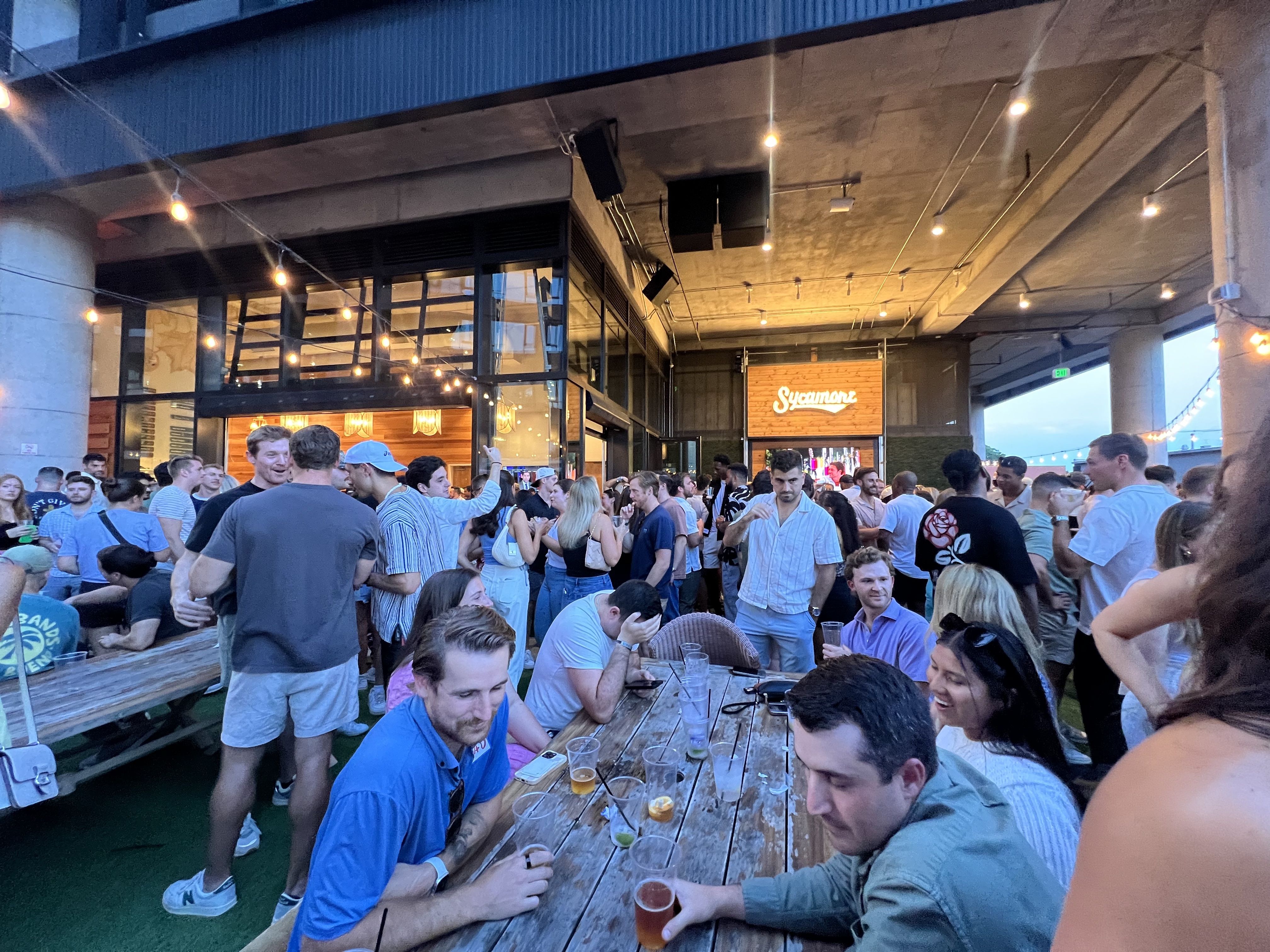
And several long-running social groups meet inside the Dowd, says Etz, including a morning coffee club, a daily mahjong group, and several Bible studies.
What's next: Several upgrades are underway and expected to be completed by early September, according to an email sent out to members:
- Lobby renovations, including an expanded cafe in partnership with Giddy Goat, which will use the original second-floor kitchen. The cafe will include a "health-conscious" and "performance-driven" food menu.
- A new co-working and community gathering space.
- An outdoor patio refresh.
- A 15-person meeting room for small group gatherings or huddles.
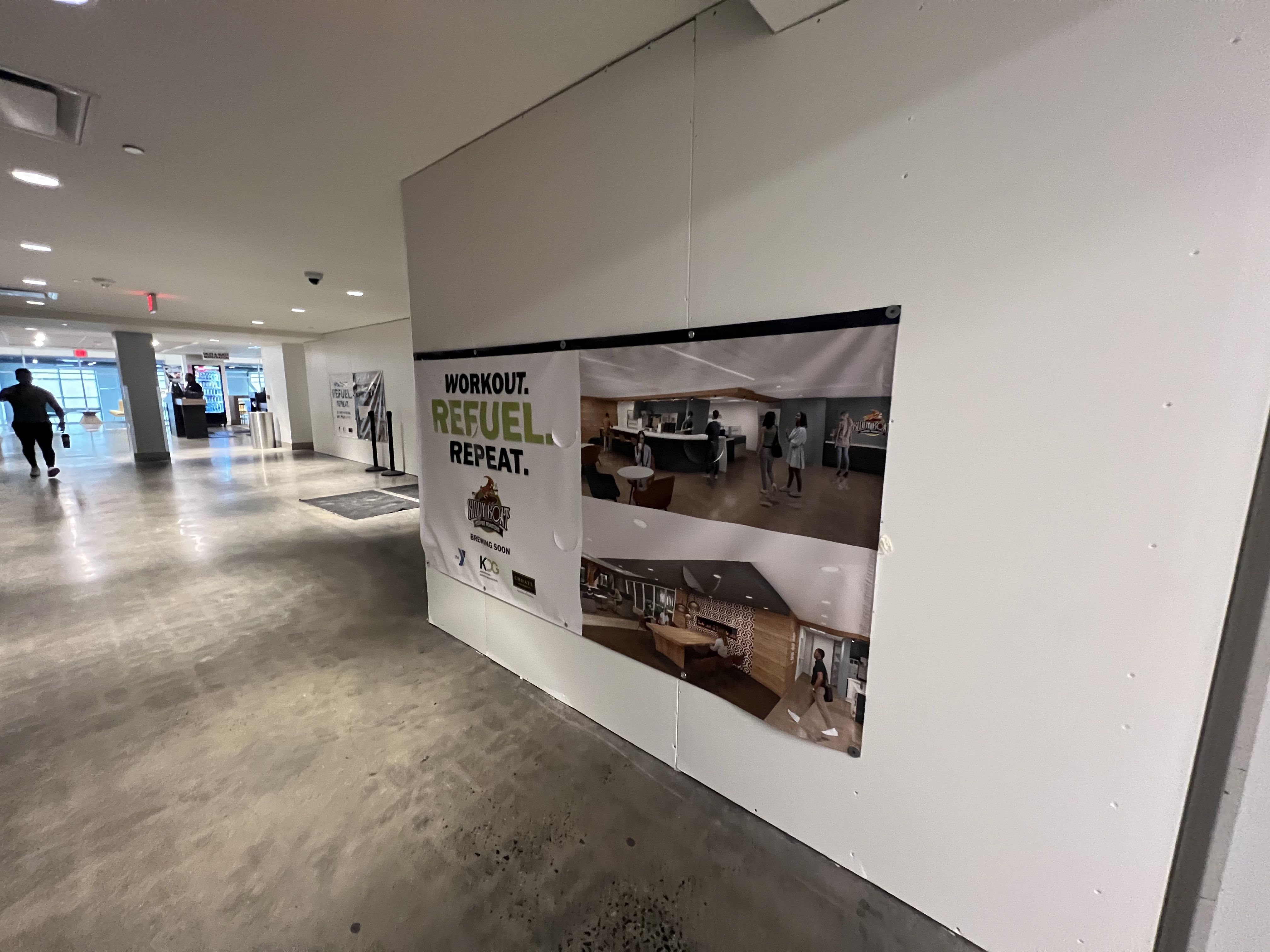
The bottom line: Today, with its young demographic, packed classes and growing social scene, the Dowd has become far more than a gym — it's one of Charlotte's cultural and wellness epicenters, and it's still growing.