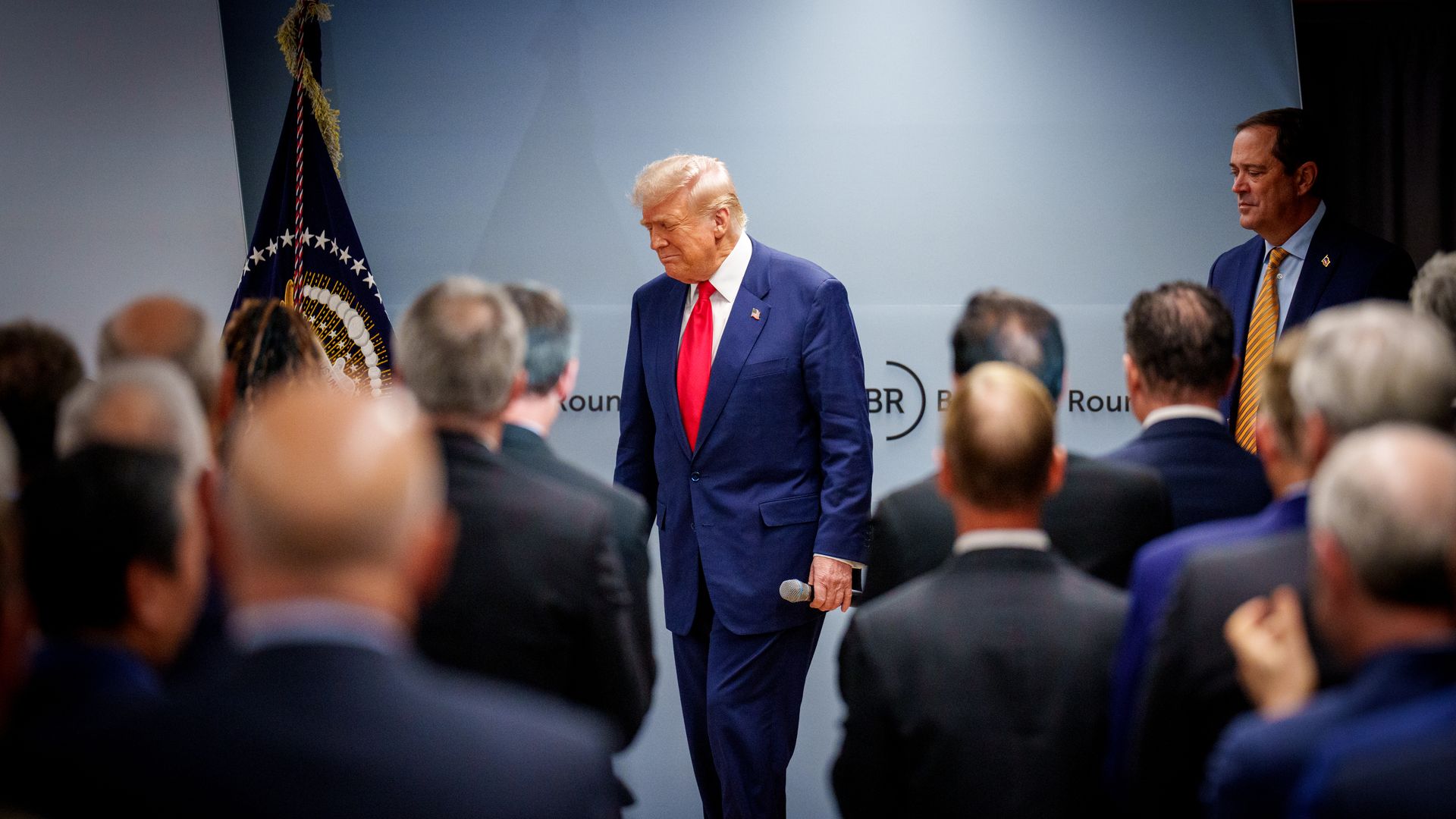
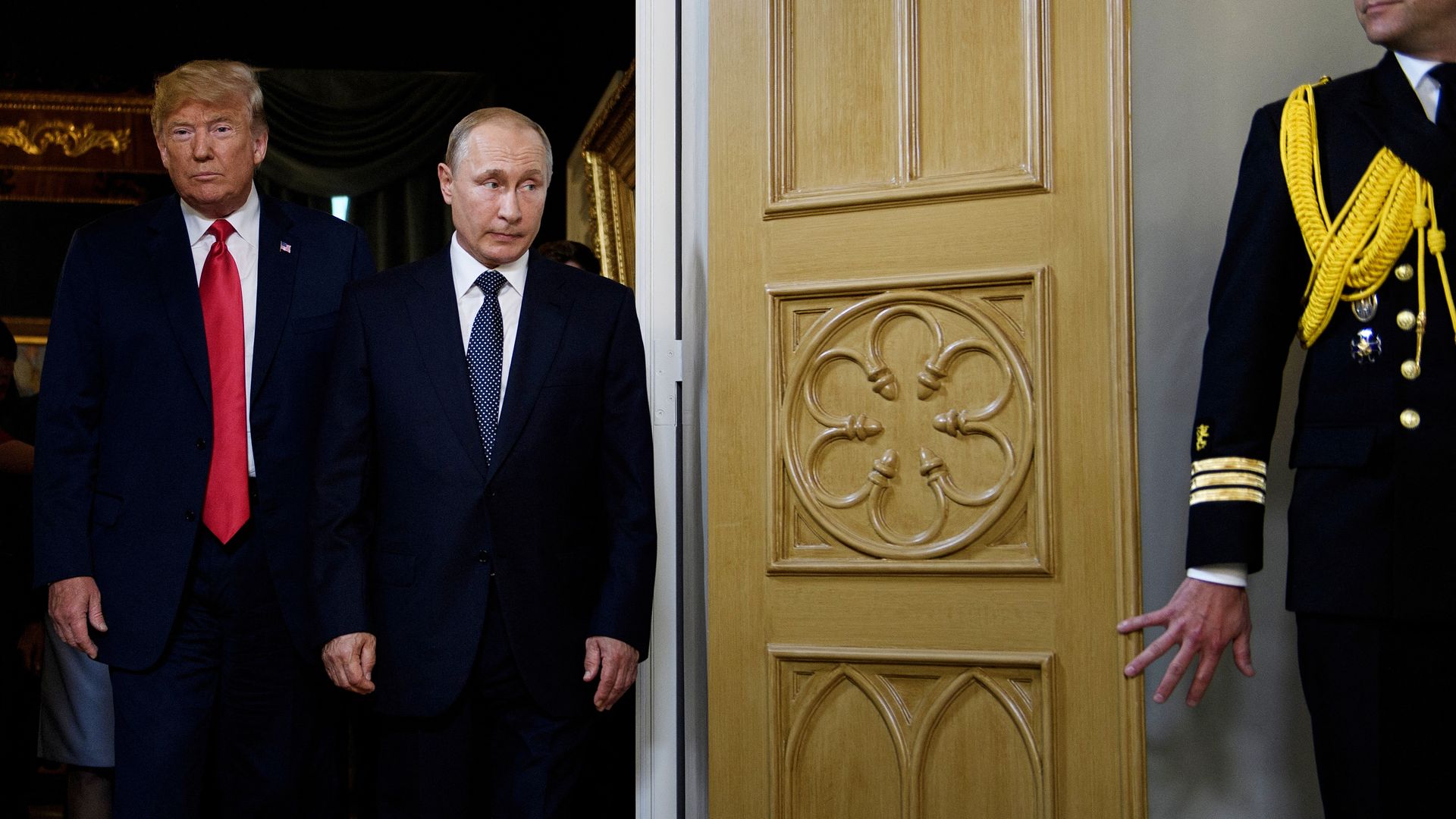
President Trump unveiled tariffs of at least 10% Wednesday on virtually the entire world, with one notable exception: Russia.
The intrigue: Press Secretary Karoline Leavitt told Axios Wednesday that Russia was left off because U.S. sanctions already "preclude any meaningful trade." However, the U.S. still trades more with Russia than with countries like Mauritius or Brunei that did make Trump's tariffs list.
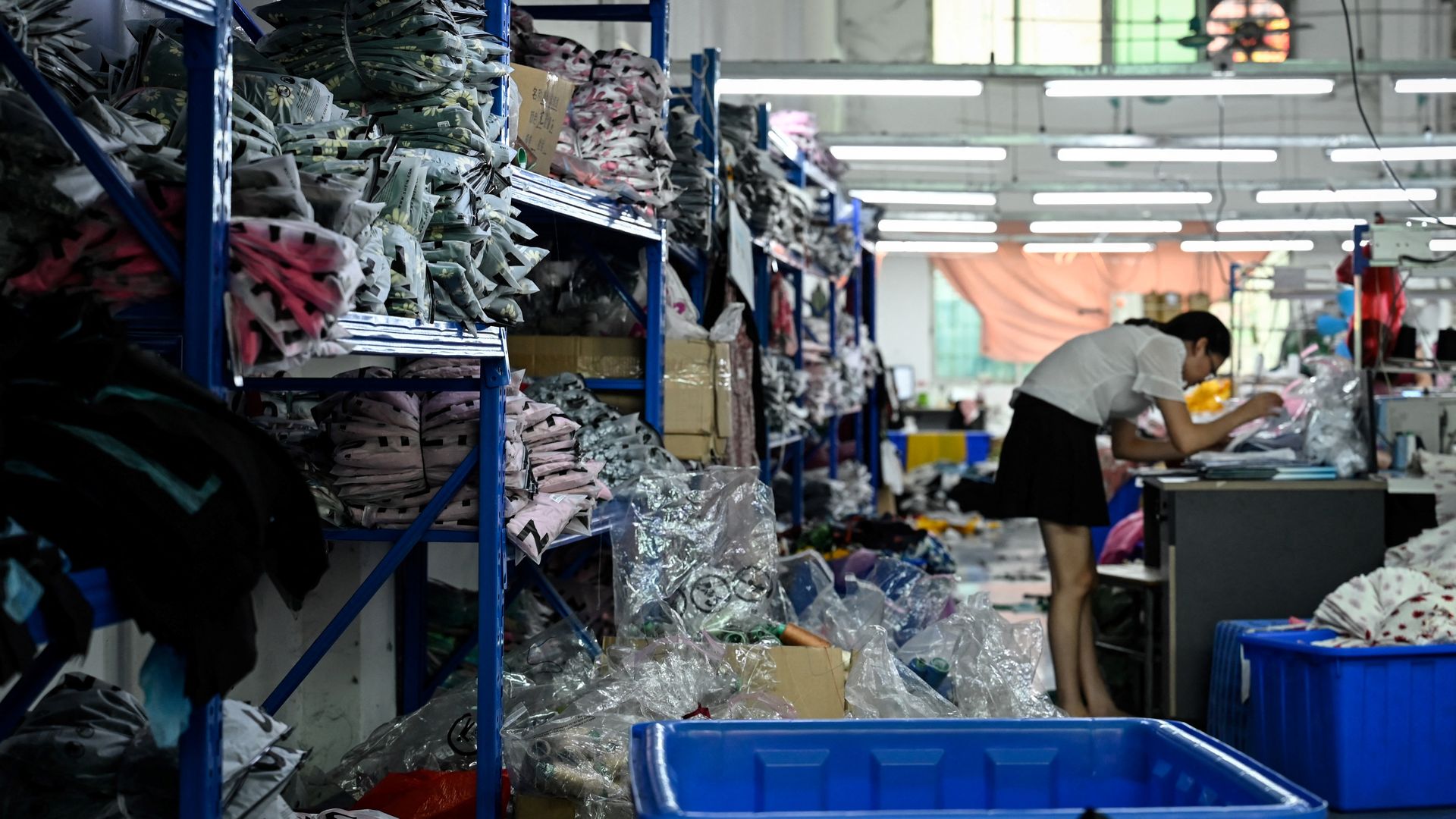
The Trump administration is moving forward with a plan to close a trade loophole that previously allowed cheap goods from China to avoid tariffs.
Why it matters: Packages valued at less than $800 have enjoyed the "de minimis" exemption from added duties, which has enabled foreign online retailers like Temu and Shein to sell super cheap items to American consumers.
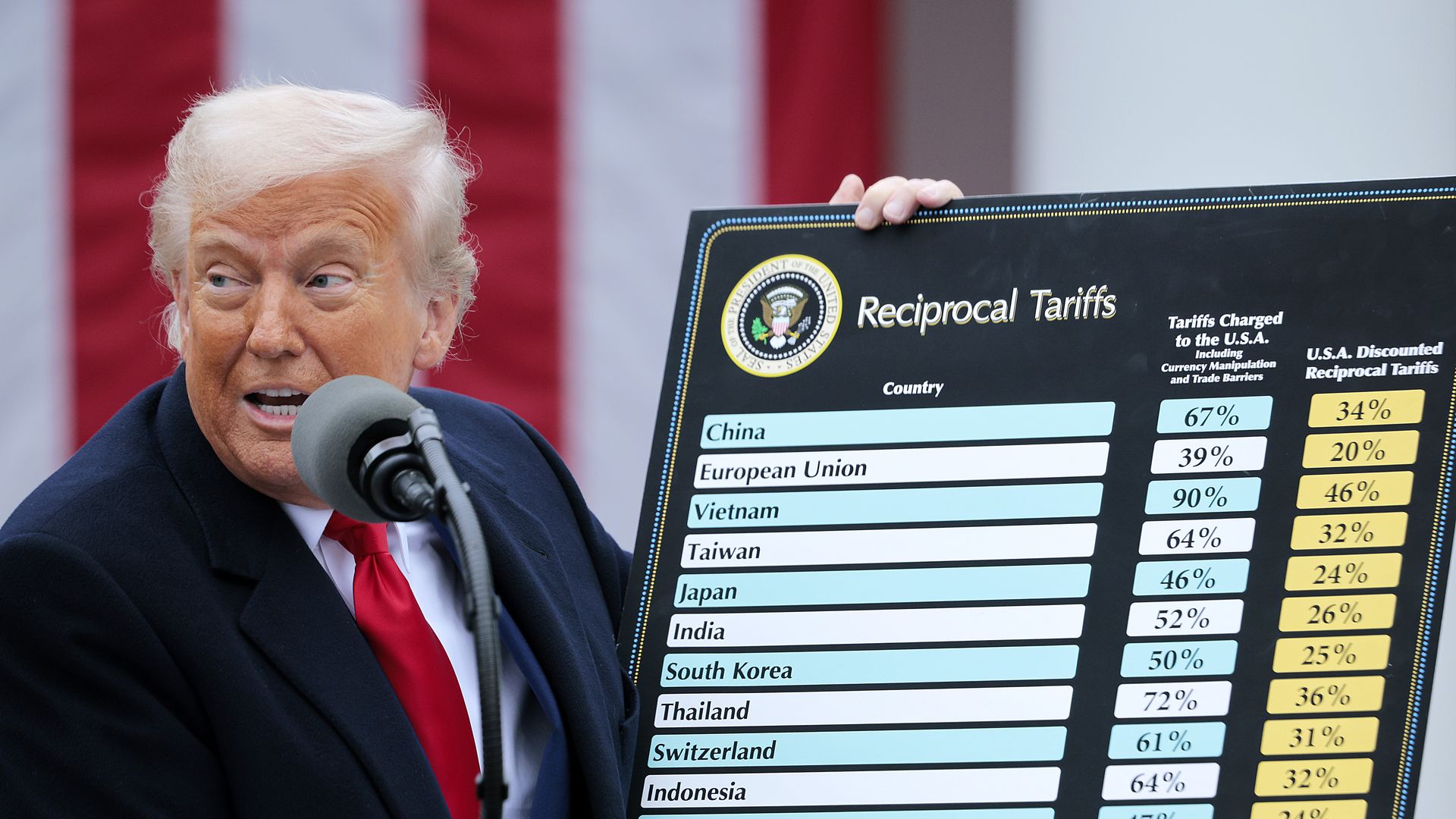
President Trumpannounced a baseline 10% tariff on U.S. imports, with steeper reciprocal levies on goods from a slew of other nations, including Europe, Japan and China.
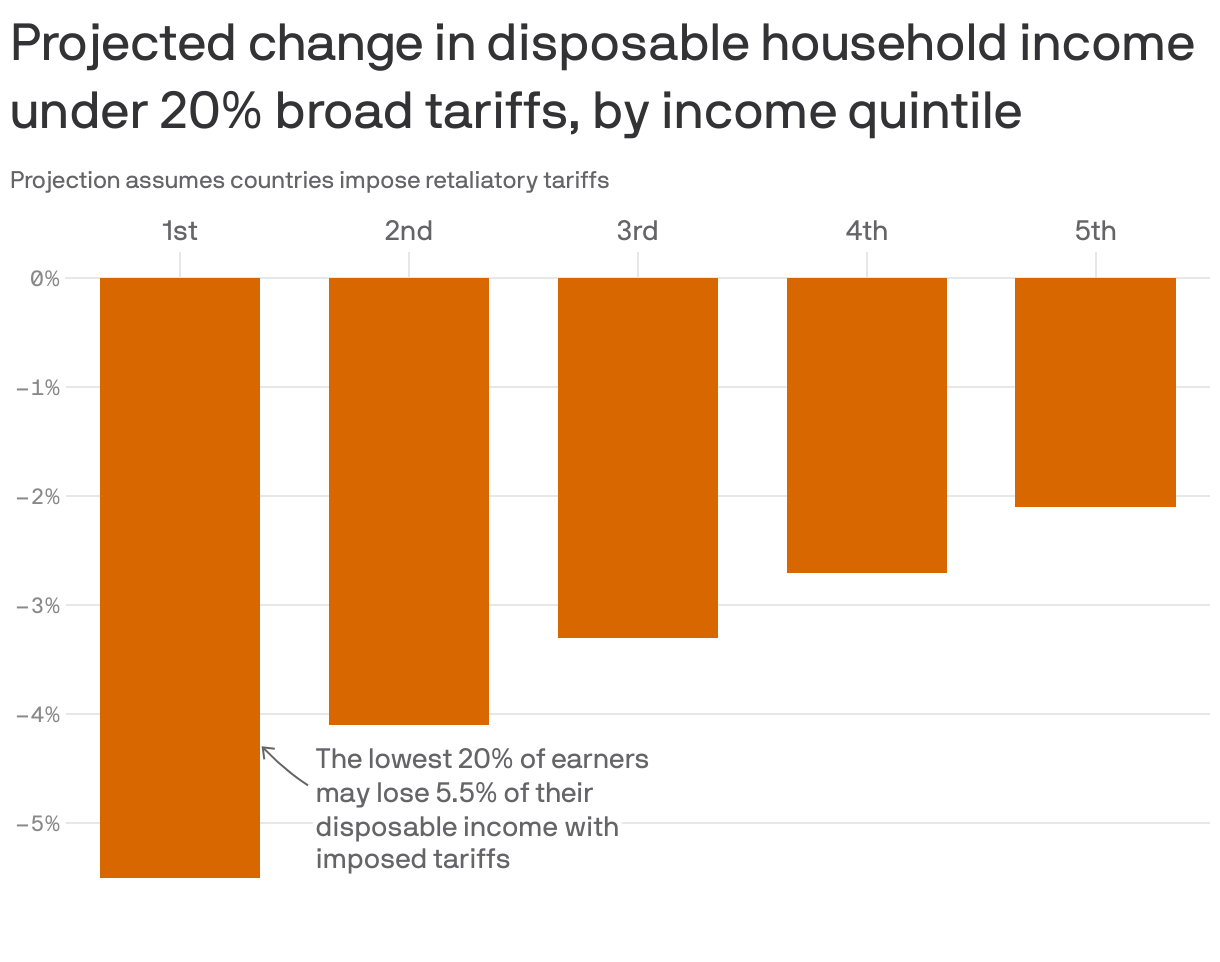
Why it matters: Trump's announcement ends the free-trade era that has defined global commerce for decades — a move that risks higher consumer prices and economic damage.
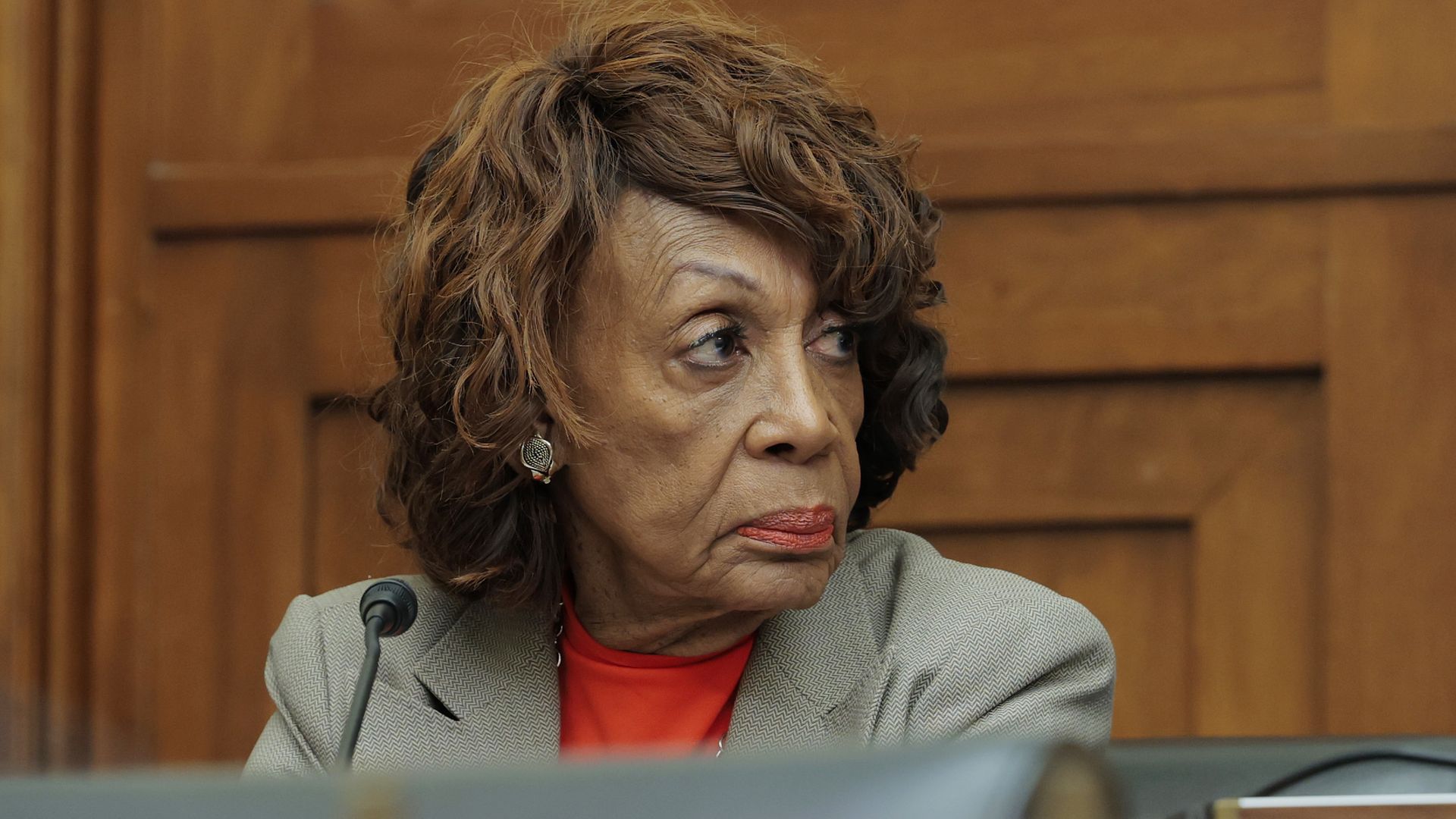
House Democrats attempted multiple amendments to a stablecoin bill Wednesday morning that would prevent the president and other government officials from having a financial interest in a dollar-backed digital asset.
Why it matters: In the middle of negotiations on what would be the first piece of U.S. crypto legislation, the Trump-affiliated World Liberty Financial announced its own stablecoin product — triggering conflict-of-interest concerns and risking a partisan split.
A second wave of buyout offers has gone out to federal workers inside some agencies, including Transportation, GSA and the Housing department, Axios has learned.
Why it matters: The context for these offers, sent to at least five agencies, has shifted radically since the initial "Fork in the Road" email went out in February — employees have been through the fire over the past month, laid off, forced out or embroiled in court fights to keep their jobs.
There's been lots of reporting Wednesday on the TikTok situation, with Amazon, AppLovin and even the founder of OnlyFans reportedly throwing their hats into the ring as potential acquirers.
And a new report that Trump will propose a solution during today's tariff speech.
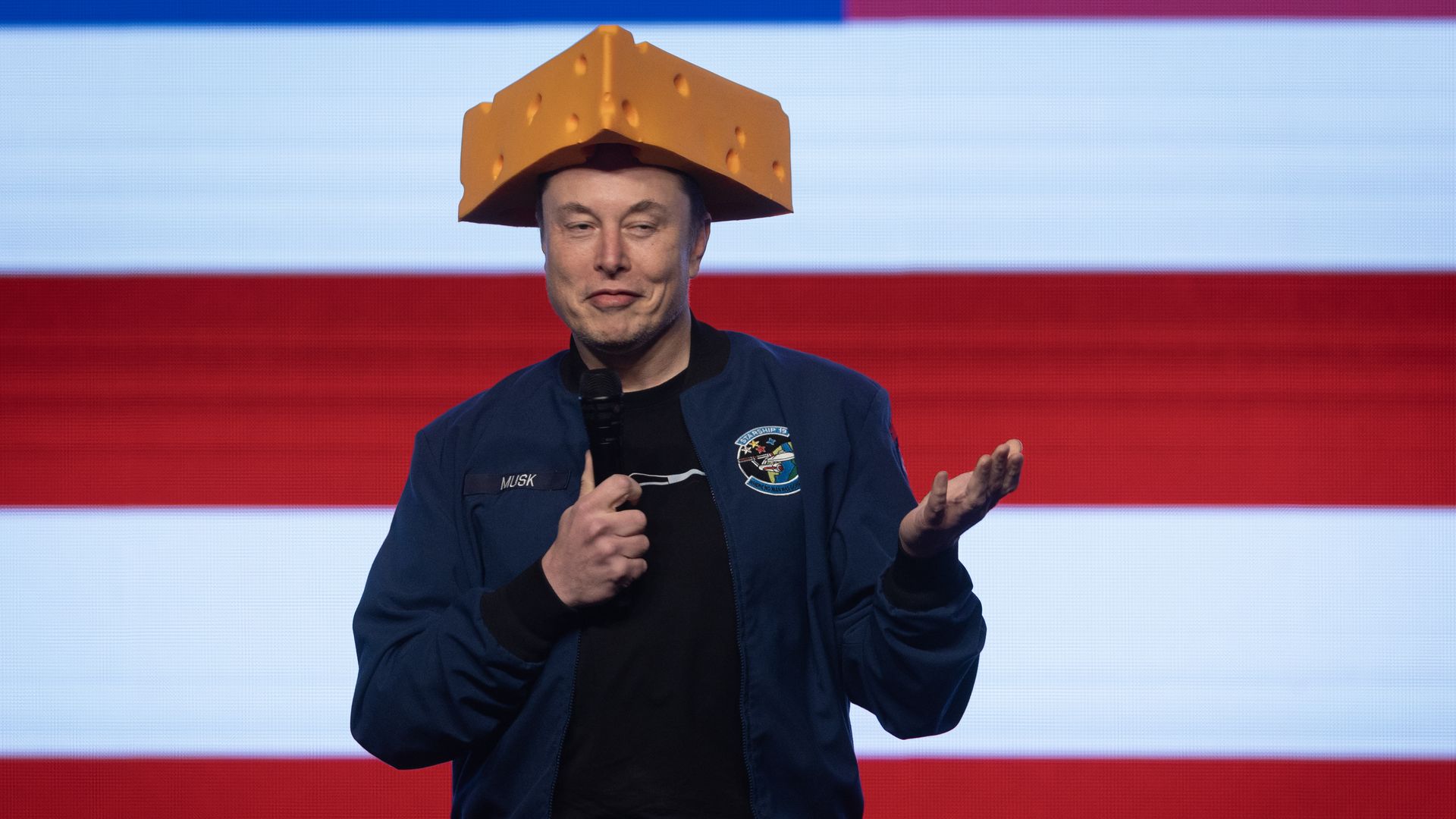
Disgruntled Americans are using their wallets, votesand voices to send Elon Musk a message in a string of business and political losses for the world's richest man.
Why it matters: Musk's time as the chainsaw-wielding head of DOGE has made him the face of several controversial Trump administration policies, turning him into a target for protests and public backlash.
Automakers face a dilemma as President Trump's tariffs pile up: They can raise car prices, sacrifice profit margins or redirect R&D spending to expand U.S. manufacturing — but somebody has to pay the bill for the higher costs that compounding tariffs bring.
Why it matters: The auto industry can't absorb the costs of tariffs and invest in electrification and autonomy and software-defined vehicles and new factories, all while fighting off rising Chinese competitors.
Christine Hunsicker, the founder and now-former CEO of fashion tech company CaaStle, isn't just being accused of fudging some numbers. It sounds like she may have built an entire Wonka factory.
Zoom in: Axios has learned that Hunsicker last year told prospective investors that CaaStle generated $519 million in 2023 revenue. Audited financials sent on Saturday to shareholders show the actual revenue figure for the year ending Sept. 30, 2023 was only $15.7 million.
Here's the dilemma that automakers face as President Trump's tariffs pile up: They can raise car prices, sacrifice profit margins or redirect R&D spending to expand U.S. manufacturing.
But somebody, somewhere, has to pay the bill for the higher costs that compounding tariffs bring.
Why it matters: The auto industry can't absorb the costs of tariffs and invest in electrification and autonomy and software-defined vehicles and new factories, all while fighting off rising Chinese competitors.
The math just doesn't add up.
Between the lines: If car prices go up, Americans will buy fewer of them, meaning less revenue to fund U.S. growth.
It's more than just tariffs causing the auto industry to buckle at this moment.
Carmakers face a litany of issues, including regulatory pressures, technological change, powerful Chinese competition and a stagnant sales market.
Why it matters: For decades, the answer to such challenges has been consolidation. But bigger doesn't necessarily mean better, as recent troubles at Stellantis and Volkswagen Group suggest.
"When an organization grows to a scale of 10 million units, in selling and producing cars, it becomes really troublesome," Toyota Motor Corp. Chairman Akio Toyoda told Automotive News.
"When you're at that scope, nothing can be decided. Mass production is focused on areas of the lowest cost, and the product becomes a commodity," he said.
The Rogue is Nissan's most popular model, but faces tough competition from big sellers like the Toyota RAV4 and Honda CRV.
Starting price: $29,230; Price as tested: $40,920
Pros: Sharp exterior styling, along with comfortable leather seats, a heads-up display, heated rear seats and an upgraded infotainment system in the Platinum AWD version I tested.
Cool tech options: Nissan's Pro Pilot Assist 2.1 allows hands-free highway driving.
A nifty 360-degree camera system includes "invisible hood view" that lets you see under the car to avoid curbs or steer the tires into a car wash track, for example.
Yes, but: The Rogue's 201-hp turbocharged three-cylinder engine is a disappointment compared to rivals.
"I know these are swing-for-the-moon opportunities, but I think we should pursue them."
😂 H/T to Mike Colias, of the Wall Street Journal's Detroit bureau, for his fun story about Mike O'Brien, a recently retired Ford sales executive, who since 2014 kept a log of mixed metaphors and malaprops uttered in company meetings.
Over the years, O'Brien filled six whiteboards with 2,229 linguistic flubs like "Let's not reinvent the ocean" or "too many cooks in the soup" alongside the name of the offending colleague.
"We weren't being mean," O'Brien told the Journal. "It was just funny."
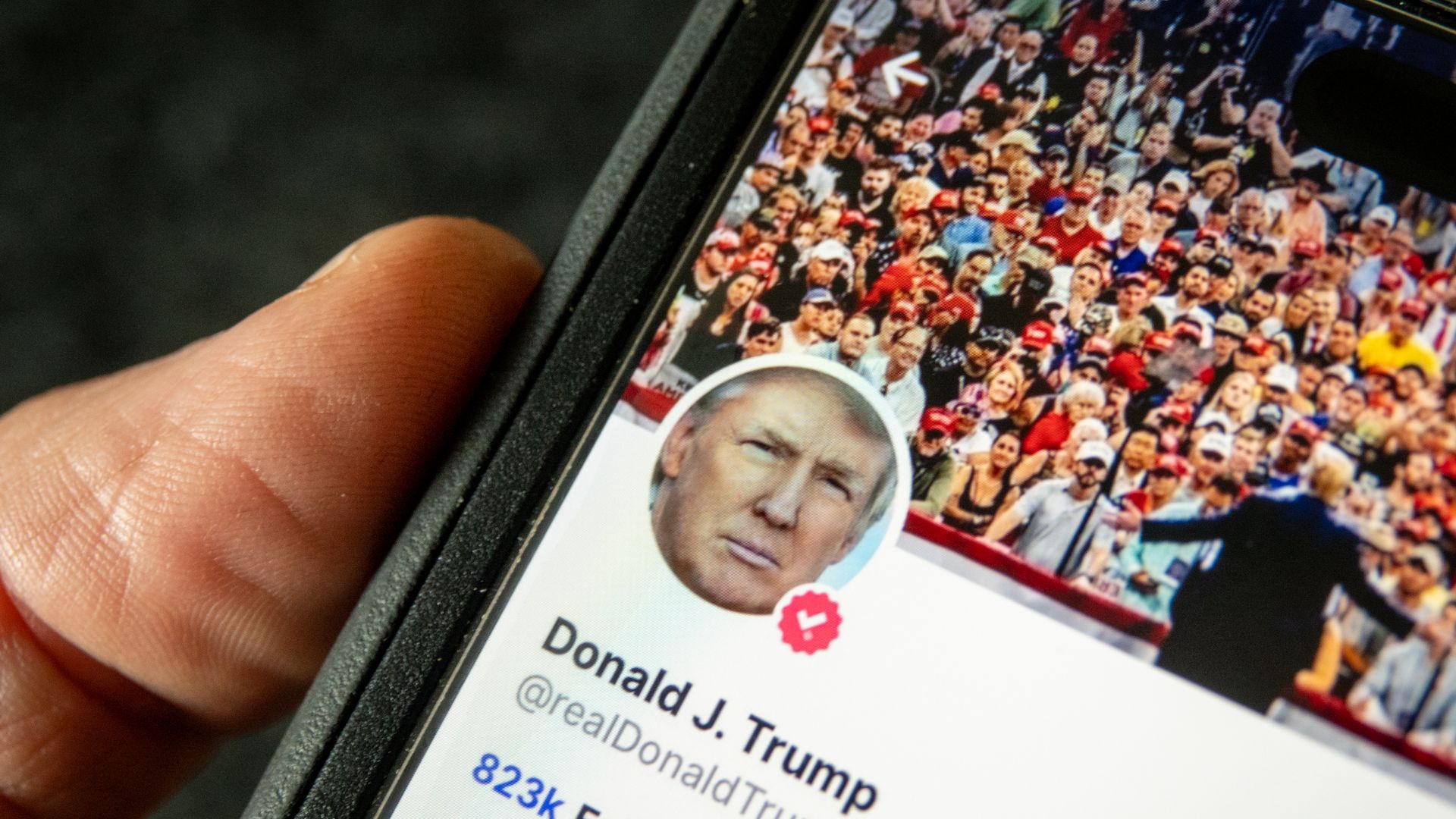
President Trump's social media company on Wednesday filed papers with securities regulators that would allow Trump's trust to sell almost 115 million shares of the company's stock.
Why it matters: Truth Social may be hoping for a halo from Newsmax, the conservative media company that went public Monday and saw its stock rise from $10 to $233 in two days.
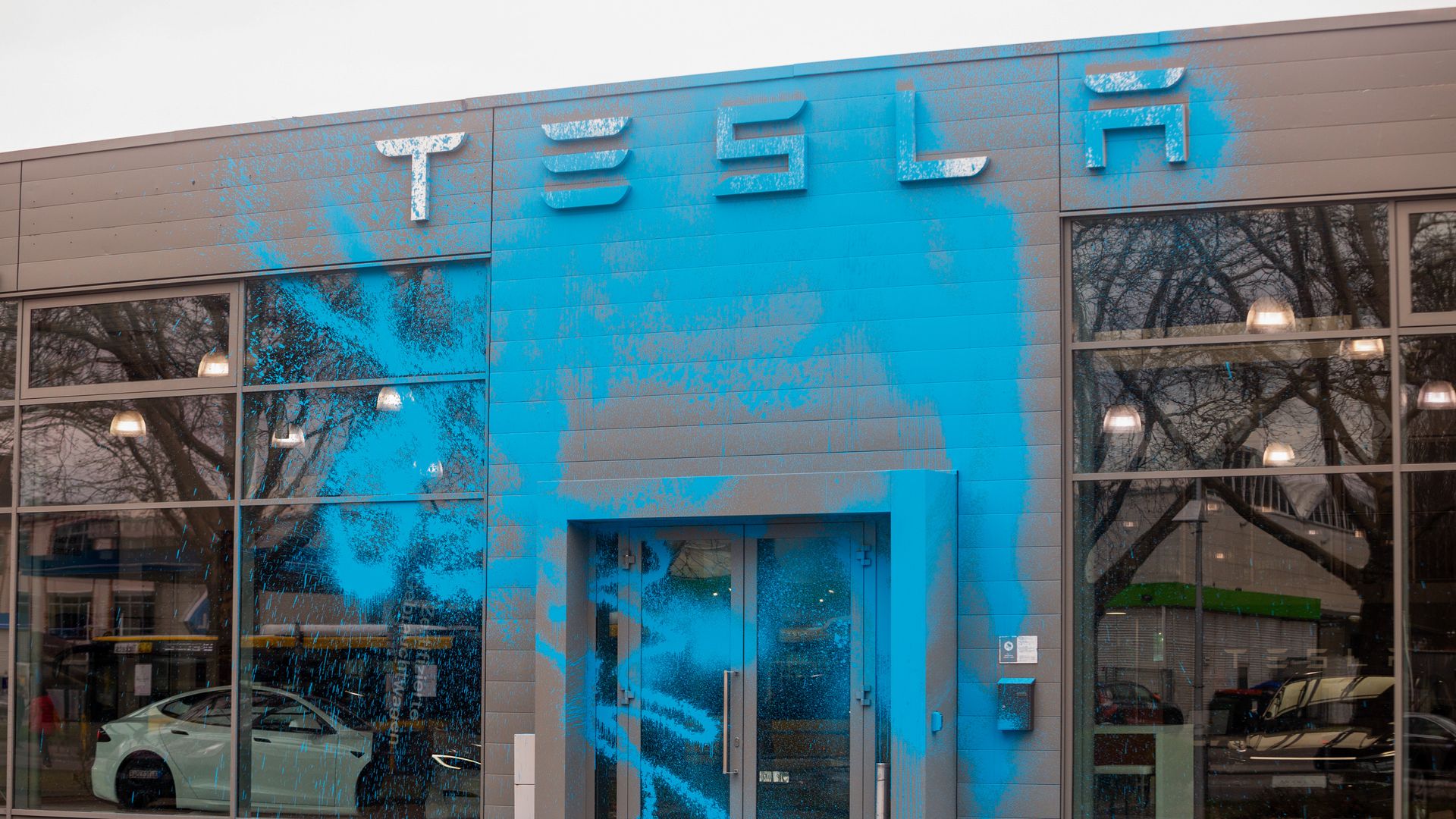
Tesla's vehicle deliveries plunged 13% in the first quarter, compared with a year earlier, as the company faces a backlash over CEO Elon Musk's political actions.
Why it matters: The datapoint marks one of the first significant indicators that Tesla's brand reputation is suffering from Musk's chainsaw-wielding leadership of the Department of Government Efficiency in the Trump administration.
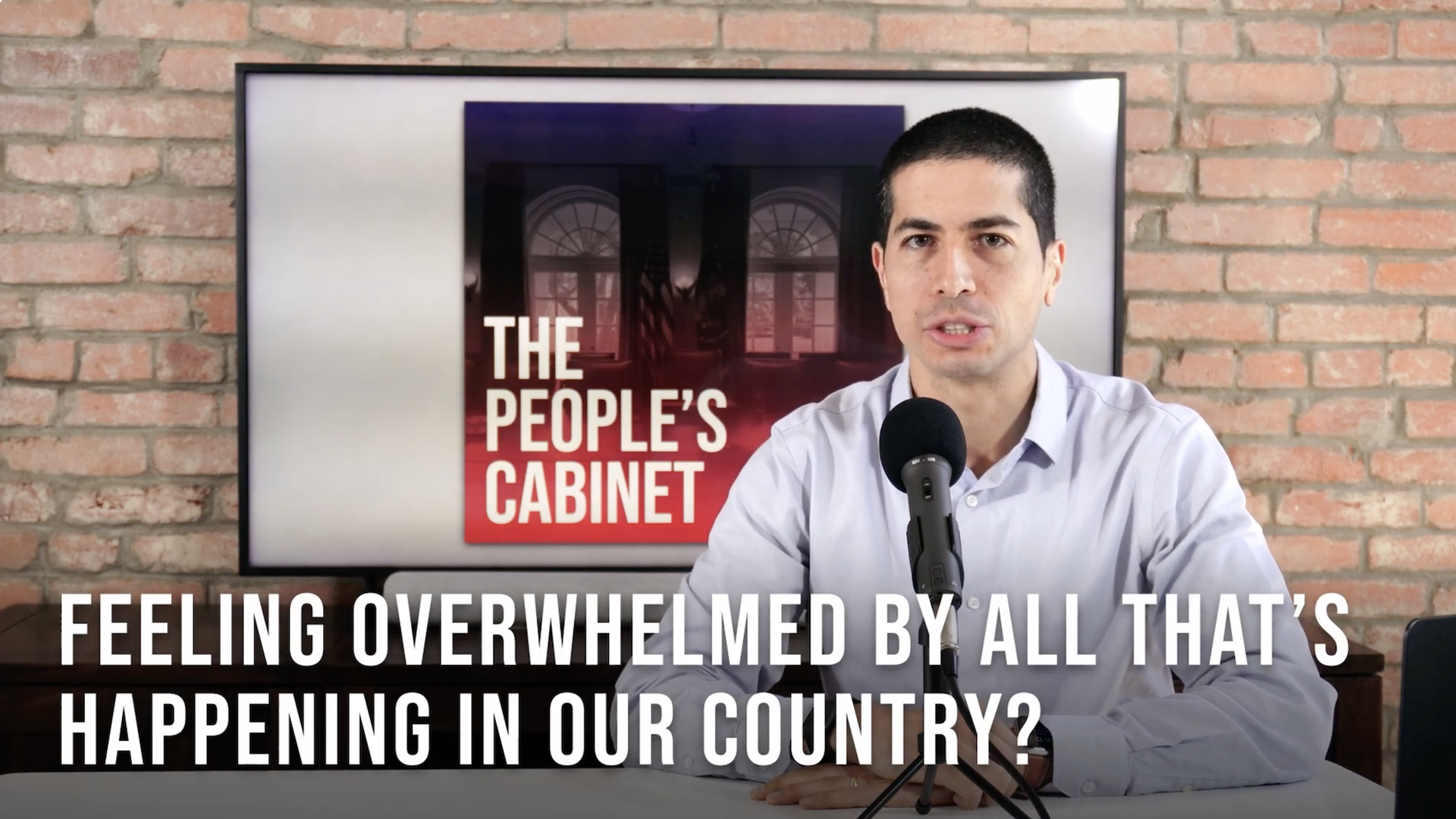
Daniel Arrigg Koh, a former senior aide in the Biden White House, is launching a new media venture — starting with a podcast, "The People's Cabinet" — to help alleviate Democrats' shortfall in new media.
Why it matters: Koh says the podcast is inspired by the "shadow cabinet" in the U.K. and other countries, to provide "an inspiring, alternative vision for our country's future, while giving listeners the tools to persuade the people Democrats need to win again."
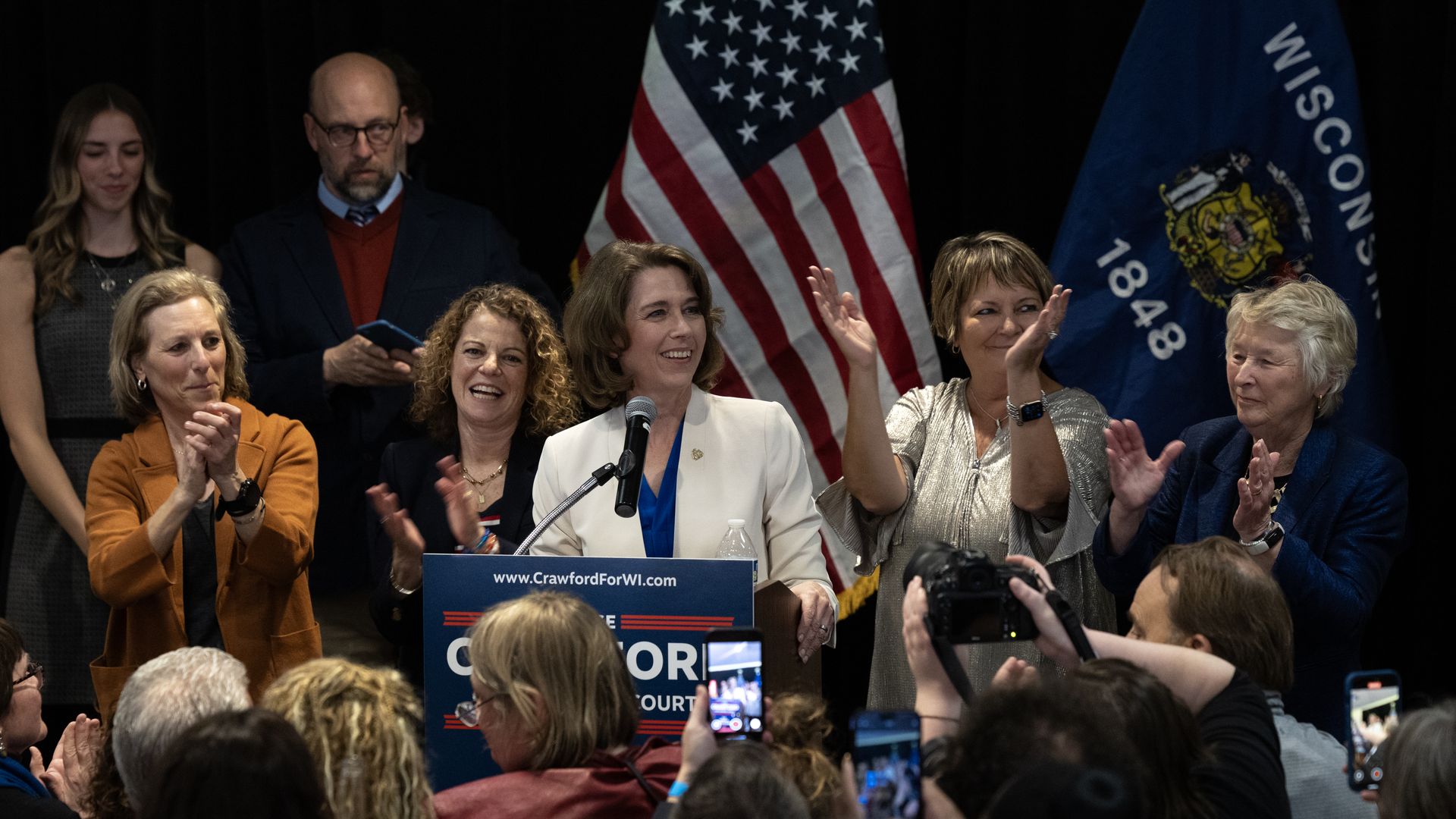
Judge Susan Crawford won a hotly contested Wisconsin Supreme Court election Tuesday, scoring a crucial victory for Democrats in what became the most expensive court race in U.S. history.
Why it matters: Crawford's decisive win preserves the state high court's liberal majority and sends a powerful rebuke to President Trump and the MAGA movement ahead of the 2026 midterms.
Tariffs are meant to boost U.S. manufacturing and jobs, but the issue is complicated.
Why it matters: In the short run, U.S. manufacturers are going to hurt from these tariffs, and whether they lead to more jobs in the long term is an open question.
Some Canadians are ditching their winter homes in the U.S. as tensions between the two countries simmer.
Why it matters: President Trump's tariffs and taunts may be the last straw for snowbirds who are already finding it more expensive to live south of the border, real estate agents say.
The new consensus among business owners and economists is that President Trump's colossal trade announcement Wednesday is just the start, not the end, of global economic uncertainty.
Why it matters: Many once hoped the much-hyped reciprocal tariff announcement would settle worldwide economic confusion.
Susan Crawford, a Democratic-backed judge, beat back a well-funded Republican candidate to secure a seat on Wisconsin's Supreme Court on Tuesday night, according to AP.
Why it matters: Crawford'swinis a rebuke to President Trump and billionaire Elon Musk, who poured millions into the race — and it will maintain the court's liberal tilt in a key swing state.
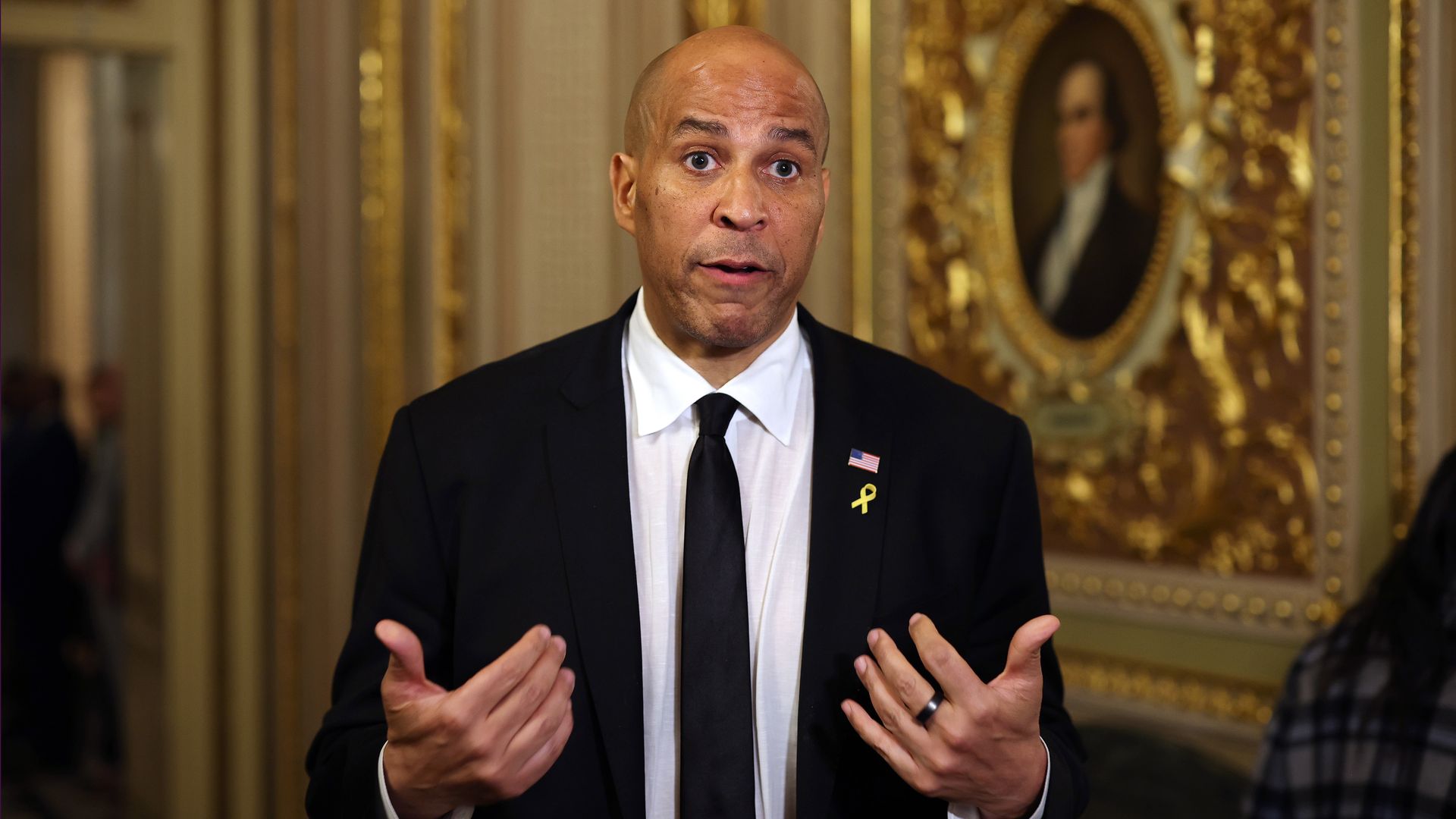
Sen. Cory Booker (D-N.J.) opened up on surpassing South Carolina segregationist Sen. Strom Thurmond's record for the longest Senate speech during an appearance Tuesday on MSNBC after speaking for 25 hours and four minutes.
The big picture: Thurmond, who later joined the Republican Party, was a Democrat when he spoke for 24 hours and 18 minutes against the Civil Rights Act of 1957.





/2025/04/02/1743622106581.gif?w=3840)


/2025/04/02/1743598802790.gif?w=3840)